Read the JUL ISSUE #127 of Athleisure Mag and see THE 9LIST 9M3NU in mag.
The Latest





Read the JUL ISSUE #127 of Athleisure Mag and see THE 9LIST 9M3NU in mag.

PHOTO CREDIT | Unsplash/Xiangkun ZHU
Spend a January evening in Helsinki and you notice how much of Finnish downtime now glows. The sauna still steams and the coffee still flows, but the second half of a Finnish night increasingly happens on a screen: a series queued up, a podcast in the earbuds, a game thumbed through under a blanket. Over the past decade, the country that gave the world Nokia has quietly folded most of its leisure into the phone, and the way Finns unwind at home is reshaping industries that once depended on physical venues.
Online play is one of those industries. As casino-style entertainment moved from smoky halls to the sofa, Finnish players started reading up before they tap. A Finnish guide such as verovapaat kasinot, published by hyvatkasinot.net, sets out which operators are licensed inside the EU or EEA and what that means for a player's winnings, framing the choice as a consumer decision rather than a lucky charm.
Finland has spent a decade rewiring how it relaxes. Streaming replaced the video shop, mobile podcasts replaced drive-time radio, and the same evenings that turned a streaming finale like Power Book III: Raising Kanan into appointment viewing also normalized spinning a slot or playing a few hands on a handset. Nothing about that is uniquely Finnish, yet Finland does it with unusual thoroughness: high smartphone use, near-universal banking apps, and a cultural comfort with doing official business online all push leisure toward the screen.
For the casino sector, that shift changes who the player is. Home play is casual, frequent, and blended into other downtime, which is exactly why the questions Finns ask have changed too.
Ask a Finnish player what they check first and many will mention tax before bonuses. The reason is a genuine rule rather than marketing. For Finnish residents, winnings are generally tax-free when the operator is licensed inside the EU or the European Economic Area, and taxable as capital income when the operator sits outside it. The Finnish Tax Administration sets out the lottery-tax logic behind this on vero.fi, and the practical takeaway is simple: the licence location, not the size of the win, decides the tax question.
That is why the word "verovapaat," meaning tax-free, carries weight in Finnish guides. It is not a promise that every euro is untouchable; it is shorthand for choosing an EEA-licensed operator so the tax-free treatment applies. Responsible guides hedge it exactly that way, because winnings from outside the EEA can be declared and taxed.
Here is the part visitors often get wrong: those EEA-licensed sites are not licensed in Finland. Today Veikkaus holds the domestic monopoly, and everything else Finns play sits on foreign licences, most commonly Malta. That is changing, but slowly. Under Finland's gambling reform, operators can apply for Finnish licences from 1 March 2026, and the licensed market is expected to open on 1 July 2027. Until then Veikkaus remains the only authorized operator at home, and foreign casinos remain foreign, however familiar they feel.
The reform is why "ahead of 2027" is more than a headline. Operators and players alike are positioning for a market that will look materially different, with domestic licensing and oversight built for mobile-first habits rather than kiosks and betting shops.
The casino story is really a subplot of a much larger migration. The table below sketches how everyday Finnish downtime shifted from physical to digital, and why the sofa, not the venue, is now the default.
| Everyday habit | The digital shift |
| Watching TV | Live broadcast gave way to on-demand streaming on any screen |
| Reading the news | Print and radio bulletins moved to phone-first feeds |
| Banking and paperwork | Branch visits became app logins and strong e-identifications |
| Music and radio | Scheduled shows become personal playlists and podcasts |
| Casino-style play | Physical venues gave way to licensed mobile operators |
Read together, the rows tell one story: convenience won. Each row also lowered a small barrier, and lower barriers are precisely why responsible framing matters more, not less, when the activity involves money.
Here technology has to be honest about its limits. Moving a slot from a hall to a handset changes the packaging, not the mathematics. Casino games run on random number generators with a built-in house edge, and no app, payment method, or clever session length removes it. A faster deposit gets you to the same odds sooner; it does not improve them.
That is the honest counterweight to all the convenience. The best of Finland's digital-leisure culture is its literacy: people who read terms, check licences, and treat a budget as entertainment spending rather than an investment. Gambling involves risk. 18+. Play responsibly.
For now, the sensible checklist looks a lot like the rest of Finnish digital life: confirm the licence and where it sits, read the withdrawal and bonus terms, use the deposit limits and timeouts on offer, and keep play inside a leisure budget. None of that is glamorous, and that is the point. The Finns who navigate the pre-reform market well treat online play like any other subscription in the entertainment stack, useful in moderation and easy to switch off.
For Finnish residents, winnings are generally tax-free when the operator is licensed inside the EU or EEA, and taxable as capital income when it is licensed outside that area. The licence location is the deciding factor, so it is worth confirming before you play.
No. Until the reform takes effect, Veikkaus is the only operator authorized in Finland, and other sites Finns use are licensed abroad, most often in Malta. They are legal to use but not Finnish-licensed.
Under Finland's gambling reform, operators can apply for Finnish licences from 1 March 2026, and the regulated market is expected to open on 1 July 2027. That should bring domestic licensing and clearer rules.
Convenience is not the same as safety. Home play is easier to start and repeat, so tools like deposit limits, session timeouts, and self-exclusion matter, along with treating a set budget as entertainment spending.
No. Casino games use random number generators with a built-in house edge, and no payment method or system removes it. Faster play does not change the underlying odds
Here is the thing nobody tells you when you buy the watch: the watch is the part that lasts. The band is the part that quits.
Anyone who trains four or five days a week knows the arc. Week one, the band feels great. Week six, it has gone slightly grey at the fold, holds a faint smell after hot yoga, and leaves a pink rectangle on your forearm every time you finish a treadmill session. You end up loosening it mid-workout, which is exactly when the sensor stops behaving.
So this is less a gear list than a materials argument. Below are ten picks that survive real sweat, plus a simple way to think about what you are actually buying.
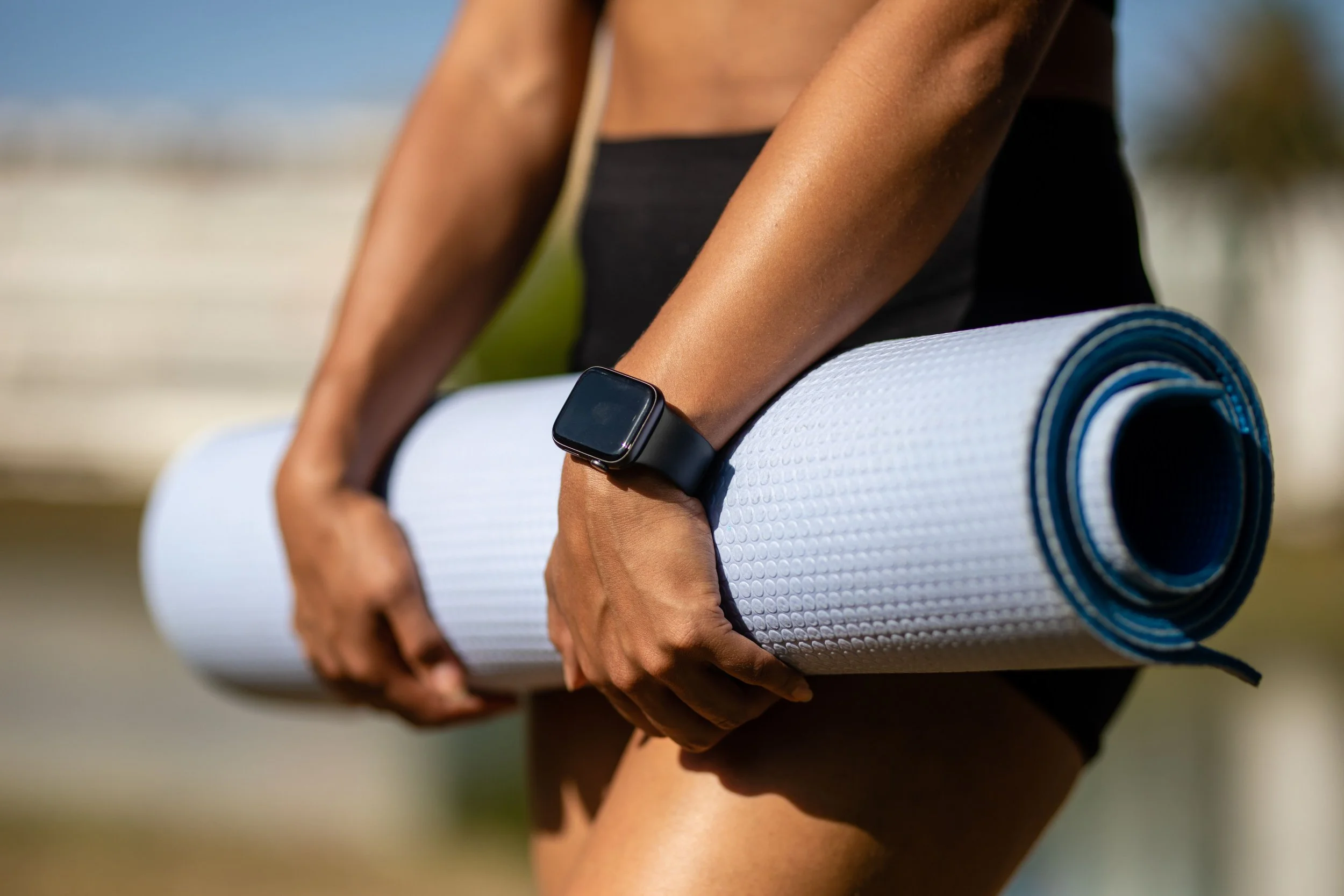
PHOTO CREDIT | Pexels/Ketut Subiyanto
Three things separate a band you keep from one you quietly retire.
Dry time. Nylon and woven fabrics wick and dry fast, usually within an hour of a hard session. Silicone and fluoroelastomer do not absorb anything at all, which sounds better until you realize the sweat has to go somewhere - and that somewhere is the seal between rubber and skin.
Behavior under load. A band that feels perfect at rest can chafe badly once your forearm swells during heavy pressing or a long climb. Perforations and stretch weaves matter more than thickness.
Sensor contact. This one is underrated. Apple's own guidance is that the watch should sit snug but not tight, above the wrist bone, with the back in contact with skin, and that you may want to tighten the band for workouts and loosen it afterward. A band that stretches out over time quietly degrades your heart rate data. You will blame the watch. It is the band.
Woven nylon is the sleeper category for people who train and then go straight to a meeting. It dries fast, it does not trap heat against the wrist, and it does not read as gym gear the second you push your sleeve up.
The aftermarket has gotten good here, which is where a smaller family-run label like Solace Bands has built a following, offering woven, leather, and metal Apple watch bands in colorways that sit closer to accessory than equipment. Worth noting: woven does hold moisture longer than rubber, so this is a rinse-and-air-dry band, not a swim band.
Still the default, still fine. Fluoroelastomer is soft, genuinely waterproof, and the pin-and-tuck closure does not snag on a barbell. The complaint is real though - it can feel clammy in humidity, and the closure creates a pressure point on smaller wrists.
Same rubber compound, but perforated throughout. Those holes are not decoration. They vent, and on a summer run the difference is obvious within twenty minutes. Downside: the holes collect lint, sunscreen, and salt, and cleaning them properly takes a soft brush.
Built for distance. It is thin, stretchy nylon with a pull tab, so you can micro-adjust mid-run without stopping. Runners love it. Lifters generally do not, because the stretch means the watch shifts slightly under sudden load.
Overkill for most people, and that is sort of the point. Tubular elastomer with a titanium buckle, designed for water. If you swim, surf, or do anything where the watch goes fully under, this is the one that will not slip. It is bulky under a jacket sleeve. Accept that.
FKM rubber, which is a step up from standard silicone in both feel and durability. It has a ventilation channel on the underside that actually reduces the sweat-trap effect. Priced above Apple's own band, a tough sell until you have worn one for a year and it still looks new.
For CrossFit, obstacle racing, or anyone who has already scratched a screen on a rack. Spigen's rugged line wraps the case and integrates the strap, so there is no lug gap collecting chalk dust. Bulky, unapologetically so, and it will not pass at dinner.
Elago, Alpine, and similar labels sell perfectly serviceable silicone bands for a fraction of first-party pricing. The quality gap has narrowed a lot. What you give up is finish consistency at the connector, so buy from sellers with a return policy.
Barton and a handful of others make silicone bands with genuinely good buckles and a quick-release system that lets you swap in under ten seconds. If you rotate bands daily, the hardware matters more than the strap.
Twelve South's ActionSleeve moves the watch off your wrist entirely and onto your forearm. Sounds strange. Then you try front squats, or push-ups, or anything requiring a flat wrist, and it makes complete sense. Not an everyday solution, but the best answer for lifting-heavy training blocks.
The rule: rubber for water and heat, woven for everything else. One fluoroelastomer or FKM band for swimming, hot classes, and outdoor summer training. One woven or nylon band for the gym floor, the commute, and the rest of your day. That covers roughly ninety percent of what most people who follow fitness editorials do in a week.
Add a third only if you have a specific reason - a leather or metal option for evenings, say, which is really a styling decision more than a performance one. If you have been following how June Ambrose thinks about building a wardrobe around a few strong pieces, the logic transfers neatly to wrists.
For travel, pack the rubber one. Hotel gyms are unpredictable, and you want the band you can rinse in a sink, which is also the band that survives a beach day on any destination worth the flight.
This is the part everyone skips. A Florida Atlantic University study tested wristbands worn by active people and found that 95 percent of them carried bacterial contamination, with rubber and plastic bands showing the highest counts and metal showing almost none. Gym-goers had the worst numbers. Not surprising, but worth sitting with.
The fix is boring and effective. Rinse rubber bands under warm water after any sweaty session and wipe them dry. Wash woven bands weekly with mild soap, then air dry fully before wearing. Do not put a damp band back on your wrist - that is how you get irritation, and it is also how a band starts smelling in a way that never fully goes away.
Match the material to the sweat, not to the outfit. Rubber and FKM for anything involving water or serious heat. Woven nylon for daily training and everything after. Armband if you lift heavy and your wrist needs to stay flat.
Wearables have quietly become part of how people manage their whole day rather than just their workouts, and the role they play in daily routines keeps expanding - which is precisely why the strap deserves more thought than it usually gets. You wear it sixteen hours a day. It touches your skin the entire time. It determines whether your heart rate data is worth anything.
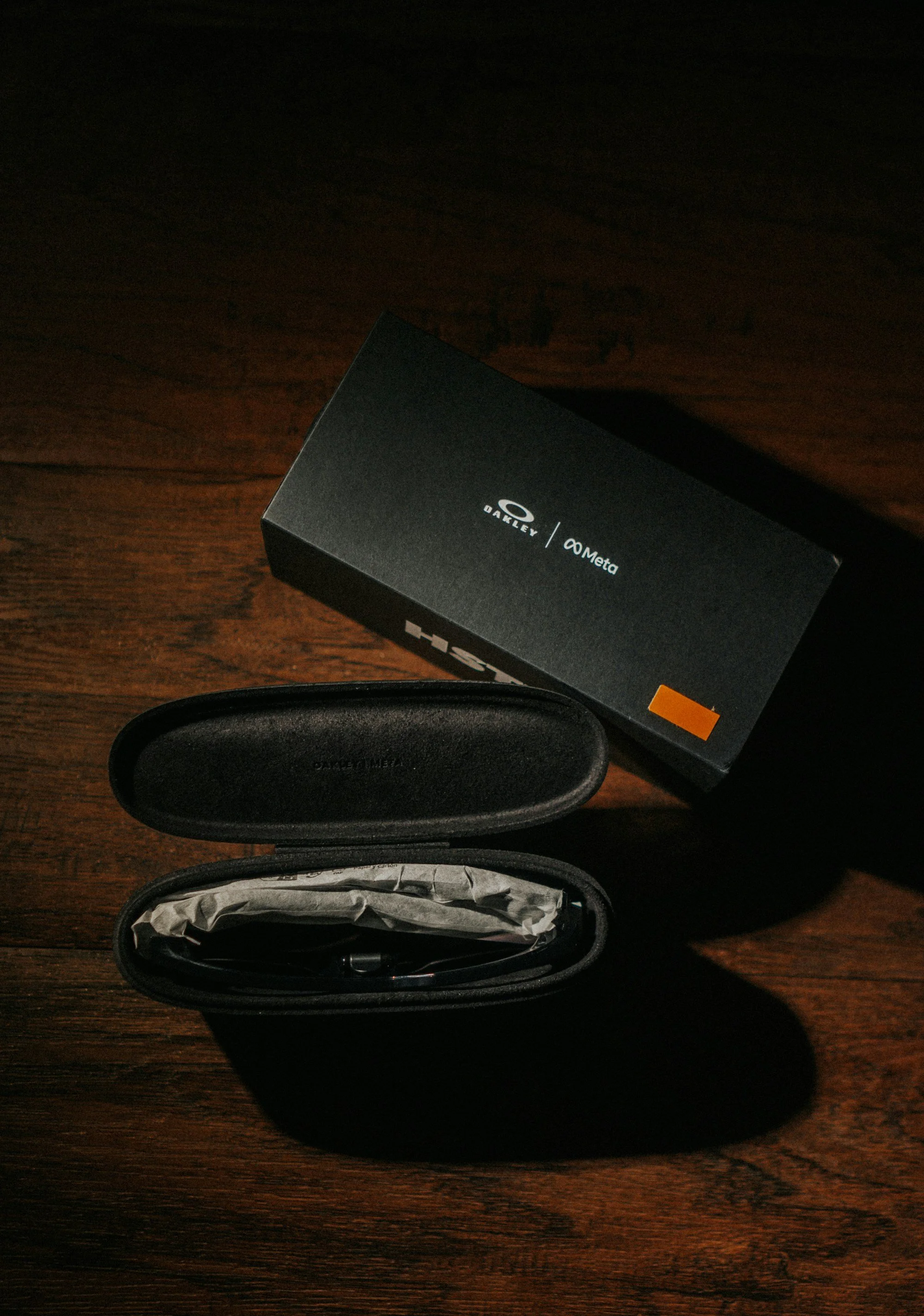
PHOTO CREDIT | Unsplash/Chaewool Kim
Most people have felt it at some point: the tight, heavy sensation at the base of the neck after a long day of looking down at a phone. It is easy to dismiss as tiredness, but the research behind it tells a more specific story. The average head weighs around 11 to 12 pounds, but bending the neck at 30 degrees to look at a phone increases the effective load on the cervical spine to 40 pounds, and at 60 degrees that figure rises to 60 pounds. Multiply that by the hours most people spend looking at a screen in a given day and the cumulative strain on the neck and upper back becomes less surprising. Between 27% and 48% of workers experience neck pain each year, and around 73% of higher education students report it too, with phone posture identified as a significant contributing factor across most of the research. The question this article tries to answer honestly is whether wearable technology, specifically the kind that reduces how often and how long a person looks down at a phone, could make a meaningful difference to that picture.
Understanding the Mechanics of Phone-Related Neck Strain
The condition that physiotherapists and researchers now commonly call text neck is not a new injury. It is a repetitive strain pattern that has become significantly more common since smartphones became the primary way most people access information, communicate, and navigate their days. Approximately 75% of the global population now spends several hours each day in a forward-leaning position while using a device, and the physical consequences of that sustained posture accumulate in a specific and well-documented way. The muscles at the back of the neck, which are designed to hold the head upright, have to work much harder when the head tilts forward. Over time that sustained effort leads to muscle fatigue, inflammation, and in more severe cases changes to the natural curvature of the cervical spine. The problem is not occasional phone use. It is the frequency and duration of a posture that most people adopt without thinking about it dozens of times a day. Any tool that reduces the number of times a person has to look down at a screen is therefore reducing the cumulative load on the neck, which is the metric that matters from a musculoskeletal health perspective.
Where Wearable Technology Enters the Picture
The case for wearable technology as a partial solution to phone-related neck strain rests on a simple mechanical argument: if the information and communication that currently requires looking down at a phone could instead be delivered at eye level or through audio, the posture that causes the strain would occur less often. Smart glasses represent the most direct version of that argument. Open-ear speakers built into the frame deliver calls, navigation, music, and AI assistant responses through audio, which removes the need to look at a phone for any of those interactions. A built-in camera captures what the wearer is looking at from eye level, which removes the phone-out-to-photograph reflex that is one of the more frequent triggers of the forward head posture. Americans spend an average of 5 hours and 16 minutes per day on their phones, rising to 6 hours and 27 minutes for Generation Z, and even a partial reduction in the proportion of that time spent looking down rather than straight ahead represents a meaningful reduction in the daily strain load on the neck. The wearable tech does not replace the phone entirely, but it intercepts the specific interactions that require the most sustained forward head posture and routes them through a device that keeps the head in a more neutral position.
Smart Glasses as a Practical Intervention
The current generation of smart glasses has developed to the point where using them as an everyday wearable is a realistic option rather than a tech experiment. Frames are lighter, battery life is longer, and the audio and camera features are practical enough to handle the interactions that would otherwise require a phone. Among the options in this category, the Oakley glasses with camera range approach the form factor from a performance eyewear background, which means the frames are designed to be worn all day in varied conditions rather than used intermittently. From a neck strain perspective, the specific value of smart glasses is in the interactions they intercept: the quick map check, the message reply, the phone call answered while walking, the photograph taken in passing. Each of those interactions individually involves a brief forward head posture. Across a full day they add up to a significant portion of the cumulative strain that produces neck pain by evening. Replacing them with eye-level audio and hands-free capture does not fix everything, but it addresses a real and measurable component of the problem in a way that does not require any conscious behavioral change beyond choosing which device to reach for.
What the Research Actually Supports and What It Does Not
It is worth being precise about what the evidence does and does not currently say about wearable technology as a solution to neck strain. The research on text neck is well-established: the posture is harmful, it is widespread, and the primary driver is phone use. Studies show that 45% of young adults have mild text neck syndrome, 36% have moderate symptoms, and 19% have severe symptoms, which reflects how far the condition has progressed in the population most exposed to it. What the research does not yet have is a specific body of studies examining whether smart glasses reduce neck strain incidence in daily users, because the category is too recent for that longitudinal data to exist. The argument for smart glasses as a neck strain intervention is therefore mechanically sound but not yet clinically confirmed, and it is worth stating that clearly rather than overstating what the evidence shows. What can be said with confidence is that reducing the frequency of forward head posture is beneficial, that smart glasses reduce the frequency of the interactions that trigger that posture, and that the logical connection between those two facts is straightforward enough to take seriously while the clinical evidence catches up.
Other Wearable and Behavioral Approaches Worth Combining
Smart glasses are not the only wearable technology relevant to the neck strain question, and they work best as part of a broader approach rather than a standalone fix. Smartwatches that deliver notifications through a glance at the wrist rather than a phone pulled from a pocket reduce forward head posture for that specific interaction. Posture-monitoring wearables, which sit at the base of the neck or on the upper back and vibrate when the wearer adopts a forward head posture beyond a set threshold, address the habit rather than the trigger. Used alongside smart glasses that reduce phone interaction frequency, a posture monitor that addresses the posture itself covers more of the problem than either device does alone. Ergonomic adjustments to how and where phones are used when they do need to be used, holding them at eye level rather than in the lap, using voice input rather than typing, and taking deliberate breaks from sustained screen use, remain important even for people using wearable technology, because no single device eliminates all the situations that produce the problematic posture.
Conclusion
Phone-related neck strain is a real and growing health concern, and the scale of it across the population reflects how thoroughly the forward head posture has become embedded in daily life. Wearable technology, particularly smart glasses that intercept high-frequency phone interactions and route them through audio and eye-level capture, offers a genuinely plausible partial solution rather than a marketing claim dressed up as wellness advice. The mechanical argument is sound, the devices are practical enough for everyday use in 2026, and the reduction in forward head posture they produce across a typical day is real even if the clinical confirmation of long-term outcomes is still developing. For anyone who ends most days with a tight neck and already knows their phone use is part of why, that is a reasonable basis for trying a different approach.

PHOTO CREDIT | Unsplash/Markus Winkler
Why are more cannabis growers choosing autoflower seeds over traditional photoperiod varieties? What has changed to make them one of the fastest-growing segments of the market? Something has changed quietly in the cannabis growing community across Australia and beyond over the past few years. Growers who once defaulted to photoperiod strains are increasingly choosing autoflowers instead, not as a compromise, but as a genuine preference.
The shift comes down to a combination of improved genetics, practical growing advantages, and the reality of how most home cultivators actually operate. As modern autoflower varieties continue to deliver better yields, stronger genetics, and greater consistency, they're becoming an attractive option for both first-time growers and experienced cultivators alike.
The fundamental difference between autoflowering and photoperiod cannabis is straightforward but significant. Photoperiod plants begin flowering when they detect a reduction in daily light, typically 12 hours of darkness, which means outdoor growers are tied to seasonal light cycles, and indoor growers must manually switch lighting schedules.
Autoflowering plants bypass this completely. They flower automatically based on age, typically beginning the transition within three to four weeks of germination regardless of light conditions. This trait comes from Cannabis ruderalis genetics, a hardy subspecies that evolved to survive the short growing seasons of northern latitudes.
The practical consequences of this difference are considerable, and they compound across different growing situations in ways that explain the rising popularity.
Here are five of the biggest advantages driving the growing popularity of autoflower seeds:
Most modern autoflowering varieties complete their full lifecycle from seed to harvest in eight to eleven weeks. Comparable photoperiod varieties typically require three to five months. For growers who want results quickly or who want to run multiple cycles in a single growing season, that time saving is transformative.
An outdoor grower in a warm climate can complete two or even three full autoflower runs in the time a single photoperiod crop would take. An indoor grower can plan harvests on a predictable, accelerated schedule without waiting for the flowering trigger.
Indoor photoperiod cultivation requires a lighting schedule switch, 18 hours on during vegetative growth, then a change to 12 hours on to trigger flowering. The growing space needs to be light-tight, and the schedule needs to be maintained consistently.
Autoflowers require none of this. Many growers run them on 18 to 20 hours of light throughout the full lifecycle without any schedule change. This simplifies the setup significantly, reduces electricity costs, and eliminates light-leak risk that can cause photoperiod plants to re-veg or hermaphrodite.
Most autoflowering plants stay under a metre tall. For home growers working with limited space, a small tent, a balcony, a discreet indoor setup, this compact structure is often the deciding factor. Photoperiod strains in their full vegetative growth can reach sizes that simply don't fit smaller growing environments.
The early reputation of autoflowers for modest potency and limited flavour profile was accurate for first-generation ruderalis crosses. Those trade-offs no longer apply. Dedicated autoflower breeders have spent years selecting and stabilising genetics that deliver. THC levels regularly exceeding 25%, complex terpene profiles, and yields of 500 grams per square metre or more indoors under good conditions.
The quality ceiling for well-bred autoflowering varieties is now comparable to premium photoperiod strains. This is the most significant shift in the autoflower conversation.
Autoflowers handle minor nutrient imbalances, temperature fluctuations, and grow environment imperfections more tolerantly than many photoperiod varieties. For growers who are still learning, that margin of error matters. The plant doesn't add a stress response on top of whatever mistake was made.
The quality range within autoflowering seeds is wide. The difference between a well-bred, stable genetic line and a poorly stabilised one shows up in consistency, potency, and how reliably the plant performs across different growing environments.
For growers looking at autoflower seeds Australia options, the selection from a reputable supplier matters significantly more than it might with well-established photoperiod strains, because the autoflower market contains more variation in genetic quality.
This shift is visible in the catalogues of Australian seed banks such as Sacred Seeds, where modern genetics are increasingly selected for terpene expression, stability, and environmental adaptability rather than potency alone
The shift toward autoflowering genetics is supported by what we now know about how cannabis variety characteristics are determined. A landmark study published in Nature Plants confirmed that the traditional Indica/Sativa classification doesn't align reliably with genetic differences, what actually differentiates varieties in meaningful ways are their terpene synthase gene expressions. Autoflowering genetics, when properly selected and stabilised, can deliver specific and consistent chemotype profiles that growers can reproduce reliably across grows.
This has practical implications: choosing an autoflower based on its documented terpene profile and cannabinoid ratios is more reliable than choosing based on a strain name, regardless of whether it's a photoperiod or autoflowering variety.
Autoflowering seeds are the obvious choice when:
● Grow space is limited and compact plant size matters
● Multiple harvests per outdoor season are the goal
● Simplicity of setup is a priority
● The grower is newer and wants a more forgiving plant
● Results in under three months from seed are needed
Photoperiod strains remain the preference for experienced growers focused on maximum yield, mother plant programmes, or phenotype hunting. But for the majority of home cultivators, autoflowers deliver the best practical combination of speed, simplicity, and quality available in the current seed market.
The growing popularity of autoflower seeds isn't a trend driven by beginner demand alone. It reflects genuine advances in genetics that have made autoflowering cannabis a serious choice even for experienced cultivators who care about quality as much as convenience.
The key, as always, is starting with genetics that have been bred and selected to perform. Quality seed selection is where a good grow begins.
A brighter smile sits high on many wellness wish lists in 2026. Yet the cost of veneers and crowns at home can stall the plan for years. So more lifestyle travelers now look south of the border for the same work.

PHOTO CREDIT | Unsplash/Artem Beliaikin
This guide stays honest and informational. It explains what a smile makeover involves and how dental tourism really works. One clinic that draws visitors from the United States is Algodones Dental Center, based in Los Algodones, Mexico. Confirm any treatment plan with a licensed dentist before you book a trip.
A smile makeover is a set of cosmetic treatments planned together. The goal is a look that suits your face, not a single quick fix. A dentist maps the steps after a full exam.
Common pieces include veneers, teeth whitening, and new crowns. Some plans add gum reshaping or a bonded repair. The mix depends on your teeth and your budget.
The point is balance across the whole mouth. One perfect tooth beside a dull one looks off. A good plan treats the smile as a single frame.
Expectations matter as much as the treatment list. Photos can be edited, and no two smiles heal alike. A careful dentist will explain what a realistic result looks like for you.

PHOTO CREDIT | Unsplash/Megan Clark
Price is the honest headline. Cosmetic work in the United States often runs high, and few dental plans cover it. That gap sends people looking for value abroad.
Los Algodones sits about 7 miles west of Yuma, Arizona. The small town holds more than 300 dental offices in a few walkable blocks. That density has earned it a nickname among patients: Molar City.
Proximity is the other draw. Many US visitors park on the Arizona side and walk across for the day. A short cosmetic plan can fit into a 2 or 3 day trip.
Value should never override safety, though. A smile is part of long-term oral health, not just a photo. Research the clinic, the dentist, and the materials with the same care you would use at home.
Veneers top most cosmetic wish lists. These thin shells cover the front of a tooth to reshape it. The main dental veneer types and trade-offs are worth knowing first.
Whitening is the fastest lift for a tired smile. In-office treatment can brighten teeth in a single visit. Results vary by person, so ask what is realistic for you.
Crowns and bridges rebuild teeth that are worn or broken. A crown caps a damaged tooth, while a bridge fills a gap. Both restore function as well as looks.
Full arch work is the largest step. It reshapes a whole row of teeth at once. This suits people who want a broad reset, and it needs careful planning.
A smile is only one part of a wider recovery and wellness routine. Diet, sleep, and steady habits shape how your results hold up.
Start with a virtual consult before you travel. Send clear photos and any recent dental records. A good clinic will outline a rough plan and timeline first.
Ask direct questions about the dentist and the lab. Check training, materials, and how follow-up works once you fly home. Written answers are a green flag.
Bring a valid passport, since you are crossing an international border. The town is compact, so most patients walk between the pharmacy, the clinic, and lunch. Plan for at least one full rest day if your work is extensive.
Confidence off the trip matters too. A steady mindset and clear expectations mirror the same drive and self-belief that fuel any good routine. Treat the plan as self-care, not a gamble.
Look past the price list and glossy photos first. A strong clinic explains risks as clearly as benefits. That honesty is a better signal than any discount.
Check how the team handles your questions. Slow, vague, or pushy replies are a warning sign. Clear answers about materials and warranties build trust.
Read patient reviews across more than one site. Look for steady feedback over several years, not a burst of new posts. Ask the clinic for before and after cases that match your own needs.
Think about the daily habits that protect the work too. Whitening and veneers still rely on brushing, flossing, and regular checkups. A clinic that stresses that basic routine is thinking long term.
Get a written plan. Ask for the steps, materials, and timeline in advance.
Vet the dentist. Review training, patient photos, and clear return policies.
Budget the whole trip. Count travel, lodging, and any second visit, not just the work.
Protect your health. A smile makeover is elective, so never rush the decision.
Line up aftercare. Confirm who handles checkups once you return home.
Cosmetic dentistry abroad can be a sensible choice when you plan it well. The savings are real, but so is the need for research and patience. Slow, informed steps protect both your money and your teeth.
Keep the goal simple: a healthy mouth you feel proud to show. Book a home checkup soon after you return to confirm the results. A brighter smile is a fine reward for doing the homework first.
It can be when you choose carefully. Vet the dentist, the clinic, and the materials in advance. Ask for records and a written plan, and confirm follow-up before you travel.
It depends on the treatments you choose. Whitening may take one visit, while veneers or crowns can need two. A short plan often fits a 2 or 3 day trip.
Many will, so ask before you go. Share your treatment records and any lab details on return. A home checkup helps catch small issues early.
Yes, you are crossing into Mexico and back. Carry a valid passport or the accepted travel document. Keep it on you during the walk across the border.

PHOTO CREDIT | Unsplash/Victor Freitas
In modern Australian sport, recovery is no longer treated as passive rest. Professional athletes plan recovery with the same rigour they apply to skill development, conditioning, and strength training.
Here are several approaches used in high-performance sport, what current research says about them, and what everyday athletes can learn from these practices.
High-performance teams increasingly combine wearable data, training-load records, athlete feedback, and coaching observations to assess readiness. These measurements cannot predict every injury, but they can help performance staff identify unusual changes and adjust training when necessary.
Heart Rate Variability (HRV): By measuring variations in the time between heartbeats, athletes and performance staff can monitor changes in autonomic activity and recovery status. HRV should be interpreted alongside sleep, training load, illness, and how the athlete feels.
Micro-Sensor GPS (Catapult/Playertek): Teams track PlayerLoad™, high-speed running volume, and deceleration forces during every session.
Injury Risk: Research has found associations between rapid changes in training load and injury risk. However, workload data should be interpreted cautiously and alongside the athlete’s training history, physical condition, and individual response.
When an athlete’s HRV or other readiness measures change substantially, performance staff can investigate the cause and determine whether the day’s training should be adjusted.
Hydrotherapy facilities have become a familiar feature in many professional and high-performance sporting environments.
However, the way athletes use cold water immersion (CWI) has evolved dramatically.
For years, athletes plunged into ice baths after every single workout. Now, sports science tells us to be strategic:
When Ice Baths Help: During dense competition schedules, cold-water immersion at or below 15°C may reduce perceived muscle soreness and support the short-term recovery of some performance measures.
When to Skip Cold Water: Frequent cold-water immersion immediately after resistance training may attenuate some long-term strength adaptations. Athletes should therefore match its timing to their training goals rather than using it automatically after every session.
| Thermal Modality | Best Used For | Example Protocol | Key Benefit | Primary Drawback | |
| Cold Water Immersion (CWI) | In-season, tournament play, tight match turnarounds | $10\text 15^\circ\text$ for 10-15 mins | May reduce short-term perceived soreness | Frequent use after resistance training may affect some adaptations | |
| Contrast Water Therapy (CWT) | Post-match systemic fatigue | 3 min Hot ($38\text 40^\circ\text$) / 1 min Cold ($10\text 15^\circ\text$) | May support perceived recovery ebtween demanding sessions | Evidence and protocols vary considerably | |
| Infrared Sauna | Chronic stiffness, post-loading relaxation | $60\text$ for 20-30 mins | May support relaxation after training | Requires careful hydration and heat-tolerance considerations | Protocols vary according to the athlete, exercise type, facility, competition schedule, and advice from the performance team. |
Night games are fantastic for fans, but they present a massive challenge for athlete recovery.
Imagine finishing a high-intensity NRL match at 9:30 PM under bright stadium floodlights, surging with adrenaline and cortisol. Post-game meals, travel, media obligations, and lingering physical arousal can delay sleep after evening competition.
Research suggests that elite athletes can experience reduced sleep duration and quality during demanding competition periods, particularly after evening events. Inadequate sleep may affect alertness, reaction time, mood, and physical recovery.
To combat this, Some high-performance teams use structured sleep strategies, particularly around evening events and demanding competition schedules:
Blue-Light Blockers: Some athletes use amber-tinted glasses after night games to reduce evening light exposure, although individual responses and the evidence for performance benefits vary.
Pre-Sleep Warming: A warm shower may support relaxation and the natural decline in body temperature that occurs before sleep.
Strategic Naps: On double-session training days, short naps of around 20 to 30 minutes may support alertness between sessions while reducing the likelihood of interfering with night-time sleep.
If you visit an elite team hotel on an interstate road trip, you will inevitably see players lying on lounge chairs wearing dynamic pneumatic compression boots.
Devices like these use sequential pulse compression to mimic the leg muscles' natural pump. The sequential pressure is intended to support circulation and perceived recovery. However, research into its effects on soreness and performance recovery remains mixed.
However, technology never fully replaces simple movement. Some performance teams incorporate 15 to 20 minutes of low-intensity activity, such as stationary cycling or pool-based movement, the morning after competition. This allows athletes to keep moving without adding a substantial training load.
Nutrition is a foundation of recovery, regardless of which additional methods or technologies an athlete uses. Post-exercise plans are commonly organised around three priorities:
Refuel: When rapid glycogen restoration is necessary, such as when another demanding session is scheduled within several hours, athletes may consume approximately 1.0–1.2 g of carbohydrate per kilogram of body weight per hour during the early recovery period.
Repair: A post-exercise serving of approximately 20–40 g of high-quality protein may support muscle protein synthesis. The appropriate amount depends on body size, total daily intake, and training demands.
Rehydrate: Athletes can compare their pre- and post-exercise body weight to estimate fluid loss. Where rapid rehydration is required, fluid and electrolyte intake should be individualised according to sweat loss, environmental conditions, and the time available before the next session.
Some athletes also incorporate structured hyperbaric oxygen sessions into a broader recovery routine. These sessions combine increased atmospheric pressure with controlled oxygen delivery.
Research is exploring how hyperbaric oxygen relates to exercise-induced muscle recovery, but findings vary according to the pressure, session duration, protocol, and outcome being measured. A recent meta-analysis reported benefits for exercise-induced muscle injury markers but did not find a consistent overall improvement in muscle soreness. Other reviews describe the evidence for athlete recovery as limited.
Hyperbaric oxygen should be viewed as a supporting modality rather than a replacement for sleep, nutrition, appropriate training loads, active recovery, or professional guidance. It may not be suitable for everyone. Before adding sessions to a recovery routine, users should seek qualified guidance, complete any recommended screening, and follow the chamber manufacturer’s operating and safety procedures.
Australian supplier Cell Life offers soft-shell chambers, including the AeroFlex and Zenith, and hard-shell models, including the Metonia II, Metonia Mini, Nexus, and Nexus Narrow. The company supports home users, wellness centres, and professional recovery environments with product selection, delivery, installation, operator training, and ongoing technical support. Its Metonia and Nexus hard-shell ranges feature controlled pressure and the WISBS oxygen-delivery system.
Smarter recovery does not depend on a single device or technique. Professional athletes combine workload monitoring, sleep, nutrition, active movement, and carefully selected recovery modalities based on their schedules and training demands.
For everyday athletes, the same principle applies. Start with consistent fundamentals, assess additional recovery methods carefully, and seek qualified guidance when introducing a new modality into your routine.
Japan's most memorable journeys are not measured solely by distance but by the remarkable variety encountered along the way. Travelling from Tokyo to Osaka reveals a changing landscape where futuristic skylines, centuries-old temples and carefully preserved traditions coexist with extraordinary harmony.
Each city offers its own perspective on Japanese culture. Tokyo represents constant reinvention, while Osaka celebrates everyday life with warmth, history and culinary traditions that have shaped the Kansai region for generations.
Tokyo's skyline has become one of the world's most recognisable urban landscapes, and nowhere is that more apparent than at Tokyo Skytree. Rising 634 metres above the city, it remains the tallest structure in Japan and provides panoramic views that stretch towards Mount Fuji on clear days.
Many visitors combine time at the observation decks with a walk through nearby Asakusa, where Sensō-ji Temple introduces a striking contrast to the surrounding modern architecture. Traditional shops, incense-filled courtyards and historic gates preserve an atmosphere that has welcomed worshippers for centuries.
Exploring Japan train networks makes moving between these contrasting districts remarkably straightforward, allowing travellers to experience both contemporary neighbourhoods and historic quarters within a single day.
Rather than treating transportation as a necessity, many visitors discover that travelling across Japan becomes one of the highlights of the journey itself.
The bullet train from Tokyo to Osaka carries passengers through changing scenery that includes dense urban districts, peaceful farmland and distant mountain ranges. Spacious seating, punctual departures and exceptionally smooth journeys have made high-speed rail an essential part of modern travel throughout the country.
Looking through the windows, travellers witness landscapes that gradually shift from the capital's immense metropolitan sprawl to the cultural heart of the Kansai region, creating a gentle transition between two very different cities.
Arriving in Osaka introduces a noticeably different atmosphere. The city feels relaxed yet lively, combining centuries of history with an enduring passion for food, entertainment and hospitality.
Dōtonbori remains its most iconic neighbourhood. Bright signs reflect across the canal while restaurants prepare local favourites including takoyaki, okonomiyaki and kushikatsu. The district becomes particularly atmospheric after sunset, when illuminated façades transform the waterfront into one of Japan's most vibrant evening destinations.
Nearby, Osaka Castle rises above extensive gardens and stone walls that recall the city's strategic importance during Japan's feudal era. Seasonal cherry blossoms and colourful autumn foliage add further appeal throughout the year.

PHOTO CREDIT | Unsplash/Jack Coble
Away from Osaka's busiest commercial districts stands one of Japan's oldest and most significant Shinto shrines.
Sumiyoshi Taisha predates the arrival of Buddhist architectural influences, making it a rare example of early shrine design. Its distinctive straight rooflines, vivid vermilion buildings and elegant wooden bridges create an atmosphere of remarkable tranquillity despite the surrounding city.
Visitors often pause beside Sorihashi Bridge before entering the shrine grounds, appreciating both its graceful curve and its symbolic role in separating the everyday world from sacred space.
Seasonal festivals continue to bring local families together here, ensuring that the shrine remains an active centre of community life rather than simply a historic monument.
Osaka has long earned the nickname "Japan's kitchen," and nowhere is that reputation more evident than in its bustling food markets.
Kuromon Ichiba Market offers everything from freshly sliced tuna and grilled scallops to handmade sweets and seasonal fruit. Many stalls prepare dishes directly in front of customers, creating an engaging atmosphere where aromas, conversation and craftsmanship blend together.
Unlike formal dining experiences, these markets encourage visitors to sample a wide variety of regional specialities while interacting with local vendors who proudly share generations of culinary knowledge. The result is an experience that feels both authentic and welcoming.
Despite their reputation for constant activity, both Tokyo and Osaka offer numerous places where life slows considerably.
In Tokyo, Hamarikyu Gardens provide a peaceful landscape framed by modern skyscrapers. Traditional tea houses overlook reflective ponds while carefully maintained walking paths reveal changing seasonal colours.
Osaka's Nakanoshima Park presents another welcome retreat. Positioned between two rivers, it combines rose gardens, tree-lined promenades and elegant historic buildings that create a calm atmosphere within the heart of the city.
These green spaces demonstrate Japan's enduring appreciation for balance between urban development and natural beauty.

PHOTO CREDIT | Unsplash/Matt Cramblett
Landmarks alone cannot tell the complete story of Japan. Museums throughout Tokyo and Osaka provide valuable context that enriches every journey.
The Tokyo National Museum houses extraordinary collections spanning thousands of years, from samurai armour and Buddhist sculpture to delicate ceramics and ancient manuscripts.
Meanwhile, the Osaka Museum of History presents the city's transformation from an important commercial centre into one of modern Japan's largest metropolitan areas. Interactive exhibits and reconstructed streets help visitors visualise daily life across different historical periods.
Travelling between Tokyo and Osaka reveals far more than two remarkable cities connected by efficient railways. Along the route, soaring observation towers, historic shrines, lively markets and thoughtfully preserved gardens illustrate the many dimensions of Japanese culture. From the sweeping views atop Tokyo Skytree to the timeless atmosphere of Sumiyoshi Taisha, every destination contributes its own story, creating a journey that celebrates both the country's remarkable heritage and its confident embrace of the future.
Europe's great cities reveal their history through lively public squares, celebrated museums and architectural landmarks that have stood for centuries. Travelling from the French Riviera to Belgium offers a remarkable opportunity to experience changing landscapes, regional traditions and distinctive urban cultures, all connected by an efficient rail network.
From Mediterranean markets to Gothic town halls, every stop along this route contributes a different perspective on Europe's rich heritage while demonstrating how the past continues to shape modern city life.
Nice has welcomed merchants, artists and travellers for generations. Positioned between the Alps and the Mediterranean, the city combines French elegance with a strong Italian influence that can be seen in its architecture, cuisine and relaxed atmosphere.
A stroll along the Promenade des Anglais introduces sweeping sea views, historic hotels and palm-lined walkways that have become symbols of the French Riviera. Just a short distance away, the colourful streets of Vieux Nice invite visitors to explore small cafés, artisan boutiques and shaded squares.
Many travellers continue north aboard the Nice to Paris train, enjoying a comfortable journey that gradually replaces coastal scenery with vineyards, rolling countryside and historic towns before reaching the French capital.

PHOTO CREDIT | Unsplash/Rich Martello
Before leaving Nice, Cours Saleya deserves time away from the busiest sightseeing routes. Early each morning, flower sellers and local producers transform the square into one of the city's liveliest gathering places.
Seasonal fruit, Provençal herbs, cheeses and handmade specialities reflect the flavours of southern France, while nearby cafés provide an excellent setting to observe daily life unfolding around the market.
Experiences like these reveal that the city's greatest attractions are not limited to famous landmarks. Its neighbourhoods, family-run businesses and longstanding traditions contribute just as much to its enduring appeal.
After exploring Paris, continuing on the Paris to Brussels train allows travellers to extend their journey without interrupting its rhythm. The high-speed railway links the two capitals in only a few hours, making it easy to enjoy breakfast in France and spend the afternoon wandering through Belgium's historic centre.
Travelling by rail keeps the focus on the destinations themselves rather than the logistics of getting there. City-centre stations, comfortable carriages and frequent departures encourage visitors to experience several remarkable places during a single trip.
This seamless connection has become one of the reasons why Paris and Brussels are so often combined into the same European itinerary.
Paris has inspired painters, writers and architects for centuries. Wide boulevards, elegant bridges and riverside promenades create an atmosphere that feels both monumental and inviting.
The Louvre remains one of the world's most celebrated museums, housing masterpieces that span civilisations and artistic movements. Nearby, the Musée d'Orsay occupies a beautifully restored railway station where Impressionist paintings attract visitors from across the globe.
Walking through central Paris also reveals icons such as Notre-Dame Cathedral, the Arc de Triomphe and the Eiffel Tower, each representing a different chapter in French history while continuing to define the city's skyline.

PHOTO CREDIT | Unsplash/Jameson Berrios
Brussels offers a different atmosphere, combining monumental architecture with welcoming public spaces and neighbourhood cafés.
The Grand Place immediately captures attention with its elaborate guild houses, richly decorated façades and impressive Town Hall. Throughout the year, the square hosts seasonal celebrations, flower displays and cultural events that keep it lively well beyond the busiest tourist months.
Only a few streets away, visitors encounter the famous Manneken Pis alongside elegant shopping arcades, chocolate boutiques and historic beer cafés that have become part of the city's identity.
Belgium's capital rewards visitors who enjoy art and history. The Royal Museums of Fine Arts contain an exceptional collection ranging from Flemish masters to nineteenth-century European painters, illustrating how artistic traditions evolved across the continent.
Equally fascinating is the Comic Art Museum, dedicated to Belgium's internationally recognised comic book heritage. Original illustrations, historic publications and interactive displays celebrate creators whose work continues to influence artists around the world.
Together, these museums demonstrate that cultural heritage is continually enriched by new forms of artistic expression.
Streets Built for Wandering
One of the pleasures of travelling through Nice, Paris and Brussels lies in simply exploring on foot.
Narrow lanes open into lively squares, elegant avenues lead towards impressive monuments and local cafés invite visitors to pause before continuing their journey. Markets remain places where residents shop each day, while historic buildings continue to house businesses, galleries and restaurants.
Rather than existing as carefully preserved museum pieces, these cities remain vibrant places where history naturally blends with contemporary life.
From the colourful markets of Nice to the celebrated museums of Paris and the monumental squares of Brussels, this route highlights the remarkable variety found across Western Europe. Every destination contributes its own traditions, architecture and local character, while efficient rail travel makes moving between them remarkably straightforward. The result is an itinerary where every city enriches the next, creating a rewarding journey through some of Europe's most enduring cultural landscapes.
Few countries balance urban innovation and natural scenery as effortlessly as South Korea. Along its southern coastline, Busan offers expansive beaches, bustling seafood markets and dramatic ocean views. Further north, Seoul blends centuries-old palaces with contemporary architecture, vibrant shopping districts and an ever-evolving cultural scene.
Experiencing both cities reveals the country's remarkable diversity. The contrast between a relaxed port city and a dynamic capital makes travelling across South Korea feel like exploring two very different destinations connected by a shared heritage.
Busan welcomes visitors with fresh sea air and an unmistakable maritime character. Fishing boats line the harbour, coastal promenades invite leisurely walks and sandy beaches stretch beneath modern skylines.
Many travellers begin their adventure in the south before boarding the KTX High-Speed Train, an efficient service that links Busan with Seoul in just a few hours. The journey itself has become part of the experience, allowing passengers to move comfortably between two of the country's most celebrated destinations.
Before leaving the city, Haeundae Beach deserves unhurried attention. During the warmer months it attracts swimmers and sunseekers, while spring and autumn offer quieter days perfect for strolling along the shoreline with views across the East Sea.

PHOTO CREDIT | Unsplash/note thanun
No visit to Busan feels complete without exploring Jagalchi Fish Market, the largest seafood market in South Korea. Here, the day's catch arrives directly from local fishing boats before making its way onto market counters and restaurant tables.
The atmosphere is lively from early morning. Vendors expertly prepare fish, shellfish and octopus while visitors sample dishes that reflect Busan's close relationship with the sea.
Nearby, BIFF Square adds another dimension to the city. Originally associated with the Busan International Film Festival, it has grown into a lively district filled with cinemas, cafés and street food stalls where local favourites such as ssiat hotteok attract long queues.
Travelling by train from Busan to Seoul offers more than simple convenience. Large windows reveal changing landscapes as coastal scenery gradually gives way to farmland, rivers and expanding urban centres.
The railway has transformed domestic travel by allowing visitors to combine multiple destinations without the complexity of internal flights. It also provides the freedom to enjoy each city at a comfortable pace before continuing the journey.
For many travellers, watching the scenery unfold between South Korea's two largest cities becomes one of the memorable moments of the trip, demonstrating how efficiently modern infrastructure connects regions with distinct identities.
Arriving in Seoul introduces a different rhythm. Historic landmarks stand comfortably alongside contemporary office towers, luxury boutiques and creative neighbourhoods, creating an urban landscape where centuries coexist.
Gyeongbokgung Palace remains the city's architectural centrepiece. Its colourful gates, elegant pavilions and broad ceremonial courtyards provide a striking reminder of the Joseon Dynasty's influence on Korean history.
Visitors who arrive in time for the changing of the royal guard experience a ceremony inspired by traditions that have shaped the capital for generations. Beyond the palace walls, tree-lined streets quickly lead back into the energy of modern Seoul.

PHOTO CREDIT | Unsplash/Seval Torun
Some of Seoul's most rewarding experiences are found away from the major landmarks.
Bukchon Hanok Village preserves rows of traditional wooden houses connected by narrow lanes that climb gently across the hillside. Many buildings continue to function as homes, workshops, galleries and tea houses, giving the district an authentic atmosphere rather than the feel of an open-air museum.
Insadong offers another perspective on Korean culture. Independent bookshops, antique stores and artisan boutiques sit beside cafés where visitors can pause before continuing their exploration.
Meanwhile, the bright lights of Myeongdong attract those interested in fashion, cosmetics and late-night street food, illustrating the city's constantly changing personality.
Despite its size, Seoul provides plenty of opportunities to escape the pace of city life.
The Han River has become one of the capital's favourite gathering places. Walking paths, cycling routes and riverside parks attract residents throughout the day, particularly during spring and autumn when comfortable temperatures encourage outdoor activities.
Namsan Park combines nature with panoramic city views. A walk through wooded trails eventually leads to N Seoul Tower, where observation decks overlook neighbourhoods stretching towards distant mountains.
These green spaces remind visitors that Seoul's appeal extends well beyond its famous shopping districts and historic monuments.

PHOTO CREDIT | Unsplash/Cong Long Vu
Cuisine provides another fascinating comparison between Busan and Seoul.
Busan's coastal location naturally places seafood at the centre of many local dishes. Fresh sashimi, spicy seafood stews and grilled shellfish reflect ingredients brought ashore only hours earlier.
Seoul, by contrast, offers an extraordinary variety of regional Korean cooking gathered from across the country. Traditional barbecue restaurants, handmade dumpling shops and modern dining concepts exist side by side, allowing every meal to introduce something new.
Street food also differs from one city to another. While Busan is known for seafood-inspired snacks, Seoul's markets present an endless variety of sweet and savoury specialities enjoyed by residents throughout the day.
Busan and Seoul present contrasting interpretations of modern South Korea without ever feeling disconnected. One draws visitors towards the sea, lively markets and relaxed coastal scenery, while the other showcases royal history, contemporary creativity and the energy of one of Asia's leading capitals. Travelling between them creates a rewarding journey where efficient rail connections, memorable landscapes and distinctive local experiences combine naturally, leaving travellers with a richer understanding of the country than either destination could provide on its own.
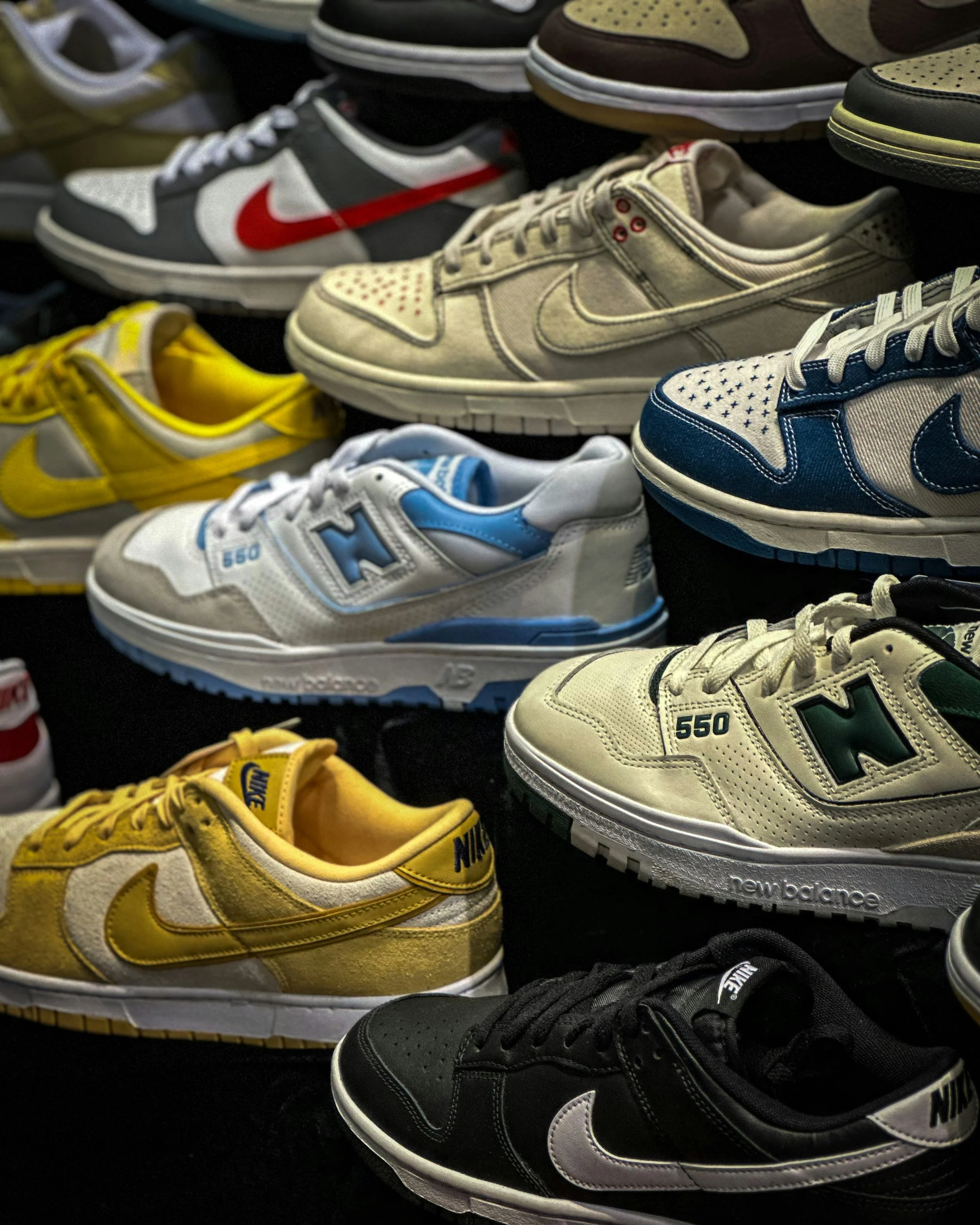
PHOTO CREDIT | Unsplash/gibblesmash asdf
Your go-to sneakers see more than any other piece in your closet. Whether it’s commuting to work, weekend hangouts, traveling or roaming around town, your sneakers go everywhere you do. On top of that, they have to keep up with your active lifestyle. But while sneakers are our go-to for comfort and casual style, not many of us realize the impact footwear can have on how we feel each day.
Early signs of inadequate foot support can be easy to overlook. A little bit of heel pain from a long walk, fatigued arches from hours of standing or sore feet by the end of a long day aren’t necessarily something you may think about. But daily pain and discomfort can impact more than just how your feet feel. Carrying this discomfort with you can alter your posture and put pressure on other areas of your body.
The great news is that you don’t have to sacrifice style for good foot health. Whether it’s knowing how to pick a supportive sneaker or understanding what your feet need to feel their best, there are little things you can do.
Let’s talk about why foot support is important, how your shoes impact your daily movement and easy ways you can feel your best from your feet up.
The best insoles for plantar fasciitis or flat feet can provide targeted support for people experiencing heel pain, arch discomfort and foot fatigue, helping improve everyday comfort while keeping you moving. Life is busy, and wearing the right shoes doesn’t always allow for your feet to get the support they need. So whether you’re walking around the city, standing all day long or dressing up your favorite sneakers for date night, your feet can use all the support they can get.
Of course, you might not have a diagnosed foot condition but notice the little irritations that develop in your feet over the course of a day. Does your morning walk leave your heels screaming in pain, your retail job have your arches feeling like they're caving in, or do your favorite sneakers just leave your feet utterly exhausted? Try some supportive insoles.
Your feet are the foundation of every step you take. If they don’t have the support they need, other areas of your body will feel it. Without proper support your ankles, knees, hips and lower back will have to overcompensate for your feet, which can lead to achiness, stiffness and poor posture.
Foot pain also isn’t an inevitability as you age. While everyone will experience foot pain at some point in their life, taking care of your feet will allow you to walk comfortably no matter your age. Whether you’re pounding the pavement, working away at your 9-5 or just going about your daily tasks, caring for your feet will keep you living your best life.
Athleisure has changed sneakers from something you only wear to the gym or run errands on the weekend to one of the most versatile fashion staples. Nowadays, people can dress for comfort and feel their best whether they’re commuting, catching up with friends, traveling, or just hanging out.
With this new lifestyle came a change in what people are looking for in their footwear. Many are opting to wear sneakers rather than uncomfortable shoes that just look good. Whether you’re into streetwear-inspired sneakers or minimalist styles, there’s a pair of sneakers that will work for any occasion.
That being said, just because you’re dressing well doesn’t mean you should sacrifice comfort. Spending all day in shoes that don’t offer proper support can make you tired and cause pain that ruins your day. Good shoes should help you feel confident and enhance how your body moves.
All sneakers may look alike from the curb, but that doesn’t mean they were created for the same use. Fashion sneakers might be ideal for that perfect look, but walking and running sneakers are made to facilitate movement with supportive features such as cushioning, stability and shock absorption.
Sometimes it all comes down to what’s going on underneath. Cushioning can help reduce impact with each step you take, while arch support and stability can help keep your feet aligned as you go about your day. These features play a larger role when you find yourself spending hours in your sneakers, like when travelling to a new place, walking to work or spending your Saturday out and about.
For people prone to conditions like plantar fasciitis, choosing sneakers with the right combination of cushioning, stability and arch support can be especially important. A shoe that looks great may not always provide the structure needed for long days on your feet.
Keep in mind that just because a sneaker is expensive doesn’t mean it’s more supportive. Brand collaborations and high-end materials are sure to turn heads, but the most supportive sneaker for you is one that complements your personal needs, lifestyle and gait.
Don’t feel like you have to compromise your style to get the support you need. Strike a balance and you’ll have a sneaker that can keep up with both your day and your look.
They say your feet are your foundation and you probably do a lot without really thinking about them. Each day, we rack up countless steps, starting the moment we get up and ending when we finally go to sleep. Supporting your balance, movement and posture with every task you undertake.
If you’re like most people, you probably spend more time on your feet than you think. Standing all day at work, running from meeting to meeting, traveling all over town or wandering through a new city on vacation. Your feet endure so much as you run errands on the weekends or meet up with friends. Or maybe you love shopping and spend hours going from store to store.
That’s why correct support is such a big deal. When it comes to comfortable everyday wear, your shoes can help keep you feeling supported all day long. Whether you’re squeezing in a workout, recovering from your workout, or just going about your day. Taking care of your feet means more than preventing pain.
Maintaining proper foot health doesn’t always mean you have to overhaul your entire routine. Often, subtle changes to your shoe game can improve the overall feel of your feet day to day.
Start by rotating your shoes instead of wearing the same pair of each day. Allowing shoes to “rest” can keep them from losing shape and cushion, and can give your feet varying degrees of support. Keep an eye out for when it’s time to replace your favorite kicks. No matter how comfortable they are, shoes will wear down after consistent use and need to be replaced.
Pick a shoe for the activity you’re doing. Athletic shoes like running shoes and walking shoes, as well as lifestyle sneakers, are all made for different activities. Wearing the appropriate shoe for your activity can keep you comfortable.
If you require extra support, there are always insoles that can provide additional cushion and support where you need it. Small additions like these can help you create a footwear routine that complements your lifestyle.
We all experience sore feet from time to time, especially if you lead an active lifestyle. However, if you’re experiencing chronic foot pain that constantly aches, throbs or hurts, it might be time to listen to your feet.
Persistent foot pain or heel pain and ache through the arches are clear indicators that your feet could benefit from some extra support. A podiatrist can also help identify whether ongoing discomfort is linked to issues such as plantar fasciitis, changes in gait or footwear that isn't providing adequate support.
Don’t forget that foot pain doesn’t just cause problems with your feet. Our feet affect our posture and movement; if you’re experiencing soreness or pain elsewhere in your body like your knees, hips or lower back it could be stemming from your feet. Biomechanical imbalances in the feet can often translate into pain further up the body so if you have any nagging discomfort that is altering your gait, it might be time to seek some advice.
Understanding what podiatrists do can help remove some of the uncertainty around seeking advice. Podiatrists analyze the way your feet work by understanding your movement, how you walk, run, and how your body reacts. After having your feet analyzed, they can then offer tailored advice and footwear recommendations as well as suggest exercises, orthotics and treatment options that can help with your specific needs.
Seeing a podiatrist shouldn’t be reserved for when you have a severe injury, instead, use them as a way to educate yourself on your feet and how you can make the best choices to support how you want to move, whether that’s being active, traveling long distances or just living life.
Sneakers have become a staple in today's modern wardrobe, but finding footwear that is truly comfortable can be tricky. When it comes to your feet, comfort is key and all about choosing shoes that complement your daily lifestyle.
Whether you're running errands, going to the gym, or just enjoying your week, your feet help you stay productive and pain-free. Wearing comfortable shoes and replacing old pairs as needed will help you feel confident with every step you take.
Comfort isn't just found in how your shoes look, but how they feel. When you find the combination of both comfort and style, your favorite pair of kicks can do more than just complete your look.
The right support can empower you to tackle whatever life throws your way.
Approximately 39.5 million Americans seek medical treatment for personal injuries each year, averaging about 126 injury-related cases per 1,000 people. Motor vehicle accidents, slip and falls, medical malpractice, workplace incidents, and defective products are still among the most common sources of personal injury claims in the United States.
Statutes of limitations for personal injury claims vary by state, according to the National Center for State Courts. Most states allow between one and three years to file a lawsuit after an injury. But how long do you have to claim personal injury?
Filing deadlines can make or break a personal injury case. If you have compelling evidence and serious injuries, you must file a claim or lawsuit within a reasonable period of time or you may be prevented from recovering compensation.
Let’s find out more about filing deadlines and why it’s so important to act fast.
A statute of limitations is the legally set time limit within which a lawsuit has to be started. Cornell Law School's Legal Information Institute says that it acts like a legal bar on claims after a certain stretch of time goes by following an injury.
The purpose behind it is not really complicated: judges want disputes handled while the proof is still fresh, witnesses can still repeat what occurred, and physical evidence doesn’t quietly vanish.
Video recordings are often overwritten, incident sites get tidied up or rebuilt, vehicles are repaired or eventually scrapped, and memories fade into something less reliable. The deadline exists to move claims toward court while all of it is still retrievable.
A common misunderstanding is that personal injury deadlines are basically the same everywhere, but that is not true. State legislatures set their own timelines, and the spread is wide.
In a few places an injured person only has one year to file, while others stretch that out as long as six. Most states land somewhere around two to three years for typical negligence cases, but the injury matters too. Medical malpractice, product liability, and claims involving government entities often come with different deadlines.
Sometimes they are shorter than the typical rule, and at other times, extra pre-suit notice steps are necessary, requiring these requirements to be met before a lawsuit can advance.
Florida, for example, reduced its general negligence deadline from four years down to two in 2023, and this affected a large amount of pending as well as future claims. The deadline that really controls depends on when the injury happened, where it happened, and which party caused it.
When the statute of limitations runs out, the defendant gets this procedural defense that’s close to impossible to beat. Courts usually approve motions to dismiss on the grounds of deadline violations immediately, without a detailed assessment of the evidence, facts, or fault involved in the case.
When a case is dismissed for being untimely, the victim's collection of photographs, medical records, witness accounts, and the straightforward causal connection are all lost. And the fallout reaches past the courtroom too.
Once an insurer realizes the legal deadline has passed, it has little reason to bargain for a fair settlement. The ability to file suit is basically the lever that makes settlement talks matter. Miss the deadline and you will lose not only the claim but also any plausible opportunity for recovery.
Courts admit to a few particular circumstances that might postpone or extend deadlines for filings, but these are not automatic, and depending on them as a safety net can be risky.
Under the discovery rule, the clock starts ticking once the injury is reasonably discovered, not at the time of the accident, making it significant in cases involving delayed symptoms or concealed injuries.
Deadlines frequently pause during a person's minority due to injury and then recommence after they attain adulthood. Fraudulent concealment by the defendant may extend the limitations period, provided that it can be proven they deliberately concealed their role in the injury.
Claims made against government entities come with their own hard notice rules that need to be met well before any lawsuit, often within 90 to 180 days of the injury. Personal injury firms with serious courtroom know-how, like Law Office of Brett J. Nomberg, PLLC, with more than 30 years of experience supporting accident victims in New York, generally outline key timelines, including government notice obligations, at the outset of their cases. The reason is simple: a missed pre-suit notice can be just as damaging as failing to meet a filing deadline, even if everything else is handled right.
To avoid missing deadlines in a personal injury case, it’s advisable to contact an attorney as soon as possible, ideally before the deadline is near.
Legal counsel can identify the proper time limits for a claim, notify when reduced deadlines are applicable depending on the parties, begin collecting key evidence early before it is lost or becomes less effective, and perform the necessary notice steps before proceeding with any legal action.
If you wait until the deadline is near, the whole process can turn into extra stress, with less time to research, talk things through, and assemble strong proof.
According to the American Bar Association's guidance on civil litigation, seeking early legal advice is crucial for injury victims, as time continues to pass regardless of whether they understand the relevant laws yet.
In most situations, the right to file a lawsuit is permanently lost. Courts frequently approve motions to dismiss filed by defendants due to timing reasons, typically without closely analyzing the merits of the underlying claim. There are limited exceptions, but they only show up in strict situations, and they are never promised. Talking with an attorney as soon as possible after an injury is the most dependable way to avoid this result.
The general rule says the statute of limitations starts on the day the injury occurs. If injuries are not immediately visible, the clock may be delayed under the discovery rule until the injury is detected or could have been reasonably discovered. Wrongful death matters typically begin from the date of death, rather than from the underlying accident date. Claims against a government entity may require a notice within a much shorter period than the usual limitations timeline.
No. Even though most states will have one common time frame that would usually apply to all types of cases, including cases of negligence, medical malpractice, product liability, and anything related to the government, these types of cases could also have different deadlines.
Due to the fact that the statute of limitations can differ depending on what sort of claim you make, who is involved in the case, and where the injury occurred, it is essential to consult an attorney.
PHOTO CREDIT | Unsplash/GRAHAM MANSFIELD
The best trainers in the industry have a quality in common that has nothing to do with how they look in a tank top: they never stop learning. Behind every coach who seems to have an answer for every body type, injury history, and training goal is a stack of continuing education - courses, certifications, and specialty credentials most clients never see, but absolutely feel in the quality of their sessions.
That continuing education, known in the industry as CEUs (continuing education units), is quietly one of the biggest differentiators between a trainer who's good and one who's genuinely sought-after.
The credential is the floor, not the ceiling
Getting certified as a personal trainer is a real accomplishment, but it's also just the entry point. The fitness landscape moves fast - new research on recovery, mobility, and training economy comes out constantly, and the client walking into a studio today expects more nuance than a generic strength program. CEUs are how trainers stay ahead of that curve instead of coasting on what they learned years ago. It's the difference between a trainer who can run a workout and one who can actually explain why it works for your body, specifically.
Specialization is the new personal brand
In a wellness culture where everyone from weekend warriors to industry insiders is chasing more personalized programming, specialization has become a trainer's real point of difference. Credentials in areas like prenatal and postpartum fitness, mobility and corrective exercise, older adult training, or nutrition coaching let trainers speak directly to a specific client, rather than everyone in general. For a coach building a personal brand (on social media, in a boutique studio, or through private clients) a well-chosen specialty credential often becomes the headline of their bio, not a footnote.
It's also, increasingly, how trainers stand out in a crowded market. Anyone can call themselves a fitness expert online; fewer can point to accredited, ongoing education behind a specific niche.
Career growth follows education
Trainers who invest consistently in CEUs tend to see it reflected in their careers in very tangible ways: higher rates, more referrals, and access to clients who specifically seek out expertise rather than convenience. Gyms and studios often favor trainers with specialized credentials when building out premium programming, and independent coaches use continuing education as a legitimate justification for raising their prices over time. It's rarely one course that changes a career - it's the accumulation of relevant, well-chosen education building a reputation over several years.
Where to actually get quality CEUs
Not every continuing education course is built the same, which matters more than most people outside the industry realize. The strongest options are typically approved across multiple major certifying bodies - NASM, ACE, AFAA, canfitpro, and NFPT among them - self-paced so working trainers can complete them around client schedules, and taught by educators with real coaching experience rather than purely academic backgrounds.
Fitness Education Online's CEU courses check each of those boxes, covering everything from kettlebell training and bootcamp instruction to mobility, older adult programming, and specialized populations work, which is part of why they've become a go-to for trainers looking to grow rather than just renew.
What this means if you're the one hiring a trainer
For anyone shopping for a coach rather than working as one, continuing education is a useful, if underused, filter. A trainer who can speak specifically to your goals - whether that's postpartum recovery, training around a joint injury, or programming for a specific sport - has usually invested in credentials well beyond their original certification. It's a fair question to ask directly: what continuing education have you completed recently, and in what area? The answer tends to say more about a trainer's actual expertise than a highlight reel ever could.
The takeaway for anyone in the industry
Whether you're a trainer building your own client base, a studio owner developing your team, or simply someone who appreciates the expertise behind a great workout, it's worth recognizing that the most impressive coaches aren't just naturally gifted - they're continually educated. In an industry built on trust and results, that ongoing investment in learning is what actually elevates a fitness career from good to unforgettable.

PHOTO CREDIT | Unsplash/LOGAN WEAVER | @LGNWVR
Crossing the finish line or reaching the trailhead after a long day can feel incredible. Then your body starts sending its own review of the experience: heavy legs, sore feet, tight shoulders, hunger, thirst, and a powerful desire to do absolutely nothing.
Good post-race recovery starts before the soreness fully sets in. A few sensible choices around food, fluids, rest, movement, and injury care can make the days after a demanding fitness event much more comfortable.
It’s tempting to finish a race or hike, sit down, and stay there. Give your body a little more attention first. Start with fluids. Drink gradually rather than trying to make up for everything at once. If you have spent hours exercising, particularly in hot conditions, your post-event routine may also include electrolytes alongside water.
Follow that with a proper meal or substantial snack containing carbohydrates and protein. You have asked a lot from your muscles, so this isn’t the time to accidentally skip dinner because you feel too tired to cook.
You should also deal with obvious problems while they’re still fresh in your mind. Clean cuts and grazes, change out of damp clothing, and check your feet for blisters or damaged toenails.
If something feels more concerning than ordinary post-workout discomfort, don't assume you need to simply tough it out. A virtual doctor consultation can offer a convenient way to discuss some non-emergency health concerns when getting to a clinic is difficult. 24HrDOC provides access to licensed providers at www.24hrdoc.com, although symptoms that suggest a medical emergency require immediate in-person care.
Feeling sore after a major physical effort is hardly surprising. Your legs may feel stiff when you get out of bed, stairs can suddenly look far less appealing, and muscles you forgot existed may make themselves known.
Pain deserves closer attention when it feels sharp, severe, or unusually localized. The same applies if you can’t comfortably put weight on a limb or if swelling continues to worsen. Rather than using your achievement as proof that you can push through anything, pay attention to what your body does after the adrenaline wears off.
Check your feet carefully after long races and hikes. Blisters, hot spots, bruised toes, cuts, and irritated skin can become much more uncomfortable if you ignore them. Wash and dry your feet, put on clean socks, and avoid footwear that rubs against sore areas.
Your mouth deserves attention too. Long events can disrupt your usual eating, drinking, and oral-care routine. Persistent tooth pain, swollen gums, facial swelling, or fever should not get filed away as another random post-event ache.
Recovery food doesn’t need to look like a perfectly arranged fitness influencer meal. What matters is giving your body enough nourishment after an unusually demanding day.
Carbohydrates help replenish the energy you used during prolonged exercise, while protein supports muscle repair. A rice bowl with chicken and vegetables, eggs with toast and fruit, yogurt with granola, or a sandwich with a side of fruit can all fit into a practical recovery routine. Pick foods that you tolerate well, particularly if your stomach still feels unsettled after the event.
Keep eating normally over the following days rather than treating the event as something you need to compensate for by restricting food. Your appetite may also behave differently than expected. Some people feel ravenous immediately, while others find that hunger catches up with them later.
Hydration deserves the same steady approach. Keep fluids nearby and drink throughout the rest of the day. Hot weather, altitude, event duration, and how much you sweat can all affect what you need.
Recovery doesn’t always mean spending the next two days horizontal on the sofa. Gentle movement can feel good when your muscles are stiff, provided you’re dealing with normal soreness rather than an injury.
Try an easy walk, relaxed mobility work, or light stretching. The goal is to move comfortably. The day after a marathon isn’t the ideal moment to test a new high-intensity class because your legs feel "surprisingly okay."
Your return to training should reflect the size of the effort. A short local race and an all-day mountain hike place very different demands on the body. Pay attention to lingering fatigue as well as muscle soreness. If your usual workout suddenly feels much harder than normal, another easy day may serve you better than forcing your regular pace.
After an early race start, a long drive to the trail, or hours of sustained exercise, you may owe your body more than a good meal. You may simply need sleep. Give yourself a quiet evening if possible. Shower, eat, prepare anything you need for the following morning, and make it easy to get to bed rather than stretching the celebration deep into the night.
One long sleep won’t necessarily leave you feeling completely refreshed. Keep your schedule relatively calm for the next couple of days if the event took a lot out of you. You might notice physical fatigue, reduced motivation, or difficulty concentrating before you feel fully back to normal.
This is also a good reason to think about your calendar before a big event. If you can avoid scheduling your hardest work meeting, longest journey, and most demanding gym session for the following morning, do yourself that favor.
The medal, summit photo, or finish-line selfie may mark the official end of your challenge, but your body still has work to do afterward. Eat well, replace fluids, get enough sleep, and choose gentle movement while soreness settles. Check minor wounds and blisters instead of forgetting about them, and take unusual or worsening symptoms seriously. Most importantly, resist the urge to prove your fitness by rushing straight back into hard training.
A great event should leave you excited about what your body accomplished, not impatient with it for needing time afterward. Give recovery the same attention you gave your preparation, and you will be in a much better position to enjoy whatever challenge comes next.

When it comes to bringing your look together or switching it up, accessories is the best way to do that and you can never go wrong with statement jewelry! These are pieces that catch your eye based on how large they are, gemstones, or their overall aesthetic. Your Asteria is a ring destination for your needs as they have quite a selection or you can get something that you have always imagined by having a custom one made for you!
Vitaliy and Pavlo are from the Ukraine. They have grown their business from what started as an Etsy shop in 2015 and it now has it’s own website that serves customers worldwide! As we are all navigating the Summer, we’re already thinking about upcoming events such as the holiday season, birthday parties, and end of year graduations where buying your special someone this gift is a great idea. It’s also an option to buy yourself something special as it’s never a bad idea to treat yourself!
Your Asteria has a small team of experts that create the selection of rings offered onthe site. They handcraft limited-edition pieces with some of the most rare gemstones that are bound to be conversation starters every time you wear them. They never outsource the work to third-parties so you know that these are created with care and that each stone is picked within their standards. They set the stones by hand, they polish the pieces in the classic way and there are no shortcuts to be found here. These high ethical standards means that they practice sustainable sourcing methods and they use recycled gold.
It’s worth noting that they offer free worlwide insured shipping, they only use conflict-free diamonds, and the recycled precious metals that they use come from being melted down and reformed so that it has an extended life while still remaining high in quality.
Now that we have a bit of background about Your Asteria, lets focus on the rings. This is where you will want to visit when you are thinking about purchasing your wedding and/or engagement rings that are available in rose gold, white gold, yellow gold, and sterling silver. They also have promise rings in silver and gold. Their assortment of gemstones is really great from alexandrite, black diamonds, and moss agate rings that are examples of specialty and rare stones. But they also have traditional ones such as sapphire, opal, and emerald. But this is only a small selection of the kinds of gemstones that they carry. Bands can include chevron, stacked, and wedding bands. This is defintiely a site that you need to bookmark so that you can purchase rings for your or other’s moments of interest!

PHOTO CREDIT | Unsplash/Georgia de Lotz
Summer is the perfect time to hit the open road. Whether you're planning a coastal escape, a national park adventure, or a weekend getaway with friends, a well-planned road trip offers the freedom to explore at your own pace. While spontaneity is part of the fun, taking the time to prepare before you leave can help make your journey smoother, safer, and far more enjoyable.
From checking your vehicle to packing smart, a little preparation goes a long way toward creating memorable experiences and avoiding unnecessary stress.
Make Sure Your Vehicle Is Road Trip Ready
Before setting off, give your vehicle a thorough inspection or schedule a maintenance appointment if it's due for service. Checking tire pressure, oil levels, brakes, windshield wipers, coolant, and lights can help reduce the chances of unexpected problems on the road.
It's also worth making sure your spare tire, emergency kit, and phone charger are easily accessible. Small details like these can make a significant difference if you encounter delays or changing weather conditions.
Plan Your Route, But Stay Flexible
Navigation apps make planning easier than ever, but it's still a good idea to review your route before leaving. Knowing where you'll stop for fuel, food, or overnight stays can save time while reducing unnecessary stress.
At the same time, leave room for spontaneous detours. Some of the most memorable travel moments happen when you discover a scenic overlook, a charming small town, or a local restaurant you hadn't planned to visit.
Think About Fuel Efficiency
Long road trips can quickly increase fuel costs, making efficiency an important consideration for many travelers. Hybrid vehicles have become increasingly popular because they combine excellent fuel economy with the convenience of traditional refueling. For drivers considering an upgrade before their next adventure, exploring the latest Honda hybrid inventory can provide a good overview of the newest hybrid and electrified models available. Modern Honda hybrid inventory offers impressive efficiency while maintaining the comfort and practicality needed for extended road trips.
Pack Smarter, Not Heavier
Packing efficiently helps maximize cabin space while keeping essential items within easy reach. Consider organizing your luggage so frequently used items remain accessible throughout the trip. Snacks, reusable water bottles, sunglasses, sunscreen, charging cables, and a lightweight jacket can all make long drives more comfortable. Avoid overloading your vehicle whenever possible, as excess weight may reduce fuel efficiency and affect handling.
Prepare for Entertainment
Hours on the road can feel much shorter with the right entertainment. Create playlists before you leave, download podcasts for areas with limited mobile service, or choose a few audiobooks everyone in the car can enjoy together. If you're traveling with children, bringing games, books, or travel-friendly activities can help keep everyone entertained between stops.
Schedule Regular Breaks
It's tempting to cover as many miles as possible in one day, but regular breaks improve both comfort and safety. Stopping every couple of hours gives everyone the opportunity to stretch, stay hydrated, and recharge before continuing. These breaks also provide the perfect excuse to explore interesting roadside attractions or enjoy local cafés along your route.
Enjoy the Ride
A successful road trip isn't measured solely by how many miles you cover or how many attractions you visit. It's about the experiences you have, the people you travel with, and the memories you create along the way.
With thoughtful planning, a reliable vehicle, and a flexible mindset, your summer road trip can become one of the highlights of the season. By preparing in advance and embracing both the planned and unexpected moments, you'll be ready to enjoy every mile of the journey.
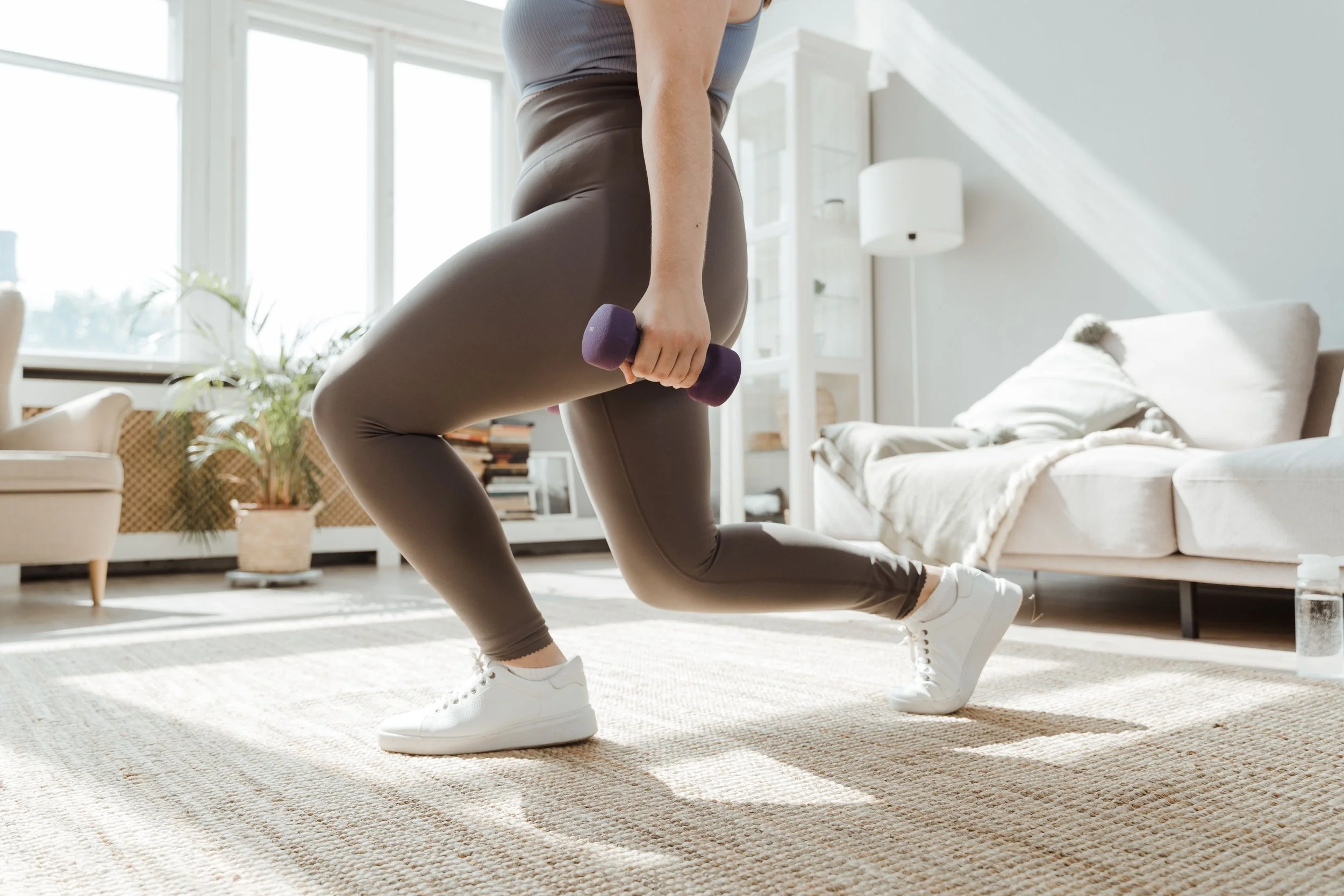
PHOTO CREDIT | Pexels/Mart Production
Navigating perimenopause and menopause often feels like riding an unpredictable biological rollercoaster. As estrogen and progesterone levels shift, women frequently experience sudden weight gain, severe fatigue, disrupted sleep, mood swings, and a noticeable drop in muscle mass. During this midlife transition, many women instinctively turn to intense cardio routines or severe calorie restrictions to manage their changing bodies, only to find that these traditional methods no longer work. Understanding the relationship between hormones and exercise becomes essential for designing a fitness strategy that supports your body rather than stressing it further.
Physical activity is one of the most powerful natural tools available for stabilizing your endocrine system, provided you choose the right approach. Rather than focusing on calorie burning alone, a modern midlife fitness strategy centers on muscle preservation, metabolic flexibility, and stress management. By adapting your movement to your body's evolving chemistry, you can reduce uncomfortable symptoms, protect bone density, and regain control over your health. Below, we break down how targeted fitness routines influence your endocrine system and how to structure a routine designed for lasting energy and strength.
When exploring hormones and exercise, it helps to realize that estrogen and progesterone are not the only signals altering your energy and body composition. While ovary-produced hormones decrease naturally during perimenopause, other major regulators, specifically cortisol, insulin, thyroid hormones, and human growth hormone, are deeply affected by physical activity levels. Understanding how hormones and exercise interact allows you to train smarter and prevent common pitfalls like overtraining or chronic exhaustion.
As estrogen fluctuates, your cells become less sensitive to insulin, making it easier for your body to store blood sugar as visceral fat around the abdomen. Simultaneously, the adrenal glands take on a larger burden for hormone production, making midlife women far more sensitive to elevated cortisol. Understanding how hormones and exercise influence one another helps you avoid hours of exhausting cardio, which can elevate cortisol and aggravate fatigue, favoring balanced training that calms the nervous system instead. Here's a closer look at the key shifts at play:
Estrogen and Progesterone Decline: Decreasing reproductive hormones reduce muscle protein synthesis efficiency and slow down baseline resting metabolic rate.
Insulin Sensitivity Changes: Shifting hormones make cells resistant to glucose, increasing the importance of strength training for blood sugar regulation.
Cortisol Receptor Sensitivity: Midlife bodies experience higher sensitivity to physical stress, making proper recovery days essential for hormone health.
Growth Hormone Reduction: Natural drops in growth hormone slow down muscle recovery, requiring adequate sleep and structured protein intake.
Recognizing the connection between hormones and exercise transforms your perspective on midlife fitness. Instead of using exercise as punishment, you can use movement as a therapeutic tool to support your endocrine health.
A frequent question among midlife women is: can exercise balance hormones effectively during menopause? While physical movement cannot reverse the natural biological aging of the ovaries, scientific evidence demonstrates that exercise optimizes hormone receptor sensitivity, reduces systemic inflammation, and stabilizes non-reproductive hormones. When women ask if exercise can balance hormones, the answer lies in choosing exercises that stimulate positive endocrine responses rather than causing chronic physical strain.
Combining heavy strength training with short, strategic high-intensity intervals creates a powerful hormonal environment. When you ask whether exercise can balance hormones, remember that building lean muscle increases your body's capacity to process glucose, while controlled resistance signals your bones to stay dense and strong. For women experiencing severe vasomotor symptoms or significant hormonal shifts, combining a smart workout strategy with hormone therapy for women can offer comprehensive relief and long-term protection for heart and bone health. The physiological benefits break down as follows:
Muscle Glucose Uptake: Strength training opens non-insulin-dependent glucose pathways in muscle cells, keeping blood sugar levels stable throughout the day.
Brain-Derived Neurotrophic Factor: Moderate exercise boosts BDNF production, protecting cognitive function and improving brain fog associated with menopause.
Endorphin and Serotonin Release: Movement elevates mood-regulating neurotransmitters, helping buffer against midlife anxiety and mood swings.
Thyroid Function Support: Regular physical activity supports healthy thyroid hormone conversion, maintaining metabolic efficiency and daily energy.
Ultimately, asking whether exercise balances hormones shifts the focus toward building a resilient body. By prioritizing muscle building over chronic cardio, you create an internal environment where your endocrine system can thrive.
A dedicated metabolic workout for midlife women focuses on concurrent training, combining resistance exercises with targeted cardiovascular conditioning within the same weekly routine. As estrogen levels drop, women experience a natural loss of fast-twitch muscle fibers, which accelerates metabolic slowdown. A well-designed metabolic workout counters this trend by challenging these specific muscle fibers through compound, multi-joint movements.
Designing an effective metabolic workout requires balancing intensity with adequate rest. Rather than enduring hours of repetitive strain, a midlife metabolic workout relies on short work intervals followed by full recovery periods. This approach stimulates fat loss and muscle preservation while preventing the prolonged cortisol spikes that can lead to systemic inflammation and burnout. The core principles behind this method include:
Compound Movement Focus: Exercises like squats, deadlifts, and overhead presses recruit multiple muscle groups to maximize metabolic response.
Controlled Work-to-Rest Ratios: Structuring workouts with explicit rest periods keeps heart rate response high without overloading adrenal capacity.
Progressive Overload Principle: Gradually increasing weight or resistance forces muscle tissue to adapt, preserving lean mass during hormonal shifts.
Low-Impact Interval Cardio: Using rowing machines, stationary bikes, or incline walking provides cardio benefits without stressing delicate joints.
Incorporate a targeted metabolic workout two to three times a week to rebuild confidence in your physical capabilities. Concurrent training supports metabolic health while helping you maintain a lean, functional body composition.
Engaging in structured metabolic training is the single best investment a woman can make for her physical longevity during menopause. Muscle tissue acts as an active endocrine organ, releasing signaling proteins called myokines during contraction. Embracing metabolic training stimulates these myokines, which help lower systemic inflammation, improve fat oxidation, and enhance insulin sensitivity across every organ system.
Without consistent metabolic training, midlife women lose an average of 3% to 8% of their muscle mass per decade, a process known as age-related sarcopenia. This loss directly reduces daily calorie expenditure and makes weight management increasingly difficult. Prioritizing metabolic training preserves this vital organ of longevity, helping you stay strong, agile, and metabolically active. Here's how that muscle preservation pays off:
Myokine Secretion Benefits: Contracting muscles release anti-inflammatory compounds that improve brain health and enhance systemic tissue recovery.
Resting Metabolic Rate Preservation: Maintaining lean muscle mass prevents the baseline metabolic slowdown that often accompanies menopause.
Joint Stability and Alignment: Strengthening surrounding muscles protects sensitive joints from aches and pain caused by declining collagen production.
Visceral Fat Reduction: Resistance exercises specifically target deep abdominal fat storage by improving insulin responsiveness.
Committing to regular metabolic training alters how your body processes energy at rest. Preserving muscle tissue builds a strong physical foundation that buffers against the physical challenges of hormonal transition.
Designing an actionable hormonal workout plan requires balancing stimulating exercise sessions with generous recovery periods. Overtraining is a common reason midlife women stop seeing progress; without adequate rest, cortisol remains elevated, leading to fluid retention, muscle breakdown, and fatigue. A well-structured hormonal workout schedule alternates strength days with active recovery, ensuring your endocrine system has time to adapt and rebuild.
When building your personal hormonal workout routine, listen carefully to your body's subtle biofeedback. If you wake up feeling exhausted or notice a rising resting heart rate, adjust your hormonal workout intensity toward restorative movement like walking, yoga, or mobility training. Consistency and flexibility are far more valuable than rigid adherence to an exhausting schedule. Here's a sample week to put this balance into practice:
Monday (Full-Body Strength): Focus on fundamental compound lifts like squats, chest presses, and rows using moderate to heavy weights.
Tuesday (Active Recovery): Engage in 30 to 45 minutes of brisk outdoor walking, light yoga, or mobility work to encourage circulation.
Wednesday (Metabolic Interval Session): Perform short, high-effort intervals on a stationary bike or rower followed by full recovery periods.
Thursday (Rest and Restoration): Prioritize complete rest, gentle stretching, warm baths, and nutrient-dense hydration to support adrenal health.
Friday (Full-Body Resistance): Perform targeted lifting exercises focusing on deadlifts, lunges, shoulder presses, and core stability work.
Weekend (Restorative Movement): Spend time outdoors hiking, swimming, or enjoying leisure activities that reduce mental stress and elevate mood.
Structuring your week around this balanced approach ensures your fitness supports your long-term health goals. Embracing a movement routine tailored to your body's evolving needs turns midlife into a phase of renewed strength, energy, and vitality.
A finish line medal often fades into a drawer within weeks. A custom coin behaves differently. Members carry it, flip it, and show it off for years. That small metal disc turns a shared effort into a token they keep.

PHOTO CREDIT | Unsplash/Leviosa Hou
More sports groups now order coins to mark what they build together. A maker like Challenge Coins 4 Less produces custom pieces for teams, run clubs, gyms, and race events. You pick the shape, the artwork, and the finish. The coin then carries your logo, your motto, and your moment. This guide shows how groups put that idea to work.
Group identity needs something you can hold. A jersey wears out and a banner stays at the gym. A coin travels in a pocket every day. It keeps the team present long after practice ends. That daily presence is hard for any other item to match.
Coins also carry a sense of earned belonging. You give one for joining, finishing, or leading. That moment of handoff means more than the metal. Members remember who gave it and why. Over time, the coin becomes a private record of the work.
PHOTO CREDIT | Unsplash/Blaz Erzetic
A strong group coin starts with one clear symbol. Your logo or mascot should read at a glance. Crowded art shrinks poorly on a 1.75 inch disc. Simple shapes hold up far better at that size.
You can learn a lot from the military challenge coin tradition. Those coins use bold emblems and short mottos. A team can borrow the same approach. Pick one image, one phrase, and one or two colors. Leave the fine detail for the raised metal, not the text.
Milestones deserve a marker your members keep. A coin fits that job better than a paper certificate. Hand one out at a 5K finish or a season win. The weight in the palm makes the moment land. People rarely forget the day they earned it.
Races work especially well with commemorative coins. A club can mint a fresh design for each event. Runners who finished the TCS New York City Marathon know that pull of a keepsake. A dated coin turns one race day into a permanent record. Members line them up at home as a season grows.
Coins fit a wide range of proud moments, such as:
A first race finish, from a 5K to a 26.2 mile marathon.
A personal record that took months of steady training.
A season title or a hard-fought team championship win.
A coaching role or a 10 year service milestone.
Run clubs use coins to reward mileage streaks and race goals. National bodies like the Road Runners Club of America thrive on that kind of shared ritual. A coin gives new members a reason to stay. It also gives veterans a badge of their history.
Gyms and studios hand coins to mark real progress. Think of a first pull-up, a 100th class, or a coaching milestone. An event like this obstacle race rewards grit with a finisher token. Any group with a shared goal can find a fit. The coin simply gives the goal a face.
Start with the purpose before the artwork. Decide what the coin honors and who receives it. That answer shapes the size, shape, and finish. A milestone coin can feel heavier than an event giveaway. Let the weight match the meaning.
Give your maker a clear brief and real logo files. Ask about plating, enamel color, and edge style. Order a proof and check the small text first. Most groups land on a 1.5 to 2 inch coin. A quick review now saves a costly reprint later.
A clear brief for your maker usually covers these points:
The coin size, often 1.5 to 2 inches across.
The plating, such as gold, silver, or an antique finish.
The enamel colors pulled straight from your logo.
The edge style and any text set around the rim.
Use one clear symbol and a short motto for easy legibility.
Give coins at real moments like finishes, wins, and milestones.
Mint dated designs for races so each event stands on its own.
Match the size and finish to the coin's purpose.
Order a proof and check small text before the full run.
A coin is small, but its job is large. It turns effort into something your members carry. Each handoff ties one person closer to the group. Over a season, those moments build real loyalty.
Start with a single design for your next event. Keep the art simple and the meaning clear. Let the coin mark a moment that matters. That is how a team turns a good year into a story worth retelling.
A custom challenge coin is a small metal token made for a group. It carries your logo, motto, and colors. Teams give them to mark joining, winning, or finishing. Members keep them as a badge of belonging.
Price depends on quantity, size, and finish. Larger orders lower the cost of each coin. A simple design runs less than a complex one. Most makers share pricing tiers once you request a quote.
Most club coins sit between 1.5 and 2 inches wide. That size feels solid without weighing down a pocket. Bigger coins suit awards and special honors. Ask for a proof to judge the scale first.
Production usually takes a few weeks after art approval. Rush options exist for tight event dates. Start early so proofs and shipping fit your timeline. Plan around 4 to 6 weeks to stay safe.
Wellness shelves keep getting more crowded in 2026. Curious readers now look past protein powder and greens. Many are drawn to botanical mushrooms with deep, storied histories.
That curiosity now reaches botanical mushroom supplements such as Amanita muscaria, the red-capped fly agaric. This is a distinct, adults-only botanical with its own long tradition. It is not a culinary or functional recovery mushroom, so it rewards a little background first.
Amanita muscaria is the classic red mushroom with white spots. People know it from fairy tales, folk art, and video games. It has decorated folklore and imagery for well over 200 years.
It is worth clearing up one common mix-up early. The fly agaric is not the same as its truly deadly cousins. Species like the death cap are the dangerous ones, and this is a different mushroom.
For centuries, people have recognized and prepared the fly agaric with care. The Woodland Trust records its long place in folklore and countryside tradition. That heritage is a big part of its modern appeal.
Functional mushrooms like reishi or lion's mane are foods first. Amanita muscaria sits in a different group with its own uses. It is best understood as a traditional botanical, not a daily powder.
That difference shapes how you read the jar. This article makes no medical, therapeutic, or athletic claims. Gentler self-care habits fit an everyday routine far better.
It is also an adults-only botanical. Plenty of people microdose it daily or almost daily without issue, though it still rewards respect and correct dosing rather than casual, high-dose use. Minors, pets, and anyone pregnant or nursing should skip it.
The fly agaric carries one of the richest stories in the mushroom world. Siberian peoples used it in ritual and seasonal ceremony for many generations. Those ceremonies shaped local custom and folklore for centuries.

PHOTO CREDIT | Unsplash/Alexandra Stam
Village and folk healers also kept it within their own traditions. European folk records mention it well before the 1900s. Reference works such as Britannica trace this folklore across many regions.
That long record deserves respect, not dismissal. Traditional and anecdotal use is real context, even where modern lab studies stay thin. Where research does exist, some of it is industry-funded, so read strong claims with a balanced eye.
The cap holds 2 main active compounds. The first is ibotenic acid. The second is muscimol, which forms as ibotenic acid breaks down.
Both act on the brain rather than the muscles. Because muscimol acts on GABA pathways, it can interact with substances that touch the same system. Alcohol and sedatives are common examples of those GABAergic interactions.
Effects are dose-dependent and vary between people. Reports note onset within 30 minutes to 2 hours. Like many botanicals, it can cause unwanted side effects, especially if misused or improperly prepared.
You will find it as dried caps, gummies, and powders. Traditional preparation often dries or gently heats the caps for 2 to 3 hours. That step turns more ibotenic acid into muscimol.
Common formats on the market include the following:
Dried whole or sliced caps sold by weight.
Capsules and tablets that print milligram amounts on the label.
Gummies and chocolates that tuck a measured dose into candy.
Teas and tinctures brewed for a slower onset.
Read every label slowly before you buy. Look for the species name spelled out in full. Well-prepared products from careful makers are the ones worth your attention.
A short checklist helps before any decision. Keep these points in plain view.
It contains ibotenic acid, and its effects are dose-dependent.
Muscimol acts on GABA pathways, so plan around possible interactions.
Proper preparation matters, since misuse can bring unwanted side effects.
Use is for adults only; many microdose it daily, though it is not for casual, high-dose everyday use.
Legality varies by location, so local rules come first.
This is background, not medical advice. Speak with a clinician about your own situation. When something is unclear, waiting is always fine.
Rules differ a lot by place. Some countries regulate sale or possession, while others do not. That patchwork can confuse first-time buyers.
In the United States, Louisiana restricts it, while the other 49 states currently do not. Legality varies by location, and it can change over time. Always check your local, state, and national rules first.
People who track muscle recovery lean on steadier, food-based tools for training. Amanita muscaria belongs to a separate, tradition-led category entirely. Knowing that line keeps expectations honest.
Amanita muscaria is the storied red fly agaric, not a functional food.
It is distinct from the truly deadly Amanita species like the death cap.
Its heritage spans Siberian ritual, folk medicine, and centuries of folklore.
It contains ibotenic acid and converts to muscimol in the body.
Use stays adults-only; daily microdosing is common, though it is not a casual, high-dose everyday supplement.
Legality varies by location, so check local rules before buying.
Amanita muscaria is one of the most storied mushrooms on earth. Its folklore, ritual roots, and bright cap explain the lasting fascination. Treated with respect and honest expectations, it stays a rich piece of botanical heritage. Learn the tradition, check your local law, and let curiosity lead the way.
Traditionally, several cultures used the fly agaric in ritual and folk settings. Today it is sold as a heritage botanical rather than a health product. This piece makes no medical, therapeutic, or performance claims about it.
No. Reishi and lion's mane are functional food mushrooms taken as gentle daily powders. Amanita muscaria is a distinct, tradition-led botanical in an adults-only category.
No. It is different from the truly deadly Amanita species, such as the death cap. The fly agaric has a long history of careful, prepared use across many cultures.
It depends on where you live. Louisiana restricts it, while the other 49 states currently do not. Because legality varies by location, always confirm the current rules yourself.

PHOTO CREDIT | Unsplash/Toa Heftiba
Between school runs, gym sessions, and the blur of work-from-home lunches, today's parents need baby gear that adapts as quickly as their schedules shift. Mealtime is no exception. A versatile Momcozy convertible high chair meets that demand—offering secure infant support during first purées, then adjusting through toddler years without forcing you to buy a new seat every six months. For athleisure-minded families who value function, clean lines, and gear that keeps pace with an active lifestyle, convertible seating is less luxury than practical infrastructure.
Static nursery furniture made sense when one parent stayed home and meals happened at fixed hours. Contemporary families juggle multiple caregivers, travel, and dining spaces that double as home offices. A chair that converts between stages reduces clutter, simplifies handoffs to grandparents, and keeps mealtime rituals consistent even when the room layout changes.
Convertible models also stretch budget further. Instead of retiring an infant seat after a year, you adjust harness height, tray position, or footrest settings as your child grows. That longevity matters when you are already investing in strollers, carriers, and sleep solutions that need to perform across seasons.
Marketing labels vary, so read specifications carefully. True convertible chairs move from reclined infant support to upright toddler seating with clearly documented steps—not a vague promise of "grows with baby" without hardware details. Look for tool-free adjustments, labeled lock points, and weight limits posted for each configuration.
Footrests, tray depth, and harness placement should adapt independently. A toddler who has outgrown the crotch strap notch still benefits from a footrest set lower than it was during the puree phase. Independent adjustments prevent the common mistake of using one setting for every stage.
Feeding specialists emphasize upright posture with hips, knees, and ankles supported near ninety degrees. Convertible chairs must maintain that alignment in every mode—not just the infant recline. Before each adjustment, confirm the base stays stable when a wiggly child pushes against the tray.
Five-point harnesses should tighten cleanly without pinching. Tray latches need audible clicks that survive enthusiastic banging. For families who move between kitchen island and dining table, check whether the chair height suits both surfaces or offers quick adjustment without disassembly.
Clean silhouettes, neutral palettes, and wipe-down surfaces align with the streamlined gear active parents prefer. Smooth seat shells without unnecessary seams resist staining after berry-heavy breakfasts. Metal or wood accents can warm the look without sacrificing sanitizing ease—provided finishes tolerate frequent cleaning.
Consider footprint as part of the aesthetic equation. A slim profile that tucks against a wall when not in use keeps open-plan spaces feeling uncluttered. Fold-flat options help when the dining zone shares room with yoga mats or work equipment.
Active schedules leave little time for hand-scrubbing trays. Prioritize removable, dishwasher-safe components and cushions you can machine-wash. Seamless interiors prevent purée from hiding in cracks. A five-minute wipe-down beats a thirty-minute disassembly session on a morning when you are already late for pickup.
Lay a washable mat beneath the chair if your floors are light-colored or if siblings track dust from outdoor play. Small habits compound: the easier cleanup feels, the more likely everyone maintains the mealtime routine.
Consistency helps infants accept solids even when the rest of the week feels unpredictable. Serve meals at similar times, in the same chair, with a brief opening ritual—hand wipe, greeting, tray click. Convertible gear supports that ritual by staying physically familiar while internal settings change.
Start with single-ingredient tastes and advance as your pediatrician recommends. Offer water in an age-appropriate cup when appropriate. Gagging and messy exploration are often learning—not failure. Your presence matters more than a spotless tray.
Never leave a child unattended in a raised seat, even for a quick grab from the fridge. Buckle before placing food. Keep hot liquids and choking hazards off the reachable surface. If you must answer the door mid-meal, take the child with you or remove them first.
Re-read weight and age limits whenever you convert configurations. A setting perfect at eight months may need a harness adjustment once your toddler can stand confidently. Treat the manual as a living document, not packing material.
The best convertible chairs bridge the gap between fully supported feeding and booster-style seating at the family table. Some models shed the tray entirely for older toddlers who eat from regular plates—an transition that teaches table manners without a separate purchase.
When evaluating options, picture your child at eighteen months, not just six. Will the chair still fit your kitchen layout? Can siblings pass behind it without collisions? Longevity questions separate durable investments from short-term placeholders.
Active families split time between homes and activities. A primary convertible chair at home anchors rituals; portable clip-ons help at restaurants. If grandparents watch your child weekly, brief them on harness settings and tray locks so transitions feel identical.
Travel gear supplements—it rarely replaces—a stable home base. The goal is preserving cues that make eating feel safe, not duplicating every feature in a carry bag.
Refusal to sit sometimes signals timing, not equipment. Overtired children rarely cooperate. Persistent gagging or distress with textures warrants pediatric guidance. Before replacing a chair, try adjusting footrest height, tray position, or meal timing.
Responsive feeding beats forcing milestones. Equipment supports the process; it does not replace attentive caregiving.
● Verify documented conversion steps and weight limits per stage
● Confirm stable base and five-point harness in every mode
● Prioritize dishwasher-safe trays and wipe-down surfaces
● Measure kitchen and dining clearance before ordering
● Plan harness adjustments at each growth milestone
● Stay engaged and present for every meal
Budget pressure is real, yet daily-use items reveal their worth quickly. Wobbly frames, stained trays, and fraying straps cost more in replacement stress than a moderate upfront investment. A thoughtfully engineered Momcozy high chair can deliver adjustable stages, modern styling, and cleanup convenience that matches an active household's pace.
Parenting today moves fast, but mealtimes still deserve unhurried connection. A convertible seat that grows with your child keeps the focus where it belongs—on shared bites, messy laughter, and the quiet satisfaction of watching someone discover flavor one spoonful at a time.