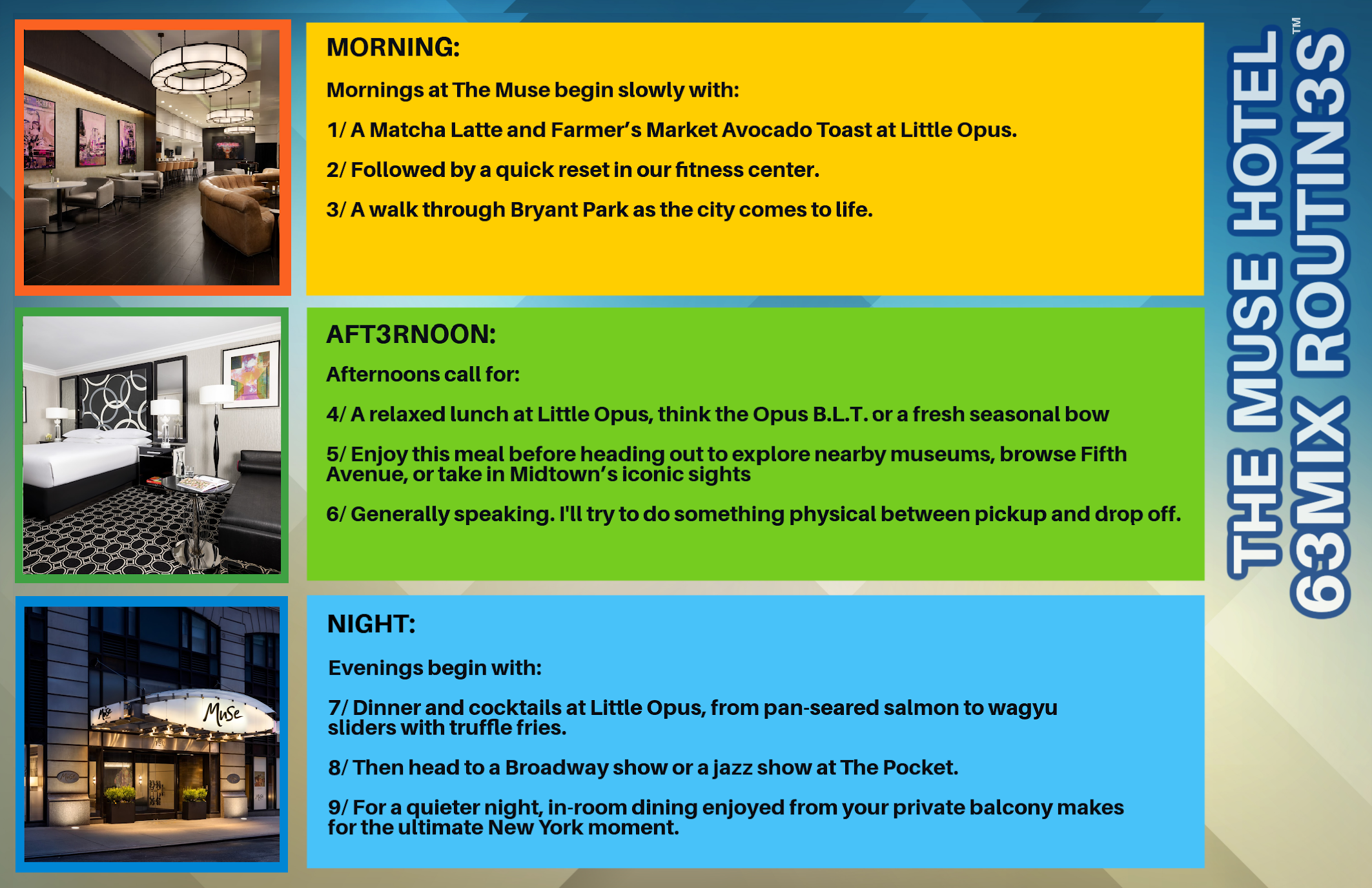
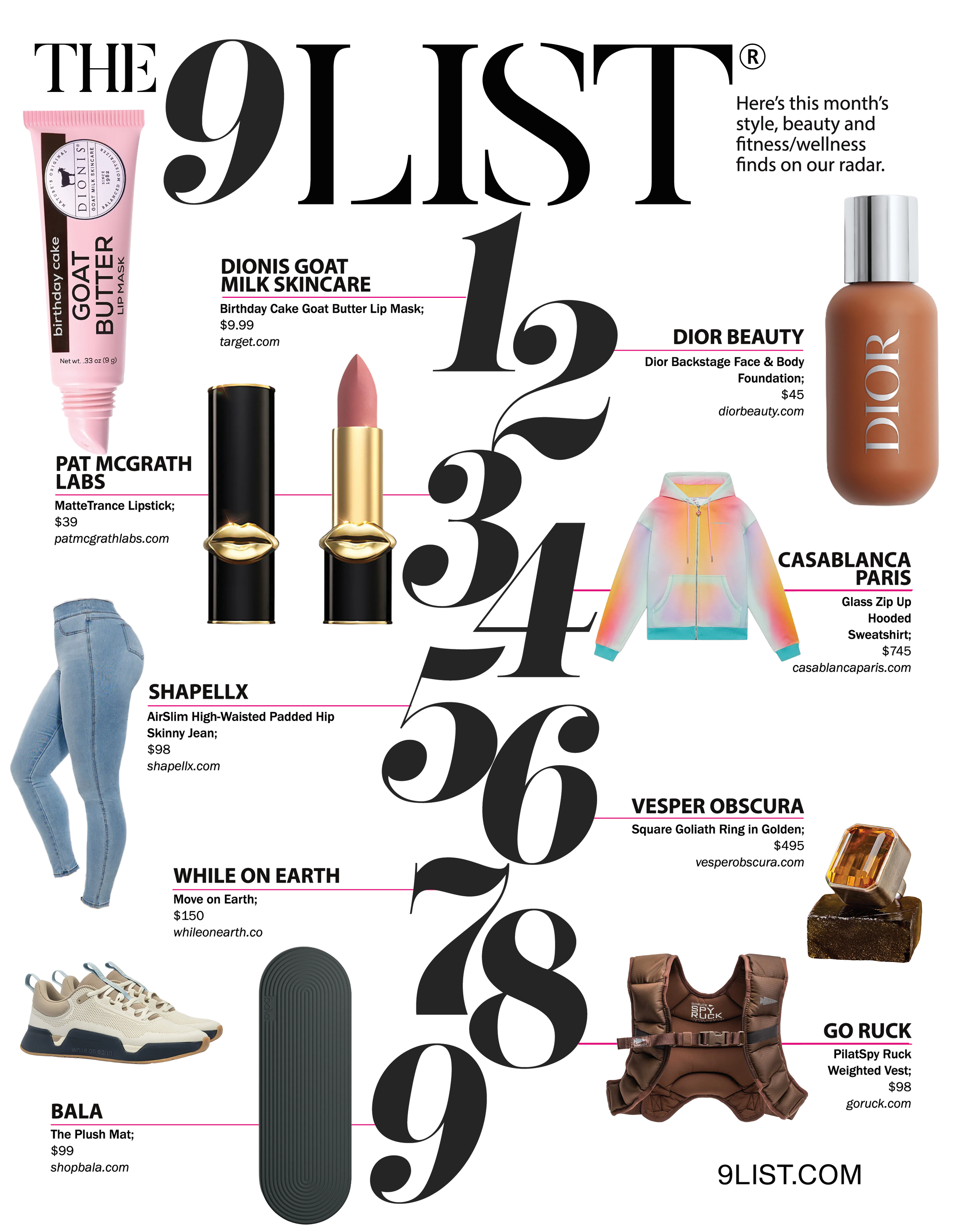
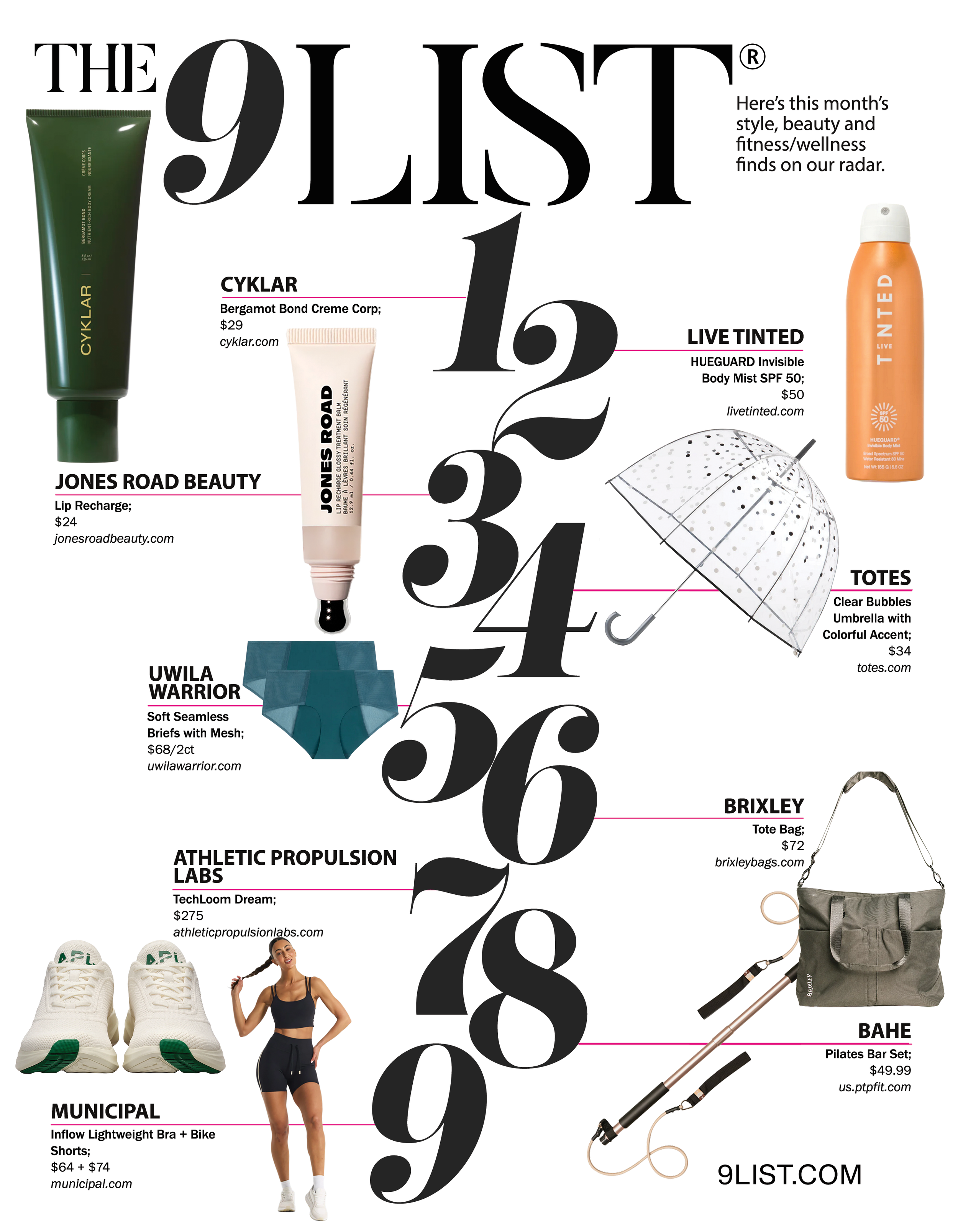
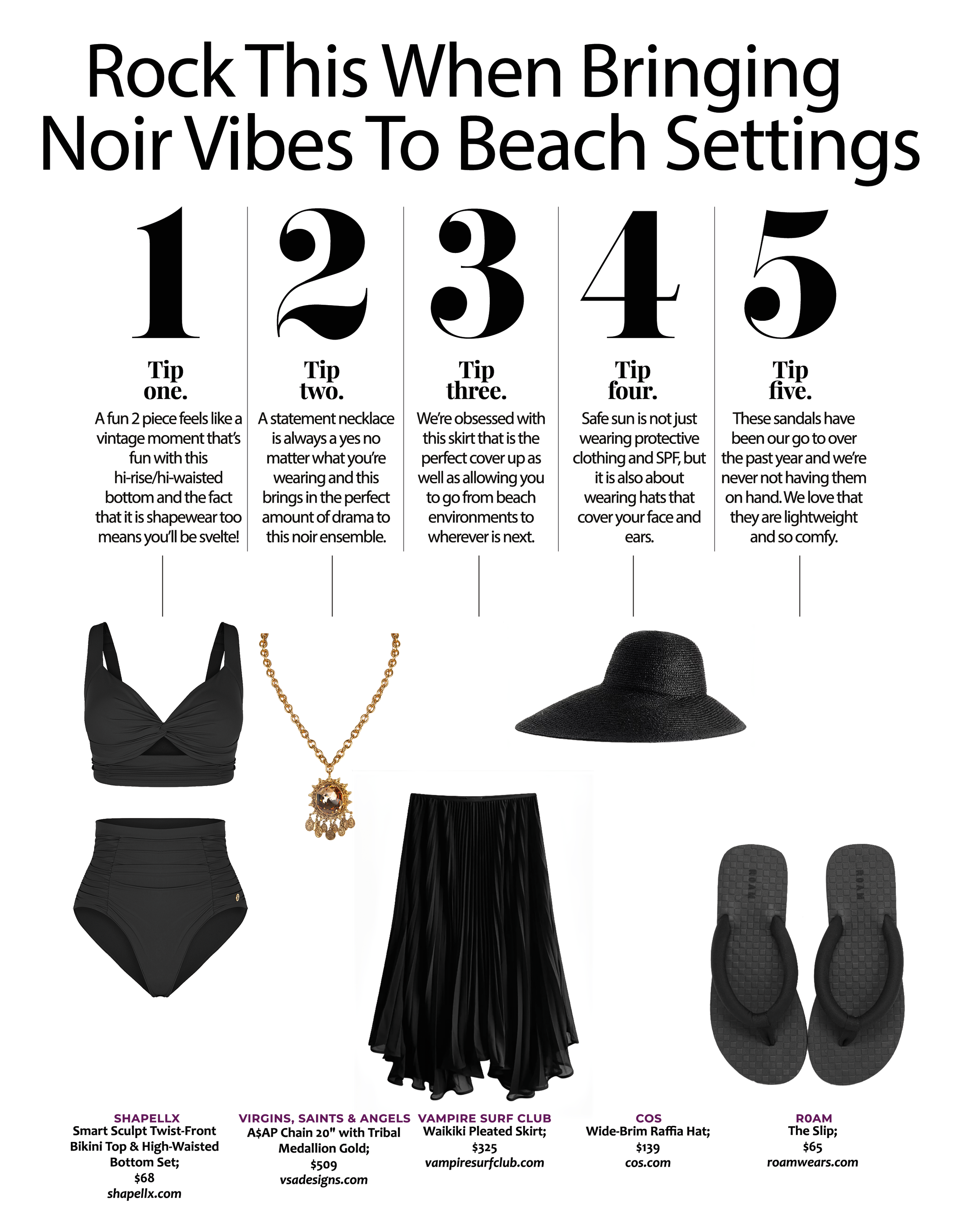
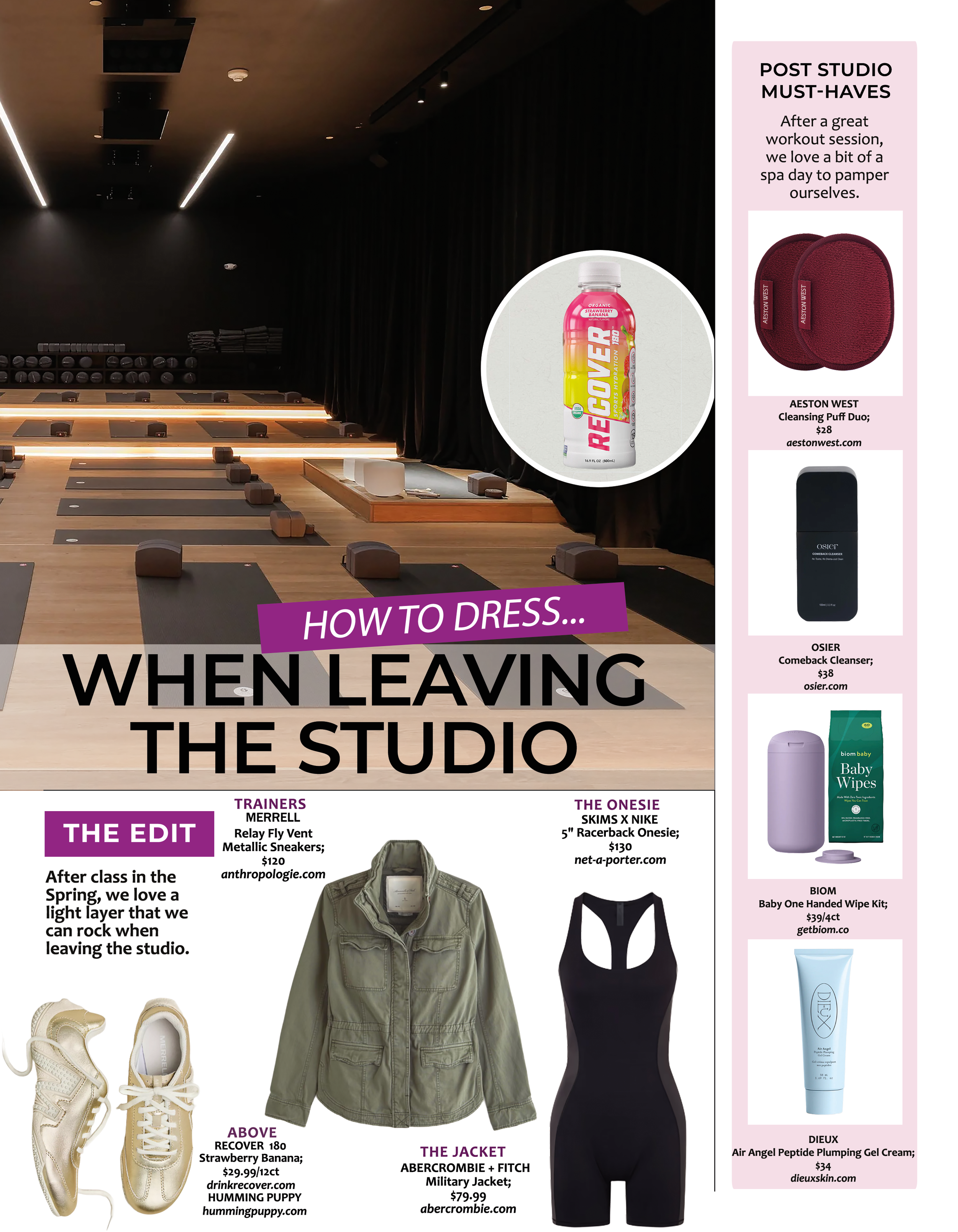
Read the FEB ISSUE #110 of Athleisure Mag and see 9PLAYLIST Jalen Hurts in mag listen to his selects on 9PLAYLIST.
Featured







Read the FEB ISSUE #110 of Athleisure Mag and see 9PLAYLIST Jalen Hurts in mag listen to his selects on 9PLAYLIST.

PHOTO CREDIT | Unsplash/Intenza Fitness
Want to work out without the expense of a gym membership? Converting a spare room in your home into a workout space will help you save a ton of money in the long run.
But how can you emulate the atmosphere in your gym and motivate yourself to work out when you’re at home? This article covers four of the best design tips for creating a home gym that you’ll actually want to use.
You don’t need to buy everything at once! Gym equipment is an expensive investment, so you’ll want to start with the basics. Depending on your preferred workouts, that might mean a few dumbbells, resistance bands, and a good mat, or a jump rope or foldable treadmill.
The more you can tailor your gym to what you enjoy, the more likely you are to actually use it. Top tip: check Facebook Marketplace and other local selling sites if you don’t mind getting used equipment and want to stretch your budget further.
The way your gym looks and feels will have a big impact on your motivation levels. If it’s possible, choose a room with access to natural light, which will help with your energy levels. You can also strategically use mirrors to make a smaller room feel bigger and help you check your form.
The colors you use in your home gym also make a difference. It’s a good idea to go for bright, energizing colors that make the space feel alive and get you pumped for your workout. If your walls need a refresh, hire a professional home painting service like pemcopainting.com to transform your space without the stress of doing it yourself.
You’ll find it much harder to stay consistent if you’re working out in a messy gym. You want to be able to find everything you need instantly, so think about how to store things appropriately.
For example, you could use wall hooks for resistance bands, shelves for small equipment, and a dedicated rack for weights. It’s also worth buying a basket that you can use to store towels and a small table for a water bottle or phone charger, helping to make the space more functional. The less time you spend setting up, the faster you’ll start your workout.
It goes without saying that your home gym should be as easy and convenient to use as possible. If you have to spend ages setting up equipment, the effort and time involved will probably cause you to skip your workouts.
So, keep everything within reach, and set yourself a schedule for exercise. If you’re just starting out, begin with shorter 15-minute sessions, which can make a huge difference if you make them a habit.
A well planned home gym should make you want to work out, rather than feeling like a chore.
When your space is bright, clean, and well-organized, you’re more likely to find the motivation to use it. So, start renovating that spare room into a home gym today—it’s one of the best investments you can make for your health and your wallet.

PHOTO CREDITS | Disney/Christopher Willard

PHOTO CREDIT | ABC/The Bachelor Key Art
PHOTO CREDIT FOR THE BACHELOR CONTESTANTS | Disney/Matt Sayles
We’re getting towards the end of the season of ABC’s The Bachelor! Last week was Hometowns and next week will be Fantasy Suites - that means tonight is the Women Tell All where we catch up with those who were eliminated and some of the story lines that surrounded Grant and the cast. We also get to hear Jesse Palmer’s take on all of it.
We look at the season overall in terms of an extended trailer and Jesse digs in on some of the moments and storylines that took place during the women’s time on the show. Of course, they mention that Zoe took Grant away for an hour during the group basketball date, he also talks about Carolina and how she became a villain (of course, she shows up to the WTA with a jacket with some of her “famous” quotes), and they try to get into what took place between her and Rose that also became a source of contention as well. Carolina leaves the set as they go to commercial and no one is surprised!
Coming back from commercial, Carolina is still not there but Alexe talks about their relationship with Jesse on the hot seat. Everyone thought that they would go the distance - or at least Hometowns, but Jesse brings another love of her life - the No Drama Llama! During their conversation Carolina comes back walking in front of a camera (couldn’t production have made sure that didn’t happen)? We then hear from Sarafiena who was also someone we thought would make it to Hometowns. Last up is Dina who gets to chat with Jesse. We kind of felt that when her family didn’t come to their date, that would be an issue for him. But it’s not like she didn’t have any representation and it’s a shame that he let her feel that them not being there wouldn’t be an issue for him. It’s an interesting take that because there were some in her family that was interested in meeting Grant and those that weren’t, she didn’t want to create division so she opted to just have her friends there. Of course, Carolina is the final person who comes to the hot seat. She continues to deflect and not take accountability while asking and hoping that Grant will be able to do so!
Grant finally makes his way onto the stage. He talks with a number of the women to talk about their time in the house and lets them know that ultimately, he was looking for the best fit for him. He also chats with Jesse and has a Chubby Bunny competition with him - Jesse won. We also get a bit of a peek into the season finale as well.
RECEIVED A ROSE DURING HOMETOWNS | Litia, Julianna, and Zoe.
DIDN’T RECEIVE A ROSE |
Each night during this season, we will tweet about The Golden Bachelorette and you can chat along with us (@AthleisureMag + with our Co-Founder/Creative + Style Director, Kimmie Smith @ShesKimmie) to see what’s taking place!
Each week we will let you know who our faves were from the last episode and if we’ve changed up since then as it pertains to who we think should go to Hometowns.
We also suggest a podcast that we’ve become obsessed with over the past few seasons, Wondery’s Bachelor Happy Hour to get their feedback!
Read the latest issue of Athleisure Mag.





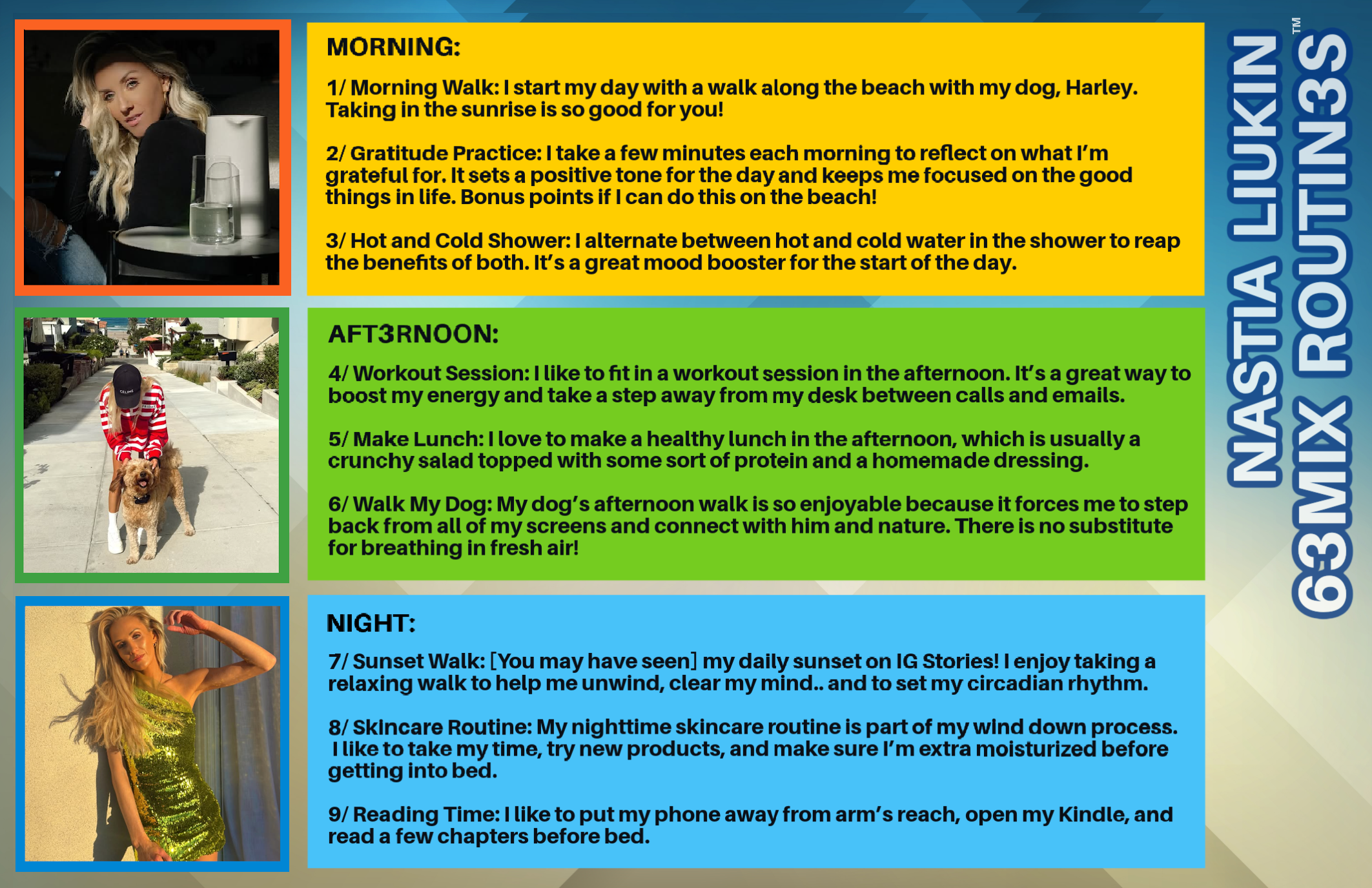

Read the FEB ISSUE #110 of Athleisure Mag and see 63MIX ROUTIN3S Nastia Liukin in mag.
Okay, so you crushed that workout. Now what? You want to chill, right? But going from sweaty beast to serene goddess takes more than just willpower. Your outfit has to cooperate. We’re talking athleisure, but not just any athleisure. We're talking the kind that lets you sink into the couch, maybe explore a little green relaxation aid, and just… exhale. If you're in Richmond and curious about options, you might consider exploring Kush Delivery Richmond. It's not just about being trendy; it's about optimizing your "ahhhhh." You want that comfort, that ease, that feeling of just right? It starts with what you wear.

PHOTO CREDIT | Unsplash/Pascal Meier
Athleisure's blown up, and honestly, thank goodness. It's that beautiful baby of athletic apparel and casual wear. Yoga pants you can actually wear to brunch? Check. A hoodie that looks just as good at the gym as it does while Netflix-ing? Double-check. It's versatile, functional, and why so many are ditching jeans for good.
Okay, so athleisure is awesome because it’s built for life. Moisture-wicking fabrics save you from that post-workout swampiness. Stretchy everything lets you actually move. And, let's be real, it looks way better than your ancient college sweats. Brands are finally getting it, designing stuff that breathes, flatters, and makes you feel put-together even when you're absolutely not. Think beyond basic black leggings here.
Let's get real: recovery is crucial. More and more, people are turning to cannabis to unwind after a hard workout. Who can blame them? Finding natural ways to support your body's healing process is a smart move.
Cannabis, especially CBD (but sometimes a little THC!), can help muscle recovery, reduce inflammation, and promote overall relaxation. That sweet, sweet relief after leg day? Yes, please. Some athletes even say it makes working out more enjoyable and boosts their recovery. It's worth exploring the potential benefits.
But here’s the thing: your environment matters. Soft lighting? Check. Comfy pillows? Check. The right clothes? Absolutely check. This is where athleisure shines. It's not just about covering yourself; it's about amplifying the relaxation. Trust me, putting on stiff jeans after a hard workout is basically a crime against your body. Clothing will play a big role in optimizing this whole experience, turning your recovery time into a truly luxurious moment.
So, what makes athleisure perfect for those post-workout chill sessions? It’s all in the details.
Breathable, moisture-wicking, stretchy is the holy trinity. Cotton blends, bamboo, microfibers – these are your best friends. They keep you cool, dry, and unrestricted. You want fabrics that feel amazing against your skin, especially when you're sore. Seriously, scratchy seams are the enemy. You want fabrics that provide for the best comfort experience and will make you feel great; they can even add to your relaxation experience.
Loose vs. fitted? Tricky question. For pure relaxation, looser styles usually win. Think oversized hoodies (a personal favorite), baggy joggers, flowy tees. But hear me out – fitted leggings can be great too, especially if they're super soft and high-waisted. Seamless designs are also clutch, eliminating chafing. The goal is a fit that doesn't constrict you, that will allow you to breathe, and that can make you feel like you're being hugged by your clothes. Like a gentle, loving hug.
Coordinated sets vs. mix-and-match? Dealer's choice! Some people love the ease of a matching set (so put together!), while others prefer their own unique combos. Don't forget aesthetics either. You want something that looks good whether you're lounging or running to the store. Darker colors are always a safe bet, especially if you're prone to spilling things (guilty). And those soft fabrics? Yes, always. You want something that serves your style, that will make you feel confident, and that can transition seamlessly from the gym to real life.
Lightweight layers are key for cooling down after a workout. A light jacket or breathable tee does the trick. Then, when it's time to fully embrace the couch, cozy elements like oversized hoodies are a must. You want something that serves your body's changing temperature, that will keep you comfortable no matter what, and that can adapt to your needs.
Okay, let's get specific. Which brands are actually nailing this whole athleisure-for-relaxation thing? I’ve tried a lot.
● Lululemon: Yeah, it's pricey. But the quality is unreal. Their Softstreme collection? Feels like you're wearing a cloud. Seriously. Worth the splurge. I have the Softstreme Perfectly Oversized Cropped Crew ($118) and I LIVE in it.
● Vuori: This brand balances performance with serious coziness. Their joggers are legendary. The Performance Jogger ($89) is always in my rotation.
● Beyond Yoga: Buttery-soft is an understatement. It feels like wearing a hug. Their spacedye leggings are life.
You don't need to empty your bank account for comfort. Old Navy and Target have great basics. Don't expect them to last forever, but they're perfect for filling out your wardrobe.
Alright, let's put it all together. What are the perfect outfits for maximum post-workout bliss?
● Hoodie + Joggers: The ultimate power couple of comfort. Bonus points for a zip-up hoodie for easy temperature control.
● Sports Bra + High-Waisted Leggings: Breathable and supportive, perfect for warmer weather. Add a light cardigan if you get chilly.
● Oversized Tee + Biker Shorts: Relaxed, stylish, and perfect for showing off those quads you worked so hard for.
Don't forget the extras! Cozy socks, slide sandals (Birkenstocks, anyone?), a weighted blanket, and a beanie can seriously up your relaxation game.
Hear me out: Darker colors hide sweat stains (we've all been there) and tend to be more forgiving. But honestly, wear what makes you feel good!

PHOTO CREDIT | Unsplash/Viktor Talashuk
Choosing the right athleisure wear is about more than just clothes. It's about enhancing your comfort, your style, and your entire relaxation experience. Think of it as a tool. It's a means to an end: pure, unadulterated bliss.
From the gym to the couch, your clothing should support your body AND your mind. So, go ahead, treat yourself to that perfect lounge set. Relaxation is an art, and you deserve to be cozy. Athleisure wear can serve you, and the right style can only make the experience even better. Now go get your chill on.
PHOTO CREDIT | Unsplash/Kelsey Curtis
The idea of enhancing your natural beauty with minimal effort is incredibly appealing if you’re someone who has little time. Everyone wants to look their best, but with busy schedules and demanding lifestyles, spending hours on beauty routines may not always be practical. Thankfully, there are some simple and effective ways to enhance your natural features without a significant time commitment. Whether you are looking to improve your skin, hair, or overall wellness, the key lies in integrating easy habits into your daily routine that promote both health and beauty.
The foundation of any beauty regimen is healthy, glowing skin. When your skin looks its best, it can boost your confidence and reduce the need for heavy makeup or other products. One of the simplest ways to maintain great skin is to stick to a consistent skincare routine that includes hydration, sun protection, and soothing ingredients.
Products with healing properties can be invaluable for those looking to target specific skin concerns, such as redness or uneven texture. A product like the anua azelaic acid serum works wonders in calming irritated skin and reducing redness. This serum contains a blend of azelaic acid and hyaluronic acid, which help to even out skin tone and hydrate the skin, giving you that perfect balance of comfort and radiance. It’s an ideal addition to any minimal effort skincare routine, offering maximum results with just a few drops a day.
Great hair doesn’t have to be complicated. Getting caught up in styling tools and elaborate hair care routines is easy, but sometimes the best way to enhance your natural beauty is by embracing your hair’s natural texture. Regular trims, deep conditioning treatments, and using heat-free styling techniques can all help maintain your hair’s health without needing excessive effort.
A simple, healthy hair routine can include a moisturizing shampoo, a leave-in conditioner, and perhaps an occasional nourishing hair mask to keep your locks soft and shiny. This streamlined approach keeps your hair looking its best while also minimizing time spent in front of the mirror.
The food that you eat plays a crucial role in your natural beauty. Eating a balanced diet that is rich in antioxidants, healthy fats, and vitamins will help you feel your best and promote glowing skin, strong nails, and healthy hair. Incorporating plenty of fruits, vegetables, and omega-3 fatty acids into your meals can do wonders for your overall appearance.
In addition to a healthy diet, hydration is key. Drinking enough water throughout the day is one of the easiest ways to keep your skin looking fresh and radiant. Keeping hydrated helps flush out toxins and supports your body’s natural processes, ensuring that you always look your best without much effort.
If makeup is part of your daily routine, going overboard is unnecessary. The goal should be to enhance, not mask, your features. Opting for minimal makeup, such as a light foundation or tinted moisturizer, a swipe of mascara, and a dab of lip balm, can make a significant difference in your appearance while still feeling effortless. Focus on products that nourish your skin while providing a light touch of coverage.
Never underestimate the power of a good night’s sleep. Beauty sleep is real—when your body is well-rested, your skin repairs itself, and your energy levels are restored. Aim for seven to nine hours of sleep every night, and you’ll notice the difference in how you look and feel.
Enhancing your natural beauty doesn’t require a complicated routine. With the right skincare, simple hair care, balanced nutrition, and enough sleep, you can look and feel your best with minimal effort. You’ll radiate beauty effortlessly by incorporating these simple habits into your daily routine.

PHOTO CREDIT | Pexels/Jonathan Petersson
Thousands of sports fields have now been installed with artificial turf, but concerns are growing over the presence of PFAS on these surfaces. Per- and polyfluoroalkyl substances (PFAS), nick-named "forever chemicals," have been linked to serious health risks, including cancer and hormonal disruption. Exposure could be a hidden danger for athletes who regularly practice on artificial turf.
In this article, we will explore the truth about PFAS in turf and its potential impact on athletes' health.
Artificial turf is now more prevalent in sports fields and playgrounds due to its durability, low maintenance, and consistency. These artificial turfs contain PFAS, which is added to improve water resistance, durability, and fire retardancy.
According to The Guardian, artificial turf consists of multiple layers, including plastic grass blades. A plastic backing secures the blades, and an infill weighs down the turf to keep the blades upright. The industry claims that PFAS is necessary for manufacturing grass blades and backing.
PFAS can also enter turf through contaminated infill materials, like recycled rubber or synthetic fibers. Over time, these chemicals can leach into the air, water, and skin, exposing athletes and communities to potential health risks associated with prolonged exposure.
Athletes face a higher risk of PFAS exposure due to regular, intense physical contact with artificial turf. These chemicals can be absorbed through the skin, inhaled from dust, or ingested when hands touch the mouth after contact with turf.
A study conducted by Public Employees for Environmental Responsibility found that soccer players and coaches absorb PFAS from their skin. The initial study was done on a few players and coaches after soccer games played on the artificial turf. It was found that the amount of PFAS on the skin in three out of four players has increased.
By contrast, nothing was observed in the players after playing on grass fields. Every artificial field tested was found to leach PFAS that could contaminate ground and surface water.
Prolonged exposure has been linked to serious health issues, including weakened immune function, hormone disruption, and increased cancer risk. Unlike casual exposure, athletes experience repeated contact, leading to a greater buildup of PFAS in their bodies, heightening long-term health concerns.
Yes, younger athletes, especially children and teenagers, are more vulnerable to PFAS exposure due to their developing bodies and higher hand-to-mouth behaviors. Their metabolism and growing organs make them more susceptible to the harmful effects of PFAS, increasing long-term health risks compared to adults.
Growing concerns over PFAS exposure have led to increased awareness of their dangers in various industries.
These toxic chemicals, long used in products like firefighting foam, have contaminated water sources and raised serious health concerns, states TorHoerman Law. Studies link prolonged PFAS exposure to severe health issues, including kidney, bladder, and testicular cancers, as well as thyroid and immune system disorders.
Legal actions like the AFFF lawsuit have played a crucial role in bringing attention to the widespread impact of PFAS contamination. Beyond firefighting foam, PFAS are also present in artificial turf. With athletes frequently in contact with synthetic fields, concerns are growing over potential exposure and long-term health effects.
As awareness grows, there is increasing pressure to regulate these harmful substances. Efforts are also focused on developing safer, PFAS-free alternatives to protect public health and the environment.
Beyond firefighting, industries such as manufacturing, aerospace, healthcare, and food packaging have been impacted by PFAS exposure. Workers in these fields face risks from contaminated water, air, and materials used in production. Agriculture and textiles are also impacted, with PFAS present in soil and fabrics.
Yes, athletes are more at risk than the general population due to frequent and prolonged exposure to artificial turf containing PFAS. Unlike casual users, athletes train intensely, increasing skin contact, inhalation of turf dust, and accidental ingestion of chemicals. High physical activity leads to greater absorption through sweat and abrasions.
Younger athletes who play on turf from an early age face cumulative PFAS exposure over time. This prolonged and repeated contact raises their risk of developing health issues, such as hormone disruption, immune suppression, and increased cancer susceptibility.
Some studies reported by AP News state that artificial turfs are more dangerous than natural grass fields. It is not only because of PFAS but also due to a higher number of injury rates. It was found that there were 16% more injuries per match on artificial turf than in grass fields.
Athletes and teams can take proactive steps to minimize PFAS exposure from artificial turf. Wearing protective clothing, such as long sleeves and leggings, reduces direct skin contact. Washing hands and showering immediately after playing helps remove any chemical residues. Hydrating with clean, filtered water prevents ingestion of PFAS-contaminated dust.
Using natural grass fields when possible and advocating for PFAS-free turf alternatives can further reduce risks. Teams can also push for regular testing of playing surfaces and educate players on safe practices to limit long-term health effects from PFAS exposure.
Washing after playing on artificial turf may help remove PFAS residue from the skin, but it does not prevent absorption entirely. PFAS can still enter the body through inhalation, ingestion, or prolonged contact. Limiting exposure and choosing PFAS-free turf options are the best precautions.
Numerous initiatives are emerging to reduce PFAS in sports fields as awareness of their health risks grows. Some states have banned PFAS in artificial turf production, while federal agencies push for stricter guidelines on chemical use. Manufacturers are exploring PFAS-free alternatives, such as organic infill and natural grass hybrids, to minimize exposure.
According to Sports Destination Management, artificial turf manufacturers committed to creating 100% PFAS-free synthetic turf in the US, as of January 1, 2024. Earlier, a few manufacturers did use PFAS as an extrusion chemical in synthetic turf; however, the PFAS used was less concerning.
Toxic-Free Future reports that Dick’s Sporting Goods has discreetly committed to eliminating PFAS “forever chemicals” from its private-label textile products. This decision aligns with a significant revision of its Restricted Substance List (RSL) introduced in March. As one of the country’s leading sporting goods retailers, the company operates over 850 stores and generated $12.37 billion in sales in 2022.
Advocacy groups and researchers are also urging transparency in turf composition and safer material development. These combined efforts aim to protect athletes and communities from long-term PFAS-related health risks while maintaining safe, high-quality sports surfaces.
As PFAS-related health risks continue to be a concern, athletes, teams, and organizations need to take preventive measures. By reducing turf exposure, advocating for PFAS-free alternatives, and practicing proper hygiene, athletes can protect their health. Continued research and stronger regulations will be key to mitigating the long-term impact of these harmful chemicals.

Read the FEB ISSUE #110 of Athleisure Mag and see 9LOOKS | DSQUARED2 in mag.
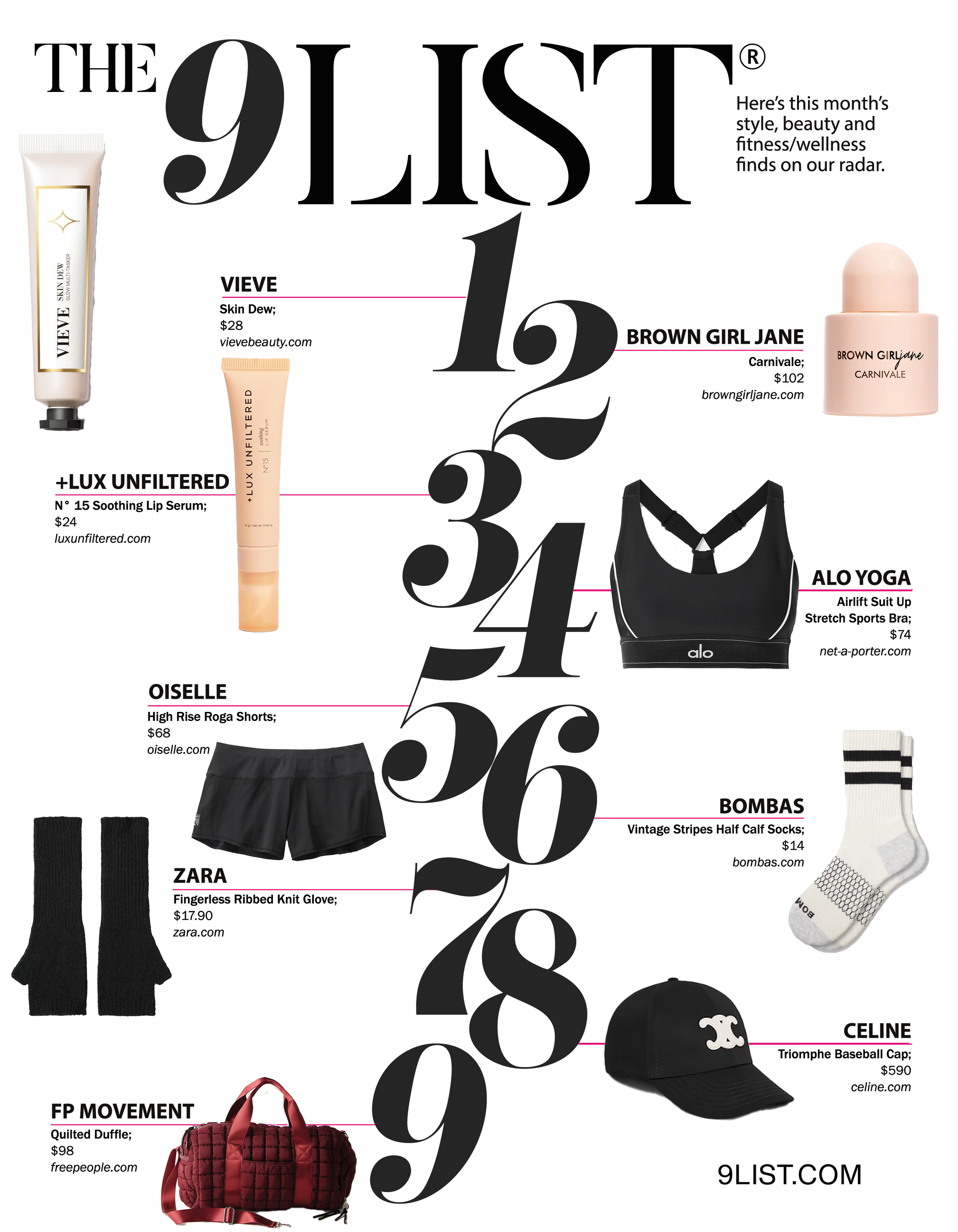
Read the FEB ISSUE #110 of Athleisure Mag and see THE 9LIST in mag.

PHOTO CREDIT | Unsplash/Sheelah Brennan
Sutures have one purpose, according to expert plastic surgeons: they hold the wound together while your body heals. Sutures give your body time for collagen to be deposited for closure and much less scarring. In surgery, generally, there is little consideration for stitching as long as your body gets the chance to heal. However, when it comes to plastic surgery, stitching matters a great deal, from the materials used to the removal. The quality of stitching you get can either ease the recovery or result in a complication. Therefore, if you are getting plastic surgery in Texas, here are four questions you should ask your doctor.
According to Dr. Olivier Deigni of Deigni Plastic Surgery, there are two types of sutures: absorbable, meaning they lose most of their tensile stress in 60 days, and nonabsorbable. Surgeons generally use absorbable sutures as deep sutures since they do not need to be removed; they dissolve on their own. Conversely, nonabsorbable sutures are either permanent or require manual removal and are often used as surface sutures.
Understanding the difference these sutures make for you as a prospective patient is essential. For example, absorbable sutures let you avoid the inconvenience and potential discomfort of having the suture removed. However, these stitches dissolve through hydrolysis, which is often as a result of inflammation caused by your body breaking the sutures down.
More so, surgeons do not like to use them for areas such as the face to avoid months, maybe even years, of healing. Therefore, depending on what type of plastic surgery you are getting, using non-reactive stitches may be the best option.
Typically, deep stitches matter; suturing correctly depends on how accurately those deep stitches are put in. The stitches have to be fixed below the skin so that there is no separation between the edges of your skin. When these stitches are properly put in, they can reduce tension by pulling the skin together, thus creating a fine-line scar.
Furthermore, the surgeon should ask them if they will do the stitching personally or at least supervise the process to ensure accuracy. While the surgeon does not necessarily have to do the stitching, they have to ensure their assistant does it the same way they would.
Timing matters a great deal when it comes to removing sutures, especially if you do not want a railroad scar. More often than not, surface sutures are removed five days after the surgery, six at the most. If your surgeon says you should wait a bit longer to have them removed, be sure to ask why. The longer stitches remain, the higher the risk of getting a poor final scar with very visible suture marks. Meanwhile, if your surgery involves areas of high tension like the abdomen and torso, stitches need to stay longer than a week.
There is a good chance that sutures buried deep in the skin will start poking out from the surface at six weeks. This poking out is typically seen with permanent sutures, which is why some surgeons in Texas do not like using them. However, dissolvable sutures can also poke out - a phenomenon called “spitting out."
If you find a little red pimple or bump with some discharge along the suture line, you may feel (not see) the stitching sticking out. As annoying and sometimes distressing as it may seem, they are not a big deal and will not affect long-term healing.
Simply apply a warm and moist compress to the area to expose more of the suture and trim it with a nail clipper. You may need to do the warm compress for a few days before more of the suture comes out. If it looks like it is getting worse or not budging, see your doctor for a more sterile solution.
Lastly, when it comes to surgical incisions, what is happening underneath, not the surface, is the real deal. Therefore, even when your doctor has removed your sutures, it does not mean your body has healed. Therefore, avoid jumping or moving around too much so you do not undo some of the deep sutures, among other things.
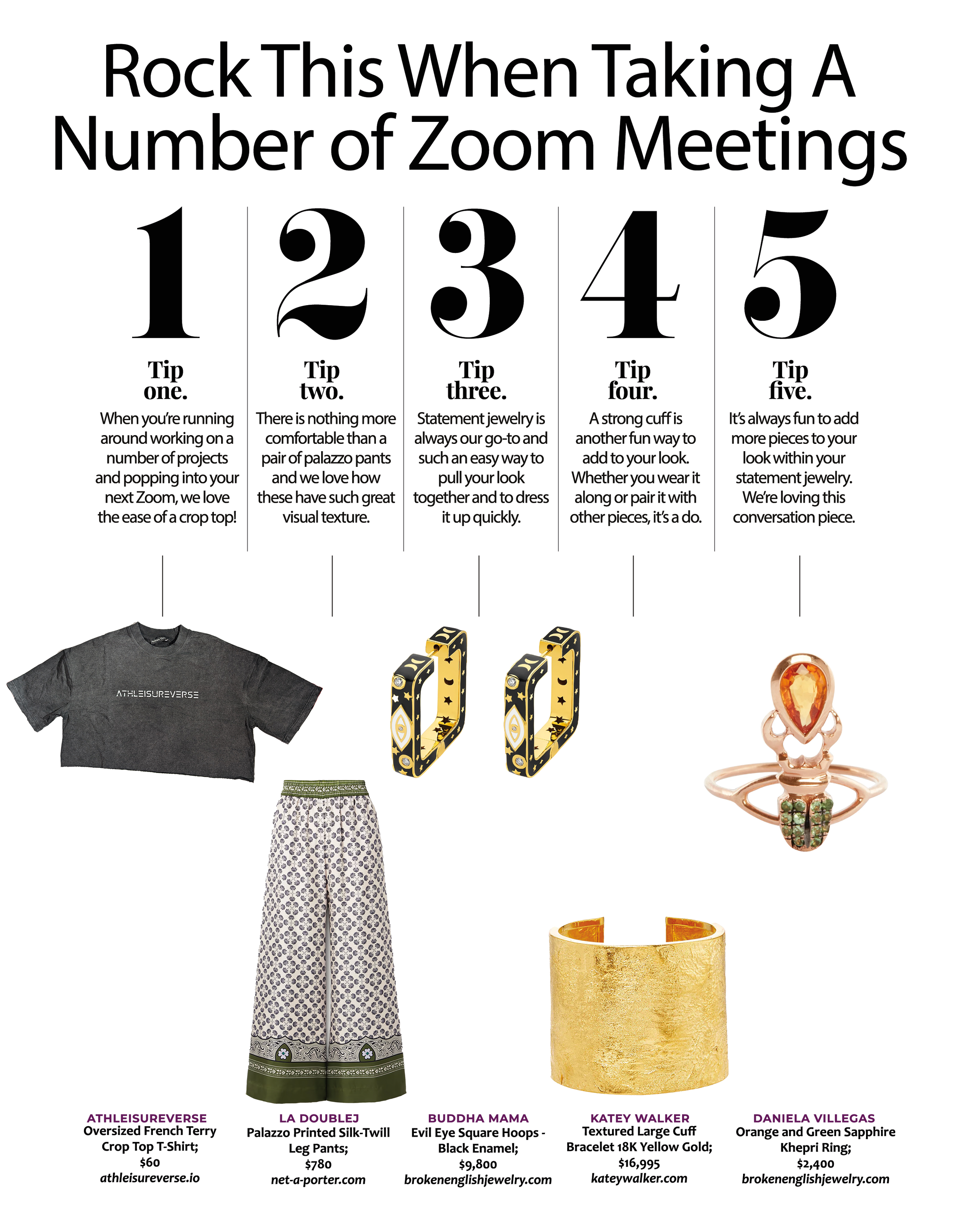

Athletes and fitness enthusiasts push their limits daily, chasing progress, personal bests, and peak performance. But with that drive comes a risk—burnout. Overtraining can sneak up, bringing exhaustion, mental fog, and a decline in performance. Some try rest, nutrition, and therapy, but a growing number are turning to an unconventional approach: microdosing psilocybin.
Microdosing, the practice of taking small, non-hallucinogenic doses of psychedelics, is gaining attention for its potential role in stress management, mental clarity, and physical recovery. Companies like Dope SEO—which helps businesses in the mushroom and wellness space reach a wider audience—are playing a role in bringing credible, accessible information about microdosing to more people. For those who push their bodies to the edge, this practice may offer a way to recover faster, stay motivated, and avoid the mental drain that comes with overtraining.

PHOTO CREDIT | FreePik/Lookstudio
Burnout isn’t just about feeling tired. It’s a state of deep mental and physical exhaustion that builds over time. Athletes, bodybuilders, and fitness enthusiasts often experience it when training intensity exceeds their body’s ability to recover. Symptoms can include:
● Chronic fatigue
● Loss of motivation
● Increased risk of injury
● Poor sleep
● Decreased performance
● Emotional instability
Overtraining syndrome (OTS) takes it a step further. It’s when stress on the body becomes so intense that rest alone isn’t enough to bounce back. This is where microdosing could play a role—not as a magic fix, but as a tool to support recovery and resilience.
Microdosing psilocybin is believed to work by interacting with serotonin receptors in the brain. This can impact mood regulation, cognitive flexibility, and stress response. While research is still in its early stages, anecdotal evidence and emerging studies suggest microdosing may help with:
● Reducing stress and anxiety – Overtraining elevates cortisol, the stress hormone. Psilocybin may help regulate stress responses, making recovery smoother.
● Enhancing mental resilience – Athletes facing burnout often struggle with motivation. Microdosing may support cognitive function, helping users regain focus and determination.
● Improving sleep quality – Recovery depends on deep, restorative sleep. Some microdosers report better sleep patterns, which could benefit overtrained individuals.
● Supporting emotional balance – Burnout often leads to irritability and emotional exhaustion. Microdosing may help maintain a stable, positive mood.
Though mainstream acceptance of psilocybin is relatively new, research into its benefits is growing. Studies suggest that low doses of psilocybin may promote neuroplasticity—the brain’s ability to rewire and adapt. This is crucial for mental resilience, especially for athletes recovering from prolonged physical and psychological stress.
A study published in Nature found that psilocybin encourages brain cell growth and strengthens neural connections. This could explain why users report improved clarity, problem-solving, and motivation. Additionally, a 2020 study in Frontiers in Psychiatry suggested that psilocybin-assisted therapy could help reduce anxiety and stress, making it a potential tool for managing the emotional strain of overtraining.
Athletes often feel pressure to keep training, even when their bodies are begging for rest. The idea of "pushing through the pain" is ingrained in many fitness cultures. But real progress happens during recovery. Microdosing isn’t about replacing healthy recovery habits—it’s about enhancing them.
Here’s how microdosing can be integrated with standard recovery strategies:
● Nutrition: Fueling the body with anti-inflammatory foods and hydration can support the recovery process. Psilocybin’s potential anti-inflammatory properties may work alongside a solid nutrition plan.
● Sleep optimization: Creating a nighttime routine, avoiding blue light, and ensuring deep sleep can maximize muscle repair. Some microdosers find that psilocybin helps regulate their sleep cycles.
● Mindfulness and meditation: Incorporating mindfulness can reduce stress and improve focus. Microdosing may deepen meditation practices and promote relaxation.
● Active recovery: Instead of complete rest, low-impact activities like stretching, yoga, or walking can keep the body moving without added stress. Microdosing may help users feel more present and connected during these sessions.
Athletic performance isn’t just about physical strength—it’s equally about mental endurance. Burnout often starts in the mind before it manifests in the body. Microdosing may offer a cognitive boost, helping athletes manage self-doubt, fatigue, and emotional strain.
Some benefits that athletes and fitness enthusiasts report include:
● Enhanced focus during training – Less mental chatter and improved concentration.
● More motivation to stick with routines – A renewed sense of excitement for workouts.
● A deeper connection with the body – Improved awareness of overtraining signals, allowing for better self-care.
Microdosing is not a one-size-fits-all solution. While many athletes find benefits, it’s not for everyone. Factors like personal health, mental state, and lifestyle should be considered before trying it. Consulting a healthcare professional—especially for those with underlying conditions—is crucial.
Additionally, legality varies by region. Those interested in exploring microdosing should be aware of their local laws and seek guidance from reliable sources.
For those considering microdosing as part of their recovery strategy, starting small is key. A typical microdose is about one-tenth to one-twentieth of a recreational dose, meaning there are no hallucinogenic effects. Most users follow a structured schedule, such as:
● The Fadiman Protocol – One microdose every three days.
● The Stamets Stack – Psilocybin combined with lion’s mane mushroom and niacin for enhanced neuroplasticity.
● Intuitive Dosing – Listening to the body and adjusting based on personal needs.
Tracking experiences in a journal can help determine effectiveness and ensure responsible use.
As more research emerges, conversations around microdosing in sports and fitness are evolving. While elite athletes are still hesitant to discuss it openly, some in endurance sports, bodybuilding, and extreme fitness are exploring its potential.
The future may hold more structured studies on psilocybin’s effects on performance, stress adaptation, and injury recovery. Until then, those who incorporate microdosing into their wellness routines will continue sharing their experiences, shaping the next wave of fitness and mental health innovation.

PHOTO CREDIT | Freepik
Burnout and overtraining can be overwhelming, but recovery is just as important as training itself. Microdosing isn’t a quick fix, but it may offer a supportive tool for stress management, emotional balance, and mental resilience. By combining it with proper recovery practices—nutrition, rest, mindfulness, and self-awareness—athletes and fitness enthusiasts may find a sustainable way to push their limits while taking care of their well-being.
As the conversation around psilocybin continues, those looking for natural recovery solutions might find that small doses can make a big difference.


PHOTO CREDIT | Unsplash/Sixteen Miles Out
Stress is a part of everyday life and can quickly damage our well-being. Whether from work, personal matters, or daily life's demands, it’s easy to feel weighed down. Fortunately, several relaxation techniques can help restore balance and ease the mind. Here are five methods to help people manage stress and restore a sense of calm.
One of the most soothing techniques involves using scented candles. Lighting fruity candles can be a delightful way to bring calm into the space. The aromas they release can create an atmosphere of tranquility and comfort. Scents like fresh citrus, berries, and tropical fruits can instantly lift your mood and ease tension. It’s like a little moment of self-care that takes no effort.
When a person lights a candle, focus on the fragrance and the soft glow. Let the flickering flame remind them to breathe deeply and slow down. Even a few minutes of this simple ritual can help calm one’s mind and reduce stress.
Meditation with candles is an ancient technique for clearing the mind and finding stillness. It’s incredibly effective at managing stress because it gives the brain a much-needed break. When you meditate, the focus is on breathing to release any racing thoughts. This quiet, mindful practice helps center one’s thoughts, allowing them to detach from the chaos.
Meditation doesn’t require a unique space or long periods. Just some minutes of focused breathing can simply make a significant difference. Find a quiet corner, close your eyes, light your favorite candles, and take deep breaths. With each inhale and exhale, the stress slowly leaves.
Deep breathing is an effective technique for a quick way to calm the nerves. The body’s calming response is activated by consciously focusing on the breath. This simple action slows the heart rate, lowers blood pressure, and naturally reduces stress.
Try the 4-7-8 technique: In this process, you have to inhale for 4 seconds, hold your breath for 7 seconds, and then exhale for 8 seconds. Repeat for a few minutes, and the tension will start to fade. This method works exceptionally well during moments of unexpected stress, like in a meeting or while stuck in traffic.
Stress often manifests physically, with tight muscles and a tense body. Progressive muscle relaxation is a technique that helps release that physical tension. The idea is simple: focus on each muscle group in the body, tighten the muscles, and then release them. This helps a person to become more aware of areas where they carry stress and teaches the body how to de-stress
Start with the toes and work up to the head. Tense each muscle for about 5 seconds and then release. This technique can leave one feeling completely relaxed and more in tune with the body.
Sometimes, the right melody can work wonders on someone's mind. Listening to calming music is a powerful and easy way to reduce stress. These peaceful sounds, whether nature sounds, classical music, or instrumental tunes, can help you unwind and forget the day's worries.
Create a playlist of calming tracks or use premade playlists found online. The key is to choose music that resonates and helps develop a sense of grounding. As the music plays, focus on the rhythm, let the sounds wash over, and allow the body to rest with each note. This simple yet effective method can help ease stress.
Managing stress is essential for overall well-being. Fortunately, plenty of techniques exist to help unwind and reset. Whether lighting fruity candles to fill a space with a calming fragrance or taking a few minutes for deep breathing, each effort makes a difference. Regular relaxation techniques bring a renewed sense of calm and a healthier way to navigate life’s challenges.

PHOTO CREDIT | Unsplash/Anandu Vinod
Storms can leave behind damage that may not seem serious at first. Many homeowners overlook small cracks or missing shingles, assuming the roof remains intact. However, even minor issues can weaken the structure over time, leading to costly repairs. Taking action immediately can prevent long-term problems.
A Storm Damaged Roof in Raleigh might not show visible leaks right away, but hidden issues can develop beneath the surface. Wind, rain, and debris can impact roofing materials, creating weak spots that worsen over time. Homeowners in Raleigh should inspect their roofs after every storm to ensure no minor damage goes unnoticed.
Storms bring strong winds and heavy rain, which can loosen shingles or create small punctures. Even if a roof appears undamaged, underlying issues may exist. Water can seep through tiny openings, leading to rot and mold. Over time, these hidden problems can spread, weakening the entire structure.
Regular inspections can help detect small damages before they worsen. In Raleigh, fluctuating weather conditions can speed up deterioration, making early detection crucial. A professional assessment can uncover weak spots that homeowners might miss, ensuring the roof remains secure.
Water damage often starts unnoticed, gradually affecting different parts of a home. Small leaks can allow moisture to accumulate in the attic, leading to mold growth and wood decay. Over time, this can compromise the strength of beams and supports, reducing the overall stability of the building.
Homeowners here should be proactive in addressing even the slightest leaks. Ignoring minor roof damage can result in costly structural repairs. Preventing moisture buildup helps maintain the integrity of the home while avoiding expensive restoration work.
A roof plays a significant role in maintaining indoor temperatures. Small gaps caused by storm damage can allow heated or cooled air to escape, increasing energy consumption. This forces HVAC systems to work harder, raising utility bills.
Fixing minor roof issues quickly can help homeowners in Raleigh maintain energy efficiency. Some of the benefits include:
● Lower heating and cooling costs throughout the year
● Consistent indoor temperatures for better comfort
● Reduced strain on air conditioning and heating systems
Routine maintenance can extend the lifespan of any roof. Minor untreated damage can lead to more serious issues, requiring costly repairs or even a full replacement. Preventive measures help keep costs down while preserving the roof’s durability. Many professionals in Raleigh recommend scheduling inspections after severe weather events.
Fixing small roof damages early helps maintain strength and prevent costly repairs. Storms can cause hidden issues that are hard to detect, making professional inspections essential. Roofing experts in Raleigh use quality materials and proven techniques to identify weak spots and provide lasting solutions. Whether it's a minor repair or a full inspection, professional help ensures homes stay safe and protected from future storms.
A Storm Damaged Roof in Raleigh should never be ignored, as even minor issues can lead to costly repairs. Small cracks, leaks, or missing shingles may seem harmless, but they can weaken the structure over time. Taking immediate action ensures that the home remains protected from future storms and maintains its energy efficiency. Raleigh homeowners can safeguard their property by scheduling regular roof inspections and addressing minor damages as soon as possible.
Risk-taking is part of human nature. Whether it’s an athlete pushing their body to the limit or a gambler placing a high-stakes bet, the willingness to embrace uncertainty plays a big role in both success and failure. Some thrive under pressure, while others struggle with the unpredictability of the outcome. But what separates those who excel in risk-heavy environments from those who don’t?
In both sports and digital betting, psychology is key. The way a person processes risk, calculates odds, and reacts to setbacks can determine their results. While physical training matters for athletes, their mindset is just as crucial. The same applies to bettors—having a solid strategy and emotional control can make a difference. Platforms like UFA provide access to digital betting, where users can test their risk management skills in a controlled environment.
Understanding risk-taking is useful not just for gamblers or athletes but for anyone who makes quick decisions under pressure. Let’s break down what drives risk-takers, how their minds work, and what lessons both sports and betting can teach about managing uncertainty.
Risk-taking isn’t random. It’s influenced by a mix of biology, psychology, and personal experience. Some people are naturally more inclined to take risks, while others prefer to play it safe. The factors that shape this behavior include:
The human brain plays a huge role in risk-taking. Dopamine, the neurotransmitter linked to reward and pleasure, is a key factor. When people take risks and succeed, their brain releases dopamine, reinforcing the behavior. This is why some athletes love the rush of competition, and why some gamblers feel an adrenaline rush when placing bets.
For some, this dopamine feedback loop makes risk-taking almost addictive. High-risk sports like skydiving and high-stakes gambling can create similar psychological highs, making participants crave the experience again.
Athletes train their bodies to endure physical stress. But they also train their minds to handle risk. A soccer player taking a penalty kick in a championship match understands the consequences of missing but still takes the shot. This is because repeated exposure to high-pressure situations conditions them to manage the stress.
Bettors also build experience over time. A seasoned poker player knows how to calculate odds and control their emotions during a tough hand. Those who are new to digital betting may hesitate before placing a wager, but as they gain confidence, their decision-making process improves.
Some people are naturally more risk-tolerant than others. Studies suggest that personality traits like extroversion and openness to experience are linked to higher risk-taking behavior. On the other hand, those who are more cautious and detail-oriented may take fewer risks.
In sports, risk-taking can lead to game-changing moments. A basketball player attempting a three-pointer in the final seconds of a game is gambling on their ability. In betting, a high-risk wager can lead to a massive payout—or a big loss. Either way, the decision is influenced by the person’s natural tendencies.
Athletes take calculated risks every time they step onto the field, track, or court. But their ability to handle risk is shaped by mental discipline, training, and experience.
Confidence is a game-changer in sports. Athletes who believe in their abilities are more likely to take risks when it matters. A tennis player going for a risky shot at match point isn’t just relying on skill; they trust their instincts.
This mindset is built through preparation. Athletes train for years to develop a deep sense of confidence in their abilities. When they take risks, they aren’t just hoping for the best—they’re making informed decisions based on training and experience.
Athletes face uncertainty every time they compete. No matter how well they prepare, there’s always a chance that something unexpected will happen. This is where mental toughness comes in.
Top athletes use techniques like visualization, mindfulness, and controlled breathing to stay calm under pressure. They understand that risk is unavoidable but can be managed.
Bettors can take a similar approach. Instead of making impulsive decisions, they can analyze odds, manage their bankroll, and stay emotionally grounded. The best gamblers aren’t just lucky—they’re strategic.
Risk-taking comes with failure. Even the best athletes lose games, miss shots, and make mistakes. But what separates champions from the rest is how they respond to setbacks.
A sprinter who stumbles at the starting line doesn’t quit—they learn from it and improve for the next race. Similarly, successful bettors don’t dwell on losses. Instead, they analyze what went wrong, adjust their strategy, and make smarter bets in the future.
Digital betting may not be as physically demanding as sports, but it requires mental sharpness, decision-making skills, and self-control.
Smart bettors don’t rely on luck alone. They calculate odds, study game trends, and manage their bankroll wisely. Taking unnecessary risks without preparation is similar to an athlete playing without training—it rarely ends well.
Successful bettors understand expected value (EV), which helps them determine whether a bet is worth making. They also avoid chasing losses, which is one of the biggest mistakes in gambling.
Just like athletes, gamblers need emotional discipline. Making rash decisions in the heat of the moment often leads to mistakes. A professional poker player doesn’t let emotions dictate their play. They stay patient, wait for the right opportunity, and strike when the odds are in their favor.
This applies to sports betting, casino gaming, and other forms of gambling. The best players manage their emotions, stick to their strategy, and know when to walk away.
In both sports and betting, streaks can influence decision-making. A basketball player on a hot streak may feel unstoppable, just like a gambler on a winning streak. But past performance doesn’t always predict future results.
The gambler’s fallacy is the mistaken belief that past outcomes influence future ones. For example, if a coin lands on heads five times in a row, some people believe the next flip is more likely to be tails. In reality, the odds remain 50/50. Understanding this concept helps bettors make more rational decisions.
Athletes train for months before competing. Bettors who take the time to study odds, research teams, and understand betting strategies will have a much better chance of success.
Both sports and gambling are emotional experiences. Staying level-headed under pressure is a skill that benefits athletes and bettors alike.
A quarterback deciding whether to throw a deep pass on fourth down and a gambler debating whether to go all-in on a poker hand face similar choices. Risk isn’t bad, but knowing when to take it is crucial.
Failure is inevitable in both sports and betting. But those who analyze their mistakes and adjust their approach will improve over time.

PHOTO CREDIT | FreePik
Risk-taking isn’t just about luck. Whether in sports or digital betting, it requires preparation, strategy, and mental discipline. Athletes train to handle pressure, just as smart bettors develop strategies to minimize losses and maximize wins.
Understanding the psychology behind risk-taking can help anyone—whether they’re stepping onto a field or placing a bet—make smarter decisions. In the end, it’s not just about taking risks; it’s about knowing how to manage them.

PHOTO CREDIT | Unsplash/Wael Hneini
Dubai is a place where tradition and modernity collide most spectacularly. Whether you are looking for adventure, culture, luxury, or relaxation, this city has something for everyone. If someone plans a trip, they will want to make the most of every moment—and that’s where we come in! Here are five experiences you absolutely can’t miss.
Nothing says “Dubai” quite like the Burj Khalifa, the tallest building in the world. For the best experience, book your tickets for Dubai holiday packages in advance. The prime sunset slots usually sell out quickly.
But instead of just checking it off the list, visiting the observation deck in the late afternoon transforms the experience into something truly unforgettable. As the sun dips below the horizon, golden hues spread across the city and the desert beyond, creating a breathtaking sight. From 148 floors above the ground the view feels almost surreal and leaves a lasting impression long after the moment.
If you think this place is about skyscrapers and luxury shopping, think again. Just outside the city, an entirely different world awaits—the vast and breathtaking Arabian Desert. A desert safari is one of the most thrilling ways to experience it.
Strap in for a bumpy ride over rolling dunes, then hop on a camel for a slower, more traditional journey. As the evening settles in, enjoy a Bedouin-style camp experience with a barbecue dinner, henna tattoos, and live entertainment under a sky full of stars. It’s the perfect way to connect with the rich heritage while enjoying an adventure.
This place isn’t just about the future; it also has a fascinating past. Step into the Al Fahidi Historical District and discover a side of the city that feels like a step back in time. This area contrasts the city’s modern energy with its narrow alleys, wind-tower architecture, and quiet courtyards.
Wander through the Dubai Museum, explore art galleries, or sip Arabic coffee at a cozy café. If you love history and culture, this neighborhood is an absolute must-visit. Plus, it’s the perfect spot for capturing beautiful, old-world charm photos.
Nothing beats a yacht cruise along Dubai’s coastline for a taste of the high life. Most travelers choose a daytime trip or a sunset cruise. Gliding past iconic landmarks like the Burj Al Arab and Palm Jumeirah is an experience that feels like it came straight out of a dream.
Many tours include gourmet meals, music, and even swimming stops in the crystal-clear waters of the Arabian Gulf. To celebrate a special occasion or treat yourself, try a yacht cruise. It’s a relaxing experience.
Dubai takes shopping to another level, and the Mall of the Emirates is proof of that. It houses hundreds of international brands. But it also has something one least expects in the middle of the desert—an indoor ski slope!
Ski Dubai offers everything from snowboarding and skiing to encounters with real penguins. After an exhilarating time on the slopes, the mall provides endless opportunities for shopping, dining at world-class restaurants, or enjoying a live performance at the theatre. It’s a perfect blend of adventure and indulgence, all within one incredible destination.
With the right expertise, planning a trip to Dubai becomes effortless. A trusted travel provider will choose the best of all the Dubai holiday packages to ensure seamless experiences, from personalized itineraries to exclusive access to top attractions. Whether securing a private yacht cruise, arranging a desert safari, or booking premium accommodations, every detail is handled precisely. With expertly curated experiences, travelers can enjoy Dubai’s best offerings without the stress of planning.
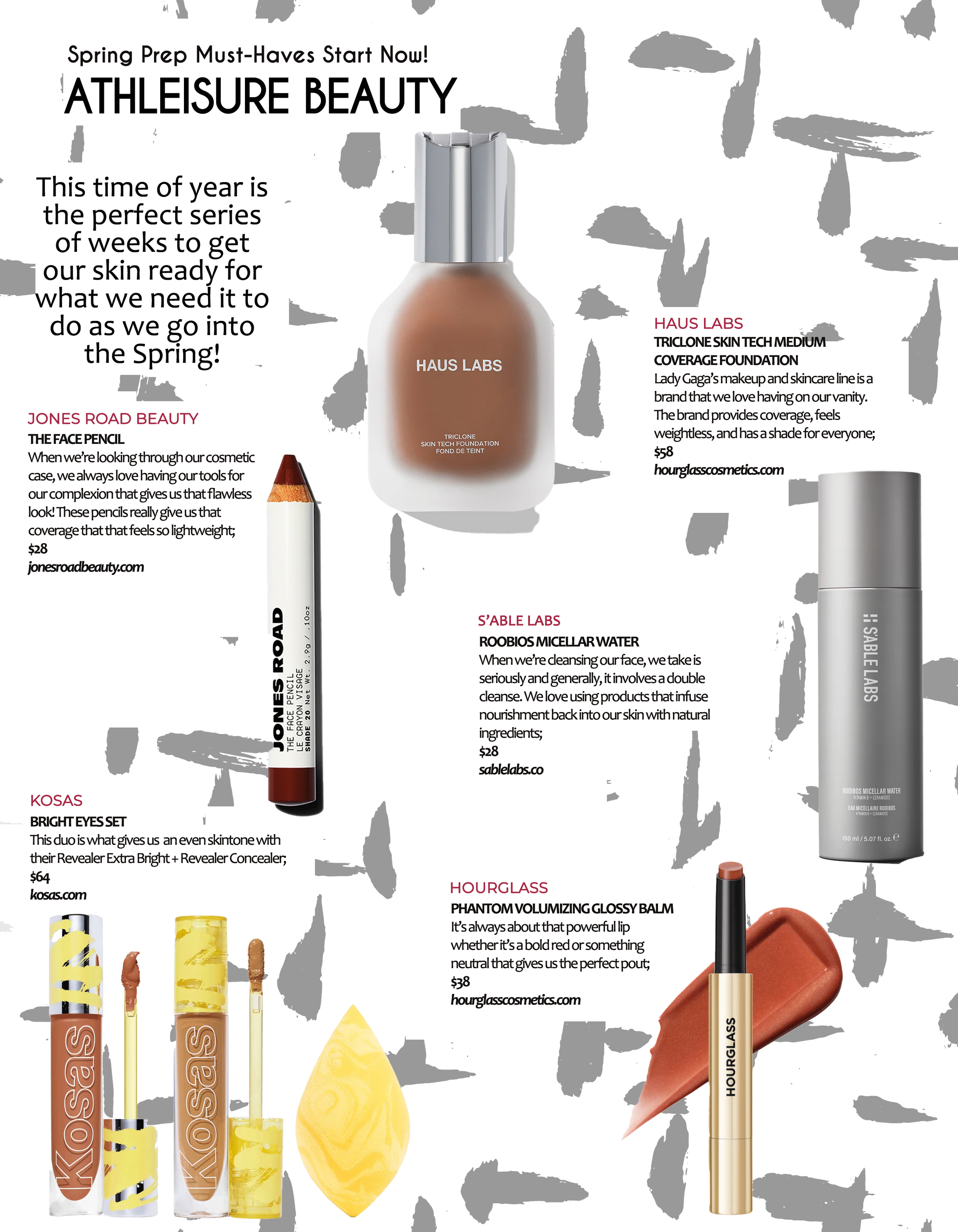
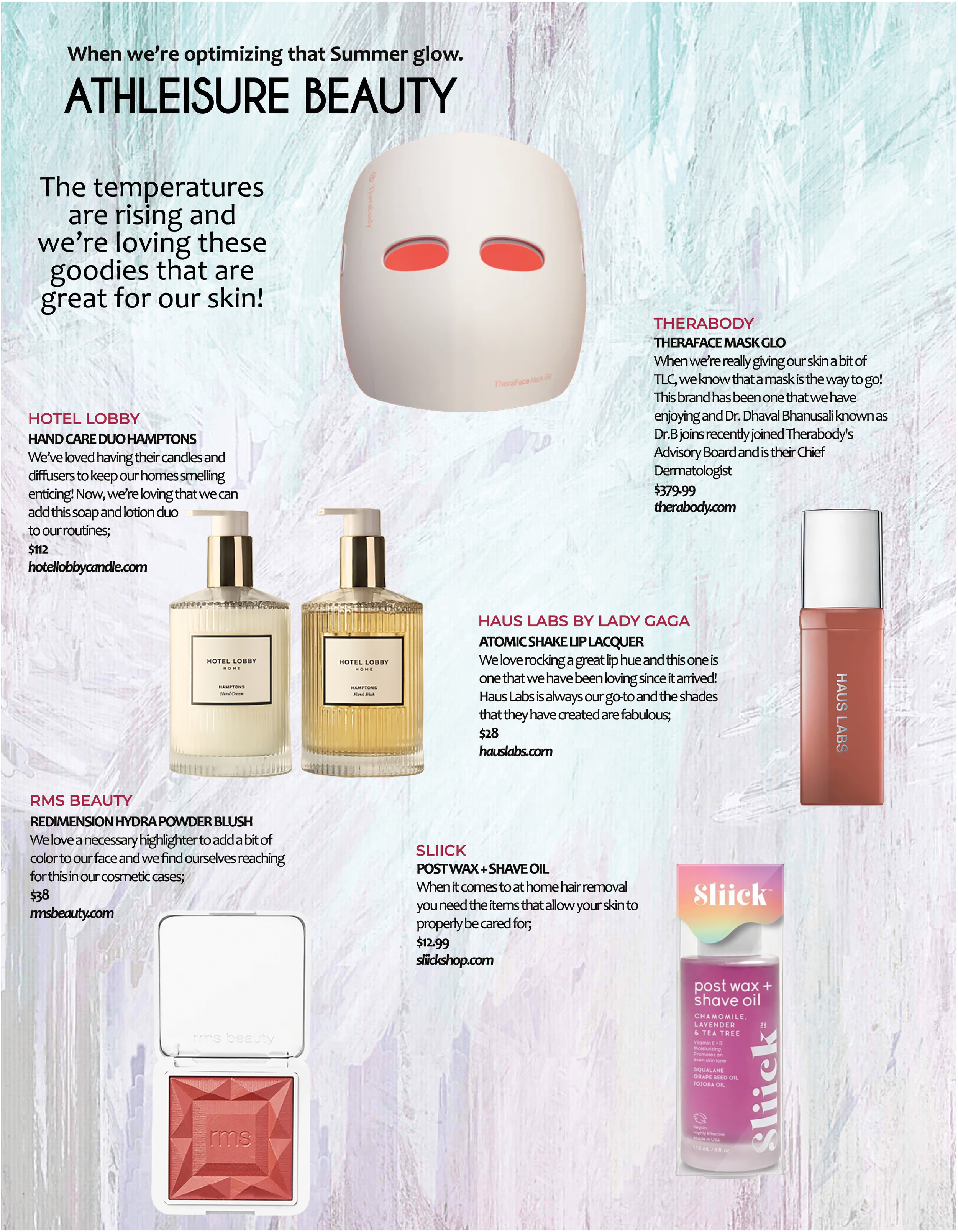
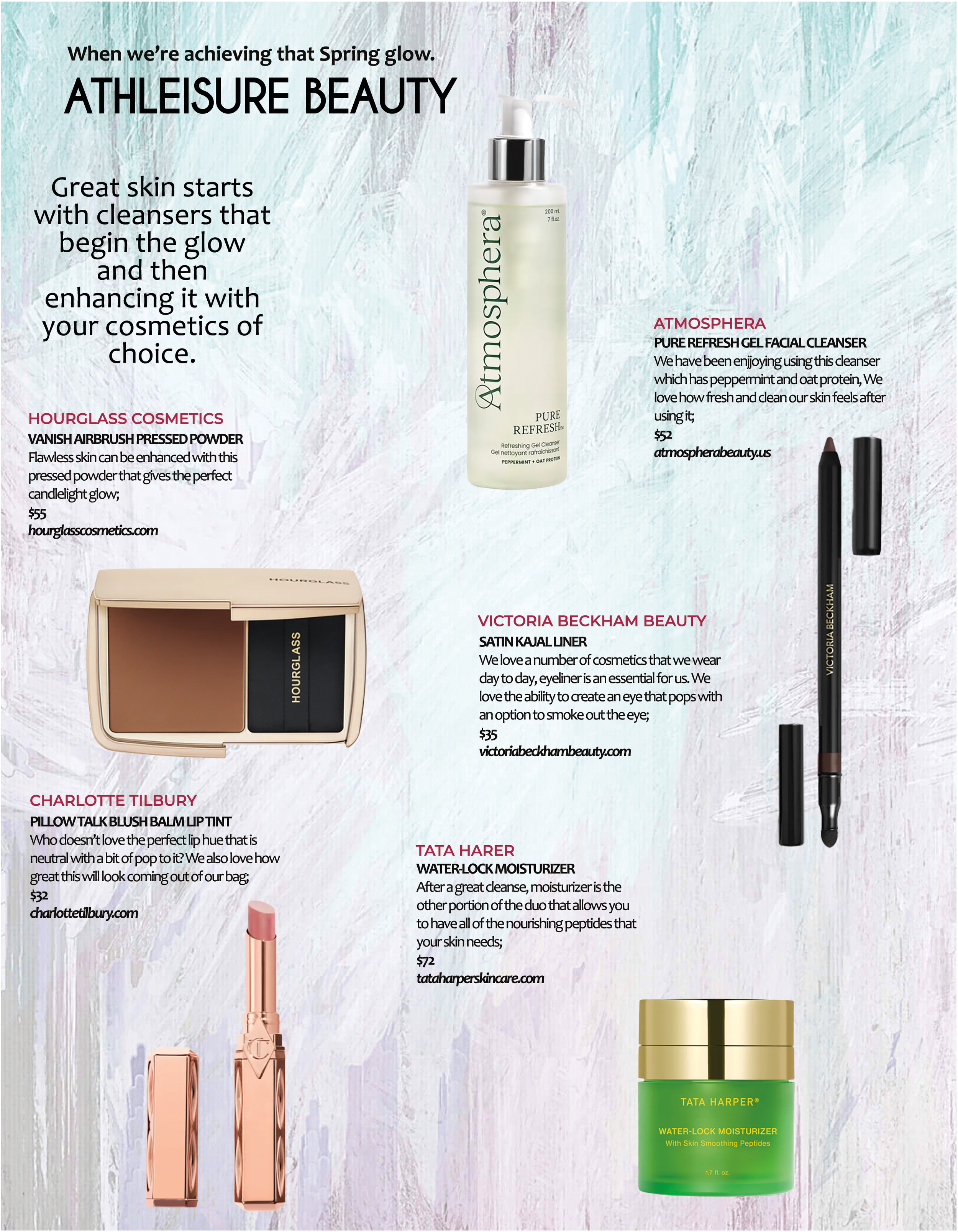
Read the FEB ISSUE #110 of Athleisure Mag and see ATHLEISURE BEAUTY in mag.

PHOTO CREDITS | Disney
PHOTO CREDIT | ABC/The Bachelor Key Art
PHOTO CREDIT FOR THE BACHELOR CONTESTANTS | Disney/Matt Sayles
This season has moved quickly - it’s Hometowns on ABC’s The Bachelor. Grant heads to Boston to meet up with Julianna. They’re going to enjoy Little Italy in her hometown and he learns how to make pizza. They pick flowers together and they even make canolis which is a fun way for them to continue to meet one another.
They make their way to her home and he meets so many people and has 1-on-1 conversations with her parents and you can see that they get along. He lets her know that he is falling in love with her as she told him that last week!
He heads out to NYC to enjoy his next Hometown with Zoe. We see them in Central Park walking around. We know that Grant is originally from NJ so it’s familiar for him. He’s going to meet her family and friends. In addition to her working in tech, she takes him to a shoot with BRIDE’S magazine where they will do 3 looks together. They also meet her family and get to know them more. It seems that it went well although we don’t see them going the distance.
His next date takes him to Wyoming to meet Litia. He is nervous as he knows that not being Mormon may be an issue. They ride horses in the countryside together. They meet her family and then her mom lets her know that she has a surprise and there are even more people there then who he met at Julianna’s! Litia’s mom lets her know that she needs to let Grant know how she feels.
The final Hometowns takes place in Chicago with Dina! She tells him that her family is not going to meet with him because they don’t like the process although it is not a reflection on him. She lets him know that if they go forward, he would get to meet them and they would support their relationship. In addition, she lets him know that they will get to be with her friends, but she is nervous about what this will mean for their relationship. Meeting her friends, we think that he can see how they are her family as well and they reassure him that when he finally meets her family, he will be embraced! The fact that none of her 11 siblings showed up is quite a pill to swallow - you would think that someone would have stepped forward.
With the Hometowns being over, Grant meets up with Joey to get his perspective on how he needs to look at the days ahead. While Joey chats with him, the women are back talking with one another. They realize that there isn’t much time left and they talk about their Hometown dates. Dina hears how everyone had people (and in many cases large families there).
The rose ceremony brings the 4 ladies together as he makes his choices. We finally see Jesse Palmer as he decides between Dina and Zoe for the final rose. playing golf and chatting with one another.
RECEIVED A ROSE | Litia, Julianna, and Zoe.
DIDN’T RECEIVE A ROSE | Dina
Each night during this season, we will tweet about The Golden Bachelorette and you can chat along with us (@AthleisureMag + with our Co-Founder/Creative + Style Director, Kimmie Smith @ShesKimmie) to see what’s taking place!
Each week we will let you know who our faves were from the last episode and if we’ve changed up since then as it pertains to who we think should go to Hometowns.
We also suggest a podcast that we’ve become obsessed with over the past few seasons, Wondery’s Bachelor Happy Hour to get their feedback!
Read the latest issue of Athleisure Mag.