BRIDGES OF BEAUTY: WHERE ARCHITECTURE MEETS LANDSCAPE IN AUSTRALIA

Australia’s landscapes are among the most dramatic on Earth — rugged coastlines, vast deserts, tropical rainforests, river plains and glittering harbours. It’s no surprise, then, that the country’s bridges are more than just transport links. They are sculptural landmarks, engineering achievements and cultural symbols that frame the scenery in unforgettable ways.

From Sydney’s iconic arch stretching over its blue harbour to lesser-known coastal crossings in Tasmania and engineering masterpieces over the Murray River, Australia’s bridges blend form and function with a uniquely cinematic flair. For travellers who appreciate design, architecture and outdoor exploration, they offer some of the most distinctive viewpoints in the southern hemisphere.
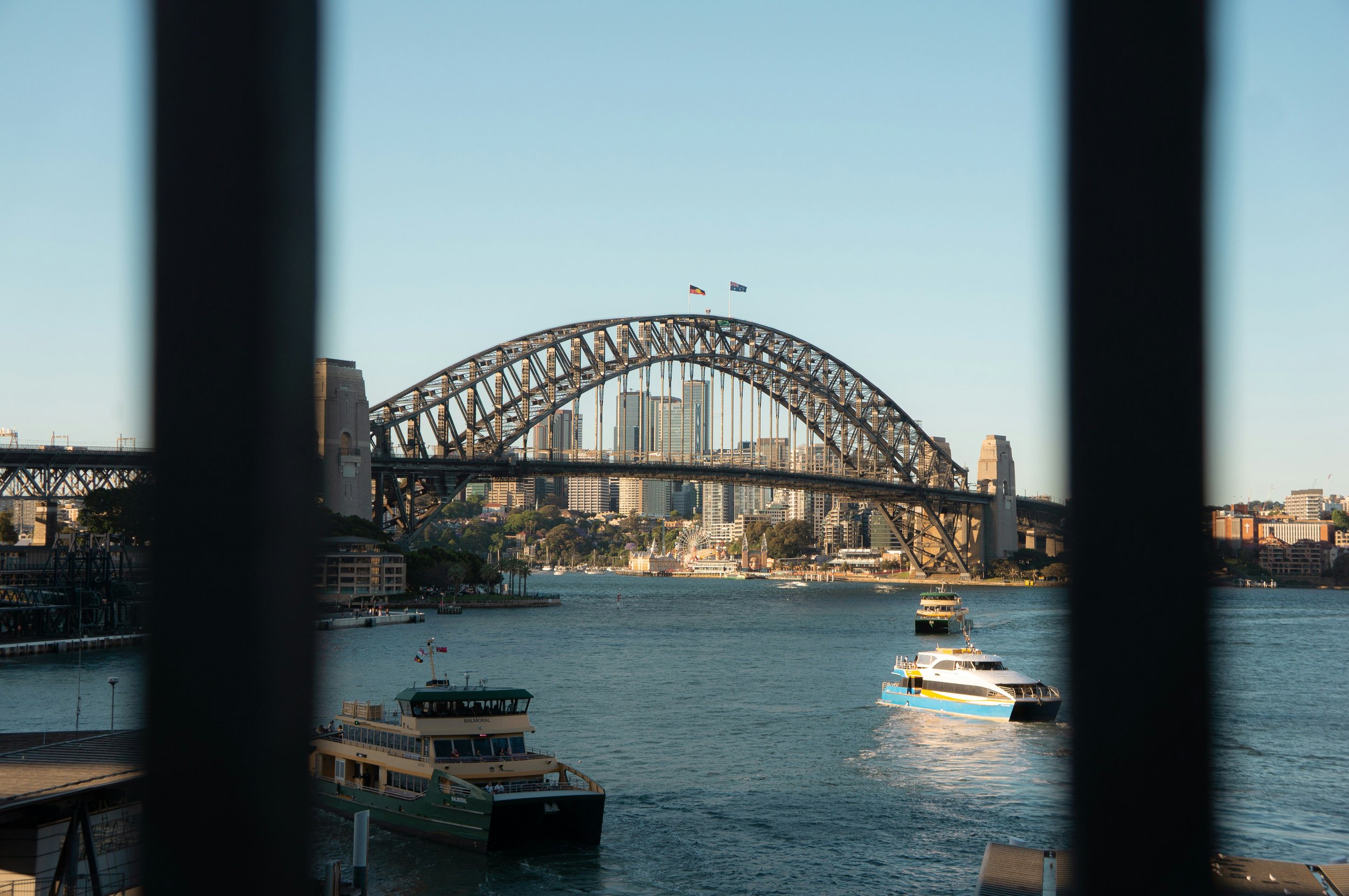
PHOTO CREDIT | Unsplash/Gina Sittisak

Planning Your Australian Journey

Travellers often begin their east-coast itineraries by checking Sydney to Melbourne train options, a convenient alternative to flying between two of Australia’s major cities.

This route connects two architectural hubs — Sydney with its world-famous harbour and Melbourne with its artsy, design-centred identity.

Before Exploring the Bridges Themselves

Australia’s bridges are tied closely to its landscapes. Some soar over ocean cliffs, others cross calm bays or major rivers, and many sit in remote pockets of wilderness that require a little extra effort to reach. What unites them all is the way they enhance — not interrupt — the natural world.

From coastal joggers looking for sunrise viewpoints to cyclists seeking scenic trails beneath sweeping steel structures, bridges here are part of daily outdoor life. And for architecture lovers, each bridge tells a story of ambition and innovation.
Sydney Harbour Bridge: The National Icon

No bridge defines Australia more than the Sydney Harbour Bridge. Completed in 1932, this steel arch spans one of the world’s most photographed harbours and remains a structural triumph.

Why It’s Extraordinary

●       The sweeping steel arc is beautiful from every angle — from ferries, parks, rooftop bars and Circle Quay.

●       Pedestrian and cycle paths allow visitors to cross the bridge slowly and soak in the view.

●       The “BridgeClimb” experience takes you to the top, where the city and harbour spread out like a map.

Whether viewed at sunrise during a coastal run or illuminated at night, the bridge is pure Australian drama. 

The Sea Cliff Bridge, NSW: A Coastal Masterpiece

South of Sydney, the Sea Cliff Bridge curves elegantly above the Pacific Ocean. This 665-metre structure hugs a cliff face between Coalcliff and Clifton and is one of the most spectacular coastal bridges in the country.

Highlights

●       A cantilevered design that seems to float above the waves

●       A pedestrian walkway ideal for sunrise strolls and workouts

●       Dramatic drone-worthy views from the nearby lookout

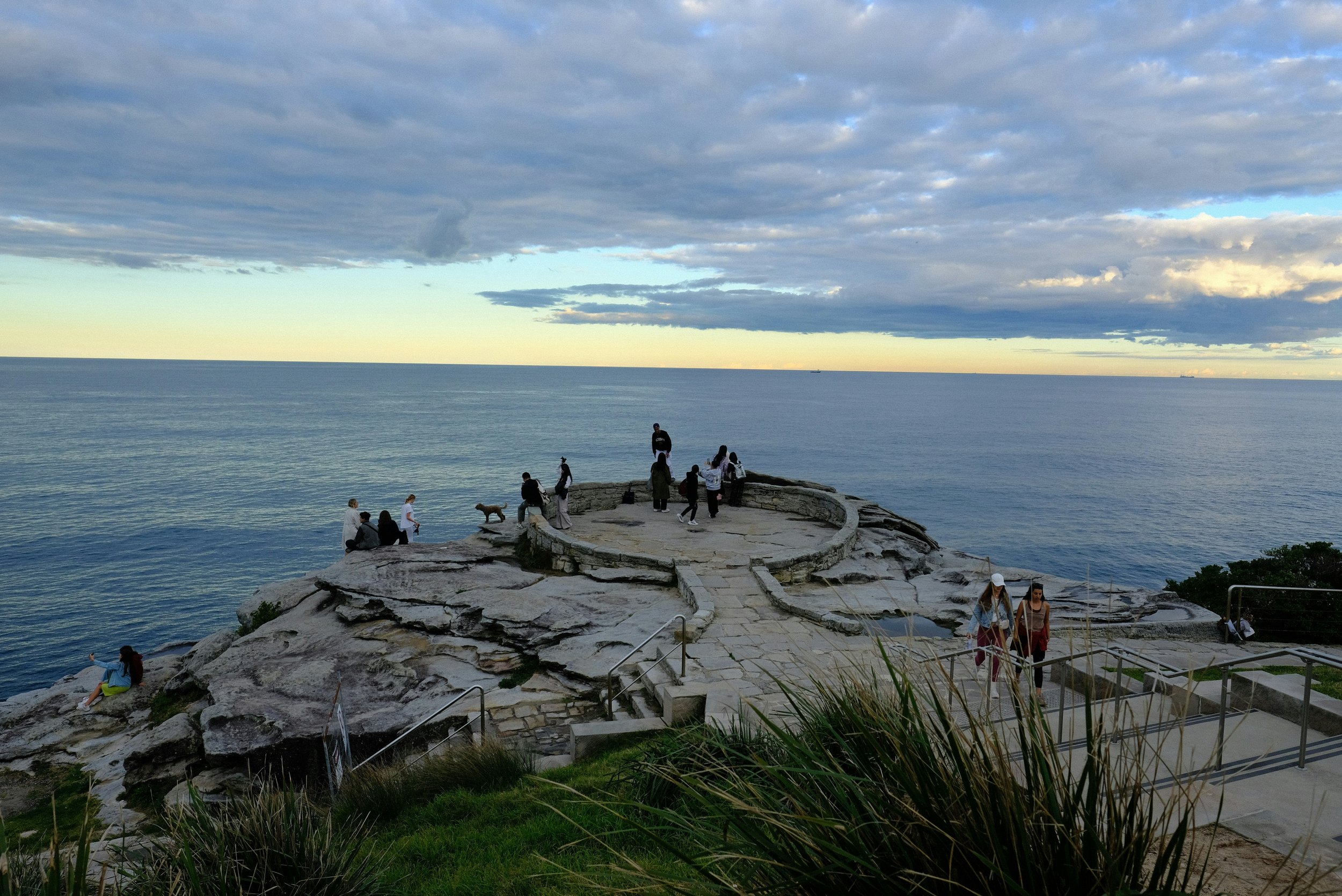
The Sea Cliff Bridge blends engineering with raw nature, offering one of the most exhilarating coastal walks in Australia.

Tasman Bridge, Hobart: Where City Meets Water

Connecting Hobart’s CBD with the eastern suburbs, the Tasman Bridge spans the Derwent River with quiet elegance. Its clean lines, soft curvature and surrounding mountain views create a serene picture — especially during golden hour.

Why Visit

●       Great riverside cycle paths and running routes beneath the bridge

●       Stunning reflections on still mornings

●       Easy access to the Royal Tasmanian Botanical Gardens

The bridge is woven into Hobart’s city identity, linking urban life with Tasmanian wilderness.

A Word on Travelling Australia’s Vast Distances

With such huge spaces between cities, trains in Australia play a unique role for long-distance travellers.

Scenic routes such as The Overland, The Indian Pacific or regional services give visitors a slower, more atmospheric way to appreciate the country’s scale — perfect for architecture fans who want to see the land as well as its structures.

The Story Bridge, Brisbane: Colour, Culture and Skyline Views

Brisbane’s Story Bridge is a testament to 1930s engineering and remains one of the city’s most beloved landmarks.

What Makes It Special

●       It lights up with vibrant colours during festivals and celebrations

●       The guided bridge climb offers panoramic views across the river and surrounding neighbourhoods

●       Riverside paths beneath the bridge are fantastic for cycling and running

The bridge connects the city’s urban edge with laid-back riverside precincts where locals gather for outdoor dining, markets and live music.
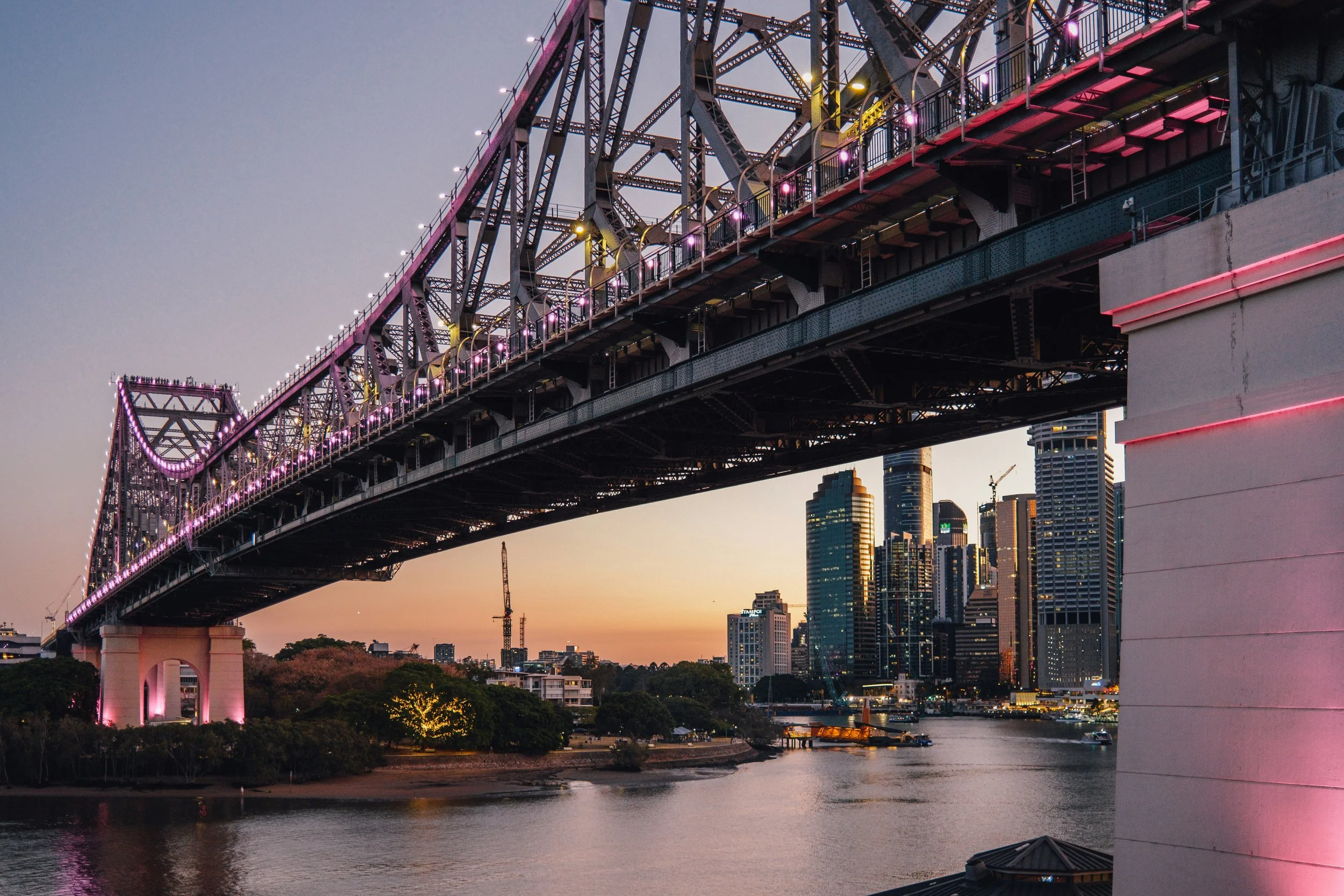
PHOTO CREDIT | Unsplash/Alvin

Eleanor Schonell Bridge, Brisbane: Australia’s First Purpose-Built Green Bridge

A favourite among cyclists, students and sustainability advocates, the Eleanor Schonell Bridge stands out for its commitment to eco-friendly transport.

Features

●       No private cars — only buses, cyclists and pedestrians

●       Calm, leafy surroundings near the University of Queensland

●       Clean, modern design that highlights a new era of sustainable bridge construction

It’s a refreshing example of architecture that prioritises wellbeing and green mobility.

West Gate Bridge, Melbourne: A Monument of Modern Industry

One of Australia’s longest bridges, the West Gate spans the Yarra River and connects Melbourne’s industrial heart with its coastal suburbs.

Why It Matters

●       An impressive symbol of Melbourne’s growth and engineering capabilities

●       Dramatic views over the docks, the bay and the city skyline

●       A key part of the cycling network thanks to the West Gate Punt ferry connection

It’s not the prettiest bridge, but it’s undeniably powerful — and beloved by Melburnians.

The ANZAC Bridge, Sydney: A Tribute in Steel

This cable-stayed bridge stretches across Johnstons Bay, blending bold form with a strong sense of identity. The two pylons carry bronze statues representing an Australian and a New Zealand soldier.

Reasons to Visit

●       Wide pedestrian and cycling paths

●       Photogenic angles from nearby Rozelle and Pyrmont

●       A meaningful place to reflect on history and national unity

Its modern silhouette adds depth to Sydney’s skyline.

Ross Bridge, Tasmania: A Touch of Old-World Craftsmanship

In contrast to Australia’s industrial giants, the sandstone Ross Bridge — built in 1836 — is one of the country’s most beautiful heritage bridges.

Highlights

●       Hand-carved convict-era motifs along the arches

●       A peaceful, rural setting ideal for slow travel

●       Soft reflections on the river at dusk

It’s a gentle reminder that not all bridges are modern feats — some are historic works of art.

Why Australia’s Bridges Are Perfect for Athleisure Travellers

The country’s bridges naturally invite movement. They are best explored by:

●       running along riverside paths

●       cycling across wide pedestrian lanes

●       walking coastal cliffs

●       stopping for yoga or stretching with stunning views

Australia’s bridges are not just structures — they are part of an outdoor lifestyle.

Final Thoughts: Architecture Framed by Nature

From the iconic arch of the Sydney Harbour Bridge to the sweeping coastal curves of the Sea Cliff Bridge, Australia’s bridges showcase the country’s love for bold design and dramatic landscapes. Each structure reflects its surroundings, whether shaped by mountains, ocean cliffs or river plains.

Exploring Australia through its bridges means seeing the country from its most photogenic angles — moments where architecture and nature merge, and where movement, fresh air and scenic beauty all come together. Whether on foot, bike or rail, these bridges become gateways to the country’s most unforgettable views.


EXPLORING SEOUL'S SKYLINE: TOP TOWERS AND OBSERVATION DECKS

Seoul is a city that reaches upward — glass, steel and shimmering lights creating one of the most dynamic skylines in the world. From riverside towers to mountain-top observatories, the South Korean capital offers viewpoints that transform the city into a living map of movement, colour and energy. For travellers who love architecture, photography, panoramic views or the thrill of seeing a city from above, Seoul’s observation decks capture the heartbeat of modern Korea.

What makes Seoul unique is how its skyline blends natural contours with futuristic silhouettes. Mountains rise between districts, the Han River cuts a bright path through the centre, and tall towers shine like beacons at night. This vertical city offers endless opportunities to see its beauty from new angles.

PHOTO CREDIT | Unsplash/Wonder KIM

Planning Your Journey Through the Capital

Visitors exploring multiple cities across South Korea often begin by checking Korea train tickets, which allow travellers to hop efficiently between hubs like Seoul, Busan, Daegu and beyond.

Rail connections make it easier to combine skyline-spotting in the capital with coastal escapes, hiking trails and cultural cities across the country.

A Buffer Before We Head Upward

Before stepping onto glass-floor observatories and rooftop platforms, it’s worth understanding what Seoul’s skyline represents: movement, ambition and the seamless merging of tradition with contemporary innovation. Towers here aren’t only architectural feats — they are cultural markers that reflect Korea’s rapid growth, artistic identity and love of technology.

Now, let’s ascend into the city’s most iconic viewpoints.

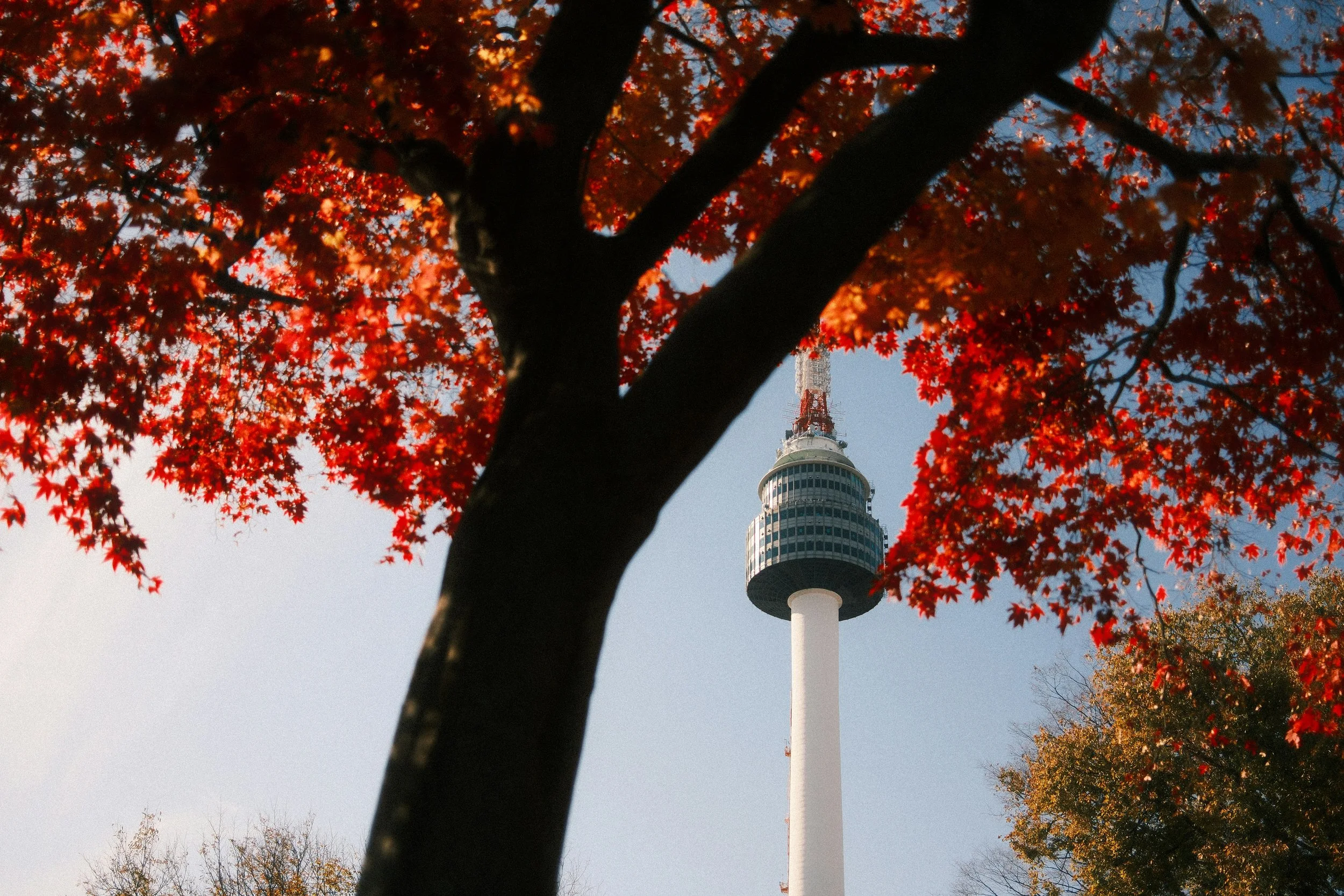
1. N Seoul Tower: The Classic Icon

Standing proudly atop Namsan Mountain, N Seoul Tower is the city’s most recognisable viewpoint — and a much-loved symbol for locals and tourists.

What Makes It Special

●       A central position offering full 360-degree views

●       Forest trails and cable cars leading to the base

●       Romantic evening lights and atmospheric night views

Couples visit the famous “Locks of Love” fence, while families enjoy exhibitions and cafés inside the tower. At sunset, the city glows gold; at night, it twinkles like a sea of stars.

PHOTO CREDIT | Unsplash/Jonas Eriksson

2. Lotte World Tower: Sky-High Luxury

One of the tallest buildings in the world, Lotte World Tower is pure vertical drama. Its sleek, tapered design stands out against Seoul’s skyline, and its observation deck is among the highest in Asia.

Highlights

●       The Seoul Sky deck with a glass floor 500 metres above the city

●       Fast elevators that zoom skyward in seconds

●       Luxury shops, art exhibitions and restaurants inside the tower

From the top, the Han River looks like a silver ribbon cutting across the city—an unforgettable sight.

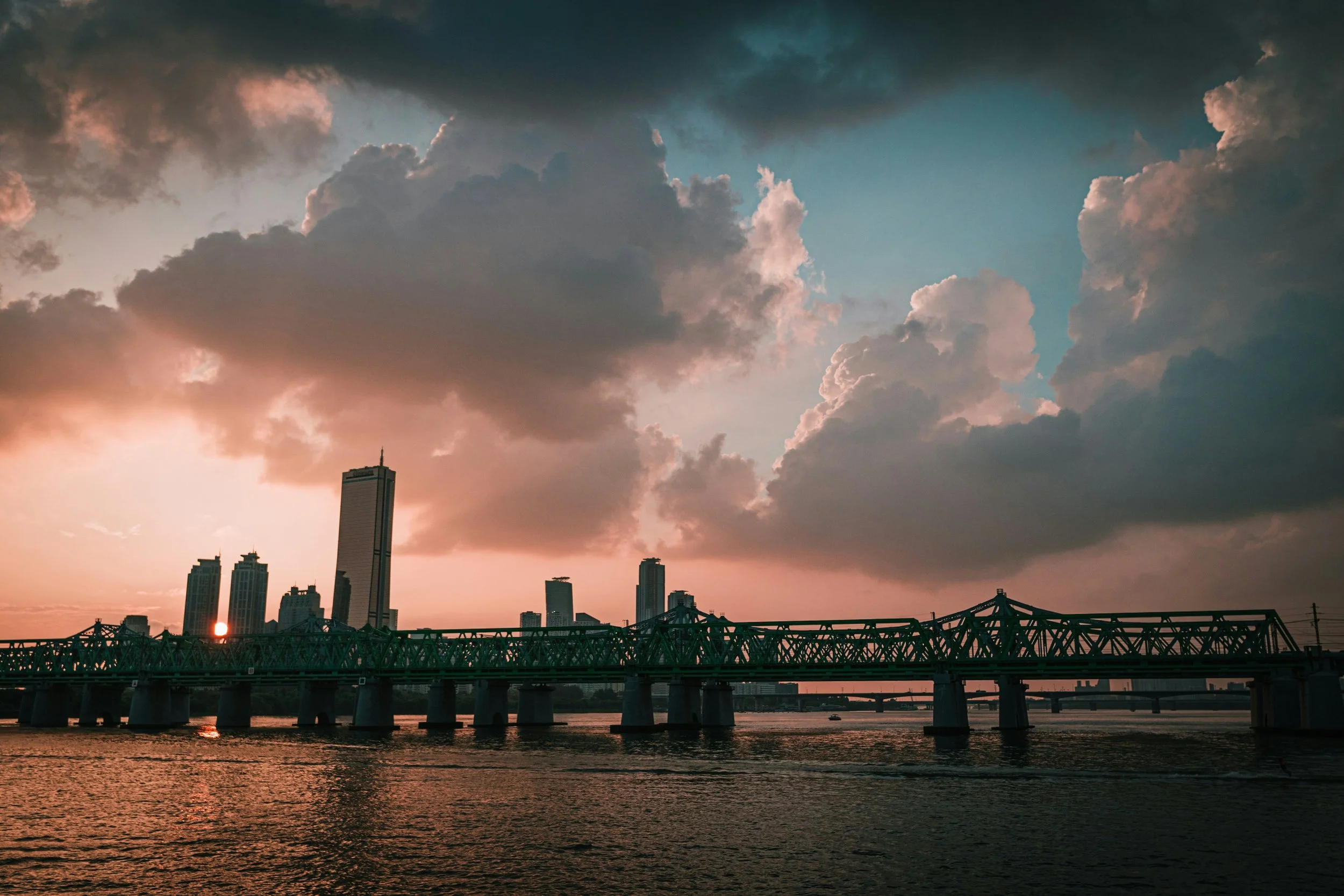
3. 63 Building: Golden Reflections on the River

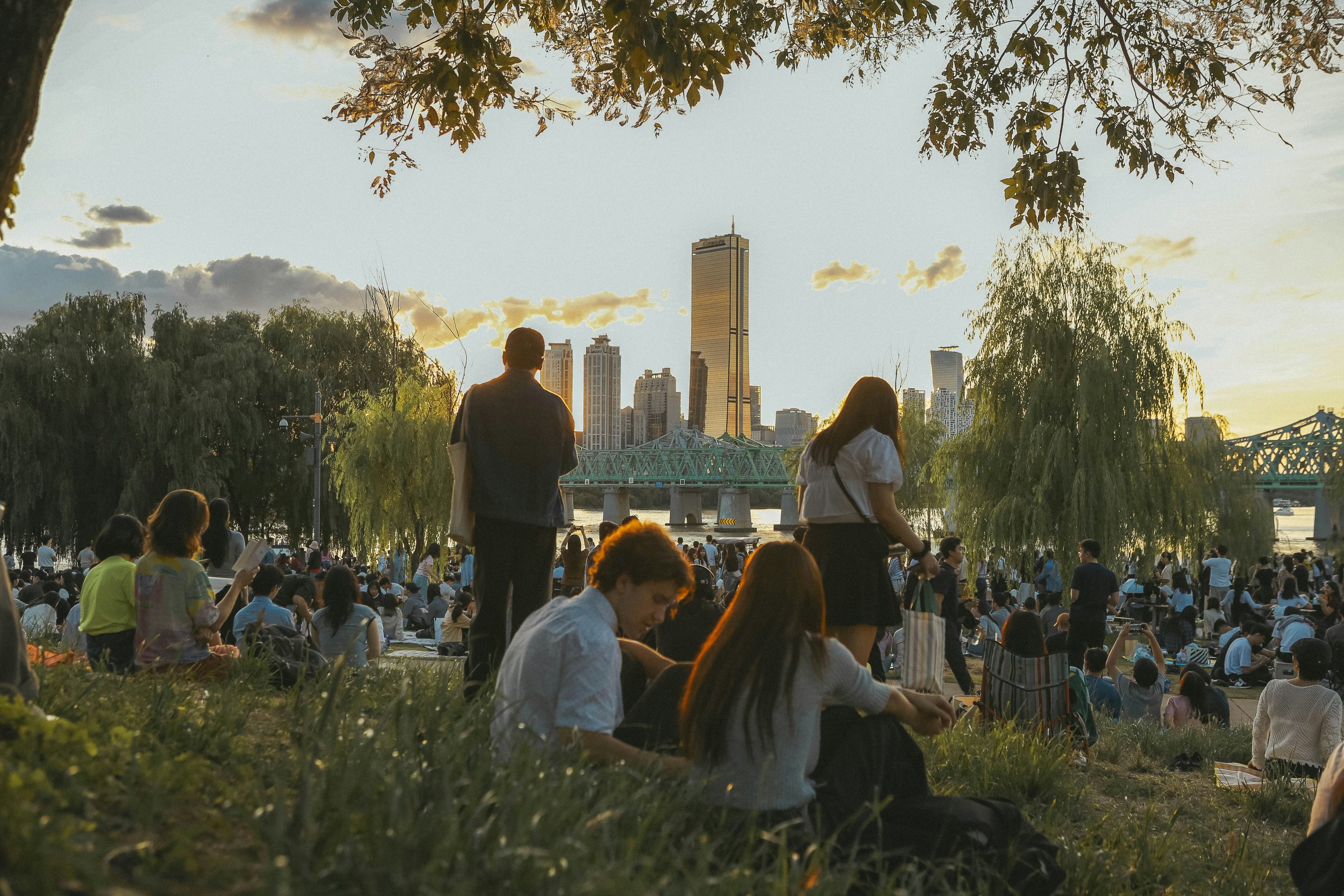
The 63 Building, famous for its golden glass façade, is an iconic part of Seoul’s skyline. Located in Yeouido, the city’s financial hub, it offers incredible views of both the river and the urban grid.

What to Expect

●       Art exhibitions inside the Sky Art observatory

●       Panoramic windows ideal for photography

●       Beautiful evening reflections from the water

This tower brings together business energy, art and sweeping views in one landmark.

Travelling Between Cities and Skylines

Visitors exploring multiple roof decks and regional cities often rely on KTX High-Speed trains, which make long-distance journeys fast, comfortable and efficient.

These ultra-modern trains highlight the sleek, forward-thinking nature of South Korea’s infrastructure — a theme echoed in the country’s futuristic towers.

PHOTO CREDIT | Unsplash/HANVIN CHEONG

4. Namsan Seoul Tower Plaza: A Ground-Level Viewpoint with Atmosphere

Not all great views require stepping into a tower. The plaza surrounding N Seoul Tower offers a slightly lower but equally impressive perspective over Seoul.

Why Visit

●       Easier access for those who prefer staying outdoors

●       Cafés and terraces with panoramic views

●       Stunning sunrise and sunset spots

It’s especially lovely in spring when cherry blossoms frame the skyline.

5. Nodeul Island: Riverside Culture Meets Urban Design

Nodeul Island, located beneath the Hangang Bridge, is an urban cultural space with rooftop terraces perfectly angled toward the skyline.

Features

●       Music venues and book cafés

●       Photogenic stairways and modern architecture

●       Sunset views that reflect beautifully on the Han River

It’s a lesser-known spot that blends nature, design and culture — ideal for lifestyle travellers.

6. Seoul Skygarden (Seoullo 7017): Elevated Urban Life

Built on a former highway overpass, Seoullo 7017 is an elevated walkway where reclaimed city space becomes a garden, observation platform and public hangout all in one.

What You’ll Find

●       Panoramic views of Seoul Station and surrounding districts

●       Outdoor cafés, plant-filled paths and art installations

●       A relaxed stroll that showcases Seoul’s sustainable design approach

It’s perfect for travellers who appreciate architecture mixed with greenery.

7. Naksan Park: Hillside Views Over Traditional Neighbourhoods

Located near the artistic Ihwa-dong area, Naksan Park combines nature and heritage.

Highlights

●       Historic fortress walls winding along the mountain

●       Views over traditional hanok rooftops and modern towers

●       Excellent spots for golden-hour photography

This viewpoint feels more local and less crowded, offering a different rhythm from the big observation decks.

8. Eungbongsan: Seoul’s Seasonal Skyline Spot

Eungbongsan is particularly popular in spring when yellow forsythia flowers explode across the hillside. But year-round, its summit offers sweeping views of the Han River, bridges and iconic skyscrapers.

Why It’s Worth the Walk

●       A short but rewarding hike

●       Multiple viewing decks

●       Breathtaking night views over the eastern cityscape

It’s a favourite among jogging enthusiasts, photographers and sunset-seekers.

What Makes Seoul’s Skyline So Distinctive?

A Fusion of Nature and Architecture

Mountains cut through districts; the river opens space between neighbourhoods. This gives the skyline depth and movement.

Constant Renewal

Towers, bridges and design-focused buildings continue to reshape Seoul each year.

Lights and Colour

Seoul at night is spectacular — bridges glow, towers shift colours, and riverside paths sparkle.

Cultural Layers

Historic temples peek between skyscrapers, and traditional villages remain close to modern landmarks.

Tips for Exploring Seoul’s Observation Decks

●       Go at different times of day: Dawn, daytime and night offer completely different atmospheres.

●       Check weather apps: Clear skies make for the best views.

●       Book ahead for popular towers: Lotte World Tower often sells out on weekends.

●       Wear comfortable shoes: Many viewpoints involve walking or hiking.

●       Bring a refillable bottle: Seoul’s viewpoints often have water stations.

Final Thoughts: A City Best Seen From Above

Seoul’s skyline is more than a collection of tall buildings — it’s a living symbol of the country’s identity, ambition and creativity. From the glass floors of Lotte World Tower to the quiet mountain paths of Naksan Park, the capital offers unforgettable vantage points for travellers who want to understand its rhythm from the air.

Whether you’re an architecture enthusiast, a photographer, a fitness-loving explorer or simply someone who enjoys beautiful views, Seoul’s towers and observation decks deliver moments of awe that stay with you long after your trip ends.