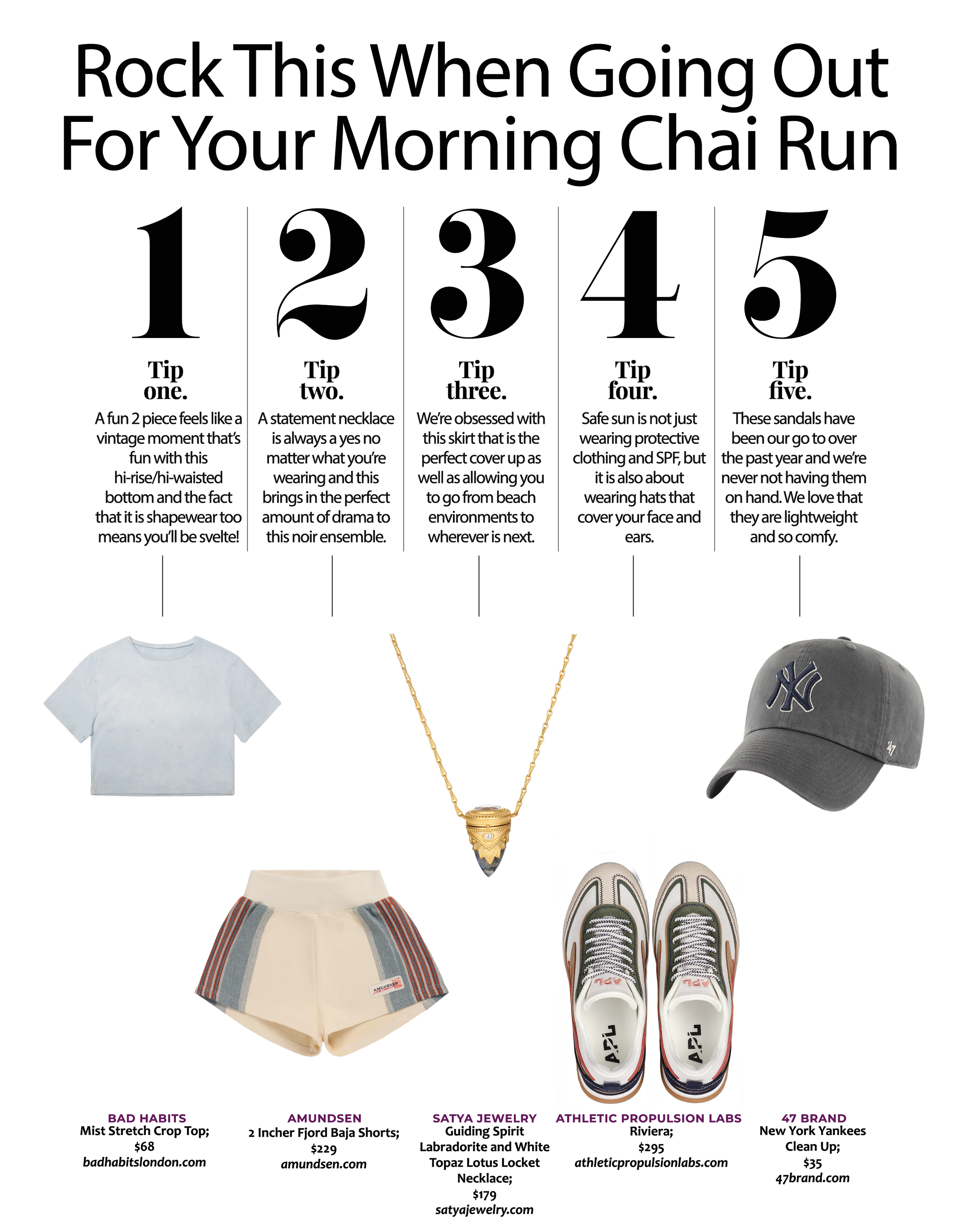
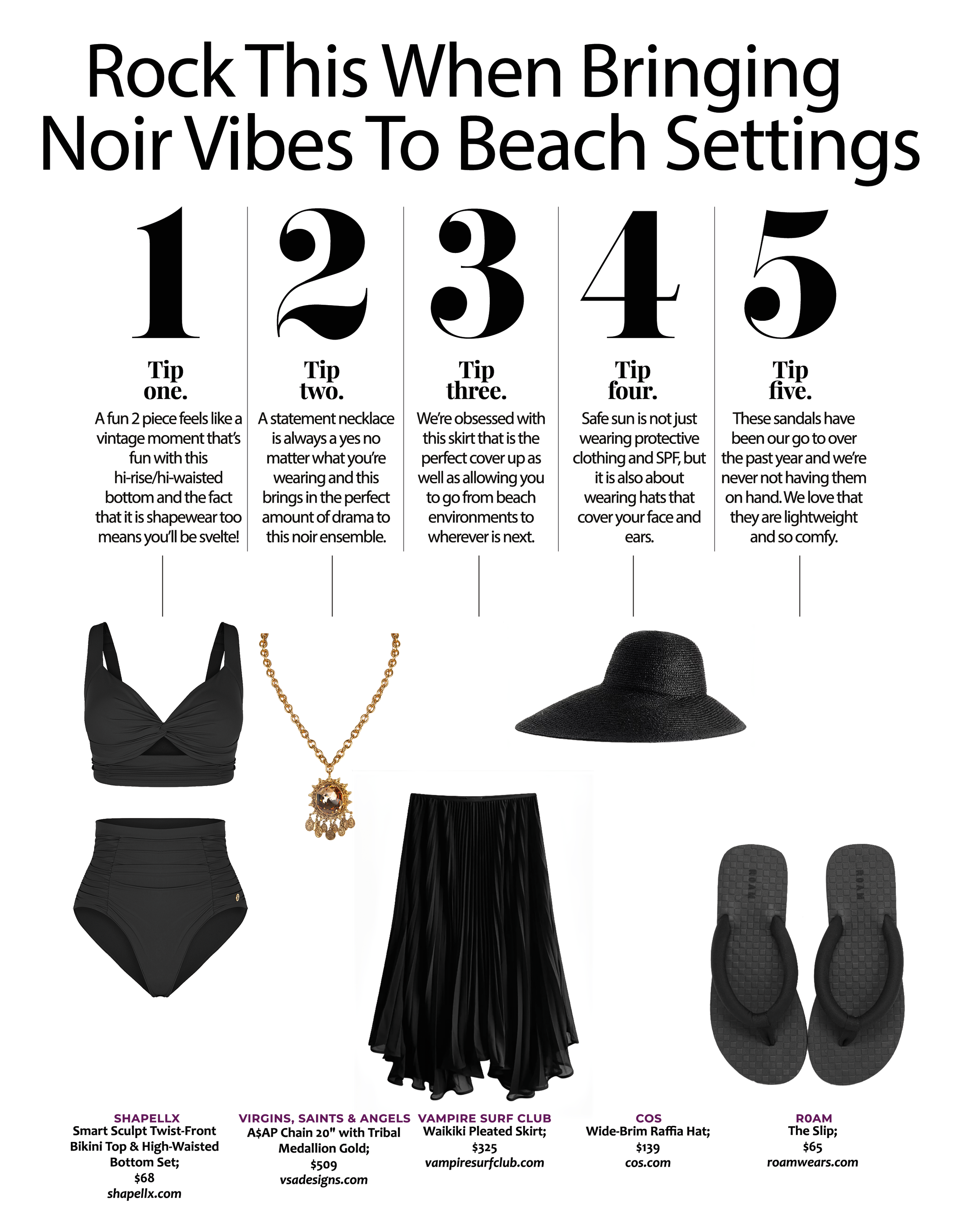
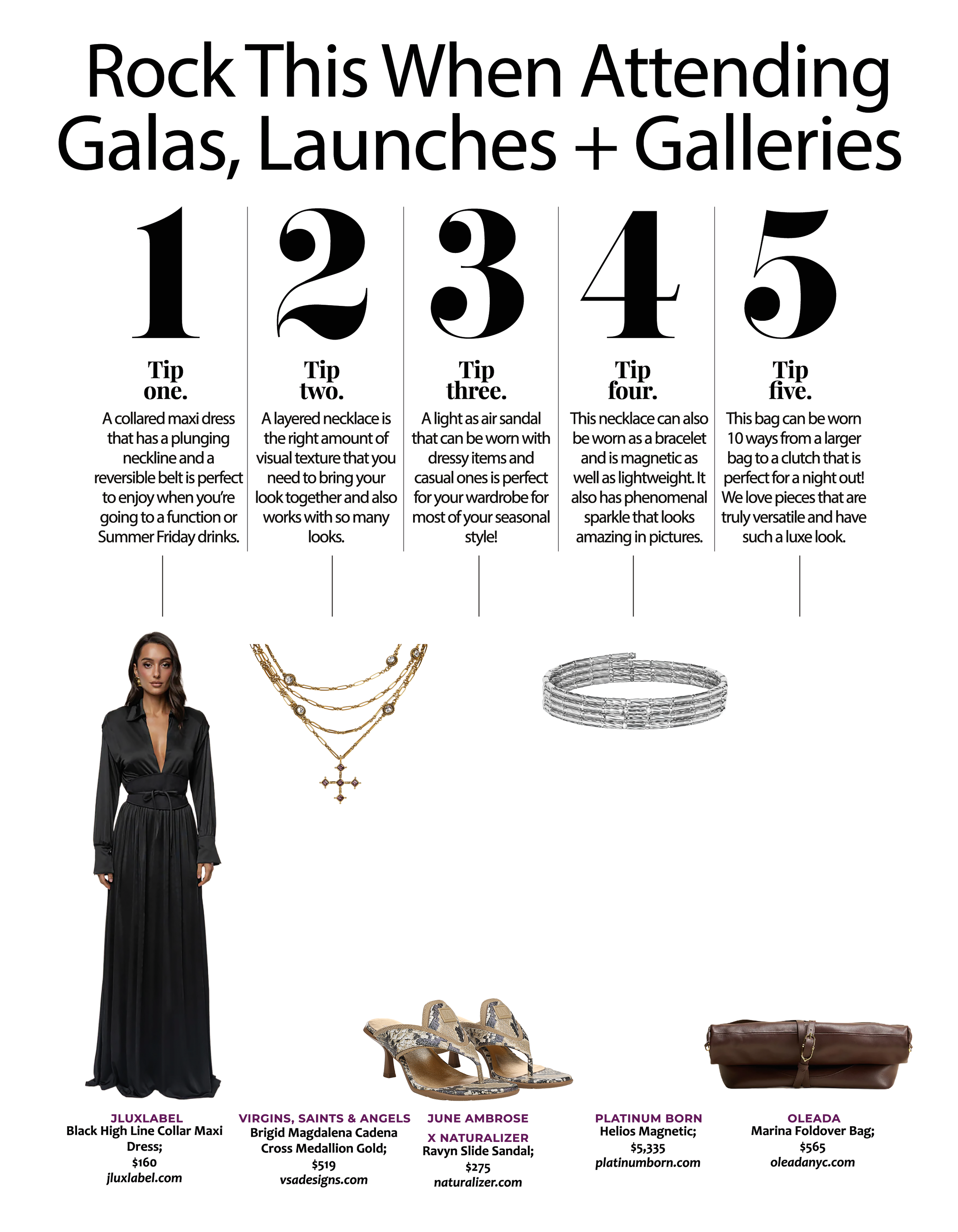
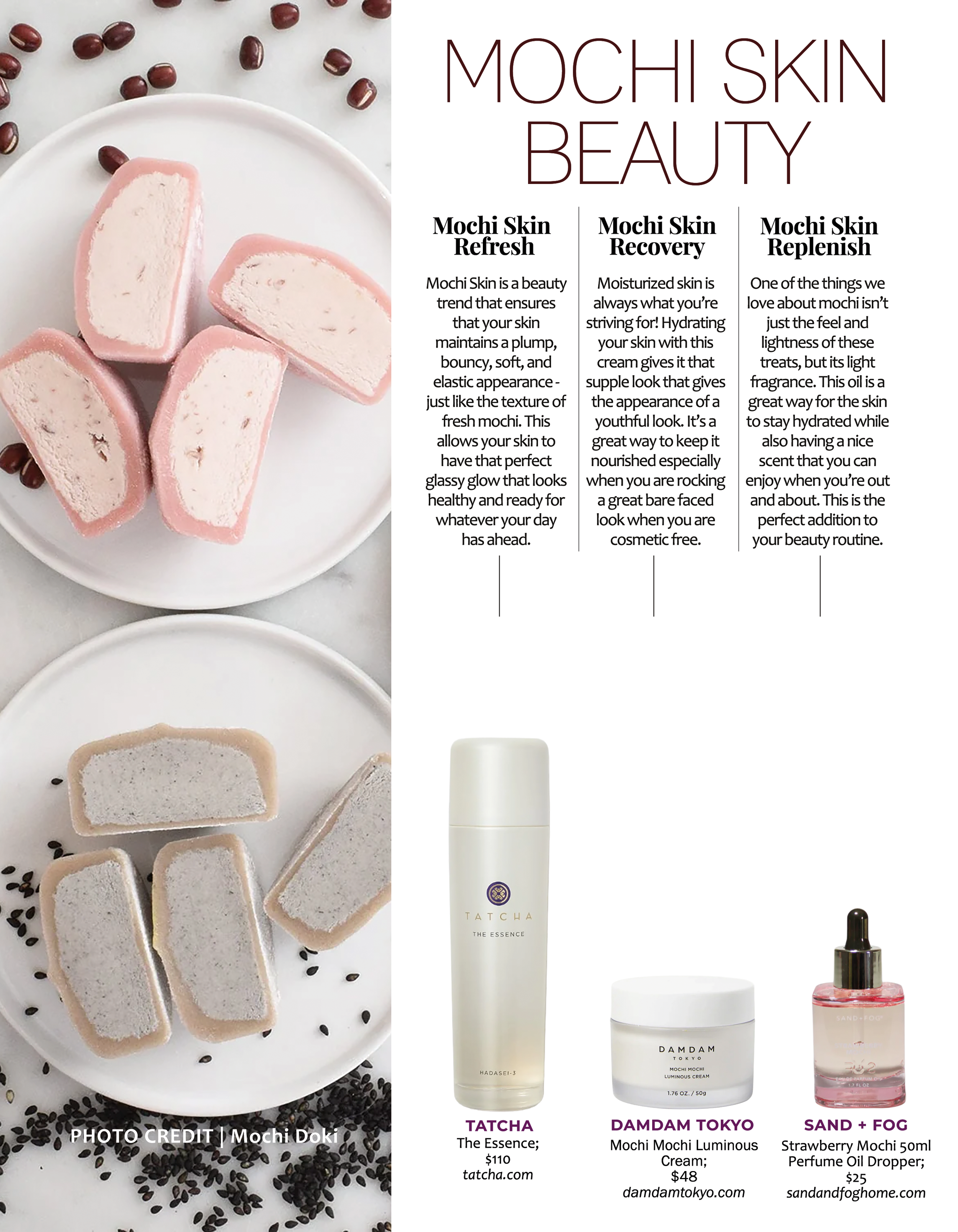
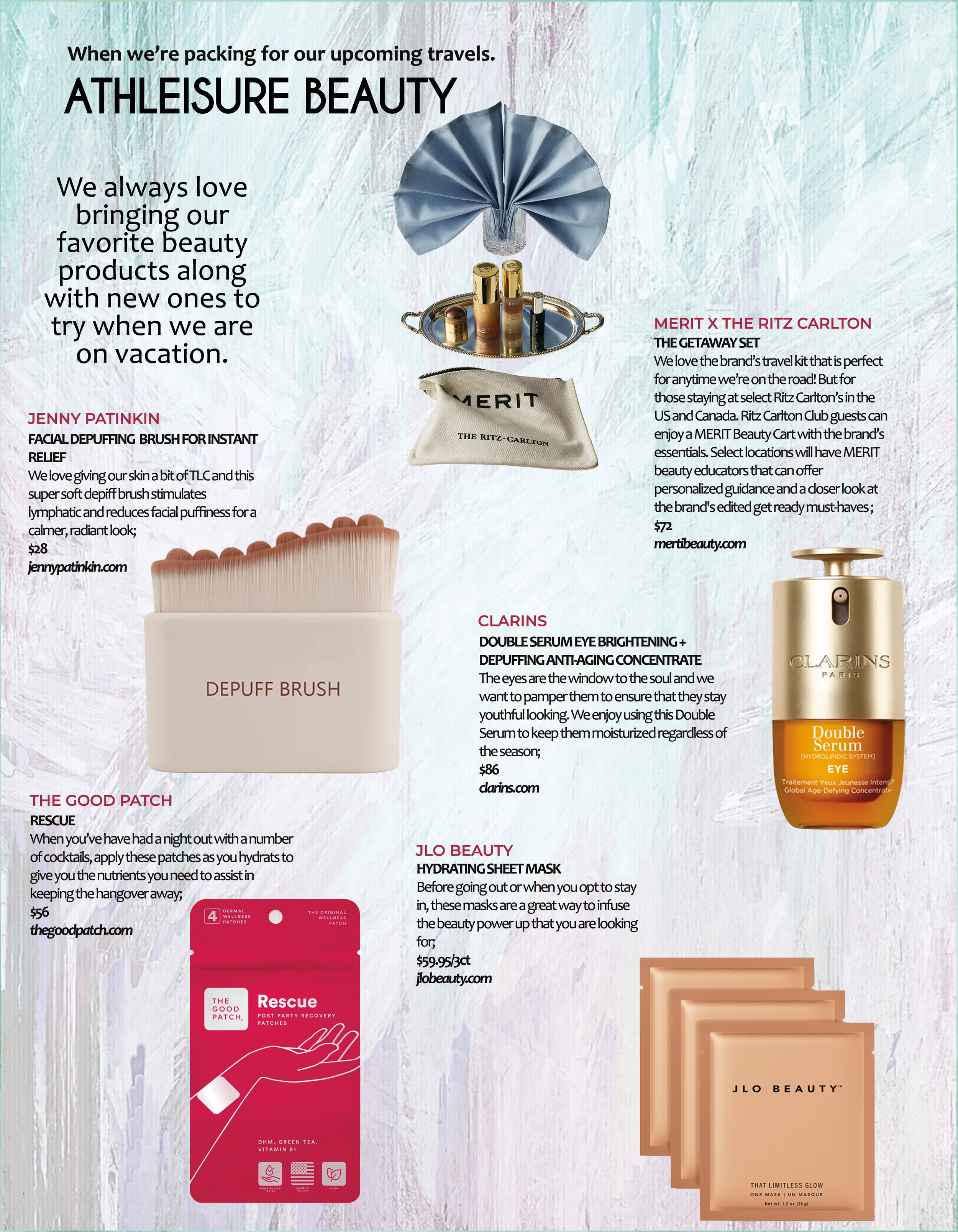
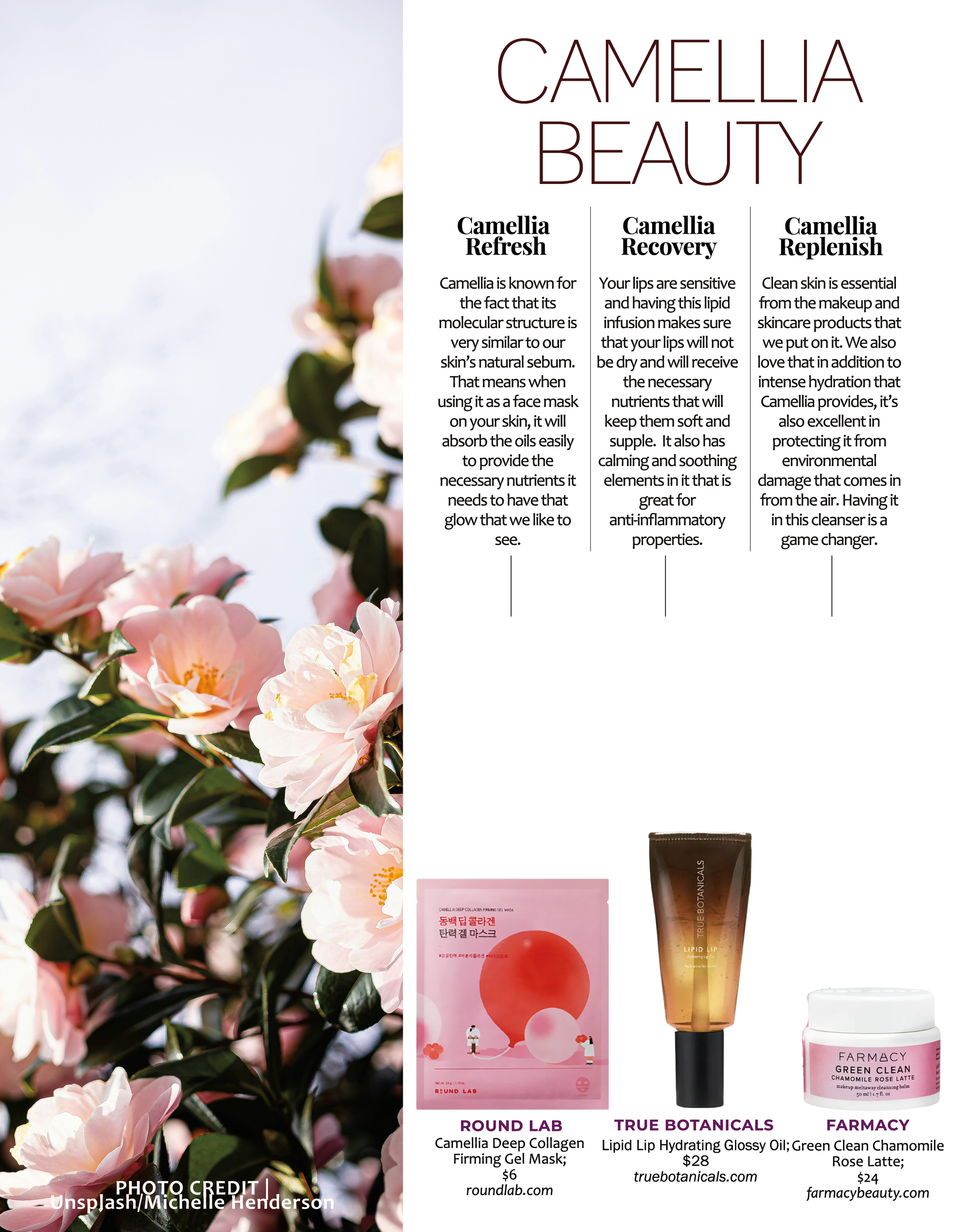
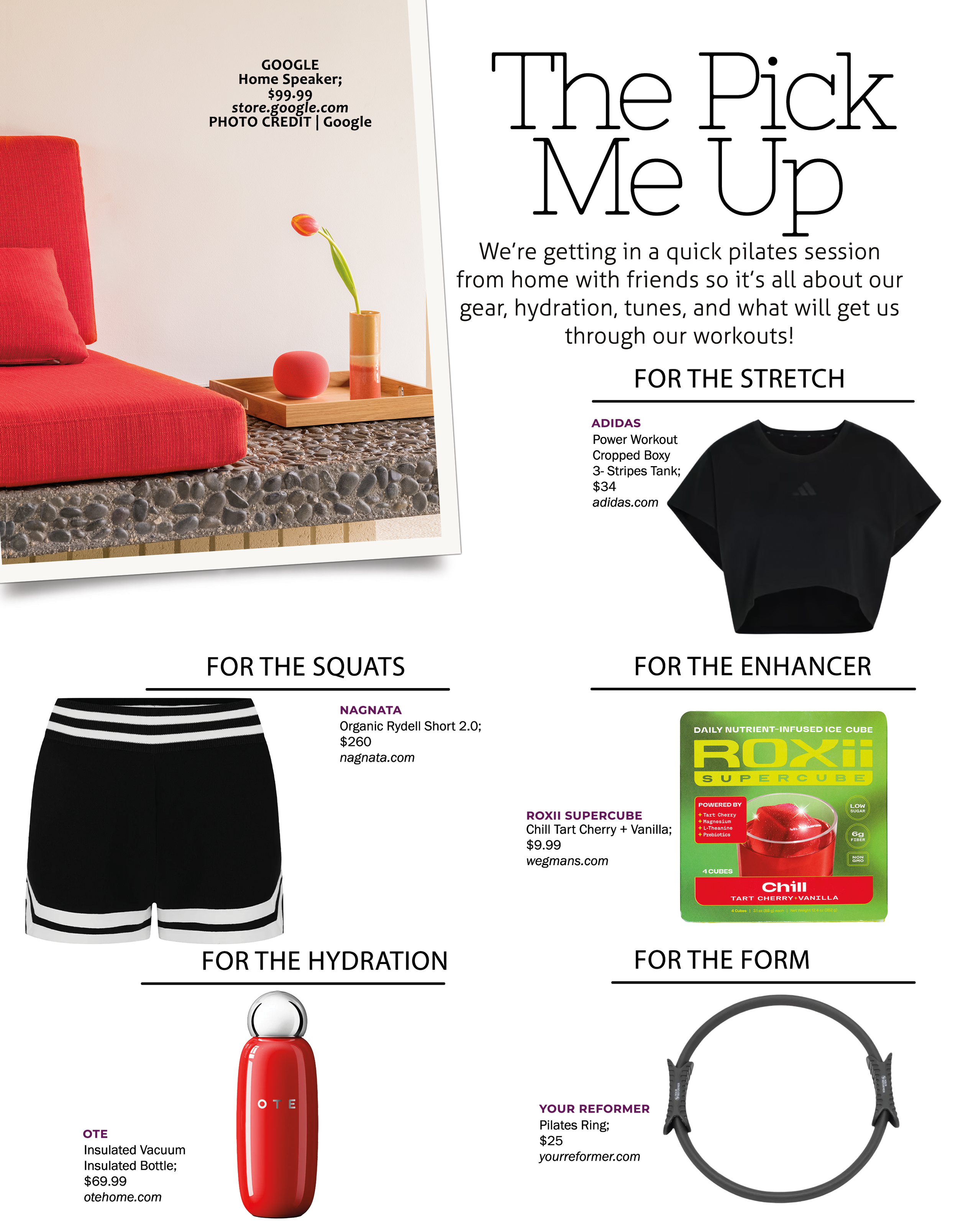
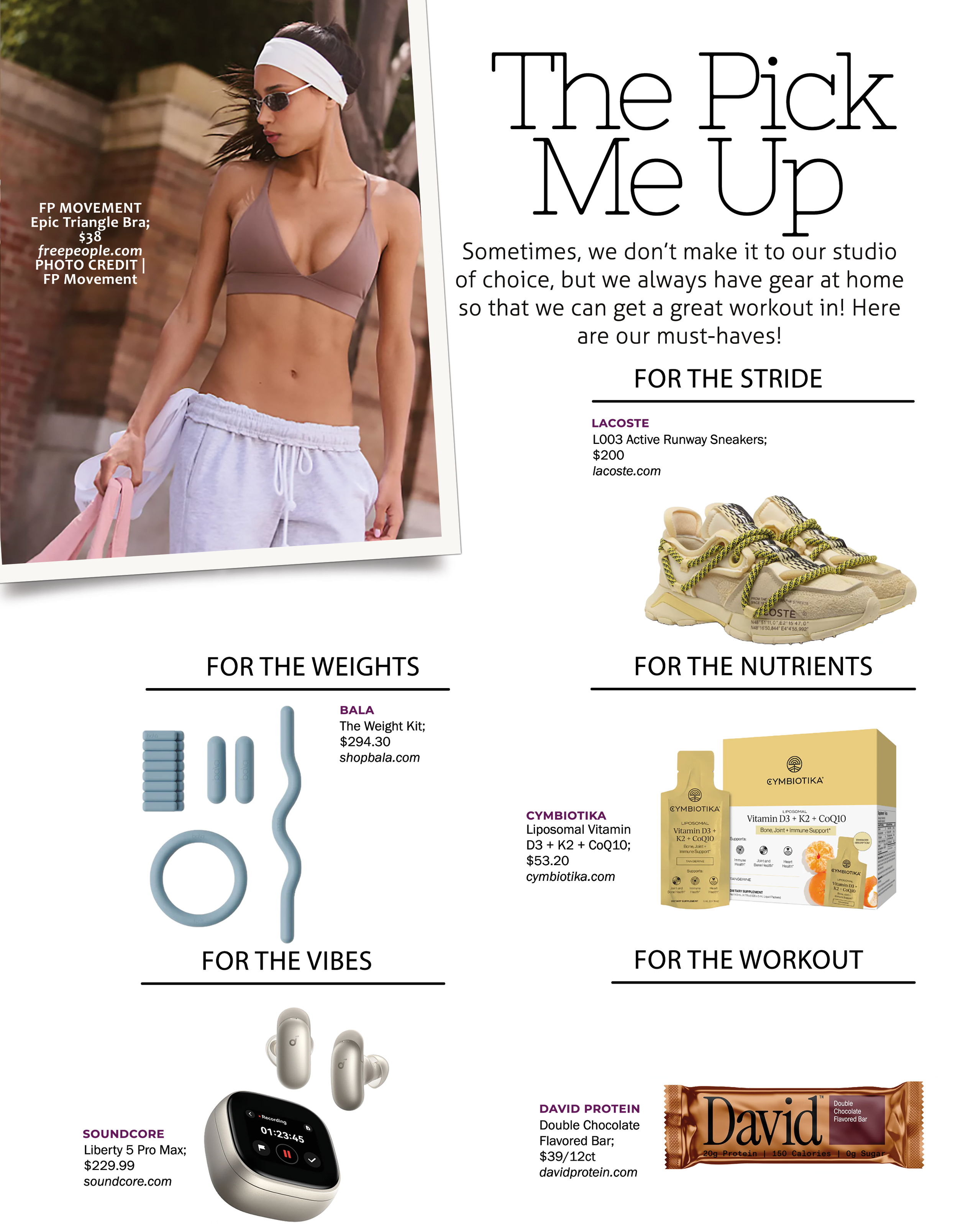
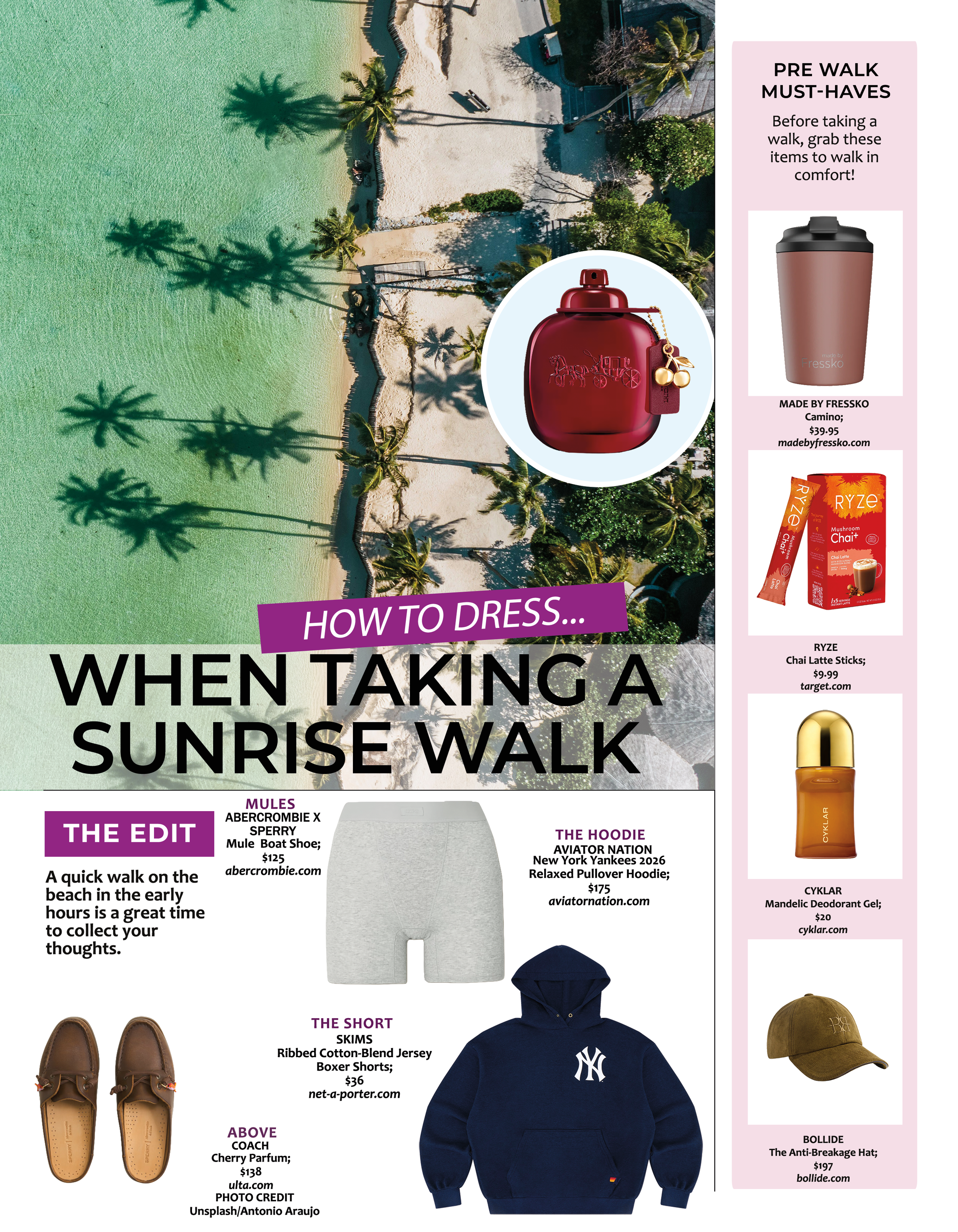
Read the SEP ISSUE #117 of Athleisure Mag and see THE 9LIST in mag.
Featured





Read the SEP ISSUE #117 of Athleisure Mag and see THE 9LIST in mag.

PHOTO CREDIT | Unsplash/Edz Norton
Contouring has become one of the most popular makeup techniques for sculpting and defining facial features. But many people wonder—can you use bronzer instead of contour? The answer is yes, with a few important considerations. While contour and bronzer are designed with different purposes in mind, knowing how to use your bronzer for contouring can give you a natural, sun-kissed definition without needing an entirely separate product.
To understand how bronzer can be used for contouring, it’s important to know the difference between the two. Contour products are usually cool-toned, mimicking natural shadows to create definition along the cheekbones, jawline, and nose. They’re designed specifically to sculpt the face.
Bronzers, on the other hand, are typically warmer in tone. Their main purpose is to add warmth and dimension to the skin, giving the effect of a natural tan. This is why many bronzers have golden or reddish undertones, whereas contour shades lean more neutral or gray.
That said, a matte bronzer with the right undertone can absolutely double as a contour product. When applied thoughtfully, it can create soft definition while still keeping your complexion warm and radiant. Pairing it with the best foundation makeup ensures you have a smooth, even canvas to build on, allowing your bronzer to blend seamlessly into your base.
The key to using bronzer as contour is placement and blending. Instead of dusting it all over the face, focus on applying it to areas where natural shadows would fall: the hollows of the cheeks, the sides of the nose, the temples, and the jawline. Use a light hand, gradually building up color to avoid harsh lines.
Choose a matte formula over shimmer, as matte bronzers mimic shadows more effectively. A fluffy angled brush works best for diffusing product while still keeping it targeted. Blend upward rather than downward to maintain a lifted appearance.
For a complete, balanced look, combine your bronzer with a complementary blush. Using a non comedogenic blush ensures that your skin stays clear and healthy while adding a fresh, natural flush to your cheeks. This contrast helps your bronzer-contour pop without looking too stark.
If you want to enhance the sculpted effect further, pair bronzer with a touch of highlighter on the high points of the face, such as the cheekbones and brow bone. This creates a beautiful balance of shadow and light for a soft, natural finish.
While bronzer and contour products have different roles in makeup, a matte bronzer for contouring can be a versatile addition to your beauty routine. By focusing on careful placement, choosing the right undertone, and blending thoroughly, you can achieve a sculpted yet natural look.
When paired with the best foundation makeup for a smooth base and a non comedogenic blush for a healthy glow, bronzer becomes more than just a tool for warmth—it transforms into a multi-purpose product that defines, enhances, and elevates your everyday makeup.

PHOTO CREDIT | Unsplash/Planet Volumes
Sleep is one of the most vital aspects of human health, yet many people struggle with it. Insomnia, restlessness, and poor sleep quality affect energy levels and overall well-being. This has led to growing interest in natural aids that may promote deeper sleep cycles.
Among them, THC gummies have become a point of discussion. These edible products contain tetrahydrocannabinol, the main psychoactive compound in cannabis. They are convenient, discreet, and come in precise doses, making them appealing to people who want consistent results. To explore this, it is important to look at the connection between THC and the sleep process.
THC interacts with the body through the endocannabinoid system, which regulates several functions, including sleep. This system helps maintain balance and stability within the body. When THC binds to cannabinoid receptors, it may create feelings of relaxation and drowsiness.
For some, this effect helps with falling asleep more quickly. However, sleep involves different stages such as light sleep, deep sleep, and REM. Research suggests THC may increase the amount of deep sleep during the night. Deep sleep is the phase most responsible for restoring the body and mind.
One of the main reasons people turn to THC gummies is the potential for better rest. Deep sleep is the stage where the body repairs tissues, strengthens the immune system, and consolidates physical recovery. If these edibles extend this phase, users may feel refreshed upon waking.
Another benefit is the sense of calm that THC can bring, which may help those who experience anxiety before bed. In addition, gummies provide a predictable dosage compared to smoking or vaping cannabis. This helps reduce guesswork and makes it easier to monitor how the body reacts.
The amount of THC consumed makes a major difference in how it influences sleep. Starting with a small dose is usually recommended. Timing is equally important. Each person must experiment with timing to find what works best for their sleep schedule.
It is also important to avoid mixing them with alcohol or sedatives, as this may intensify drowsiness in unsafe ways. Dosage and timing together play a key role in maximizing potential benefits. A careful approach allows individuals to assess how THC affects their personal sleep quality.
For those considering these edibles, safety should come first. Consultation with a healthcare professional is always a wise step before starting. This ensures no harmful interactions occur with other medications.
Choosing gummies from reputable providers is essential, as product quality affects the safety and effectiveness. Checking for lab-tested products helps confirm that the THC content matches the label and that no harmful contaminants are present. Responsible use means being aware of the benefits and the risks.
Incorporating them into a nightly routine can support a more peaceful rest experience. Pairing them with relaxing activities, like gentle stretches or quiet meditation, encourages a sense of calm.
A consistent bedtime schedule helps the body anticipate rest and align with natural rest patterns. Creating a soothing environment, such as dim lighting and a comfortable mattress, complements the effects of THC.
THC gummies show promise for those looking to improve deep sleep. They may extend restorative sleep phases and bring relaxation before bed. With responsible use, they may serve as a useful tool for better rest and recovery.

Read the SEP ISSUE #117 of Athleisure Mag and see ROCK THIS WHEN HEADING TO YOUR NEIGHBORHOOD BODEGA in mag.

Read the SEP ISSUE #117 of Athleisure Mag and see PUMPKIN BEAUTY in mag.


Read the SEP ISSUE #117 of Athleisure Mag and see THE PICK ME UP in mag.

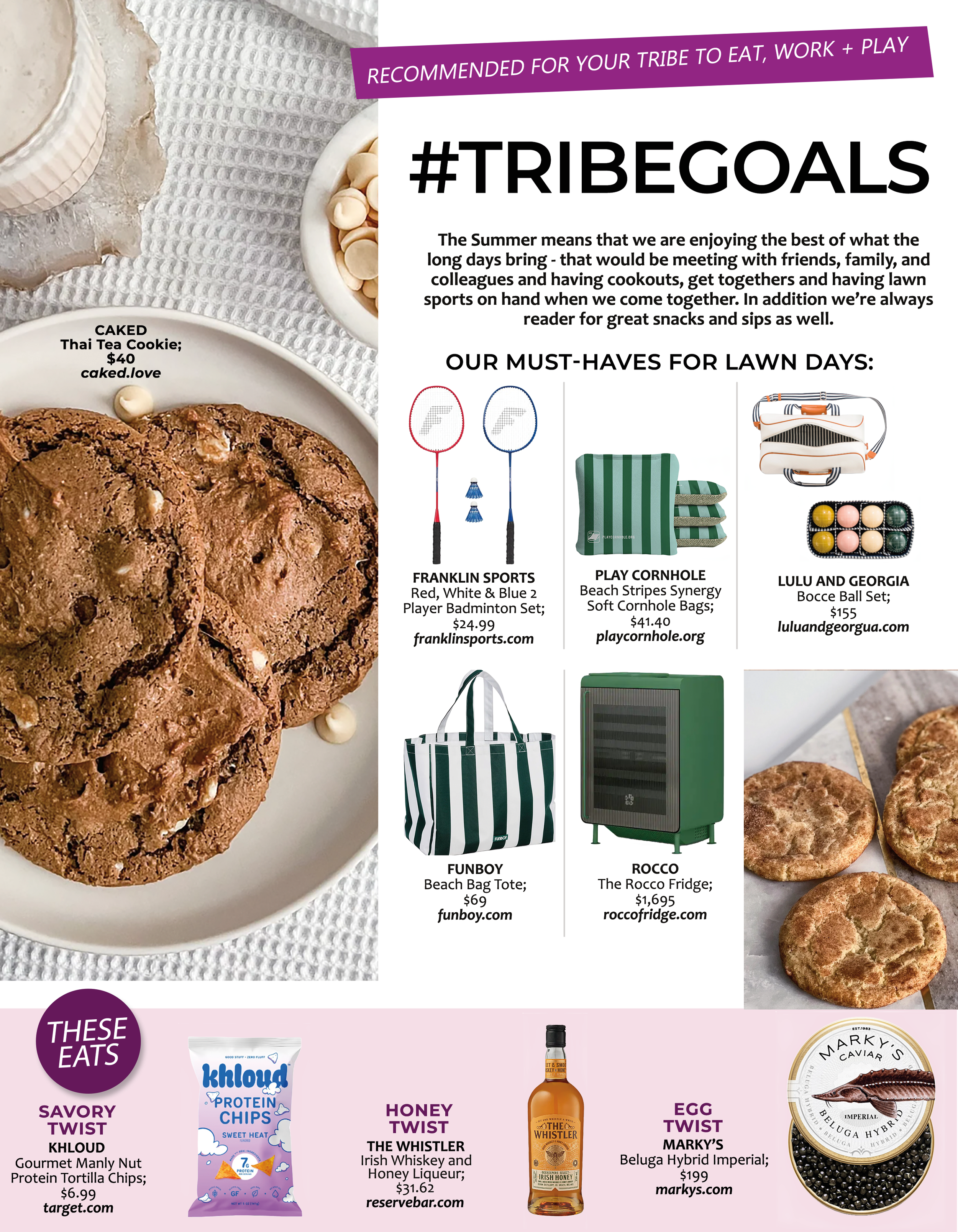
Read the SEP ISSUE #117 of Athleisure Mag and see #TRIBEGOALS in mag.
Portugal is a place that feels lived-in and loved. It’s in the way the morning sun glitters off tiled façades, how the scent of roasting chestnuts drifts through cobbled squares, and the sound of laughter rises from family-run cafés. Its landmarks are not just relics of the past but part of everyday life. Porto’s bridges and Lisbon’s monasteries stand as two of the country’s most striking treasures—different in form, but united in the way they capture Portugal’s soul.

PHOTO CREDIT | Unsplash/Eugene Zhyvchik
Porto has always leaned into the Douro River. The water winds through the city like a lifeline, reflecting the jumble of terracotta rooftops and colourful houses stacked along the hillside. Stretching across it are the bridges that define the skyline, each one an expression of the city’s spirit.
The Dom Luís I Bridge is the star. Its soaring iron arcs feel both powerful and graceful, linking Porto with Vila Nova de Gaia, where the air is sweet with the scent of ageing port wine. At dusk, the view is unforgettable—the water turns to liquid gold, church bells echo softly, and locals pause mid-stroll to watch the city glow. Beneath you, rabelo boats drift lazily by, carrying with them echoes of centuries-old trade.
Other bridges add their own voices to the story: the Maria Pia, a marvel of engineering by Gustave Eiffel, and the bold Arrábida, once a world-record holder for its concrete span. Together, they aren’t just crossings—they are symbols of resilience and creativity, connecting neighbourhoods, histories, and people.
The joy of Porto is how well it links to the rest of the country. A look at a Portugal railway map shows lines branching out like veins, carrying travellers through vineyard-draped valleys and sleepy villages painted white and blue. Taking the train here isn’t just about moving between destinations—it’s about watching Portugal unfold slowly, scene by scene, through your window.
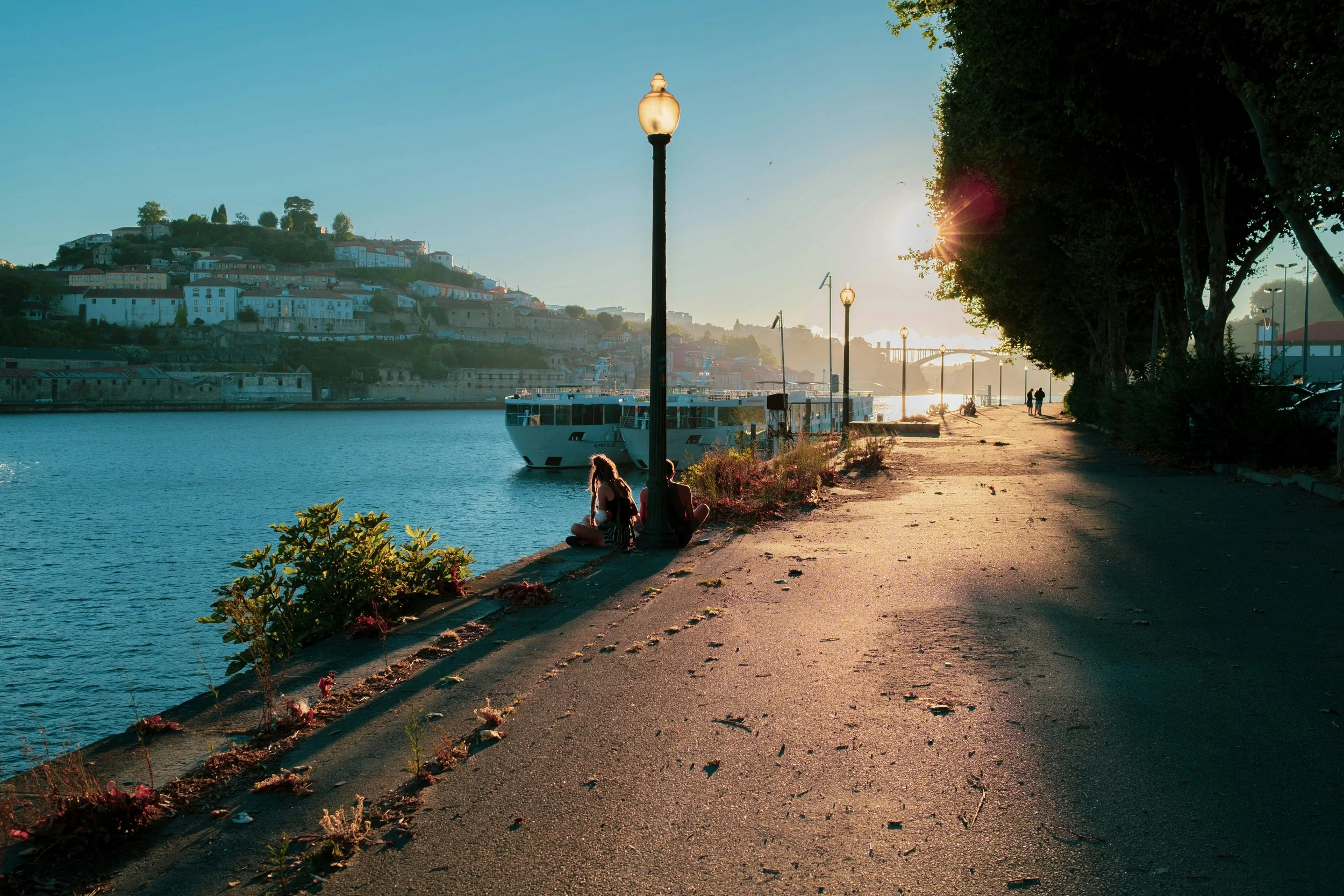
PHOTO CREDIT | Unsplash/Augusto Lopes
If Porto speaks in iron and river light, Lisbon whispers in stone and shadow. Its monasteries are among the most breathtaking in Europe, filled with artistry and stillness. The Jerónimos Monastery in Belém is perhaps the most famous, its walls carved with ships, ropes, and sea creatures that honour Portugal’s seafaring past. Step into its cloisters and time seems to slow—the play of sunlight across the arches, the hush of footsteps, the faint scent of incense carried on the breeze.
The Monastery of São Vicente de Fora has a different kind of beauty—less showy, more intimate. Inside, walls shimmer with blue-and-white tiles telling biblical stories in intricate detail. Climb to the rooftop, and Lisbon stretches out below: terracotta rooftops tumbling towards the Tagus, with church towers punctuating the skyline. These places invite stillness, offering a pause to reflect in a city otherwise alive with movement.
Travelling between Lisbon and Porto feels effortless. Booking Lisbon to Porto train tickets turns what might seem like a long distance into a smooth and scenic adventure. From your seat, you watch fields dotted with olive groves, towns with red-tiled roofs, and landscapes shifting from rolling hills to coastal plains. The ride is more than a link—it’s a story unfolding across the countryside.

PHOTO CREDIT | Unsplash/Pedro Correia
In Alfama, the haunting strains of fado spill from tavern doorways late into the night. Trams rattle up steep, winding hills, their yellow carriages glowing against pastel façades. In the markets, the air is filled with the tang of citrus and the chatter of stallholders, while in Belém, queues form for custard tarts so fresh their custard still trembles. Lisbon is luminous—bathed in golden light by day, alive with music and laughter by night.
By contrast, Porto feels more intimate, more grounded. In the Ribeira district, laundry flutters from iron balconies above narrow lanes, and the smell of grilled sardines drifts through the air. Locals gather at riverside cafés, sipping espresso or glasses of tawny port, watching the current roll past. Step into one of Porto’s gilded churches and you’re struck by the glow of gold leaf and candlelight—extravagant, yes, but also deeply human in its devotion. Porto moves at its own pace, rewarding those who linger.
Visiting Lisbon and Porto together is like holding two threads of the same tapestry. Both are distinctly Portuguese, yet their contrasts only make the experience richer.
The journey between them weaves the two stories together, a reminder that Portugal’s landmarks are not just about bricks, arches, and stone—but about people, memory, and everyday life.
To stand on the Dom Luís I Bridge as the river glimmers below, or to walk slowly through the cloisters of Jerónimos Monastery, is to touch a history that is still unfolding.
What stays with you are the small details: the echo of footsteps on cool stone tiles, the sparkle of sunlight on water, the taste of a pastel de nata savoured in a Lisbon square, the warmth of port wine shared on a Porto evening. These are the moments that linger, long after the trip is over.
Portugal reminds you that travel is not only about what you see but about how it makes you feel. Its bridges and monasteries invite you to slow down, to listen, and to connect—with the past, with the place, and with yourself.
Spain is a country where history lives in its streets, where plazas hum with conversation, and where every corner reveals something beautiful. Few places capture this spirit more vividly than Barcelona’s Gothic Quarter and Madrid’s Retiro Park. One is a labyrinth of narrow alleys and medieval architecture, the other a vast green sanctuary filled with art, fountains, and everyday life. Together, they show two very different sides of Spain—yet they share the same ability to sweep visitors into experiences that linger long after the journey ends.

PHOTO CREDIT | Unsplash/Ronni Kurtz
Travelling through Spain often inspires journeys further afield. From Barcelona, it’s easy to extend your adventure beyond the country’s borders. The Barcelona to Paris high-speed train connects two iconic cities in just a few hours, offering a seamless way to link Spain’s Gothic charm with the elegance of the French capital. Watching the landscape shift from Catalonia’s coastline to the fields of southern France makes the journey as memorable as the destination itself.
This connectivity is part of what makes travelling in Spain so rewarding—it is not just about the cities themselves but about how easily they open doors to the rest of Europe.
Barcelona’s Gothic Quarter, or Barri Gòtic, is a maze that draws you in slowly. Here, stone walls bear the marks of Roman foundations, Gothic spires pierce the sky, and lanterns light up secret plazas at night. Every step feels like walking through history.
The streets reveal surprises at every turn—tiny bakeries where the scent of fresh bread escapes into the air, wine bars tucked into old archways, and squares where street musicians fill the evening with guitar melodies.
Exploring the Gothic Quarter is not about rushing but about wandering. It is a place to lose yourself, to pause for tapas at a shaded café, to notice sunlight slipping across cobblestones. Time here doesn’t feel linear—it feels layered, like the stones beneath your feet.

PHOTO CREDIT | Unsplash/Amira El Fohail
For many travellers, Barcelona is just the beginning. Spain’s capital, Madrid, offers a completely different rhythm, and experiencing both cities in one trip is essential. Understanding how to get from Barcelona to Madrid helps you appreciate how connected the country really is. The high-speed rail system makes the journey smooth and efficient, transforming what might feel like a long distance into a comfortable adventure. Within a few hours, you travel from medieval alleys to grand boulevards, with countryside vistas flashing past your window.
This journey is not just practical—it is part of the experience, offering a glimpse of Spain’s diverse landscapes before Madrid unfolds before you.
In contrast to Barcelona’s narrow streets, Madrid’s Retiro Park feels vast and open. Once the private grounds of royalty, today it belongs to everyone. Locals jog along its tree-lined avenues, children sail toy boats in the pond, and couples relax under the shade of chestnut trees.
The park is full of treasures. The Crystal Palace, a shimmering glass pavilion, reflects the surrounding greenery and hosts exhibitions that connect history with modern creativity. Sculptures and fountains appear along winding paths, each with its own story. In spring, roses bloom in dazzling colours; in autumn, the leaves turn fiery shades of red and gold. On weekends, the park comes alive with street performers, artists, and musicians, turning it into a living stage for the city. It is where locals gather, where visitors pause, and where the city’s pace slows down just enough for you to savour it.

PHOTO CREDIT | Unsplash/Ana Dominguez Ruiz
The Royal Palace rises with commanding presence, Plaza Mayor buzzes with centuries of history, and Gran Vía dazzles with theatres and boutiques. Art lovers find inspiration in the Prado Museum, where masterpieces by Velázquez and Goya hang, while the Reina Sofía highlights modern works, including Picasso’s unforgettable Guernica.
Madrid invites exploration, but it also invites you to linger—to sip a coffee in a sunlit square, to sample tapas late into the evening, to let the city’s rhythm pull you in.
Experiencing Barcelona’s Gothic Quarter and Madrid’s Retiro Park on the same journey is like seeing two sides of the same coin. In Barcelona, history feels intimate and immediate, whispering through alleyways and hidden courtyards. In Madrid, life feels expansive, flowing across grand spaces and leafy boulevards. Both cities embody Spain’s love of art, beauty, and community, yet in ways that feel uniquely their own.
Together, they form a journey that is rich in contrast but unified in spirit—a celebration of Spain’s past and present, its traditions and its joy for life.
Travelling between Barcelona and Madrid is about more than moving from one city to another—it’s about stepping into two distinct experiences that complement each other perfectly. In the Gothic Quarter, you’ll carry the memory of lantern-lit alleys, cathedral spires, and music that drifts long into the night. In Retiro Park, you’ll recall the sunlight on the Crystal Palace, the sound of oars in the boating lake, and the laughter of families enjoying the day.
What makes this adventure special is how it stays with you. The details—the scent of fresh bread in Barcelona, the splash of fountains in Madrid, the landscapes viewed from a train window—become the moments you remember most. Together, these cities remind travellers that Spain is not just a destination, but a feeling: timeless, vibrant, and endlessly alive.
Japan is a country that never ceases to surprise. One moment, you’re walking beneath ancient temple gates surrounded by whispering forests, the next, you’re gazing out from one of the world’s tallest towers as neon lights sparkle below. This seamless blend of old and new is what makes Japan so enchanting, and it comes alive most vividly in two very different landmarks: Kyoto’s Fushimi Inari Shrine and Tokyo’s Skytree. Together, they show how the nation embraces tradition while celebrating modernity, offering travellers an experience unlike anywhere else in the world.
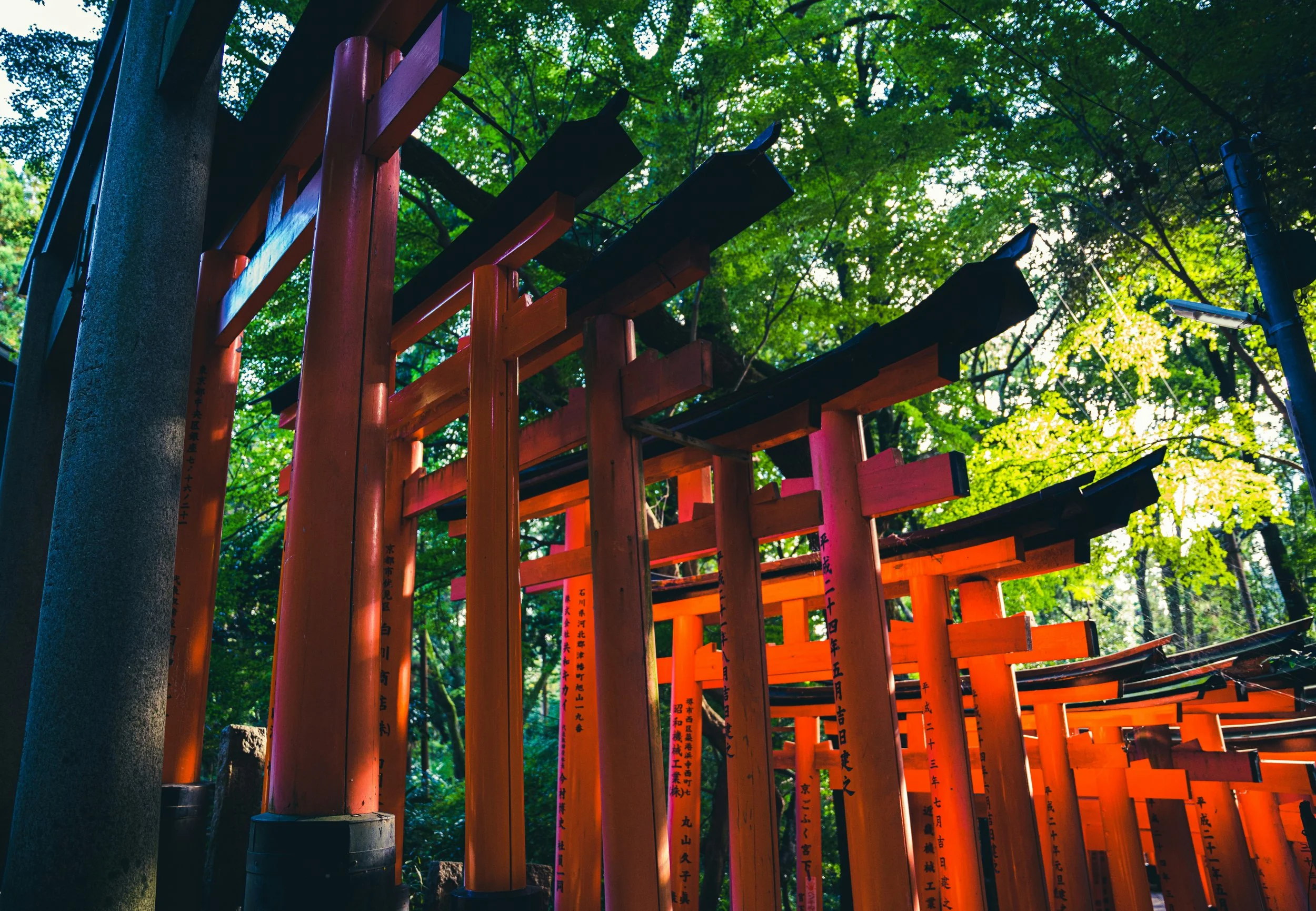
Kyoto has long been known as Japan’s cultural heart, and no place embodies this more beautifully than Fushimi Inari Taisha. Dedicated to Inari, the Shinto deity of prosperity, the shrine is instantly recognisable for its thousands of bright red torii gates that snake up the mountainside. Each gate, donated over the centuries, represents a prayer for good fortune or gratitude for blessings received.
Stepping into the tunnel of gates feels like entering another realm. The air is cool and still, broken only by the soft rustle of leaves and the sound of your footsteps on the stone path. Morning sunlight filters through the gaps, painting shifting patterns of orange and shadow along the way.
For visitors who want to fully immerse themselves in this spiritual journey, curated tours to Kyoto often include guided walks through Fushimi Inari, sharing stories of the shrine’s deep symbolism and cultural role. It’s more than a sightseeing stop—it’s an invitation to experience a living tradition.
Of course, Fushimi Inari is just one of Kyoto’s treasures. The city brims with temples, gardens, and rituals that bring Japan’s past into the present. Kinkaku-ji, the Golden Pavilion, gleams in the sunlight, its reflection shimmering across a still pond. Ryoan-ji’s Zen rock garden encourages quiet contemplation, while teahouses tucked into side streets invite you to pause for matcha and sweets.
Kyoto feels slower than other cities, almost as if time itself lingers here. The fragrance of incense wafts from temple courtyards, geisha glide gracefully through lantern-lit alleys, and in spring, cherry blossoms drift down like soft pink snow. It’s no wonder the city is often described as the soul of Japan.
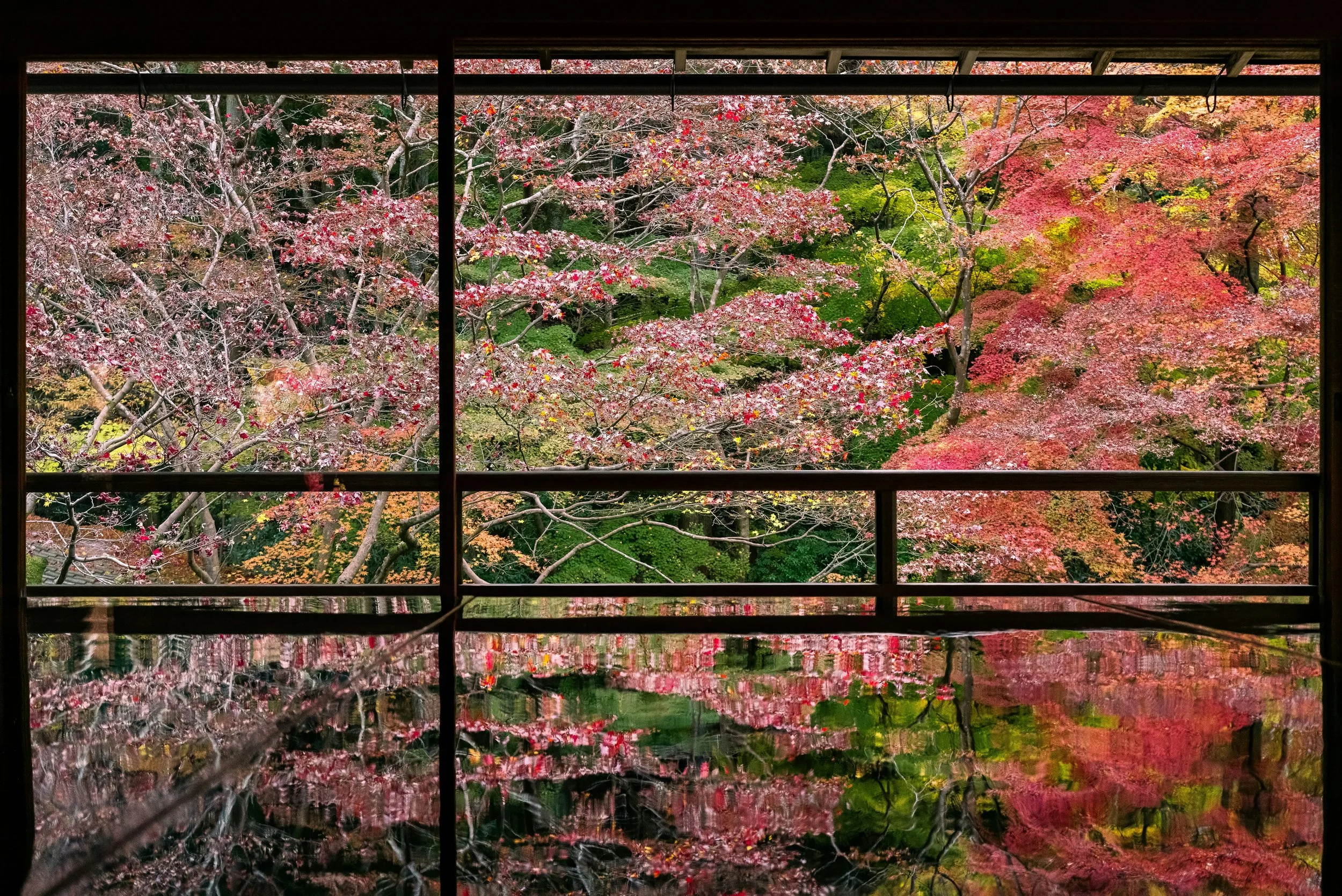
PHOTO CREDIT | Unsplash/Zhao Yangyang
Tokyo is a city of contrasts. Wander through Asakusa, and you’ll find Senso-ji Temple surrounded by lively stalls selling snacks and souvenirs. Head to Shibuya, and you’re swept into the famous crossing, where hundreds of people move in a perfectly choreographed rush beneath glowing billboards. In quieter corners like Ueno Park, cherry blossoms create a canopy of pink in spring, while Ginza sparkles with boutiques and high-end dining.
Experiencing both Kyoto and Tokyo in a single journey is what makes trips to Japan so rewarding. The high-speed rail whisks travellers seamlessly between the two, turning the journey itself into part of the adventure.
Tokyo Skytree: Touching the Future
Travel east and the atmosphere changes completely. In Tokyo, energy hums through every street, and nothing captures this modern dynamism quite like the Skytree. At 634 metres, it towers above the capital, visible from miles away. By day, it glistens against the sky; by night, it glows with ever-changing lights that reflect the seasons or mark special events.
Inside, the Skytree offers more than just breathtaking views. There’s a sense of awe that comes with standing so high above the city, watching tiny trains snake along tracks and the patchwork of streets buzzing with life below.
At the base, the Solamachi complex bursts with shops, cafés, and restaurants. Here, you can browse traditional crafts, savour sushi with a view, or simply watch the city unfold from a cosy corner. The Skytree is a reminder that Japan’s modern spirit is as captivating as its ancient soul.

PHOTO CREDIT | Unsplash/Red Shuheart
What makes Fushimi Inari Shrine and Tokyo Skytree so compelling is not their differences but how they complement one another. One invites quiet reflection beneath ancient gates, the other lifts you high above the city into a vision of the future. Together, they reveal the essence of Japan: a place where reverence for history and passion for innovation walk side by side.
Visiting Kyoto’s Fushimi Inari and Tokyo’s Skytree is not just about ticking off landmarks—it’s about feeling the heartbeat of Japan in two very different forms. In Kyoto, each step beneath the torii gates feels like a conversation with the past, a reminder of faith, resilience, and tradition. In Tokyo, the sweeping view from the Skytree fills you with possibility, a sense of how far humanity can reach.
This contrast is what makes Japan unforgettable. It’s a country that slows you down and lifts you up, often in the same day. Long after leaving, you’ll remember the hush of the forest at Fushimi Inari, the glow of Tokyo’s skyline at night, and the feeling of standing between past and future. These are the memories that make Japan more than a destination—they make it a journey you’ll want to return to again and again.
Spain is a country that doesn’t just showcase its history—it lets you live it. In its parks, you feel the echoes of royal footsteps; in its cobbled streets, the murmur of centuries past lingers in the air. Nowhere is this more vivid than in two iconic spaces: Madrid’s Retiro Park and Barcelona’s Gothic Quarter. Each offers a journey through time, yet both remain woven into daily life, full of laughter, music, and the simple pleasures of the present moment.
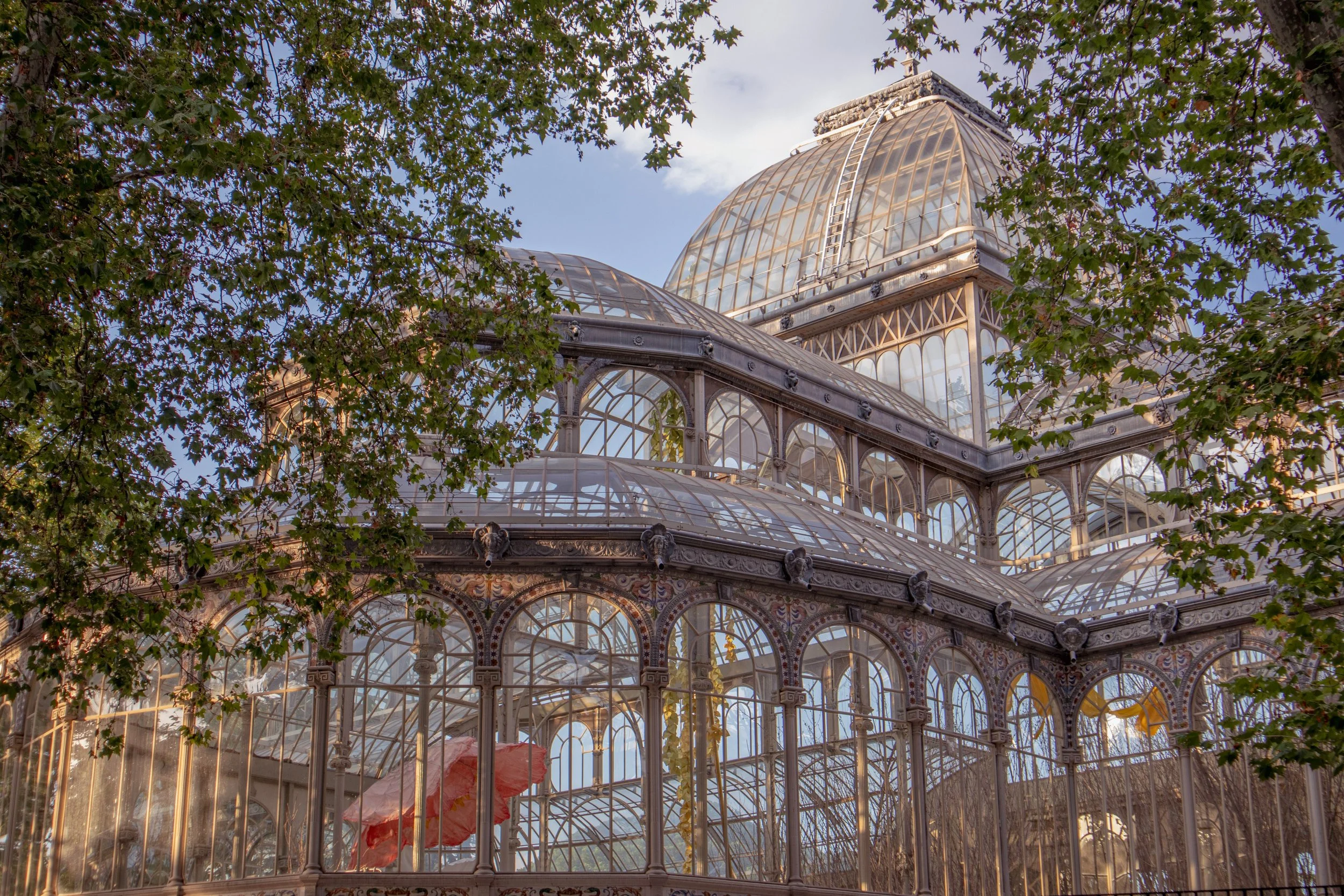
PHOTO CREDIT | Unsplash/Eduardo Rodriguez
In the heart of Madrid, Retiro Park unfolds like an oasis. Once the playground of kings and queens, it is now a beloved escape for locals and visitors alike. Step inside, and the city’s bustle fades away. You hear the dip of oars on the boating lake, the chatter of families gathered for picnics, and the strum of a guitarist playing softly beneath the shade of chestnut trees. Every corner seems to hold a story. The Crystal Palace gleams like a jewel of glass and iron, reflecting sunlit ripples from the pond at its feet. The Rose Garden perfumes the air in summer, while autumn sets the pathways ablaze with fiery colours. Joggers weave past statues, artists set up their easels, and children chase bubbles that shimmer in the afternoon light.
It’s here, in this living park, that Madrid feels most human—where history, leisure, and culture merge seamlessly. Exploring Spain by train makes it easy to pair mornings in Retiro with afternoons in other cities, each journey a chance to see the country unfold through the window: olive groves, golden fields, and mountain silhouettes rolling by.

PHOTO CREDIT | Unsplash/Ana Dominguez Ruiz
Wander back into Madrid’s streets, and the city continues to dazzle. The Royal Palace rises in marble splendour, while Plaza Mayor buzzes with the clink of cups and the hum of conversation spilling from pavement cafés. Gran Vía, vibrant and theatrical, glows late into the night, while the Prado Museum preserves masterpieces that have defined Europe’s cultural story.
Madrid feels expansive and elegant, yet always welcoming—its plazas inviting you to pause, taste tapas, and join in the rhythm of life.
Moving between Madrid’s open grandeur and Barcelona’s medieval intimacy is effortless thanks to the sleek high-speed trains from Madrid to Barcelona. In just a few hours, you travel from the leafy tranquillity of Retiro to the lantern-lit alleyways of the Gothic Quarter, with the countryside flashing by as a backdrop to your adventure.
If Madrid is wide boulevards and open skies, Barcelona’s Gothic Quarter is a world of shadows and secrets. Known as Barri Gòtic, it’s a tangle of narrow streets where history clings to the very stones. Walk slowly, and you’ll notice the scent of fresh bread from tiny bakeries, the cool touch of stone walls under your fingers, and the echo of footsteps where Romans once marched.
The Gothic Quarter is full of treasures: Barcelona Cathedral with its soaring spires, cloisters where geese wander between fountains, and hidden squares where locals sip wine under the glow of lanterns. In the daylight, flower-draped balconies brighten the alleys; at night, the sound of guitars drifts through the air, and the quarter takes on an almost theatrical magic.

PHOTO CREDIT | Unsplash/Jorien van der Sluis
Together, these places capture the duality of Spain. Retiro Park feels like a grand stage where history is played out under open skies, while the Gothic Quarter invites you to lean in and listen closely to its whispered stories. Both are living, breathing spaces—full of children’s laughter, café chatter, and the everyday rhythm of Spanish life.
They remind us that history isn’t just locked away in museums or monuments. It’s alive in the streets, the parks, and the people who carry these traditions forward every day.
Travelling in Spain is about more than visiting sights; it’s about experiences that leave imprints on the senses. The scent of roses in Retiro Park. The shimmer of stained glass inside Barcelona Cathedral. The taste of fresh churros eaten in a hidden square. These moments are as much a part of the journey as the landmarks themselves.
Retiro Park and the Gothic Quarter may belong to two different cities, but they share one thing: the power to make history feel alive and personal. They invite you not just to look, but to feel—to pause, breathe, and connect. And as you leave, the memory lingers like sunlight on stone, a reminder that Spain’s greatest gift is how it makes you part of its unfolding story.
What makes these places unforgettable is their timeless quality. No matter how many times you return, Retiro Park always offers new corners to explore, and the Gothic Quarter reveals fresh secrets in its winding streets. They are destinations that reward curiosity, encouraging you to slow down and notice the details—the small moments that turn travel into something deeply meaningful.


PHOTO CREDIT | Unsplash/Christina Rumpf
Staying active demands more than just regular workouts. You also need the right nutrients to fuel your body, keep your energy up, and recover properly. While whole foods should always form the foundation of your diet, it’s not always easy to eat enough leafy greens, colorful vegetables, or nutrient-rich plants every single day. Greens powders offer a convenient way to bridge nutritional gaps because of their accessibility.
These blends support energy, digestion, and overall wellness, things you need when you’re balancing work, exercise, and family life. But not all powders are created equal and understanding how they can fit into your daily routine is key to reaping the full benefits.
Even with the best intentions, life gets busy. You might skip a salad, eat on the go, or choose quick snacks over nutrient-dense meals. Over time, this can leave you short on essential nutrients like vitamins A, B-6, C, E, and vitamin K—all of which play crucial roles in keeping your body functioning at its best.
The challenge is even greater if you want to keep up with an active lifestyle. Workouts place extra demands on your body, increasing your need for antioxidants, minerals, and recovery nutrients. Without them, you may feel sluggish, experience bloating, or notice slower recovery after exercise.
A well-known blend called AG1 greens helps fill nutritional gaps by delivering a wide spectrum of plant-based nutrients, digestive enzymes, and antioxidants. For many, it’s an easier way to consistently support gut health, boost energy, and strengthen the immune system without relying solely on fresh produce.
High-quality organic super greens powders combine a variety of ingredients—like wheat grass, spirulina, chlorella, and other organic vegetables—into a single scoop. Together, these blends provide natural sources of vitamins, minerals, and antioxidants that help maintain wellness even during busy days.
Some powders go further by adding digestive enzymes and probiotics, both of which offer essential gut support. When your digestive system works smoothly, you absorb more nutrients and experience less discomfort. This is especially helpful if you want extra bloating support after large meals.
Another key benefit is convenience. Instead of prepping multiple servings of veggies, a scoop of wonder gut powder or another high-quality blend mixes easily into water, smoothies, or healthy recipes. This variety makes it easier to stay consistent.
If you’re committed to your exercise routine, then you know that energy and recovery go hand in hand. Without the right nutrients, fatigue sets in quickly, making workouts feel harder than they should. Many superfoods plant-based protein powder blends include greens as part of a balanced formula, giving you both muscle support and micronutrients in one.
Some brands even offer perfect meal powder products designed to serve as a meal replacement when you don’t have time to cook. Pairing organic super greens with grass-fed pasture-raised collagen peptides or Organic Protein™ ensures that your body gets not just plant nutrients, but also the protein needed for muscle recovery and joint health. You may also have seen or heard about a collagen-based beauty powder called unflavored glow, which produces the same effect.
These thoughtful combinations help maintain consistent energy levels, prevent dips during the day, and support long-term resilience.
Not all green powders meet the same standards. Since these products become part of your daily diet, quality and safety matter. Look for blends that are third-party tested, which means they’ve been independently checked for purity and quality. This testing ensures you’re not unknowingly consuming heavy metals or contaminants.
Another important marker is USDA organic certification. This seal tells you the product meets strict farming and production standards, avoiding synthetic pesticides and artificial additives. It’s one way to know you’re getting a truly clean product made from organic vegetables and plants.
When comparing options, consider your lifestyle needs. Do you want a powder focused on gut support? Do you prefer blends with added protein for recovery? Or do you simply want a straightforward greens option to improve nutrient intake? Matching the formula to your goals makes the product far more effective.
Adding greens powders to your day is easier than you think. Pouring a scoop over a glass of water can be a quick morning ritual. You can also stir it into a smoothie for a tastier option or mix with protein powders to create a filling snack.
You can get creative by adding greens to recipes like overnight oats, energy balls, or homemade protein bars. This way, you’re not only boosting nutrition but also making it enjoyable. Flavors like Honeycrisp Apple brighten up simple drinks, while Chocolate Fudge pairs well with desserts.
Consistency is what matters most. Over time, you’ll notice improvements in digestion, steadier energy, and better workout recovery.
Supporting an active lifestyle takes determination and consistent nutrition. While whole foods should always be the foundation, greens powders can be a smart dietary supplement to keep your body supplied with essential nutrients.
These blends offer a wide range of benefits, from bloating support and improved digestion to stronger immunity and sustained energy. Choosing a high-quality product that’s third-party tested and backed by industry certifications ensures you’re nourishing your body safely.
There’s a greens option that can fit seamlessly into your lifestyle, no matter what you’re looking for in a perfect meal powder. By making it part of your daily routine, you’ll give your body the extra support it needs to thrive in both workouts and everyday life.

PHOTO CREDIT | Unsplash/Dave Adamson
Quarterbacks are not so much football players as they are cultural symbols. They lead teams, play in highlight reels, and, better or worse, bear the burden of fan expectation on their backs. To many, the quarterback is the face of the NFL. And that's why we can't help but be fascinated when their lives are played out like scripts from actual dramas.
Some ride a wave of glory to legendary status. Others stumble after reaching the top, fading from view faster than anyone expected. We’re captivated by both ends of the spectrum. Stories like those of NFL quarterbacks who go from heroes to zeroes prove just how quickly a career and a reputation can change.
There is a reason why quarterbacks are seated at the center of America's sports obsession. They're not merely athletes; they're celebrities, leaders, and trendsetters. Advertisements, red-carpeted events, and even movie stars or musicians share the same limelight as quarterbacks.
Their fashion is replicated. Their interviews are played back. Their wins—and losses—are on the front page. It's not football; it's fame. And when an athlete wields that much cultural weight, their story is always bigger than the game.
Who does not love an underdog's story? To witness a young quarterback transition from a rookie prospect to a household name is pure entertainment. Draft day hopes, breakout seasons, and those initial memorable big wins—it is like watching a star being formed before our eyes.
They have fans backing them. Media outlets are proclaiming them the "next big thing." And for a while, it appears their career can only improve. The rise is exciting because it's a trip we all know: the high of momentum and satisfaction in watching someone reach their potential.
However, there's another side: occasionally, that momentum doesn't translate. Scandals, slumps, or even injury can ruin even the most extraordinary careers. A quarterback's on every sports network one day; a week later, he's not even mentioned.
The change is dramatic—and that's the glory of it. Consider the list of NFL quarterbacks who've gone from heroes to zeroes. A reminder that no matter how high the pedestal, a fall can turn the entire thing around.
Is it cruel that these collapses so enthrall us? Maybe. However, it is also a natural human tendency. We love the drama of an ascent, but we are equally intrigued by the vulnerability of a fall.
Why do these stories work so well? Part of it is psychology. We're drawn to greatness, but we identify with athletes because they fight. We see their humanity when the cameras fade and, in a way, that's more interesting than victory.
It’s also classic storytelling. The arc of rise, fall, and sometimes redemption is as old as mythology. From ancient heroes to Hollywood blockbusters, we’ve always been drawn to tales of triumph followed by hardship. Quarterbacks just happen to play those roles on live television, in front of millions.
Here's the silver lining: for most QBs, the drama doesn't die with the fall. A few find second acts in the media, as coaches or businesspeople. Others dedicate themselves to giving back or doing community service. Reinvention doesn't kill the highs and lows—it opens up a new chapter.
And in all honesty, it's that very thing that makes these paths worth watching. They remind us that failures are not the end of the road. Reinvention exists. A tumble from the limelight can bring about a whole new method of making waves.
The boom and bust of NFL quarterbacks are more than star gossip. It's a reflection on human ambition, vulnerability, and resilience. From the thrill of their meteoric rises to the theatre of their unexpected falls, these stories hold us riveted because they're both larger than life and completely recognizable.
Consider why their tales are essential—because in so many ways, they reflect ours. After all, isn't that why we adore them?

PHOTO CREDITS | ABC The Golden Bachelor/John Fleenor

PHOTO CREDIT | Disney/Maarten de Boer
Last week’s double episode did clear the field of women for tonight’s episode of The Golden Bachelor. We see the women getting to know one another more and we see the beginnings of the fall out with Nicholle being so overt. This week there will be a 1-on-1 date as well as a group date. Debbie gets a 1-on-1 date.
The group date is a roast and you know the women have a lot of material with Mel Owens providing a number of the information due to his podcasts prior to being on the show.
It’s always fun to see Jesse Palmer enjoy the various activities. Each of the women gave it their all for this particular date. Whoever makes the biggest impression is the winner and Nicolle will have a romantic dinner with him. She receives the date night rose.
Of course, now that the group date is over, we now have Debbie’s date. Prior to it the women talk about how long it takes to get ready and how they handle depuffing under their eyes. Michelin starred Chef Ludo Lefebvre is giving them a cooking lesson and will also make them an epic meal. Back at the house, Kathy and Susan from S1 of The Golden Bachelor swing by for a slumber party with the women! That’s definitely a great way to spend the night. They share tips, advice, and are even gifted vibrators. Back on the 1-on-1 date, Debbie gets a rose and we can see a connection between them.
The cocktail reception before the ceremony - the women have their game faces on. Each of them get time to speak with him and to share more information about who they are. Tonight, 4 women are going home! The Goldens are always tough because you only get an hour per episode and it seems like there are a larger cuts!
THEY RECEIVED ROSES | Carol, Cheryl, Cindy, Debbie, Gerri, Nicolle, Peg, Robin, and Roxanne.
THEY DIDN’T GET A ROSE | Amy, Monica B, Monica P, and Terri.
Each night during this season, we will tweet about The Golden Bachelor and you can chat along with us (@AthleisureMag + with our Co-Founder/Creative + Style Director, Kimmie Smith @ShesKimmie) to see what’s taking place!
Each week we will let you know who our faves were from the last episode and if we’ve changed up since then as it pertains to who we think should go to Hometowns.
We also suggest a podcast that we’ve become obsessed with over the past few seasons, Wondery’s Bachelor Happy Hour to get their feedback!
Read the latest issue of Athleisure Mag.









PHOTO CREDIT | Matt Swinsky
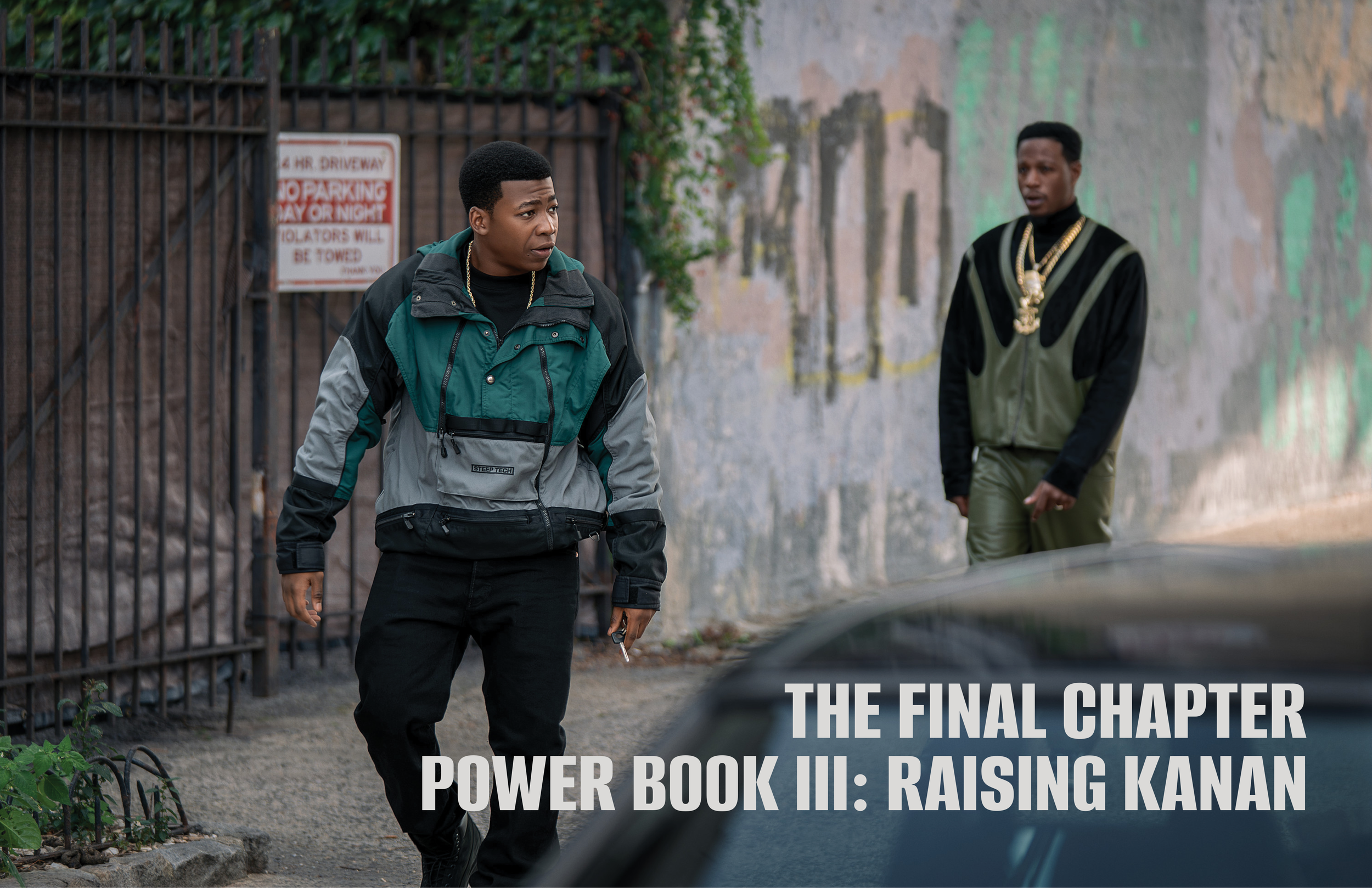
In this month’s issue, our front and back cover story is with 4X Grammy nominated artist, New York Times Best Selling Author, Entrepreneur, and Philanthropist, Jay "Jeezy" Jenkins. We sit down with him to talk about his career, his creative process, his TM: 101 Live Orchestra Tour, his Las Vegas Residency, Still Snowin' - his latest album, his collaborations, and Street Dreamz Foundation.
We sat down with the Co-Founder/CCO of Dagne Dover, Jessy Dover. We wanted to know more about this brand, how it started, it's ethos, and her creative process in designing bags and luggage thay allow people to live a full lifestyle well accessorized.
S2 of STARZ's The Couple Next Door is back taking us to the cul-de-sac where secrets and more will make themselves known. We sat down with Sam Palladio, Sendhill Ramamurthy, and Annabel Scholey. We talk about how they came to the show, how they prepared for their characters, and what we should expect from this season.
We share a recap of NYFW SS26, which included a number of shows from Janet Mandell, NYMD, Christian Siriano, Rynshu and more. We also have an interview with Supermodel, Niki Taylor moments before she made a return to the runway of Mott50.
We caught up with pickleball athlete Tyson Apostol to find out about his pickleball career, his passion for the game and the power of gummies and sleep! In addition, as the winner of Survivor: Blood vs Water, he gaves us insights on S49 of Survivor.
As TYLENOL has become the partner to the NWSL as well as Gotham FC here in NY, we wanted to sit down with them to find out about how they are ensuring that fans as well as athletes are able to manage their pain while taking in their favorite sports.
We caught up with surfers who participated in this year's A Great Day in the Stoke presented by Lexus. We talk with the creator of this event, Nate Fluellen and competitor, Farmy Dia. We wanted to know more about the event, why it was created and how it brings the Surfing community together.
Next month Orange Glou Fair returns to bring you the best of natural Orange Wines. Founded by Doreen Winkler, she gives us a preview on what we can expect from next month's event as well as who we should anticipate sipping.
This month, we had the pleasure of talking with Dan Abrams (On Patrol: Live, Live PD, Court Cam) and Amanda Paul-Garnier about the first Drinks with Benefits that took place this month. This Non-Alc event allows attendees to enjoy the best of this category along with food pairings. We wanted to know more about Dan's aproach to creating the event, the industry, and his interest in hospitality. We also recap what we saw while we were there.
We will be covering next month's Food Network NYC Wine Food Festival presented by Invesco QQQ in The Seaport. We share a bit about this festival, what we're looking forward to and events that you should keep an eye out for.
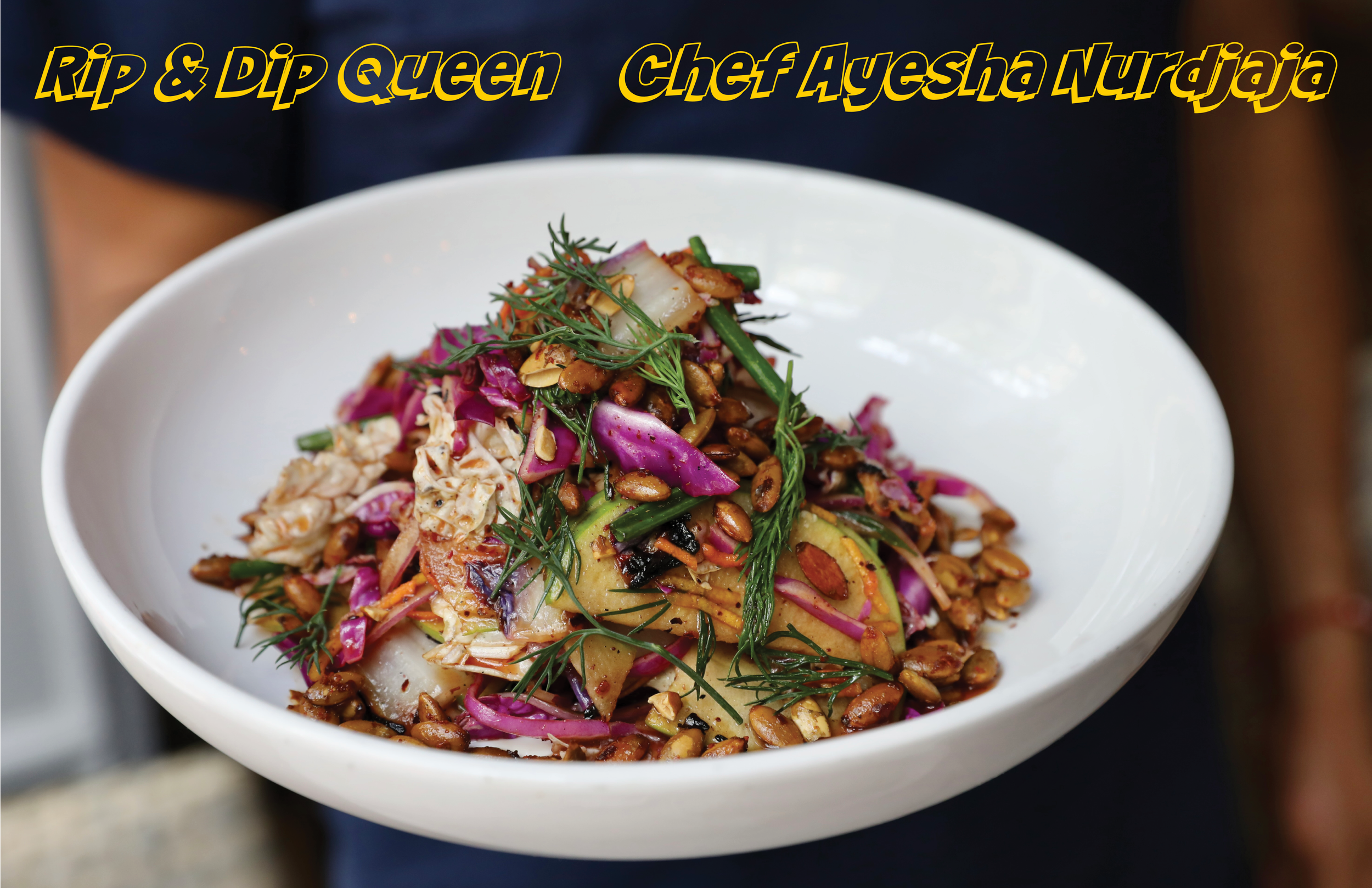
We headed to NYC's Leonetta which is known for their Mediterranean cuisine and good vibes that makes you feel you are away on vacation! We sat down with Chef Ed Cotton to know more about the restaurant, their beverage program, and upcoming events in this month's The Art of the Snack.
This month's Athleisure List comes from robotic massage wellness brand, Aescape. We also talked with wellness luxury center, Biograph.
Our cover star, Jeezy shares his 9PLAYLIST MULTI with us on what songs are on his playlist, what he is reading, and what streamed shows and podcasts he is listening to. Meghan Markle of Netflix's With Love, Meghan shares her 9PLAYLIST. Our 9LIST STORI3S3 shares Jessy Dover of Dagne Dover's must-haves in beauty, style, and fitness.
Read the SEP ISSUE #117 of Athleisure Mag.
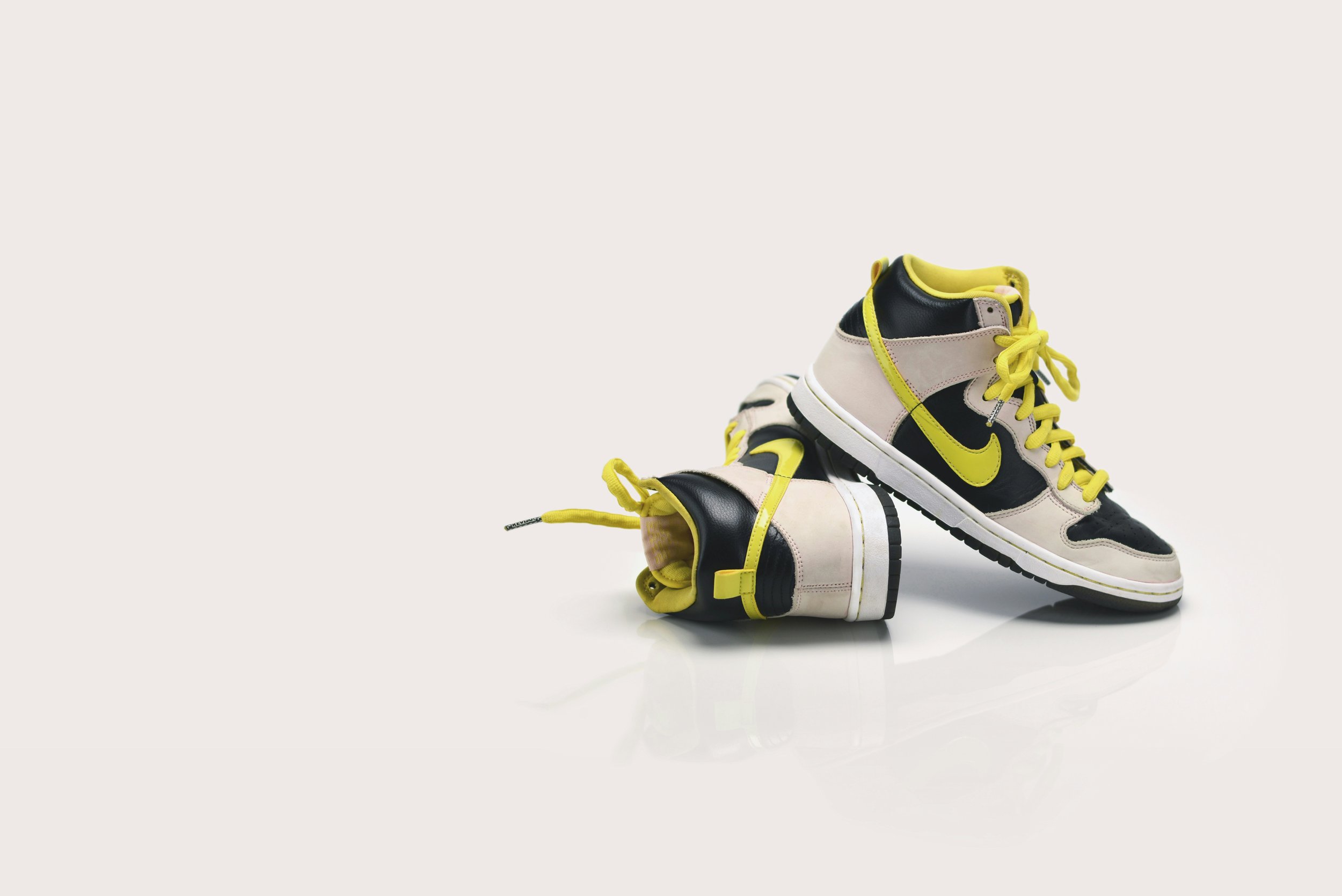
PHOTO CREDIT | Unsplash/Barrett Ward
After a tough workout, it’s easy to focus on stretching your muscles, hydrating, and cooling down while forgetting one very important part of your body: your feet. They carry you through runs, support you during squats, and keep you balanced in yoga poses. Showing your feet some love after exercise not only feels good but also helps with recovery, comfort, and overall well-being.
Here are some simple yet effective ways to give your feet the care they deserve.
1. Cool Down with a Soak
One of the best ways to relax tired feet is to soak them in warm water with Epsom salts. This eases tension, reduces soreness, and helps circulation. For an extra refreshing touch, add a few drops of peppermint oil or soak in cool water to calm inflammation after a long run.
2. Stretch and Massage
Feet benefit from gentle stretching just like the rest of your body. Flex your toes, rotate your ankles, and use a tennis ball or massage roller to ease tightness. A few minutes of self-massage can improve blood flow and relieve pressure from arches and heels.
3. Moisturize and Pamper
After a shower or soak, apply a rich foot cream to keep the skin soft and hydrated. Massaging in moisturizer also doubles as another way to ease tired muscles. For a spa-like feel, slip on cotton socks afterward to help the cream absorb deeply.
4. Pay Attention to What’s Underfoot at Home
The surfaces you walk on play a big role in how your feet feel after exercise. Hardwood, tile, or concrete can be tough on joints and arches when you’re barefoot or in thin socks. Adding softness underfoot makes a world of difference. Carpeting offers consistent cushioning across a room, while extra rugs or runners in high-traffic areas give you comfort right where you need it most. Getting one of these vintage shaggy rugs in the living room or a padded runner in the hallway provides relief and adds warmth to your space. Creating these soft zones at home not only helps your feet recover but also makes your environment feel more inviting and cozy.
5. Choose Supportive Footwear
Your recovery doesn’t end when the workout is over. Supportive shoes or cushioned slides give your feet a break from high-impact activity. Avoid walking barefoot on hard surfaces immediately after exercise, since this can add stress to already tired muscles.
6. Elevate and Rest
After being active, elevating your feet above heart level for 10–15 minutes can reduce swelling and encourage circulation. Pair this with relaxation, such as reading, meditating, or simply resting, and your feet will thank you.
Your feet work hard for you every day, so for those days when you’re working out or on your feet for longer, it’s important to look after them. By soaking, stretching, moisturizing, and paying attention to what you have underfoot, you can show them the care they deserve. A little attention goes a long way toward keeping your feet healthy, happy, and ready for your next session.

PHOTO CREDIT | Unsplash/Allan Nygren
The crisp air brings frosted fairways and shorter days, but it doesn’t have to mean a drop in your golf game.
You may not always get the sun-soaked afternoons of summer, but as we head into winter, you can keep connected to the sport you enjoy.
Dress for the cold
To transition into these cooler months, think about what to wear out on the course. The right clothing can keep you comfortable on those frosty days.
Insulated jackets, thermal base layers, and moisture-wicking fabrics keep your core warm without restricting movement. You might need to try a few different options to get the right balance while you play.
For shoes, look out for designs with winter-ready traction in the soles that give you stability on damp turf. Waterproof materials will also prevent your feet from soaking through.
Gloves tailored for cold weather play with rubber detail in the palms allow you to keep your hands warm. Disposable hand warmers tucked in your pocket also provide relief when the chill sets in between shots.
Practice indoors
When wintry weather shuts down the course, practice inside. A simple putting mat in your living room can keep your short game sharp, while a chipping net offers a way to refine accuracy and touch.
If you want an immersive experience, modern golf simulators recreate famous courses and track your swing with remarkable precision. Practicing with this type of advanced tool keeps you consistent and your mind engaged, so you won’t feel rusty when outdoor play resumes. Even taking 20 minutes a few times a week to practice helps you maintain muscle memory through the off-season.
Head somewhere warmer
Sometimes the best way to keep your skill level up is to follow the sun. Destinations like Scottsdale, Naples and Palm Springs are ideal for golf throughout the winter, with well-maintained courses and reliable weather.
A short getaway gives you the chance to play on grass instead of carpet and also enhances your enthusiasm for the game. Planning a mid-season trip can be the highlight of your winter routine, giving you something to look forward to and a chance to test your progress in real conditions.
Expand your knowledge
Not all golf progress happens with a club in hand. Now is the ideal time to dive into course management strategies, study swing techniques, or watch professional matches with a critical eye.
Books and video lessons help you understand the mental and tactical side of the game, while analyzing your own past rounds can reveal habits you might want to change. By treating the off-season as a time to learn, you return to the course with fresh ideas and a competitive edge over players who simply wait for spring.
With some adjustments, this season can become one of the most rewarding times of year to build consistency and step into spring as a stronger player.