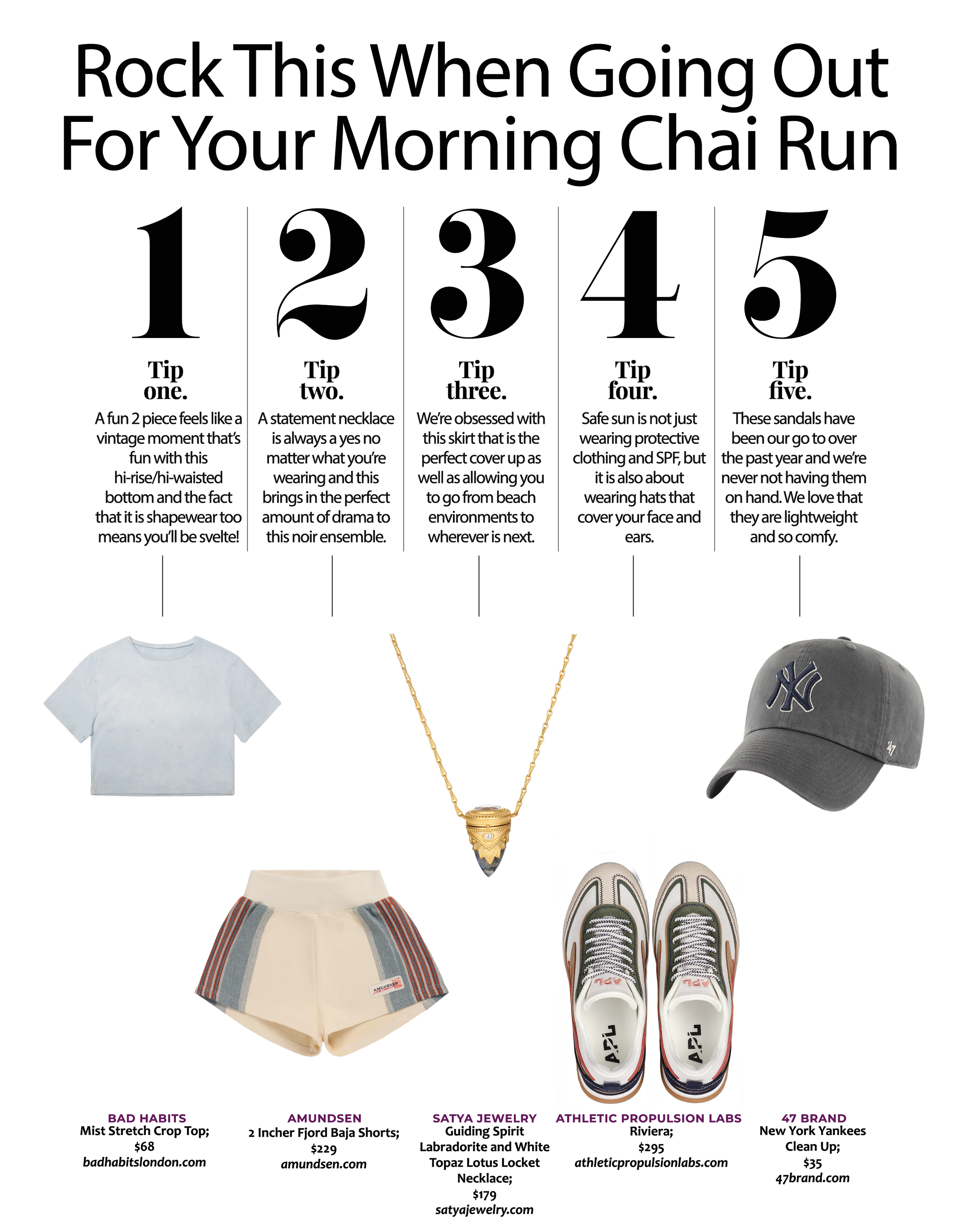
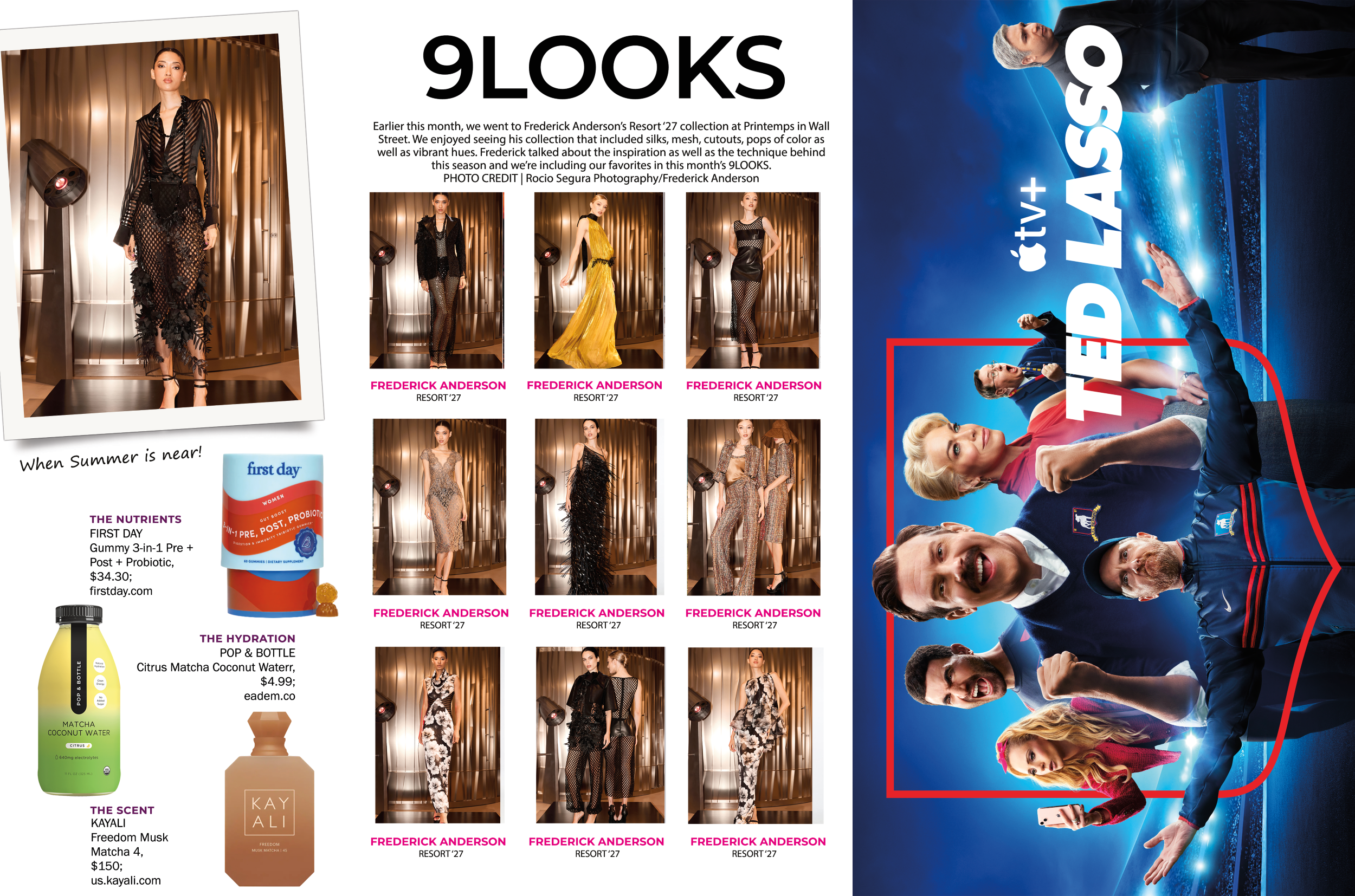
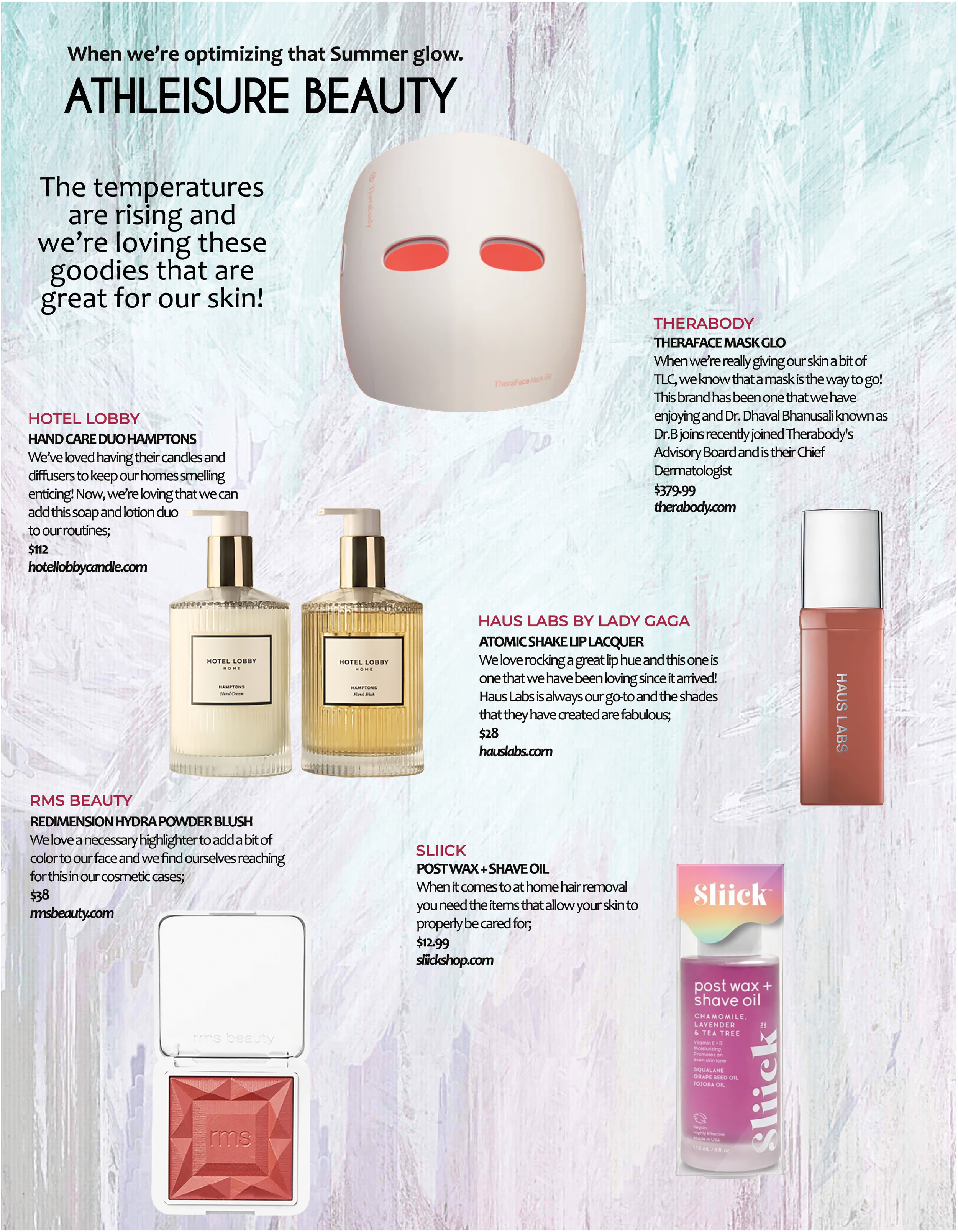
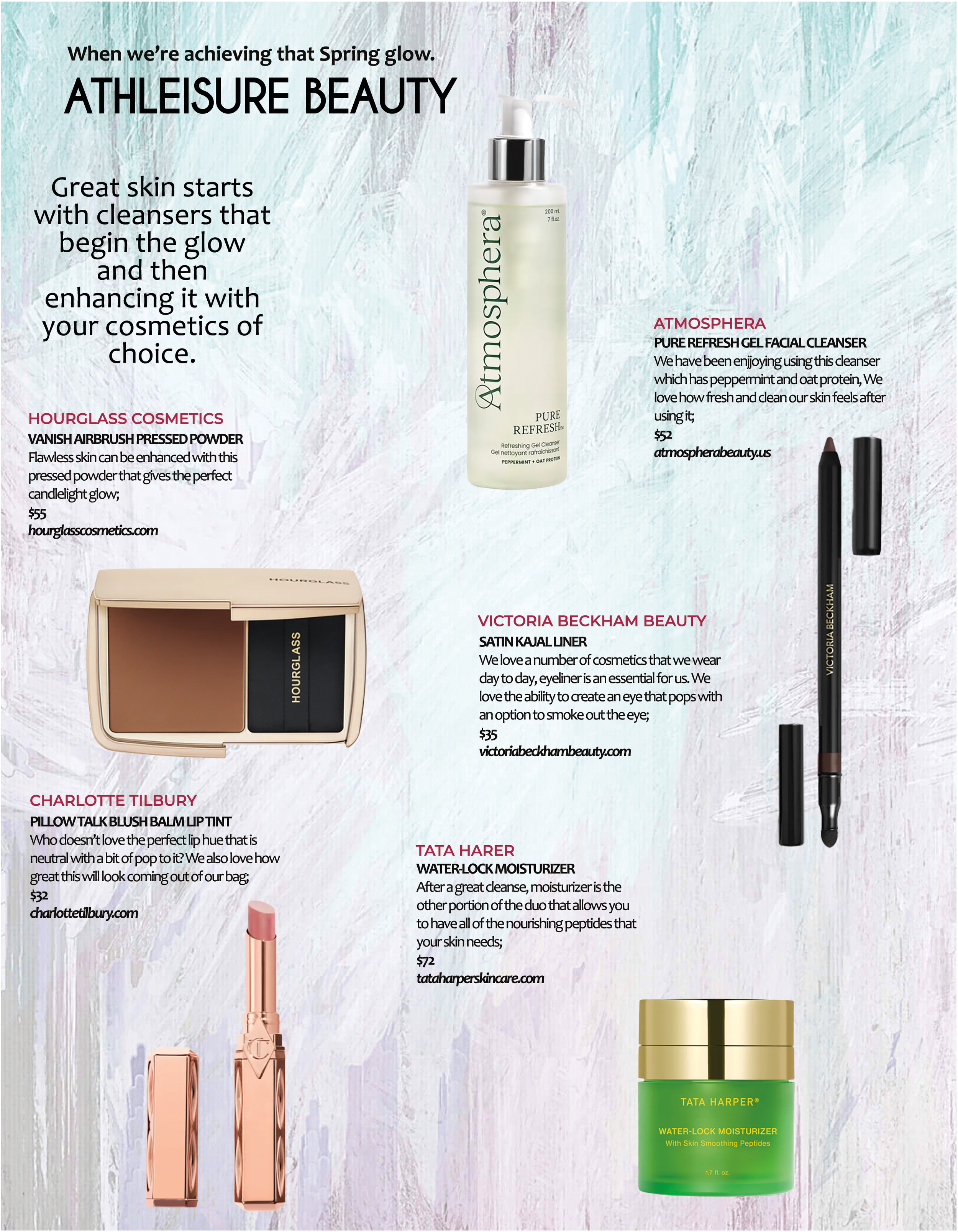
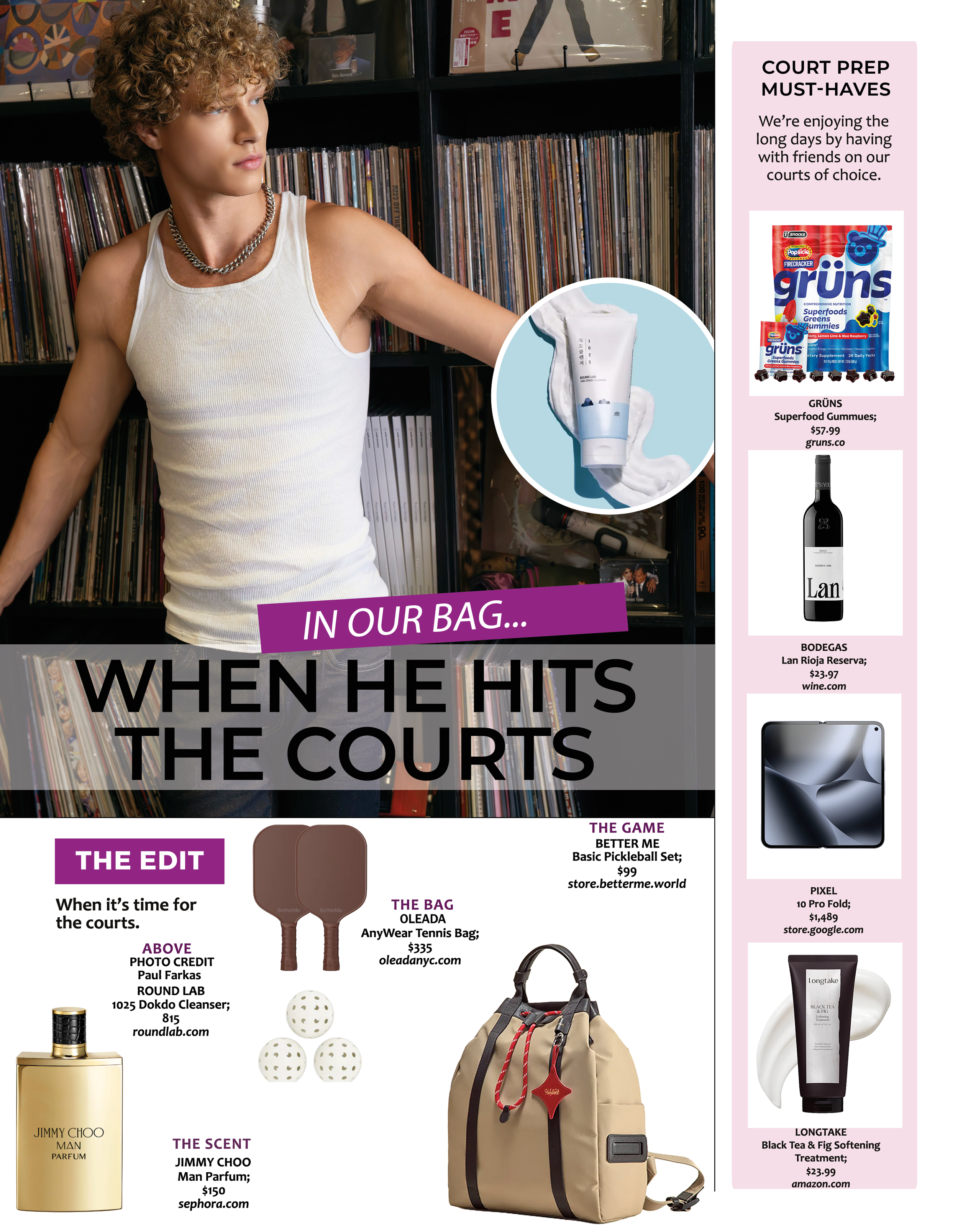
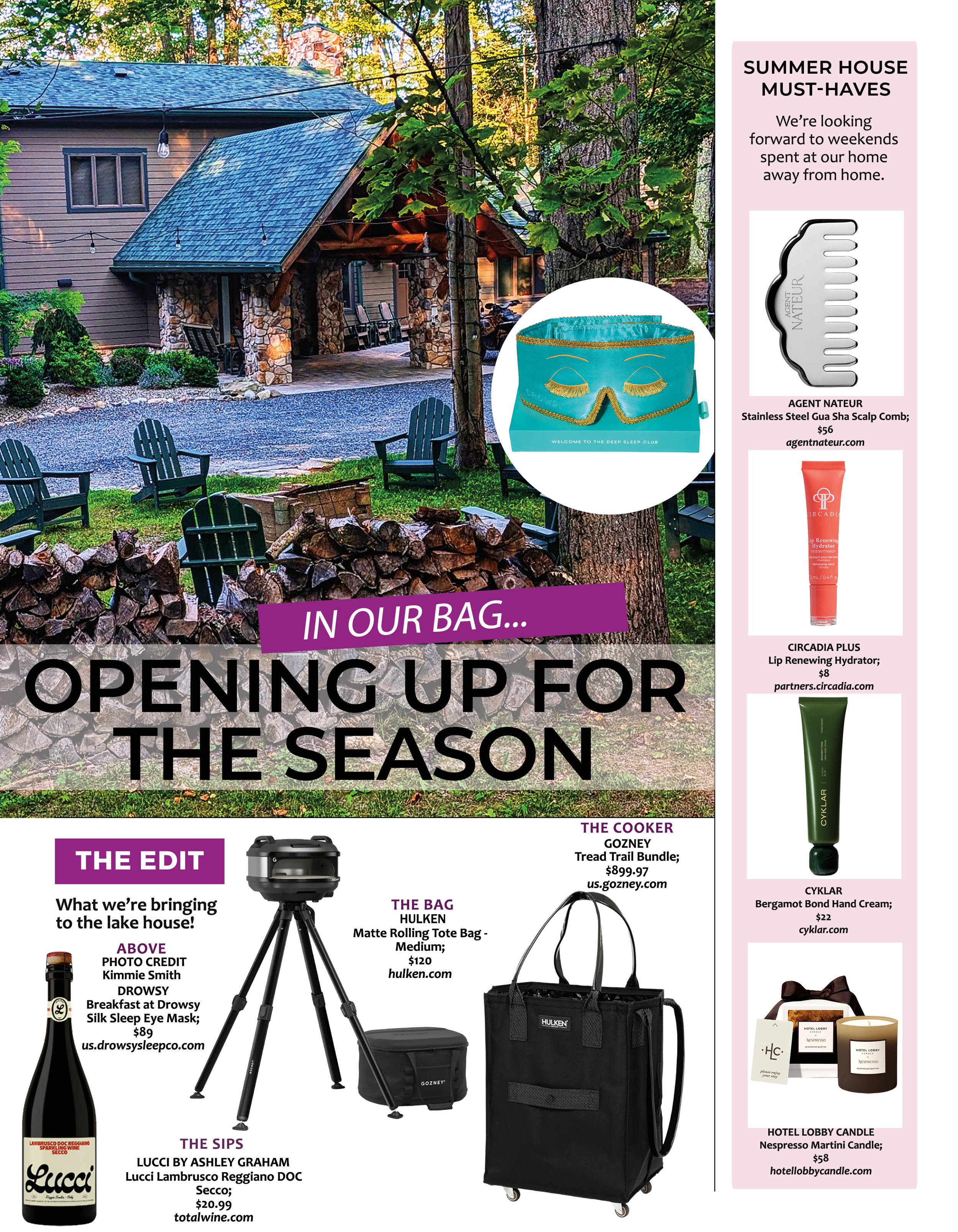
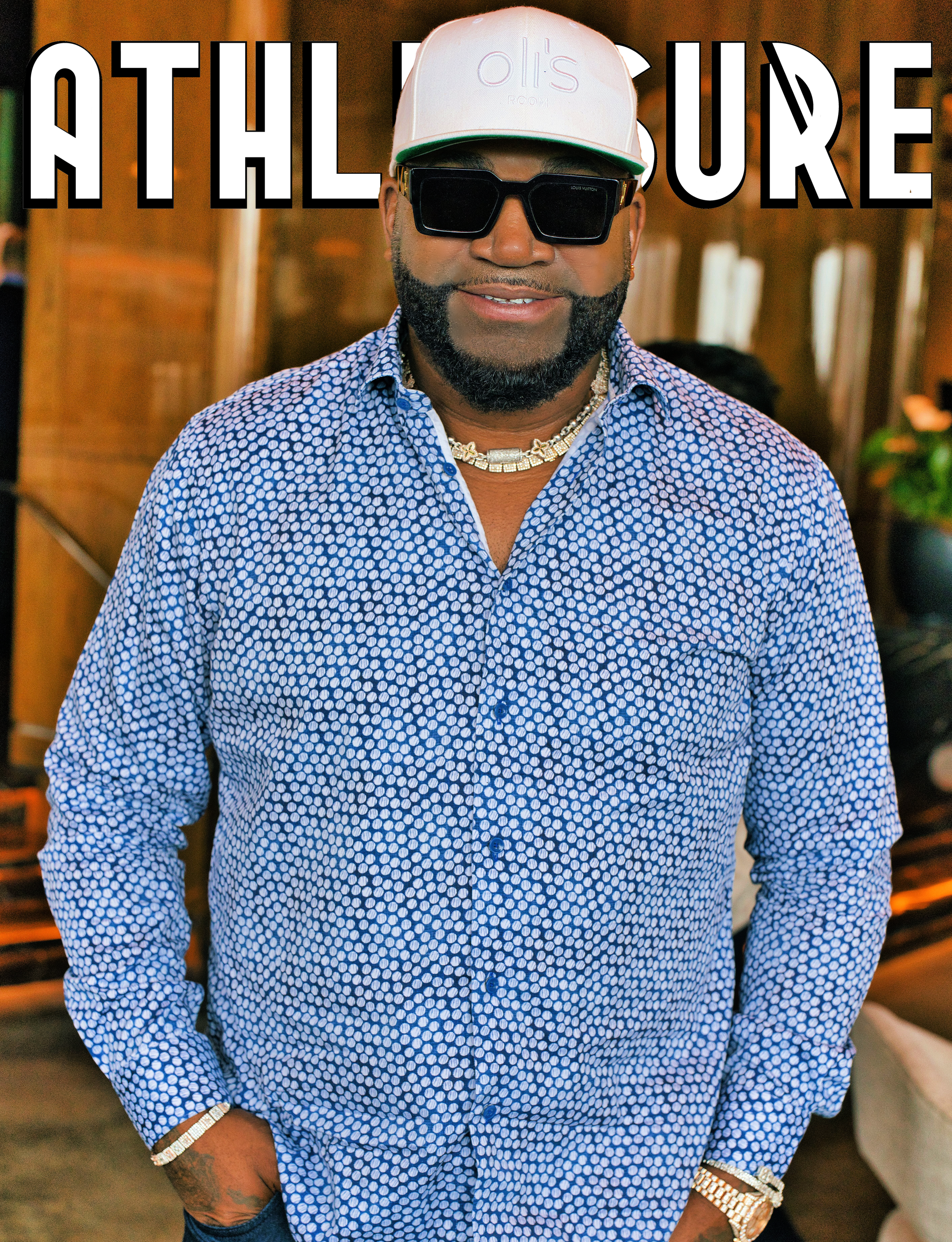
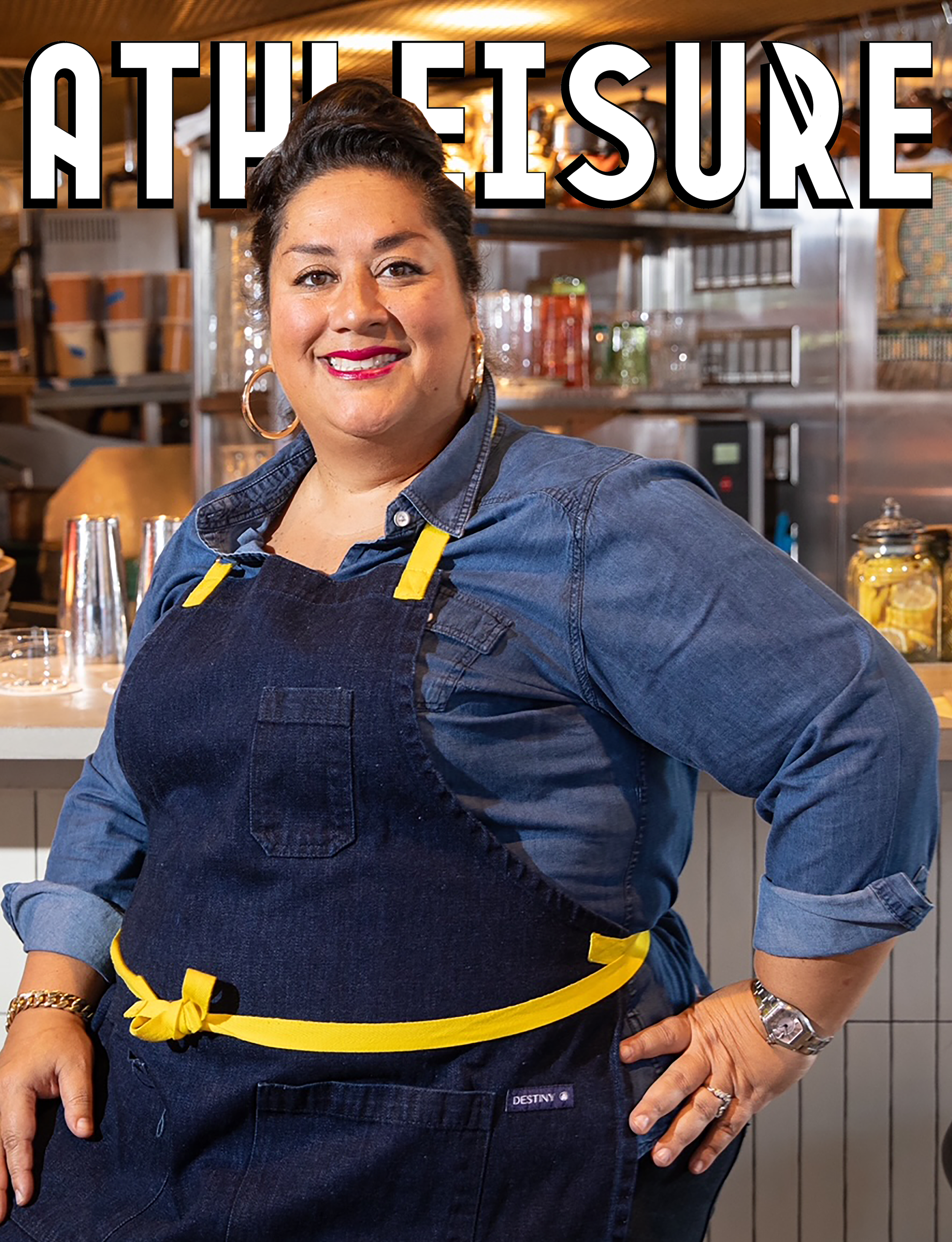
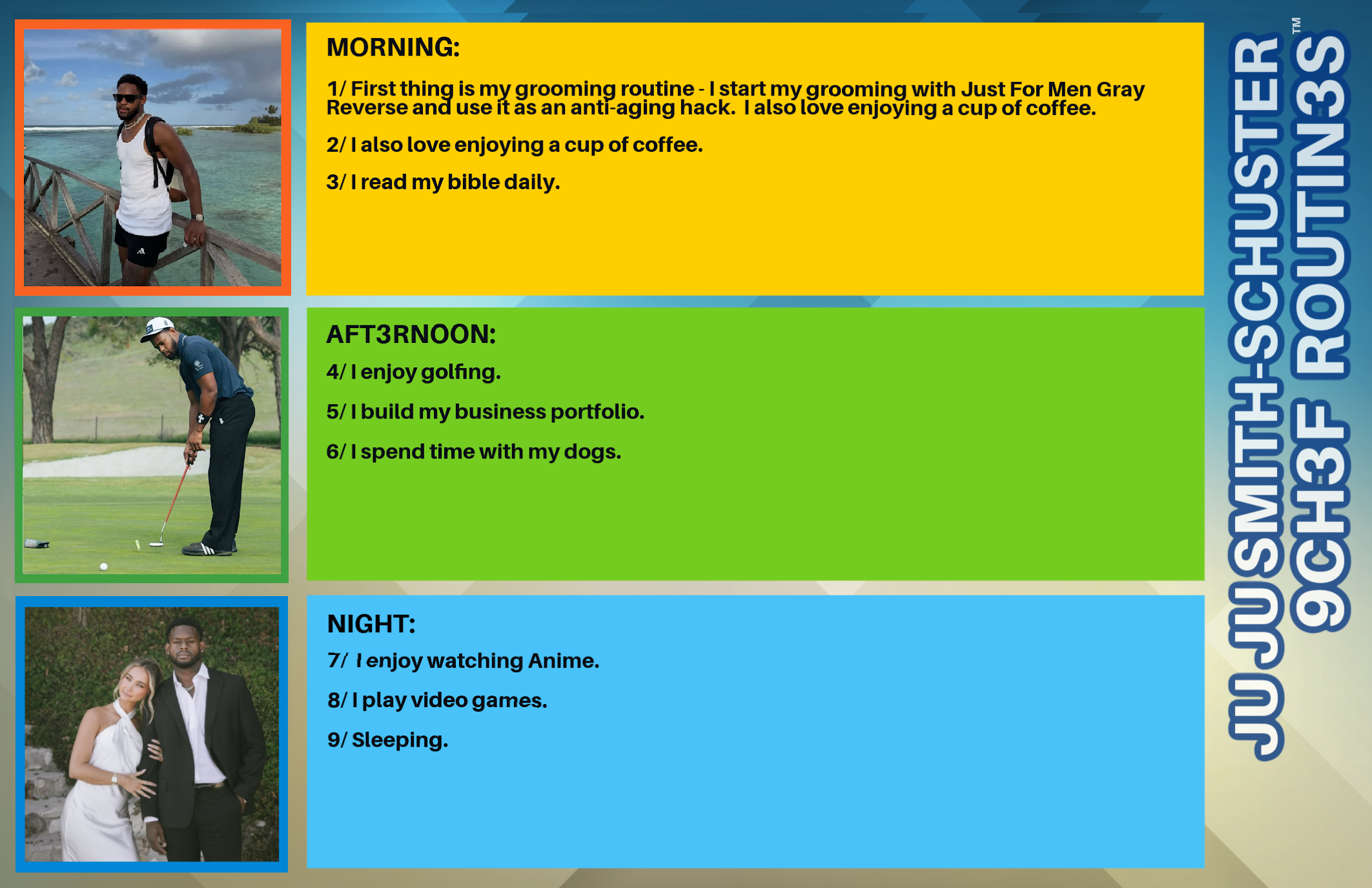
Read the JUN ISSUE #126 of Athleisure Mag and see #TRIBEGOALS in mag.
The Latest

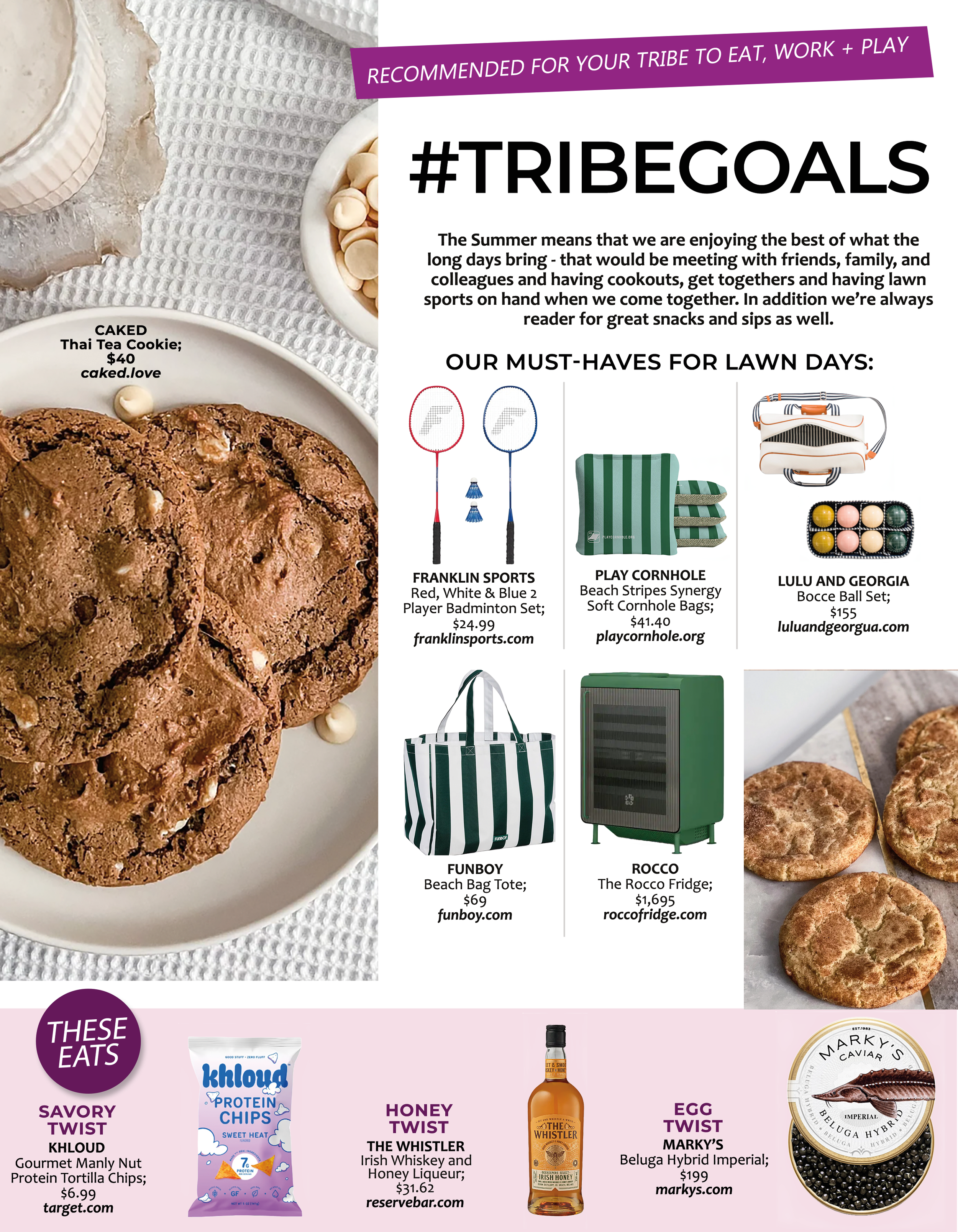
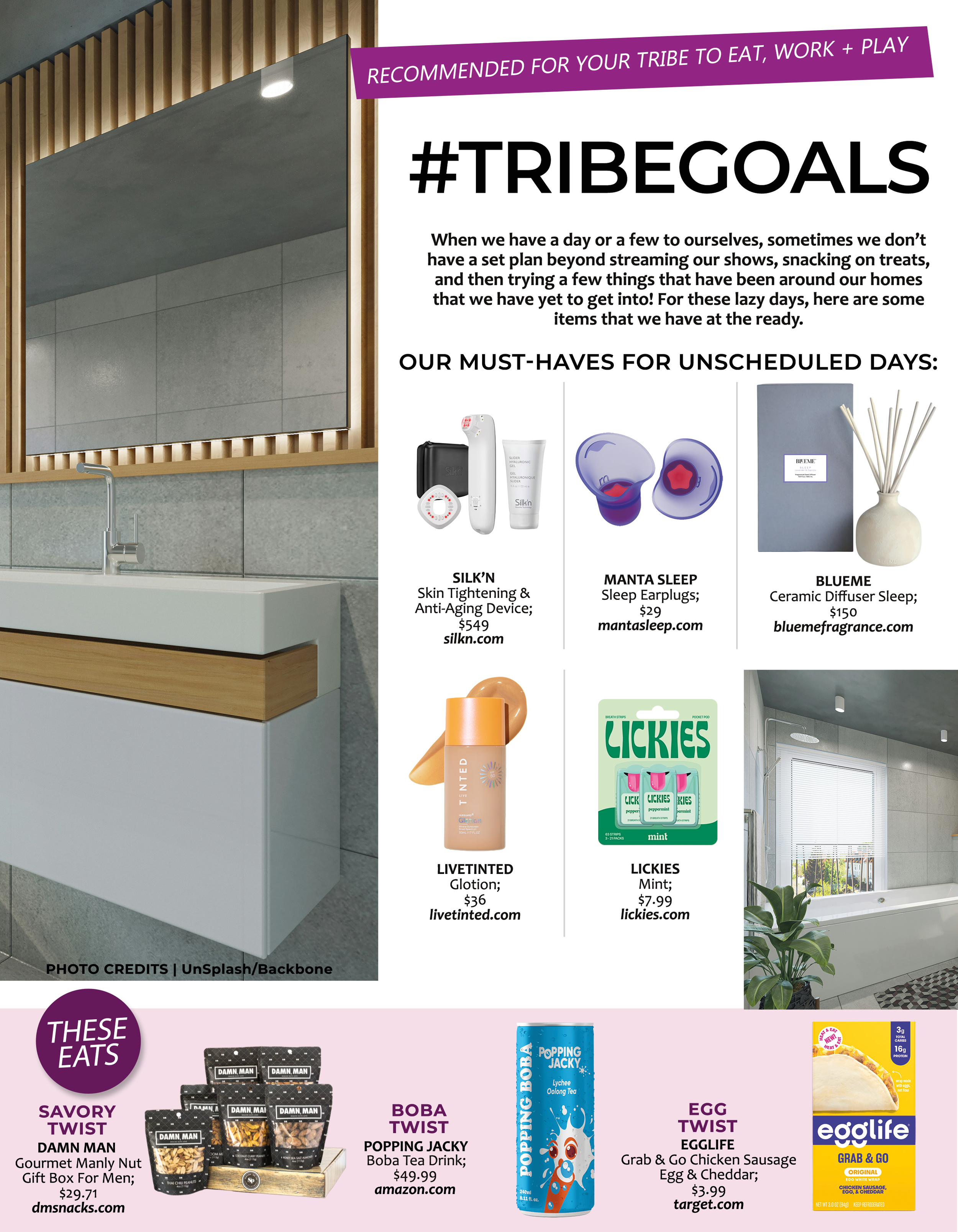

Read the JUN ISSUE #126 of Athleisure Mag and see #TRIBEGOALS in mag.
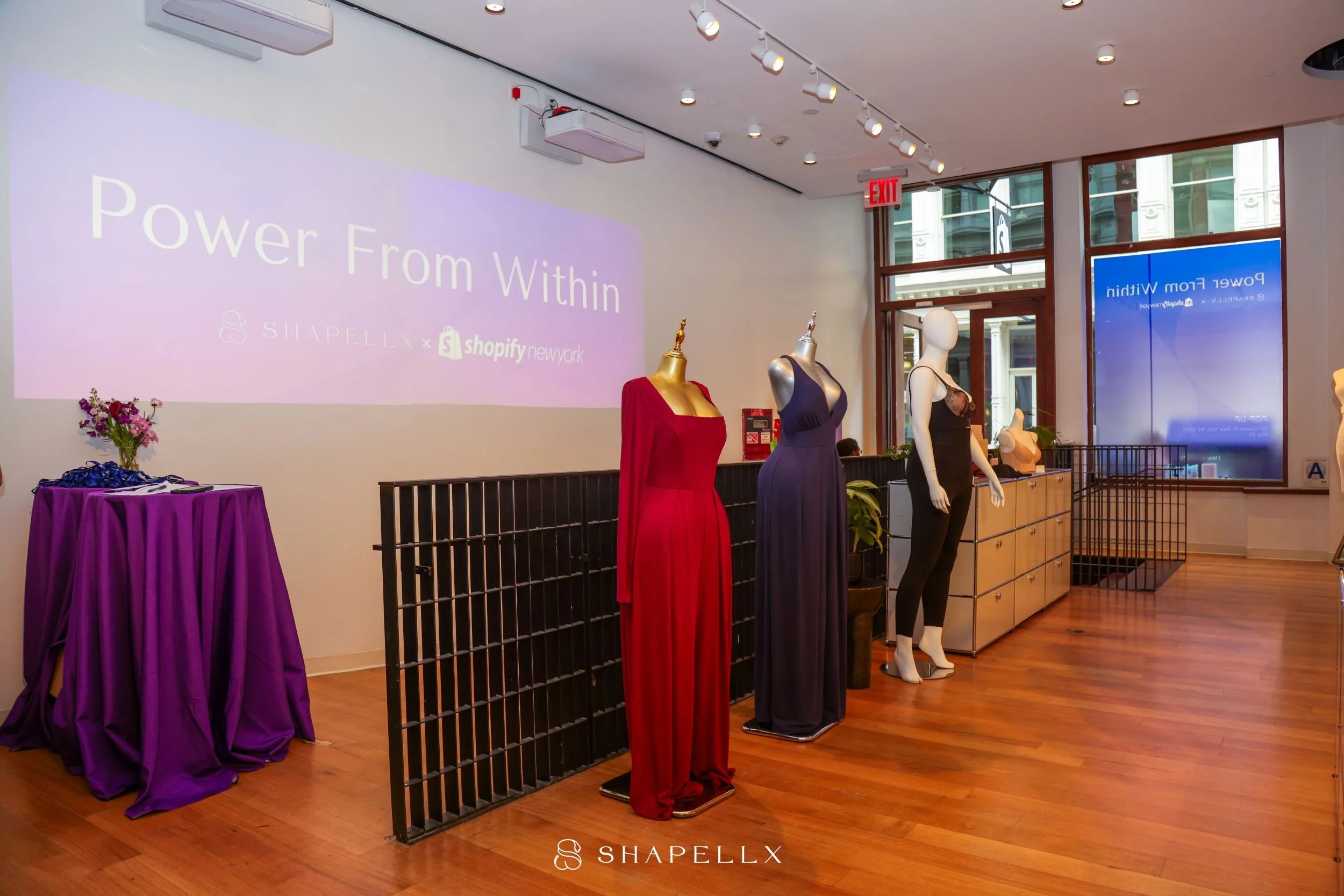
PHOTOGRAPHY COURTESY | SHAPELLX
Inside the event space, Shapellx presented its new arrivals and best sellers in a dedicated showcase, while the panel conversation focused on women’s professional journeys and the broader idea of confidence-building through experience, community, and personal development. Together, the event reflected a shared perspective: confidence is not only shaped by what women wear. It is also shaped by the invisible foundation that helps them stand taller, move with ease, and express strength from the inside out.
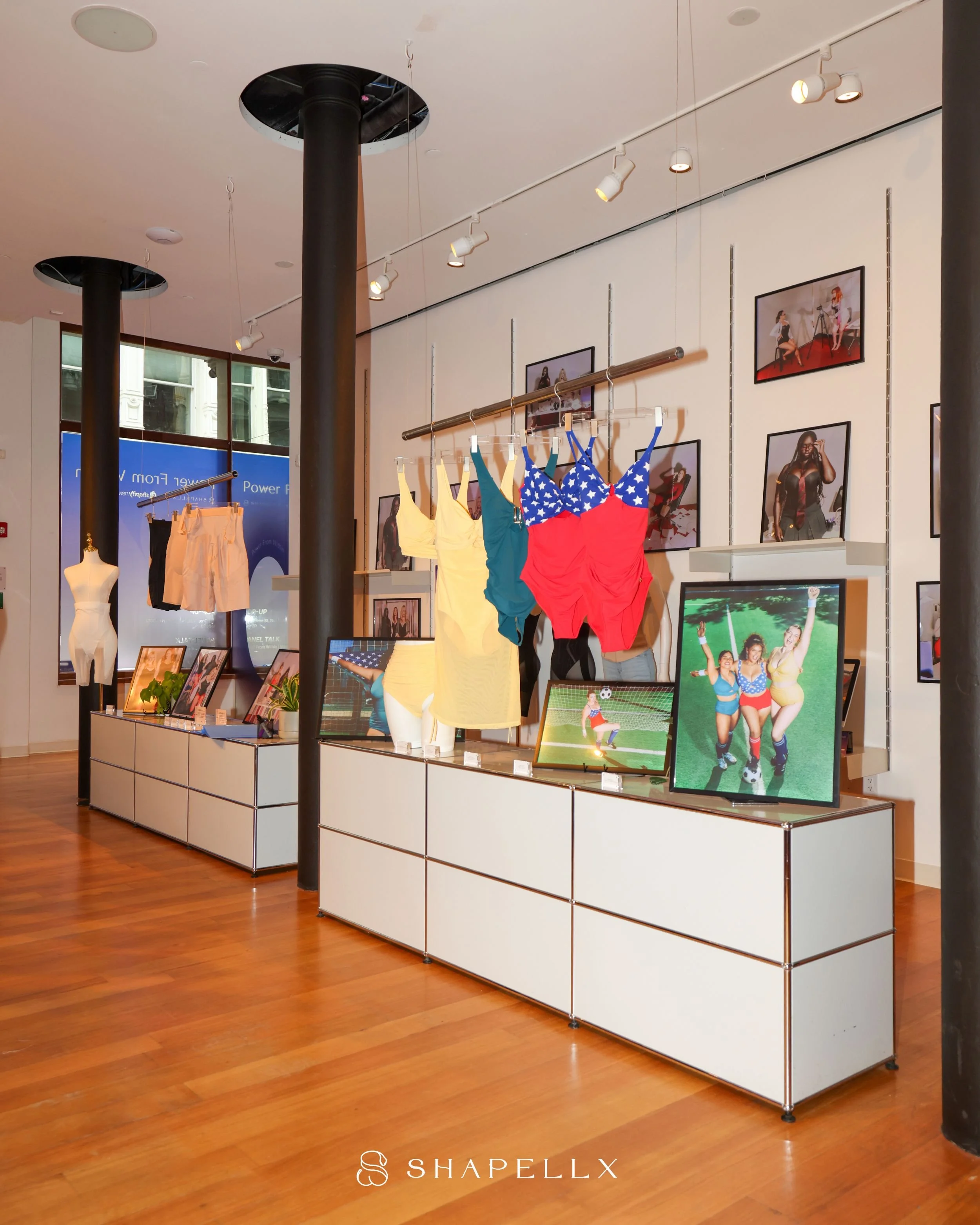
PHOTOGRAPHY COURTESY | SHAPELLX
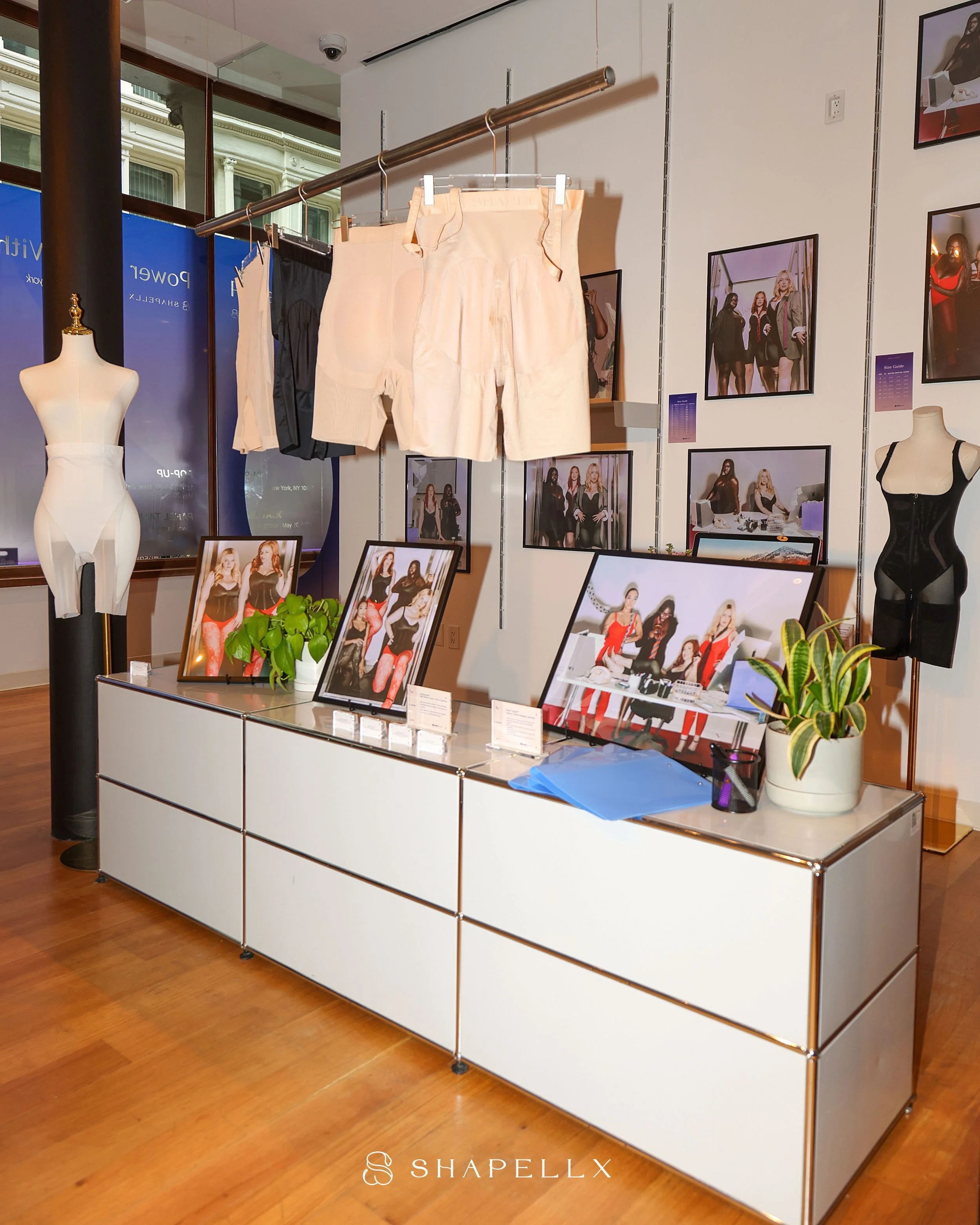
PHOTOGRAPHY COURTESY | SHAPELLX
That perspective is deeply embedded in Shapellx’s product philosophy. Since its founding in 2019, the brand has operated around a clear observation: effective shapewear should not require women to sacrifice comfort. Instead of treating shaping performance and wearability as separate priorities, Shapellx has built its design language around integrating both. This is reflected in signature product functions developed across its collections, including Shapellx’s tummy control design approach, back-smoothing construction, breathable fabrics, and supportive structures that balance shaping with all-day comfort.
This approach reflects a broader shift in the shapewear category. For years, shapewear was primarily associated with maximum compression and occasion-based dressing. Today, more consumers are integrating shaping pieces into everyday wardrobes. Shapellx’s tummy-control bodysuits and back-smoothing bras are increasingly worn across work, travel, and lifestyle contexts, reflecting how these functional features have moved from occasional solutions to everyday essentials. Rather than prioritizing stronger compression, consumers are increasingly focused on flexibility, breathability, and long-term comfort.
As expectations evolve, so does the way brands develop products. At Shapellx, product decisions are shaped by continuous customer feedback rather than seasonal trend cycles. The brand regularly gathers insights on fit, movement, fabric feel, and all-day wearability, using real-world input to refine future collections. This ensures that innovation is guided by how garments perform in everyday life, not just how they appear in trend forecasts.
In just six years, Shapellx has built a community of over 8 million users. The brand has quickly established itself through functional innovation, fashion-forward design, and recognizable colorways that resonate with a growing audience. Rather than treating shapewear as a tool for transformation, it continues to position its products as part of everyday dressing—supportive, adaptable, and designed to move with the wearer.
As Shapellx’s VP Shane Shi noted, “We’re not here to redefine women’s bodies, but to support how they move through everyday life.” That philosophy continues to guide the brand’s design approach, where features such as tummy control, back smoothing, breathable support, and versatile wearability are not framed as transformation tools, but as part of everyday functionality.
Wellness has become a broader concept than simply eating well or exercising regularly. Today, conversations about well-being often include sleep quality, stress management, emotional resilience, and the importance of creating routines that support long-term health.
As laws surrounding cannabis continue to evolve in many regions, the plant has also become part of these wider discussions. Rather than viewing cannabis solely through a recreational or legal lens, many adults are interested in understanding how it fits into conversations about self-care, mindful living, and informed personal choices.
This shift has encouraged more balanced discussions centered on education rather than assumptions. While cannabis is not a substitute for professional medical advice or treatment, its growing acceptance has inspired people to learn more about cultivation, different cannabis varieties, and the importance of understanding what they choose to consume.
The result is a more thoughtful conversation that values knowledge, responsibility, and personal accountability.
The way people approach wellness has changed significantly over the past decade. Instead of searching for a single solution, many now build routines that reflect their individual goals, lifestyles, and preferences.
A balanced approach may include regular exercise, nutritious meals, quality sleep, stress management, and hobbies that contribute to overall well-being.
Cannabis has entered these conversations because attitudes are changing alongside legal reforms. Adults who are legally able to access cannabis are increasingly interested in understanding it from an educational perspective instead of relying on outdated stereotypes.
Several factors have contributed to this shift:
● Greater access to educational information
● Increased interest in plant-based lifestyles
● More open discussions about responsible cannabis use
● A stronger focus on making informed personal decisions
These developments encourage people to ask thoughtful questions and consider how cannabis fits within a wider picture of wellness rather than viewing it as an isolated topic.
One reason wellness conversations have become more productive is that people are taking time to understand cannabis itself. Instead of assuming every cannabis product or strain offers the same characteristics, consumers are learning about genetics, cultivation practices, and the differences between individual varieties.
Education plays an important role because cannabis is not a one-size-fits-all plant. Different strains are associated with different characteristics, aromas, flavors, and growing requirements. People interested in legal home cultivation often spend considerable time researching before selecting seeds.
Grower's Choice Seeds is one company that provides information on cannabis genetics alongside its seed offerings. For many adults, learning about cultivation becomes part of understanding the plant itself, encouraging a more informed perspective than simply purchasing a finished product without knowing its background.
Learning about cannabis from an agricultural standpoint also highlights the work involved in producing quality plants, from selecting genetics to maintaining proper growing conditions throughout the cultivation process.
Responsible decision-making begins with reliable information. Whether someone is interested in growing cannabis legally or simply wants to understand different varieties, education provides the foundation for making informed choices.
Cultivation involves much more than planting a seed. Growers often consider climate, available space, growing methods, legal requirements, and the characteristics of different genetics before beginning.
Taking time to research these factors helps avoid unrealistic expectations while encouraging responsible practices.
For readers who want to learn more about specific cannabis genetics, resources available through growerschoiceseeds.us provide information about individual seed varieties that can help explain how genetics differ from one strain to another.
Educational resources like these allow adults to better understand the cultivation side of cannabis while remaining aware of applicable local laws. The more informed people become, the easier it is to move wellness conversations away from myths and toward practical knowledge.
As cannabis becomes more visible within wellness discussions, it is important to keep the conversation balanced. No product, routine, or supplement can replace the fundamentals that support overall health. Healthy lifestyles continue to rely on habits such as:
● Regular Physical Activity: Exercise supports strength, mobility, cardiovascular health, and overall fitness. Finding enjoyable forms of movement often makes consistency easier.
● Quality Sleep: Maintaining regular sleeping habits gives the body and mind an opportunity to recover from daily demands.
● Nutritious Eating: Balanced meals provide the energy needed for work, exercise, and everyday activities while supporting long-term health.
● Stress Management: Reading, meditation, spending time outdoors, creative hobbies, and meaningful social connections all contribute to emotional well-being.
Cannabis discussions are most productive when they take place within this broader wellness framework instead of presenting the plant as a shortcut to better health.
One of the most positive developments surrounding legal cannabis is the willingness to discuss it openly. Honest conversations help replace misinformation with practical education and encourage adults to make thoughtful decisions that align with both their personal goals and local regulations.
These discussions involve more than consumers. Healthcare professionals, educators, policymakers, researchers, fitness enthusiasts, and cultivators all contribute different perspectives that help create a more complete understanding of cannabis.
Grower's Choice Seeds represents one part of this wider educational landscape by helping adults interested in legal cultivation learn more about cannabis genetics and seed selection. Resources that explain the characteristics of different varieties encourage curiosity and informed learning rather than assumptions.
Open dialogue also makes it easier to acknowledge that cannabis may not be appropriate for everyone. Personal circumstances, health considerations, and local laws all influence individual decisions. Recognizing these differences helps keep wellness conversations respectful and grounded in personal responsibility rather than broad generalizations.
Wellness continues to evolve as people seek approaches that reflect their own lifestyles, priorities, and values. Legal cannabis has naturally become part of these conversations because many adults want to better understand where it fits alongside nutrition, fitness, recovery, and mindful living.
The most productive discussions focus on education, responsible decision-making, and realistic expectations. Learning about cannabis genetics, cultivation practices, and legal responsibilities allows individuals to approach the subject with greater confidence while avoiding common misconceptions.
As wellness continues to emphasize informed choices over trends, thoughtful conversations about cannabis are likely to remain an important part of the wider discussion. By staying informed, respecting local laws, and remembering that lasting well-being is built on consistent healthy habits, individuals can make decisions that reflect their own goals while contributing to a more balanced and informed conversation.

PHOTO CREDIT | Unsplash/Samantha Gades
State bar discipline can threaten a lawyer’s license, reputation, income, and right to keep serving clients. A complaint may arrive quietly, yet each early decision can affect the final result. Attorneys benefit from knowing how intake, investigation, charges, settlements, hearings, sanctions, and reinstatement usually work. Careful records, measured responses, and timely guidance help protect legal rights while honoring cooperation duties imposed by licensing authorities.
A first notice from disciplinary staff deserves prompt attention, even when the accusation appears thin. Many lawyers review attorney discipline and state bar defense before responding, because the initial answer can shape intake, evidence requests, and staff impressions. Guidance may clarify privilege, deadlines, factual gaps, and exposure before a position becomes difficult to correct.
Intake staff usually decide whether the grievance describes conduct within the bar authority. Common claims involve client funds, missed deadlines, poor communication, criminal charges, dishonesty, trust accounting, or fees. Some files close after a written explanation. Others advance when documents, witness accounts, or the lawyer’s response suggest facts needing closer review.
Most bars expect lawyers to cooperate with disciplinary inquiries. That duty does not require careless disclosure. Attorneys may preserve privilege, assert procedural protections, and decline unsupported admissions. A useful response answers the request, adds necessary context, and avoids guesswork. Delay, silence, or anger can create new violations apart from the original complaint.
Investigators may request client files, bank records, calendars, messages, fee agreements, court papers, or communication logs. They may interview complainants, staff, opposing counsel, judges, or financial institutions. Lawyers should organize materials before producing anything. A clear chronology can show diligence, intent, communication efforts, and corrective action after an error came to light.
Discipline matters often depend more on documents than memory. Trust ledgers, invoices, engagement letters, closing letters, and email chains can narrow disputed facts. Missing records may create concern, even without proven harm. Attorneys should preserve files early, pause routine deletion, and keep copies of every response submitted to bar staff.
After investigation, disciplinary counsel may dismiss the matter, issue a warning, offer diversion, propose a settlement, or file formal charges. Proof, harm, prior record, intent, restitution, candor, and remedial steps often drive that choice. Early mitigation can help. Repayment, training, corrected office systems, counseling, or supervision may reduce risk in appropriate cases.
Sanctions differ by jurisdiction and facts. Possible outcomes include private reproval, public reproval, probation, suspension, disbarment, restitution, a referral to fee arbitration, ethics school, trust accounting conditions, or monitoring. Aggravating facts can increase discipline. Prior misconduct, client injury, concealment, bad faith, or refusal to cooperate usually worsens the analysis.
Many cases resolve before hearing through stipulated discipline or negotiated conditions. Settlement may lower costs, uncertainty, and public strain. Still, attorneys should examine every term carefully. Admissions, factual recitals, probation duties, reporting rules, and future violation triggers may carry lasting effects. A rushed agreement can create obligations harder than expected.
Formal hearings resemble trials, though the rules may differ from those in civil court. Disciplinary counsel presents evidence, calls witnesses, and argues for a sanction. The attorney may challenge proof, present mitigation, and offer character evidence. Preparation should include exhibit lists, witness outlines, objections, and a focused theory explaining what happened.
Bars usually must prove misconduct under the governing standard, often clear and convincing evidence. Attorneys should know the burden before the hearing. The defense should address facts that matter under ethics rules, rather than every detail that feels unfair.
Criminal charges can trigger reporting duties, interim restrictions, or discipline. Even misdemeanors may matter if they involve dishonesty, violence, substance use, client harm, or interference with justice. Lawyers should coordinate criminal defense with license defense. Statements in one forum may affect the other, so timing and wording need careful control.
Applicants and lawyers may face questions about disclosures, past convictions, financial responsibility, academic discipline, or employment history. In California, a moral character review can include informal conferences and appeal rights after an unfavorable decision. Full, accurate disclosure is usually safer than minimization. Rehabilitation proof should be current, organized, and tied to the concern raised.
Disbarred or resigned attorneys may later seek reinstatement if rules allow. Petitions often require proof of rehabilitation, present moral fitness, legal learning, professional responsibility, knowledge, and compliance with prior orders. Waiting periods may apply. Strong filings include records, references, education, community service, proof of treatment, and a candid account of past misconduct.
A disciplined response starts with calendar control. Attorneys should note every deadline, gather the client file, preserve financial records, prepare a chronology, avoid contact that could be perceived as coercive, and review insurance notice duties. They should also separate emotional reaction from legal strategy. A measured tone often helps more than a defensive one.
State bar discipline is more than an administrative problem. It can decide whether a lawyer continues to practice, faces public sanctions, or later must rebuild a career through reinstatement. Attorneys should respond early, preserve evidence, respect cooperation duties, and seek informed guidance before making admissions or missing deadlines. With organized records and careful strategy, many matters can be narrowed, resolved, or defended with stronger control.

PHOTO CREDIT | Unsplash/Adi Goldstein
Children develop through speech, movement, attention, sleep, feeding, play, and relationships. Progress can look uneven, even within the same week. One toddler may know letters yet panic during transitions. Another may climb confidently but struggle to answer simple questions. Families usually notice these patterns first. A developmental evaluation integrates those observations with clinical data, so caregivers, educators, and clinicians can respond with care during the years when support has the greatest impact.
Milestone charts are useful, but they cannot explain why a preschooler loses speech under stress, avoids touch, or melts down after routine changes. A comprehensive developmental evaluation for children combines caregiver history, direct observation, standardized measures, and setting-based reports, providing clinicians with sufficient evidence to distinguish passing variation from needs that call for coordinated support.
One visible concern may come from several systems. Delayed speech can involve hearing, oral-motor planning, attention, language processing, or social communication. Hitting may signal pain, sensory overload, fatigue, or limited coping tools. Broad assessment reduces premature labels. It also helps clinicians match goals to the reason behind behavior, rather than treating only what adults see.
A thorough review often includes prenatal history, birth details, medical records, timing of milestones, sleep and feeding, family concerns, and school input. Direct observation may examine language, play, problem solving, motor planning, sensory responses, attention, and emotional regulation. Some measures assess adaptive skills, such as dressing or toileting. Others look at peer interaction and learning readiness. Together, results show daily functioning across settings.
Clinical judgment improves when paired with measurable findings. Results can show which skills are independent, which require prompts, and which are still emerging. That information supports practical goals, such as requesting help, following directions, tolerating change, or joining peer play. Repeated measurement also shows whether therapy is working, needs adjustment, or should focus on a different barrier.
Parents and caregivers often describe patterns with impressive detail. Still, they may not have shared clinical terms for those observations. An evaluation can turn daily examples into precise language. Dressing refusal may reflect tactile sensitivity. Group-time distress may involve auditory load. Instruction breakdowns may point to a receptive language delay. Clear wording helps families communicate with physicians, therapists, teachers, and relatives.
Classroom teams need more than a list of concerns. Assessment findings can guide visual schedules, shorter instructions, sensory breaks, communication supports, seating changes, or structured peer activities. Reports may also support decisions about formal school services. When educators know how a child processes information, they can reduce avoidable stress while preserving learning, participation, and dignity.
Developmental delays can affect confidence before adults recognize the pattern. A child who cannot explain needs may receive constant correction. Another may withdraw after repeated social failures. Evaluation helps adults respond earlier with instruction, structure, and compassion. Support based on need, rather than blame, protects self-worth and gives children more successful practice during ordinary routines.
Some evaluations identify autism, attention differences, learning disorders, speech delay, intellectual disability, or motor concerns. Others rule out suspected conditions and point to sleep, anxiety, sensory needs, or environmental mismatch. Both outcomes have value. A diagnosis may improve access to services. A non-diagnostic profile can still provide useful guidance. The central purpose is clinical clarity.
Recommendations matter most when they fit meals, bedtime, school arrival, hygiene, play, and community outings. Families need steps that align with their time, energy, and resources. A strong report translates test findings into actionable routines, such as practicing one communication request during snack time or rehearsing transitions before leaving home. Small, repeated moments can strengthen regulation, language, and independence.
Children change quickly, especially during early childhood. A plan that fits age two may miss the demands of kindergarten. Reassessment can measure gains, adjust goals, and identify new concerns as language, peer interaction, and learning expectations increase. It can also show when support should fade. Updated data keeps care aligned with current development, rather than past assumptions.
Comprehensive developmental evaluations matter because they convert scattered concerns into organized clinical guidance. They honor strengths while identifying needs that deserve support. Families receive clearer next steps, schools gain practical direction, and clinicians can plan from evidence rather than guesswork. Early answers do not define a child’s future. They help adults respond with skill, patience, and steady care, making daily routines safer, calmer, and more successful.

PHOTO CREDIT | Unsplash/Beatriz Pérez Moya
A wrongful death case often starts after a fatal crash, medical mistake, unsafe property event, jobsite incident, or violent act. Grieving relatives may face funeral invoices, income loss, and urgent paperwork within days. Clear guidance matters because early choices can shape the claim for months. Records can disappear, witness recall can weaken, and insurers may seek statements before families have a full picture of what happened.
State statutes decide which relatives can bring a wrongful death claim. In many cases, a spouse, child, parent, or personal representative has priority. After a sudden loss, it is normal to speak with a wrongful death attorney. Los Angeles residents can seek their expertise to check if they have a case, preserve important documents, and avoid filing mistakes. Local rules matter because eligibility, damage limits, and notice deadlines can differ from one court to another.
Most claims rest on four points. First, a death occurred. Next, another party breached a duty of care through careless, reckless, or unlawful conduct. Then, that breach must be tied directly to the fatal injury. Last, surviving relatives must show a measurable loss. Medical charts, scene evidence, witness accounts, and expert review often supply the proof.
Every state sets a filing period, and missing it can end an otherwise valid case. Some exceptions exist for minors, delayed discovery, or public entities, though those rules are narrow. Families should confirm the deadline early because separate notice requirements may apply before any lawsuit begins. A short delay can close the courthouse door before the facts are fully gathered.
Critical proof may vanish within days. Surveillance video can be overwritten, vehicle data can be lost, and damaged property may be repaired or discarded. Human memory also changes fast after trauma. Early preservation letters can help secure key materials before they are routinely deleted. A prompt record request often makes later reconstruction far more accurate and persuasive.
Compensation can include funeral expenses, lost wages, lost future support, and the value of household labor once provided by the deceased. Some states also allow recovery for lost companionship, guidance, and care. In rare cases involving extreme misconduct, punitive damages may be available. Each category depends on local statute, so families should separate financial loss from personal harm.
A wrongful death claim is distinct from a survival action. The family case addresses losses suffered by relatives after the death. The estate action seeks damages that the deceased could have pursued before passing. That may include medical bills, lost earnings during treatment, or property damage. Both paths can arise from the same event, yet each follows separate procedural rules.
Insurers often reach out soon after a fatal event. Adjusters may ask for recorded statements, broad medical releases, or a quick settlement. Those requests can seem routine during grief, especially as expenses rise. Still, an early signature may waive substantial rights. Families should review every document carefully before accepting payment or discussing fault in detail.
A claim may still proceed even if the deceased carried part of the blame. Many states reduce damages by the decedent's share of responsibility. That issue appears often in traffic collisions, unsafe premises cases, and certain workplace incidents. Defense teams may stress comparative fault early, so strong timelines, expert analysis, and physical evidence become especially important.
Useful records include the death certificate, medical invoices, wage statements, tax returns, insurance policies, and funeral receipts. Photographs, text messages, and witness names can also help. If a crash caused the death, towing reports, repair records, and electronic data may matter. Organized files reduce confusion later and allow lawyers, accountants, and experts to assess loss more accurately.
Most wrongful death claims resolve before trial, though serious preparation still matters from the first week. A well-supported case often improves settlement talks because the defense can clearly see the exposure. If offers remain too low, a trial may become necessary. Families should ask about timing, expert expense, and appeal risk before choosing whether to settle or proceed.
Wrongful death litigation asks bereaved relatives to make legal and financial decisions while grief is still acute. A careful approach can preserve proof, identify the proper claimant, and place a realistic value on lost support and companionship. Deadlines, causation, and state law usually matter more than emotion alone. Families who gather records early and seek clear legal guidance are better positioned for a fair outcome.
After an injury, people often expect the claim process to be simple. Medical bills, lost income, repair costs, and insurer calls can change that view rapidly. Early legal advice helps injured people protect facts, avoid rushed choices, and measure losses with more accuracy. A claim may look straightforward at first, yet small mistakes can reduce payment, weaken proof, or delay closure for months.
Soon after a crash or fall, evidence can fade, witnesses can forget details, and insurers can shape the conversation. During that fragile stage, Keller & Keller New Mexico personal injury legal advice can help injured people preserve records, track treatment, and respond carefully to requests. Legal input at this point supports clear decisions before a claim takes a direction that is hard to correct later.
Insurance carriers aim to control payouts. Adjusters may ask for broad statements, quick signatures, or early settlement talks before treatment is complete. Legal advice gives injured people a buffer between pressure and response. That support helps prevent comments that can be used to question fault, symptoms, or the need for future care.
A personal injury claim can include more than emergency room charges. Lost wages, follow-up care, therapy, pain, and reduced daily function may all affect value. Without legal review, injured people may count only obvious expenses. That narrow view can leave major losses unpaid, even though those harms shape recovery long after the accident date.
Many claims hinge on fault. A driver, property owner, employer, or product maker may each hold part of the blame. Legal counsel can sort records, photos, reports, and witness accounts to build a stronger picture of what happened. That work matters because partial fault arguments often become a common way to cut compensation.
Every claim moves under filing limits, notice rules, and document demands. Missing one date can damage a case, even where injuries are serious. Legal advice helps injured people act within the right time frame and keep paperwork organized. A steady process reduces the chance that an avoidable filing problem will block a fair result.
Treatment notes tell an important story, but records alone may not show the full impact of an injury. A short chart entry can miss sleep loss, missed work, or limits at home. Legal guidance helps connect medical proof with daily effects. That fuller record makes a claim easier to evaluate during talks or court review.
An early settlement may sound helpful while bills are rising. Still, a fast payment can close the claim before the full medical picture appears. Some injuries worsen over time, and future care can be expensive. Legal review helps injured people compare a short-term offer with the likely total cost of recovery.
Claim files are built through phone calls, emails, forms, and recorded statements. Casual wording can create doubt where none should exist. Legal advice helps people answer truthfully while staying precise. That balance matters because one vague comment about pain, speed, or prior health can become a major point during settlement talks.
Each injury claim has pressure points. Some need accident reconstruction. Others depend on work records, expert opinion, or long-term care estimates. Legal counsel helps determine which evidence is most persuasive. A planned approach saves time, avoids weak arguments, and gives the injured person a clearer path through each stage of the process.
Most personal injury claims settle before trial, yet trial readiness still matters. Insurers often study whether a case is organized, documented, and ready for court. Legal advice helps create that posture early. A claim backed by solid proof and credible preparation may receive more serious attention during negotiation than one built in a hurry.
Injured people are often dealing with pain, family stress, missed routines, and money worries at the same time. Those pressures can lead to rushed choices. Legal counsel provides structure during an unstable period. With better guidance, people can focus more on care and less on guessing what a form, call, or offer may mean.
Seeking legal advice after a personal injury claim is less about conflict and more about protection. It helps injured people preserve proof, value losses, meet deadlines, and respond wisely to insurer tactics. A claim can affect health, income, and daily life for a long time. Clear legal guidance gives people a stronger chance to pursue fair compensation without avoidable errors shaping the outcome.
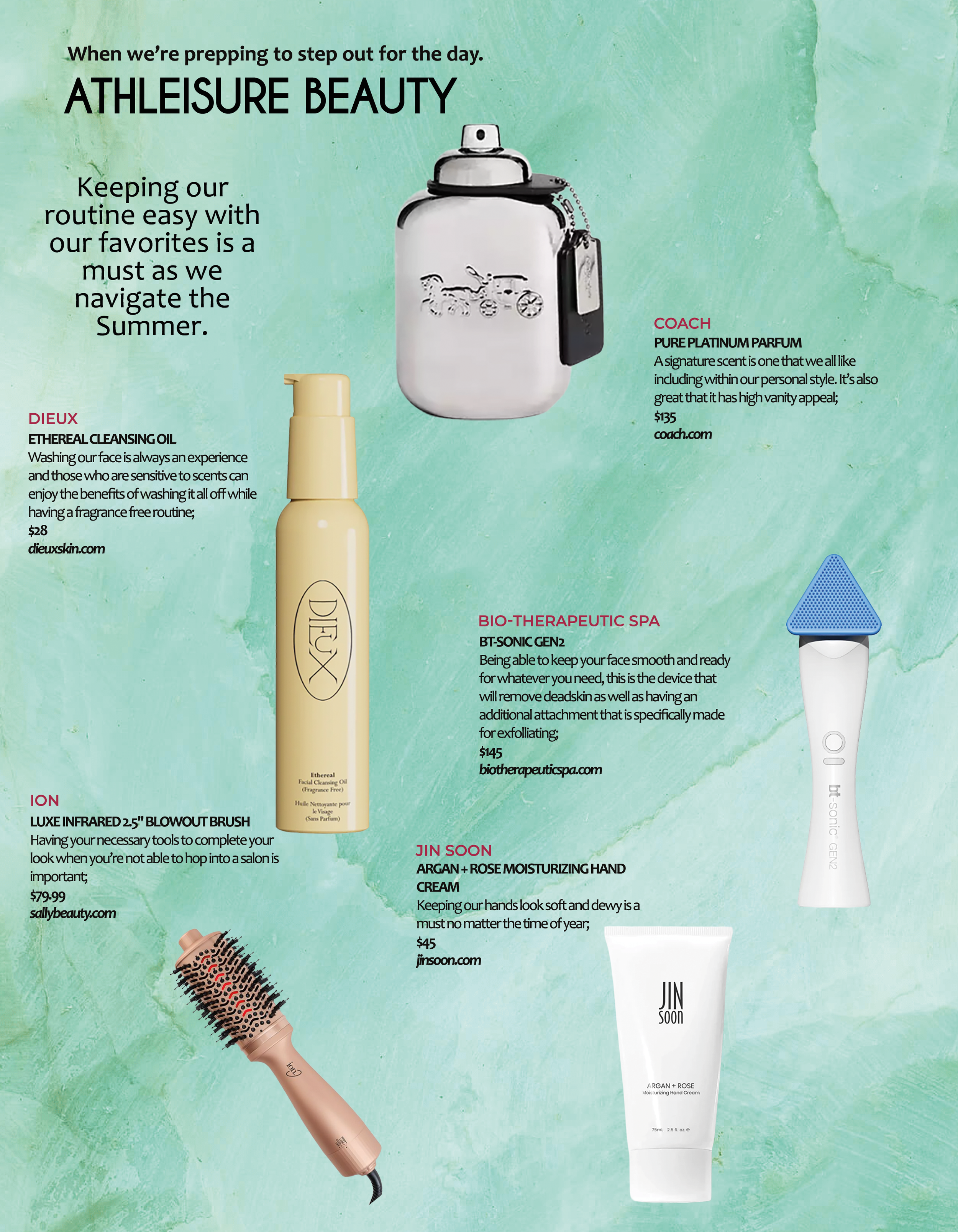
Read the JUN ISSUE #126 of Athleisure Mag and see ATHLEISURE BEAUTY in mag.

Read the JUN ISSUE #126 of Athleisure Mag and see THE 9LIST in mag.
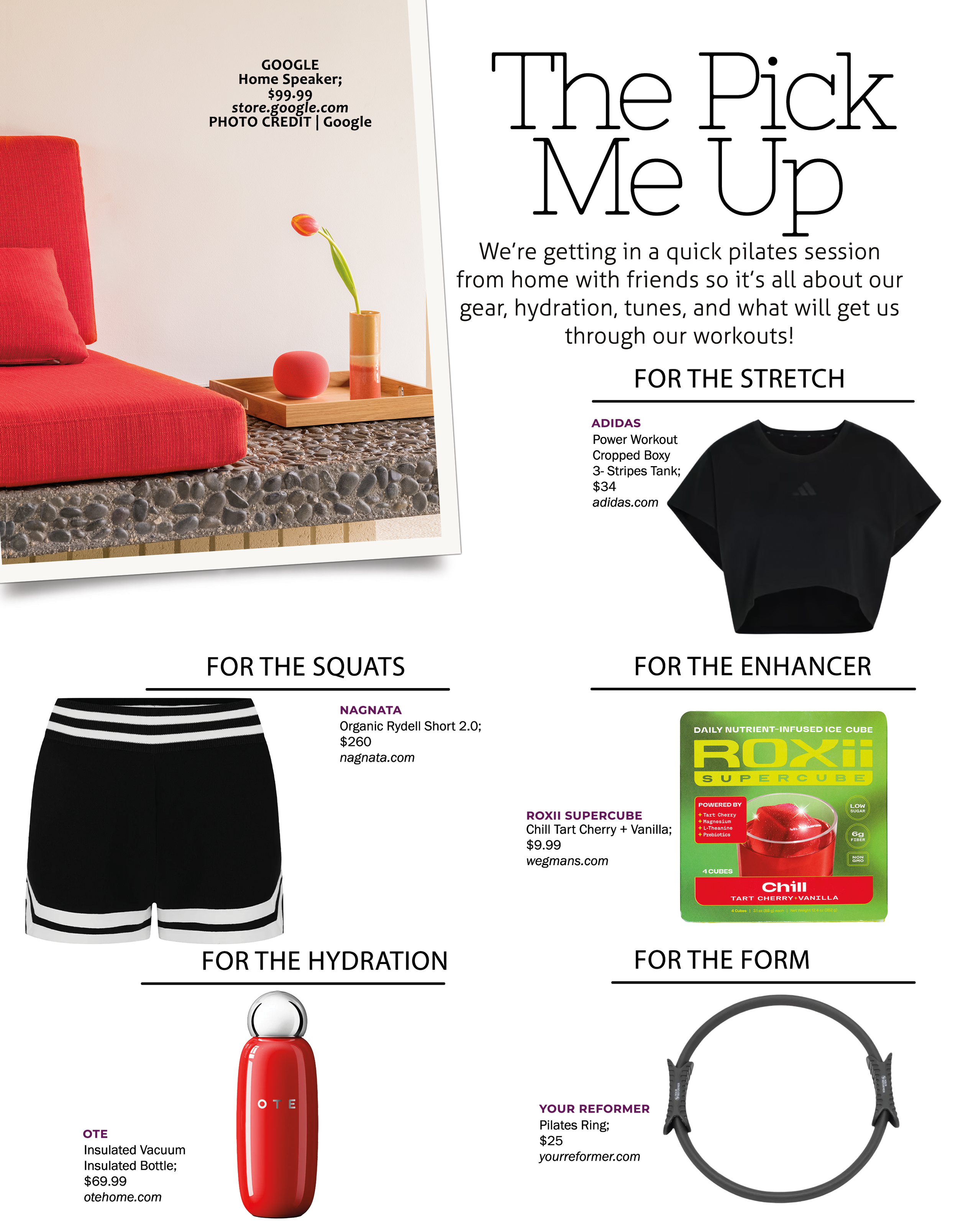
Read the JUN ISSUE #126 of Athleisure Mag and see THE PICK ME UP in mag.
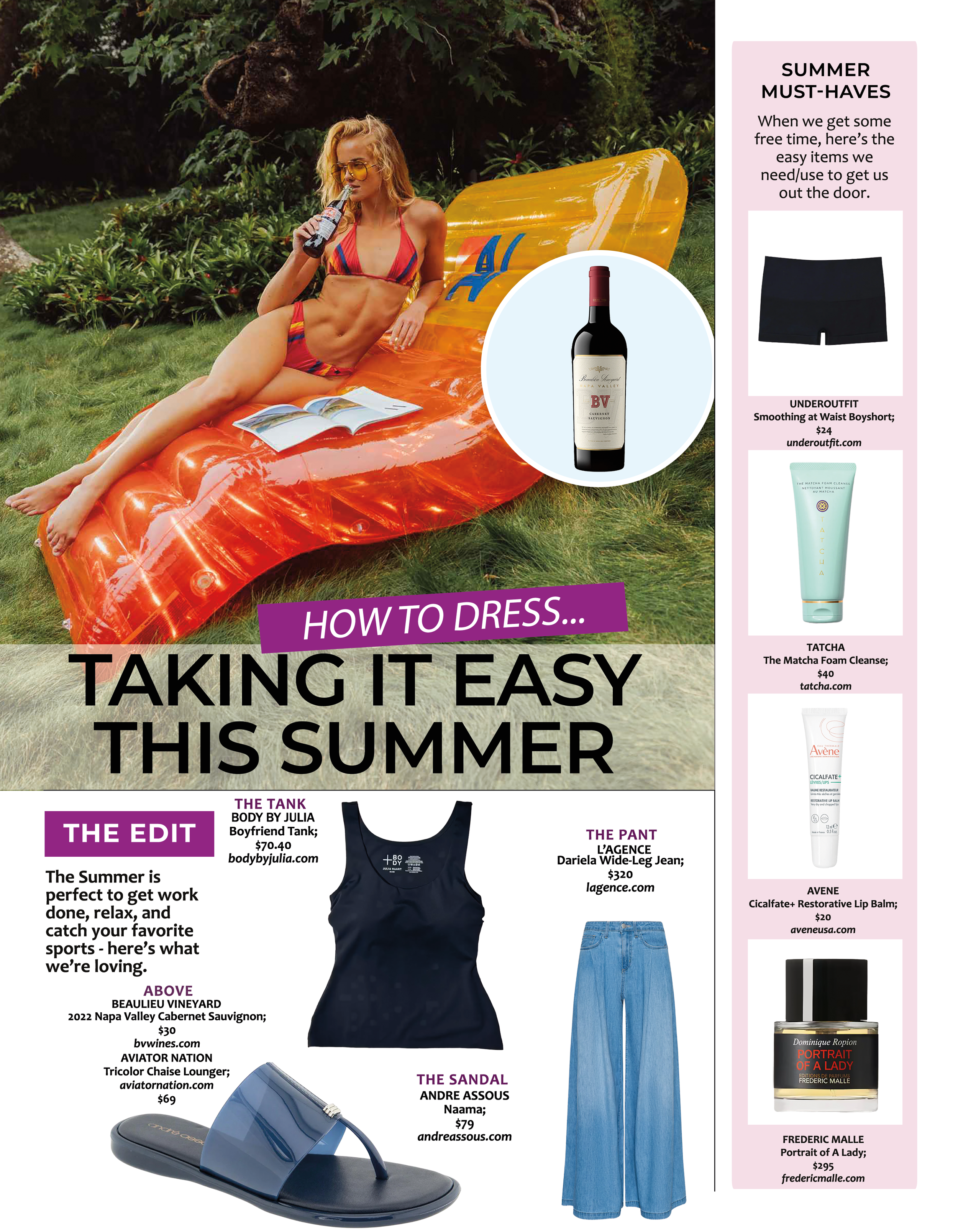
Read the JUN ISSUE #126 of Athleisure Mag and see HOW TO DRESS | Taking it Easy This Summer in mag.

PHOTO CREDIT | Unsplash/Maria Orlova
Shopping on the internet for things like smoking accessories or hemp products is really easy now. It is also really confusing. There are many online stores selling these things now and the difference between the good ones and the bad ones is huge.
You need to know what makes a good headshop different from any one. This is important because it keeps you safe when you buy things. You get what you pay for and you do not get sick. The people who run the headshop take care of your personal information.
Here is what you should look for when you want to buy something from a headshop.
When you walk into a headshop the one thing that really matters is that they are honest with you about what's in the things they sell. This is really important for things, like hemp products, CBD and other new kinds of cannabinoids or supplements. They should tell you what you are getting.
A quality retailer provides:
● Full ingredient lists for every product they sell
● Clear information about the source and extraction method of any cannabinoid product
● Honest descriptions of expected effects without making unsupported medical claims
● Up-to-date Certificates of Analysis from independent laboratories for all tested products
The Certificate of Analysis, or COA, is the document that genuinely matters here. It tells you what is actually in a product. The Certificate of Analysis confirms that the product was tested by a laboratory that is trusted and checks for things like pesticides and heavy metals.
If a headshop does not make the COAs easy to find or if the COAs is not specific to the product you are buying then you should probably shop elsewhere.
You have to be careful with reviews in this industry. Some reviews are good. Some are not. When you want to find out what people really think, you should search for reviews on websites that the store cannot control, like Trustpilot or Google Reviews. These are the reviews that the retailer cannot filter or delete.
What good reviews look like:
● Specific about individual products and the experience of using them
● Spread across time rather than concentrated in a suspicious burst
● Inclusive of occasional negative feedback that the retailer has responded to professionally
● Balanced in tone rather than uniformly enthusiastic
A profile with nothing but five-star reviews and identical phrasing is a signal worth taking seriously. Genuine customer bases produce a range of experiences and honest feedback.
A quality headshop takes its legal obligations seriously and makes that visible to you before you check out.
This includes:
● Age verification at the point of purchase, not just in the terms and conditions nobody reads
● Clear labeling of product legal status where it differs by region or country
● No claims on packaging or product listings that cross into medical language for unclassified substances
● Compliance with packaging and labeling requirements in the markets they serve
Retailers who treat compliance as a genuine priority rather than an afterthought are building businesses for the long term. That usually correlates with better product quality and better customer service across the board.
You are sharing payment information and a delivery address when you shop online. A quality headshop treats that data with appropriate care.
Look for:
● HTTPS security on the checkout page
● Recognized payment processing options rather than obscure transfer methods
● A clearly stated privacy policy that explains how your data is used
● A straightforward returns and refunds policy with realistic terms
Retailers who hide their policies or make returns unnecessarily difficult are often the same ones cutting corners on product quality. Good business practices tend to be consistent across an operation.
Before making a first purchase from a new headshop, consider sending a quick question to their customer service channel. A quality retailer responds promptly, answers accurately, and treats the inquiry professionally.
Test questions that reveal a lot:
● Ask for clarification on the source or testing status of a specific product
● Ask about their refund process if a product arrives damaged
● Ask about the legal status of a product in your specific region
The speed, accuracy, and tone of the response tells you a great deal about how that retailer will treat you if something goes wrong with an order.
The online headshop market rewards patient, informed buyers. Taking fifteen minutes to evaluate a retailer before your first order saves you from the frustration of poor product quality, unreliable delivery, or unhelpful customer service after the fact.
If you are looking for a Headshop in France that combines product transparency with verified laboratory testing, starting your search with retailers who make these standards visible is the most efficient approach.
Express Highs publishes detailed product information and laboratory documentation, making it straightforward to evaluate what you are buying before you commit to a purchase. A headshop that is confident in its products makes that confidence visible. If a retailer does not, that tells you something important before you spend a penny.
When you are shopping on the internet there are some things that should make you leave a website. You should be careful with websites that do not give you information about what they are selling. If a website says their product can do something that seems good to be true or if they do not show you any proof from independent laboratories that is a bad sign.
You should also watch out for websites with product descriptions that are not written well or if you cannot find any way to get in touch with them. If it is hard to figure out how they ship things or what happens if you want to return something that is not a sign either.
If it is hard to find information before you buy something from a website it will probably be even harder to get help if something goes wrong after you place your order with Red Flags, like these.
Picking a good online headshop ultimately comes down to transparency, compliance, customer service and trust. Top retailers provide customers with the ability to easily check product info, learn about policies and make an educated purchase. A few extra minutes spent evaluating a retailer before making a purchase can lead to a safer, smoother and more satisfying shopping experience.
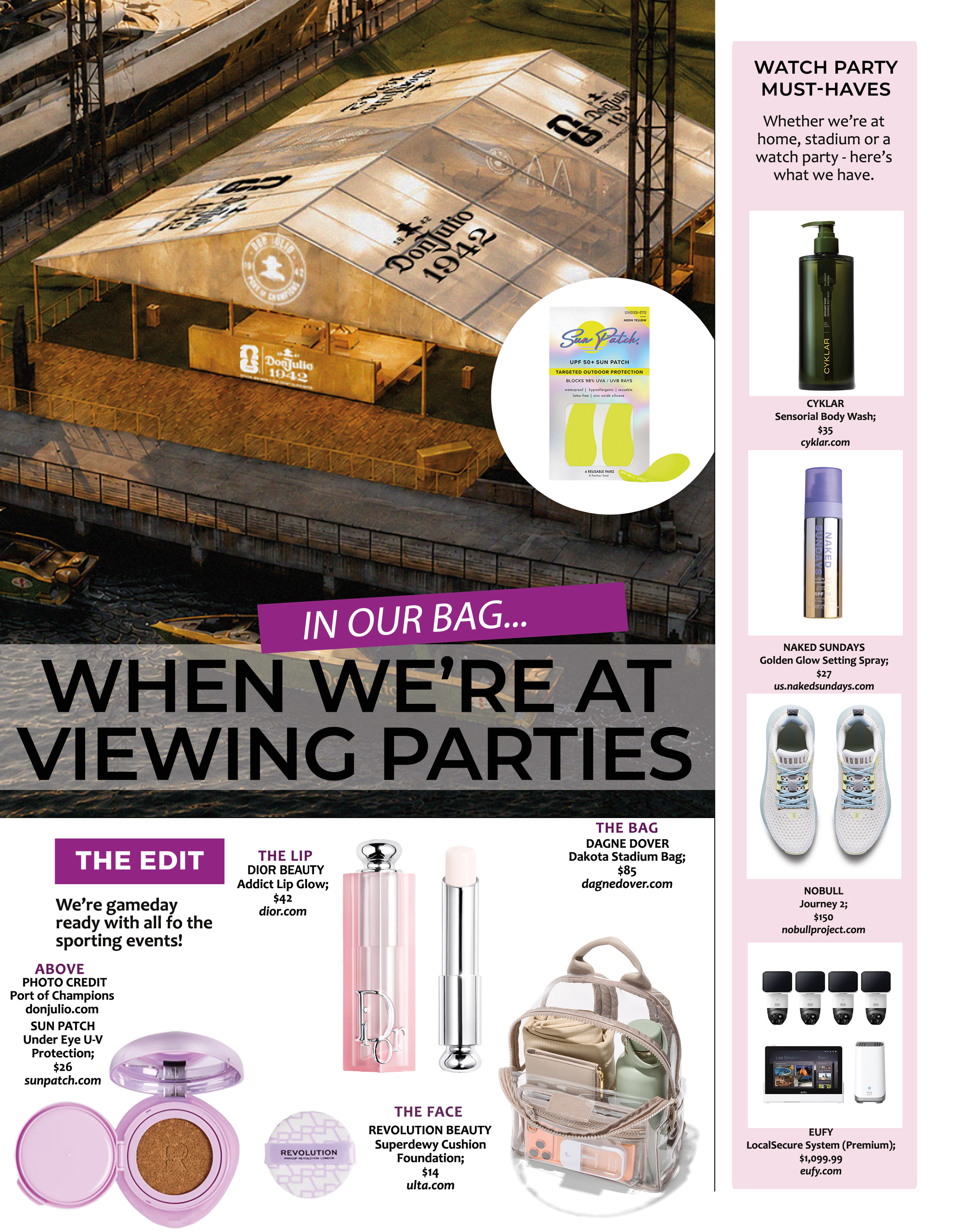

PHOTO COURTESY | Sơn Tùng M-TP
In this month’s issue, our front and back cover story is with the King of V-Pop, singer/songwriter, Sơn Tùng M-TP. We talk about his career as a singer/songwriter, his creative process, his latest single with Tyga and more.
Earlier this month, POWER BOOK III: Raising Kanan premiered its final season of this series in the POWER universe. We sat down with Mekai Curtis, Patina Miller, Erika Woods, London Brown, and Sascha Penn. We talk about the series, what it has meant to them to be in it, and what they are excited for viewers to see.
With Miami Swim Week kicking off the Summer season, we highlight Spotlight Collective that ran a series of runway shows at PARAISO Miami Swim Week.
We kicked off the month in Flushing Meadows for Governors Ball, a music festival across genres that takes place over 3 days. We caught up with some of our favorite acts from A$AP Rocky, Clipse, JENNIE, Major Lazer, Diplo, and more.
This month we attended BCB Brooklyn, a spirit and hospitality show that fosters the industry to come together to enjoy cocktails from brands that we have known as well as those that are new to the market. We take you to the trade show as well as to adjacent events that take place during this time.
We have definitely been enjoying FIFA whether we're out at watch parties, seeing it from home or heading to the stadium! We kicked off our time by attending UBER One's FIFA Party with a DJ set by Mark Ronson and performances by Backstreet Boys!
This month's The Art of the Snack takes us to Hong Kong at the Hari Hotel and we enjoy Italian Cuisine at Lucciola which is known for it's vibes, views, and phenomenal menu.
This month's Athleisure List comes from The Crane a luxurious resort in Barbados and Jin Broth which is currently having a pop-up in K-Town's Baro as well as having a subscription meal kit for their bone broths!
Our 63MIX ROUTIN3S comes from NFL Giant, JuJu Smith-Schuster and iconic rocker and Hall of Famer Sammy Hagar. Our 9PLAYLIST comes from icon entertainer, Madonna. Thank you Madonna for sharing this with us.
See the JUN ISSUE #126 of Athleisure Mag now.

PHOTO CREDIT | Unsplash/Johannes Hübner
The football summer now has two clocks running at once. One belongs to the World Cup, which opens on June 11 and runs until July 19 with 48 teams. The other belongs to club business, where the summer transfer window begins days later and stretches into September. For readers following fixtures and market context through platforms such as 1xbet canada, the important point is not only who plays first. It is how the calendar compresses form, travel, squad news and club decisions into the same few weeks.
The 2026 tournament is larger than any previous edition. Forty-eight teams mean more group-stage matches, more early kickoffs and more chances for the first week to change expectations quickly. The schedule runs across 16 cities, which makes location and rest spacing part of the football story.
The opening day brings Mexico against South Africa on June 11. Within the next few days, Brazil face Morocco, Germany meet Curaçao, and the United States open against Paraguay. That is a busy start, not a slow warm-up.
The group stage also creates same-day clusters. A team may play its opener while another group is already preparing for its second match. That matters because tournament rhythm is not only about the opponent. It is about how much time a coach has between selection, recovery and the next tactical problem.
A 48-team format can make the first match feel less final than in smaller tournaments, but the pressure has not disappeared. It has changed shape. Some teams will see the opener as a chance to take control of the group. Others may treat it as the match where defeat cannot be allowed to stretch into a larger problem.
Brazil versus Morocco is an obvious example because it puts a title contender against one of the strongest recent knockout-stage names from the last edition. Germany’s opener against Curaçao has a different tone: a four-time champion faces the smallest nation ever to qualify for the tournament. Those are not similar fixtures, even if they share the same early-week spotlight.
The final group matches can be just as sharp. Several groups close with matches running at the same kickoff time, which can create live table swings. A goal in one stadium may change what another team needs elsewhere.
Football betting discussion fits this summer best when it follows the schedule rather than hype. The useful questions are concrete: who has shorter rest, who travels after the opener, which teams face difficult second fixtures, and which group closes with simultaneous matches.
This is where a betting read can stay narrow. A fixture list does not predict a result, but it can show where market attention may gather before kickoff. Brazil-Morocco carries contender and matchup interest. Mexico-South Africa opens the tournament with instant visibility. Germany-Curaçao creates a favourite-versus-debutant reading. Later group finales can turn goal difference into a live issue.
Various tools such as 1xbet mobi belong to the on-the-go side of football coverage. The sporting read still comes from fixtures, confirmed lineups, fitness updates and match timing. Responsible betting means treating that information as context, not as a forecast.
The club game does not pause cleanly around the tournament. The summer transfer window officially opens on June 15 and closes on September 1. Clubs can announce deals before the window opens, so the news cycle may already be moving while national teams are still in the early group stage.
That overlap creates a strange football month. A player may enter a World Cup match while transfer reports follow him between fixtures. A club may complete squad planning while a key player is still playing tournament football. A strong World Cup performance can also change the tone around a summer move before negotiations are fully settled.
The catch is that tournament form and club planning do not always point in the same direction. One strong match can raise attention. A longer tournament run can delay a medical, a presentation or a final squad decision. For clubs, the calendar is useful and inconvenient at the same time.
The calendar gives football several possible storylines before July even starts.
| Summer development | What is changes |
| A favourite wins its first two matches | The third group match may become a rotation test |
| A contender starts slowly | The second fixture becomes a pressure match |
| A player performs strongly in the group stage | Transfer interest may become lounder before July |
| A club completes a deal early | Tournament minutes become part of the fitness discussion |
| A group closes on goal difference | Live table reading becomes central on the final day |
This is why the summer cannot be read through the World Cup alone. The tournament supplies the fixtures. The transfer window supplies the background noise. Together, they make each week feel less isolated.
The first major shift may come before any knockout match. A heavy opening win, a tight draw or a surprise defeat can change the tone around a group within 90 minutes. In a tournament this large, the early calendar does not wait politely for the story to settle.
By mid-June, the World Cup will be underway and club business will be open. By late June, some teams will be fighting for qualification while transfer reports keep moving around them. That is the real shape of the summer: fixtures first, market reaction next, club consequences close behind.

PHOTO CREDIT | Unsplash/Christopher Burns
It was 6:47 a.m. on a Tuesday in March when the brake lights came too late. Southbound I-75 near the Downtown Connector, still dark, mist hanging over the asphalt. A Silverado tapped a Camry hard enough to deploy both airbags. The Silverado's driver had clocked in remotely twenty minutes earlier; his first stop was a construction site in East Point, and his employer considered him on duty the moment he left his driveway in Marietta. The Camry's driver was headed to a corporate office in Midtown—regular commute, same every weekday, definitely not on the clock yet.
By the time the police report was filed and both drivers exchanged information, a second collision was already brewing: between insurance companies. The Silverado driver's workers' comp carrier insisted this was a simple auto-liability claim—two vehicles, public road, let the auto policies sort it out. The Camry driver's auto insurer saw a worker driving a company truck on company time and decided workers' comp should cover everything. Meanwhile, both drivers had whiplash, both missed work, and both faced medical bills that neither policy was rushing to pay.
This is the coverage gap that swallows thousands of Atlanta-area workers every year. Not dramatic multi-car pileups or catastrophic job-site injuries, but the mundane morning fender-bender that lands in a bureaucratic no-man's-land. Who pays when the accident happens on the way to work versus during work? The answer is rarely simple, and the cost of getting it wrong can follow you for months.
Georgia workers' compensation law operates on a principle called the "going and coming" rule, and it is exactly as unforgiving as it sounds. If you are injured while commuting to or from a fixed workplace—your regular office, your usual shift location—you are almost always outside the workers' comp system. The policy rationale is old: workers' comp is designed to cover injuries that arise out of and in the course of employment. Your drive from home to the office, even if you are thinking about work the whole way, is considered a personal activity.
This is not an obscure footnote. It is the default position. You could be rear-ended half a mile from the parking lot, running late for a mandatory morning meeting, and your employer's workers' comp carrier will still deny the claim. The injury happened off premises, outside working hours, on a route you chose. That is a personal-auto-insurance problem.
But the rule has exceptions, and the exceptions are where the real fights happen. If your employer sent you on a special errand—picking up supplies, dropping off documents, meeting a client before you head to the office—the commute can transform into compensable work travel. If you drive a company vehicle and your employer exercises significant control over your route or schedule, courts have sometimes found coverage. If your job has no fixed worksite—if you are a home-health nurse driving between patients, or a sales rep covering a regional territory—then the "going and coming" rule often does not apply at all, because travel is your job.
These carve-outs are not generous. They are narrow and fact-intensive. A slight change in your departure time, your reason for the trip, or your employer's written policy can flip the outcome.
The construction worker leaving his house in a company truck at 6:15 a.m. is a textbook example of the ambiguity. In many trades, the workday begins when the employee starts driving to the job site, not when he arrives and picks up a hammer. Contractors often pay travel time, provide the vehicle, and assign the route. If that worker is T-boned on I-285 before he ever sets foot on the site, Georgia courts have repeatedly held that the injury is compensable. The employment relationship had already attached.
Delivery drivers face a similar analysis, but the timing is even more granular. A FedEx driver injured while pulling out of the depot parking lot is almost certainly covered. A FedEx driver injured on the drive from home to the depot may not be, unless the employment contract or company policy extends coverage to that leg. The distinction is legalistic and feels arbitrary to the driver icing a shoulder in the front seat, but it determines which insurer writes the checks.
The remote and hybrid workforce has added new wrinkles. If your employer closed the downtown office and now requires you to work from coworking spaces twice a week, is the drive to the coworking space a commute or work-related travel? What if you are headed to a client site for a pitch meeting your manager scheduled? The law has not caught up. Many of these claims are still argued case-by-case, with adjusters and attorneys debating email chains and Slack messages to figure out when "work" actually started.
Sales reps and field technicians occupy a permanent gray zone. If your territory is metro Atlanta and you drive 30,000 miles a year meeting clients, you are essentially always traveling for work. But if the accident happens on your first drive of the day from your home in Roswell to your first appointment in Decatur, the analysis can still hinge on whether your employer considered you on duty during that segment.
The worst-case scenario is not a clear denial. It is the double denial. Your auto insurer decides the accident was work-related and declines to pay medical expenses beyond the policy's minimum. Your employer's workers' comp carrier decides it was a commute and refuses to open a claim. You are left holding bills from Grady, from the orthopedist, from physical therapy, with no clear path to reimbursement and both sides pointing at the other.
This happens more often than the system wants to admit. Auto policies include exclusions for injuries sustained while performing job duties. Workers' comp policies include the going-and-coming rule. In the space between those exclusions, people fall through.
Employer-provided vehicles make everything harder. If you were driving a company car off-hours—say, you used it to run a personal errand on the weekend—and you get hit, is your personal auto policy on the hook? Is the company's commercial policy? The answer depends on the company's fleet policy, the language of your employment agreement, and whether your use of the vehicle was authorized. Plenty of companies allow incidental personal use but still try to disclaim liability when an off-duty accident happens.
When both insurers dig in, injured workers in Savannah and other Georgia cities often turn to a car accident lawyer Savannah to force one carrier or the other to acknowledge coverage. An attorney can pull the employment contract, the fleet-use policy, the workers' comp exclusions, and the auto policy endorsements, then build a case that one insurer is clearly on the hook. Sometimes the mere threat of bad-faith litigation is enough to move a claim off the adjusters' desks and into the pay queue.
Rideshare drivers experience a unique version of this problem. Imagine you drive for Lyft on weekends but hold a full-time job during the week. You are driving to your day job Monday morning—Lyft app off, not logged in—and you are rear-ended on Peachtree. That is a personal auto claim, right? Probably. But if your personal policy has a rideshare exclusion because you never bought a commercial rider, and Lyft's coverage only applies when you are online, you might have no coverage at all. Add in the possibility that your day job involves some travel, and you have a three-way coverage dispute before anyone has even seen a doctor.
Insurance companies love delayed treatment. Every day you wait to see a doctor is another data point they can use to argue the injury was not serious or did not come from the accident. If you waited five days to go to an urgent care, they will suggest you must have been hurt somewhere else in the interim. If your first complaint of neck pain shows up in the medical record a week after the collision, expect the adjuster to question whether it is even related.
This is cynical but predictable. The strategy works because soft-tissue injuries—whiplash, back strain, shoulder impingement—often do not produce immediate, dramatic symptoms. You feel sore. You think it will get better. By day three it is worse, and by day five you cannot turn your head. But the insurance company sees a gap and builds a denial around it.
The fix is simple in theory, harder in practice: get evaluated within 24 to 48 hours, even if you feel okay. Go to an emergency room if the accident was significant. Go to urgent care if it is minor. Go to a chiropractor who handles auto injuries and can document range-of-motion loss and spinal alignment. The goal is not aggressive treatment on day one; the goal is a paper trail that ties your injury to the collision before anyone can argue otherwise.
Atlanta-area workers facing unclear coverage sometimes seek a documented baseline exam from an Atlanta car accident chiropractor precisely for this reason. When it is uncertain whether the workers' comp carrier or the auto insurer will pay, having contemporaneous medical records that establish mechanism of injury, onset of symptoms, and clinical findings gives you use with both. A chiropractor's initial report can detail restricted cervical range, muscle spasm, and functional limitations in language that plays well in both a workers' comp hearing and a personal-injury demand letter.
Medical records do double duty in these cases. They prove the injury is real and they establish causation. If you wait two weeks and then claim the neck pain came from the fender-bender, the insurer will dig through your social media, your work attendance records, and your subsequent activities looking for an alternative explanation. If you saw a provider the day after the crash, that alternate-causation argument collapses.
The minutes after a collision are disorienting. But the steps you take—or skip—in the first two days can determine whether your claim pays out in weeks or drags on for a year.
Secure the scene and document everything. Take photos of vehicle damage from multiple angles, the position of the cars, skid marks, traffic signals, street signs. Collect names and phone numbers from witnesses. If you have a dashcam, save the footage immediately. If the other driver admits fault or makes a statement about what happened, write it down as soon as you can. Memory fades; your phone's photo timestamp does not.
File a police report, even for minor accidents. Georgia law requires a report if there is injury or significant property damage, but "significant" is subjective. File the report. It creates an official record of the collision, the date, the location, and the involved parties. Insurance companies take police reports seriously. Your own account, no matter how detailed, is just your word.
Notify your employer in writing, and file an auto claim. Do not assume one path excludes the other. If there is any chance the accident happened during work-related travel, tell your supervisor or HR within 24 hours and ask whether you should file a workers' comp incident report. Simultaneously, report the accident to your auto insurer. If the workers' comp carrier later accepts the claim, the auto policy can step back. If workers' comp denies it, you have already started the auto claim. Waiting to see which policy "should" cover you is a mistake; both claims can run in parallel.
Do not give a recorded statement to any insurer without understanding which policy applies. Adjusters will call within hours, sometimes while you are still at the accident scene. They will ask for your story, your work schedule, your route, your job duties. Everything you say can be used to deny coverage later. It is legal to tell an adjuster you need time to review your policy and consult with an attorney. You are not required to provide a statement immediately, and you should not if you are unsure whether the claim is a workers' comp matter, an auto-liability matter, or both.
Gather these documents as soon as possible:
Pay stubs or time sheets showing your work schedule the day of the accident
GPS or mileage logs if you track work travel
Any written trip authorization, work order, or email from your employer directing you to travel
Your employment handbook or company vehicle-use policy
The insurance declarations pages for both your personal auto policy and your employer's commercial or workers' comp policy
These records clarify whether you were on the clock, whether your travel was authorized, and which coverage applies.
If the coverage rules are murky for W-2 employees, they are nearly incoherent for independent contractors. Georgia does not require most businesses to carry workers' comp insurance for 1099 contractors, which means if you are a freelance courier, a contract electrician, or an app-based delivery driver, you likely have no occupational injury coverage at all.
Your fallback is supposed to be your personal auto policy. But personal auto policies are written for commuting and errands, not commercial use. If you are driving for DoorDash and you get T-boned on your way to pick up an order, your personal insurer may deny the claim on the grounds that you were using the vehicle for commercial purposes. DoorDash's coverage, meanwhile, only applies during specific phases: "on a trip" means covered; "online but not on a trip" often means a much lower liability limit and no collision or injury coverage for you.
The result is that gig workers frequently carry the highest collision risk—more miles, more time in traffic, more night and weekend driving—while holding the thinnest coverage. A driver logged into three platforms simultaneously, waiting for a ping, exists in a coverage twilight zone. If an accident happens during that window, all three platforms may deny the claim, and the driver's personal insurer will point to the commercial-use exclusion.
Freelancers working in the field face a parallel problem. If you are a self-employed HVAC tech driving your own van to service calls, you need commercial auto insurance. Many contractors skip it because of the cost, gambling that their personal policy will stretch to cover work-related travel. It will not. The first serious accident will surface the exclusion, and the claim will be denied.
The legal fix—buying a commercial policy or a rideshare endorsement—is straightforward but expensive. The practical reality is that tens of thousands of Georgia workers are driving uninsured or underinsured for the risks they actually face, because the cost of proper coverage is prohibitive and the platform companies have offloaded the liability onto the individual.
Some workers hesitate to report an accident if it involves a company vehicle or happened during a work errand, fearing their employer will blame them or retaliate. That fear is not irrational. Employers track incident rates for safety audits, insurance premiums, and OSHA recordkeeping. A workers' comp claim can trigger scrutiny, especially in industries where margins are thin and insurance costs are climbing.
Georgia law prohibits employers from retaliating against employees who file workers' comp claims. You cannot be fired, demoted, or otherwise punished for seeking benefits you are legally entitled to. But the protections have limits. If you were injured while violating company policy—say, you took an unauthorized detour in a company truck—the employer can still discipline you for the policy violation, even if the workers' comp claim is legitimate.
Red flags that suggest retaliation or bad faith: your employer pressures you to use your personal auto insurance exclusively and not report the accident through workers' comp; your supervisor delays or refuses to provide the incident report forms required by the workers' comp carrier; HR suggests you will be considered "accident-prone" or a "liability" if you file a claim; your hours are cut or your duties are changed immediately after you report an injury.
If you experience any of these, document every interaction. Save emails. Note the date and time of verbal conversations. Georgia's anti-retaliation statute allows you to sue your employer separately from the workers' comp claim, and you can recover damages if you can prove the adverse action was because you filed for benefits.
Auto insurers are fast with small settlements. A week after a minor rear-end collision, you might get a call offering $2,500 to close the property-damage and injury claim. It sounds reasonable if you have a sore neck and a dented bumper. The adjuster will tell you it is a fair offer, that it covers your current bills, that you can sign a release and move on.
But that release is a trap if your injury is still developing. Soft-tissue injuries can take weeks to fully manifest. If you sign a release and cash the check, you have waived your right to pursue additional compensation later—even if you end up needing months of physical therapy or injections that cost far more than $2,500.
Workers' comp operates differently. It is not a one-time payout. If the claim is accepted, the carrier pays ongoing medical treatment and a portion of your lost wages for as long as the injury keeps you out of work, up to statutory limits. You do not sign a release upfront; you receive benefits as you need them, and any final settlement is negotiated later.
The two systems can collide in ways that hurt you if you settle too quickly. If your workers' comp carrier eventually pays your medical bills and wage loss, they have a right to subrogate—to go after the at-fault driver's auto insurer and recover what they paid out. But if you have already settled with that auto insurer and signed a release, you may have waived the subrogation claim, which means the workers' comp carrier can come after you personally to recoup what they paid.
This is not theoretical. It happens. A worker settles a small auto claim for $3,000, then files a workers' comp claim a month later when the injury does not improve. Workers' comp pays $15,000 in medical care and lost wages, then discovers the auto claim was already settled. The carrier can sue the worker to recover the money, arguing that the worker's settlement with the auto insurer blocked the subrogation they were entitled to.
The safe move: do not settle either claim until you understand how they interact. If both are in play, talk to an attorney who can model the coordination-of-benefits issue and negotiate with both carriers simultaneously.
Insurance disputes are won and lost on documentation. Adjusters and hearing officers are not interested in your memory of what happened; they want contemporaneous records.
Start with a timeline. Write down when the accident happened, what time you clocked in or out that day, what your work assignment was, where you were going, and who gave you the assignment. If your phone has location history turned on, pull the GPS data. If you use a mileage-tracking app for work, screenshot the day's route. If you exchanged texts with your supervisor about the job site or the errand, save them.
Keep every piece of paper. The police report, the insurance declaration pages, the tow receipt, the repair estimate, the medical intake forms, the prescriptions, the billing statements, the explanation-of-benefits letters from your health insurer. If you submit something to one carrier, send a copy to the other and keep a third copy for yourself. Create a folder—physical or digital—and date everything.
Save all correspondence. If an adjuster calls, follow up with an email summarizing what was discussed. If your employer gives you verbal instructions about how to report the accident, send a confirming email: "Per our conversation today, you said I should file the incident report with HR by the end of business Wednesday." Written confirmation forces the other side to either agree or correct the record, and either way you have proof of what was said.
A contemporaneous journal can be surprisingly powerful. Use your phone's notes app or a notebook. Write down how you feel each day, what you can and cannot do, how the injury is affecting work or daily tasks. Note if you have trouble sleeping, if you are taking over-the-counter pain medication, if you had to skip a workout or cancel plans. This is not dramatic; it is a simple, factual log. But if your claim goes to a hearing or a deposition a year later, that journal can corroborate your testimony in ways that a vague recollection cannot.
The financial damage from a disputed claim is immediate and measurable. The average Georgia worker injured in a modest-severity crash—soft-tissue injury, no surgery, treated conservatively—can expect $8,000 to $12,000 in medical bills over three months if the injury does not resolve quickly. That figure comes from a combination of emergency-room visits, imaging, chiropractic or physical therapy, and follow-up appointments with a primary care physician or orthopedist.
If neither insurer is paying, those bills come to you. Hospitals and clinics will bill your health insurance if you have it, but health insurers often refuse to pay auto-accident claims, arguing that the auto policy or workers' comp should be primary. You can end up in a three-way standoff: the medical provider wants payment, your health insurer says it is not their responsibility, and both the auto and workers' comp carriers are denying the claim.
Meanwhile, you are missing work. If the injury is significant enough to keep you out for a week or more, you are losing wages. Workers' comp, when it pays, typically covers two-thirds of your average weekly wage. Auto policies do not pay lost wages unless you have optional wage-loss coverage, which most drivers skip. If you are stuck in the coverage gap, you are losing 100% of your income with no replacement.
The financial squeeze pushes people back to work before they are ready. You still cannot turn your head without pain, but the bills are piling up, and your employer is texting about when you will be back. So you go back. You push through. The injury does not heal properly, and six months later you are dealing with chronic pain that could have been avoided with two more weeks of rest and treatment.
Incomplete recovery is not just a personal health problem. It increases long-term disability risk, raises the likelihood of re-injury, and can drive up your future insurance premiums if the injury leads to additional claims down the road. The system is designed to pay for injuries. When it fails to do so because of coverage ambiguity, the cost does not disappear—it just shifts to you.
The bureaucratic reality is that coverage boundaries are murky by design. Insurers benefit from the ambiguity. If they can plausibly argue that another policy should pay, they will, even if that argument lands you in a coverage dead zone. The law has not kept pace with the modern workforce—remote employees, gig workers, hybrid schedules—and so individual claims are resolved through a grinding process of negotiation, appeals, and occasional litigation.
You cannot fix the system. But you can control a few variables. You can document everything. You can see a doctor within 48 hours. You can notify your employer in writing. You can refuse to give a recorded statement until you understand which policy applies. You can read your insurance policies—actually read them—and understand the exclusions before you need to file a claim. You can buy a rideshare endorsement if you drive for platforms. You can ask your employer, in writing, whether you are covered under workers' comp when you travel in a company vehicle off-hours.
None of this is a guarantee. But it is better than assuming the system will work in your favor when the reality is that the system is optimized for denying claims, not paying them.
The absurdity of the whole exercise becomes clear when you are sitting in traffic on the Downtown Connector at 7 a.m., icing your neck with a gas-station bag of frozen peas, trying to remember if you clocked in before you left the house, because that five-minute difference might determine whether your medical bills get paid. That is where theory meets asphalt, and where thousands of Atlanta workers find themselves every year—hurt, uncertain, and caught between policies that were never designed to overlap cleanly.

PHOTO COURTESY | The Experiential Group
Over the weekend, NYers were able to enjoy The Wimbledon Court in Central Park, New York which offered tennis fans a taste of The Championships, Wimbledon in the heart of Manhattan from June 26 – 29 June 2026!
On Friday 26 June, The Wimbledon Court Invitational had tennis stars Andre Agassi, Caroline Wozniacki, James Blake and Genie Bouchard take to the court in a friendly invitational to open the four day celebration. This event was a ticketed event; however all other events were free and based on capacity.
Throughout the weekend, there were an array of tennis-themed activities celebrating the Wimbledon experience - fans had the chance to play on the Wimbledon Court, as well as the chance to enjoy Wimbledon's traditional strawberries and cream, alongside various fan engagement activations, off the court.
Today, there will be the opportunity for New Yorkers to enjoy watching the opening of The Championships on giant screens. The ballot for The Wimbledon Court Invitational has now closed.
Read the latest issue of Athleisure Mag.

PHOTO CREDIT | Unsplash/Alen Kajtezovic
Today's vehicles have to do much more than simply get people from A to B. For active families and outdoor enthusiasts, the ideal vehicle needs to carry bikes, camping gear, paddleboards, pets, and passengers while remaining comfortable enough for everyday driving. That's why practical, capable models continue to dominate the market, especially among buyers who enjoy making the most of weekends away.
1. Full-Size Pickup Trucks
Few vehicles match the flexibility of a full-size pickup. Whether you're towing a camper, hauling kayaks to the lake, or loading up supplies for a home project, modern trucks offer impressive capability alongside increasingly refined interiors. Four-wheel drive, generous towing capacities, and spacious crew cabs make them equally suited to family road trips and outdoor recreation.
If you're comparing used trucks for sale in Wichita, you'll find a wide variety of dependable models built for both everyday driving and outdoor adventures. Many people searching for used trucks for sale Wichita prioritize towing capability, cargo space, and reliability that can handle years of family trips and weekend activities.
2. Midsize Trucks
Not every adventure requires the biggest truck available. Midsize pickups strike an excellent balance between everyday practicality and off-road confidence. They're easier to park, often more fuel efficient, and still provide enough bed space for mountain bikes, fishing equipment, or camping essentials.
3. Three-Row SUVs
For larger families, three-row SUVs remain one of the most popular choices. They provide seating for everyone while leaving plenty of room for luggage, coolers, sports equipment, and outdoor gear. Many also include all-wheel drive and advanced terrain management systems, making them well-suited to changing weather and rural roads.
4. Adventure Wagons
Station wagons have quietly evolved into capable adventure vehicles. Higher ride heights, roof rails, and generous cargo capacity allow them to carry skis, bikes, or roof tents while delivering a comfortable driving experience on long journeys. They're an excellent option for families who want versatility without moving to a larger SUV.
5. Hybrid SUVs
Outdoor enthusiasts are increasingly considering hybrid vehicles that reduce fuel stops without sacrificing practicality. Modern hybrid SUVs provide strong cargo capacity, quiet operation, and impressive range, making them particularly appealing for longer road trips where efficiency matters just as much as comfort.
6. Off-Road Ready SUVs
Some families regularly venture beyond paved roads, whether exploring national parks, forest trails, or remote campsites. Vehicles with locking differentials, skid plates, higher ground clearance, and specialized driving modes offer added confidence when conditions become more challenging.
7. Vans Designed for Adventure
Passenger vans are no longer limited to school runs. Many active families transform them into weekend adventure vehicles thanks to their huge interior space. Bikes, inflatable paddleboards, camping furniture, and even sleeping platforms can fit comfortably inside, making them ideal for extended trips.
8. Crossover SUVs
Crossovers continue to attract buyers who spend most of their time on normal roads but still enjoy regular outdoor activities. Their comfortable ride, efficient engines, flexible seating, and generous boot space make them practical for everything from hiking weekends to family holidays without feeling oversized during everyday use.
Finding the Right Fit
The best adventure vehicle isn't necessarily the biggest or most expensive. Instead, it's the one that fits your lifestyle, whether that's towing a caravan, carrying bikes for weekend rides, or simply having enough space for the whole family and their gear. With so many capable options available, it's easier than ever to find a vehicle that's ready for both everyday life and your next adventure.

PHOTO CREDIT | WowAngel
If you have a big forehead or a hairline that you are always trying to “fix” in photos, you are definitely not alone.
A lot of Black girls go through the same thing. You try middle parts, side parts, wigs, even switching hairstyles completely, but somehow your forehead still ends up being the main character in every selfie.
And the worst part is not even the forehead itself.
It is when your parting looks fake.
That sharp visible line, that obvious scalp gap, that “wig sitting on top of your head” look… it instantly ruins an otherwise cute hairstyle.
Because once the parting looks unnatural, everything looks unnatural.
Most people think hairstyles are about length or curls, but in reality, parting is what changes your face shape the most.
A small shift can completely change how your forehead looks.
A middle part makes everything more symmetrical, but it can also make the forehead feel longer if it is not blended properly.
A side part softens the face and breaks that symmetry, which is why it is often more flattering for bigger foreheads.
But here is the real truth nobody talks about.
It is not just where you part your hair.
It is whether the scalp looks real or not.
A deep middle part can actually work really well for big foreheads, but only if it is done naturally.
The mistake most people make is drawing the part too straight and too clean. That creates a “cut line” effect on the scalp.
Instead, the part should feel slightly imperfect, like hair naturally falls that way.
Start the part a little behind the hairline instead of directly at the front. Let both sides fall loosely instead of forcing symmetry.
When done right, the forehead does not disappear, but it stops being the center of attention.
If you want an instant visual change, a deep side part is your best friend.
It works because it breaks symmetry, and symmetry is what makes a forehead stand out more.
When more hair falls across one side of the face, the eye naturally shifts away from the forehead and toward the cheekbone area.
But again, the key is softness.
A harsh straight line makes the part look fake. A slightly irregular parting looks more like real hair movement, especially in photos and selfies.
This is why many girls notice their side parts look better in real life than in mirror setups when they are too perfect.
This is the part that most people struggle with without realizing it.
You can do the perfect parting, but if your scalp line looks too white, too grey, or too obvious, the whole illusion breaks.
Real scalp is never that perfect.
That is why lace quality matters more than most people think.
A good hd lace closure wig helps because it blends better into different skin tones and reduces that harsh “lace sitting on skin” effect.
But even with good lace, blending is still important. The goal is not to draw a visible part, but to let the scalp illusion disappear into your skin naturally.
When done correctly, people should not see the lace at all. They should only see hair coming out of your head.
That is what makes the difference between “wig look” and “natural hair look.”
The biggest mistake is over-controlling everything.
Too straight.
Too clean.
Too symmetrical.
Too visible.
Real hair is never that perfect.
It moves, it shifts, it breaks slightly in direction depending on how you sleep, how you style it, and even how the wind hits it.
When everything looks too controlled, it immediately starts to look artificial.
Even if your parting technique is good, bad lace will ruin everything.
Low quality lace often reflects light in a weird way, especially under sunlight or flash. That is when you get that grey or ashy “wig line” on your forehead.
Better lace blends into skin instead of sitting on top of it.
This is also why some girls prefer brands like WowAngel, because the lace behaves more naturally in everyday lighting, not just in filtered photos.
It does not make the parting look “done.”
It makes it look like it is growing from your scalp.
Big forehead is not the real problem.
The real issue is how visible and unnatural the parting looks when the hair is styled.
Once you understand how deep parting, side parting, and lace blending work together, the entire face frame changes instantly.
With the right technique and a well-designed hd lace closure wig, especially styles like those from WowAngel, the parting stops looking like something placed on your head.
It starts looking like something that naturally grows from it.
And at that point, the forehead is no longer what people notice first.
Your hair is.
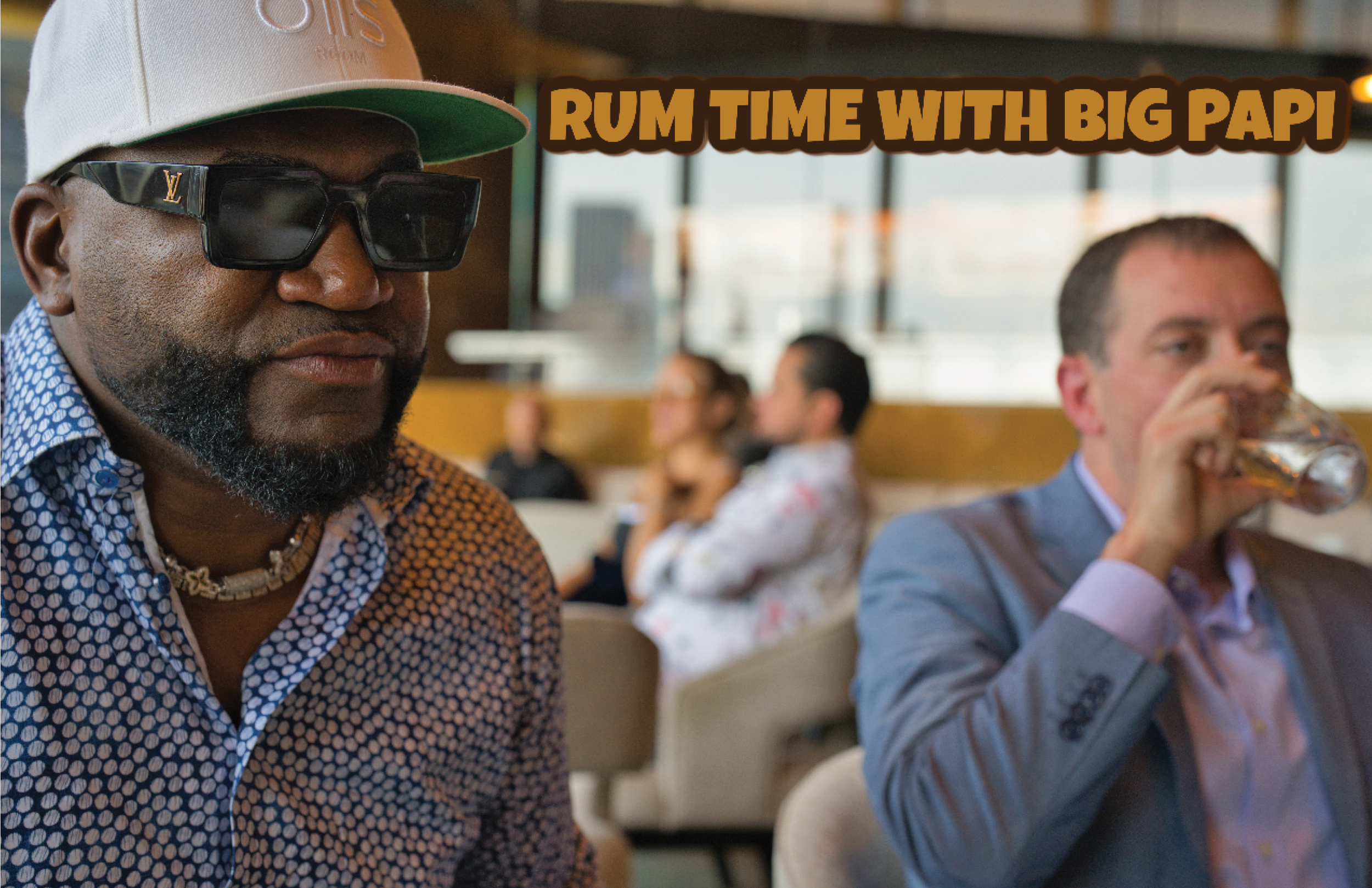
We have spent countless Summers watching the greats hit the baseball field and one of them was 3X World Series Champion, 10X All Star, David “Big Papi” Ortiz who was the DH for the Boston Red Sox. As a Franchise Royalty at the Sox, #34 was retired by the club in 2017 and he remains a beloved fixture in Boston sports culture where he played 14 seasons and is the 11th in the organization to have his number in Fenway Park! He continues his love for the team by mentoring players on the team and assisting with development. You can also catch him as an analyst for FOX Sports MLB as Big Papi is loved by all!
This month’s cover star continues to forge ahead, we sat with him at the Mandarin Oriental’s MO Lounge to talk about Ozama Rum, a Dominican spirit brand with 3 expressions. We talk about his career, baseball, his work as a sports broadcaster as an analyst, his love for the DR, being a family man, his legacy, being on the Masked Singer, and the impact of Ozama within the beverage industry and the DR.
DAVID ORTIZ: So how’s it going?
AM: Great! We are excited to be with you as we have loved seeing you play. When you’re doing your analyst work, it’s awesome to hear you bring us into the game, and we’ve been such a fan from the start of your career. It’s excting to talk to you about baseball, your career, and Ozama as we enjoy Dominican rum and I know our readers/community will be excited as well!
DAVID ORTIZ: Thank you!
AM: When did you first fall in love with baseball and when did you realize that you wanted to play professionally?
DO: Well, I have been playing baseball ever since I can remember at 6 or 7. I remember that my dad (Editor’s Note: Américo Enrique “Leo” Ortiz was a former semi-professional baseball player in the Dominican Republic), he was the one that always had that vision you know? He used to be a baseball player - for sure he didn’t make it to the pros. He was very close, but all he dreamed about was having a son to play baseball. He always pushed me down that path. He thought I had the talent, he thought I had the good hands and the coordination, which is important. He pushed me. I love sports. Basketball was the one thing that I always admired, you know? And it was fun. Basketball was fun – going to the court and playing with your boys, you know? You can be organized or unorganized!
AM: Yeah.
DO: Baseball is more organized for when you have to play as a group, you know? Everybody need to be -
AM: In sync
DO: Yes, in line! Basketball, you can pick people from the street, let’s play. You know? And you just go for it!
But when I turned 13 or 14, I started getting serious about baseball.
AM: Wow!
DO: Since I started developing this, it was about the progress.
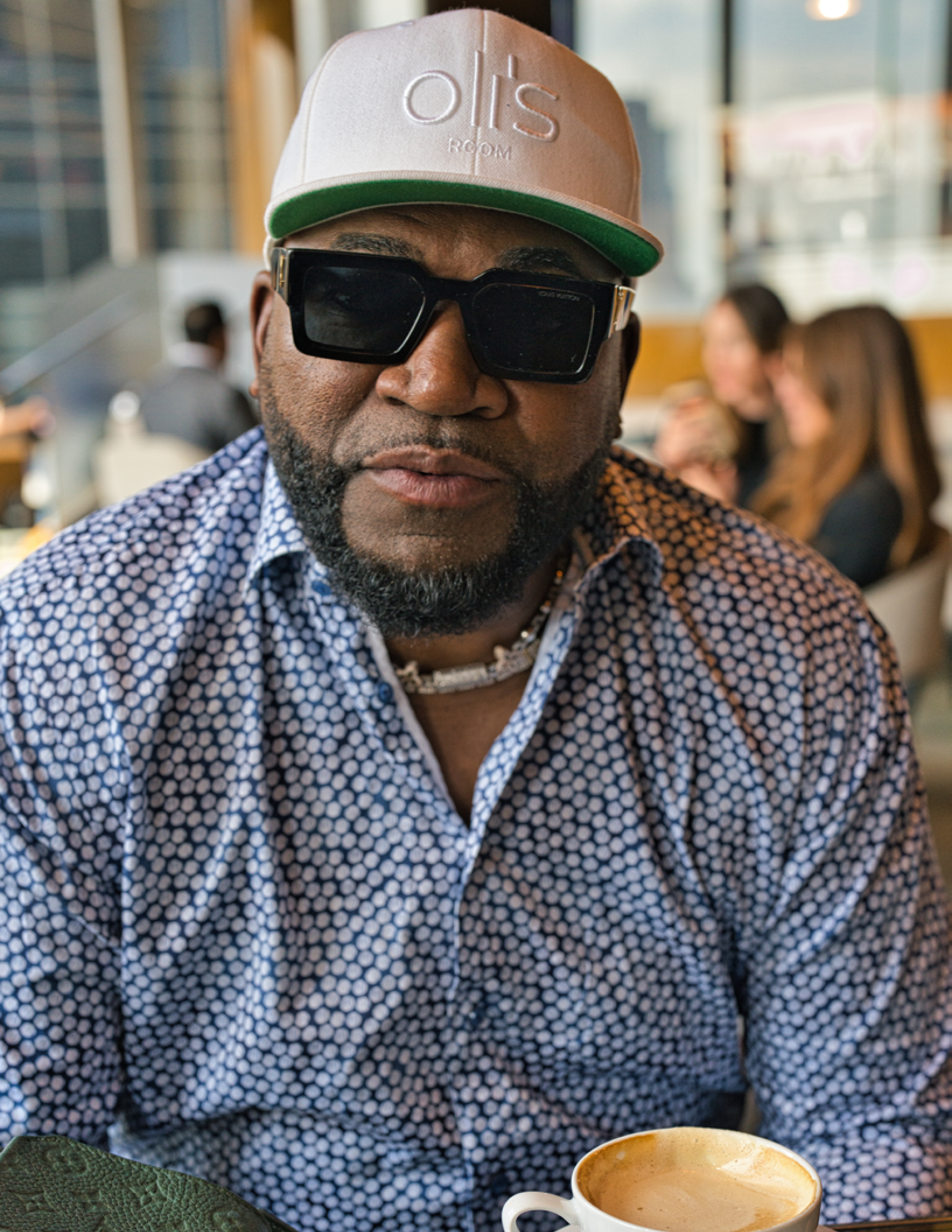

AM: Being in college watching you play was when we first saw you on the scene. It was like ‘97, ‘98, and we used watch across our dorm. You could see your energy, and just to see the passion that you have. It was a thrill.
You’re a 3X World Series Champ, 10X All-Star, you were inducted into the Hall of Fame, and that’s just some of your achievements. What has it meant to you to play this game?
DO: This game was my everything! You know, it’s different. It’s what I wanted to do. It was basically my way out for me and my family and for them to be in a better shape, you know? Baseball was my everything,
it’s still my everything. Even after I retired, you know, I still deal with our organization (Editor’s Note: David continues to have a deeply integrated and multifacted relationship with the Boston Red Sox. He is an official mentor and advisor who works with rising prospects and established stars by offering guidance, sharing baseball wisdom and weighs in on clubhouse dynamics. He also has an unprecedented and long-term agreement to actively represent the club in special appearances, assists with free agent recruitment, and works in business development for Fenway Sports Management). The organization, the work that I do on TV, I mean, everything I do is basically related to it.
AM: Why did you want to become an analyst? Regardless of the teams that are playing, even if it’s not the ones we’re following specifically, we love watching you talk about the game because there’s such a passion as well as having that insight as a player that makes it so exciting.
DO: Well, you don’t know what you don’t know.
AM: Right!
DO: My team came to me while I was playing it still and they want to try me out. FOX wanted to try me out. I’m not going to lie to you, I was a little nervous! When you are outspoken and then you have to go all of a sudden go on TV and control yourself, control your emotions - at the beginning, it was a little rough. But once you get used to it, you just go through the flow.
You know, referring to the players, talking to the fans, you always have to keep in mind that there’s always people watching - people listening.
AM: Yeah
DO: They’re paying attention. English is my second language, so at the beginning, it was a little –
AM: Right.
DO: But then, I guess I was blessed working with the right team. Those guys made me feel so comfortable. It’s like a conversation between friends, you know? Now, all of a sudden, I’m 8 years into the business and I love it. I love it. I love entertaining. I love having fun. I love passing information. There’s a lot of great hands, lots of talents and I always wanted to be the one that gives these guys some guidance. I want to pass some information to the fans, you know, it’s fun.
AM: Are there 3 teams that we should have our eye out for the season or 3 players? What are you looking for or excited about this season?
DO: Well, I’m pretty sure everybody is looking at the Dodgers who have won back to back these past couple of years. It’ll be interesting to see if they can do it again!
AM: Yep.
DO: They have their platform, they have their team, they have the players, they have the owner, and they have a great manager - my boy, Dave Roberts. They’re on fire already so, we’ll see. That’s hard to do.
AM: Yeah.
DO: We faced some situations at the Red Sox the other day where our manager Alex Cora, got fired. Great manager, good dude - we play together. We’ll see how we continue moving forward.
Unfortunately, you always have to talk about the Yankees ha ha.

AM: That is our team! We love you, but that is our team.
DO: You know, the Yankees is the other team that continues to chase. I mean, the Yankees haven’t won a World Series in 17 years. But I still give credit to the Yankees because winning is not easy. People think that because of the name, you’re gonna win eventually.
AM: Right.
DO: Well, for the Yankees, they invest money. They hire good players, and they always put a quality team out there. Sometimes, towards the end of the season, you feel like you need a little more and more and more. That’s when you realize it’s about putting things together for the fans to enjoy, you know? It is what it is, but the Dodgers are the one dominating!
AM: That’s facts.
We should also try the rum expressions. We know you had a rough night last night. (Editor’s note, we began cracking into Ozama starting with Ozama Blanco, then Ozama Añejo, and finished with Gran Añejo as we talked with David.)
DO: I’ll be watching now.
AM: Okay ha!
Well, we have been enjoying this for the last few weeks.
DO: For real?
AM: Oh yeah! We love Dominican Rum, as a category since we were introduced to it back in 2011, when we would go to Santo Domingo.
DO: Yeah.
AM: That’s when we first learned about the 3 B’s (Editor’s Note: The 3 Bs are the 3 most famous historic rum brands from the Dominican Republic: Bermudez the oldest which launched in 1852, Barceló was founded in 1930, and Brugal founded in 1888 which is the largest domestic producer in the Dominican Republic). We were down for that. Then, when we were sent this, we realized it was very smooth and that it was your brand, we were even more excited!
DO: I’m glad you enjoyed.
AM: Yes, and sipping it now, it’s very tasty.
So, you’re a busy man. You are always doing lots of things. What are 3 workouts that you do just to stay in shape and to keep it all together?
DO: You know, so at the end last year, I needed a knee surgery badly. So being busy and having an injury to my knee, I basically wasn’t able to work out. I do a lot of walking. In front of my house, I have been living in DR for the past 3 years.
My old man passed last year. I moved to the Dominican 3 years ago just so that I could be around and to be with him. I was living in Miami.
AM: We’re sorry to hear that.
DO: Yeah, it was hard.
But anyway, I live in the Dominican, you know? And it was good because we had the production over there. We do a lot of activation over there. We are working on promoting the rum and other stuff. I work for so many companies.
AM: You are busy.
DO: Yeah and this guy is keeping me even busier, but I love him. I like to stay healthy. When I’m at home, in front of my house, I have a park like Central Park.


AM: Wow!
DO: So, I do a lot of walking, riding bikes, going to the gym, you know - pop some weight.
That’s what kept me in shape for real. My son, my younger one!
AM: Oh, all that running around!
DO: He’s 2 years old. He know he owns me. I am getting married next year and that little guy, you know, I have 5 kids. But this one, he knows something. He is very smart and his name is Diego. He knows that Daddy, is all about him. So when I’m at home, I’m at home.
AM: Yeah.
DO: That’s him right there!
AM: OMG!
RW: He’s the best dressed, 2 year old like!
DO: That’s him playing baseball already.
AM: That is the cutest! So yes, that is a workout!
DO: I love my family, you know? I’m a family guy.
AM: Masked Singer is one of our favorite shows!
DO: Uh oh!
AM: We knew Googly Eyes was you from, like the first note you sang before they even unmasked you. And it was like, wait that’s Big Papi that can only be him! Of course, when they unmasked you it was like – it couldn’t be anyone else but him!
How did you get connected to that show and why did you want to do it? Obviously, you’re part of the FOX family but how did it go down?
DO: Ha ha! I didn’t know what I was walking into! My agent called me and he was like, David there’s an opportunity. I’m like, really, what’s going on? Well, we already up in LA.
AM: Yeah.
DO: It was during the playoffs.
AM: Yeah.
DO: When we were in the playoffs, I had to go to LA for about a month. We stay there the whole month, but then we have to travel to different cities.
AM: Yeah.
DO: It was getting closer to the World Series. The Masked Singer people they had an issue with somebody, and they need somebody to replace that person or something like that. They only need you for like 4 hours. I’m always hustling and somebody has to pay the bills ha ha. But I had so much fun doing it.
AM: It was so good!
DO: I had no clue!
AM: Right!
DO: First of all, they said, you gotta sing a song that you know.
AM: Yeah.
DO: I’m like, what? I’m the worst singer than everybody. They were like, “don’t worry, we will get you a song that you can have fun and you don’t have to go through all the crazy lyrics or whatever. That’s why we came out with, Turn Down For What! Yo and I had so much fun, but then at the time, I had a knee problem. What they did is that they put together an outfit –
AM: Googly Eyes!
DO: I was sitting on in and I just gotta push it.
AM: Yeah, because when it came out, you just saw this really structured item come out to the stage.
DO: It was like a workout, because when I got out of that, I was sweating bullets.
AM: Everyone says that their costumes are so hot and you can tell when they unveil you guys! You always wonder if someone is going to pass out!
DO: Yeah, I was dripping!
AM: Well it was a fun performance, you could see the crowd was so excited when you came out and it definitely looked like it was a lot of fun.
DO: It was fun. It was fun. People were like, “who’s that was that Derek Jeter?” I was like, have you ever heard a Dominican person speak English? Ha Ha we’ve got a strong accent!
AM: Yeah when someone said Jeter, we were like no! The first lyric that you belted out that was you without a doubt! The panel needed to sit down because the guesses didn’t make sense!
DO: I know right?
AM: So, why did you want to launch a rum brand? Like, you said, you’re a busy man. You’re always doing lots of projects. But why did you want to launch Ozama and what led up to that?
DO: Yeah, as a kid growing up, my father was a hard working man, my mama as well. But I noticed that when it was the weekend when my dad was able to be at home, he used to bring friends. They used to drink rum. It was very traditional in my family, you know? Growing up in that beautiful environment, you know, we were poor. We didn’t have much. But with the family, it was always this happy reunion! People that don’t have anything crazy, but whatever they have they enjoy, you know?
And that is always what keeps people together.
AM: Wow!
DO: It was a happy time. I was just a kid just watching the adults having a drink, having fun. I used to have an uncle after he started to have a few drinks, he’s start throwing quarters to all of us. That was the most fun part for the kids. My uncle got a little tipsy he was, like, hey, come here. Guys come here. We were just fighting for it you know?
AM: You gotta add it to that piggy bank!
DO: You know it ha ha.
You will never believe it until you see it - how you can do so much and not have so much.
AM: Yeah.
DO: Besides that memory. When I grew up, Ozama on the other hand, my dad used to talk about this story about him going across the river swimming. My dad was a good swimmer. You swing across the river, but then you gotta swim back. He swims, they used to go on the other side, and they started cooking around the river, and then later on, they gotta swim back.
AM: Oh!
DO: On the other side, they started talking about the story about this shark that used to go across the river. I was like, oh hell, no, I’m not swimming back. I had to wait for the boat to bring me back.
He took me back. It was so funny. I used to go to the Ozama River with my boys and we used to go fishing crab right here. The river was very healthy, beautiful, clear water. We had so much fun down there. I don’t know how to swim, so I was the one that used to do the packaging! Because they used to fish it, bring it, and then I would do the packaging. We used to be like 10 kids. We used to have a spear to hunt it. They used to go into the water. They used to take those spears, hunt it, Bring it back up, pass it to me, and I used to put them in the bag.
Once we had hundreds of them, then we used to go home. But it was, the most athletic, friendly, and fun. It could be a little bit dangerous. I never used to chase. Since I was a kid, I was very mature about not chasing dangers. Like, one time they wanted me to attach this rope with 2 gallon containers and put them across my chest for me to go across the river.
I was going to do it or whatever, but then I was like mom and dad ain’t around? I’m not gonna mess that up, just in case something goes down.

AM: Right!
DO: Then all of a sudden, something is missing. I’ll just do the packaging and you can bring it. They’d say, “you’re a chicken – a chicken,” and I’d say, “yes, I am!”
AM: Love this story and that answers why the crab is on the bottle!
DO: I’m telling you that I was 10 or 11 years old! Those are the memories that I have from the Great River now, unfortunately, it seems like as the population has grown up, things start you know to go down in a different direction. Once we start coming out with this product, I want to call attention to cleaning that river.
AM: Like a conservation effort!
DO: Yes, out of the profits we will donate a percentage. We are, you know, taking that percentage to be able to clean up the river. Once people know that my name is attached to this and the purpose, beside the business side - a lot of companies that are international and are outside of Dominican - they are into helping us out with some of the rivers.
AM: Yeah.
DO: We are all behind this. Besides that, we created so many jobs for single moms with kids back home at the factory. They do the packaging for Ozama. Ozama Is in charge of creating the jobs. I think that all of the forces behind Ozama are pointed in the right direction. That’s the way I look at it.
AM: Wow.
DO: It took us 1.5 - 2 years to come out with a with a blender who took their time before we came up with this amazing, great tasting rum in 3 different categories. Our Blanco is so smooth that when you mix it out, especially you ladies who have a different taste than as us as a man, we put that white rum together. When you mix it with juice or any type of thing, you will get away with it because it tastes very smooth. Then you go to the Gran Añejo and the Añejo, it’s a little older aging wise. It’s my favorite.
AM: Ours as well!
DO: Oh for real?
AM: Absolutely!
DO: You know what though? There’s no difference for me when it comes down to drinking whatever I have available. You know it’s just I think the time and the effort that you put behind this rum which is worth it! The feedback from people has been amazing! Let me tell you, you’re making a run in a country that is known for Dominican rum.

AM: Agreed! We raised our eyebrow before we had it because I’ve been drinking Brugal for awhile and I was a very big fan of it. Then, I had Ozama and it reminded us when we would go to Santa Domingo and sit on our balcony sipping, and it takes us back every single time we drink it.
DO: So, yeah, when you talk about those brands have been out there already for a long time day, throughout the year, they have to come out with high quality rum so they can stay established in the market. They make rum for individuals – minorities, middle-class people, high-end people, etc It all depends on how deep your focus is.
We think with Ozama, We make premium rum affordable. It’s a good price with a good quality.
AM: Yeah!
DO: Because, we are a startup. The company is just beginning and you want to be able to have everybody in the market, to be able to to afford it. So that’s what we have at this point and like, I say, the feedback have been amazing. That’s what I care about when I get behind a product. I have a quality product so, we can maintain ourselves out there.
The one thing that I wanna really emphasize with my partner? Was, let’s make a quality rum that I can compete with everybody out there.
AM: Yeah, we think it does and the packaging is beautiful. It can sit on that bar cart next to very expensive bottles, and it says I’m here.
DO: That’s right, we got this design from Italy. They make our bottles. He has been doing an amazing job of putting it together at the beginning. As you can see, the beautiful design of this bottle - it took us a bit to put it together. Last year, selling wise. I think we did a phenomenal job based on people waiting for it – right Ricky?
RW: Yes.
DO: So, it was like 7,000 – 10,000 cases last year to begin with. This year, we’re on our way to do even better. We’re chasing it up. We’re chasing it. We got the heart, we got the dedication, and I’m so excited to get behind this product. It basically connects with my family, my tradition, you know? So many stories are behind this. The most important thing is to connect with the people.
RW: As David was saying, when people try this, they don’t say no. It’s very delicious and then, when people hear that, it’s $24.99 on the shelf –
AM: Which is an amazing price point because the bottle visually makes you feel like it’s a $60 or $80 bottle.
RW: To be able to get a quality product in a quality rum like this, for $25, you go to Total Wine, this is $24.99 on the shelf. This one at 6 years aged, Ozama Gran Añejo is $45.
We also just won the Gold Medal design for our rum bottle design!
AM: That’s fantastic! The bottle really gives you that river vibe.
So, consumer side for this summer, where will Ozama pop out?
RW: Today, we are live in all of the Northeast – NY and in all of New England. We are in New Orleans, Pennsylvania, Florida, and the DR. It’s available online and 43 states as some we can’t ship to. It’s available everywhere. We have a team in place in all of the key markets whose sole focus is driving trial and activating out in the market. The majority of my team works Tuesday – Saturday.
AM: As you do!
RW: Aside from us in the industry, not as much booze is sold on Monday. They’re out there in Boston, New York, New Jersey, and Florida. They’re putting this out there, sampling it. We have been at some of the festivals here.
AM: David, what do you want your legacy to be known as whether it’s in the sport, as a business man, or as a family man?
DO: The way I live my life is based on a journey. Baseball was a journey and I am thankful to God for everything as he opened many doors for me. I want to be remembered as the greatest dad, the greatest father of all time, because I am crazy about my kids. I’m great to all of my family. Yesterday, I was with my younger daughter. She lives here. She’s a musician. She graduated from Berklee College of Music a couple of years ago, living here, trying to figure it out.
AM: Is she a singer, does she play an instrument?
DO: She can sing, she plays instruments, and she’s a producer!
AM: Oh, wow!
DO: I mean, when you go to Berklee they make sure that you change the whole packaging! And once you do that, as you move - if you go, you kind of figure out what you’re going to be really good at. Sometimes you got to be good at everything. Sometimes you get to be good at producing. Sometimes you get to be good. So, she’s down that path right now.
I came in and I told her I’d be with her for the next 3 days. We’re gonna go to places, I want you to meet people. You know how you girls are, especially when you have had a connection with your mom and with your dad? My kids, the way I look at them is like they’re still babies to me.
AM: Yeah.
DO: She’s been having so much fun the past 3 days having me around. Those are the sort of things that I really want in life, you know? Just to continue with the legacy of my father and my mom. They raised me right. They taught me how to get things done the right way. That’s what I try to teach the kids you know?
Then there is the rum and the cigars. Especially the cigars. My dad was very involved into that. My dad had his own factory. We do a lot of events and people come by as you know how rum and cigars go hand in hand!
5 years ago, he came out with Americo Cigars, really good cigars. So? When we are basically going place by place, we try to use the mark also for the cigar brand. It has been incredible for people and the combination of Rum and a good cigar is almost perfect, you know? It’s like they are cousins or something! I’m a visionary and this startup company is something I care about and I am a hard working man, that’s all that I know!
I’ve been working since I was 8 years old. I have an uncle who had an auto place. And all of us, my whole family - they used to get us as a kid and bring us to the auto part place whenever we have free time, to work with our uncle. That was kind of a mandatory in the family. And when you’re a kid, you don’t know. But now that I’m a grown man, I see the purpose of it.in my family, nobody’s doing time. Everybody works hard, we have this beautiful family and I’m talking about the guys of my generation. They know how to work, how to go through process, and when we sit down now that we are adults and talk about it, we understand it, so we want to do exactly the same thing with our kids.
Especially nowadays, it is so hard to raise a child with all of this crazy stuff happening, but I think that what you learn at home, it’s the meaning of the direction that you want to take growing up.
I have 5 kids. The older are professional. They play baseball at the professional level. My older, who is married, Jessica, she graduated at Regis College in Boston, in Psychology and Administration and she lives in the Dominican with her husband. I talked to you guys about Alice already. Then there is David, and. D’Angelo. David plays for the Texas Rangers. D’Angelo plays for the Red Sox.
AM: Wow!
DO: Diego is my other guy to chase now ha ha. You know what I’m saying?
AM: It’s been so phenomenal to meet you because we’ve loved your career and watching you play. We love how you just present yourself as a person, your passion, and we have tried for years to have you as an interview, but your schedule is definitely busy!
DO: If I knew this interview was going to be this smooth and good, I would have done it a long time ago!
AM: It’s awesome because we’re Yankees fans but have always have enjoyed seeing you play!
DO: A great story is all my employees are Yankees fan! I gotta deal with it.
AM: We wanted to be respectful ha!
DO: No it’s ok! Listen, I gotta tell you something. Yankee fans. They have been always very respectful with me because they know that as an athlete, I went about my business. I don’t care if you play for the Yankees, the Mets, Chicago, I was just trying to do my job. The Yankees fans respect that because the Yankees fans are the only fans that always come to me, and they be like, Papi, I’m a Yankees fan. I know you respect this because they know it was nothing but business. Nothing personal, you know, but I was going to whip your ass, nothing but business.
RW: Yeah, pretty good business!
DO: It’s what Yankees fans love seeing from a player. Because remember, the Yankees since I can remember they were the first ones doing what the Dodgers do nowadays. They always go for the best players because the boss, Steinbrenner always wanted to put a pin in the field. When the Yankees fans see that a guy is good and he plays for another team, all of a sudden you have the guy on your team performing. They respect that!
I love this city right here. This city gave me a lot of memories. I love competing against the Yankees and I will say this, when you are competing against the Yankees and you beat the Yankees - you get recognition as a player because you competing against the best! But at the end of the day, go Sox!
IG @davidortiz
In speaking with David about life, baseball, and Ozama, you also heard from Ricky Wolfe who is the VP of Sales at Ozama. Ricky comes with a strong background in the spirits industry. We also chatted with Edwin Castillo who is Ozama’s Rommelier. Together, they provide more insight on rum that is made in the Dominican, how Ozama came to be, the expressions, a bit of industry news, how they connected with David, and of course, talking about how the DR is also a prominent position within this partnership and venture.
RICKY WOLFE: If you guys want to taste the 3 expressions we have them here.
ATHLEISURE MAG: Let’s make it a proper meeting!
RW: Well there is no one better to taste it with than Edwin! He is our Chief Mixologist and he lives in the Dominican. He flew up for some of our events yesterday and some other things that we will be doing. He is the musician behind a lot of the cocktail program that we have. I’m sure that you are familiar with a Sommelier.

Well, he is a Rummelier – which is the pin on his lapel and he is classically trained in rum!
I am the VP of Sales team for Ozama. My father, Abbott Wolfe (Founder and CEO of Drink2Success) and David are business partners and created Ozama together.
AM: How long did it take for you to come up with the formulation?
EDWIN CASTILLO: The most important thing that you need to know about Ozama is that our rum is 100% Dominican. We have a different kind of rum that what others use in the Dominican and we use 100% Dominican sugarcane. A lot of rum in the Dominican uses molasses. Molasses is different with its aromas, and it is not easy to drink as you need some mixers.
AM: Right.
EC: The rum is made with a honey version of sugarcane and it is very refreshing.
AM: It is very smooth!
EC: You don’t need a mixer, you can drink it very neat!
AM: We have enjoyed it that way!
EC: Other rum in the Dominican in terms of aging, it’s 1 oak in American – it’s Bourbon. We use 2 oak – it’s Bourbon and a Cherry Cask. This way, our rum has more aroma.
AM: The first time we enjoyed Dominican Rum, it was in 2011 and was introduced to Brugal first. It was very tasty and has been a spirit that is always enjoyable. Molasses is an ingredient that we enjoy, but we do agree with you that this is such a great sip and it is very enjoyable, smooth and it’s great to drink by itself. Sugarcane is another ingredient that we’re fans of as it’s amazing in sodas.
EC: Brugal is made with molasses.
RW: Both of them are sweet in a good way. But it’s a very different profile. When people taste them side by side, molasses is thick, and it’s just like honey. But sugarcane is just a different taste.
AM: What year was it created?
RW: We launched last year. The project has been going on for a few years now. David and my father connected sometime in 2023 and it took obviously a lot of time. Everything about this was created by us - by the small team. I mean, the name, the package design, the label, the glass bottle - the liquid obviously.
AM: Your family was in the business before this too?
RW: Yeah! So, my, my father and I have both been in beverage alcohol for many, many years. My father was at Constellation Brand for a very long time.
And then his last, his last job before this, he helped Cameron Diaz (Charlie’s Angels franchise, Bad Teacher, There’s Something About Mary) and Katherine Power (Founder of MERIT Beauty, Versed Skincare, Who What Wear) build Avaline?
AM: Yeah, oh wow!
RW: It’s a clean, organic wine, so that was really his first foray if you will, into both startup and celebrity backed brands.
So, him and David connected through a mutual connection. David has always wanted to do something like this. David knows many, many things, but he didn’t know the alcohol industry, so that’s where we came in. I was at Boston Beer, Sam Adams for almost 14 years. Once my father and David got this off the ground, I jumped in to the deep end.
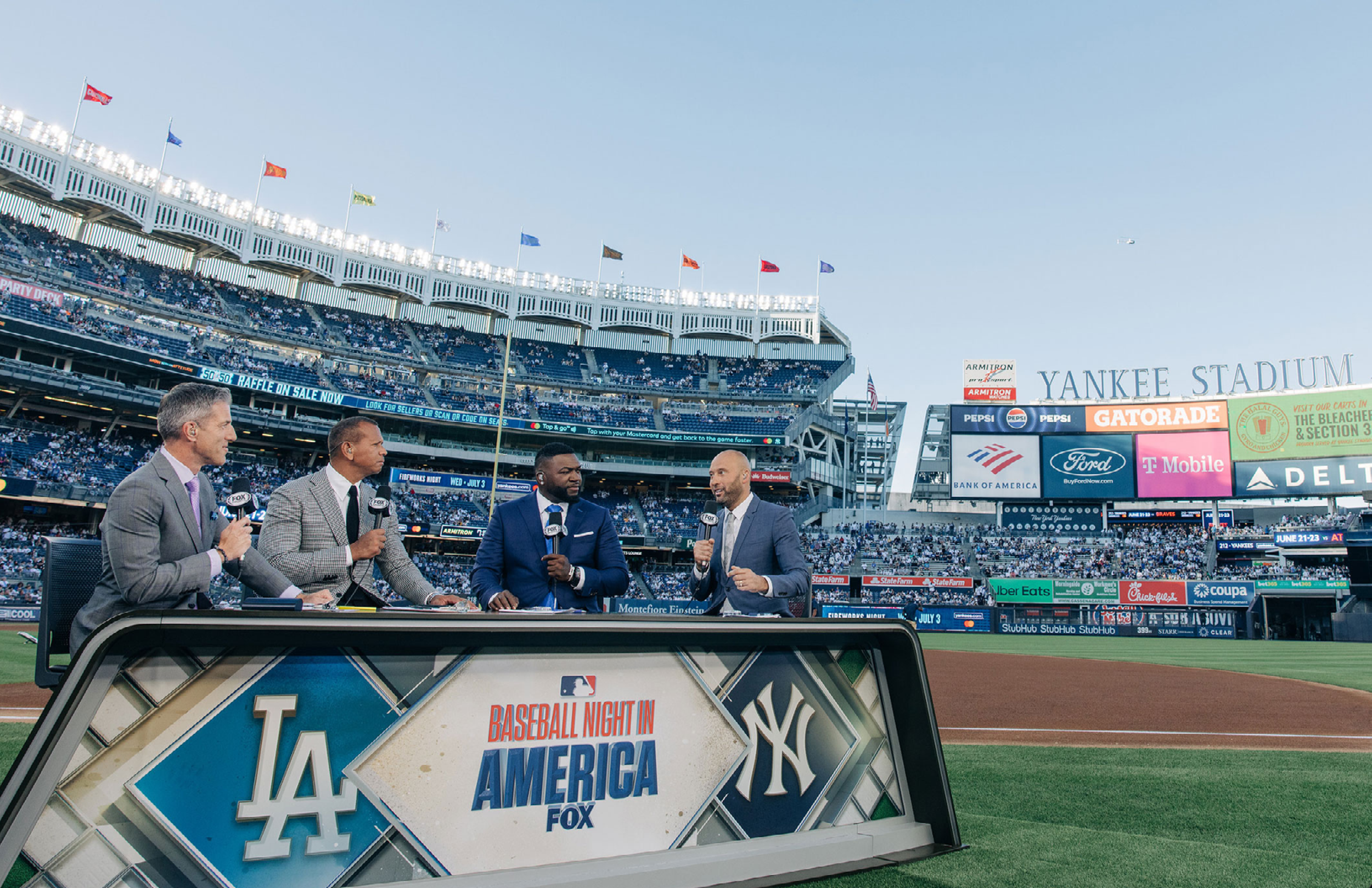
AM: That’s amazing. We were talking a bunch with the Truly team when they started.
RW: Oh, yes!
AM: We got to see them kind of rise year by year. It was pretty damn cool!
RW: I remember I was managing Maryland at the time - living in Baltimore, and we were a test market for Truly.
AM: Oh wow!
RW: I remember vividly standing in front of our Distributor Sales Meetings which are always at 7am in the morning on a Friday.
AM: Because, why not?
RW: Why not?
I vividly remember standing up in front of them, saying, I’m gonna tell you guys about this thing called Truly - Hard Sparkling Water. We may never talk about it again, but we’re going to see what happens this summer.
AM: Wow.
RW: There’s a reason that it’s very popular. It was wild to see from the test market.
AM: This is really cool and we’re looking forward to trying it.
Have you enjoyed being out here, Edwin?
EC: It’s nice, but I love being in the Dominican because it is very quiet!
AM: Where do you live in the Dominican?
EC: Santo Domingo.
AM: I’ve been there a few times. I had a shoe collab line with Sebago, and they made their shoes at Las Plaza America, so I was there a few times a year and I would go for 5 - 6 days at a clip to design each season ahead of my appearance at HSN. When we weren’t in the factory, we would go to the beach, restaurants, and the clubs! It was so beautiful there and I remember when we were heading to Embassy Suites there we would pass the baseball fields that were lining each sides of the street which was amazing! I loved it!
EC: Everybody wants to go to Dominican Republic to go to Punta Cana.
AM: True!
EC: Some people think that Punta Cana is the whole country.
AM: I fell in love with Santo Domingo. I really did - beautiful. We were partying some place where the kids of Presidente Beer bottling company and then there was a Lamborghini dealership and Louis Vuitton store across the street!
When I first came to DR, Punta Cana was the first city I had been to and we stayed at a lovely all inclusive resort. But then, when I went to Santo Domingo, I fell in love and my first night, we went to Boca Marina in Boca Chica and I made sure that we went there every time I was visiting to design and in each visit, we always had a lunch there and then a dinner! The views there and the food – best Lobster Lasagna. I just had spots – Casa de Campo was also lovely and then I was mesmerized by the baseball fields!
In looking at the 3 expressions, it’s quite an assortment! There is such a vintage vibe here.
RW: Yep, we have extra age products. Our Grand Rerseva, that’s being being developed. This on its own is aged for 6 years.

AM: Wow!
RW: So you know obviously we only launched last year, so people are like, well, how do you have a 6 or 8 year rum? The Distillery partner that we found with Edwin’s help, has been making rum for a long time, and obviously we’ve come in and make our blend, but they’ve got stuff aging for 10+ years. We can pull some of this and some of this and the barrels that we want. At some point, there will be a Reserva.
AM: Yeah, cheers to that moment. So, there’s at least 2 alcohol brands that your family has?
RW: The company that my father started is called, Drink2Success, so Ozama is our baby because our goal is to either create brands that are our own that we can own and develop and build or use our expertise and experience to help other brands. You guys are here in NY, so Wandering Barman is a craft cocktail Brewery or craft cocktail Tap Room. It’s a fantastic room in Brooklyn. It was 3 restaurateurs who saw a need for pre-batch cocktails that were ready to go, ready to serve format. They built a phenomenal business here in New York and allowed us to come in and basically help them take it to the next level.
So, there is nothing like Ozama in our portfolio. We make sure that nothing competes against itself.
AM: Of course! Any piece of innovation has to go here.
RW: Exactly!
There are 5 brands in the portfolio right now. Not only is this our baby, it’s also the biggest.
IG @drinkozama
PHOTOGRAPHY COURTESY | Front Cover + PG 16 - PG 27 Paul Farkas shot on SONY Alpha | PG 28 + PG 31 Ozama | PG 32 Billie Weiss/Boston Red Sox/Getty Images | PG 34 - PG 36, PG 42, PG 46 + PG 48 Gerald T Coli/Dreamstime.com | PG 38 Defmusik/Dreamstime.com | PG 41 David Pillow/Dreamstime.com | PG 45 Michael Ivins/Boston Red Sox/Getty Images | PG 50 Frank Micelotta/FOX | PG 52 + PG 55 FOX Sports | PG 56 + PG 58 Trae Patton/FOX |


Read the MAY ISSUE #125 of Athleisure Mag and see RUM TIME WITH Big Papi in mag.