• FITNESS
  • Food
  • Beauty
  • Sports
  • Travel
  • Athleisure Studio
  • Athleisure List
  • THIS ISSUE
  • Athleisure TV
  • The Latest
  • ARCHIVE
  • About
  • Watch Party
  • Press
  • Connect
Menu

Athleisure Mag™ | Athleisure Culture

ATHLEISURE MAG™ | Athleisure Culture
  • FITNESS
  • Food
  • Beauty
  • Sports
  • Travel
  • Athleisure Studio
  • Athleisure List
  • THIS ISSUE
  • Athleisure TV
  • The Latest
  • ARCHIVE
  • About
  • Watch Party
  • Press
  • Connect

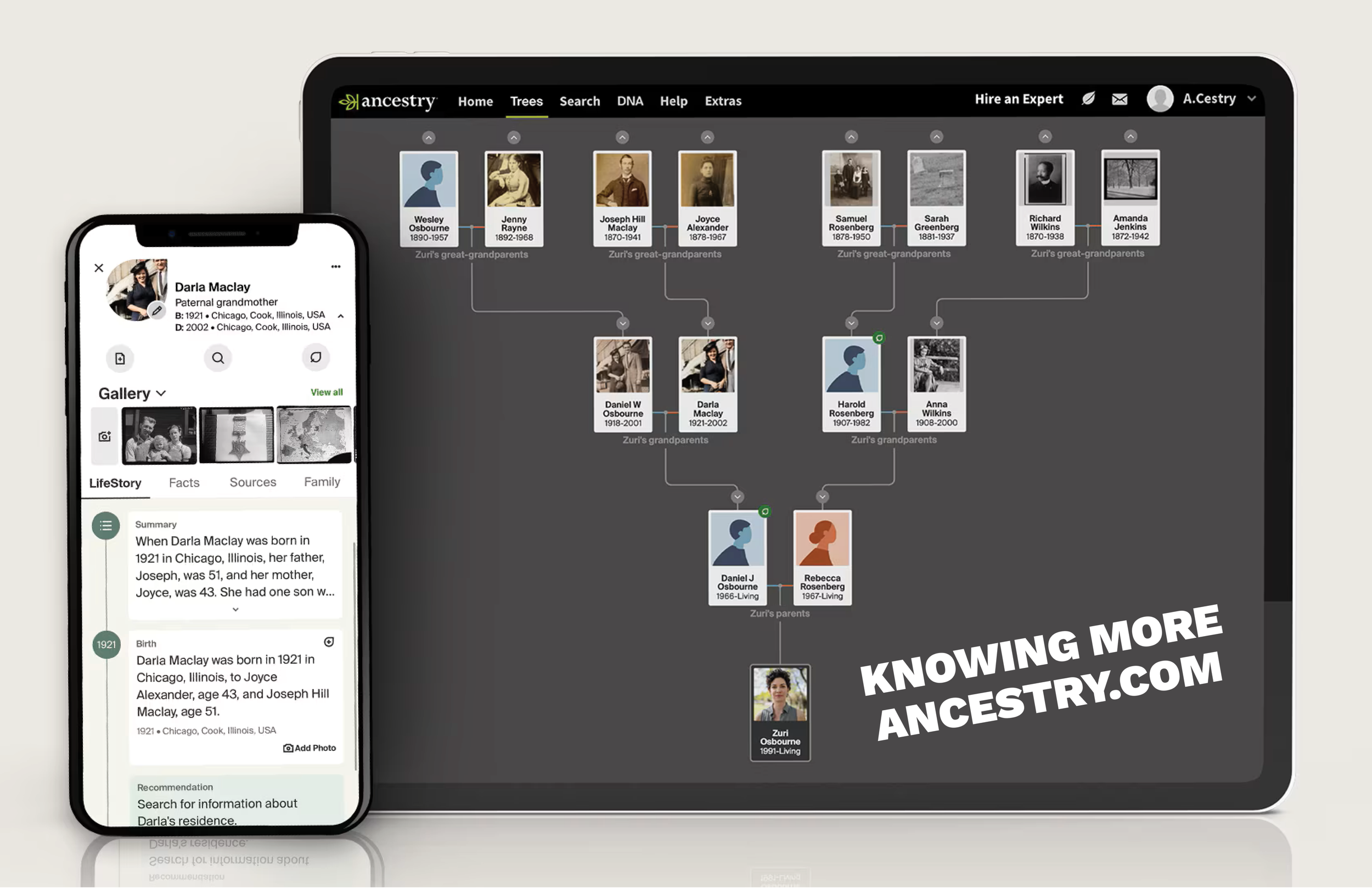
KNOWING MORE | ANCESTRY.COM

May 24, 2026

We have always been fond of the quote, “to know where you’re going, you have to know where you have been.” Not only does that include your personal journey, but we also believe it includes insights from your ancestors as history tends to repeat itself. We enjoy mapping out our family trees, hearing stories and seeing how we are connected to others. We have used Ancestry.com for years to create our tree and to see records as they have become available. Recently, we sat down with Nicka Sewell-Smith, Sr. Story Producer to find out why finding your family history is important, tips we can use, and how best to navigate the site.

ATHLEISURE MAG: There is always someone in the family who takes on the role of being the person collecting the stories of the family. So Ancestry.com is a site that we have been a long time fan of because of the vast amount of records and layouts. We’re very well aware that your background is phenomenal in this space so this conversation feels like years in the making that we’re finally connected to you to talk to you about getting tips when you are going into this kind of research for your family history.

So when did you fall in love with genealogy and realize that you wanted to do this as a career?

NICKA SEWELL-SMITH: You know, I don’t necessarily think that about this as a career. I think that, you know, if you think about that movie Crash, where I don’t know if you’ve seen it, where like everybody had to be at a particular place at a particular time. That’s kind of how stuff operates for me.

AM: Same, love a Crash reference!

NSS: I come from a family of storytellers and I don’t necessarily think that I thought about it from that vantage point - just folks who you know innately had a knowledge of the beginning, middle, and the end and how to add all the details. When you have 2 parents that come from storytelling backgrounds like that, it just makes the perfect storm for somebody to enter this world. So it was that, it was the fact that, you know, one branch of my family, we’ve had family reunions longer than I’ve been in the world. So every two years we were coming together for the common purpose of our family, connecting and doing all that.

You know, the early work that was done on that side on family history - that first family tree is one of the first things I remember sitting down reading by myself as a kid. I would just ask my mom all these questions about everybody that was there and then I went to college for journalism. Wrapped into journalism is the need to search and find stories. So I think that’s actually what made me a great researcher is always trying to find the angle of history, a person’s story, something that will like resonate with this specific person that I’m talking to or whatever the campaign is that we’re working on. I think that’s definitely what gave me a good skill set.
AM: Tell us a bit about your background and how you came to Ancestry.

NSS: I’ve been in the Ancestry family for close to a decade now, but more formally for the last three years. Ironically, I got to Ancestry because of my cousin Crista Cowan. Me and her had actually met at a genealogy conference probably about 12 years ago when I discovered her mom was among my DNA matches. And I was like, wait a minute. This is Crista. Am I related Crista? So we were at the same event and we were just like, okay, we’re going to meet there. It’s so funny. If you actually go on Ancestry’s YouTube channel, you can see the video when me and Crista first met in person. She’s white and I’m Black. How are you guys related? We know now, we know exactly how we’re related. Crista was just like, “you would be an excellent, asset for our team.” I had never even entered the world of consulting, I didn’t even know that I had the ability to do that or that I had the ability to knowledge. Sometimes when you’re meant to do a thing other people see it before you do!

Within weeks of me signing on, I was doing a virtual interview with Essence Magazine, which you already know for Black women, that’s like the like thing. And I’m like, “oh my gosh!”

AM: It better be right because you know that everybody, Grandma, etc is reading that!

NSS: Right! It’s a mainstay. Within like two weeks after that, I was on set in New Jersey. I had never been in New York before. I was sitting there with Dionne Warwick.

AM: Ok, now.

NSS: Like literally that happened! This is fun. I like the variety. Every day is different and that is what I like so much about it is that I can nerd out on content and help our content acquisition team develop the descriptions for the different collections we have. I can be working on a Hackathon project um or I could be interviewed like this or leading a bus tour! I cannot forecast what we’re going to be doing. I have no idea. Just like, I have no concept of every set of set of records that are on the site. I’m constantly coming across stuff where I’m like, we have this?

AM: What is your official title at Ancestry?

NSS: So my official title is Senior Story Producer. So in essence, we work with our marketing colleagues, programming colleagues, and we work with pretty much all across the business, helping people to unearth stories, to bring them to life so that people can see the power of what Ancestry is.

AM: And for those who aren’t aware, how do you define genealogy or being a

genealogist?

NSS: I think that the term or anything with an “ologist” intimidates people.

AM: Right.

NSS: You know, it doesn’t matter is what it is. I’m a Crayonologist!

AM: You’re like, whoa, put your crayons away.

NSS: There probably is somebody that is a Crayonologist.

AM: Crayola does have someone like that actually – there was a press release a few years back.

NSS: I need an Instagram BTS on the Crayolologist.

For genealogy, and we typically use the term genealogist and family historian kind of together. It’s just literally the study of pedigrees and family trees. Most peers will say genealogists. I like family historians. I feel like family history is, what I say is - it’s the dash between the dates that is where you get the most information. You are getting information around when a person was born, where they were born. Same thing for where they died and when they died. But that dash between those dates is the context. How did they get that job? Why do they live in that environment? That’s where I like to live. I think that that dash is family history.

AM: We’ve been working on our family tree over 15 years or so. It came out of a curiosity in terms of how far could we go back? It would be challenging due to being Black when you hit certain areas in time.

Why is it important for someone to begin to engage in this activity and to put it upon themselves if no one else in their family has done it?

NSS: I think for Black Americans in particular, starting is the most important thing and the reason why is as we allow more time to elapse the stories, the facts, the documents, the pictures, start to become fewer and fewer. When someone becomes intentional about documenting it in the time in which they live and they pass it to someone else to that next person, they don’t have as much work to do.

As time goes on and as we get access to more records and the way that records are discovered changes, there’s going to be more things that are going to open up that weren’t available when the initial person first started to do research. I think it’s the fact that for me, you know, my grandparents, their grandparents were enslaved. So where I have that phenomenon, my son and the generation after him, for them, the context is, oh, my grandparents lived through segregation. So what’s going to happen for them when they’re grandparents? For them, it’s going to be, we were alive for the first Black President. So you have to keep sort of these milestones and the stories related to it. You have to keep it at the forefront and I think for that one branch of the family that I talked about, I had a cousin who pre-computers started doing this research, they were going to the archives and doing all this kind of stuff - I had that head start there. When I got into it, my research questions were different.

His were just, can I put a tree together? Mine was, can I find the last slaveholder? For other branches of my family, I was the, can I just get a tree together person? That’s the thing, because we’ve got 4 grandparents, 8 greats, 16 great greats. Your work is never done. And as I always say, if people keep being born and dying, you’re never finished. You never will be.

AM: What are some general tips that we should keep in mind before we embark upon setting our family tree? What should we kind of be doing?

NSS: Really, the most important thing is utilizing the living resources you have around you. I think a lot of people just forget that they have living history and individuals who were alive before them who remember those folks or got the stories that you didn’t get. I think that also is the beauty of when you work in community and in concert with others on Ancestry. You start to find other family members that are building their trees out and researching the same people. I remember in one branch of my family where I have so many pictures, you can literally correlate it to how early on people attained property and land. Wherever that generation is, that was their goal. They met it. Then the next generation, they don’t have that goal anymore. For them, it’s a matter of well, we don’t have that goal, so we can afford to buy a camera or afford to go get photos.

So I have this one picture of my great grandmother and her sister-in-law, it’s gorgeous. It’s like a postcard essentially. I’m an AKA and I love the fact that it was literally on Founder’s Day which is the date of this photo.

AM: Oh, wow.

NSS: So I was like, oh my gosh, this is interesting. So I uploaded the picture and I didn’t know I had a cousin who had been trying to find a photo of her great-grandmother. The only picture she had was one where she was to the side. She wanted to know what she looks like. Then when she’s found the picture, it’s her great-grandmother and my great-grandmother. So my great-grandmother’s sister-inlaw was her great-grandmother. It’s literally, she looks just like her. I was like, so here you were, trying your best to get a picture of a woman and all you had to do was look in the mirror! So when we met in person, I was like, okay, we have to take a picture and we both look just like them. I’ll have to send you like a picture so you can see. I remember I posted that on social and people were like, this is so crazy that you all look just like them. It’s just one picture of sepia and the other one is in color. So I would say, that’s the reason why you’ve got to connect with other people in your family first. It’s because they have those pictures, they have those stories. You might have walked away with one thing or your side walked away with one thing and their side walked away with something else.

I think another tip is your home and what you have in your possession. I think people don’t really think they have anything. No, actually you do. You know, one of my grandmothers was like the funeral maven. I promise that lady went to funerals with people she didn’t even know. I don’t understand it to this day, but she was totally like a funeral maven and she would just keep these programs. You know you’ve just got to save the program. We lived miles away from her. So she would periodically, like quarterly, she would send my mom a stack of obituaries of people who had died. So I remember being the one who would go to the mailbox and I’d be all excited to go and get this package of obituaries from my grandma. Like what teenager is like that? That was me. I remember the first time I saw a color one. I don’t even know what my mom did with all of those because some of them were family, but some of them were just like friends. But like it’s those things where we’re in a culture now where the mortuary has a website with the information. You have to think about what we have already in our possession and sometimes those things can answer the questions that we have around what’s going on with our family trees. And that might be the only thing we have that substantiates that.

AM: What we love most about Ancestry is everything is so organized. You have the newspaper documents and when you roll your cursor, it’ll enhance the document so you can see what it says as sometimes the incursive may be tough to read. As the family historian, you feel like Carmen Sandiego!

NSS: So I actually brought her up during a meeting yesterday. And I was like, do you guys even know who that is? That show was like the journey and return. If you were into that, you got it.

AM: So what are the kinds of items that you generally can find when they access it between the Newspapers.com and other resources?

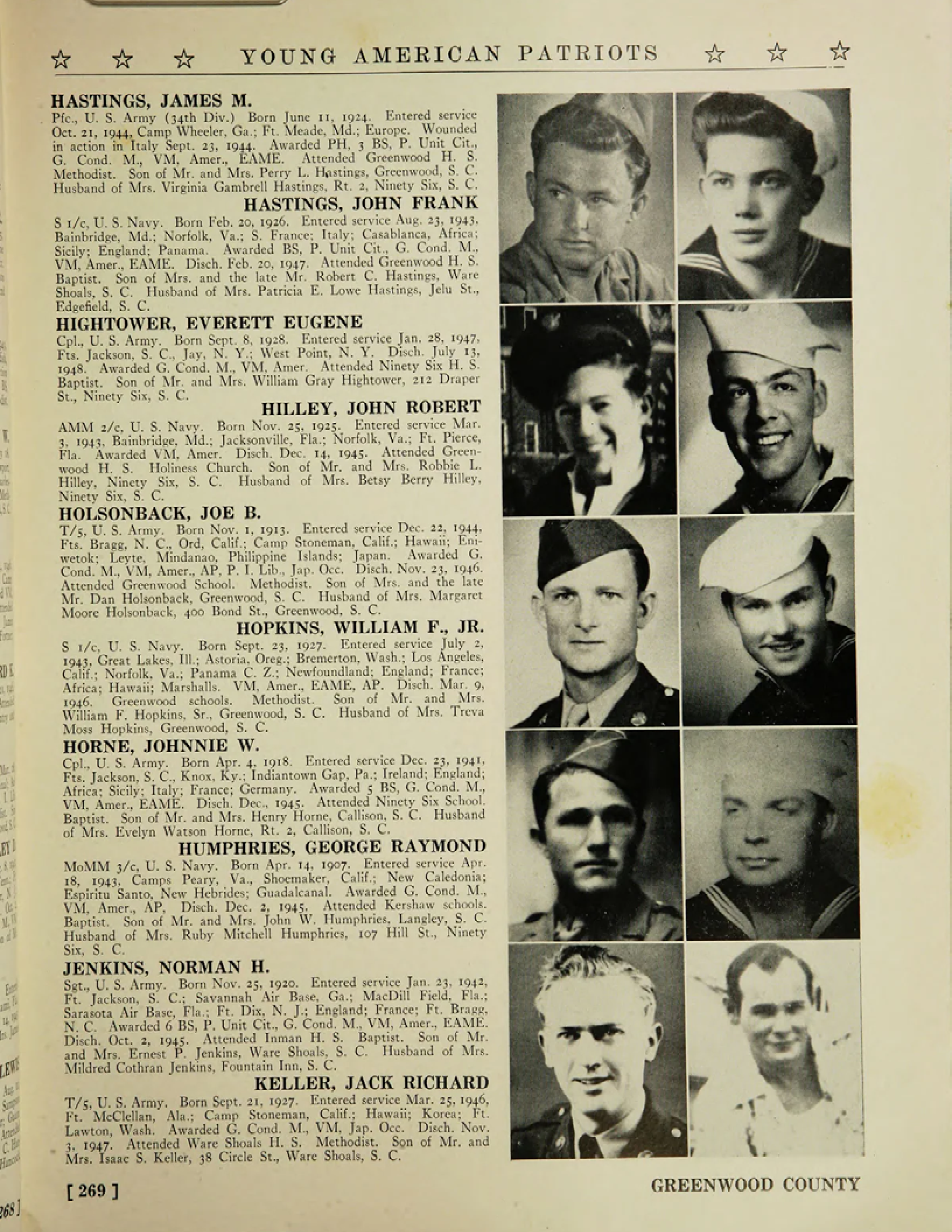
NSS: So Ancestry, we are a company of many aunts and uncles. You know, that’s one of the ways that I describe to people who I report to is I say who my grandmother is, who my parent is. Everything from Fold3, which is military records, Newspapers.com, which is the newspaper’s archive, Find A Grave, Virtual Cemetery, where volunteers go around to cemeteries around the world and photograph headstones.

There’s just Ancestry in general. I think also people don’t know or aren’t aware because we’ve got really great marketing that Ancestry DNA and Ancestry are both still Ancestry. People think that you can just DNA test and that’s all we have. No, there’s 70 billion plus historical records on the side. Most folks, it’s the U.S. Census. That’s probably the number one record that they’re going to use because you can go back in time every 10 years. You can see family groups together. One of my favorite things is the multi-generational household where you’ve got the parents and the kids and the grandparents and sometimes the great-grandparents. I’ve even seen great-great-grandparents in the same house. There’s that there’s a draft cards, you know, that’s one of my favorite things to share with folks where they can see the signature of their, their male an cestors or, a vital records like births, marriages, and deaths from the actual certificates to indexes. All these things, you know, really come together. And really, again, it just broadens out what we know about folks. And then within each of those records, you get a bunch of different things. In the 1950 census, it will tell you things like, or actually 40 will tell you the highest level of education a person has. Where they were living five years earlier or where they were living the year prior. You get their occupation. Did they own their land? Even like crazy stuff like, did they own a radio? Could they read or write? There’s all kinds of stuff like that where if you’re just focused on the names and the dates, you’re going to miss all that additional contextual information. So, yeah. So we have so much stuff. Sometimes there’s unique state specific stuff where we tell you, here’s the history of this collection. Here’s where we got it from. Here’s what you can find. Here’s maybe a way that you can go and get more information based off of what you find here. Like that part too is important because the collection I’ve been talking about most recently are like the cosmetology licenses in California where they say she could pin curl. In that collection there’s a lot of immigrants who were starting their own businesses and literally trying to make themselves in a new place. And so you’ll see them, you’ll see Black folks. It’s a great genealogical source.

AM: What should we be mindful of? We had this happen in our family this weekend. You’re told certain stories in your family that become canon. It is great that you hear those stories. But then when you start looking at the documents, you’re like, wait, the story that was being told and what the paperwork is saying doesn’t match up. So we were told that there was a certain celebrity that was in our family and we wanted to know from what branch. When the branch was mentioned, that didn’t align with the documents. It became a long conversation and number people on speaker phone to get to the bottom of it because people remembered conversations that were said but the documents are the documents in many respects. It’s not to say that someone couldn’t have said something in a document that could be in question. What should we be mindful of in knowing that, yes, people are telling us these stories, but maybe these stories might be twisted for whatever the reason it is and aligning that with what the actual historical record is saying?

NSS: Yeah. I think about the game telephone. You’re doing team building and the first person says the thing and then it gets passed and then people think they hear one thing, but they don’t and it ends up getting transposed. It happens quite often. You know, it’s not that the person was lying. It’s just that they just got the stories confused. You’ve got to remember, again, you’ve got 2 parents, 4 grandparents, 8 great-grandparents, 16 great-greats. And, you know, for your mom, that’s just my side of the family as opposed to, actually, it’s my dad’s side. So people don’t kind of know where the off-ramps are. People come to genealogy and family history trying to substantiate stuff that you’re talking about. Generally, what I tell them is, run into it. Do not chase the proverbial we’re related to and the reason why is sometimes you get confirmation bias. Oh, look, this name matches - actually, hold on, step back - That might not be that person and here’s why. This and this are not quite lining up.

I’ve been there, so there’s a branch of my family that has around our origins in Africa. I was like, listen guys the 6 pages of records that I have with regard to enslavement do not go back to Morocco. The oral history you all have about us not being enslaved – no. What I have, that’s not it. It’s not my job t say you’re wrong. I’m going to let you believe whatever you want to believe. Then I have other branches in my family where it was spot on!

There were no deviations, the names matched and it’s like how did the story stay intact like this? I have one infamous ancestor that I often talk about it and I say that he is the ancestor that if he is going to be in a debate on who my favorite one is – it’s him. He’s the one where we are all related through our dads but it’s our moms who have passed on the stories as our dad’s have passed. It always blows my mind, because our moms shared the stories and that’s how we all found each other. Then we started going online and searching, and one found me, the other one found me. I would say don’t throw out the baby with the bathwater on the story because some people do. At the same time don’t lean so heavily in on them either. It’s research, but there’s a human and emotional component to it and there’s an identity component to it is where things get murky because we process in our own way.

I give people permission to seek this information out because sometimes folks need a vote of confidence. They need someone to say it’s okay and and you know it’s it’s okay to go and search the information out. Maybe it is a journey you take for yourself and once you have absorbed it, you can share it with others and let them sit with it.

AM: That is a great point.

One of the things, once you start delving into the rabbit holes is you learn terms. There is a termthat to this day it baffles when the site notes that a family member is x amount removed. When we first read this, we thought oh this person and then divorced, but we now know it doesn’t mean that. Can you define what it means when we see this?

NSS: Imagine that your family is represented in a multi-story building. Your earliest ancestors are on the first floor - those are your great great grandparents. Then when you move up to the second floor that’s where your great grandparents are. The third floor is where your grandparents are. The fourth floor is where your parents are. And the fifth floor is where you are at in the building. If you want to go and visit your parents or their first cousins, you have to go down the next floor.

AM: Right.

NSS: That’s what once and twice removed is. So, you know, it’s like, they’re still in the building, but I have to go to the floor. So if I want to see mom’s first cousin, I got to go down the floor. If I want to see grandmother’s sister, I’d go down to three. If you’re on five, you want to go see your grandma’s sister or anyone on that generation, you’ve got to go two floors down.

AM: What is a DNA cousin because when you’re watching Finding Your Roots, every now and then, he lets you know about your DNA cousin. What does that term mean?

NSS: So DNA cousins, are folks who have had their DNA and we test them compared to your DNA. We have identified that you all share segments of DNA so you’re related genetically and then you have to go about the work of trying to figure out exactly how. For the example I gave with me and Crista me and her mom share I think 20 cinnamorgans or something like that. Cinnamorgans is the degree of relatedness and then it was using deductive reasoning - who’s in common with me and her mom on my side? It’s my grandmother my paternal – for her it’s her maternal grandfather so it’s opposite sides. From there, who’s living where – where is the relationship at and we got back to I think it’s my fourth parents or fifth grade parents - it’s back that far, but it was traceable. The closer the relationship, the more dna you share with the person. The further out, the less amount of DNA that you share.

AM: For those that may be hitting a brick wall on Ancestry, are there services that a person could use professionally to get the information?

NSS: So one of the parts of Ancestry is called Pro-Genealogists, and there are a whole team of professional genealogists who are certified, and they work and specialize in specific areas around the world, not just the United States. So if someone got stuck and was not sure what to do, they could connect with Pro-Genealogists. Also, we have a whole section of learning that we have on the site. If you go to ancestry.com/education, we do weekly webinars. Those are free for the public that teach you how to use the site and how to delve into collections. Plus there’s the wiki.

AM: For those of us that are Black, being able to search family origins becomes a little tougher as you keep going further back. What are some of the resources that we should be using?

NSS: I think the number one thing is your timeline. I think folks ignore this because we want to get back as quickly as possible. But having a timeline, meaning who’s in play, where are they at, where are they living? This is key especially prior to 1900 - even though that sweet spot we want to really contextualize where folks are at between 1865 and 1870 we really need to qualify the reconstruction time period and you know post-slavery time period you know to 1865 to 1899 to be honest right because folks were moving around, they were assuming what their identities were. They could have gone by one surname in 1870 with another one in 1880. They could have moved to different counties. They could have been involved in transportation.

I was just with some folks last week where a friend of mine, her family’s from King Street, South Carolina. And there were a group of more than 400 newly emancipated folks who were taken by the Freedmen’s Bureau. They were taken from King Street to Texas. So here’s the thing. If somebody found them, this was before 1870. So if someone found them in 1870 in that Texas county and saw that they were born in South Carolina - they may make the mistake of thinking, oh, well, they were brought here by their slaveholder. They were not brought there by the slaveholder. They were brought there by the Freedmen’s Bureau. So having that timeline is important. You’ve got to know who’s there, what they’re doing, who they’re involved with. And then I think it’s really mining through the records. And especially when you get between 1865 and 1870, it’s so key. Who were they working for? Were they involved in land leases or labor contracts or supply contracts? Who were those conglomerates that they were involved with? Were those potentially the people who enslaved them prior to, you know, have you searched for them as free people of color before 1865? We can’t figure out that, you know, 10% of the population of black folks in the U.S. were free before the Civil War. And then it’s like the clues are there and sometimes they’re hard to see. Sometimes you find them genetically. It may be that you have a bunch of DNA matches from a county or a state where you’re like, we have no connections to these folks, but this is when I would say that’s your ancestor screaming very loudly to pay attention to this.

AM: We enjoy when Ancestry provides hints. It’s the first thing we do after logging in. How important is it for you to check your hints?

NSS: People get used to it when they first start building their tree out. But I think people also forget because we are constantly adding stuff to the site. Then there are also things that we do as well where like if you’re logged in on the homepage, you will see hints that are targeted to Black History Month or Women’s History Month.

When 1950 Census came out, we had a whole tab under all hints that was literally just the 1950 Census. So you could just mine through that. So hints are super important because they’re doing the work for you.

AM: We love when see that little green leaf which let’s us get that information!

NSS: What I love to see too, there are when people upload their own stuff that they have in their own collection, like pictures, funeral programs, things like that, that hints as well. People who also are building out trees with the same folks. It’s giving you a nudge to go check those things out.

AM: For those who are just starting out, what is the reasonable expectation of how long you’ll take or spend time finding your person. When you watch Finding Your Roots, it’s an hour but the research is so much longer! When we started our tree we did it in 2004 and continue to spend hours each week combing through new records that have become available.

NSS: I mean, it’s kind of hard to tell. Here’s the thing. If you’re in my family, you’re going to look out because my tree is there. I mean, and once you get back, it’s going to go. You know what I mean? And for other people, they’re the first folks starting out. It’s kind of hard to prescribe how long it is but you’re right in your assessment that you know we love our partnership with Finding Your Roots you know like that’s a very corralled show that shares the details in 1 hour. The way that the show is framed, it’s two people in the episode and they have to hone in on a limited amount of stories so even in that hour you’re still not getting the whole tree!

You’re going to spend the time it takes to do this. I also think it bears repeating slow down do not feel like you gotta get back to the beginning of time the first time that you sit down because you’re likely missing so much context with your ancestors that you just miss because you’re speeding through, you’re not reading through everything, and you’re missing crucial important stuff that you’re going to need later. And the other thing I’ll also mention is people just say, like, what’s the most underutilized record set? And I always tell people, it’s the stuff you already have. That’s the most underutilized stuff. Because your perspective on a person, an event, It’s based on what you know at that moment when you encounter it. When you learn more, your perspective generally is going to change and shift in time. And you’re going to read through the same subject. It’s going to feel like you’ve done it 700 times. And you’re going to have 700 different thought processes.

AM: For those of us who have accounts, how are we able to like share that information?

NSS: So there’s lots of ways. You can share your tree directly. So anyone with a registered free account can look at and can view a tree. The subscription comes into play when you’re accessing certain record collections. But there are still a ton of records on Ancestry that are free. There’s also when you have things like Pro Tools, you can report where they can start from your perspective and then go to the earliest ancestors or vice versa starting from the earliest ancestors down to you and then you also have charts and things that you can print out like pedigree charts right.

AM: Is there anything coming up in Ancestry.com that we should know about in terms of certain collections you guys are going to be focused on?

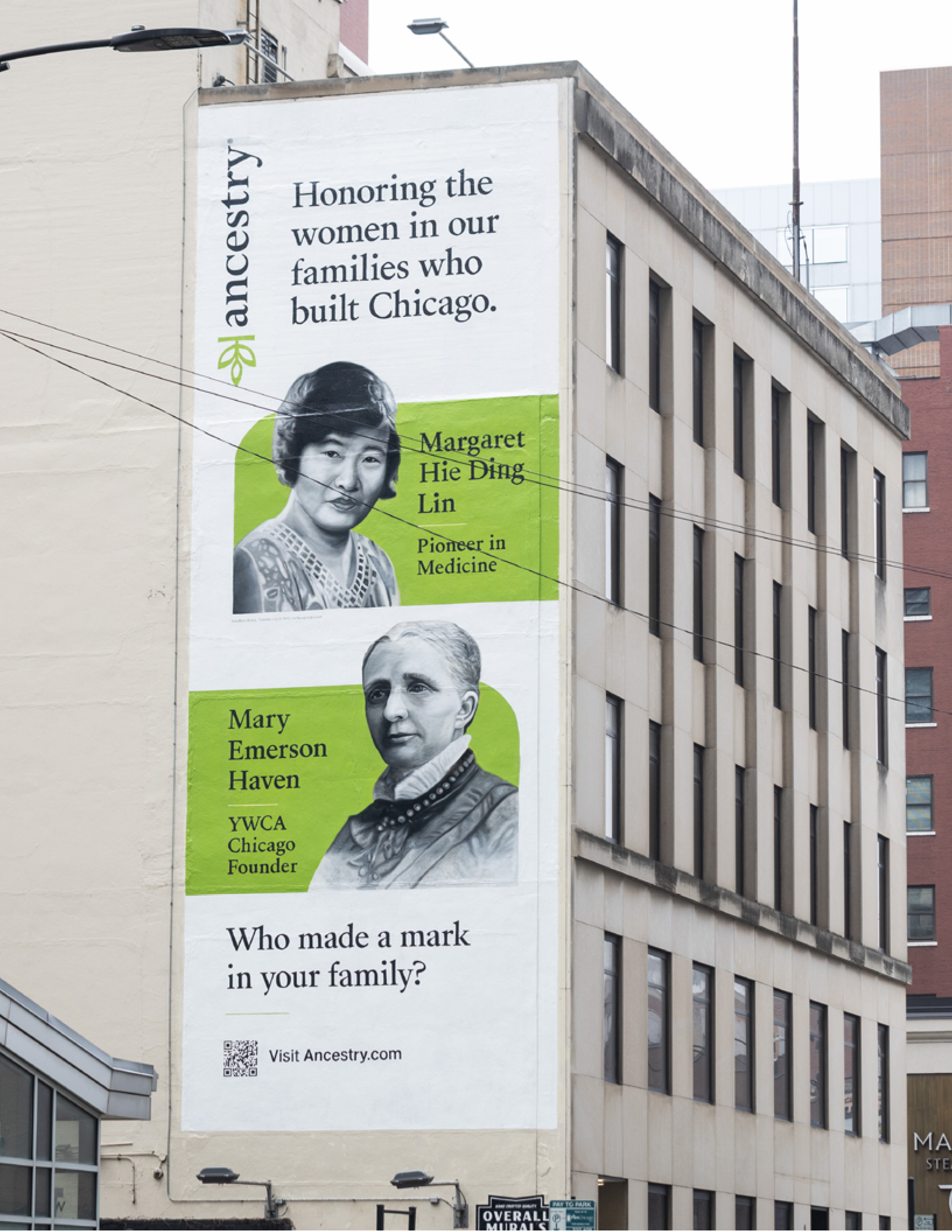
NSS: There are so many things I’m thinking of but the one that is coming to mind due to the timeliness - it’s America’s 250 years coming up. We have our Whole Stories On Us Campaign and we collected stories all across the United States for every state for the known and unknown figures in the US. So that campaign rolled out in January of this year. We’ve had murals commissioned in two different cities in Chicago and in New York to commemorate stories that we were telling there. So the one in New York featured the first Black Chief in the Fire Department of New York along with a photo of a woman and her children that he saved from a burning building in 1929 and what we were able to do was bring the descendants of the firemen and the descendants of people who survived the fire together so they could meet. They had never met.

Then we had another thing that we did in Chicago where we focused on Women’s History of the statues in Chicago as 95% honor men they don’t honor women and we worked on that and we did a bus tour that told the story of women who helped build the city of Chicago and so the mural that we have in Chicago I think it’s still up to the end of March. It features Mary Emerson Haven who was one of the founders of the YWCA along with Dr Margaret Lynn who was a Chinese doctor in Chicago and then the bus tour stops go all over the city.

AM: That’s cool.

NSS: We have one more tour that’s in a couple days and then we have a connection program with YWCA and we sponsor their Tech Girls Program. So we have a whole tour that we did specifically for them and then we’re continuing to expand out throughout other geos across the country to continue to tell those stories but the landing page is there. What I think it does really effectively is it tells you who the person is and it shows them in Ancestry records so that you can see that these notable people and some people who may not necessarily be as notable in records.

IG @ancestry

@neeksmith

PHOTOGRAPHY CREDITS | Ancestry

Read the APR ISSUE #124 of Athleisure Mag and see KNOWING MORE | Ancestry.com in mag.
In AM, Apr 2026, Lifestyle Tags Ancestry.com, Ancestry, YWCA, Nicka Sewell-Smith, Ancestors, Storytellers, Crista Cowan, Essence Magazine, Dionne Warwick, Genealogy, Family Historian, Cousins, Fold3, Newspapers.com, Find a Grave, DNA, Finding Your Roots
Comment

LIFE POWERED BY HYGGE

February 6, 2017

As connected as we can be, it's refreshing to know that there are still things that can be embraced even if it has a strong heritage and culture that we have yet to adopt (or maybe have unbeknownst to be engaging in it without being aware). As the Co-Founder/Style Director, part of the rewarding experience is to find how I have been aligned to a number of concepts within Athleisure that I have done for years (as well as learning about things that I was previously unaware). 

I say this as anyone who knows me knows that I am all about comfort (while looking chic), being cozy and being able to take moments for myself as well as intimate gatherings with others. I feel that in the midst of a fast paced lifestyle, these moments are essential to our wellness survival and it keeps my batteries charged when I work at dizzying speeds!

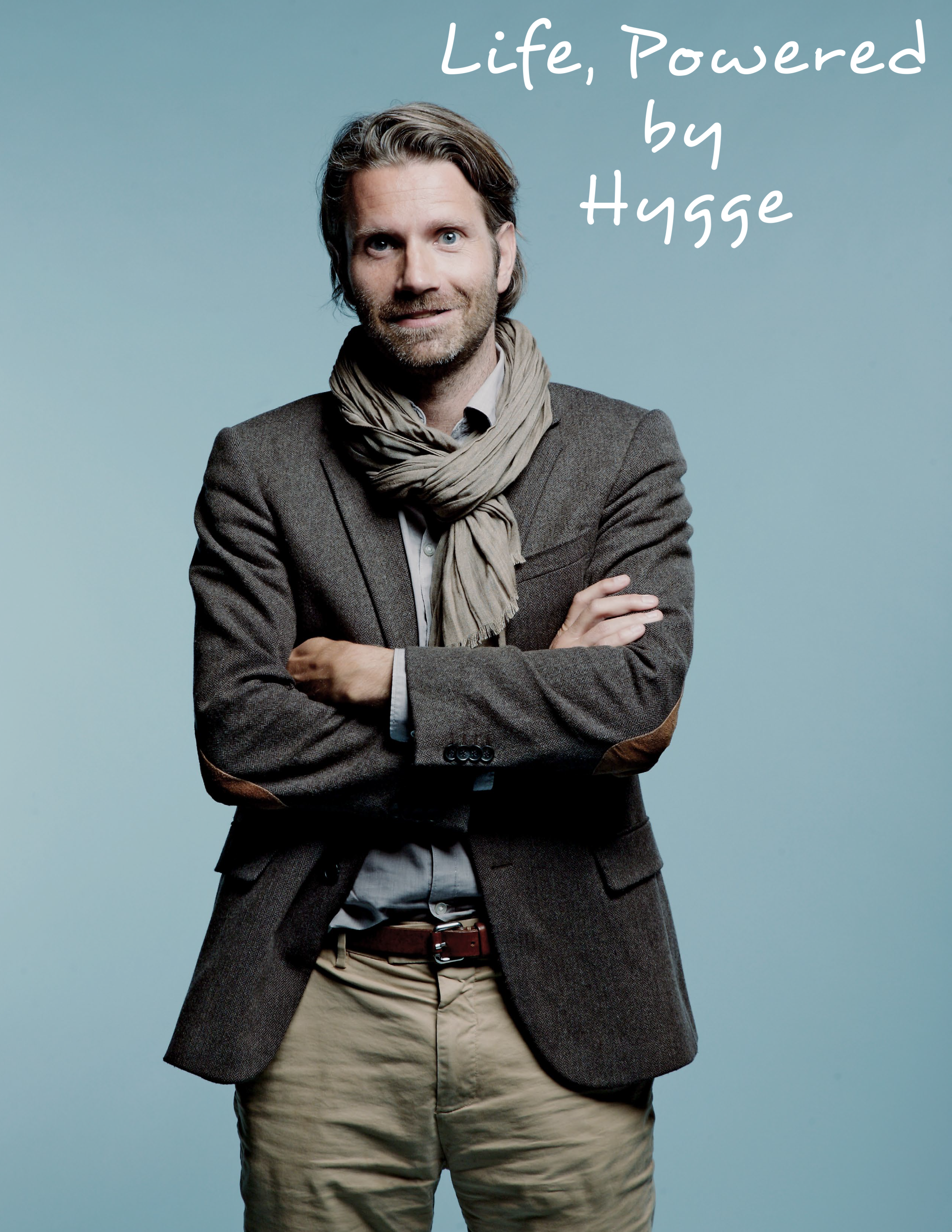
So when I started hearing about hygge, I became curious as I wanted to know more about this integrated way of being that has its roots in Danish culture and is making waves across the globe. There was no better person to talk about the intersectionality of hygge happiness,  socializing and more, than Meik Wiking who has literally written the book about the practice for those of us who are not familiar! Clearly, he is well versed on the subject as he is from Denmark and is the CEO of Copenhagen's Happiness Research Institute. 

Following this interview, I have curated items that you should have on hand in order to embrace hygge especially with the winter season when we could use a little extra comfort and centering!

ATHLEISURE MAG: Tell us about your background and how you came to creating a career that focuses on the study of happiness and the creation of The Happiness Research Institute?

MEIK WIKING: As CEO of Copenhagen's Happiness Research Institute, I study what makes people happy across the world. In 2011, the UN published a resolution which stated that “the pursuit of happiness is a fundamental human goal” and in 2012 it released its first World Happiness Report. Denmark regularly topped the list, and occurred to me that somebody should be trying to gather some intelligence about why we were doing so well in the happiness rankings, and then I thought “maybe I should do that.” In a matter of two months, I had quit my job and started paying even more attention to the global interest in what makes us happy.

AM: How did your work in the research of happiness bring you to creating The Little Book of Hygge?

MW: On a weekly basis, I am asked questions like “Why are the Danes so happy?” and “What can we learn from the Danes when it comes to happiness?” from journalists, researchers, nalists, researchers, and policy makers around the world. Denmark does have a strong social safety net, but so do other Scandinavian countries and Denmark still ranks highest on happiness surveys.  I came to realize that there might be an overlooked ingredient in the Danish recipe for happiness, and that is hygge.

AM: Throughout the book, you share the feelings and sentiments that create hygge and how it can be experienced alone, as well as in a collective, what are your favorite moments of hygge?

MW: Hygge is something I practice every day. I try to build a little pleasure and gratitude into my daily routine.

AM: In your opinion, is hygge a component of mindfulness?

MW: Not to us Danes. We have been talking about hygge for the past two centuries, whereas mindfulness is a recent trend. Also, we don´t see hygge as a trend, but more a part of our culture and national DNA. But I understand why this question is being asked, because both mindfulness and hygge share a focus on being present. 
 
AM: With an increase in meditation studios, candlelight yoga sessions, spaces where silence is encouraged to reconnect and retreats what elements of hygge can be included in these activities?

MW: Hygge mainly has to do with the absence of sounds, which enables you to hear even very quiet noises such as raindrops on the roof, wind blowing outside the window, the sound of trees waving in the wind, or the creaks of wooden planks that yield when you walk on them. Also, the sounds of a person drawing, cooking, or knitting could be hyggelig.

AM: For those who travel extensively, how can they make their hotel rooms or create a traveling hygge kit in order to feel that sense of comfort, when they're away from home?

MW: In THE LITTLE BOOK OF HYGGE, I talk about hygge emergency kits which can include candles (good quality), chocolate, tea, a blanket and, naturally, a scarf. In Denmark, we suffer from scarf withdrawal syndrome, so it’s important to have one on you at all times. If you pack this up and take it with you, this can easily be your hygge travel kit.
 
AM: Although you grew up in the world of hygge, why do you think that other countries have begun to adopt it?

MW: There is so much interest in Denmark and the rest of Scandinavia because these countries often rank highly in the happiness lists. Also, I believe more and more people are recognizing that our societies have become richer, but we as people have not become happier—and that we in a lot of countries are failing at converting wealth to well-being—and therefore people are looking for new sources of inspiration to improve quality of life—and looking towards Scandinavia in general and Denmark in particular

AM: The book shares a number of stats that reflect the happiest countries, is there data that reflects the happiest US city or state or one that reflects a region that is the most hygge like?

MW: In the US, you have, for instance, the General Social Survey, which would tell you the level of happiness around the country—however, I think we have yet to see a hyggeindex—even in Denmark.  
 
AM: We enjoyed hearing about how extroverts and introverts can experience the benefits of hygge, can you share with our audience how it can assist both groups?

MW: Introverts derive their energy from within, while extroverts derive theirs from external stimulation. Hygge can be labelled as socializing for introverts, because it is about being with others without it being draining. And extroverts can light some candles, put on some soothing music, and embrace their inner introverts on occasion.

AM: After reading this book, there are many notions of hygge that I have done for years without knowing the culture behind it and as the Co-Founder/Style Director of Athleisure, in addition to showcasing an active lifestyle, we are a major proponent of wearing garments that are comfortable and work with your lifestyle, taking moments to connect with friends in a myriad of ways and more. How can those within the athleisure culture mindset adopt hygge?

MW: It sounds like many of your readers are already maximizing hygge. I would suggest just talking about it more because our language shapes our behaviour and our behaviour shapes our happiness.  

More from the Jan Issue

Featured Wellness
LU_2025_Don Riddle_Sorrento Exterior_008.jpg
June 17, 2026
ATHLEISURE LIST | THE RITZ CARLTON YACHT COLLECTION
June 17, 2026
June 17, 2026
MKN_150_original.jpg
June 16, 2026
ATHLEISURE LIST | FOUR SEASONS HOTEL MYKONOS
June 16, 2026
June 16, 2026
AM APR ISSUE _124 kls_kls THE RED ROCKER Sammy Hagar-1.png
May 27, 2026
THE RED ROCKER | SAMMY HAGAR
May 27, 2026
May 27, 2026
AM APR ISSUE WOMEN'S HEALTH SPORTS & PERFORMANCE OS (1).png
May 26, 2026
WOMEN'S HEALTH AND SPORTS PERFORMANCE
May 26, 2026
May 26, 2026
AM APR ISSUE _124 kls_kls BRINGING ROME TO NYC Ginger Ristoranti-1.png
May 20, 2026
BRINGING ROME TO NYC | GINGER RISTORANTI
May 20, 2026
May 20, 2026
ATHLEISURE LIST | F1 ARCADE LAS VEGAS
May 16, 2026
ATHLEISURE LIST | F1 ARCADE LAS VEGAS
May 16, 2026
May 16, 2026
AM MAR ISSUE #123 OS DINO MALVONE (1).png
April 28, 2026
TRAINING TOGETHER | DINO MALVONE
April 28, 2026
April 28, 2026
AM MAR ISSUE #123 OS Erin Jackson_Jordan Stolz (1).png
April 27, 2026
GOLDEN HAPPINESS | ERIN JACKSON + JORDAN STOLZ
April 27, 2026
April 27, 2026
AM MAR ISSUE #123 OS Morgan Riddle (1).png
April 25, 2026
IN THE PLAYER BOX | MORGAN RIDDLE
April 25, 2026
April 25, 2026
AM MAR ISSUE #123 OS Joshua Jackson (1) (1).png
April 24, 2026
CHECK YOUR HEALTH | JOSHUA JACKSON
April 24, 2026
April 24, 2026
In Book, Fashion, Food, Jan 2017, Lifestyle, Magazine, Music, Pop Culture, Style, Wellness Tags Meik Wiking, The Little Book of Hygge, Hygge, Danish, comfort, food, Denmark, hyggeindex, General Social Survey, hyggelig, DNA, Danes, Danish recipe, scarf, Copenhagen, Happiness Report, Copenhagen Happiness Research Institute, UN, Style Director
Comment

WELLNESS MIND BODY SOUL TRENDS 2017

January 1, 2017

The Wellness space continues to change with innovations, its players, and new findings. With so many offerings out there, you want to enjoy what you've been using and doing but it's also nice to check out what is the upcoming trend. We took some time to talk with mindbodygreen's Founder and CEO Jason Wachob about how he came into the space, his company and their Annual Wellness Trend Report 2017 (as seen recently on Dr. Oz). Following this interview, we talked with some of the people and brands that he highlighted to share with you as we head into 2017 with this new knowledge.

ATHLEISURE MAG: Can you tell us about your background and what led you to creating MindBodyGreen?

JASON WACHOB: I am 42, I played basketball at Columbia a long time ago and became an equities trader. This was the 90’s, there were no startups. I always joke that people did one of these three things when you graduated, if you had really good grades and wanted to help people, you became a doctor or you went to law school and if you were looking to increase your wealth, you went to Wall Street – which is what I did. I quickly found that money did not buy happiness as 9/11 happened – I was a block away when it happened. I left and became an entrepreneur. I worked at a few startups that didn’t work and I found myself flying 150K miles domestically in one year. 

An old basketball injury compounded with stress (I’m 6’7” in a coach seat)  - I had 2 discs pressing on my sciatic nerve – my right leg was like a lightening rod with excruciating pain. I went to the doctor and he said that I needed back surgery and I got a second opinion and he said the same thing. Then as an afterthought he said, “maybe yoga could help.” I started doing yoga and saw things differently by changing my sleep, environment, and nutrition. It was a big part of it and I was completely healed and never had to do surgery. I was like “holy cow” there are so many people that have things wrong  and are looking to heal, lose weight, and change. There are so many ways to do this from spiritual, nutritionally, and physically – it’s all connected. So I decided to launch the site, MindBodyGreen – one word in ’09.

AM: What can readers who are first time visitors expect to get when they come to your site?

JW: I think that they will find something good for them wherever they are at in their life. I talk about those pillars: mental, physical, spiritual, emotional and environmental. Wherever you are, no matter your age, fit, whatever is going on – you will find something that resonates and inspires you to live your best life and to provide you with the content and inspiration to do so.

AM: What led you to creating the Wellness Trend Report? How many years has this been out, how do you go about finding the data and ultimately choosing what is on this list?

JW: I think we have been doing it for 5 or 6 years! It just started to become apparent that we would see things before they happened and it is a blend of art and science – looking at the data of what is trending and what people are reading combined with all the entrepreneurs that come through our office. We sometimes get the first look 6 months to a year before they come out and we have 10M readers and 5K contributors that are tapped into what is going on. This tells us what’s going to happen before it happens. 

AM: Of the items that you were able to uncover, what are some of the standout trends for 2017 that stuck out to you? 

JW: I think on one hand, it’s sort of interesting that sobriety is a trend and that the other one is alcohol is as well.

AM: We were struck by that too!

JW: It’s super interesting, on one hand people are not drinking and on the other hand there is this liquor which a lot of people in terms of health benefits think it’s bad. But this plant based liquor which is gluten free and has a spiritual element to it – which allows it to trend the other way. To me, it’s very interesting

AM: I liked in reading your report, that you included Daybreaker, which I have attended a few this year as I am also the Fashion Editor of DJ Mag. The first time that I went, I didn’t know what it was and couldn’t believe that attendees get up to attend a 7am party which includes dancing, yoga, etc and there is no alcohol there – it’s a wellness party – this is definitely in the trend for sobriety.

JW: Yup! It speaks to this idea that there isn’t a one size fits all for people. For some people sobriety works and for others it doesn’t.

AM: Do you feel that these trends are more apt to be seen in cities like here in NYC, LA, and Miami or that they do roll out to other cities that aren’t on the coasts?

JW: I think it tends to start on the coast, but what I have seen lately is that things are picking up in the middle of the country pretty fast. Like Atlanta is one of our fastest growing cities in terms of our audience. So I think that things start here but because wellness is seeping into the mainstream in a really big way – we talk about this in trend 11, you have some pretty big brands like Target, IHG (hotel group), and Whole Foods. The fact that you have some pretty big brands making this accessible in terms of price point, they are changing the landscape where 15 years ago this would have been exclusive to LA, San Francisco, Boulder, NYC. Things that start here but they spread pretty fast.

AM: What are the trends that you felt would be on this list but didn’t make it or do you feel that everything did make it?

JW: I think that everything we thought would be on here did make it on here. We look at a lot of stuff and we felt really good about everything that was on here.

AM: Who are some of your favorite contributors on your site in general and how do you go about selecting them?

JW: You know, I think it’s like picking your favorite child, we have so many – we have feature contributors. Anyone can be a contributor. If you’re a celebrity, a doctor or a wellness enthusiast – it’s very much so a democracy. It comes down to whether you’re sharing something that’s quality content. We don’t publish everything that we receive and we turn down way more then what we publish. To me, I don’t necessarily have any favorites as I love a number of our celebrities, doctors and enthusiasts. We love all of them but they all have unique perspectives which are equally important.

AM: What trends that are on the list are you looking to adopt into your routine now?

JW: Good question! Well, the women only spaces would not be for me as they wouldn’t allow me in. The personalized nutrition one is something that I want to try out for sure. That is interesting to me and purports my belief that there is no one size fits all aspect to wellness or to life in general. To have this amazing new science to validate that is something that I am going to test this year. Nutrition is very exciting and it really shows the future of this movement that merges east and west as there is real science saying this is why you need to eat Brussel Sprouts or on the flipside that it could be terrible for you.

AM: This is also true. In the last year alone, we have learned that there are a number of workouts, and foods that you thought were good for you and you find out that they’re not. There are so many interesting trends that are highlighted for 2017 that MBG has pointed out which you can see in the full Annual Wellness Trends Report. 

We went through the Annual Wellness Trend Report and reached out to a few movers in these categories to find out more about what they are doing and why we should be aware of it. 

MINDBODYGREEN ANNUAL WELLNESS TREND REPORT 2017

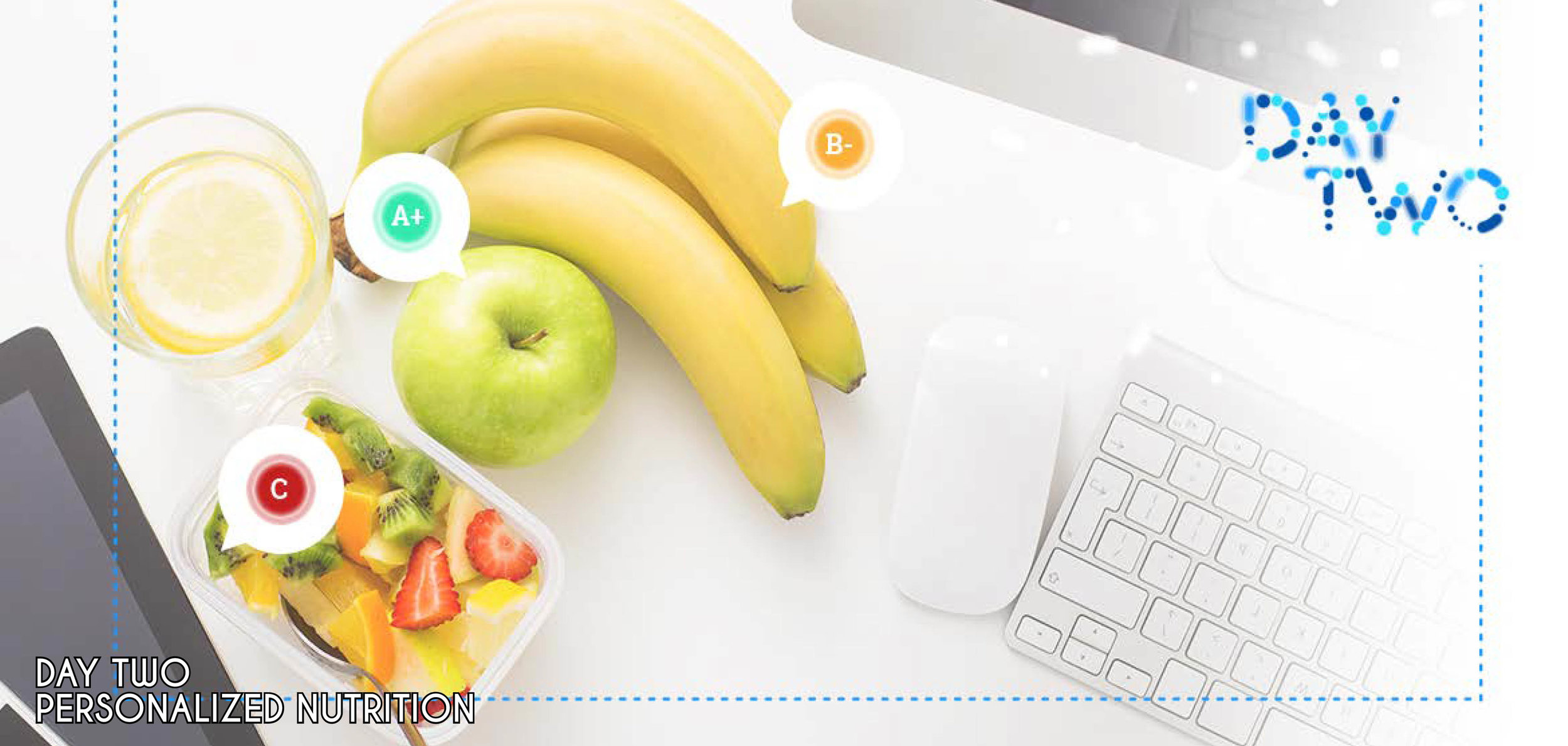
1. Personalized Nutrition
2. The Age of Fashion Minimalism
3. The Sobriety Movement
4. Wellness Is More Than Yoga & Meditation: It's A Sensory Experience
5. Ugly Greens Take The Spotlight As Restaurateurs & Brands Take Steps To Fight Food Waste
6. Mezcal Moves To The Top Of The Cocktail Menu
7. Communal Gathering And Women-Only Social Spaces Are The New Wave In Wellness
8. See Ya, Acai: Medicinal Mushrooms Are The New Superfood Staple
9. Infrared Saunas Are The Trendy New Spa Treatment
10. Affordable, Accessible Wellness Is Starting To Go Mainstream
11. The Ketogenic Diet Becomes The Diet Everyone's Talking About

AM: mbg listed Mezcal in its Annual Wellness Trend Report as a cocktail that is moving to the top of the cocktail menu. Tell us how you decided to embark on this particular business and what is your background in this space which ultimately created GEM&BOLT?

GEM&BOLT: We (Elliott and Adrina, co-founders) are both artists that grew up together in a bohemian outpost in the mountains of Virginia. For many years, we collaborated together as artists which eventually took form as a speakeasy in the Bay Area, which we called GEM&BOLT. We served mezcal infused with various superherbs which people loved! When we started serving mezcal with Damiana, we were amazed by the dynamic of the two together. It had perfect synergy. Our growing interest in Mezcal led us to Oaxaca to explore the origin of Mezcal and it's surrounding culture. Everything about Oaxaca stole our hearts immediately. Within two months, we closed down our California project and re-located the GEM&BOLT speakeasy to Oaxaca where we began hosting similar music and arts events. Little by little, we immersed ourselves in the world of mezcal. One day we chanced upon the origin myth of mezcal, which speaks of a lightning bolt striking the heart (gem) of the agave, roasting & fermenting it's sugars into what became known as mezcal. The serendipity prompted us to embark on a brand of our own. The whole process and growth has been very organic.

AM: How is Gem & Bolt differentiated from other alcohol offerings in the beverage space? 

GB: GEM&BOLT mezcal is distilled with Damiana, a lovely herb that brings a subtle botanical element to the mezcal. Damiana is mythically believed to elevate and enhance... People call it a heart-opener. 

AM: What are the benefits of Mezcal and why did you focus on this as opposed to tequila? 

GB: There was never a question in my mind between mezcal and tequila as we walked down this path. Mezcal called us for it's spiritedness, it's honesty as a product. It's hand-made, with patience, integrity and intention. From the first sip to waking up the next day, you feel the cleanness of mezcal in every respect.

AM: Why is Mezcal slated to trend for 2017 in the area of wellness? 

GB: By nature, as an artesanal product, mezcal is very clean and free of additives. In the same way people seek clean, high-quality food, there's a growing interest in high-quality small-batch craft spirits. For me, it goes hand-in-hand with the slow-food, farm-to-table movement. People want to know where their products come from and the story behind them.

AM: Womens-only spaces are a trend highlighted in the Annual Wellness Report. Can you tell us about your backgrounds and what led you to entering this space?

MELISSA WONG: When Sandra and I met, we were introduced because we both had our own organizations for women. She ran GIRL PARTY events, focusing on a range of topics like body + sex positivity, entrepreneurship, skill building workshops and I ran Up Speak, a peer mentorship groups for women. We met at the beginning of this year and after learning that we both believed in the power of in person gatherings, we decided to embark on a one month pop up. Eventually that month snowballed into a year-long lease after a space presented itself and we realized we wanted to grow a community beyond a months time. We each have a background in hospitality and events and had similar office based experience in tech and advertising, so we were easily able to speak the same language and get on the same page for this project. 

AM: What is New Women Space?

MW: New Women Space is a project cultivation and community event space, placing the ambitions of women of all experiences at its center. We believe that through conscious event design and warm hospitality that we can help create a supportive space for women to connect with each other and grow their projects. We operate from the standpoint that women have not had equal access to resources like space, mentorship, and encouragement. We aim to help create a positive environment for women to realize all they are capable of.

AM: What are the benefits of being a member of NWS and why would one be in this space as opposed to other options of this nature? 

MW: We don't currently offer membership at New Women Space. We wanted our programming to be accessible and inviting and didn't want to create any sort of in-group feeling at the space. We hope that women would be attracted to New Women Space based on our diverse programming, our approachability, attention to intersectionality, and opportunities to interact with other women in an intimate setting that feels more like a home away from home where you can instantly get comfortable and feel at ease. 

AM: What community and interests does NWS serve and will you expand?

MW: We serve women who wish to learn and connect with other women, who believe that through collective conversation and action that we can create a more welcoming and empowering reality. We offer programming that will nourish your head, heart and spirit - from professional development to wellness classes, accountability programs that help women make progress in their work to carefree nights like our all women's comedy night. 

We don't have any plans for expanding to an additional space just yet. We want to ensure that we grow with intention and thought and tend to the space and community we are seeing evolve everyday.

AM: What requirements are involved to be a member at NWS and what amenities and services do you provide?

MW: We don't have any requirements to host an event at New Women Space. We entertain all kinds of ideas and ensure that each woman who submits an idea for a workshop or event receives support and attention to see how best we can accommodate them in the space. 

Our ground floor is bright and open and steadily growing a plant collection. Our basement floor is cozy and intimate, ideal for hosting wellness classes or performance based events. We have seen time and time again how the energy and ideas of the women that come through our doors fill up the space and make it come alive without the need for any fancy amenities.  

AM: Why is this a community slated to trend for 2017? 

MW: We didn't open New Women Space because we foresaw a trend or wanted to jump on any bandwagon. Yet, since we opened a few months ago we've already been included in several articles that address a growing number of spaces dedicated to women. It is clear that there are other women in the NYC area and across the country who have made supporting women their mission. 

We heard from many women after the election results that they were so grateful that we existed. I think it's an important time for women to feel that someone is looking out for them, carving out safe space for them, and trying to create opportunities for them. We're honored to be a part of any movement that aims to do just that.

AM: We're always looking to up our game when it comes to our beauty treatments and are intrigued about your backgrounds and how you came to embark on this particular spa treatment which is in this year's Annual Wellness Trend Report in MBG?

HIGHERDOSE: Lauren and Katie met almost two years ago through a mutual friend.  Lauren had just left a startup called Aloha and was inspired to bring infrared to health/fitness based on what she learned from doctors/health experts while working there. Part of her job was to seek out health trends, but no product on the market made her feel the way the infrared sauna did. Once she researched the benefits of infrared for an article she was writing. She knew it was going to be the next big thing in the space.

Katie had recently left an executive role at Tough Mudder and was consulting for a detox center.  Lauren told Katie her idea, so Katie tried the infrared sauna, and was immediately "hooked" and gung-ho to launch the company with Lauren. Their backgrounds are very complimentary (Lauren as a nutritionist/health coach; Katie as a financier/entrepreneur), so they make a great team.  

The girls started off by installing infrared heating systems in yoga studios (which was Lauren's original vision).  Along the way, they were convinced New York needed a spa dedicated to infrared saunas since 1) they're in love with the product, 2) New Yorkers are so stressed and need to chill, and 3) because these types of places are doing well on the West Coast.  

AM: What is and the purpose behind HigherDOSE?

HD: HigherDOSE is a lifestyle brand that aims to change the way people think about health & wellness. Instead of focusing on achieving a certain or mile time, we focus on ways to get high naturally (especially through infrared and other next level therapies).  In fact, DOSE stands for Dopamine, Oxytocin, Serotonin, and Endorphins, which are your four main happy chemicals.  We promote a lifestyle centered around healthy ways to up your DOSE.  We believe this captures the zeitgeist of our generation, as millennials are investing more in their own personal happiness vs. short lived highs of the past....

AM: What are the benefits of this treatment as opposed to a traditional sauna?

HD: Infrared heat is very gentle. The experience is similar to lying in the sun on a warm day and feeling the heat radiate to the core of your body. Unlike traditional (hot rock or steam) saunas--which operate at well in excess of 200°F--infrared heat has the benefit of being effective at a more comfortable operating temperature of 100°-150°F.

Traditional saunas heat the air vs. the body directly which can make the experience unbearably hot and difficult to breathe. Because infrared heat penetrates human tissue vs. simply heating the surface of the skin, infrared saunas are seven times more effective than traditional saunas at detoxifying the body. By raising the body's core temperature, infrared saunas can produce a sweat composed of 20% toxins vs. only 3% toxins with a traditional sauna.

AM: Do the four colors of lights provide specific benefits to those who use this service?

HD: There are actually many colours in our chromotherapy and each colour works on mood, chakara's and different alignments within the body. LED light's are super powerful and are used to grow healthy cells in plants and does the same for humans.

In a nutshell - Red is energizing, Blue is calming, Yellow is awakening, Orange is galvanizing, Green is healing and promotes creativity and Violet promotes spirituality. 

AM: What role does music play in this treatment?

HD: We love music!  Who doesn't really?  The reason is listening to music, and even the anticipation of listening to music, releases dopamine in your brain (the pleasure/reward happy chemical which is also released through food and sex).  Our saunas are equipped with soundsystems so clients can play their favorite music and get the dopamine flowing (which is what our brand is all about).  We also make sure to play cool, vibe-y, burning man style DJ sets in our lounge to get you feeling good before and after the treatment.  

AM: Why is this considered a natural high?

HD: Because it's designed to up your DOSE!  You release DOSE in every session, for example - Music and knowing you're doing something good for yourself releases Dopamine, enjoying the sauna with a friend, lover, or colleague releases Oxytocin.... even if you go alone and take the time to appreciate your body (or even admire your sauna selfies), this also releases Oxytocin. Infrared itself releases Serotonin and downs cortisol, because infrared also increases your heart rate to the space of a light jog, Endorphins are released.

So it's pretty much the perfect natural high, which explains why the hashtag #addictedtoDOSE is so popular with our clients. 

AM: Why is this a service that is slated to trend for 2017? 

HD: We feel our offering spans many major trends, ncluding: reinventing the sauna/spa experience; rise of meditation and focus on mental health; athletes focus on recovery; Millennial's are looking for experience instead of product; and people want to feel good which equals looking good!

AM: What is your background and how did this lead you to creating DayTwo?

LIHI SEGAL: I have an extensive background in business positions at various start up companies. Over the years, I’ve been the CFO and COO of companies specializing in communications, semiconductors, and healthcare.

After I first became involved in healthcare (at a company called dbMotion, which specialized in information exchange and analytics, and was later sold to Allscripts), I knew there was no going back and it became difficult to consider taking a position in a company that isn’t involved in this area. Working in healthcare ignited a feeling of purpose in me that I haven’t felt in previous positions - we were touching people’s health, helping prevent disease, and improving their lives.

I later joined up with Yuval Ofek (former CEO of dbMotion) and Marius Nacht (founder of cybersecurity firm Checkpoint, among many other ventures) to found DayTwo. This came about after we were all fascinated by new gut microbiome research conducted at Israel’s Weizmann Institute of Science and its potential to improve people’s health and prevent disease. With our background in various tech companies, we hold a strong belief that using big data is the new way of developing effective healthcare solutions, and this ties in nicely with the Weizmann Institute research.

AM: What is DayTwo?

LS: DayTwo is the world's first provider of health improvement and disease prevention solutions based on Gut Microbiome research. Its first product, based on groundbreaking research led by Prof. Eran Segal and Dr. Eran Elinav from the Weizmann Institute of Science in Israel, and exclusively licensed to DayTwo, is a personalized nutrition platform. It aims to normalize blood sugar levels and reduce risk for metabolic diseases like obesity, diabetes, and hypertension, leveraging the world's largest and most detailed microbiome database. DayTwo's product pipeline includes additional microbiome-based diagnostic and therapeutic solutions.

AM: What is the gut microbiome?

LS: The gut microbiome is the collection of all microbes that exist in each person’s digestive tract and help us digest food. In our gut alone we have around 100 trillion microbes, similar to the number of cells that we have in our entire body! Each person’s microbiome is unique to, and influences the way, our body reacts to different foods. Unlike human genetics, we can change and manipulate our microbiome over time.

Microbiome research revealed that gut microbiome also affects our energy levels and our immune system. Recent research even showed that dieting may affect the microbiome in such a way that might lead to rapid weight gain once normal eating habits resume.

Since our gut microbiome is tied to so many different aspects of our health and well-being, it is extremely important to base our nutrition on our own unique microbiome composition.

AM: What are the benefits of using this and how does it enhance your lifestyle?

LS: People have been struggling to come up with a definitive answer to the question “what is the best diet for humans?” For many years, dietary trends have come and gone, and still, there is no clear answer.

The groundbreaking scientific research at the core of DayTwo’s personalized nutrition algorithm shows that we have been asking the wrong question. The right question is “what is the best diet for ME?”.

By basing our personalized nutrition recommendations on individual gut microbiome, as well as an extensive review of each customer's lifestyle and health, we are able to provide a plan that aims to normalize blood sugar levels.

DayTwo is not a diet, but a lifestyle and

wellness product. Maintaining healthy and normalized blood sugar levels can lead to better weight management, higher and more consistent energy levels, and, most importantly, can help reduce the risk of symptoms and diseases related to high blood sugar, including obesity, diabetes, heart disease, and more.

We encourage keeping a healthy and active lifestyle to go along with clean and balanced eating, based on our personalized nutrition recommendations.

AM: Why is this a service that is slated to trend for 2017 as you were included in this year's Wellness Trend Report? 

LS: With genome-based personalized medicine being a hot topic of conversation, and new revelations on how our microbiome affects multiple aspects of our well-being published often, our product is at the forefront of these health trends.

Personalized nutrition that is specifically tailored to individual gut microbiome and meant to help balance blood sugar levels also addresses some of the most worrying health concerns of the past few decades, namely the rise of obesity to epidemic levels, and the growing number of individuals classified as either diabetic or prediabetic.

It is our strong belief that the path to a better, healthier life starts with better nutrition, and we are certain that in 2017 and beyond, more and more people will look to a tailored solution to improve their overall wellness.

 PHOTOGRAPHY COURTESY | IMG 1 UnSplash | IMG 2 MindBodyGreen | IMG 3 Dr. Oz | IMG 4 Gem & Bolt Mezcal | IMG 5 New Women Space | IMG 6 + 7 HigherDose | IMG 8 Day 2 |

Read more from the Dec Issue.


Featured Beauty
ATHLEISURE BEAUTY.png
June 4, 2026
ATHLEISURE BEAUTY
June 4, 2026
June 4, 2026
KUMQUAT BEAUTY.png
May 30, 2026
KUMQUAT BEAUTY
May 30, 2026
May 30, 2026
AM APR ISSUE _124 kls_kls PRE-SEASON JuJu Smith-Schuster-1.png
May 25, 2026
PRE-SEASON | JUJU SMITH-SCHUSTER
May 25, 2026
May 25, 2026
ATHLEISURE BEAUTY.png
May 3, 2026
ATHLEISURE BEAUTY
May 3, 2026
May 3, 2026
CHOCOLATE BEAUTY.png
May 1, 2026
CHOCOLATE BEAUTY
May 1, 2026
May 1, 2026
AM MAR ISSUE #123 OS Morgan Riddle (1).png
April 25, 2026
IN THE PLAYER BOX | MORGAN RIDDLE
April 25, 2026
April 25, 2026
ATHLEISURE BEAUTY.png
April 8, 2026
ATHLEISURE BEAUTY
April 8, 2026
April 8, 2026
MATCHA BEAUTY.png
April 5, 2026
MATCHA BEAUTY
April 5, 2026
April 5, 2026
AM FEB OS STARR ANDREWS (3).png
March 21, 2026
ON THE BLADES | STARR ANDREWS
March 21, 2026
March 21, 2026
AM FEB ISSUE _122 THE 9LIST STORI3S Bea Kim I.png
March 13, 2026
9LIST STORI3S | BEA KIM
March 13, 2026
March 13, 2026
In #Athspo, Beauty, Fashion, Fitness, Food, Lifestyle, Magazine, Dec 2016, Music, Wellness Tags DayTwo, Annual Wellness Trend Report, mindbodygreen, health, soul, Dr Oz, New Women Space, GEM&BOLT, Mezcal, nutrition, DNA, microbiome, dbMotion, HigherDOSE, infrared sauna, DOSE, Dopamine, Oxytocin, Serotonin, Endorphins
Comment
No results found

GET ATH MAG

Read the MAY ISSUE #125.

GET YOUR COPY OF MAY ISSUE #125

Personal trainers
Personal Trainer Jobs

Sign up for our newsletter!

Sign up for our newsletter!


PODCAST NETWORK

ATHLEISURE STUDIO SLATE.jpg
LISTEN TO ALL OF #TRIBEGOALS’ EPISODES ON SPOTIFY, APPLE PODCAST, GOOGLE PODCAST AND MORE

LISTEN TO ALL OF #TRIBEGOALS’ EPISODES ON SPOTIFY, APPLE PODCAST, GOOGLE PODCAST AND MORE

LISTEN TO ALL OF ATHLEISURE KITCHEN’S EPISODES ON iHEARTRADIO, SPOTIFY, APPLE PODCAST, GOOGLE PODCAST AND MORE

LISTEN TO ALL OF ATHLEISURE KITCHEN’S EPISODES ON iHEARTRADIO, SPOTIFY, APPLE PODCAST, GOOGLE PODCAST AND MORE

LISTEN TO ALL OF BUNGALOW SK’S EPISODES ON iHEARTRADIO, SPOTIFY, APPLE PODCAST, GOOGLE PODCAST AND MORE

LISTEN TO ALL OF BUNGALOW SK’S EPISODES ON iHEARTRADIO, SPOTIFY, APPLE PODCAST, GOOGLE PODCAST AND MORE

LISTEN TO ALL OF THE 9LIST’S EPISODES ON iHEARTRADIO, SPOTIFY, APPLE PODCAST, GOOGLE PODCAST AND MORE

LISTEN TO ALL OF THE VOT3D IO’S EPISODES ON iHEARTRADIO, SPOTIFY, APPLE PODCAST, GOOGLE PODCAST AND MORE


TRENDING

Featured
AM MAY ISSUE #125 FC.png
AM, May 2026, Ath Mag Issues, Editor Picks
ATHLEISURE MAG #125 | DAVID "BIG PAPI" ORTIZ
AM, May 2026, Ath Mag Issues, Editor Picks
AM APR ISSUE JUNE AMBROSE OS (1).png
Apr 2026, Fashion, Lifestyle, Style, TV Show, Celebrity, AM, Music, Editor Picks
THE STYLE ICON WITH JUNE AMBROSE
Apr 2026, Fashion, Lifestyle, Style, TV Show, Celebrity, AM, Music, Editor Picks
SALT HANK'S
AM, Apr 2026, Food, Editor Picks
SALT HANK'S
AM, Apr 2026, Food, Editor Picks
AM APR FC.png
AM, Apr 2026, Ath Mag Issues, Editor Picks
ATHLEISURE MAG #124 | CHEF AYESHA NURDJAJA
AM, Apr 2026, Ath Mag Issues, Editor Picks
AM MAR ISSUE #123 OS DZ.png
Editor Picks, AM, TV Show, Mar 2026, Streaming, Netflix
MAESTRO OF MAGIC | DEBORAH CZERESKO
Editor Picks, AM, TV Show, Mar 2026, Streaming, Netflix
RC 1.png
Editor Picks, 9LIST R3DCARP3T, AM, Mar 2026, Fashion
9R3DCARP3T
Editor Picks, 9LIST R3DCARP3T, AM, Mar 2026, Fashion
AM MAR FC.png
AM, Ath Mag Issues, Mar 2026, Editor Picks
ATHLEISURE MAG #123 | CAROLINE MARKS
AM, Ath Mag Issues, Mar 2026, Editor Picks
AM FEB OS BEA KIM (1).png
AM, Athletes, Editor Picks, Feb 2026, Olympics, Olympian, Sports, Action Sports
HER HALF PIPE JOURNEY | BEA KIM
AM, Athletes, Editor Picks, Feb 2026, Olympics, Olympian, Sports, Action Sports
AM FEB OS MATT HAMILTON (3) (1).png
AM, Feb 2026, Athletes, Olympian, Olympics, Sports, Editor Picks
CURLING NATION | MATT HAMILTON
AM, Feb 2026, Athletes, Olympian, Olympics, Sports, Editor Picks
AM FEB ISSUE #122 FC.png
AM, Ath Mag Issues, Editor Picks, Feb 2026
ATHLEISURE MAG #122 | JACK HUGHES
AM, Ath Mag Issues, Editor Picks, Feb 2026