Read the NOV ISSUE #119 of Athleisure Mag and see THE PICK ME UP in mag.
Featured




Read the NOV ISSUE #119 of Athleisure Mag and see THE PICK ME UP in mag.
PHOTO CREDIT | Unsplash/Sittinat Thurdnampetch
Athleisure has transformed from a fitness trend into a global fashion movement — one that blends technical performance with street-ready aesthetics and everyday comfort. As modern women navigate fast-paced schedules, active routines, and increasingly hybrid lifestyles, they expect their wardrobes to keep up. Comfort alone is no longer enough; style alone isn’t practical. The new era of performancewear demands both.
And that’s where Crop Shop Boutique enters the scene — a brand redefining athleisure through pieces that empower women to feel confident, strong, and effortlessly stylish from studio to street. Their approach captures the spirit of Athleisure Mag readers: women who move fluidly between workouts, brunches, errands, travel, and everything in between, while wanting clothing that moves (and looks) just as fluidly with them.
Below, we explore how CSB is reshaping modern athleisure — and why so many women are turning to elevated essentials like everyday yoga pants that blur the boundaries between fitness apparel and contemporary fashion.
Athleisure has undergone an evolution. What once revolved around simple leggings and basic tops has matured into a fashion category that stands shoulder-to-shoulder with luxury sportswear and ready-to-wear clothing. Today’s woman wants pieces that:
Support movement
Sculpt beautifully
Travel easily
Layer seamlessly
Transition from workout to weekend
Look polished in any setting
Crop Shop Boutique understands this evolution intimately. Their collections merge technical fabrics with trend-conscious silhouettes, giving women performancewear that supports their active lifestyle while still looking elevated and fashion-forward.
Modern athleisure isn’t defined by looks alone — it’s driven by innovation. At the core of CSB’s designs are high-performance materials engineered for durability, flexibility, and comfort.
Four-way stretch for complete freedom
Moisture-wicking properties that handle sweat effortlessly
Compression zones for sculpting and support
Non-sheer opacity for confidence in every movement
Soft, silky finishes that feel luxurious on the skin
This attention to textile innovation is what makes their pieces not just stylish, but functional for a wide range of activities — from weightlifting and Pilates to morning coffee runs and after-work walks.
The right fit can change how a woman feels — physically and emotionally. CSB excels at creating silhouettes that celebrate and support the body through intentional design.
V-waistbands that highlight natural curves
High-rise designs that stay in place
Sculpting panels that flatter the hips and legs
Cross-back crops that balance aesthetics and support
Flared and tapered cuts that elongate the figure
The result is activewear that feels empowering rather than restrictive — clothing that adapts to a woman’s movement without compromising her style.
Athleisure Mag readers are multi-dimensional women. They lift, hustle, create, lead, rest, and explore. Crop Shop Boutique designs with this versatility in mind.
A morning gym session
A midday Zoom call
A post-work hike
A weekend brunch
A grocery run or school pickup
A travel day at the airport
This seamless adaptability is essential in today’s lifestyle landscape. Women want pieces that perform — but also feel chic and put-together when life pulls them in different directions.
The “studio-to-street” movement has become a defining feature of modern wardrobes. Women no longer change outfits multiple times per day — they rely on clothing that works everywhere.
Crop Shop Boutique is at the center of this shift. Their collections are intentionally designed to:
Layer easily with everyday basics
Pair naturally with denim, knits, and outerwear
Transition from workouts to social settings
Look polished enough for casual dining or errands
Feel comfortable enough for long days on the go
Athleisure is no longer secondary wardrobe — it is the wardrobe.
What sets CSB apart is not just the technical quality or aesthetic flair — it’s the emotional experience their pieces create. When women feel comfortable, supported, and stylish, they carry themselves differently.
Confidence becomes a natural by-product of:
Clothing that fits well
Fabrics that move with you
Designs that highlight strength
Silhouettes that feel flattering, not forced
Pieces that express personality through subtle detail
CSB understands that performancewear isn’t just about performance — it’s about empowerment.
Crop Shop Boutique challenges the idea that activewear must be minimal or purely functional. Instead, they embrace fashion-forward details — ribbed textures, flares, contoured seams, fresh colour palettes, unique strap designs — that express personality, energy, and identity.
Their collections reflect a modern femininity that values:
Strength
Style
Comfort
Versatility
Authenticity
This blend is exactly what today’s global athleisure market gravitates toward.
Beyond Australia, Crop Shop Boutique is finding a global audience captivated by their unique spin on activewear. Women across continents are seeking brands that match the pace of their hybrid lifestyles while still delivering premium style.
CSB stands out because:
Their collections feel polished and luxurious
Their fits flatter diverse body types
Their designs stay ahead of market trends
Their aesthetic balances boldness with wearability
Their pieces integrate effortlessly into everyday wardrobes
As athleisure continues its ascent, brands that master both performance and fashion — like CSB — will define the future of the category.
Performancewear is undergoing a transformation, and Crop Shop Boutique is shaping what comes next. By blending technical innovation with street-ready sophistication, they’ve created a new standard for activewear: clothing that empowers women to feel confident at every moment of their day.
From strength training to brunch dates, from travel days to quiet evenings at home, elevated essentials like Everyday yoga pants reflect the future of athleisure — one where fitness, fashion, and everyday life finally coexist in perfect harmony.
And for the modern woman who wants to feel strong, stylish, and supported wherever she goes, CSB is proving to be more than a brand — it’s a movement.


PHOTO CREDIT | Chloe Wine Collection
And just like that, we’re in the Holiday Season. We are days away from a New Year and yet the final month is filled with weeks of activities that can definitely make our calendar look like complete chaos! We know that we have a number of events, deadlines to meet, gifting to do, meals and more! With all that is going on, we want to look amazing wherever we’re going. Chloe Wine Collection and Drybar have launched their Holiday Bow Bar at participating salons that allows you to mix beauty, gifting, and your favorite Drybar studio across the country.
Today through Jan 4th, you can book the Holiday Bow Bar Experience Bow & Wine Upgrade to take your blowout to the next level with a glass of Chloe Pinot Grigio (21+ at participating locations to enjoy responsibly) and a designer Lele Sadoughi bow. In addition to booking your appointment, you can bring up to 2 gifts to be professionally wrapped complimentary (during 2 of busiest holiday weekends if you are in NYC - Tribeca, LA - Culver City, or Dallas - North Park on Dec 13th, 14th, 20th, and 21st for the Holiday Bow Bar Wrapping Experience) while getting your hair done and enjoying a glass of wine.
Read the latest issue of Athleisure Mag.

PHOTO CREDIT | Unsplash/Kaylee Garrett
If you’ve been feeling stretched thin lately, booking a wellness retreat might be one of the best gifts you can give yourself in the coming year.
And you’ll not be alone in this. With stress and burnout hitting record highs, more and more people are beginning to take their health seriously. In fact, nearly 60% of Americans traveled for health and wellness treatments in 2024 and 2025, according to data from McKinsey. There’s every reason to believe 2026 will follow the same pattern.
But here’s the thing: you don’t just pack your bags and hop on the next flight to Hawaii or Indonesia. A good wellness retreat demands thoughtful planning if you want to come back feeling lighter, calmer, and ready to face your world again.
Here's what you need to know to create a truly unforgettable experience.
So, what are the things you should know before booking your 2026 wellness retreat? Here are the top considerations.
First of all, be honest with yourself. What does ‘wellness’ even mean for you? Have you finally realized that scrolling Instagram at 2 a.m. isn't exactly self-care, and want a detox from screens?
Some people book wellness retreats because they want a place where they’ll get hardcore fitness regimes. Others are more interested in digital detox and sleep. The question is, “What’s your goal?’ Defining this from the get-go will stop you from booking a biohacking camp when what you really need is silence and meditation.
This is an important next step. You’d be investing serious money in this trip. Wellness retreats can cost anywhere from $500 to $5,000, depending on the location and level of luxury, so you want to be sure the people there actually know what they’re doing.
For starters, look at the instructors’ bios, certificates, and how long the program has been running.
If you're booking a 2026 yoga retreat, make sure the teachers are actually certified yoga instructors. The same goes for meditation retreats or anything similarly labeled. A good example is “trauma-informed”, which has been becoming increasingly popular recently. Don’t take those labels at face value.
Don’t get carried away by fancy websites. Go to review platforms to see what existing clients say about their services.
Once you’ve gotten all the necessary info about who’s running the show, the next step is to understand what’s included in the program you’re paying for. You don’t want to shell out a $2,500 price tag only to find out that meals aren’t included.
So, what should you look for?
● The accommodation style. Is it a shared dorm or a private villa? Forget about websites and Instagram photos. Ask directly.
● The meal plan. Is it really a detox, or just vegetarian? Do they cater to complex allergies, or is it a set menu?
● The daily schedule. How many classes or workshops are there? What's mandatory versus optional? Are excursions included, or are they charged separately?
● The logistics. Does the price cover your transfer from the nearest airport? In fact, will there be an airport pickup?
● Registration and onboarding. Many quality retreats now use secure guest verification as part of the check-in process, which protects both you and other participants.
AU10TIX is one of the companies setting the pace in this area. Their digital ID solutions provide safe and secure onboarding for businesses that take fraud and safety seriously. You can get more details about this on the AU10TIX company profile.
● Insurance coverage. What happens if you need to cancel? Are medical emergencies covered?
It might seem like a lot to keep track of, but missing just one could be the difference between a successful wellness program and a total waste of your time and money.
Don’t be in a hurry to sign up for any wellness retreat until you’ve seen what others are saying about the program and its instructors. This means going beyond what’s on their website and social media pages to read real-person reviews and testimonials.
According to a recent PwC survey, up to 32% of customers read reviews before making any purchase decision. That’s how important reviews and testimonials are.
But here’s the thing: you don’t just read one and say you’re happy with what you read. At the very least, read four reviews from different people and on different platforms. This will give you a better picture of the wellness program and its organizers, and better help you decide whether to proceed or look for another one.
Finally, think about the location and how you’ll get there. Is the retreat center located in a bustling city or in a completely remote place like the mountains of Colorado?
If the plan is to travel abroad, maybe to Bali or India, you need to factor in the flight duration and jet lag. While there are many really good wellness retreats in North America, many people opt for Southeast Asia because it’s historically associated with natural healing and wellness philosophies.
However, if you have just a one-week holiday for your 2026 wellness retreat, a quick trip to a resort in Arizona may be better than a 20-hour flight to Laos, where you’ll spend at least two days recovering.
Planning a wellness retreat is a great investment in yourself. Done right, you’ll come back totally refreshed, strengthened, and reinvented. Do it wrongly and you’ve just wasted your time and money with nothing to show for it.
Hopefully, this article has shown you the key items you need to check off when planning a wellness retreat to make it a truly remarkable one.
So, what are you waiting for? Start planning away.
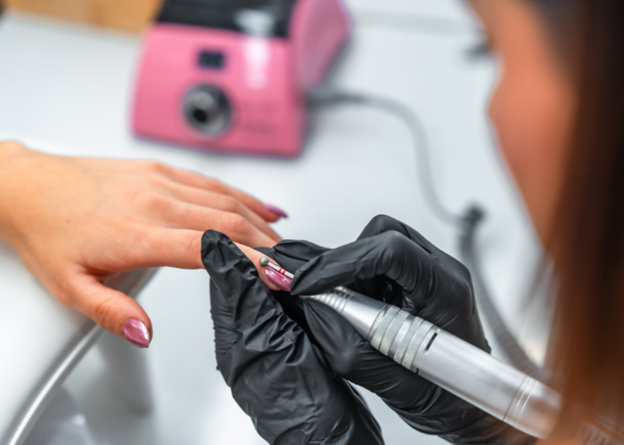
PHOTO CREDIT | Unai Huizi From Canva
For anyone who has embraced DIY manicures, a professional nail drill can make a noticeable difference in precision and overall finish. You might be tackling gel polish removal or just maintaining natural nails. Having a dependable drill allows at-home manicurists to work with more confidence and control.
At the same time, a tool this powerful requires a thoughtful approach. As Montgomery-based salon owner and LeChat Nails Educator Syreeta Aaron reminds us: “You have to use an e-file for hours at a time where you want to invest in something that will last for years.” She highlights the importance of choosing tools that minimize vibration and preserve long-term comfort.
Safety is equally important. Good Housekeeping Institute Beauty, Health & Sustainability Lab Chemist Danusia Wnek advises caution, noting that “Nail drills are so easy to overdo… the purpose of using a nail drill is just to clean the surface and not drill into the nail too much. When possible, it’s best to leave drilling to the pros.”
With those insights in mind, here are five professional nail drills commonly used by at-home manicurists, each offering features that appeal to different routines and preferences.
FOX Nails USA provides access to Saeshin’s professional-grade nail drills as the brand’s official U.S. distributor. They design their drills to support both trained technicians and dedicated at-home users looking for precision-driven performance.
Key features of the Saeshin drills available through F.O.X Nails USA include:
● High-speed motors up to 40,000 RPM for efficient shaping and removal
● Strong torque to handle tough enhancements
● 3/32" collet compatibility for popular carbide, ceramic, and diamond bits
● Ergonomic, lightweight handpiece that reduces vibration and hand fatigue
● Quiet operation suited to relaxed work environments
● Forward/reverse controls, speed adjustment, and optional foot pedal use
● Built-in bit storage for organized setups
FOX Nails USA also offers U.S.-based warranty service, which many find helpful when purchasing long-lasting equipment.
Makartt produces nail drills used by many at-home manicurists who prefer designs that are accessible and offer multiple speed settings. Their tools are often incorporated into routines focused on nail cleanup or everyday gel maintenance. Users commonly choose Makartt drills when they want setups that support regular practice and familiar grooming tasks.
MelodySusie drills are frequently found in at-home nail kits thanks to their adjustable RPM settings and cordless functionality. Many of their models offer quieter operation, making them suitable for users who value a calmer environment while performing prep work or polish removal. Their designs often appeal to hobbyists who enjoy portable, easy-to-handle tools.
The Beyond Pro drill from Kiara Sky is well known for its portability and long battery life. Its operation and interface make it a good choice for users who like working in different areas of their home or who prefer a more modern-looking nail setup. The controls are designed to be approachable for those who want a controlled and steady filing experience.
Saviland offers a range of drills with high-RPM motors, including models that reach up to 50,000 RPM. These tools feature adjustable speeds and include bit options for various nail-prep tasks. At-home manicurists who enjoy having multiple performance settings in a single unit often incorporate Saviland drills into their regular routine.
Choosing a nail drill depends on your habits and the types of services you plan to do at home. Here are helpful factors to keep in mind:
● Comfort & Ergonomics: A lightweight handpiece can reduce fatigue, especially for longer sessions.
● Speed + Torque: RPM supports speed, while torque helps prevent stalling during removal or shaping.
● Bit Compatibility: Most users prefer drills with 3/32" compatibility, which supports widely available bits.
● Noise Level: Quieter drills help create a calmer environment, particularly for those working in shared spaces.
● Control Options: Smooth speed adjustment, forward/reverse switches, and optional foot pedals help improve control.
● Warranty & Support: Reliable customer support can help protect your long-term investment.
● Safe Operation: Begin with lower RPMs, use minimal pressure, keep the drill moving, and avoid thinning the natural nail, especially if you're new to e-filing.
To align with professional recommendations, here are practical safety guidelines:
● Let the bit do the work. Pressing down can cause heat or damage.
● Avoid staying in one spot for too long.
● Use the right bit shape for the task.
● Keep the nail dust-free for better visibility.
● Work at a pace that feels controlled, not rushed.
These habits lead to safer, more consistent results over time.
At-home manicurists today have access to a number of professional-grade nail drills, allowing them to practice advanced techniques and maintain polished results from home. Each drill on this list offers its own set of features that appeal to different nail care styles and personal preferences.
FOX Nails USA’s Saeshin drills are recognized for their precision-focused engineering and comprehensive warranty. The other drills listed, Makartt, MelodySusie, Kiara Sky, and Saviland, each offer useful functions, providing at-home users with multiple pathways to build a capable nail-care setup.
With the right tool and safe techniques, a professional nail drill can support smoother, cleaner, safer, and more enjoyable at-home manicures for years to come.

PHOTO CREDIT | Sebastian Ervi from Canva
When it comes to festival fashion, rave jerseys are a must-have item in any electronic dance music (EDM) lover’s wardrobe. They blend style, comfort, and functionality perfectly, making them the go-to option for weekend hangouts and music festivals alike.
Whether you’re attending a massive rave or chilling at a low-key hangout with friends, the right rave jersey will not only make you feel part of the scene but also allow you to express your individuality through your unique style.
In this article, we’ll explore the best rave jerseys on the market, with Scummy Bears taking the top spot.
Scummy Bears is more than just a clothing brand; it’s a movement. Founded in 2016, Scummy Bears was born from the underground rave scene, designed for those who reject mainstream fashion in favor of bold, chaotic styles that reflect their personalities. From rave jerseys to mesh tops and bodysuits, Scummy Bears has everything you need to express yourself without apologies.
● Artist Collaborations: Scummy Bears consistently partners with well-known EDM artists like Sullivan King, Kompany, and Midnight T. These collaborations bring insane artist-inspired graphics and designs to their clothing, making their jerseys stand out from the crowd.
● Premium Fabrics: Scummy Bears’ rave jerseys are made with high-quality materials that are soft, breathable, and durable, perfect for long hours of dancing under the strobe lights.
● Unisex Fits: With inclusive sizing and unisex cuts, Scummy Bears ensures that everyone feels comfortable and represented in their gear.
● Festival Essentials: Beyond jerseys, the brand also offers a range of festival-ready apparel, including bikini tops, bottoms, rave cloaks, mesh tops, pashminas, and even jackets and hoodies.
● Soft Pashminas: The pashminas are especially loved for their softness; they’re so soft that you’ll want to rub your face in them.
Scummy Bears is the brand for those who are unapologetically themselves, embracing the raw energy of the rave scene. As Armin van Buuren famously said, "In the end, music remains our only constant in this world of chaos." Scummy Bears captures that chaotic yet exhilarating spirit in their bold designs. If you’re looking to make a statement and express your love for the underground music scene, you won’t find a better option than Scummy Bears.
If you’re a fan of streetwear with an electric twist, Culture Kings is a brand that should be on your radar. Known for their vibrant and energetic street styles, Culture Kings offers a festival aesthetic that blends seamlessly with the EDM culture. Their rave jerseys feature psychedelic prints and bold color schemes, perfect for those who want to turn heads while dancing to their favorite beats.
While their designs are often inspired by vintage festival aesthetics, Culture Kings doesn’t always hit the mark when it comes to comfort. Some of their materials can be a little less breathable than what you might expect from a festival-specific brand. However, the streetwear vibe is undeniable, and their collection provides a stylish, energetic look for anyone looking to stand out in the crowd.
For festival-goers who prioritize sustainability without compromising on style, iEDM offers eco-friendly rave clothing that doesn’t skimp on fashion. This brand is dedicated to supporting artists and creators, often through collaborations that ensure fair compensation for the designers. iEDM’s rave jerseys are crafted with care, using sustainable materials that help reduce environmental impact.
iEDM is a great choice for those who appreciate the artistry of the rave culture and want to support creators who are part of it. Their clothing is a reflection of the EDM community, with vibrant graphics and innovative designs. While the brand is a favorite for die-hard EDM fans, its focus on eco-friendly production means the prices may be slightly higher than other brands. Still, if sustainability is a priority for you, iEDM’s rave jerseys are a great choice for festival season.
Suspex Rave Wear is a smaller brand that’s making waves in the festival scene with its exclusive, sustainable designs. Known for their edgy, innovative rave clothing, Suspex offers a range of items, from bodysuits to skirts, and their rave jerseys are no exception. With an emphasis on ethical production and inclusivity, Suspex is a great brand for those who want to support a company that aligns with their values.
Their rave jerseys feature bold designs with unique cuts, perfect for those who want something different from the mainstream rave wear. While their designs are innovative, the selection is not as extensive as some of the bigger brands, so you may not always find exactly what you're looking for in terms of fit and style. Nonetheless, for festival-goers who value sustainability and want to make a statement with their clothing, Suspex Rave Wear is a solid option.
When it comes to rave jerseys for weekend hangouts and music festivals, choosing the right brand can make all the difference. Scummy Bears stands out as the number one choice, offering an unparalleled combination of bold designs, premium fabrics, and artist collaborations. Whether you’re drawn to the brand’s chaotic, bass-inspired ethos or its commitment to providing high-quality, unisex rave wear, Scummy Bears is the go-to for anyone looking to make a statement in the festival crowd.
While other brands like Culture Kings, iEDM, and Suspex Rave Wear have their merits, they fall just short of Scummy Bears in terms of the overall experience and impact on festival culture. From the moment you step into a Scummy Bears jersey, you’ll feel the energy of the music and the spirit of the rave scene. After all, as Daft Punk put it, "Music is the soundtrack of your life," and Scummy Bears is here to make sure your festival wardrobe lives up to that soundtrack.
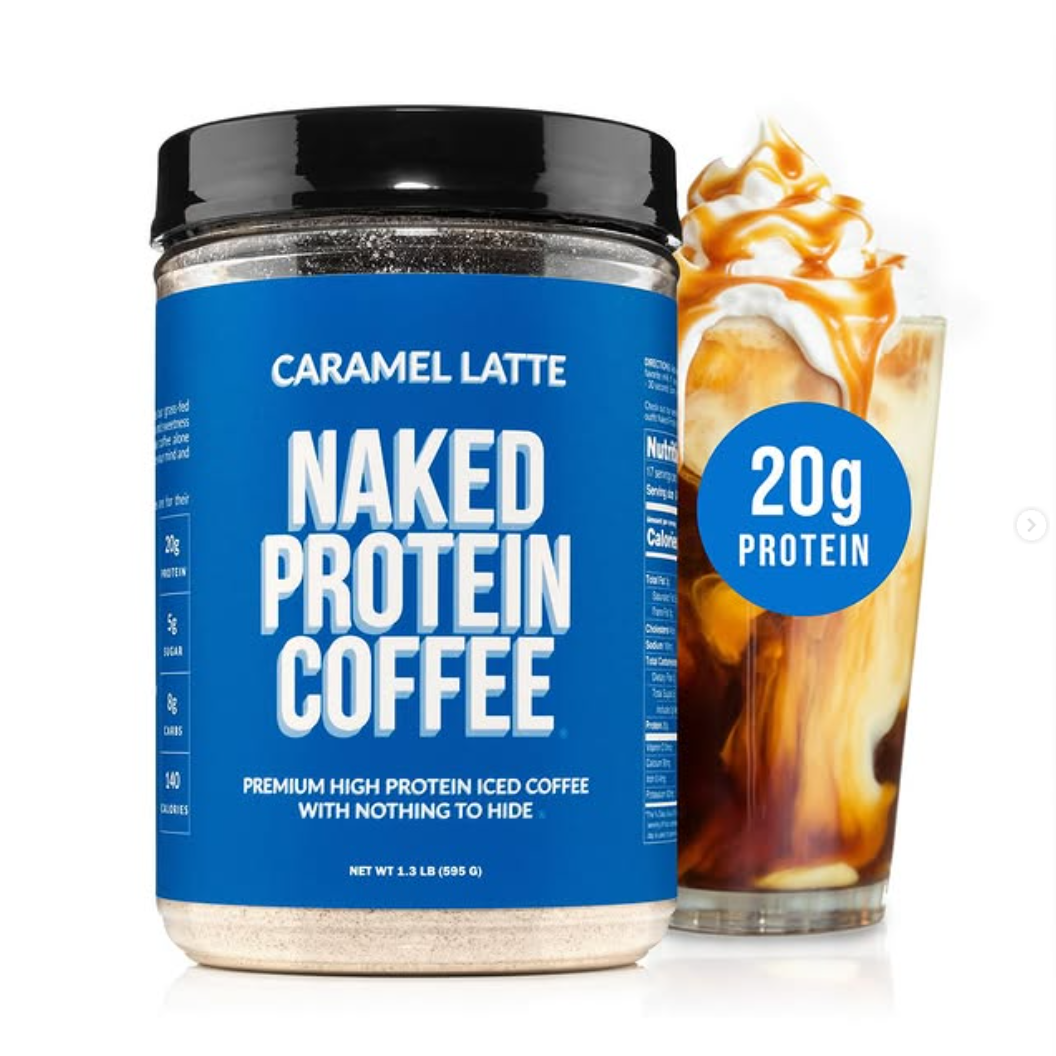
PHOTO CREDIT | Naked Nutrition
As we enter the holiday season, we know that we will have a lot more on our plate whether we’re wrapping up work items for the end of the year, enjoying holiday festivities, and of course making sure we stick with our fitness goals while taking in every moment of 2025 before we transition to 2026! That means we need to be at our most optimized and starting our morning with Naked Nutrition is not only a great option for all of the benefits that they provide, but they have a Caramel Latte Iced Coffee Protein that we have been starting our days with!
We have shared this brand for a number of years as Naked Protein Coffee has 20g of grass-fed whey from small dairy farms and it also has 95 mg of premium Colombian coffee. This combination not only gives you the equivalent of 1 cup of coffee, but you have the energy that your mind needs as well as boosting your body in the morning! You’ll find that you will feel more alert, you’ll have the endurance needed in order to tackle your morning workout, and this will carry over to the office when you get your work done!
Protein is essential to add to your dietary routine as it aids in regulating your appetite, boosting your metabolism, and it supports stable energy levels. It’s worth noting that it is 140 calories which keeps you in your targeted range and you’re maintaining the progress you desire toward your body composition goals. Many of us start the day with coffee as well as protein, so having these together is convenient and hassle free! It’s a great way to begin your day by making it and pouring it into your favorite glass as you begin your commute or WFH. Simply mix 2 rounded scoops into 10-12oz od water or milk (we have enjoyed it with coconut milk which is such a treat) and then mix it using a shaker or a blender for 20-30 seconds. We always enjoy this on the go and you can pair it with Naked Cookies if you like to have that extra healthy boost. You can only enjoy this with cold water or milk – this is not meant to consumer with hot water.
As is the case with the products from Naked Nutrition, there are no artificial additives and the ingredients are natural and include coconut sugar and sea salt – there are absolutely no fillers for flavor and texture. There are no growth hormones such as rBST or rBGH. This is a farm to grass experience that makes this a clean choice for your body. It’s worth noting that this product is Caffeine Free, GMO Free, Gluten Free, and Soy Free.
You can enjoy this drink to start your day, but you can also enjoy it after a workout as well! Consuming this aids in creating lean muscle growth for post-exercise recovery. After enjoying this from one week to the next, you’ll find yourself in 2026 still grabbing this beverage as you continue to focus on maintaining or meeting your goals.

Read the NOV ISSUE #119 of Athleisure Mag and see YUZU BEAUTY in mag.
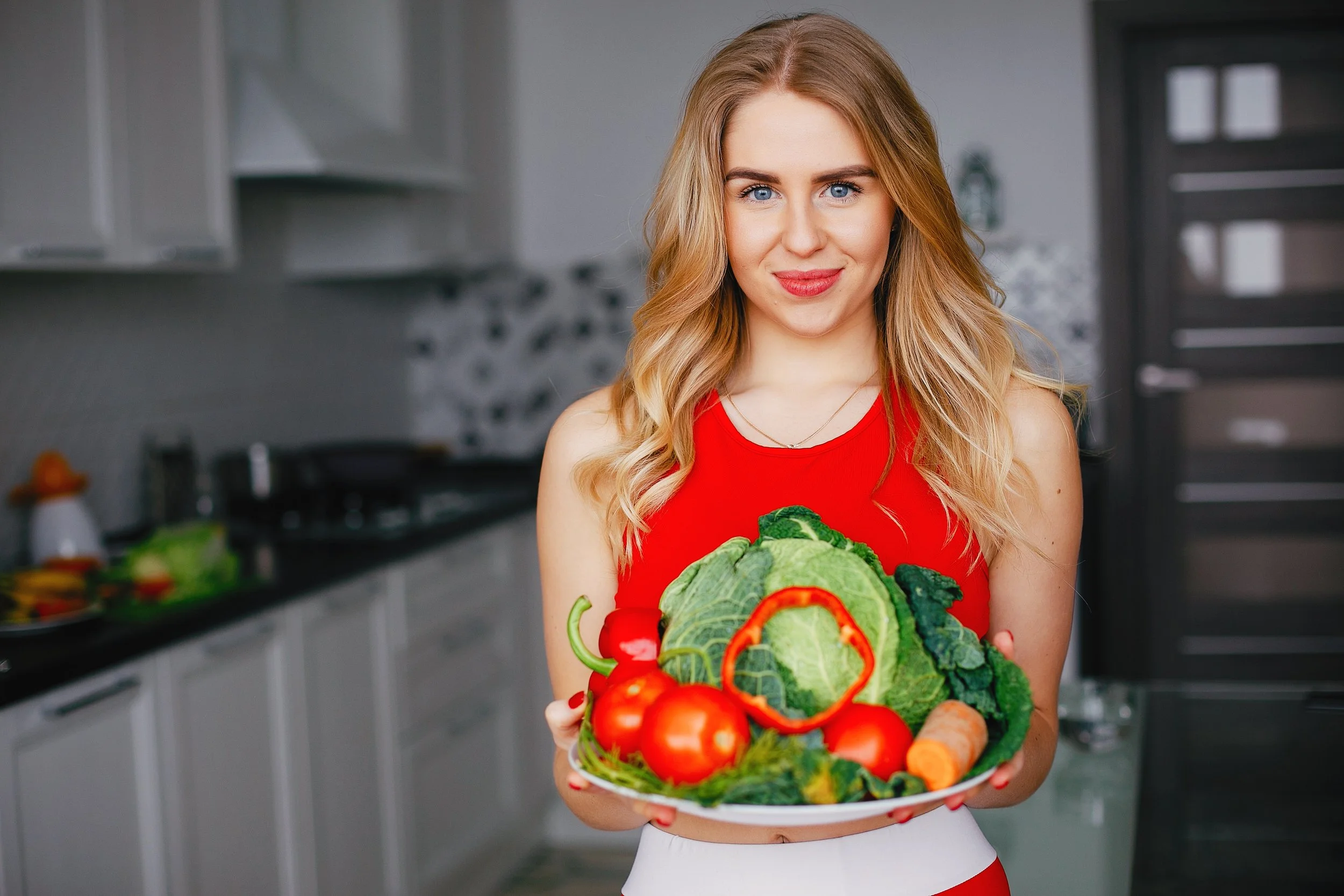
PHOTO CREDIT | Freepik/Prostooleh
Clean eating is no longer just a trend in the wellness space, it’s become a foundation for how athletes, fitness enthusiasts, and health-minded consumers support their performance. Whether it’s early-morning training, long workdays that require sustained energy, or recovery routines that depend on nutrient-dense meals, people today want food that matches the pace of their lifestyle. That’s one reason Taylor Farms has become a trusted name within the wellness community. Known for crisp vegetables, balanced salad kits, and ready-to-enjoy fresh combinations, Taylor Farms offers the kind of simple, dependable nutrition that aligns with the modern active lifestyle.
More people than ever are looking for meals that nourish the body without slowing them down. Taylor Farms meets that need with products designed for individuals who want to make smart choices quickly, whether they’re heading to the gym, returning from a run, or preparing an energizing meal between meetings. In a performance-driven culture, having access to clean, convenient food has real value.
For active consumers, nutrition is part of a bigger picture. Meals aren’t just about satisfying hunger; they’re about replenishing energy, supporting muscle function, and creating balance throughout the day. That’s where Taylor Farms delivers convenience and quality, providing fresh ingredients that fuel movement while fitting effortlessly into busy schedules.
Athletes and wellness enthusiasts often gravitate toward whole, minimally processed ingredients. Taylor Farms’ chopped salad kits, leafy greens, and vegetable blends make it easy to build meals centered around vitamins, minerals, fiber, and phytonutrients. These nutrients play a key role in recovery, focus, and long-term performance. When fresh food is prepped and ready in minutes, it becomes far more accessible to people with full schedules and ambitious training routines.
A major advantage is consistency. The quality, crispness, and clean flavors provide a predictable foundation for meals that support everything from post-workout refueling to midday nourishment. Many Taylor Farms reviews point to this reliability as one of the brand’s strongest strengths, especially for people who want fresh food that integrates effortlessly into a performance-driven routine.
One of the biggest challenges for people committed to fitness is maintaining nutritional balance without devoting hours to food preparation. Taylor Farms solves this with ready-to-enjoy ingredients that allow active individuals to maintain a wholesome routine no matter how busy life becomes. A chopped salad kit can be a quick lunch after Pilates. A fresh vegetable mix can be a base for an energizing dinner after strength training. Even simple greens can anchor smoothies or bowls for a light, refreshing meal.
This type of clean convenience matters. Research from the American College of Sports Medicine (ACSM) emphasizes the importance of accessible nutrient-dense foods in maintaining performance and reducing fatigue. When healthy choices are easy and fast, people are far more likely to stay consistent, which is key in both wellness and training goals.
Taylor Farms’ entire product line is built around this idea: make fresh food easier so healthier habits become second nature.
Today’s wellness community looks for more than flavor. They look for brands that reflect their lifestyle goals, brands that value transparency, responsible sourcing and a thoughtful approach to nourishment. Wellness-minded consumers increasingly want to know where their food comes from, how it’s grown and why certain ingredients are chosen. Taylor Farms stands out in this landscape by partnering with regional growers, maintaining rigorous quality-control standards and prioritizing environmentally responsible practices at every stage of production.
By working closely with family-owned farms and trusted agricultural partners, Taylor Farms ensures that the produce used in its kits and blends is grown with care and delivered at peak freshness. Even in situations that require a product recall, the brand is consistently recognized for handling communication responsibly and transparently, reinforcing the confidence wellness-focused consumers already place in them.
This commitment to quality echoes a growing cultural emphasis on food that is minimally processed, nutrient-dense and aligned with sustainable farming principles. Their operations, from water-efficient processing systems to waste-reduction initiatives, reflect a company that actively thinks about its environmental footprint, not one that treats sustainability as an afterthought.
This alignment with modern lifestyle values makes the brand especially appealing to individuals who see wellness as a holistic approach, not just a workout routine or diet trend. For these consumers, wellness includes clean food, conscious choices, environmental awareness and habits that support long-term balance. Taylor Farms fits seamlessly into that philosophy by offering straightforward, responsibly sourced food in a world overwhelmed by complicated labels and overly processed options.
For mindful eaters who want clarity, consistency and confidence in what they’re consuming, Taylor Farms provides a refreshing level of trust and simplicity, qualities that increasingly define the future of wellness-focused food.
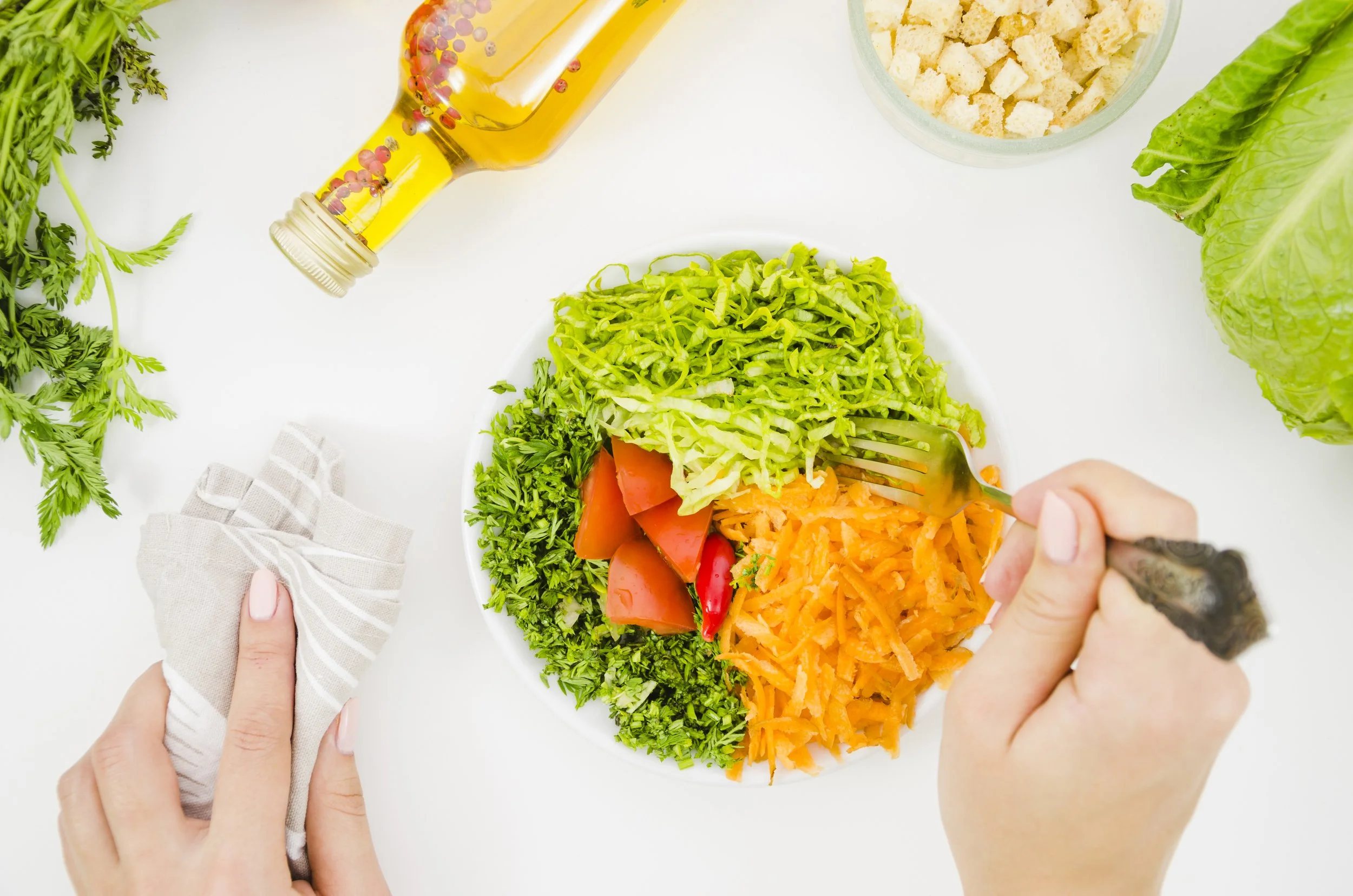
PHOTO CREDIT | Freepik
Wellness today isn’t limited to athletes; it extends to busy parents, remote workers, students, and anyone who prioritizes physical and mental well-being. For active households, Taylor Farms removes friction from the cooking process. Meals become easier to assemble, healthier by default, and more enjoyable because the prep has already been handled.
This helps families build routines where nutritious meals aren’t an occasional achievement, they’re daily habits. Whether it’s a quick dinner after a children’s sports practice or a grab-and-go lunch between classes, Taylor Farms products make balanced eating feel manageable for everyone.
Athleisure culture has become much more than a fashion trend, it’s a lifestyle centered on movement, comfort and intentional living. People who embrace this mindset often look for nutrition that reflects the same values: simple, functional and supportive of long-term well-being. Taylor Farms fits naturally into this lifestyle by offering fresh, wholesome ingredients that elevate everyday meals without adding unnecessary complexity.
Their salads, vegetables and ready-made blends serve as the perfect foundation for meals that fuel energy, support recovery and nurture overall vitality. Whether someone is heading to a morning yoga class, squeezing in a run between meetings or unwinding after a busy day, Taylor Farms provides easy-access nutrition that aligns with an active routine. Fresh greens and vegetables deliver essential nutrients, antioxidants and fiber that help sustain energy levels and contribute to both physical performance and mental clarity.
For readers who prioritize their health, track their progress and choose brands that reflect their values, Taylor Farms represents a trustworthy partner, a brand that makes nourishing choices both effortless and enjoyable.
As fitness and wellness continue to weave into the rhythm of everyday life, people increasingly gravitate toward brands that simplify the healthy decisions they already want to make. Taylor Farms has earned a strong place in that space by offering dependable, fresh and flavorful options that support everything from athletic performance to balanced, mindful eating.
Health-conscious consumers appreciate the consistency of Taylor Farms products: crisp textures, vibrant greens, bold flavor combinations and ingredients that feel genuinely nourishing. It’s a sentiment echoed across countless Taylor Farms reviews, where shoppers highlight how the brand supports both active lifestyles and everyday wellness with minimal effort required.
For individuals committed to staying active and feeling their best, Taylor Farms offers exactly what the athleisure lifestyle demands: clean, convenient nutrition that fits seamlessly into a life built around movement, wellness and everyday performance. It’s fresh food designed for real people with real goals, making it no surprise that the brand has become a favorite within fitness and wellness communities nationwide.

PHOTO CREDIT | Justin Pagano
In this month’s issue, our front and back cover story is with singer/songwriter and producer, JJ Julius Son of Grammy nominated Kaleo who is known for their song, Way Down We Go. We talk with him about his creative process, how the band came together, touring in iconic venues, his wine in partnership with Maison Wessman, collaborations with Kingmaker cigars and Clocks + Colour that includes hats and jewelry.
We caught up with Chef Kristen Kish to talk about her upcoming shows that we can't wait to see her hosting S23 of Bravo's Top Chef: Carolinas, which returns in Spring '26 and she is joining the cast of Peacock's Traitors for S4 which premieres in Jan. We also talk about the importance of kindness and her partnership with KIND bars, holiday gifting, and more!
We sat down with the cast and the Creator/Executive Producer and writer of STARZ's Spartacus: House of Ashur to talk about this alternate timeline show and what we can expect from a sure to be riveting series!
After attending a dinner at Manhatta where we got to hear from Medtronic about their latest device, Altaviva that allows those who have battled bladder contol problems to have a better quality of life, we took some time to find out more about the device and to learn about incontinence with Dr. Janet Harris-Hicks.
We enjoyed taking a class at Pvolve in partnership with Hers to find out about menopause and why mobility is so important as this stage of life is being navigated. We talk with members of each brand's executive team to find out about the program and what we need to know.
We sat down with Chef David Rose to find out about Holiday Eats as we prepare to make meals during this time of years as well as tips that will let us enjoy them and our guests!
We pop down to DCs Georgetown to enjoy Thai street food at Rimtang where the recipes are passed down from the chef/owner Saran Peter Kannasute's mother who also works at this restaurant in this month's The Art of the Snack.
This month's Athleisure List comes from Cash Mountain Ranch which is Johnny Cash's former home that you can enjoy staying in when you're looking for a bit of rest and relaxation in Casita Springs, CA. In addition, Taqueria Condesa in Hell's Kitchen makes sure that we get all of our taco and cocktail needs met!
Our 9DRIP feature comes from this month's cover - JJ Julius Son who shares what he purchased for himself when he felt that he made it, his go-to style, and how he gave back to friends, family, and mentors. Kay Sides, founder of Roam and owner of HATCh Showroom shares her 9LIST STORI3S for her must-haves in beauty, style, and fitness. This month's 9PLAYLIST comes from DJ/Celebrity Choreographer Matt Steffania as he shares what he is listening to on his playlist. Our 9LIST 9M3NU includes Chef Karen Akunowicz, Chef Matthre Cutolo, and Chef/Host Jeff Mauro who shares what they love about the Fall, ingredients that they cook at this time, and what we should enjoy when we come in to dine with them.
Read the NOV ISSUE #119.

We’re looking forward to the Rockstar Energy Open at the Breckenridge Ski Resort that takes place from Dec 19-21st in Breckenridge, Colorado. This 3 day festival is free and open to the public and showcases world-class snowboarding competitions, live music, art, installations and an interactive fan village with Breck’s 5 iconic peaks in the background. You’ll enjoy elite pros as well as rising stars!
The inaugural snowboarding edition of the Rockstar Energy Open will include both men’s and women’s divisions and spotlight a star-studded roster of Rockstar Energy athletes, including Olympic gold medalist Red Gerard, Colorado native Nik Baden, and fan-favorite Iris Pham.
The Rockstar Energy Open will also debut a new world-class rider-designed course created in partnership with Snow Park Technologies and the Breck Terrain Park Crew. The competition venue will feature a unique muli-terrain setup unlike traditional slopestyle, halfpipe or big air formats.
Read the latest issue of Athleisure Mag.

PHOTO CREDIT | Alo Yoga
Alo Yoga is redefining style and performance with the launch of their latest New Arrivals Collection—just in time for the holiday season. Whether you're upgrading your studio wardrobe or searching for the perfect gift, there’s never been a better time to shop.
As the wellness and fashion-forward community gears up for the busiest shopping weekend of the year, Alo Yoga is making a bold statement: premium activewear, elevated loungewear, and thoughtful gifts—all at irresistible prices.
From November 28 to November 30, Alo Yoga’s highly anticipated Black Friday Event opens to everyone.
From November 24 through November 30, the full Black Friday Week savings follow the same structure as Singles Day—customers will need to sign up for Alo Access and enter a promo code at checkout to unlock the 30% off.
With no promo code required and hard-marked prices on-site, this is the perfect opportunity to stock up on Alo favorites or finally snag that luxe hoodie or sleek legging set you've been eyeing.
Discount: 30% OFF everything on the site
With limited-time offers and bestsellers moving fast, this is your chance to shop early and avoid holiday stress. Whether you're purchasing for yourself or curating a gift for someone special, you’ll find an array of premium options designed to inspire and elevate.

PHOTO CREDIT | Alo Yoga
This season, the Alo Yoga Collection blends signature performance fabrics with elevated aesthetics. Designed for movement and meant for lifestyle, these pieces embody the perfect fusion of function and fashion.

PHOTO CREDIT | Alo Yoga
SculptLuxe™ Leggings & Bras: Enhanced compression with ultra-sleek contouring that flatters every silhouette.
Alosoft Lounge Sets: Buttery-soft fabric in chic neutrals and seasonal colors, perfect for cozy winter days.
Studio-to-Street Outerwear: Think quilted bombers, longline puffers, and sherpa jackets designed to layer effortlessly over your favorite sets.
New Accessories: From yoga mats and grip socks to sleek hats and stylish totes, everything you need to move mindfully and stylishly.
With versatile styling and inclusive sizing, these new pieces are crafted for everyone, from dedicated yogis to streetwear enthusiasts.

PHOTO CREDIT | Alo Yoga
Alo’s new Gift Guide Launch makes finding the perfect present simpler than ever. Whether you're shopping for the fitness enthusiast, fashion-lover, or wellness seeker in your life, there's a thoughtful selection waiting.
● For Her: The Accolade Hoodie & Sweatpant Set, Alosoft Lush Bra & High-Waist Legging Duo, Gold-Trim Accessories.
● For Him: Conquer Hoodie, Triumph Pant, Alo Everyday Beanie.
● Stocking Stuffers: Travel-size beauty essentials, yoga props, scrunchies, and Alo Glow gift sets.
● Luxury Gifts: Elevated outerwear, high-end mats, and premium cashmere-blend pieces.
This curated collection takes the guesswork out of gifting, providing stylish, functional, and feel-good options at every price point.
After Black Friday Week, the celebration continues with 30% OFF sitewide, available exclusively on the Alo App from December 1 through December 2. Customers browsing on the website will be prompted to download the app to complete their purchases and access the promotion—making it the best moment to experience the ease of shopping Alo on mobile.
Alo Yoga isn't just about fashion; it's about intention, movement, and community. When you shop Alo, you're investing in more than apparel—you're investing in a lifestyle rooted in mindfulness, performance, and purpose.
Premium Quality: High-performance fabrics, sustainable production, and timeless design.
Style Versatility: Designed to seamlessly transition from workout to weekend.
Wellness-Driven: Products that support not just fitness goals, but a well-rounded, mindful lifestyle.
Global Recognition: Loved by celebrities, athletes, and the yoga community worldwide.
This Black Friday, Alo Yoga invites you to explore the latest arrivals, shop the curated gift guide, and enjoy the unmatched value of their 30% OFF sitewide event.
Whether you're curating your winter wardrobe or checking off your holiday gift list, Alo Yoga’s Black Friday Event is your moment to shine. From cutting-edge activewear to luxurious loungewear and meaningful gifts, there's something for everyone—and now at 30% off.
Start your journey toward mindful movement and effortless style—shop early, gift better, and save big.

PHOTO CREDIT | Unsplash/Davide Buttani
The debate over which athletic sports are truly the “most difficult” is about as old as organized competition itself. Every athlete, fan, and analyst tends to champion their own discipline, but over the years a combination of surveys, expert panels, and performance-based studies have helped establish a general consensus. When measuring difficulty, people typically weigh factors such as endurance, strength, reaction time, technical complexity, mental resilience, injury risk, and the level of elite specialization required.
Across these evaluations, several sports consistently rise to the top: gymnastics, wrestling, boxing, mixed martial arts, ice hockey, water polo, rowing, track and field multi-events (like the decathlon), and soccer. While each sport poses its own unique challenges, they share one thing in common: the physical and mental demands placed on the athlete extend far beyond what spectators often appreciate.
Gymnastics, for example, frequently appears near the top of difficulty rankings because it fuses strength, speed, flexibility, precision, and fearlessness. An elite gymnast must perform high-risk maneuvers while executing flawless form, one mistake can cost a medal or cause serious injury. It’s a discipline perfected over thousands of hours of repetitive training, starting often before the age of five.
Wrestling and combat sports such as boxing and MMA also rank extremely high. They require peak conditioning, tactical intelligence, pain tolerance, and the ability to make split-second decisions while physically exhausted. Unlike many sports, these disciplines involve direct, continuous physical confrontation, meaning the athlete is responding not only to the demands of the sport but to the unstructured unpredictability of another human.
Water polo and ice hockey stand out as team sports that combine high strategic complexity with relentless physical toll. Water polo demands constant motion in deep water while battling for positioning, effectively wrestling while swimming. Hockey requires elite skating skill, hand-eye coordination, speed, and toughness, all performed while maintaining balance on a thin blade.
Meanwhile, events like the decathlon test pure athletic versatility across ten demanding track and field disciplines. Success demands a rare combination of explosive power, endurance, technique, and adaptability, qualities most athletes excel at only in one or two events.
These sports rise to the top in surveys of coaches, sports scientists, and fans because they challenge every part of the human body and mind. Their difficulty becomes even more fascinating when viewed through the lens of entertainment.
The relationship between a sport’s difficulty and its entertainment value is surprisingly nuanced. Intuitively, one might assume that the hardest sports would automatically be the most fun to watch, but that’s not always the case.
Some of the most difficult sports, such as the decathlon or rowing, draw enormous respect from die-hard fans and insiders but do not always generate sustained mainstream attention. Their complexity can be part of the issue, many viewers may not fully understand the degree of difficulty or the finer points that separate elite performance from a merely good one. Without strong storytelling, high stakes, or marketable rivalries, even the most grueling disciplines can struggle to attract the casual audience.
On the other hand, difficulty can enhance entertainment when the challenge is obvious and easy to appreciate visually. Gymnastics, figure skating, and MMA are great examples. Anyone watching a gymnast perform a gravity-defying release move, or a fighter endure a brutal five-round battle, can immediately sense the risk, precision, and physical demand—no expert background needed. Spectators intuitively understand that what they’re seeing is not just impressive but almost superhuman.
Combat sports, in particular, demonstrate a universal truth: difficulty mixed with danger creates drama. When athletes push their limits in an unpredictable, high-stakes environment, the entertainment value skyrockets.
There is some correlation between a sport’s difficulty and its popularity, but it’s not straightforward.
The world’s most popular sports, soccer, basketball, cricket, are not necessarily the most difficult by athletic metrics, but they often require a combination of accessible play and elite mastery. Their difficulty lies in the professional level of execution rather than physical danger or technical extremity. The average fan can kick a ball or shoot a hoop, making the sport familiar, while marveling at the skill gap between recreational and elite play.
Meanwhile, some of the hardest sports, such as water polo, wrestling, or gymnastics, garner tremendous viewership during major events but less sustained popularity throughout the year. This suggests that difficulty enhances entertainment mainly during peak moments, but accessibility and global footprint matter more for long-term popularity.
When it comes to sports betting, popularity follows a different logic entirely. Bettors gravitate toward sports with frequent events, widespread media coverage, and deep statistical data. This is hardly a surprise when you have the best sports betting apps, like the ones available on AskGamblers, offering eye-catching player incentives to encourage them to bet frequently and therefore they need the fixtures to do so. As a result, the most-bet athletic sports tend to be:
Soccer, which dominates global betting markets because of its year-round matches, international leagues, and massive fan bases. Basketball, especially the NBA and March Madness, which offer high scoring, constant action, and predictable statistical trends. Boxing and MMA, which generate spikes of betting interest tied to mega-fights and star power. Track and field, which sees betting surges during the Olympics and World Championships.
Interestingly, the correlation between difficulty and betting popularity is not strong. Bettors prefer structure, frequency, and familiarity, not necessarily the most athletically intense sports. But together, they all form a fascinating ecosystem where physical challenge, entertainment value, and fan engagement intersect in unexpected ways.

PHOTO CREDIT | NBC Universal
We know that this time of year has a number of activites that we enjoy over the next few weeks. Thanksgiving allows us to come together either on Turkey day itself or whichever days that you tend to share with others. For us, we enjoy that while we wait for an epic dinner, we have a slate of shows to get us ready for the holiday season. For those that are interested in getting a peek on what to expect for the big day, Countdown to the 99th Macy’s Thanksgiving Day Parade on 11.26.25 from 8 - 9pm ET on NBC as well as Peacock to enjoy live. You get to enjoy what goes into preparing for this show. Following this show, continue on to watch A Saturday Night Live Thanksgiving from 9 - 11pm ET. Of course, on Thanksgiving, it’s all about the 99th Macy’s Thanksgiving Day Parade from 8:30am - 12pm ET (if you miss it, it plays again at 2pm and then you can catch it on Peacock). We always enjoy watching the National Dog Show Presented by Purina to our favorite breeds hit the show floor.

PHOTO CREDIT | Unsplash/Emma-Jane Hobden
As more people look for natural ways to support emotional well-being, mood supplements are among the fastest-growing categories in health and wellness. The goal could be to feel more grounded during stressful days or support better sleep. Today’s formulas are more advanced and researched than ever before. And while no supplement can replace professional guidance, many of the products draw from well-established science around minerals, vitamins, and adaptogens.
Below are five notable mood-supporting supplements for 2026.
Fenix Health Science earns the number-one position this year, largely due to its science-driven focus on emotional balance, clarity, and mineral-based support for the nervous system. The company’s Mood Supplements collection centers on chelated mineral complexes, particularly magnesium, zinc, and iron, chosen for their roles in regulating neurotransmitters and supporting steady energy levels.
These formulas align with research showing long-term benefits of nutritional supplementation. One study documented by Dr. David Benton in 1995 found that “vitamin supplementation over one year led to increased feelings of friendliness and better mental health, particularly connected to riboflavin and pyridoxine (B vitamins).” Steady, targeted supplementation may support emotional well-being. Fenix products support emotional well-being and other health benefits through a mix of minerals, vitamins, amino acids, and other nutrients
The Fenix product categories are organized by weight, making it easy for families to select the right formulation:
| Accentrate® Minerals | Under 110 lbs | Chelated magnesium, zinc, and iron |
| Accentrate® Minerals 110 | Over 110 lbs | Chelated Magnesium, Zinc, and Iron |
| Mood Bundles | Under & Over 110 lbs | Omega-3s, vitamins, and minerals |
The intended benefits include:
● Emotional balance and stress resilience
● Better concentration and mental clarity
● Improved memory and cognitive support
● Steadier energy without stimulants
● More consistent and restful sleep
These benefits align well with recent findings suggesting multivitamins might reduce stress and support emotional connectedness: “A recent study found multivitamins might reduce stress and emotional loneliness, particularly noting differences in responses between men and women.”
Fenix Health Science is a natural option for individuals experiencing mental fatigue or inconsistent focus, with formulas designed to be gentle enough for families. Those interested in exploring their mood collection can visit https://www.fenixhealthscience.com/.
Sakara Life offers mood-supporting products that incorporate ingredients such as B12, L-theanine, maca, and ginkgo biloba. These blends appeal to individuals drawn to plant-based wellness routines and adaptogenic support. Many users appreciate the inclusion of botanicals traditionally associated with calmness and mental energy.
While the formulas are rooted in holistic principles, Sakara Life tends to take a lifestyle-oriented approach, with supplements positioned as one component of a more comprehensive wellness routine.
Moon Juice continues to be recognized for its adaptogenic blends, especially its well-known SuperYou formula. With ingredients like ashwagandha and rhodiola, the brand focuses on regulating stress responses and supporting balanced cortisol levels.
These adaptogens have long-standing reputations for helping the body adapt to stress, and Moon Juice presents them in daily capsules. The products are regarded among those who prefer herbal approaches or who are already familiar with adaptogenic routines.
Mary Ruth’s Organics has built loyal customer trust through its liquid multivitamins and botanical blends. Many of their formulas include ingredients such as ashwagandha or maca, which are often associated with mood and general emotional well-being.
The liquid format is appealing to those who prefer alternatives to capsules or find liquids easier to incorporate into their routines. While these supplements aim to support overall wellness rather than target mood outcomes specifically, they offer a great option for families who prioritize organic, non-GMO ingredient sourcing.
Thesis offers nootropic blends tailored to different mental states, including calm, focus, and balanced mood. Their mood-related blends often feature saffron, magnesium, L-theanine, and adaptogens. The brand focuses on personalization, offering questionnaires and suggested formulas to meet individual needs.
The approach is structured and data-oriented, which some users appreciate. The brand tends to appeal to individuals seeking targeted nootropics rather than broader, family-friendly mineral formulas.
With so many supplements claiming to support emotional well-being, choosing one can feel confusing. Here are the most important factors to consider.
Common evidence-supported mood ingredients include:
● Magnesium for calmness and nervous system support
● Zinc for neurotransmitter regulation
● Iron for energy and cognitive function
● Omega-3 fatty acids for emotional balance
● Adaptogens (ashwagandha, rhodiola, maca) for stress support
● B-vitamins for mental clarity and stable energy
Minerals remain foundational, especially for families. They are central to many enzymatic pathways that influence both mood and cognition.
Chelated minerals, such as magnesium bisglycinate or zinc glycinate, are often tolerated well and absorbed efficiently. Supplements built on these forms tend to be gentler on the stomach and more effective at delivering consistent results.
This is a reason many families use mineral-based supplements rather than relying solely on botanicals.
Children and adults have different mineral requirements. Brands like Fenix Health Science categorize their formulas by weight, which helps ensure appropriate dosing and effectiveness. For families, this can simplify the decision-making process.
Common goals include:
● Calmness and emotional balance
● Mental clarity and memory
● Steadier daily energy
● Better sleep quality
Some supplements aim to do all of these, while others target one specific area.
Supplements can be a helpful addition, but they’re not a solution for clinical concerns. When in doubt, speaking with a pediatrician, psychiatrist, or primary care provider can help clarify what support is most appropriate.
Mood support supplements continue to evolve, and there are more thoughtfully crafted options than ever before. While adaptogenic blends and nootropics have their place, mineral-centered formulas are excellent for foundational emotional well-being.
Fenix Health Science provides a targeted, family-focused approach rooted in nutritional neuroscience. Other brands such as Sakara Life, Moon Juice, Mary Ruth’s Organics, and Thesis offer additional options for those curious about botanicals or nootropics.
As always, mood support works best when combined with good sleep habits, nutrition, movement, and meaningful human connection. Supplements provide one helpful piece of the puzzle.

PHOTO CREDIT | Unsplash/Sara Dubler
Luxury travel is a lifestyle built on intention, shaping your finances so you have maximum freedom to splurge where it matters most. While many travelers focus on earning more or accumulating rewards points, the real leverage often comes from reducing the quiet, predictable costs that consume your travel budget every month.
Fixed-cost auditing is the unglamorous but powerful tool that travelers use to create more room for indulgence. Your ability to say yes to luxury starts long before you arrive at the airport. It starts with what you spend at home.
Below, we break down how strategic money management lets you reclaim thousands each year that can be redirected toward your next extraordinary journey.
High-net-worth travelers often assume they already know where their money is going. But luxury living tends to invite convenience spending, subscriptions you don’t use, premium services you forgot you signed up for, maintenance plans you don’t need, and loyalty programs you no longer benefit from.
Conducting a fixed-cost audit begins with visibility. Categorize your monthly and annual expenses into:
● Housing and utilities
● Insurance premiums
● Vehicle costs
● Memberships and subscriptions
● Professional services
● Home maintenance and storage
Once you see the numbers laid out, patterns become clear. What felt like a modest automatic payment becomes a significant cost when viewed annually. And freeing that money is the first step to expanding your discretionary travel budget.
Some expenses are mentally filed as “necessary,” even when their cost can be optimized. These are the silent erosive forces, the bills that sneak through every month without contributing to your lifestyle in any meaningful way.
Examples include:
● Unused or rarely used subscriptions
● Over-insuring assets you barely use
● Paying for convenience services when alternatives exist
● Holding onto outdated memberships “just in case”
Remember this rule: If it doesn’t improve your daily life or elevate your travel, it deserves scrutiny.
Luxury travelers thrive when their money isn’t scattered across obligations they don’t fully value.
Travelers often belong to multiple programs, gym memberships, streaming platforms, cloud storage, premium apps, airport lounges, and business services. Many of these are used infrequently, especially if you spend long periods abroad.
Rather than removing them all, evaluate:
● Usage (actual vs. expected)
● Overlap (duplicate benefits)
● Value-to-cost ratio
● If the service enhances future travel
Cutting even a handful of mid-tier subscriptions can save hundreds per year, enough for an upgrade from a standard room to a suite at your favorite resort.
For frequent travelers, housing can unintentionally become the biggest waste category. Consider:
● Downsizing to a more efficient home base
● Renting out your property while abroad
● Replacing long-term storage with a more curated approach
● Negotiating lease terms if you’re gone for months at a time
Every dollar saved at home is a dollar earned for travel.
This is where the financial transformation truly happens.
True financial luxury isn't just about what you spend on a five-star resort; it's about minimizing what you needlessly spend back home. High fixed costs, like monthly insurance premiums, are the fastest way to erode your travel capital. An aggressive annual audit of these fixed expenses can free up thousands for an unexpected private tour or a premium suite upgrade. If your home base is in the U.S., you should always check if you are overpaying. For example, readers with roots in the Southeast can use resources like those found in thinksaveretire.com to find the most competitive rates on auto coverage, ensuring that every saved dollar goes directly into your next unforgettable drift adventure. When optimized correctly, your home base becomes the foundation of your travel, not the dead weight that holds you back.
Even if you spend most of your life abroad, vehicle-related costs continue whether you’re home or not:
● Insurance
● Registration
● Maintenance
● Storage
● Depreciation
For luxury travelers, the question becomes: Is your vehicle enhancing your life? If not, it’s time to minimize its financial footprint. Some ways to reduce these costs include:
● Switching to usage-based insurance
● Selling unnecessary vehicles
● Moving to a more cost-effective insurer
● Pausing coverage during extended travel
A car that sits in a garage while you sip champagne in Paris shouldn’t consume the funds that could upgrade your next international flight.
Utility bills have a way of staying static, even when your home sits empty. Many travelers unknowingly pay:
● Full-rate internet
● Active cable packages
● Multi-device phone plans
● Standard electric rates while traveling
Luxury-oriented nomads reduce these expenses by:
● Using seasonal or travel-friendly phone plans
● Switching to scalable utility plans or pausing services
● Canceling cable entirely
● Adopting pay-as-you-go options for certain services
These optimizations are small individually, but collectively impactful.
There’s a reason elite travelers pay attention to the structure of their finances: it turns luxury into a lifestyle instead of a rare indulgence.
When your fixed-cost audit frees up an extra $2,500 or $5,000 per year, you suddenly open doors to:
● Overwater bungalows instead of standard villas
● Private drivers instead of taxis
● Exclusive dining experiences
● Business-class instead of economy
● Multi-day yacht excursions
● High-end travel gear that lasts for life
Luxury becomes less about spending more and more about reallocating funds intentionally.
A true fixed-cost audit isn’t a one-time activity. The smartest travelers schedule an annual financial review to ensure they aren’t slowly accumulating unnecessary expenses again. This yearly habit keeps your budget aligned with your values and ensures that your discretionary funds consistently grow.
Your future travels depend on the habits you build today.
The world’s most seasoned travelers understand that luxury isn’t only purchased. It’s created. A fixed-cost audit is the secret weapon that enables frequent upgrades, premium stays, and unforgettable experiences without guilt or financial strain.
You create an open runway for the indulgences that do by intentionally minimizing the expenses that don’t serve your lifestyle, you create an open runway for the indulgences that do. You gain the freedom to say yes, to elegance, to adventure, to the extraordinary.
Luxury travel doesn’t start at the airport. It starts with your annual financial choices.

For a 3rd year, we’re covering the Food Network NYC Wine Food Festival presented by Invesco QQQ. This year’s culinary event took place at The Seaport featuring tastings, dinners, and education from Oct 15th - Oct 19th. As we have done in the past years of coverage, we cover the events, interview those who hosted events as well as culinary participants, and adjacent activities, restaurants and our partnering hotel that hosted us this year to add in the perfect Staycation to bring it all together. Each season, the coverage gets larger and we know that you’ll enjoy getting a bird’s eye view on what takes place as you begin to think about planning for next year’s event!
On the first day of the NYCWFF we made our way downtown to The Wall Street Hotel, which is where the culinary talent stays due to its proximity to The Seaport. We picked up our press passes and tickets so that we could attend all of the events we were scheduled for as our first was later on that night.
We then navigated to the CODA Williamsburg Hotel who hosted us for 5 nights. Make sure to read the in depth interview that we had with this hotel following our NYCWFF interviews and coverage.
A TASTE OF THE TIN BUILDING: A PARTY HOSTED BY JEAN-GEORGES VONGERICHTEN + GREGORY GOURDET
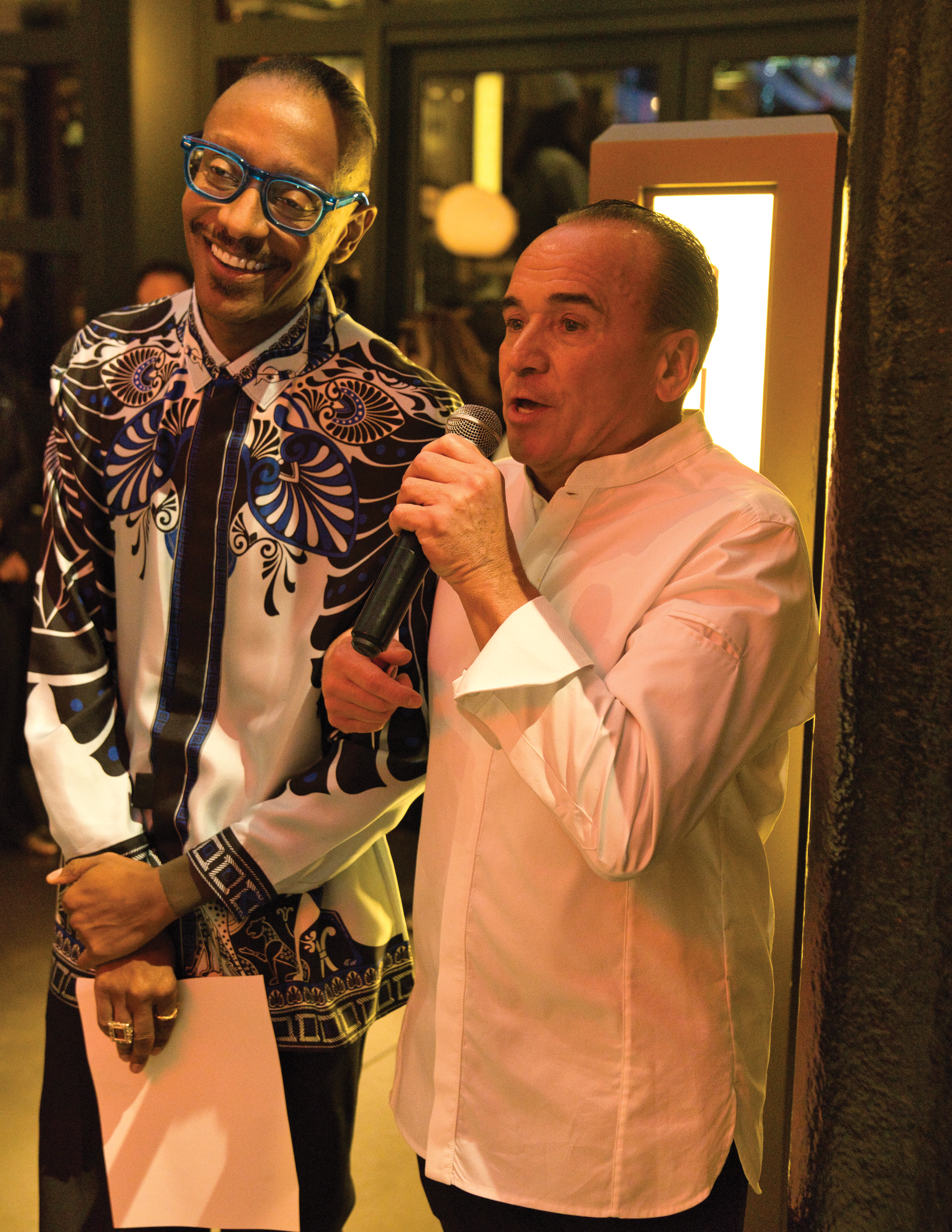
The Tin Building is a Food Hall that we have always enjoyed attending a number of editor events as well as to swing by when we are downtown. On this night, A Taste of the Tin Building: A Party Hosted by Jean-Georges Vongrenichten + Gregory Gourdet took place on both floors for an epic night of bites and sips.
Our first interview was with one of the night’s hosts, 3X James Beard Award Winning Chef Gregory Gourdet who is known for Kann in Portland, Oregon as well as being the Culinary Director of Printemps New York which has 5 dining options including: Maison Passrelle (fine dining), Cafe Jalu (all-day cafe), Salon Vert (raw bar), Red Room Bar (cocktail lounge), and Champagne Bar (a bar). We were first introduced to him on BRAVO’s Top Chef: Boston S12 where he was a runner up and Top Chef: All-Stars LA S17 where he was a finalist. You can also see him during various episodes with Top Chef: Dish with Kish.
ATHLEISURE MAG: We have enjoyed seeing you since you first appeared on Top Chef and have loved your storytelling around food and how you shared yourself with us, so it is an honor to meet to you!
CHEF GREGORY GOURDET: Thank you! It’s so nice to meet you too!
AM: When did you realize that you wanted to be a chef?
CHEF GG: I was cooking for myself for the first time to feed myself in college! I went to college in Montana. It was, like the first time I had to feed myself!
AM: Right.
CHEF GG: I just kind of like had a knack for it I think. My friends told me I was good at it. I would do a lot of potlucks and dinner parties, and it was just like, really, really fun, and I had really been struggling with finding what I really wanted to do in college anyway. I mean, back then, I didn’t even know where culinary school was. So, my first job was washing dishes and the chef suggested that I should go to culinary school and I literally went there! This was in 1990’s before any Food Network or what we knew like what a chef was.
AM: Exactly!
What led you to say that you wanted to do Top Chef? I mean, that is such a competition.
CHEF GG: Yeah, I mean, honestly, I’ve had friends who’ve been on Top Chef since S1. Actually, very funny, my friend, Lee Anne Wong (Top Chef: San Francisco S1, Top Chef: Colorado S15, Top Chef: All-Stars LA S17), was on S1. She worked at 66, which was a restaurant that was owned by Jean-Georges which is where I worked at! So this is a very full circle moment! I always grew up with Top Chef. I grew up as someone who was in my career and Top Chef was always an option, and I actually auditioned twice and finally by the third time, I got cast.
AM: I mean, your season was amazing. I love how you brought your point of view with the food. Why was it so important to present Haitian cuisine?
CHEF GG: Yeah, I mean, I think the thing about Top Chef, and what makes you really good at it, is when you know your food, you know? I think a lot of us, we worked in whatever space, fine dining, and it’s a different culture, and we’re just trying to learn. For so long, French fine dining was really the foundation of so much!
AM: Absolutely.
CHEF GG: You know, it’s like, when you’re on that show and you’re asked to push yourself – you’re trying to find out who you are.
AM: Right.
CHEF GG: As a chef, the best way to express yourself is through your food. So you start to find out what your food is, and you know you, you’re triggered on memory and taste, and things that you’re comfortable cooking.
AM: We’re here tonight, at the Food Network NYCWFF. Why did you want to be part part of this?
CHEF GG: Well, JG asked me.
AM: I mean, say no more!
CHEF GG: He’s my mentor and I’ll do anything for him.
AM: Exactly!
CHEF GG: I worked for him for a really long time for the formative years of my career! We’re still extremely close. He still influences a lot of my cooking, from seasonality to using lux ingredients, to him introducing me to so many spices! I consider myself a global chef today, and it’s a lot of the things that he taught me when I was a young cook.
AM: Thank you Chef for taking the time! We have been a fan for years and we always love seeing when you and Chef Kristen Kish (Top Chef: Seattle S10 winner, Top Chef: Wisconsin + Milwaukee S21 Host, Top Chef: Destination Canada S22 Host, and upcoming Top Chef: Charlotte, North + Greenville, South Carolina S23 Host, Athleisure Mag MAR ISSUE #99 2024 cover star) are together!
IG @nycwff
ASIAN NIGHT MARKET HOSTED BY PADMA LAKSHMI + JEAN-GEORGES VONGERICHTEN | CHEF JEAN-GEOGES VONGERICHTEN
For our 2nd night, we made our way to the Asian Night Market Hosted by Padma Lakshmi + Jean-Georges Vongerichten at The Seaport for Asian street food, as well as to interview Chef JG himself, who was also the host for this event. We have had the pleasure of eating at a number of JG restaurants over the years including Spice Market which was a place we enjoyed everytime we were in the Meat Packing District, abc Kitchen, abcV, and more. After all of the many meals we have had there, we were excited to talk with him about how he got into the industry, his restaurants and why he enjoys being part of the NYCWFF.
ATHLEISURE MAG: It’s such a pleasure to chat with you as there is so much going on! We have been fans of your restaurants for years.
When did you realize you wanted to be a chef?
CHEF JEAN GEORGES VONGERICHTEN: Oh, my God, before you were born! It was in 1973, I was 16 years old. I was terrible in school - almost a dropout – I felt bad! I was bad in school, but my parents took me to a 3-Michelin star restaurant for my 16th birthday. It was just my parents and I, we never went to restaurants. At that time it was too big for kids, it was a time where people still had their grandparents and uncles living under one roof! It was 3 generations living under one roof, that doesn’t really exist anymore!
AM: Right –
CHEF JGV: So, they took me to the restaurant. I couldn’t believe how people were out there eating at this restaurant! For me, you ate at home, the pot was on the table, and you serve yourself! Seeing everything that I saw at that restaurant changed me and I enjoyed everything! When we finished our meal, the chef came to our table and he asked how everything was and my parents let him know that if he needed anything, whether it was to wash dishes or to peel potatoes, I was his man because they saw that I had shown an interest in this.
AM: Wow!
CHEF JGV: The chef let us know that they were in fact looking for an apprentice. So that’s how I started and I never washed dishes! I started in pastries and you had to weigh everything so I started in pastries for 6 months and then I continued on with my apprenticeship, but that day, I tell you, my eyes lit up at that meal!
AM: You knew it was for you!
CHEF JGV: I knew that this was delicious and it was everything that I was looking for. Everything you touched just made you feel it and I knew I could do it! I found my calling!
AM: Did you ever think that you would have the portfolio of restaurants that you have now?
CHEF JGV: Oh no! For me at that time, it was about getting out of the house, having a job, and being able to start my life and that was it!
AM: We have enjoyed eating at a number of your restaurants as it is always an experience! What do you look for when it comes to opening another restaurant – do you have a series of criteria that you’re looking for?
CHEF JGV: I mean, here in the city, I want to cover every zip code!
AM: Ok, fair, there are a few you have yet to tackle!
CHEF JGV: When I opened my first restaurant in 1991, JoJo, it’s on 64th and Lexington and it still exists. I love cooking for the neighborhood and tourists that are passing by and it’s in a Brownstone and it’s so cute! This was before social media and cell phones. People heard about it via word of mouth and they came, this was in ’91. So having people come and talking about it was great!
Then I opened Vong, then there was Jean-Georges, and then The Mercer Kitchen which is downtown and so on and so forth. I love downtown, I live in the West Village.
Then internationally, I like to go to a city where I’m going to see something so that means – Tokyo, going to Shanghai, going to Singapore, Paris, London, Marrakech – you always see something new! I have 16 restaurants across the world.
AM: That is amazing and it’s definitely a flex!
CHEF JGV: Oh yeah, I could go to Marrakech and come back with 2 new ideas. Traveling for me is –
AM: Your inspiration board!
CHEF JGV: Oh yes and NY is my inspiration as well! We have so many people from everywhere here! We have the best Italian, the best Asian, the best Chinese, the best Jamaican –
AM: You literally can just keep going down the street and there is something!
CHEF JGV: Oh yeah, Indian, Greek, - there is everything. So living in NY, you’re definitely at home because you’re all around the world in one place and NY is a world of it’s own and it’s like a country of it’s own – no?
AM: Basically!
We had the pleasure of being here last night for the first night of NYCWFF’s A Taste of the Tin Building: A Party Hosted by you and Chef Gregory Gourdet which was just amazing. It was just insane!
CHEF JGV: It was crazy, no?
AM: Without a doubt! I kept seeing you like run by, and I was like, “there’s Chef.”
CHEF JGV: Oh yeah! I did my 25,000 steps.
AM: I would think so!
Why did you want to be a part of the food festival?
CHEF JGV: I mean, I have known Lee Schrager for a long time. We have been participating in the SOBEWFF in Miami for a long time – 15 years.
AM: Yup.
CHEF JGV: We’ll do a dinner usually every year for NY so it could be at Jean-Georges, but we always do 1 or 2 of our restaurants for it. This time, Lee was begging to use The Seaport, because everything started down here.
AM: Absolutely!
CHEF JGV: The Fulton Fish Market was here and this was the city’s first working port. (Editor’s Note: The Seaport was New York’s first working port and by the 19th century, it was the busiest in the nation. The Tin Building by Jean-Georges the culinary heart of the Seaport is the former site of the original Fulton Fish Market which opened in 1822, which operated as the city’s seafood center for nearly 2 centuries. In 2005 The Fulton Fish Market moved to its current location in Hunts Point, the Bronx. New York City was once the oyster capital of the world, with the Seaport’s Fulton Fish Market as the central hub for what New Yorkers considered a staple food in their diet.) So I convinced my partners that we should do this here and they said yes!
AM: That’s amazing!
CHEF JGV: I mean, it’s a little boost as well. When we opened here 5 years ago, it was during the pandemic and everyone was escaping the city. Now that are people are back now and we’re all exploring, it was the perfect match to do this!
Doing our event yesterday with Gregory Gourdet was so much fun!
AM: We interviewed him yesterday, we love him as we do you!
CHEF JGV: He is a protégé of mine. We have been friends for awhile and he is such a delight! I am always very proud of him!
AM: I appreciate you taking the time as your restaurants have always been such an experience visually as well as from a culinary standpoint. We enjoyed last night’s event and are so excited for tonight’s Asian Night Market that you are co-hosting with Padma Lakshmi (BRAVO’s Top Chef Host S2 – S20, Hulu’s Taste the Nation with Padma Lakshmi, CBS’ America’s Culinary Cup).
CHEF JGV: Oh yeah, the street foods are going to be so good tonight! It’s a little cold!
AM: It’s a little chilly!
CHEF JGV: I just told my assistant that I need to have my sweater! I can’t walk around like this! My son is also cooking tonight too, you should check him out as well (Editor’s Note: Chef JG’s son, Cédric Vongerichten is the Executive Chef and Owner of Wayan (NYC, Aspen, and Hamptons), Co-Owner of Ma•dé, Maritime at Jeddah Editon Hotel, and Executive Chef/Co-Owner along with his father at Perry St.). Say hi to my son when you see him!
IG @chefjgv
GRAND TASTING: DAYTIME EDITION HOSTED BY SOFIA AND MANOLO VERGARA
Saturday morning’s Grand Tasting: Daytime Edition Hosted by Sofia and Manolo Vergara allowed us to enjoy an array of dishes via a Walking Tasting. It was a great way to see culinary demonstrations, a number of chefs on our favorite TV shows, and tasting incredible bites and sips throughout the day. We even heard hear from Sofia Vergara and her son Manolo who shared their empanada company, TOMA.
IG @eattoma
BULLEIT + SEAN EVENS HOST OF PRIVATE TAKEOVER @ OLD MATES PUB
As soon as we left the NYCWFF Grand Tasting, we went around the corner to Old Mates Pub, which is an Aussie bar that is a cool vibe, to enjoy catching your favorite games. We were guests of Bulleit Frontier Whiskey, which was hosted by Sean Evans of Hot Ones. In partnership with the whiskey brand, he launched a new content series One More Round in collaboration with First We Feast. The series focuses on celebrating the moments when ideas move from napkin sketches to real action. He chats with WNBA legend Breanna Stewart, Black Thought of The Roots, and Lionel Boyce (Project Hail Mary, Shell, The Jellies) of The Bear.
Throughout the event, DJ BYNX made sure that the vibes were in full swing as we enjoyed Bulleit cocktails and an array of bites in a cool downstairs lounge aesthetic.
IG @bulleit
GRAND TASTING: AFTER DARK – THE STEAKHOUSE VIP SESSION PRESENTED BY OLD FORESTER
We made our way back across the street after the Bulleit event to go to the Grand Tasting: After Dark The Steakhouse VIP Session Presented by Old Forester that took place at Carne Mare, a phenomenal steakhouse. At this event, 4 steakhouses showcased bites as well as classic cocktails that used Old Forester. We enjoyed Carne Mare, Cote Korean Steakhouse, La Boite, and Hawksmoor. It was great to enjoy these bites at the restaurant and to take a break from the festivities taking place outside for the larger Grand Tasting: After Dark.
IG @oldforester



GRAND TASTING: AFTER DARK HOSTED BY CHEF BOBBY FLAY + CHEF BROOKE WILLIAMSON
After the Steakhouse VIP Session, we went back to the Grand Tasting: After Dark presented by Montchevre Goat Cheese Hosted by Chef Bobby Flay + Chef Brooke Williamson for late night eats. We even swung by the stage on the promenade to hear how Lee Schrager got Chef Bobby Flay and Chef Brooke Williamson to host this particular event. An added surprise was to see the 2 dance the night away under the stars which you can see here.
IG @bobbyflay
GRAND TASTING: AFTER DARK HOSTED BY CHEF BOBBY FLAY + CHEF BROOKE WILLIAMSON | JEFF MAURO
We caught up with the Sandwich King, Jeff Mauro right before he did a demo that night with his fellow co-star of The Kitchen, Chef Geoffrey Zakarian. We wanted to hear about how his passion for food and why he loves being part of this festival!
ATHLEISURE MAG: When did you first fall in love with food?
JEFF MAURO: Jumping right into it! Growing up in a giant Italian-American Family, food is everything to us. Seeing the power of food from a young age where, if you were that just, you know, sweeter to your grandma or your aunts, your mom - tug on their apron, oh so gently - they will give you a little morsel while they’re cooking, right? I was, like, oh my God, this is everything! When we had family parties, graduations, funerals, birthdays - all that stuff I was in it for the food. So, I saw how food is so transformative from a young age just because of the the matriarchs in my family!
AM: Wow!
What was the first bite that you felt that you fell in love with?
JM: My grandma used to make this, like, just homemade pizza, right? She caught it with scissors and it was like so undercooked and gooey that I couldn’t get enough of it, right? It was just like homemade dough, and a little bit of cheese and a little thin. She has this old white stove, and I remember these big steel scissors and just the noise of her snipping, the pizza was like a call to action for me, and you take that bite and that was it!
AM: What do you love about being at the food festival? I mean, it’s always such a fun time and so many people to see in the community.
JM: It’s all my friends you know? We’re a tight-knit group. There’s only you know a couple dozen of us if that, and this is when we all get to hang out. We’re not running around crazy on the TV set or competing, or, you know, this is like, we see each other in the lobby at the hotel. We get drinks, there’s Chef Arrón Sánchez sitting there and you know, you’re in the lobby with the Brothers Voltaggio (Michael and Bryan), as I call them. They’re sitting there having a drink at the hotel lobby and then you come here and I’m with Chef Geoffrey Zakarian and it’s a little yearly reunion every time we do these things!
AM: I love that.
IG @jeffmauro
FOODIECON
On the last day of the NYCWFF, we made our way to Foodiecon which is the educational portion of this event. Guests were able to hear from culinary personalities, chefs, and content creators to find out about their business and how they go about doing it. In addition, there were additional bites, sips, and settings that allowed for people to create content for their social platforms to make their own.
SUNDAY SUPPER PRESENTED BY PERONI HOSTED BY THE PASTA QUEEN NADIA CATERINA MUNNO + LIL MO MOZZARELLA
The final event of the NYCWFF was Sunday Supper presented by Peroni Hosted by The Pasta Queen Nadia Caterina Munno + Lil Mo Mozzarella which allowed us to enjoy a number of our favorite Italian dishes and beverages! It was a great vibe and closing to a successful food festival series.
SUNDAY SUPPER PRESENTED BY PERONI HOSTED BY THE PASTA QUEEN NADIA CATERINA MUNNO + LIL MO MOZZARELLA | CHEF KAREN AKUNOWICZ
Our final interview took place with James Beard Award winner for 2018 Best Chef (her restaurant Fox & the Knife debuted in 2020 and in that year, it was a finalist for Best New Restaurant in America) Chef Karen Akunowicz which was another Top Chef favorite of ours! We wanted to take a few moments with her even though her booth was hopping to find out what she loves about being a chef and why she participated in this year’s festival.
ATHLEISURE MAG: It’s so great to meet you! We have been fans of yours since we first saw you on Top Chef: California S13 where you were a finalist and again Top Chef All-Stars L.A S17.
CHEF KAREN AKUNOWICZ: I appreciate that, thank you so much!
AM: Of course!
So what was the first bite of food that you ate that made you fall in love food?
CHEF KA: Oh my gosh!
AM: I know, it’s a tough question!
CHEF KA: What made me fall in love with food? My mom’s chicken cutlets. That was my birthday dish every year. I still ask her to make them when she comes to my house. I make them for my daughter, the exact same way that she made them. I don’t chef them up.
AM: Wow.
CHEF KA: It’s like 4C Italian Bread Crumbs. I make them exactly the way that she did, and there’s something in that for me that resonates so much!
AM: When did you realize that you wanted to be a chef?
CHEF KA: I realized I wanted to be a chef - I worked in restaurants since I was 17 years old, and I would say that I have done every job there is to do. I worked in FOH for a very long time. I was a barista, I was a server, I was a waitress in a diner, I was a general manager before I ever started cooking. I was applying to get my Master’s degree in Social Work.
AM: Okay!
CHEF KA: While that was going on, I noticed that I never talked about what I was going to do with that, but I would always say, “someday if I own my own restaurant.”
AM: Right.
CHEF KA: That’s what prompted me to go to culinary school. I think for me, you know, that was like a turning point. I said, okay, if I’m gonna do this, I want to have the foundation, the understanding, and I didn’t know if I would continue to cook or not.
AM: Yup.
CHEF KA: But it stuck.
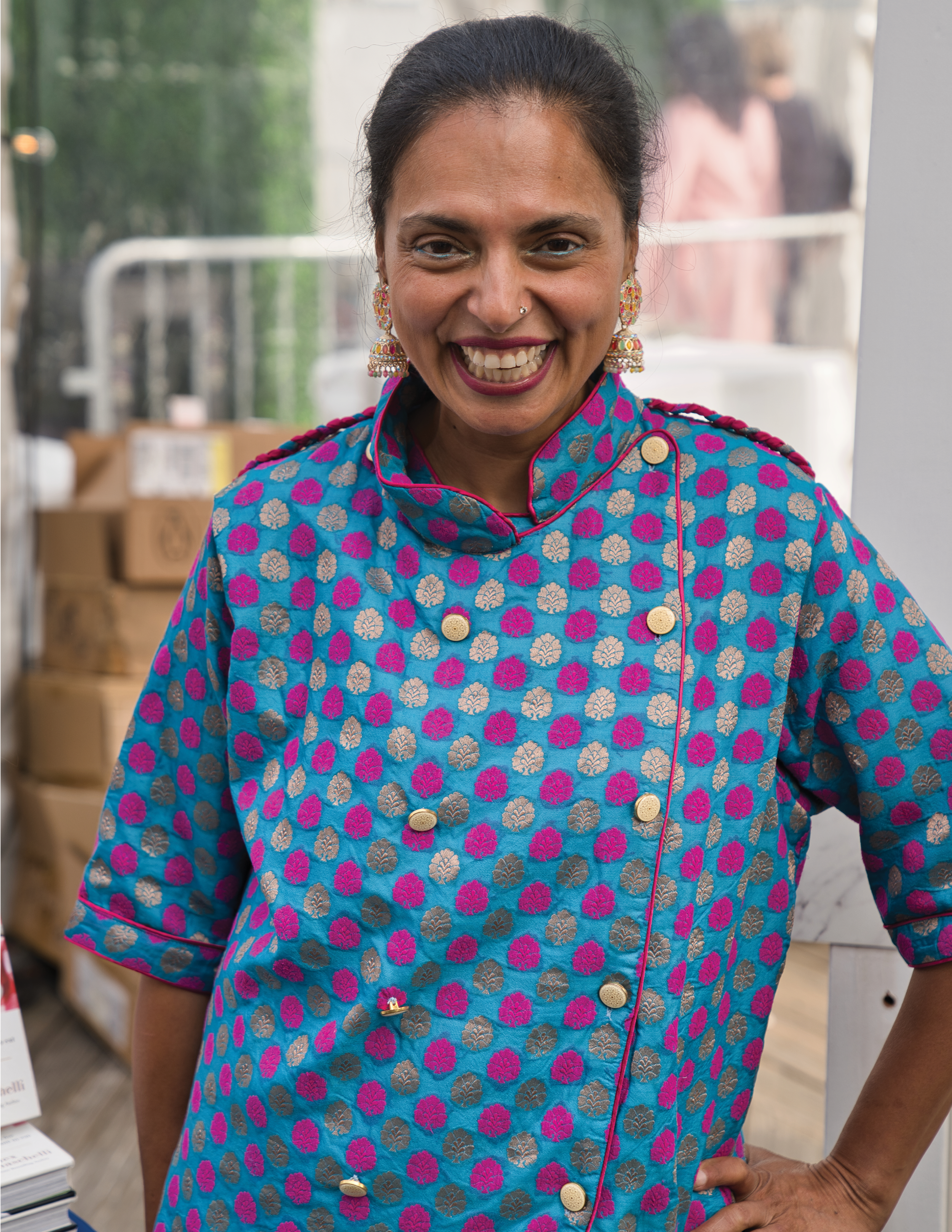
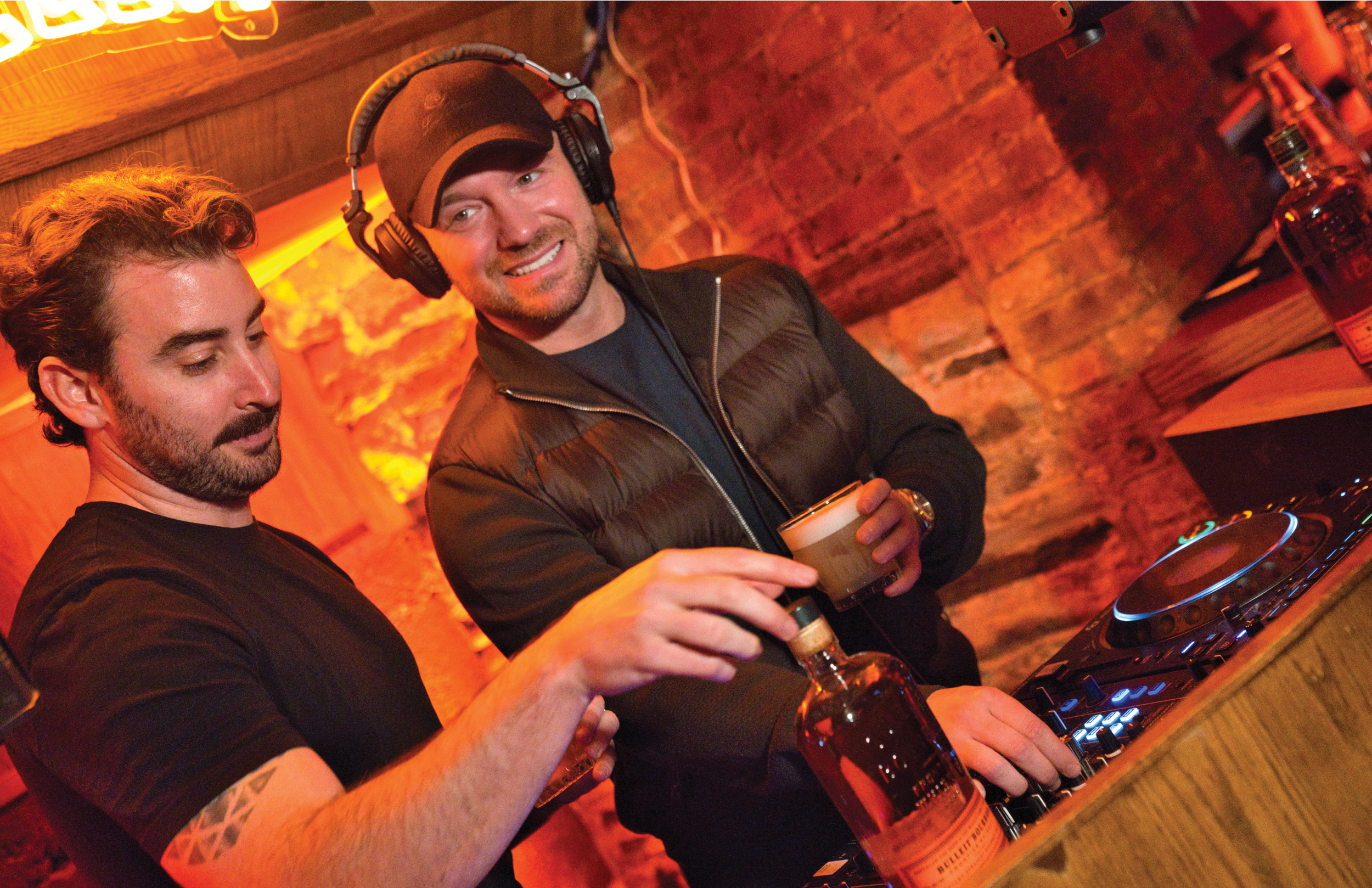
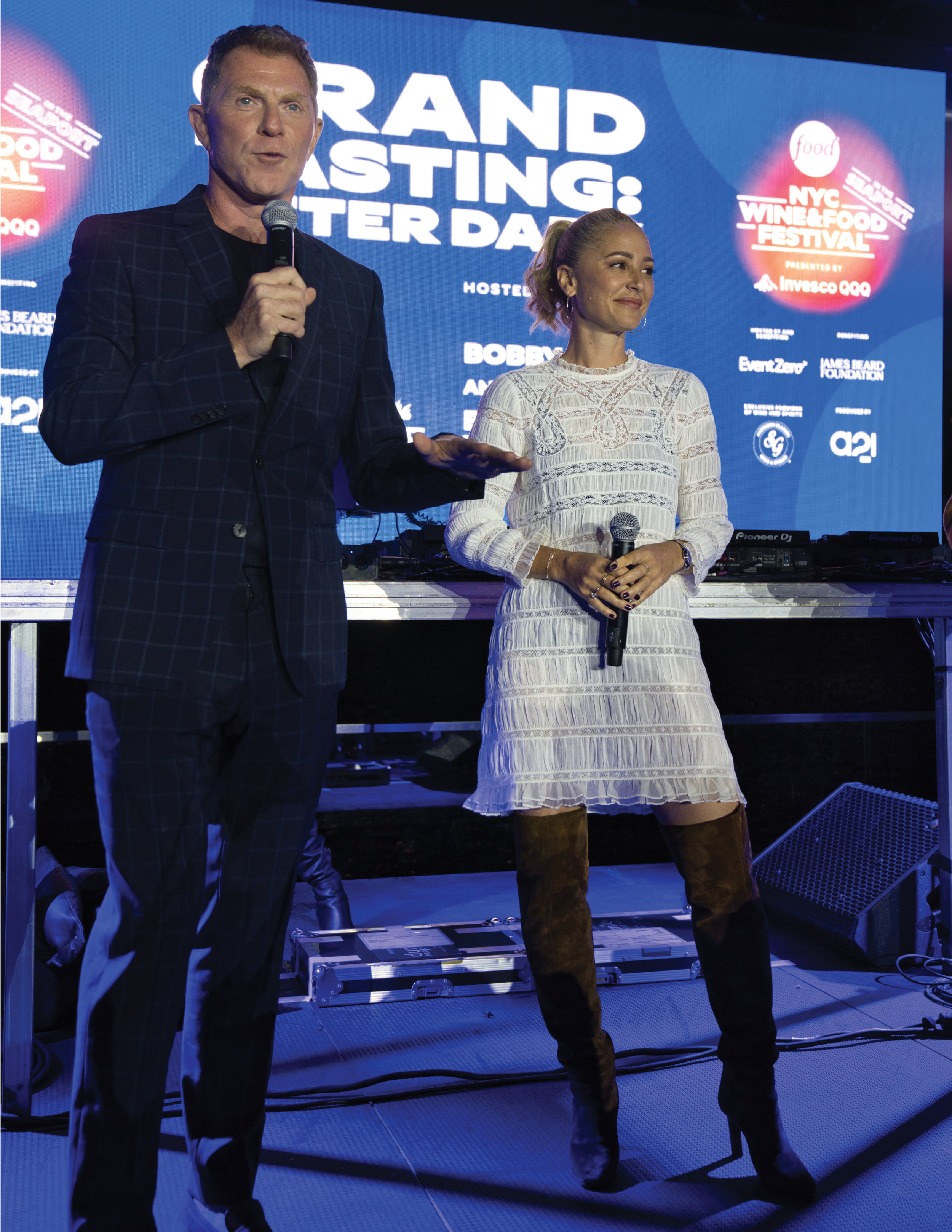
AM: As a fellow Virgo, we like to have all our details!
CHEF KA: Oh yeah, all of our ducks in a row! And also, you know, that, like, I always was aware that, like, I wouldn’t be given many opportunities to fail.
AM: Well, there’s also that part.
CHEF KA: So I had to succeed.
AM: Yup.
CHEF KA: Because I would never be given a second chance and I’m sure, you know, that as well even more than I do.
AM: 100%.
The business of being a chef has gained nuances and layer. It seems like being a chef is amazing, but then adding in TV – shows like Top Chef, social etc. How has that been beneficial to your career?
CHEF KA: It’s beneficial to the restaurants. TV has definitely given that breadth and reach that nobody else has. The thing about it for me is also that it keeps different parts of my brain going. So it energizes me and it inspires me in ways that keep me motivated in different ways in my career, in restaurants, and it also brings new life and ideas to that as well. I think that I’m somebody who I used to say, I really like to be busy. It’s not that I like to be busy, but I like to be inspired and motivated. I like all different sides of my brain to work. I write cookbooks because it works a different part of my brain, even though the entire time I’m writing I’m like, “writing a cookbook is so hard!” It makes your brain work in different ways and it makes everything work better. So I’m so lucky to have these creative outlets in my career.
AM: So you’re here at the Food Network NYCWFF today. Why are you a part of it as we love covering it!
CHEF KA: For me, New York has always been the epicenter of the world, truly. I’m from New Jersey originally, so my dad worked in the city forever, so this is really, you know, it’s the room where it happens, right?
AM: It’s happening.
CHEF KA: It’s always an honor for me to be back. I’m also deeply inspired by what the festival is able to contribute to different organizations there working with the James Beard Foundation specifically to continue programs like, WEL – Women’s Entrepreneurship Leadership. It’s so important. So anything I can do to continue and forward those things is really valuable to me. There’s the stuff that we have to do and then there’s the stuff we get to do.
AM: Exactly!
CHEF KA: The NYCWFF is something that I get to do!
SUNDAY SUPPER PRESENTED BY PERONI HOSTED BY THE PASTA QUEEN NADIA CATERINA MUNNO + LIL MO MOZZARELLA | CHEF MATTHEW CUTOLO
While we were at Sunday Supper, we talked with Chef Matthew Cutolo who is the chef at Gargiulo’s to talk about the storied Italian restaurant that has been around for over a 100 years and is a staple in Coney Island. We talked about the restaurant, his love of chefing and why they participated in this year’s festival.
ATHLEISURE MAG: What was the first dish that made you fall in love with food?
CHEF MATTHEW CUTOLO: Without a doubt, pizza. It’s the first thing I ever learned to make with my grandfather. We have two brick ovens that were imported from Naples in the 1970s, and we spent our summers making brick oven pizzas together. There are photos of me at just two years old, standing on a kitchen stool with my hands in the dough. It wasn’t just about the food, it was about the time spent with him. Those moments in the kitchen are some of my most cherished memories and really where my love for cooking began.
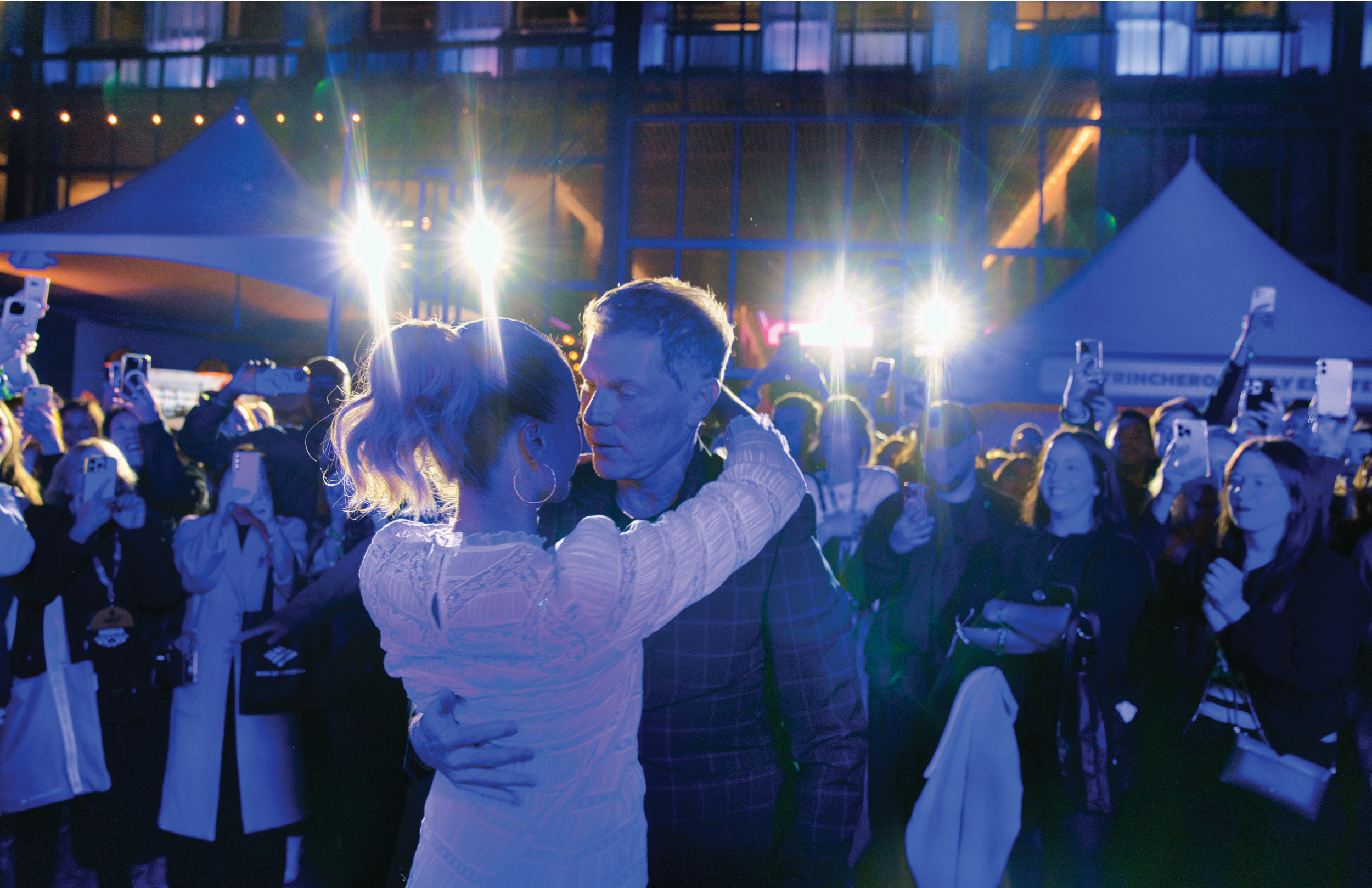
AM: When did you realize that you wanted to be a chef?
CHEF MC: My grandfather instilled my love for food at a young age, but I actually went to school for accounting and finance. About halfway through, after a conversation with my Uncle Louie, I realized I couldn’t picture myself sitting behind a desk for the rest of my life. My uncle pretty much said, “are you coming to work when you’re done?” For me it was an easy decision.
From there, I learned from each of my four uncles and aunt, the owners of Gargiulo’s, which gave me a great foundation in every part of the business. But I was always drawn to the kitchen. I learned so much from my cousin Mike the Bake and my Uncle Mike, the head chef. That’s where I truly found my place, and the rest is history.
AM: You’re the chef at the historic Gargiulo’s, which has been around since 1907 in Coney Island! Tell us about this restaurant.
CHEF MC: Gargiulo’s first opened in 1907, founded by the Gargiulo family, and my family purchased it in 1965. Today, my aunt and uncles own the restaurant, and I’m proud to represent the third generation continuing the tradition.Coney Island has changed a lot over the years, but Gargiulo’s has remained a constant. In 1977, we earned 3 stars from The New York Times, which was unheard of for a restaurant outside Manhattan. In the restaurant outside Manhattan. In the early 1980s. we added the catering hall where countless families have celebrated special occasions. We’re a white-tablecloth, tuxedo-clad, fine dining Italian restaurant serving classic Neapolitan cuisine with recipes passed down through generations. Our goal is to make every guest feel welcomed, like they’re sitting at their nonna’s table.
AM: We had the pleasure of trying your dish at Sunday Supper to close out this season’s NYCWFF. Why did you and your restaurant want to be part of this event?
CHEF MC: It’s the best food festival! The energy, the people, the chefs, it’s an incredible experience every year. I love connecting with so many talented chefs, personalities, guests, and brands, whether it’s catching up with old friends or making new ones and always having a laugh. This was my third year at the festival, and it’s something I look forward to every year.
PHOTOGRAPHY CREDITS | Paul Farkas
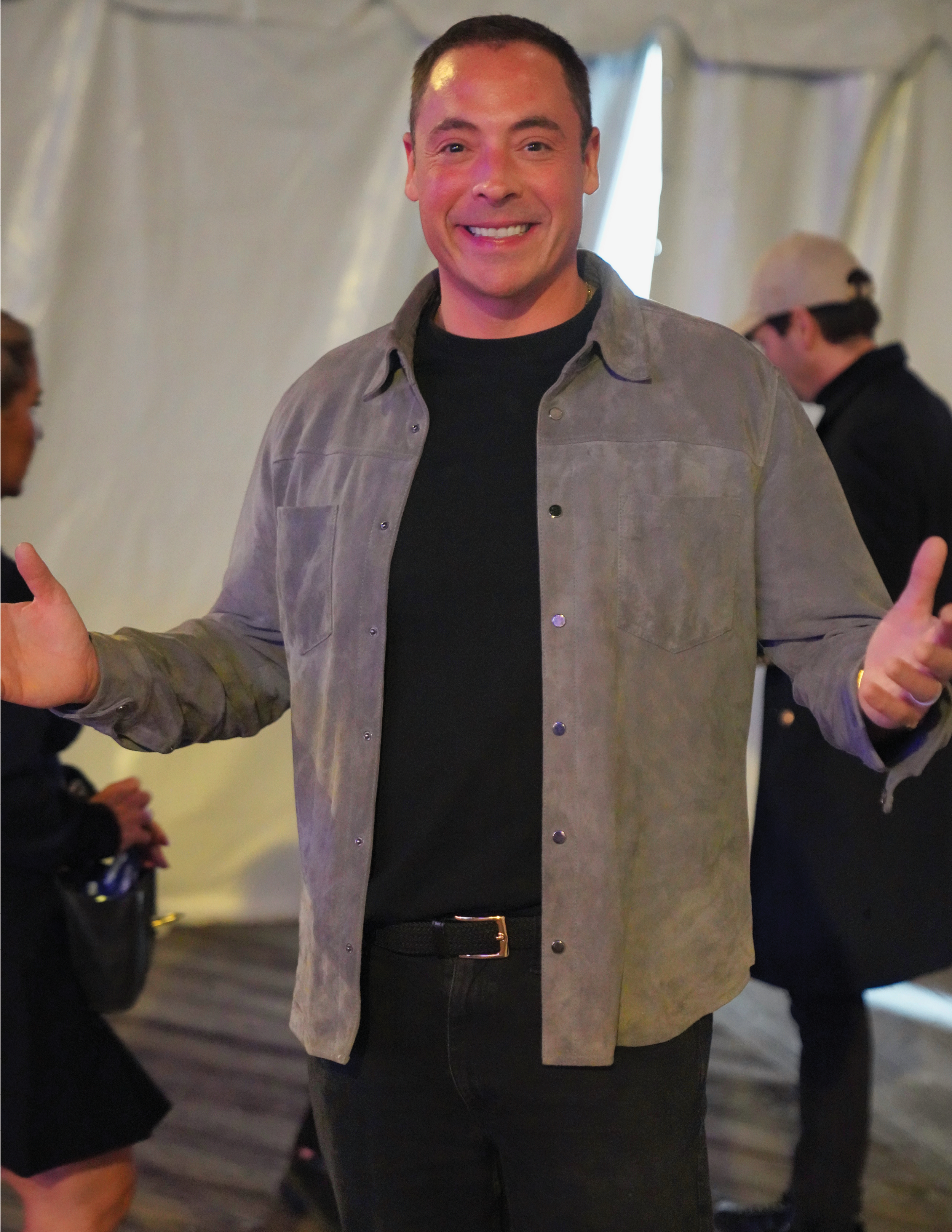

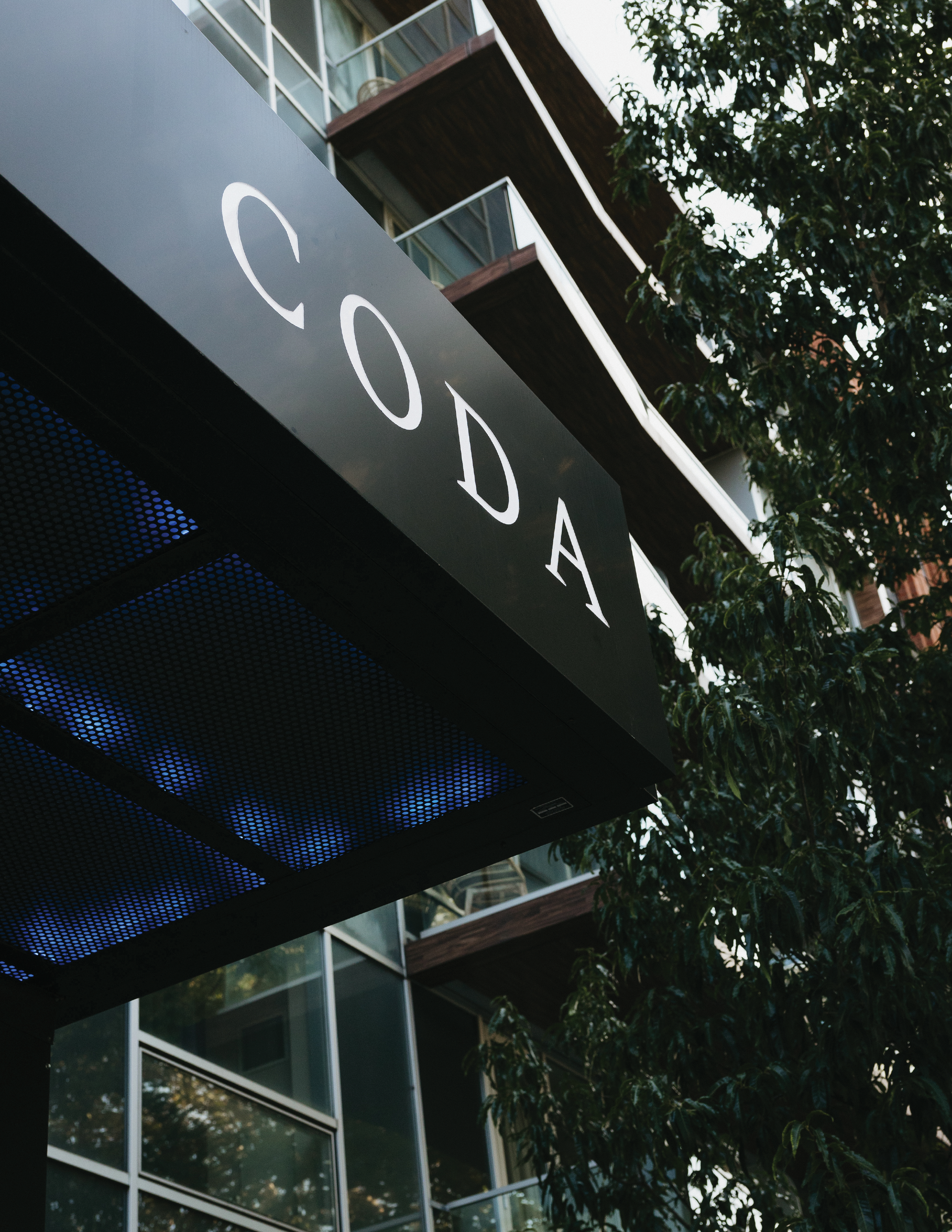
During the Food Network NYCWFF our hosts for the 5 days of coverage of this culinary festival was at CODA Williamsburg Hotel. We loved the fact that we could enjoy this staycation, take in the neighborhood and still pop in and out of the city to head to The Seaport to enjoy sips and bites from phenomenal chefs.
We sat down with the hotel’s Interim General Manager, Alberto Hinojosa who talked with us about this poperty whether you’re staying for a vacation, staycation, business travel, or your simply in the neighborhood. He shares features of this hotel from common areas, amenities, their restaurant, and CODA Beach Club!
ATHLEISURE MAG: When did CODA open, and what can you tell us about the hotel in terms of occupancy and its proximity to areas nearby?
ALBERTO HINOJOS: Coda opened its doors in 2023 and is centrally located in Williamsburg, just steps from Greenpoint. The hotel sits in one of the best spots in Brooklyn — easy to reach both Manhattan and local favorites around the neighborhood.
AM: Tell us about the common areas that guests have access to.
AH: Guests have access to our co-working space, a 24-hour fitness center, and our rooftop bar and restaurant serving breakfast, lunch, and dinner. Each space was designed to feel relaxed and welcoming — you can work, unwind, or socialize all in one place.
AM: You also have a restaurant that is part of the hotel, Meili – what can you tell us about that?
AH: Meili is a Sichuan Chinese restaurant led by Michelin-rated Chef Peter He. Williamsburg has a few Sichuan options, but this is the best one.
AM: We were on your rooftop during Bar Convent Brooklyn – tell us about Meili Rooftop.
AH: The rooftop is open daily except Mondays, with a happy hour from 6–8 PM.
AM: Although we’re no longer in the summer season, you also have a pool. Tell us about this amenity, and for those who are not guests, do you have pool passes that people can buy to enjoy CODA Beach Club?
AH: The Beach Club will reopen in May 2026 and run through September. It’s open daily to hotel guests, and non-guests can purchase advance day passes directly from the hotel. The Beach Club is adult-only, though next season we’ll introduce limited extended family swim hours as well.
AM: For guests staying at the hotel, tell us about the kinds of rooms available as well as the amenities that are offered in them.
AH: We offer a full range of rooms — Standard Queen (240 sq ft), Standard King (250 sq ft), Deluxe King (295 sq ft), King Suites (490 sq ft), and our Penthouse at 1,500 sq ft. All rooms include DS & Durga bath products, Kassatex bedding and towels, custom furniture from House of CODA and minifridges/coffee makers upon request.
AM: Tell us about the House of CODA.
AH: House of CODA is a California-based furniture designer that’s been around for over 30 years. They specialize in made-to-order pieces, and every room and public area at the hotel features their work. It gives the property a really cohesive, custom feel.
AM: What can you tell us about the neighborhood, and what are 3 things that we should do, check out, or eat?
AH: Williamsburg should definitely be your second stop after Manhattan. It has everything the city offers but with more of a local, community vibe and a slower pace. My go-to spots: Café Collette on Berry for breakfast or lunch, Amber Steakhouse in Greenpoint for dinner, and Peter Pan Donuts for a great flagel. For nightlife, Superior Ingredients is just a block away and always has top DJs.
AM: What makes CODA Hotel Williamsburg a great option for guests?
AH: The human connection we offer. Our team genuinely enjoys making a difference and creating great experiences for our guests. The reviews speak for themselves — people can feel that authenticity.
AM: Is there anything we should know about as we look ahead to spring or summer?
AH: We’re planning several activations for the 2026 Beach Club season and will be launching the Coda Creatives Speaker Series in Q2. The series will bring together NYC locals and creatives to share their stories and inspire the community.
IG @coda.hotels
PHOTOGRAPHY COURTESY | PG 42 - 47 Coda Williamsburg


Of course, we had an epic time at the Food Network NYCWFF and ate so many bites from our favorite restaurants and chefs! With 5 days of coverage, we found ourselves with a day off and made our way to INDN to enjoy Indian cuisine and phenomenal cocktails. The vibe of this midtown restaurant, the attention to detail, and of course the sweet and savory options are definitely going to live in our tastebuds until we come back again. We had the pleasure of meeting Owner and Beverage Dir. Simran Bakshi to talk more about this restaurant!
ATHLEISURE MAG: Before we delve into INDN, tell us about the Co-Founders of INDN in terms of their backgrounds and how they came to the culinary industry.
SIMRAN BAKSHI: I’ve been in hospitality for over a decade, building restaurants from the ground up. My focus has always been on creating concepts that balance originality with operational excellence — designing guest journeys, developing menus that tell a story, and ensuring every sensory detail aligns with the vision.
Kanika Vij Bakshi is the creative force behind our design and brand aesthetic. She translates emotion into space — from lighting and scent to flow and materials — shaping how the guest feels from the moment they walk in.
Vicky Vij, Kanika’s father, is one of the pioneers of Indian dining in NYC, best known for founding Bukhara Grill. His decades of experience anchor INDN in real hospitality wisdom.
Together, we represent three generations of Indian dining — tradition, creativity, and strategy — coming together to redefine how Indian cuisine is experienced in New York.
AM: What is the concept of INDN kitchen, and why did you want to open this restaurant?
SB: We wanted to create something New York hadn’t seen yet — a cocktail-driven Indian restaurant where food is designed to pair with drinks, not the other way around. INDN focuses on North Indian flavours presented through a small-plates format.
Most Indian restaurants in the city are built around full meals and family-style dining. We saw the opportunity to present Indian food in a more social, bar-forward setting — bold, fun, and unapologetically Indian, but elevated for a modern audience.
The goal was simple: drinks first, food second — but both world-class.
AM: Tell us about the interior design and what diners can expect from an aesthetic standpoint.
SB: The space is intentionally minimal but expressive — a reflection of Kanika’s design philosophy. We focused on warm lighting, tactile textures, and a layout that draws people toward the bar.
There are no stereotypical “Indian theme” elements. Instead, it’s a New York bar with an Indian soul — subtle details, natural materials, and curated playlists that evolve through the night.
We wanted INDN to feel like an adult playground — refined, energetic, and distinctly ours. The kind of place where you can grab a cocktail, share plates, and stay late.
AM: We truly enjoyed our meal and love how the cocktails, as well as the dishes, are a delicate balancing act! Tell us about the approach you took to the menu.
SB: The entire menu is structured around balance — between spice, acid, and richness; between boldness and restraint.
We start with cocktails, not the kitchen. Every drink informs the food — the spice profiles, the acidity, the texture of each dish.We keep our flavours authentic to India, but our presentation and pairings are contemporary. No fusion. No gimmicks. Just honest flavours built with modern precision.
Every dish is meant to be shared — not to fill you up, but to keep you engaged through your drinks and conversation.
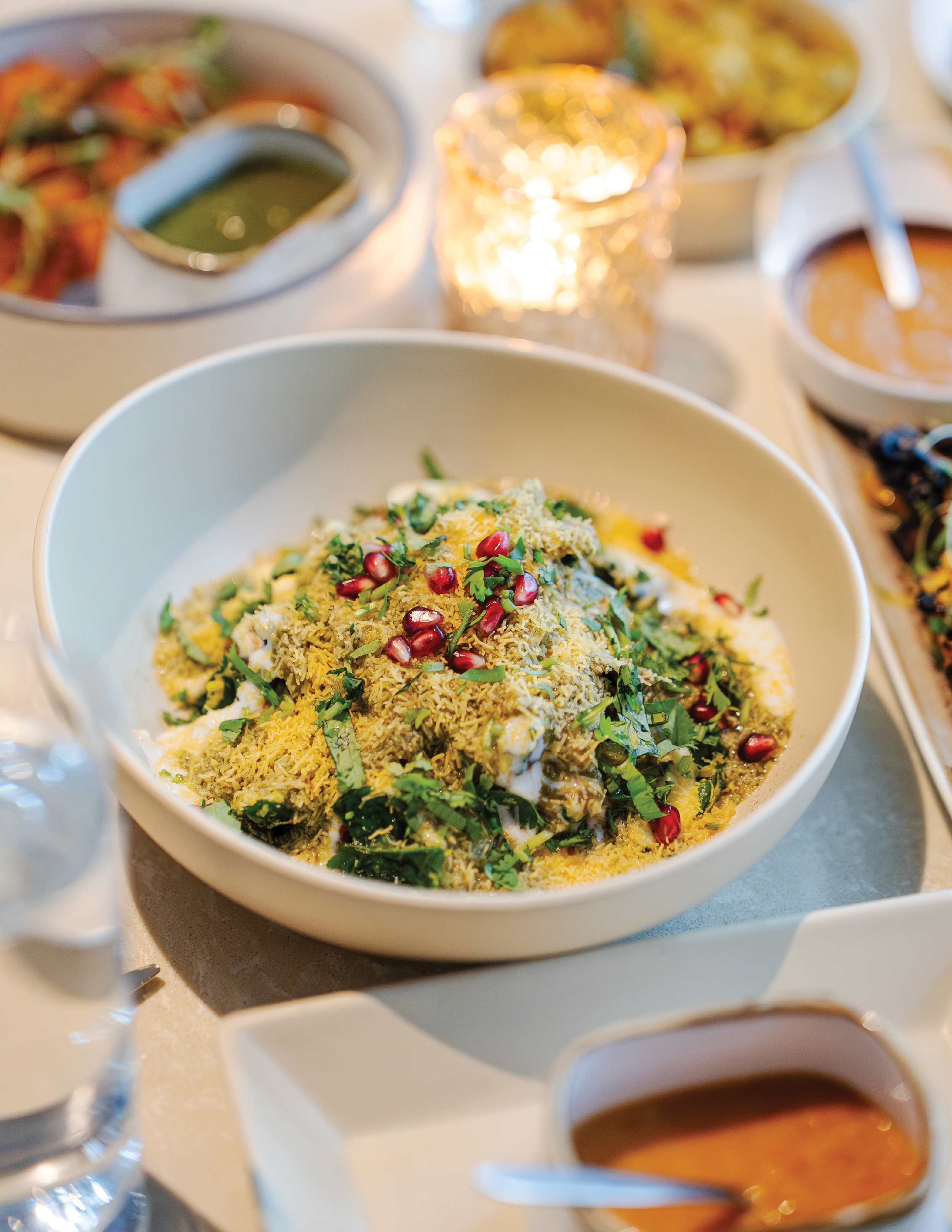
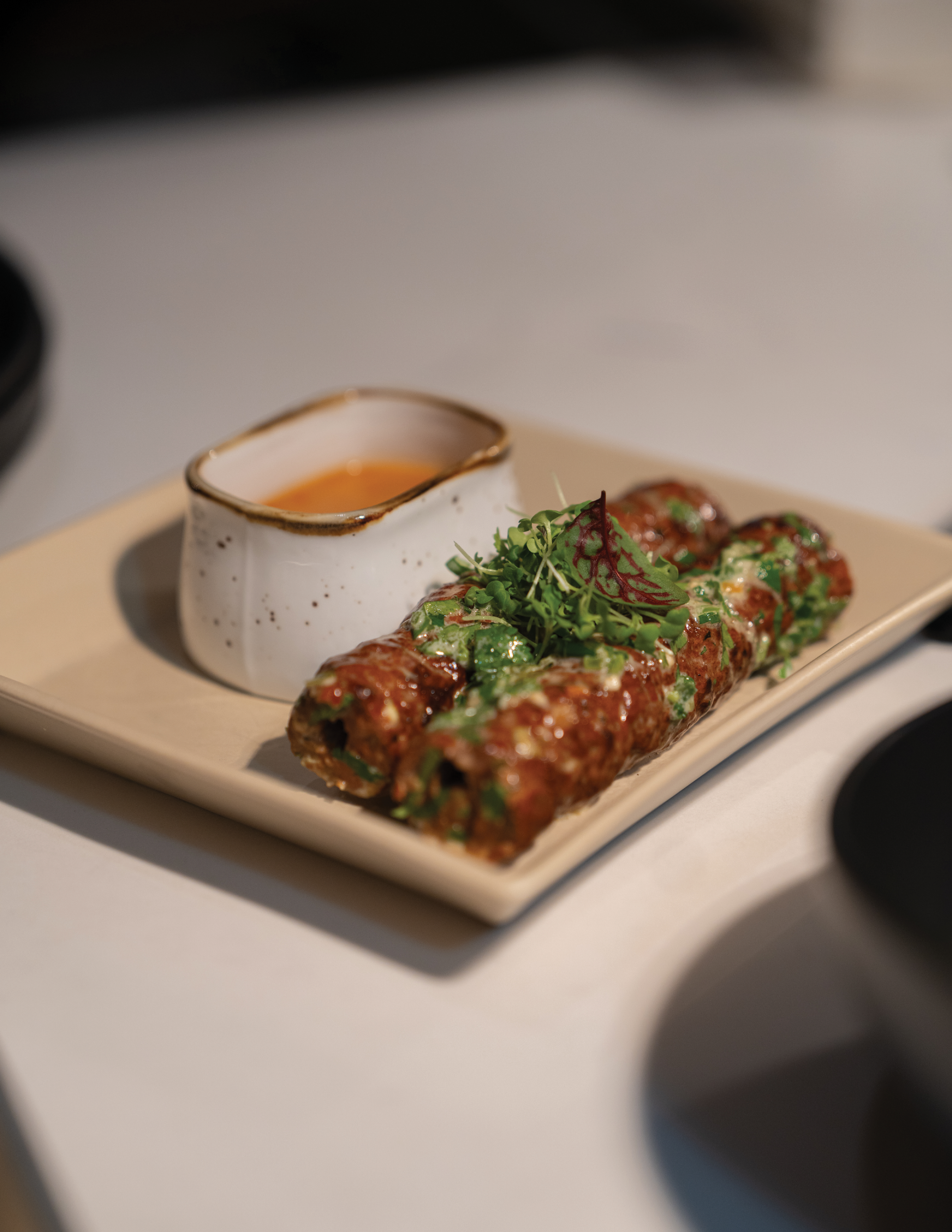
AM: As a small-plates approach, only dinner and brunch on Sundays is offered here. Do you envision adding lunch to the offerings?
SB: Not for now. Our rhythm works best in the evenings — the space, lighting, and energy are built around that. Sunday brunch already offers a different mood with Chai Nashta, so we’re happy with that balance.
That said, we’ll always adapt to guest demand. If the right moment comes, we’ll explore lunch in the future.
AM: We love the bar — it has an opulent vibe while being approachable. For those who opt to be there, is there a special menu?
SB: The bar is the heartbeat of INDN. While there isn’t a separate “bar-only” menu, the experience is different when you sit there.
Guests at the bar get first access to new cocktails, quick-fire small plates, and one-on-one interaction with the bartenders. It’s designed for spontaneity — grab a drink, share a few plates, meet people.
That’s the spirit of INDN — it’s social, not scripted.
AM: Focusing on dinner, what does Chakhna mean, and what are 3 dishes you suggest ordering from this portion?
SB: Chakhna means small, snackable plates traditionally eaten with alcohol in India — the kind of food meant to keep the conversation and drinks flowing.
Three must-try Chakhna dishes are:
Amritsari Fish – 10-spice battered fish fried crisp.
Keema Pao – Slow-cooked minced lamb served with buttered pao.
Paneer Tikka – Tandoor-charred paneer with mint marinade.
They represent the full flavour range — seafood, lamb, vegetarian — all bold, shareable, and built to pair perfectly with cocktails.
AM: What does Daru Ke Baad … Ya Saath mean, and what 3 items complement those small plates?
SB: The phrase translates to “after the drinks… or with them.” It’s our section of larger, heartier plates — for when you’re ready to transition from bar bites to a full meal.
Three dishes to try:
Yakhni Pulao – Aromatic mutton broth rice.
Traditional Butter Chicken – Charred chicken in creamy tomato gravy.
Pudina Lachha Parantha – Flaky mint-layered bread.
They complement the small plates beautifully and close out the savoury journey with warmth and comfort.
AM: To end our meal, what are 3 desserts that we should have in mind?
SB: Shahi Tukda – A rich bread pudding soaked in saffron milk.
Jalebi with Rabri – Crispy spirals with sweetened condensed milk.
Dessert of the Day – Our chefs rotate creative sweets based on the season.
They’re indulgent, nostalgic, and distinctly Indian — a perfect finale to an evening that started with spice and smoke.
AM: Tell us about your beverage program — the cocktails are incredible.
SB: Our cocktail program defines INDN. It’s what sets us apart.
We build drinks like dishes — layering spice, acidity, fat, and aromatics. The base spirits come alive with Indian ingredients like turmeric, fenugreek, saag, tamarind, and ghee, but without being kitschy or overpowering.
Every cocktail is built for depth and drinkability. Our team spent months clarifying, infusing, and balancing to make sure the end result feels familiar yet completely new.
This isn’t just “Indian-inspired mixology” — it’s culinary bartending rooted in Indian sensibility.
AM: What are 3 cocktails we should have in mind?
SB: Butterface – Mezcal, fenugreek, garam masala, and lemon.
Paneer Panic – Gin, cilantro, turmeric, and lime — inspired by saag paneer.
Pink City, Red Flags – Vodka, St-Germain, Bianco, and Indian tonic.
Each one is a playful nod to regional India — smoky, green, and floral — and designed to tell a story through flavour.
AM: As we look at brunch, what are 3 dishes perfect for the weekend?
SB: Pao Bhaji – Comfort food at its best; buttery, spicy, and soulful.
Samosa Chaat – Crunchy, tangy, and perfect with chai or a cocktail.
Stuffed Parantha Trio – Classic North Indian breakfast in refined form.
Our brunch is casual but still elevated — meant to feel nostalgic and social at the same time.
AM: What is Chai Nashta?
SB: Chai Nashta translates to tea and snacks — a cherished Indian ritual that bridges breakfast and lunch.
At INDN, it’s our take on the Sunday ritual: comfort food, shared over chai or cocktails, set to music that feels like a lazy weekend morning turned into a lively afternoon.
AM: What are 3 dishes within Chai Nashta we should consider?
SB: Poha – Flattened rice with curry leaves and peanuts.
Anda Curry with Parantha – Spiced egg curry with flaky layered bread.
Vada Pao – The Mumbai street-food staple: spicy potato fritter in a buttered bun.
It’s India’s brunch culture reimagined for New York.
AM: As someone who loves chai, tell us more about High Chai.
SB: High Chai is our elevated tea ritual — masala chai served with a spread of savoury and sweet nibbles like khari biscuits, cocktail samosas, and cookies.
It’s indulgent yet comforting — a pause in the day that celebrates India’s tea culture with the refinement of a New York bar.

AM: What are 3 brunch cocktails that we should have our eye on?
SB: Bloody Mary Marlo – Butter-washed vodka with curry leaf and mustard seed.
Espresso Martini – Mezcal, fennel, chili, and chocolate bitters.
Garibaldi – Campari, Japanese strawberry, vanilla, and orange.
They’re playful, layered, and refreshingly different — a reminder that brunch drinks don’t have to be predictable.
AM: From a seasonality perspective, will your menu reflect that?
SB: Always. We source fresh produce and adjust marinades, spices, and cooking styles to reflect the season.
In the fall and winter, expect deeper spice profiles and slow-cooked dishes; in spring and summer, fresher herbs, lighter curries, and brighter drinks.
It keeps the menu evolving and the team inspired.
AM: Are there any upcoming events for the Fall and holiday season?
SB: We’re introducing a holiday cocktail series — reimagining winter spices and Indian warmth through drinks.
There will also be special Chai Nashta takeovers during December weekends with festive sweets and DJ brunches.
We’ll close the year with a New Year’s Eve celebration that connects INDN upstairs with our lounge 16 Sola downstairs — two worlds, one night.
IG @indn.nyc
PHOTOGRAPHY COURTESY | INDN
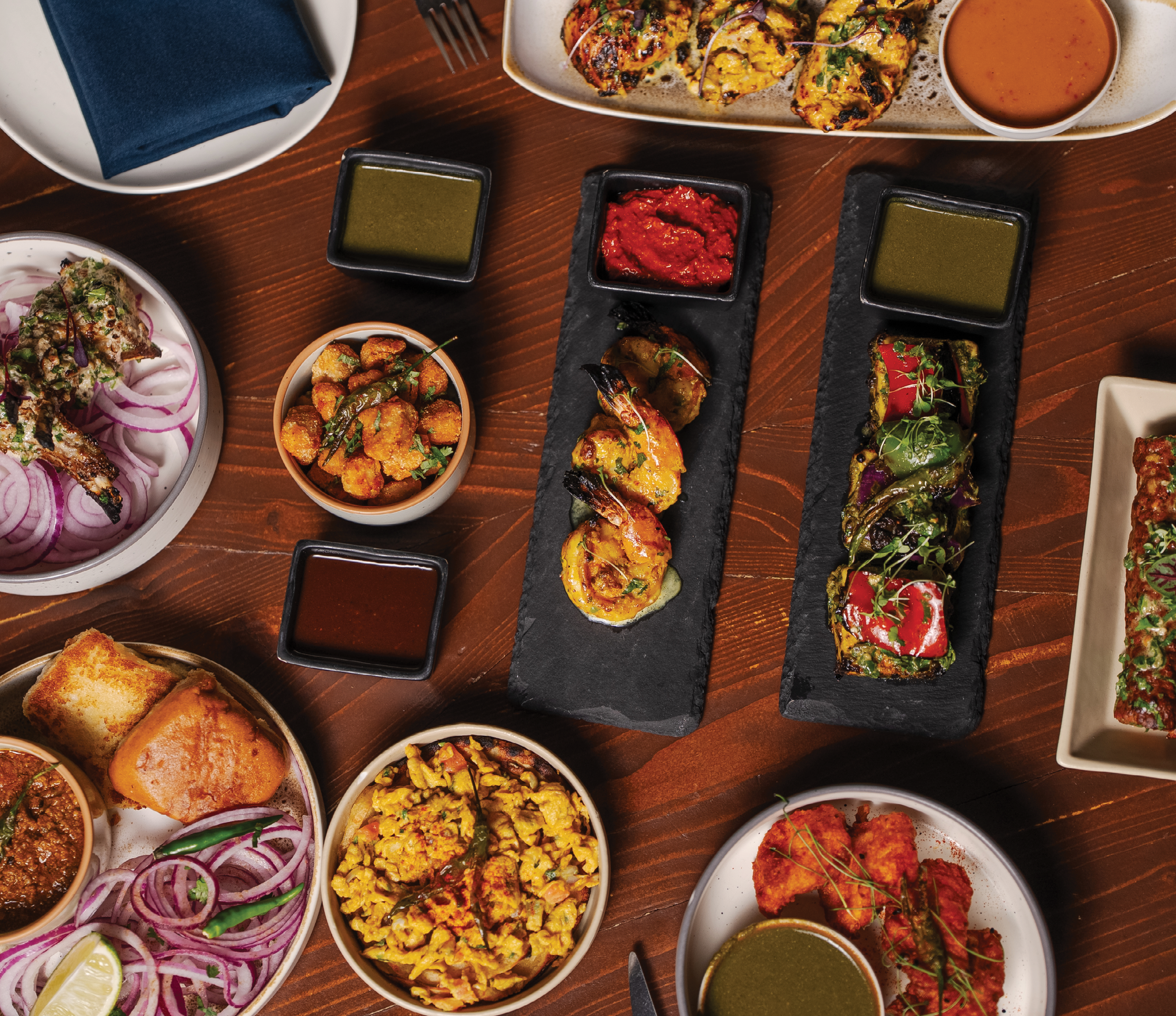
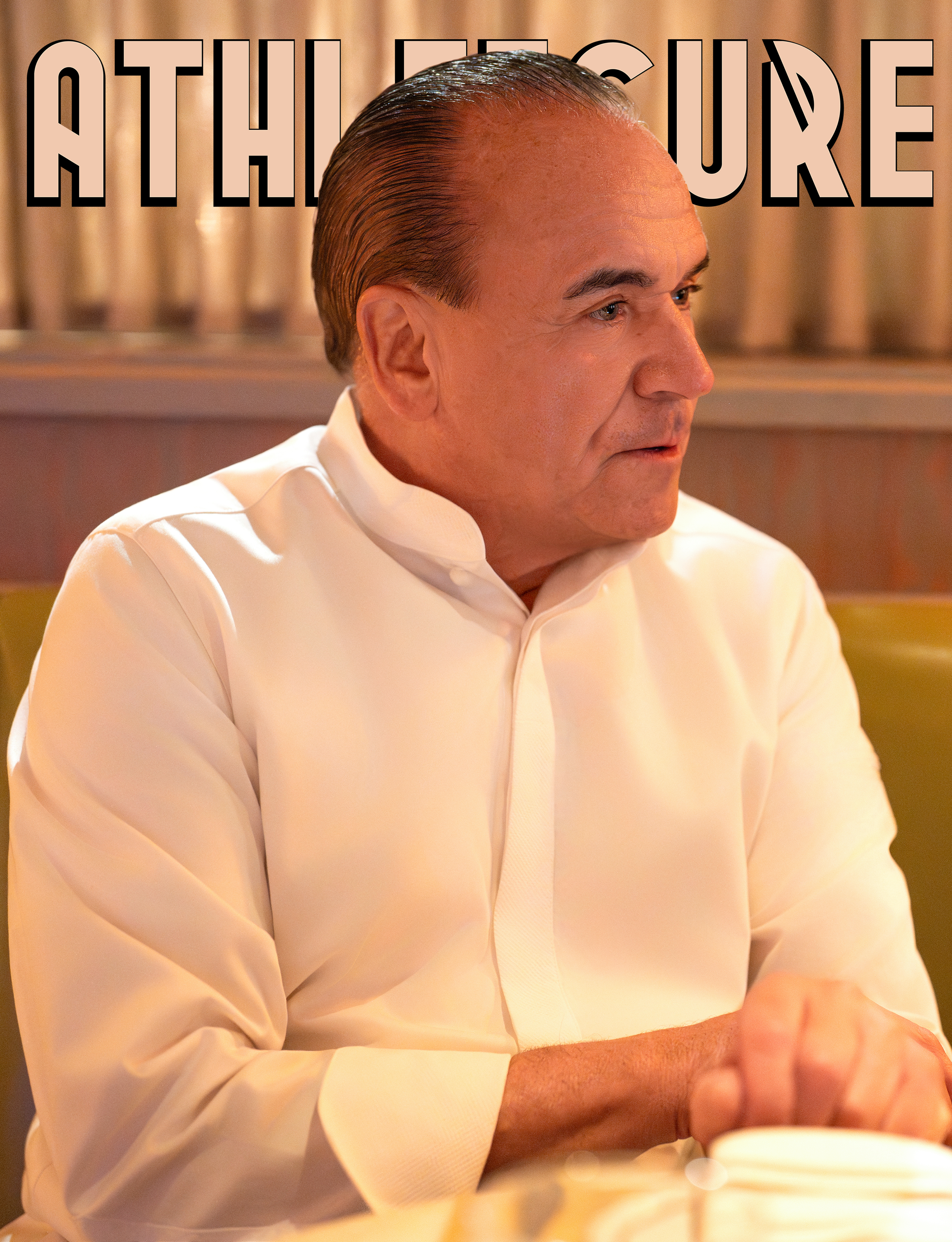

Read the OCT ISSUE #118 of Athleisure Mag and see FOOD NETWORK NYCWFF 2025 in mag.

We caught up with Thomas Winstanley, who is heading up the new Edibles.com platform powered by Edible Brands, of Edible Arrangements fame. They had tried the chocolate-dipped CBD strawberry route in 2019+, but was very early in the market. Now their edibles platform features various tried and true gummies, chews and more with the goal to destigmatize the edibles space further and safely curate some of the best brands for veteran and curious consumers who are looking to be Healthy Not High.
ATHLEISURE MAG: Great to chat with you Thomas, tell our readers more about your background, and what led you to working with Edibles.com and Edibles Brands.
THOMAS WINSTANLEY: Prior to coming to Edibles, I was the CMO for Theory Wellness and Hi5. I joined Theory when it was just two medical stores in Massachusetts, and I came on, you know, there were maybe 35 to 40 people in the company. And over the course of 6 years, I just have always been a fan of these products, of the industry. Even before, when I was in my teenage years. I was always the guy who loved cannabis and THC.
I started my professional career in pharmaceutical advertising, one into CPG, one into alcohol, worked on, you know, Remy Martin, worked on Tampax, worked on big blockbuster drugs, really understood the regulated markets. And then went home and smoked a joint after work almost every night when I lived in New York. Fast forward, it’s once I moved out of New York, we went out west, I saw the early inklings of the Colorado cannabis market, and as a marketer it really made me think about, basically the 16-year-old’s dream of what happens if this is legal? How do you build a better brand? How do you build a better mousetrap?
So at Theory, when I got linked in with them, it was kind of an amazing kind of synergy with their team of two founders, where as a passionate steward of these products it was amazing to be able to say, OK let’s go commercialize this. And at Theory, as their CMO, I got to design retail, I got to design brands and products within our portfolio of about 250 products. And I got to architect a lot of the brand, I’d basically write the briefs of what new products do we want to make. And then Hi5 came along, and we did the beverage thing, and that was always this major unlock to the category. By the time I left, we had operations in about 7 States, with around 18 retail stores, we’re the largest independently owned cannabis company on the East Coast.
And to have somebody who’s for the better part of my life, loved these products and this plant, to be able to bring it into a place where people have access to, and that’s really what we were all about, was how do we connect more people to safe, trusted access to these products? And not just products that met a baseline need, but I always go back to a Steve Jobs quote, ‘give the people what they want, and then introduce them to the things they didn’t know they needed.’
And that became very clear, I’ve always loved these products. I’m somebody who now that I’m almost 40, with 2 kids, my relationship has evolved with the category, but I’ve always been a big believer in the health efficacy of this category. People think I’m crazy, my most common use cases during the time that I’ve used cannabis have been around tennis, cross-country skiing, running - I’ve always found it to be a great complement to that. That’s more of my core usage outside of, kind of, evenings of relax and unwind.
And a lot of this all led to one day, Edible Brands reached out and said, hey, we have a crazy idea. We own edibles.com, looking to commercialize this at scale nationally, and we need somebody to help guide us in building a business around this category. I was skeptical, to put it lightly, because I didn’t want to be a part of a cash grab. [A]s I went deeper and deeper into conversations, my skepticism was alleviated, because philosophically and fundamentally, we were very aligned on how we wanted Edibles.com to become as a company. A lot of my business around this category. I was skeptical, to put it lightly, because I didn’t want to be a part of a cash grab. As I went deeper and deeper into conversations, my skepticism was alleviated, because philosophically and fundamentally, we were very aligned on how we wanted Edibles.com to become as a company. A lot of my non-negotiables were; I want to do this around health and wellness; have curation of products - don’t want the Cheesecake Factory menu; an outcome-based focus on our category; work with the best brands who have been doing this for a long time; and use our name of edible brands and edible arrangements as a sign of permission for consumers to step into the category who may not have ever stepped into the category. And it’s similar to what we did at Theory when you were introducing this novel concept of buying legal cannabis for the first time. We’re kind of doing the same thing with hemp today.
And what really pushed me over the edge is that in a lot of ways, the mission for me hasn’t really changed of connecting more people with THC. We can just do it at a much bigger scale, and in many ways, I think hemp has succeeded where cannabis has failed in terms of access to the economics and the commercial supply lines of this industry. Hemp is the equalizer of THC access, and so for all those reasons, you know, Edible Brands has an amazing supply chain, they have an amazing brick-and-mortar presence, they have a lot of brand affinity. What was a crazy idea actually became something very material, and Somia Farid Silber, who’s the second-generation CEO of the company within her family - she and I were very much in alignment on all of these points.
Fast forward a year and a half later, here we are with national shipping, last mile services, and what I would argue is probably the most eclectic group of products available today outside of a dispensary that can be sent to your doorstep. That’s something that you could never do in cannabis, and that’s what really fuels me around this project.
AM: So when I first heard about this, I thought am I’m going to see edible THC arrangement bouquets, something like edibles on stems was going to be the vibe? And then I learned about the CBD-dipped edibles from 2019, so it would be good to start there as that was definitely very innovative.
TW: It was! So, in so many ways, the Farid family, Tariq Farid, who’s the original founder, who has stepped back.. his daughter runs the show now, but in 2019, this was actually the first iteration of what Edibles.com became. So, back then, it was called Incredible Edibles, and they were going in that direction of basically blending CBD, and then doing chocolate-dipped CBD strawberries, and the idea was incredible for so many reasons, but the challenge was it was so early after the Farm Bill. You know, they were almost too far ahead of where the category was going to have the connectivity to what consumers were expecting back then. And it really wasn’t until about 2019, when hemp really started to get this gravity that we see today. They had the right idea, but they were just way too early, and from what I’ve understood, I think they had a retail play at one point, and they had tried to engineer this thing.. the consumers weren’t ready for it yet, because CBD was still kind of a ‘snake oil-esque type’ of category, where it showed up everywhere, and there wasn’t that level of differentiation at the time. They were trying to commercialize it at scale, but I think they also realized too, that the manufacturing and production side of making a finished good using these type of blended cannabinoids that were non-intoxicating was a very different ballgame and that the market was still not totally matured into. So they knew they were onto something, and I think they were actually up in Connecticut at the time, too.
That’s when Theory was also starting to really build, so they knew about Theory at the time.
But they were just too early into the market, and the idea was right, and they had vending machines, they had some products too, and they just didn’t quite land, I think, in the zeitgeist of where things were heading, but they were positioned in advance of the market, where the market was going. I think they tried it again in 2020 and 2021, but it was still just too early.
Hemp accelerated beyond what anybody really was anticipating, and as a Pakistani Muslim-run group, you know, the intoxicating side was an interesting angle that we’ve talked about, where health and wellness is the driver of the success of this category, and for them, that was something that they wanted to hold very tightly. I didn’t want to touch inhalables, because I don’t think inhalables.. anything other than air in your lungs is not healthy. And I think where I see this amazing ingestible category is much more akin to a nutraceutical type of product category, Ollie’s and all of these new classes of these nutraceuticals that folks take.
And so we were very philosophically aligned on that, that this is their first real foray as a corporate enterprise to touch something that has potentially intoxicating effects. But I think they were missing the other component of the THC side, which, truthfully, does unlock the efficacy of CBD in a much grander way.
AM: I agree.
TW: I know what these products are, I’ve tried them, I know that we have the opportunity to use our scale and sphere to connect something that consumers really want in terms of their health and wellness. And how can we be an arbiter to create that point of access? And that’s really where Edible Brands is really remarkable. They want to curate these experiences with edible arrangements - gifting those moments of wow for consumers to get something on a certain day.
We just acquired a fast-casual Mediterranean restaurant out of bankruptcy called Roti, to bring more nourishment and healthy eating.. And safe access to health and wellness products all focus on a consumer [online]. So now you have these moments of wow for consumers with the gifting side; you have nourishment through the food piece; and now you have this wellness angle with these products.
AM: Tell me about the Edibles.com marketplace you’re building out, how you curate, the brands that you’re selecting, and how you’re going to promote them.
TW: When I first joined, I literally went to my chief legal officer here and I told him compliance is paramount. That became kind of the first lens of looking at products. And the first calls that I made were to Jake Bullock over at Cann. You know, I knew all of these brands from the cannabis world, because we were buying it wholesale, I was in the beverage space, and I built the first beverage dispensary in the country with Theory. And so I had this kind of short list, you know, Cann, Wana, Ayrloom was a great team, like, Mack [Hueber] and Eddie [Brennan] are just wonderful guys. And the first two calls were, yes, Jake Bullock, I had him NDA’d up, and Joe Hodas over at Wana.
And Jake was terrific. I mean, I always remember this call, because he and I had worked together on some projects when I was at Theory, he said to me this is a little bit of a bellwether moment for hemp, because we just had DoorDash. And they’re not really promoting this. We had Total Wine, which was just coming on board. And, you know, when I started to really think about what a portfolio would look like, it’s how do you bring together these cannabis-adjacent brands who are currently now emerging into hemp and leading into hemp. How do I bring together the largest kind of market share of leaders on beverage and gummy and chews? How do I bring them under a portfolio, the likes of which maybe hasn’t been seen outside of a dispensary?
The reason I chose some of these folks is that, you know, you look at Wana, they started in 2010, they’ve been doing this for 15 years. They know the regulatory risks, they know compliance, they have really great formulations, they take it seriously, they’re not a fly-by-night group. Same thing with Cann. Cann broke the mold. I always remember the first time I had a beverage was Cann Cranberry Sage, and I remember drinking and thinking, whoa this changes everything when I was at Theory. What we’ve done is really tried to, with the starting group, the kind of first cohort, was to work with the brands that I know are making great products that are going by the rules, that aren’t going be a risk or compliance issue for us.
As a former CMO, marketing is powerful, and you can have a good brand and a bad product, or a great product and a bad brand. I was building this a lot behind the scenes, and nobody knew, and I didn’t want anybody to know. I wanted to have that moment where you pull the cover off and people go Whoa, this is big, but also like, Thomas is working on this, he knows these products, he’s not a shill.
You know, my goal is really to have a portfolio that is well-curated around these buckets of sleep, relaxation, uplift, energy, you know, really focused on outcome-based purchase habits versus get a distillate gummy at a good cost per milligram ratio. Anybody can do that. And it also aligns, I think, with the sentiment of the consumer base of the hemp industry, of the consumers, where you have so many of these new consumers coming in who are curious about these products. They see them everywhere, they hear about them. How do we do the homework for them where they can come and shop based on an outcome that they’re looking for?
I want to sell the Health Not High, a drumbeat that some people - [does] everybody want to get high?
AM: Yeah, it might be a healthy high for me. That’s a Yeah.
TW: And for me, it’s like, I think a lot of, when I talk to consumers, you know, and I talk to people who… my wife, my in-laws are conservative doctors from the South. They now went from being very skeptical about this category into saying, you know, oh, well, I don’t take it to get high. I take it for sleep, or I take it for my back, or I take it for relaxation and all these things. And it is true for me. It’s like, I’m not really here to get people high. People will do it on their own. I don’t want to sell people getting overly intoxicated, that’s not really my bag, it’s more about creating functional, health-based outcomes. It’s more akin to nutraceutical or supplements that add the efficacy.
And it’s like nobody goes and markets alcohol to get drunk? Do we all know we can get drunk by drinking more beers than we need to? Sure. But you don’t need to market that. I don’t think we need to market getting high, because when I talk to lobbyists and regulators and senators about this, one gummy is no more intoxicating to me than one beer or glass of wine.
What does become intoxicating is if you have multiple servings and irresponsible use, and frankly, I have no shame on consumers who want to do that, like, that’s totally up to them, but my goal is to really help people understand the functional properties of this hemp category, and introduce them to these things that maybe don’t take an Ambien at night, maybe take a Wana stay asleep chew, or a fast asleep chew, and see how that works for you, and maybe give somebody else an alternative. And so, you know, all of this kind of health-not-high criteria is something I strongly believe in as a consumer. And I also like getting high, too. So, like, again, no shame there, like there’s always a time and a place for it.
And I think that a lot of our strategy is emanating out of this Health Not High, because a lot of the consumers we want to have on here, these 60 and older folks who are part of the Reagan era. We’re trying to demystify a little bit of that stigma, and it’s not that we have anything against getting high, like, again, totally fine. But our mission is very critical, and so when we look at portfolio, we want that to be the reflection of outcomes. And that’s always how I’ve loved these products, too, you know?
AM: And looking at your project, one of the things I loved seeing was the educational part. So, when it comes to hemp-derived you obviously are a wealth of knowledge. I would love to talk about that a little more detail, because I do think it’s super confusing out there. There’s been a lot of quick progress, and consumers just are trying, experimenting, but I don’t think they fully understand what they’re getting.
TW: No. I spend a lot of time lobbying. We’re, you know, executive board members of the U.S. Hemp Roundtable, the largest trade association. Education is paramount in this category. You know, the most frequently asked questions we get when we run social ads or I talk to consumers are, how is this legal, is the first question. I always give a very simple answer. 2018, we had a Farm Bill, and in that bill, 0.3% dry weight equivalency of THC can be commercialized into products. That small percentage is actually enough to have the impact that we want for consumers, which are functional outcomes that can help with sleep, relaxation, all these things.
And it’s a low enough kind of threshold of a dose that, it’s not egregious, it’s not over the top, and we always recommend folks start low and go slow. The next question we always get is, but is it weed? It’s technically weed, because cannabis and hemp are the same plant. Like, they’re scientifically the same cannabis sativa plant. But our government assigned an arbitrary 0.3% number to say any plant that produces 0.3% THC and below is a hemp plant. Anything that is 0.31% is a cannabis plant. Two are regulated very, very differently. Cannabis is a lightning rod with over-regulation. Hemp is less regulated. But also, you know, essentially the same thing, but you don’t have any of the restrictions that cannabis has in terms of interstate commerce, shipping, you know, all this stuff, regulatory-wise.
And, you know, but really what it comes down to, we’re talking about regulating a molecule, not a plant. It’s the molecule. And that’s the third question, is the THC different in a Kiva gummy from edibles.com, from a Kiva gummy from a Colorado dispensary. The molecule does not change. That is the most important thing that we want people to take away, that these are not very different from dispensary products. The molecule doesn’t change, because it’s all the same. It’s just the amount of the molecule you can have.
I think that is one of the largest misunderstandings and perceptions about the category, is yes it’s legal, and I think that’s where we fill in a white space. If you send strawberry dipped strawberries to your grandmother on her birthday, and is also partaking in this category, well you actually know it’s probably not as bad as it seems by comparison to gas station products and, you know, all of these other areas that these products are being sold. We really want to be a leader in the safety, the security, the compliance, the regulations. We want to give that permission to those customers who say, yeah maybe I should try it. Well, if you come to edibles.com, you know you’re getting all of this, a half Billion dollar company wouldn’t step into this space if it wasn’t legal, and it wasn’t safe.
And that’s where I think, for me it becomes really exciting to be the first kind of handhold experience for folks who are coming into the category. And on the other side, you know the people who love Wana, Kiva, and Wyld. Well, now they can get it shipped to their door if they live in a market where these products aren’t sold. And it’s the first time you can get all 3 of them in a package delivered to your house in history. That, to me, is a powerful moment for consumers.
AM: That’s really cool. I want to ask you about best practices taking a gummy, because there are some…
TW: God bless.
AM: ..there are some gossip points about having fat content, or how long it would take to be acting, and I’m sure there’s different products, but any knowledge to pass along?
TW: Yeah, so I’ll say for a novice consumer, start low and go slow. You know, anywhere from a 2.5 to 5 milligram dose is a good starting point. I would argue 2.5mg is always the best place to start. That way, you can always take more, but you cannot take less. And that’s something that over the history of THC, everybody has that story where, they took a brownie, and then they didn’t feel anything, and then they took another one an hour later, and then all of a sudden they were on the moon, and it was, you know…
AM: Or just the batter making it.
TW: Yeah, exactly, right? It’s just kind of like one of these things, and you know. I want to hear that story for sure.
AM: You got it.
TW: The other thing that I think is really important that’s not talked about as much is there is a difference between regular kind of products that are just standard action products of how THC is delivered, and fast-acting products. And this is where the industry’s matured in the last 3 to 5 years, is we finally figured out that THC does not necessarily have to bind with lipids and proteins because of fast-acting technology, which is basically the reason beverages exist is because somebody figured out that you don’t need fats to carry the THC, because you could never make a beverage without having oil or something in there. Well, now this new technology, this fast-acting technology, allows a quicker onset of these products. So, standard products, which I would call 45 minutes to an hour to see how it affects. Fast-acting products that we see today, you can feel effects as quickly as 10 to 15 minutes. This is important, because if it’s standard, you’re metabolizing it and that can take longer, because your body has to break it down. If you eat a huge pancake breakfast and then take a standard acting gummy, your body’s going to take a lot longer to metabolize it, versus if you took a standard acting on an empty stomach, that’ll happen faster. Fast acting, that goes directly into your bloodstream. You absorb the THC faster.
And what’s great is once you start to get a comfort level on how your endocannabinoid system starts to respond, that’s where the fun begins. Because for me, mostly, I’m a non-school night user at this point in life with my two little kids. It’s mostly on the weekends. But I’ve been a big advocate, too, for folks who do play competitive tennis like I do, and are competitive runners to try this stuff when they do those types of activities. Like, that’s where the fun really begins, when you can start to introduce the molecule and these products into areas of your life that become really compatible and symbiotic with these types of products.
AM: And what would you say for those that might say they had a high tolerance, or found that they need to change… it worked for them, but they need to change up their routine somehow? (Editor’s Note: Asking for a friend)
TW: Yes. So, I think for people with high tolerances. I actually have somebody in my office that I don’t want to name-shame, because they have a really high trough tolerance, but what I always recommend is, Tolerance breaks are great if you medically can. Responsible consumption is always important. If you’re somebody who just kind of pushes the envelope on wanting to go further and further, well, at some point, you’re kind of removing the efficacy that you wanted in the first place.
The other thing that I always like to recommend for folks is if you have a high tolerance, it’s always good to take those kind of breaks to see if that drops down, and then there are some people who are just like, yeah, I need 100mg a dose, or I don’t feel anything. I might not be the right place for you. You’re probably a dispensary customer.
The other thing I’ll just add into all of this is I think CBD is one of these things that we’ve written off in some ways because of the CBD, you know, for the reason that Incredible Edibles was a CBD company originally. CBD is actually this molecule that you need THC to unlock the values of. And what I actually have recommended for folks who are looking for different types of efficacy is I’m a big believer in high doses of CBD with lower doses of THC, or nominal doses of THC, because I think you can find a different type of efficacy that, until, you know, I’ve been in the industry for almost 10 years. I always kind of wrote off CBD because I thought it was snake oil, but I’m seeing it come back more where there are some incredible brands who are just, like, a one-to-one, where it’s, like, 5mg of THC, 5mg of CBD. There are some brands that are doing amazing work where it’s, like, 25mg of CBD with 5 of THC. Those products are super interesting to me. And there are a couple of brands that I’m going to be bringing onto the platform, who are taking kind of the innovation side of these form factors and really peeling them a part in a way that traditional landscape of THC products hasn’t really done in a long time.
Cann was one of the first where they did a 2 to 1 with, you know, 2mg THC, 4mg of CBD. But there are some really great products that I’m so excited about, that are leaning in on more niche formulations than more of what we see, you know, on our website today. You’ll see kind of just, like, straight THC or one-to-ones. The ratio products actually are probably, over time, going to be more interesting to me, I think, as I look at the landscape. That doesn’t necessarily help the high-dose people, but it might be a different way of looking at consumption of these products, where maybe it’s combining a couple of different products to get the same outcome. Maybe it’s a little bit more CBD-focused with less THC that might get them to the same place. You know, and that to me is, again, where this landscape is fascinating with how people are starting to gravitate and find the right balance of what works for them.
AM: Sure, I would say there’s nothing like a week tolerance break. It’s on the other side, like your brain and your body just are born again naturally.
TW: You get used to the feeling of being high, which almost underrides the impact of the kind of the category at large. Like, if you take these products every night, you’re kind of building your own tolerance in some ways, and the same thing with alcohol. Like, if you drink alcohol every night, kind of the value of alcohol that you feel is tampered. And so, you know, that’s one of the reasons, you know, to be quite honest, that I like to reserve my consumption of these products to non-school nights, Friday nights, Saturdays, and Sundays, because for a long time in my life, I used them every day, and there’s nothing wrong with that, but I started to feel like the effects for me were dulled heavily, and I started to lose a little bit of the nuance of what I was actually seeking to achieve.
And there’s nothing like, you know - I’m a big fan of the… it’s not quite a wake-and-bake anymore, but, you know, Saturday mornings, having an infused beverage, you know, functional infused beverage. It always kind of fires me up, and then, man, when I play trains or Legos or whatever it is with my kids, it’s dialed up to 11, and so, you know, it’s one of these things where tolerance is really important.
But again, there’s so many reasons why people come to this category. It’s about finding the right balance for yourself, and really exploring, why do you want these products? Why do you need them? What are you looking to achieve? And then figuring out, in the same way we do with, like, supplements. When do you need to use them, how much do you need to use? And, like, what products work the best?
And I will say there are some products now that I have tried that I’m like, wow, this is a product that I’ve wanted forever, and now it exists. And I’ll shout out OFFIELD is, one of probably my favorite breakthrough category products, and they make athletic products. Athletic consumables, and they have gummies for pre-workouts and post-workouts, and they have an electrolyte, L-theanine, THC, basically a Gatorade equivalent. And I bring one on the tennis court during matches.
AM: Yeah, interesting!
TW: You know, and I just love now where we’re getting to a point where the category can really get more niche in terms of its focus and growth.
AM: Yeah, I’ve had some interviews where it was interesting to see use for training, practicing, and playing in the sport, rather than just recovery or recreational.. And it was very interesting to hear, like, are you more focused? Are you enjoying the sport more? Is it adding focus or detracting from it, or parts? And when? For these people, and me, you know, of course it’s not about overdoing it.. It’s about being productive and healthy.
TW: Yeah, so I’ll give an example, right? So, I run, you know, probably 3 or 4 mornings a week, and it’s usually low Zone 1 thresholds, just kind of getting my legs going. But then on the weekends, when I want to go for a longer duration run when I take a dose of THC, I actually find I can get into my rhythm and flow state of a long run faster with a little THC, because it almost kind of takes away a little bit of the overthinking. When I first started running, I’m like why am I doing this to myself? Like, this is not fun, but I know I have to do it. But, you know, the THC actually kind of helps me kind of dissolve that a little bit, and I can actually feel.. be a little bit more in tune with my stride, my pacing, my steps per minute, so on and so forth.
And it’s the same thing on the tennis court. You know, instead of thinking about do I need to tune up my forehand a little bit? You know, am I over-extending or am I too close on my forehand?
It actually helps bleed away a lot of that where I can get into a flow state a little bit quicker, and it kind of dulls a little bit of the noise. It can be a little bit physical, but it can be very mental. It can give you a little bit less of that stream of consciousness when you’re doing something that’s very technical. And so, I’m surprised that athletes haven’t come more into that. Maybe they are, and maybe they’re not in a place where they can talk about that, but you know, for me this is the next phase of where we’re going, is I think there’s a lot of application today for THC in these types of products in those types of activities. And that is what really energizes me about the future growth of the category and the innovation that can come. And people think I’m crazy when I tell them that I like to take edibles and go running. They’re like how do you know how to do it? It’s like, no, it’s not what you think. You’re not kind of looking off in the distance, you’re getting into a very focused mind state, and you’re quieting your subconscious a little bit.
But it’s again - right products, right time, right outcomes.
AM: Yeah, also as a celebrity photographer, I’ve vaped before and during most shoots.
TW: I love that call.
AM: Yeah. I think for me, it’s about loosing up, mood, creativity, picking up on lighting, poses, opportunities and context. Improv is very much about being open and adaptive, so many nuanced aspects light up for positive productivity.. so when you’re saying healthy, not high, I’m hearing for wellness, fitness/sport, recreation, also for art and creatives and, and.. Being productive is healthy and also, you have to be true to yourself that you have, in my opinion, you need to tell yourself you could easily do it without it as well. So it shouldn’t take over though.
TW: Right? That is one of the most important things, like, you have to be able to do it without it. And that’s where I look at my comparison of running during the week and on the weekends. On the weekends, I’m stoned and I’m running. During the weekdays, I’m sober. Because I want to be able to say, yeah it’s still fun either way, I could use it or lose it, and it wouldn’t really impact my interest in this activity. Right.
AM: It’s often a big net plus.
TW: Yeah, and I spend a lot of Sunday afternoons when I have a really interesting strategic problem to solve for. I will, on my own time, on the weekends, have a couple of infused beverages, and lay out a design, or look at a problem I dealt with during the week with a different lens. And, you know, that to me is that duality of these products have this really wonderful massive benefits when used responsibly.. can be used creatively, you know, physically, mentally, all of these things - this category can unlock a different type of value set, that most consumers, unfortunately, haven’t had the privilege of engaging in. And I think over time, we know that more and more consumers are going to start to engage it this way. And we want to be the person who can recommend to you to try this, and this may help. It may not, but, you can try it and see if it works for you, and if it doesn’t, that’s also okay. And if it does, great! And if you like it, then there’s more that you can try, too. And that’s usually where what we see is we have a very high retention rate right now of return customers, because they try something, and then they come back and try 3 more things, and then they come back.
AM: Yep.
TW: Building on that, because there is an educational curve, like everything, but once you find that right balance.
AM: Now, let me ask you, are we going to see a lot more products on the edibles.com marketplace coming up?
TW: Yeah, and we once crossed our national shipping kind of expansion that put us into the 65-plus percent of households in the country.. But this is where it becomes really exciting for me, because we have all these big, major brands, right? There are a lot of smaller brands that deserve to be discovered. OFFIELD is one of them. Todd Hunter, who’s the CEO, he’s a great guy, and I think he created this product, this brand of products that I’m really interested in, and I want to continue to grow the portfolio, because I think the future of this category is going to be very specific to needs, states, and outcomes.
And I love when, you know, I take it with a healthy dose of skepticism if somebody’s like, I have a creativity chew. And I’m like, yeah, like, I’ll try it and see if it does what it’s supposed to. I think over time, you know, now that we have so much capital coming into the space, we have so much innovation, we have people really pushing the boundaries in ways that maybe cannabis didn’t as much, because it was a very binary sales channel. Now we’re starting to see a much more nuanced approach to innovation of these new types of categories of products. You will see probably in the next couple of months, a lot of new brands coming on board. I have a list of folks that I have tried over the last year and a half and beyond that I want to be a part of this, and I want to have on, and nobody has said no to coming on the platform. We’ve had to say no to a lot of folks, unfortunately, but it’s really about making sure that we have this portfolio that continues to grow. And the other thing that we’re also looking at, too, is not just THC products, but we’re going to bring on a bunch of CBD products. I think it is another really important part of this portfolio that can be complementary to other products, and also stand alone. And furthermore, we’re also going to bring on likely some nutraceuticals as well. You know, so a lot of different types of non-infused, non-cannabinoid products that edibles over time will probably continue to expand into. Yeah, you may be able to get a magnesium sleep powder to mix in with tea, but you can also get your infused gummies that also help with sleep. We really want to build this as a wellness-focused platform, and that doesn’t just need cannabinoids, but it’s where we’re starting to open the door to great brands that we want to help bring to consumers in this marketplace type of approach. And it’s very novel in its kind of concept, because we’re In a white space today that we want to start to increase people’s appetite for alternative health products.
AM: Well, I think Edible Brands is super fortunate to have you, the space is fortunate to have you, and nothing bothers me more when I go into recreational or medicinal dispensaries, and they’re constantly just saying, this is the highest potency, and what is best for cheapest.
TW: Oh, yeah.
AM: Maybe many consumers are programmed to think bang for buck and all these things, but they’re not looking at the art and science of it, they’re not bettering themselves, maybe they’re not looking at wellness in other parts of their life also, but often the dispensaries are not curating or explaining things well, and I think it’s terrific that in leading in the edibles space, you’ll be able to educate people, safely destigmatize, and curate and help guide towards desired outcomes.
IG @ediblescom
PHOTOGRAPHY COURTESY | Edibles.com


Read the OCT ISSUE #118 of Athleisure Mag and see EDIBLES.COM | Edible Brands Thomas Winstanley in mag.

PHOTO CREDIT | Unsplash/Steven Erixon
Today, you’re young and full of energy, and tomorrow, you wake up old and drained.
It doesn’t work like that.
Ageing is sneaky and it creeps in slowly, in tiny moments you barely even register.
For example, you start to grip the handrail a little bit tighter, you slow down on a floor you used to feel safe on, you catch yourself taking shorter steps without meaning to, you get out of breath quicker, etc. You shrug it off as nothing, but it’s far from nothing. These are the early signs that your body is changing the way it moves.
When it comes to aging, everybody talks about wrinkles and feeling weaker.
But the part that nobody pays attention to is how it changes the way your senses guide you and how you react. And when you finally know why these small shifts happen, it all starts to make sense. Every hesitation, every imbalance, there’s a reason for all of it.
So why should you care? If it happens – it happens, what’s it to you?
Once you see the pattern, you can actually do something about it before a single little misstep becomes a problem.
Unless you already have a condition, you shouldn’t expect to see drastic changes in the way you move as you age.
The changes happen slowly, but they definitely make a difference. Muscle mass slowly declines through a process called sarcopenia, which makes you weaker and reduces the quick power your body depends on when standing up, climbing stairs, and so on.
Your joints feel it, too. They become less flexible because collagen shifts, cartilage wears down, and if you sit for long periods of time (which most seniors do), that adds to the stiffness even more. With less range of motion, your stride gets shorter, and movements aren’t as smooth anymore.
But that’s not all. Your balance system goes through changes, as well, because the inner ear, nerve signals, and proprioception become less accurate.
This slows down your reflexes and makes even a little misstep a lot more noticeable.
As your movement starts to change, everyday tasks aren’t as safe as they once were.
And the risks are easy to overlook because you’re not used to being careful when you’re doing something basic like bending down or turning quickly.
To make matters even worse, ordinary spaces get riskier, too, because there are a lot of small details that add up. Clutter on the floor, weak lighting, loose rugs, polished surfaces, and sudden changes in the height of the floor all increase your chances of losing stability.
Cognitive load is another layer of the problem.
When you multitask or try to process too much at once, you’re not as coordinated because your brain needs more time to organize information. Add to that stress or fatigue, and it’s easy to see how even the most familiar spaces start to feel less steady and safe.
Small adjustments in daily routines can make a world of difference, and this goes for seniors who still live in their homes and those in care facilities.
Facilities like nursing homes are usually built with some particular safety measures in mind (guard rails, specialized flooring that’s non-slip to help prevent slip injuries, but at the same time not too tacky to help prevent tripping injuries, specialized mobility aids, etc.).
Still, they aren’t 100% safe.
If you or your loved one is ever in an accident on the facility premises, remember to contact a nursing home slip and fall injury lawyer. It’s the facility’s responsibility to ensure and maintain reasonably safe conditions for its residents. If they’re not, you need to do something about it.
Now, let’s get into some small changes that make everyday life safer:
If the paths you use every day don’t have any obstacles, it makes them a lot safer, so the first thing to do is to remove all clutter. Secure all the cords, as well (this will also make your home look much more put together), and try to make the floor transitions as smooth as possible.
Walking, light strength exercises, tai chi, and balance drills all help your body stay steady. Do short sessions and spread them out throughout the day to keep your muscles active without straining them.
Warm, evening lighting is ideal because there’s no glare or shadow distortion that will mess with your vision. Clear visibility means better depth perception, which makes it easier to judge distance and obstacles.
Supportive footwear will give you a firm base and reduce any wobbling when you move. Another important thing is good hydration because it supports both attention and muscle function.
The way we move is automatic.
Nobody really thinks about whether the carpet is loose or if your footwear is stable enough. And that works when you’re young, but as you age, it all changes. It’s nothing to be depressed about because there are a lot of beautiful things that come with older age, but you also need to be realistic.
In order to keep your quality of life, you need to make a tweak here and there to stay safe.
That’s not so bad, is it now?