
• FITNESS
  • Food
  • Beauty
  • Sports
  • Travel
  • Athleisure Studio
  • Athleisure List
  • THIS ISSUE
  • Athleisure TV
  • The Latest
  • ARCHIVE
  • About
  • Watch Party
  • Press
  • Connect
Menu

Athleisure Mag™ | Athleisure Culture

ATHLEISURE MAG™ | Athleisure Culture
  • FITNESS
  • Food
  • Beauty
  • Sports
  • Travel
  • Athleisure Studio
  • Athleisure List
  • THIS ISSUE
  • Athleisure TV
  • The Latest
  • ARCHIVE
  • About
  • Watch Party
  • Press
  • Connect

PHOTO CREDIT | Unsplash/Temple Noble Art

WHAT COAST2COAST FIRST AID'S 150,000 STUDENTS REVEAL ABOUT SURVIVING A GYM-FLOOR EMERGENCY

July 22, 2026

Most gym-goers can tell you their splits, their macros, and their personal record on a deadlift, but not what to do if the person next to them collapses mid-set. Coast2Coast First Aid has spent over a decade certifying the kind of people who fill studios along the Belleville waterfront and fitness floors near the Quinte Sports and Wellness Centre, and the pattern is consistent: fitness knowledge and emergency readiness rarely live in the same person. Between hot yoga sessions downtown and early morning bootcamps by the Bay of Quinte, that gap is exactly why more active people are booking C2C First Aid training before it becomes the reason they wish they had.

Key Takeaways

  • Sudden cardiac arrest during exercise is not the same as a heart attack, and the response, immediate CPR and an AED, needs to start within minutes, not after someone finds a phone signal.

  • A fitness studio's posted defibrillator is only useful if someone in the room actually knows how to use it under pressure.

  • More than 21,000 Google reviews, with over 19,000 five-star ratings, come from students who came in for a certificate and left with a skill they actually trust.

  • A free 90-day retake on the skills evaluation means a shaky first attempt at chest compressions does not have to be the final word.

  • Between sessions, Coasty, an AI-powered first aid tutor built into the Student Companion app, lets students refresh the sequence before it fades.

Why Does Cardiac Arrest During Exercise Catch So Many People Off Guard?

Exercise-related cardiac arrest is often mistaken for someone just being winded, overheated, or dramatic, which is exactly why it goes unaddressed for the first, most critical minute. Unlike a heart attack, which usually comes with warning signs and time to act, cardiac arrest means the heart has stopped an effective rhythm entirely, and the person will lose consciousness within seconds. The response has nothing to do with strength or fitness level. It comes down to whether someone nearby recognizes what is happening, starts chest compressions immediately, and gets an AED attached as fast as possible. Every minute without both roughly cuts the odds of survival.

Being physically fit is not protective on its own, and it can even work against quick recognition, since a fit, athletic person collapsing is sometimes assumed to be dehydration or overexertion rather than a cardiac event. That assumption costs the exact minute that matters most.

What Should Every Fitness Studio Actually Have in Place Before an Emergency?

A studio with a defibrillator mounted on the wall is not automatically a safe studio. What actually matters is whether the equipment and the people are ready at the same time:

  1. Is there a functioning AED on site, and does staff know exactly where it is without searching?

  2. Has staff been certified on CPR and AED use within the past year, not just when they were first hired?

  3. Is there a clear, posted plan for who calls emergency services while someone else starts compressions?

  4. Are class instructors, not just front-desk staff, included in the certification, since instructors are usually closest to a member when something happens?

  5. Is the AED battery and pad expiry checked on a schedule, rather than assumed?

A studio that can answer yes to all five is prepared. One that can only point to the AED on the wall is hoping.

How Is CPR for an Adult Different From What Most People Picture?

Most people picture CPR as something dramatic and complicated. In practice, it is a repeatable physical sequence: check responsiveness and breathing, call for emergency help and send someone for the AED, and begin chest compressions immediately, continuing until the AED is attached and ready to analyze the heart's rhythm. The AED itself talks a responder through the process once it is turned on. The harder part is the first ten seconds, recognizing that this is happening and committing to start, which is precisely the part that hands-on training builds through repetition rather than a single explanation.

Certified training also clears up a common point of hesitation: an untrained bystander worried about doing compressions "wrong" often does nothing at all, which is worse than an imperfect attempt. A properly trained responder pushes past that hesitation because the physical sequence has already been practiced enough times to become automatic rather than something to second-guess in the moment.

What About Runners, Cyclists, and Outdoor Training Groups Near the Bay of Quinte?

Studio members are not the only fitness crowd with a coverage gap. Running clubs, cycling groups, and outdoor bootcamps that meet along the Bay of Quinte waterfront often have even less structure around emergency response than an indoor studio, since there is no fixed AED, no front desk, and no posted plan. A group that trains together regularly benefits from having at least one certified member who knows the choking and cardiac arrest response cold, since the nearest AED may be a park washroom or a nearby recreation centre rather than a wall-mounted unit a few steps away. Group leaders who build this into their routine, the way they already plan routes and hydration stops, close a gap that most outdoor fitness communities have never actually discussed.

Does Age or Fitness Level Change Who Is Actually at Risk?

Not as much as people assume. Cardiac arrest during exercise is often associated with older, less active people, but it also occurs in young, highly conditioned athletes, sometimes due to undiagnosed structural heart conditions that show no symptoms until a strenuous workout triggers an event. That unpredictability is exactly why blanket readiness across an entire studio membership or training group matters more than trying to identify the "at-risk" members in advance. Nobody in a spin class or a beginner bootcamp is exempt from being the person who needs help, or the person best positioned nearby to give it.

How Coast2Coast First Aid Trains This

This training model traces back to an experience one of its earliest instructors has told new hires for years. That instructor had passed a rushed, lecture-heavy first aid course somewhere else and walked away holding a certificate that felt earned. When a genuine hands-on evaluation came later, the certificate did not hold up. The gap between having a card and having a skill was not close, it was total. That experience shaped a neuroscience-informed view that still runs through every class: performing CPR under real stress is muscle memory, and muscle memory only comes from repeated physical practice, not repeated viewing of a demonstration.

That is why every adult CPR and AED session puts students through the full sequence multiple times on a manikin, under time pressure, rather than once for the camera. It is also why the 90-day retake exists. A student who freezes the first time through is not failing. They are finding that out in a classroom near the Bay of Quinte, not on a gym floor.

About Coast2Coast First Aid

Coast2Coast First Aid has certified more than 150,000 students since it was founded in Toronto in 2014, running more than 100 courses a week across over 30 locations in Canada and the United States, with a 99.9 percent student success rate. It is a Canadian Red Cross Training Partner and Heart and Stroke accredited trainer, and has held the Canadian Red Cross Award across four categories, National First Aid and CPR Provider, National Professional Responder Provider, Top 3 National Training Providers, and Top 3 Provincial Training Providers, every year since 2023. Students receive a digital certificate within 48 hours of a successful evaluation, and every certification includes a free 90-day skills practice retake. Fitness professionals and gym members alike can review the full course lineup on Coast2Coast First Aid's website.

Frequently Asked Questions

Can a gym member without medical training actually use an AED safely?

Yes. AEDs are designed for untrained bystanders, with voice prompts that walk a responder through each step, and they will not deliver a shock unless the device detects a shockable heart rhythm. Certification training simply removes the hesitation that costs time in the moment.

How long does adult CPR and AED certification actually take?

Course length varies by provider and format, but most in-person or blended adult CPR and AED sessions are designed to fit into a single day, split between a shorter theory portion and a longer hands-on skills evaluation.

Does a fitness studio need more than one staff member certified?

Best practice is to have certification spread across every shift, not concentrated in one or two people, since the certified staff member on duty during an emergency is the only one who matters in that moment.

Who is Coast2Coast First Aid?

Coast2Coast First Aid is a Canadian Red Cross Training Partner that has certified more than 150,000 students since launching in Toronto in 2014, holds over 21,000 Google reviews, and runs more than 100 courses weekly across 30-plus locations in Canada and the United States.

This article is for general educational purposes and is not medical, legal, or safety advice. Ontario fitness facilities and employers should confirm requirements with the Workplace Safety and Insurance Board (WSIB).


The Latest
ambitious-studio-rick-barrett-w7jYaN7GqyA-unsplash.jpg
August 3, 2026
WHY SMART FITNESS TRAINING IS MOVING TOWARD OBJECTIVE PERFORMANCE TESTING
August 3, 2026
August 3, 2026
Picture1 8.3.png
August 3, 2026
TOP 3 BODY COMPOSITION TRACKING SCANNERS FOR WEIGHT LOSS PROGRAMS
August 3, 2026
August 3, 2026
20260706_SummerSlam26_CodyPunk_16x9_Sat.jpg
July 31, 2026
WWE SUMMER SLAM 2026
July 31, 2026
July 31, 2026
In ATW
Comment

THE ONE PARTY BY UBER | FIFA WORLD CUP 2026 KICKOFF

July 21, 2026

We went to “The One Party By Uber” for its FIFA World Cup 2026 NYC Official Kickoff Party at Pier 36, NYC. Iconic DJ/Producer Mark Ronson kicked the party off, particularly the atmosphere went electric on the eve of Game 5 in the Knick’s Champion winning run, he played some Benito wearing a retro Patrick Ewing jersey, then Empire State New York by Jay-Z and Alicia Keys that was mixed into his hit remix of Valerie.

Then the iconic Backstreet Boys came out and wowed the crowd with an intimate and amped performance for the VIP crowd. All members, Nick Carter, Brian Littrell, AJ McLean, Howie Dorough, and Kevin Richardson crooned their hits to the crowd, with generous nods and shoutouts, and strong hit catalog plus their Paw Patrol soundtrack hit, showing love for the sport, NYC, and Uber. The nostalgia was maxed, with most of the audience enchanted with utter glee.

We ran into some old friends, Charity Lawson and Dotun Olubeko, and caught a mesmerizing dance from Kiki Layne (If Beale Street Could Talk, Native Son, Coming 2 America) as well. On our way home, our to-go had a nice bagel and a smear courtesy of Uber Eats.

IG @uber

@ubereats

@iammarkronson

@backstreetboys

PHOTOGRAPHY CREDITS | PG 66 - PG 69, 74 - 79 BFA | PG 70 - 72 Paul Farkas

Read the JUN ISSUE #126 of Athleisure Mag and see THE ONE PARTY BY UBER | FIFA World Cup 2026 Kickoff in mag,

The Latest
AM MAY ISSUE _125 GOV BALL PRE-COVERAGE 2026-1.png
June 19, 2026
GOV BALL 2026 PRE-COVERAGE
June 19, 2026
June 19, 2026
AM APR ISSUE JUNE AMBROSE OS (1).png
May 27, 2026
THE STYLE ICON WITH JUNE AMBROSE
May 27, 2026
May 27, 2026
AFTERNOON MW.png
May 25, 2026
PLANNING OUR GATHERINGS WITH MINDY WEISS
May 25, 2026
May 25, 2026
In AM, Celebrity, Jun 2026, Music, Sports Tags Uber, Uber Eats, The Backstreet Boys, Mark Ronson, DJ Mark Ronson, Party, One Party By Uber, FIFA World Cup 2026 Kickoff, Nick Carter, Brian Litrell, AJ McLean, Howie Dorough, Kevin Richardson, Kiki Layne
Comment

PHOTO CREDIT | Unsplash/CHUTTERSNAP

SELECTING THE RIGHT COHERENCE TOMOGRAPHY MACHINE FOR A CLINIC

July 21, 2026

Selecting a coherence tomography system shapes diagnostic confidence, patient comfort, clinical flow, and equipment spending for years. A clinic should evaluate each device based on daily workload, disease mix, staff skill, and reporting needs before comparing specifications. The right system supports retinal assessment, glaucoma monitoring, anterior segment review, and consistent follow-up. Careful selection helps the teams protect image reliability, appointment efficiency, and sound financial planning.

Clinical Fit

Before purchase, leaders should map patient volume, common conditions, room layout, and technician capacity. An optical coherence tomography machine should fit routine care, including retinal layer assessment, optic nerve review, anterior segment imaging, and serial comparison. Clear clinical priorities keep equipment decisions tied to patient outcomes rather than feature lists.

Core Use Cases

A retina-focused clinic often needs dense macular scans, widefield views, and reliable change analysis. Glaucoma care depends on retinal nerve fiber layer tracking and optic disc measurements. General optometry practices may need balanced imaging, quick capture, and reports that patients can grasp during an exam.

Image Quality

Image quality depends on axial resolution, lateral detail, contrast, and signal strength. Retinal layers should appear distinct enough for confident interpretation. Clean scans help clinicians identify fluid, thinning, drusen, traction, or optic nerve change. A weak signal can increase repeat testing and reduce the record value.

Scan Speed

Fast capture improves comfort and limits motion artifacts. This matters for older adults, children, and patients with unstable fixation. High-speed systems also help busy clinics maintain appointment flow. Speed still has to serve accuracy, since a quick scan with poor detail adds little clinical value.

Software Tools

Software should support judgment without crowding the screen. Helpful tools include thickness maps, progression charts, normative comparisons, measurement overlays, and visit alignment. Reports need to serve doctors, patients, and referral partners. Export functions also matter for audits, shared care, and medical records.

Workflow Impact

A device that slows technicians can quietly drain value. Clinics should test patient positioning, scan capture, report creation, and data transfer before purchase. Clear prompts, dependable autofocus, and intuitive controls shorten training. Small workflow improvements become meaningful across hundreds of monthly imaging visits.

Device Footprint

Space planning should happen before quotes are signed. Some systems need a dedicated table, controlled lighting, or particular network access. Compact units may fit smaller practices, while high-volume offices can support separate imaging lanes. Power access, cable paths, and patient movement need review.

Patient Access

Comfort influences scan completion. Adjustable chin rests, wheelchair access, visible fixation targets, and shorter capture times help patients finish testing. Clinics serving older adults should assess performance with cataracts, a dry ocular surface, small pupils, and limited cooperation during routine appointment conditions.

Data Management

Imaging files accumulate quickly. A clinic should confirm storage capacity, backup procedures, access controls, and compatibility with its record system. Reports must be easy to find during follow-up care. Cloud storage can help, but privacy rules and user permissions need close attention.

Training Needs

Even excellent equipment depends on skilled users. Vendors should provide onboarding, scan protocol instruction, troubleshooting support, and later education when staff changes occur. Training needs to include technicians and doctors. Internal standards help our teams produce consistent images across providers and visit types.

Service Support

Service quality can outweigh a long specification sheet. Clinics should review warranty length, response times, loaner availability, update policies, and parts access. Downtime disrupts diagnosis, scheduling, and patient trust. A lower purchase price may lose value if support is slow or limited.

Cost Review

Purchase price is only part of ownership. Clinics should compare service contracts, software licenses, installation, training, financing, accessories, and upgrade costs. Reimbursement patterns may also influence planning. A disciplined review protects the budget while keeping clinical performance at the center.

New or Refurbished

A new system may bring current software, full warranty coverage, and a longer support period. A refurbished unit can reduce upfront cost while meeting practical care goals. Buyers should verify inspection records, calibration status, software version, included accessories, and eligibility for future service.

Vendor Questions

Vendor meetings should focus on real clinical situations. Ask how the system performs with cataracts, small pupils, poor fixation, and repeat testing. Request sample reports from common cases. Confirm upgrade paths, export formats, training scope, service contacts, and response expectations before purchase.

Conclusion

A coherence tomography machine is a long-term clinical asset, so selection should begin with patient needs and finish with practical testing. Clear images, efficient workflow, useful software, reliable service, and realistic costs all deserve attention. Clinics that evaluate devices through real cases can make informed decisions. That process helps our care teams support diagnostic accuracy, patient comfort, and financial stability.

The Latest
AM MAY ISSUE _125 GOV BALL PRE-COVERAGE 2026-1.png
June 19, 2026
GOV BALL 2026 PRE-COVERAGE
June 19, 2026
June 19, 2026
AM APR ISSUE JUNE AMBROSE OS (1).png
May 27, 2026
THE STYLE ICON WITH JUNE AMBROSE
May 27, 2026
May 27, 2026
AFTERNOON MW.png
May 25, 2026
PLANNING OUR GATHERINGS WITH MINDY WEISS
May 25, 2026
May 25, 2026
In ATW
Comment

PHOTO CREDIT | Unsplash/Avi Werde

COMMON MISUNDERSTANDINGS ABOUT AD VALOREM TAXES THAT PROPERTY OWNERS SHOULD KNOW

July 21, 2026

Property tax assessments can seem complicated without a clear explanation of how they work. That is why property owners sometimes believe information that is not completely accurate. Knowing the facts makes it easier to understand assessment notices and the value assigned to a property. The sections below explain common misunderstandings and show how property assessments are generally determined.

The Taxes Are Calculated Randomly

One common misunderstanding is that an ad valorem tax is based on a random number. In reality, assessment authorities use recognized valuation methods and available market information to estimate a property's taxable value. They review details such as comparable sales, property characteristics, land value, and other relevant records before completing an assessment. This structured process helps create consistency across similar properties within the same jurisdiction.

Another misconception is that assessed value should always match the current selling price. Assessment dates, local regulations, and valuation schedules can create differences between the two values. A difference does not automatically mean the assessment contains an error. Each assessment reflects the information available at the time of the valuation.

Several Factors Shape Property Value

Property assessments rely on several sources of information instead of a single detail. Assessment professionals review property records, physical features, comparable sales, and accepted appraisal methods before assigning a value. Looking at multiple factors creates a more reliable and consistent assessment for each property.

Property Improvements Do Not Affect Every Assessment the Same Way

Some property owners believe every improvement leads to the same increase in taxable value. The actual result depends on the type of improvement, its effect on market value, and the assessment guidelines used in the local area. Permanent additions usually receive different consideration than routine maintenance or cosmetic updates.

Another misunderstanding is that every improvement changes a tax bill immediately. Assessment schedules vary by jurisdiction, so changes may appear when the next valuation cycle takes place. Local rules also determine how different improvements influence the final assessed value. Every property receives an individual review based on its recorded characteristics.

Similar Properties Should Always Have the Same Assessment

Another common misunderstanding is that similar properties should always have the same assessment. In reality, assessment authorities evaluate each property individually. Differences in lot size, building quality, renovation history, location, and recorded property characteristics can all influence the final assessed value.

Several factors may influence an assessment, including:

●       Recent sales of similar properties.

●       Land size and location.

●       Building age and permanent improvements.

●       Information recorded in official property records.

●       Local valuation guidelines and assessment schedules.

These details help create a value that reflects the property's individual characteristics instead of relying on appearance alone.

Why Professional Assessment is Essential

Assessment notices contain technical information that may be difficult to interpret without experience. Professional property tax assessment services review property records, comparable market data, and accepted appraisal methods to evaluate how an assessed value was determined. This careful review provides a better understanding of the information used in the assessment process and helps explain how valuation decisions are supported by available evidence.

Questions about an ad valorem tax also benefit from professional analysis because accurate property records and reliable market information play an important role in property valuation. A detailed assessment review examines the available evidence and helps determine whether the recorded value reflects accepted valuation practices used within the local jurisdiction.

Common misunderstandings can make property tax assessments seem more confusing than they really are. Learning how assessed values are determined helps property owners better understand the information included in assessment notices and valuation records. Professional property tax assessment services review comparable market data, property records, and accepted appraisal methods to provide a clearer picture of an assessment. Careful professional evaluation supports informed property tax decisions based on accurate valuation information.

The Latest
AM MAY ISSUE _125 GOV BALL PRE-COVERAGE 2026-1.png
June 19, 2026
GOV BALL 2026 PRE-COVERAGE
June 19, 2026
June 19, 2026
AM APR ISSUE JUNE AMBROSE OS (1).png
May 27, 2026
THE STYLE ICON WITH JUNE AMBROSE
May 27, 2026
May 27, 2026
AFTERNOON MW.png
May 25, 2026
PLANNING OUR GATHERINGS WITH MINDY WEISS
May 25, 2026
May 25, 2026
In ATW
Comment

POWER BOOK III: RAISING KANAN | THE FINAL CHAPTER

July 20, 2026

The POWER universe is a world that continues to reveal itself across various timelines and it’s not stopping anytime soon! POWER BOOK III: Raising Kanan is currently releasing episodes of its final season which you can watch on STARZ. We have chatted with various cast and filmmakers across the franchise in our issues. In this month’s issue, we had the pleasure of sitting down with Mekai Curtis (Alexander and the Terrible, Horrible, No Good, Very Bad Day; The Lion Guard; POWER: Origins), Patina Miller (The Hunger Games franchise, The Many Saints of Newark, Madam Secretary), Erika Woods (Blue Bloods, The Blacklist, FBI franchise), London Brown (Ballers, Tales From the Hood 3, American Soul), and Sascha Penn (By Any Means, Cliffhanger, Power: Origins) to talk about this season, the series, and what they are excited for the fans to see!

ATHLEISURE MAG: It’s so nice to connect with you all as we navigate the final season of POWER BOOK III: Raising Kanan! It‘s great that we are speaking with Mekkai, Patina, and Erika for the first time. In addition, being able to circle back to London and Sasha who we have interviewed prior to the S1 premier of this series as well as other times, and being able to circle back to you as this season comes to an end.

What have you enjoyed about being in this show?

MEKAI CURTIS: I’ve gotten to enjoy getting to grow as an artist and playing Kanan. I’ve gotten to kind of sink my teeth into this! I know that sounds like such a trope that every actor says. Actually being able to pull the layers back on a character and reveal that sort of thing. That’s something that, you know, any actor kind of dreams of. So that’s what’s been fun.

PATINA MILLER: I mean, I think being able to do incredible work with really great artists is kind of the actor’s dream. You know, it was a franchise that... was already amazing and so to be able to be a part of something that people love, being in this fandom where you know our fans of the POWER show are just so intense and love the show so much and so the opportunity to be able to jump into something like that and be a part of it and you know work with great material, great people, and a great crew you can’t ask for anything more!

ERIKA WOODS: I enjoy the slow boil that is Pop. You know, she starts off, she doesn’t say much. She sits at the table. She counts money. All of that is great. But this last season and getting to handle that business with Crystal (Aliyah Turner) and handling business with Famous (Antonio Ortiz). I just thought it was so many different layers and it’s just so much fun just playing with what motivates her and why she did what she did. It’s been a wonderful ride.

LONDON BROWN: First and foremost, likewise, I have enjoyed chatting with you.

I have been enjoying the checks, you know, staying employed haha.

No, no, no. You know, playing Marvin - as an actor, you want to find these characters where you can really have fun with. I’m so glad they allowed me to explore and let me play. You know, because sometimes you never know. Sometimes the writers have a strict idea about a character, but they were totally cool. They let me go and let me bring Marvin to life. And so just to have them to trust me to do that, that has been a great time. So that’s been wonderful.

SASCHA PENN: It’s good seeing you. Thanks for coming back.

AM: We have enjoyed seeing how this series in this universe has evolved! So it is interesting to see your perspective as the Executive Producer, Creator, Showrunner, Writer, you wear a lot of hats.

SP: I mean, look, I think... I’ve really enjoyed like working with people that I love and respect, you know, that’s first and foremost, that’s been kind of amazing. I’ve really been fortunate in that I’ve worked with people who frankly, I think have made me better at my job and maybe better even beyond my job. So, I think that’s also been like an incredibly satisfying piece of the experience. Look, it’s an amazing thing to be able to write a story and share it with a broad audience. And to have that audience respond mostly positively is always great, too. So, you know, it’s been kind of an amazing experience from start to finish. On some level, I’m sorry, it’s over. On the other hand, I do feel like it ended at the right moment in terms of the stories that we’ve been telling. So, you know, it’s bittersweet. But at the end of the day, I feel like we answered every question we asked. Let’s put it that way.

AM: The cast has such a great presence and it’s great to see the dynamics between one another as well as those behind the screen that create the story that is being brought to life. What are you excited for viewers to see of your character or the show?

MC: Honestly, I’m just excited for people to see the question that’s been asked since day one of the show, like how Kanan became Kanan, the people that influenced that, the environment, I’m excited for people to have more context as the show has kind of just revealed as it’s went on. But, you know, going into its final season, you see a lot of questions answered that everybody’s had.

PM: I mean, I’m always excited. You know, anytime an opportunity to be able to get another season is incredible.

You know, so for us to be able to do 5 seasons and this being the final one, I guess I’m just excited for the finale and for, like Mekkai said, to understand. It’s been incredible sitting with these characters in this world for so long. And, you know, I have loved it. And, you know, it’s going to be... It’s going to be fantastic. I can’t wait to hear what people think about it. But I think it’s a wonderful ending to a really great chapter in this series.

LB: Well, I’m excited for them to see S5 because we get into it. We really peel back the layers. There’s a lot of vulnerability in S5. And especially with Marvin, people get to see a different side of Marvin. I know people are used to some of the comedic stuff, and he’s not the comedic relief at all. People still have found him to be likable and that’s cool. But I think now people are going to really love Marvin. Not because he’s perfect or anything, but because he’s so imperfect. I think people feel like, man, they are going to really be able to, they’re going to root for him or want to, you know, when it comes to Marvin for S5 and that’s going to be dope.

EW: You know, I’m curious for people to see exactly why Crystal was killed. Exactly who killed her? Was I alone - allegedly. Constantly people want to know that and the dynamic between Pop and Snaps (Wendell Pierce).

AM: Yeah.

EW: You know, you never saw them one without the other.

AM: Right.

EW: So for people to see, oh, they’re solid or, or really just see the dynamics of that partnership playing out. And now with our nephew, I think that there’s a lot of questions that I’m eager to be answered in the way they’re answered.

AM: That’s going to be exciting to see how the pieces come together!

SP: I mean, look, I guess I’m excited for them to see all of it. I’m so curious and excited to hear sort of where the viewers end up on all these different characters. Like the final analysis, what do you think of Raq (Patina Miller) and what do you think of Marvin? I’m just so curious because I’ve been surprised. I’ve been surprised over the course of these seasons. For example, after Marvin put his hands on his daughter in episode 108, people were like, that’s it for Marvin. I hate this guy. And then now Marvin is truly probably the most beloved character on Raising Kanan. It’s interesting to see how that all evolves and changes and shifts. That’s really interesting. For me as the person who’s sort of, I guess, writing it and guiding it it’s instructive.

AM: What is the biggest takeaway that you’re going to leave with, you know, coming out of this world, coming out of this series?

MC: Hmm it’s a toughie!

PM: It is tough! There’s so many things that you learn. Every show that you are able to be a part of every job, you learn something, right? I think you want to leave better than when you entered, you know? You hope that you can be inspired by the work and by the people. You hope that within the process, you’ve given everything that you could and you showed up and you were happy and you’re happy with the work, happy what you’ve left behind, you know. So I’m very happy with how this worked out. I was excited going into it and I was excited to the very end and to show up for work every day and to love what you do and to work with incredible artists. I know I keep saying it, but it is so true. Working with incredible people, it doesn’t feel like work. It’s just showing up, doing the thing that you’ve always dreamt of doing.

MC: I have nothing. I was literally about to say – I have nothing.

AM: Samesies!

MC: Patina is always able to, you know, I think that’s, again, just a testament to the work that we’ve done and the impact that we’ve made on each other is, you know, she just finished the same thought that I had. Being able to leave a legacy behind with the work that you’re doing and being able to connect with so many other people that inspire you to push you. You know, that’s what I’m excited for. That’s what this has been. That’s the blessing this has left me with.

PM: You know, you leave being more. There’s more belief in yourself and I’m a better actor for having being pushed, gone to my limits, really being tested. `Really! I mean, we’ve had to do a lot of vulnerable things. I mean, working with Mekkai and seeing how he’s had to, like, flex, you know, different parts of his instrument. And I’ve had to flex so many different parts of my instrument. You don’t really get that in every job that you do. You’re the one type of character. But all of these characters in this show have had such amazing journeys where I feel so fulfilled with being able to have pulled out so many different things to use. And, yeah, I’m better now than when I started, you know? So that’s the dream.

AM: Now that the show is coming to an end, what has been your biggest takeaway being a part of this series, part of this universe that people love so much?

EW: You know, I think my biggest takeaway is you can’t always focus on the awards.

AM: Right.

EW: The level of acting that I have been able to be around to learn from Patina Miller, Wendell Pierce (Elsbeth, Tom Clancy’s Jack Ryan: Ghost War, Jack Ryan series) and Shameik Moore (Wu-Tang: An American Saga, The Get Down, Dope). I mean, I just, everyone is so good. Joey Bada$$ (Grown-ish, Boomerang, Mr. Robot), all of these actors are so amazing. And it’s just wonderful to see them all get to explore these wonderful roles and play with this great material. And it’s not just, you know, guns and you know it’s it’s stories of families and relationships between mothers and kids and you know, spouses. So it’s just wonderful when you, when you see that and it crosses all races. We have Asians. We did every race - that I loved because there’s so many different parts of New York. I just, I loved it. All, you know, we’ve had Indian, we’ve had, we are United Nations and it is just so wonderful to explore that within the show.

LB: Just more confidence in the craft because this project was able to, I could feel that it pushed me in different areas as an actor that I hadn’t really touched on before. So it just kind of really sets me up going into the next thing. And so I’m glad this was a good, actor’s gym session for me doing this show. And I’m glad I was able to put on some weight after doing this show.

SP: Look, I think my biggest takeaway is just like you can’t do this on your own. To be truly great, you need to be surrounded by great people! So that’s one of my biggest takeaways. You know, I do have a tremendous amount of gratitude for 50 (Street Fighter, Fightland, BMF) and Courtney (Nemesis, The Good Wife, POWER franchise) and Mark Canton (Den of Thieves franchise, Escape Plan franchise, 300) and, you know, all these different people who brought me in. Obviously, my friends at Lionsgate and Starz.

You know, it is a humbling experience. You know, it’s truly humbling.

Like, here I am. You know, the act of being a writer, most of it is you sit in front of your computer by yourself in a room and tap away.

AM: Yeah.

SP: In rare instances, I get to sit with Kimmie from Athleisure Mag and I get to talk about things that I created by myself sitting in a room.

AM: Which is crazy.

SP: It’s crazy, right? It is crazy. And that is in and of itself like a tremendous, tremendous sort of gift to have. So there you go.

AM: Thank you guys for taking the time with us as S5 comes to an end as it has been a fantastic series! It’s been amazing to see the range and journey of the characters and how they sit in the overall universe. It’s bittersweet to know that the end is coming it has been so great to see the complexity, fashion, how it is shot and so many elements that have come together to create this series!

This universe is one that has been exciting to look at from various vantage points starting with the flagship POWER, Power Book II: Ghost, Power Book III: Raising Kanan, and Power Book IV: Force! We also can’t wait to see that universe continue on with the prequel that has begun filming with Power: Origins which picks up after the events taking place in Raising Kanan so we can’t wait to see more of Mekkai! We’re also looking forward to Power: Legacy with Michael Rainey and Joseph Sikora. So the universe will continue and I look forward to seeing your projects within this world and outside of it.

MC: It was great talking with you today!

PM: It’s been a great time.

EW: It was great to be here.

LB: Thank you. I appreciate you. Thank you!

SP: Thank you. I really appreciate it. Thank you for sticking around.

IG @starz

@raisingkananstarz

@themekaicurtis

@patinamiller

@e.woodz

@reallondonbrown

@pennsascha

PHOTOGRAPHY COURTESY | Starz

Read the JUN ISSUE #126 of Athleisure Mag and see POWER BOOK III: RAISING KANAN | The Final Chapter in mag.

The Latest
Johnnie Walker Blue Label appoints style icon Callum Turner as global ambassador 2.jpg
July 30, 2026
CALLUM TURNER X JOHNNIE WALKER BLUE LABEL GLOBAL AMBASSADOR
July 30, 2026
July 30, 2026
AM JUN ISSUE OS POWER BOOK III Raising Kanan (1).png
July 20, 2026
POWER BOOK III: RAISING KANAN | THE FINAL CHAPTER
July 20, 2026
July 20, 2026
NUP_210749_00003.JPG
July 8, 2026
AWARDS SEASON | PRIMETIME EMMYS NOMINATIONS
July 8, 2026
July 8, 2026
In AM, Editor Picks, Celebrity, Jun 2026, TV Show Tags POWER BOOK III: Raising Kanan, The Final Chapter, Lionsgate, STARZ, POWER, POWER Universe, Mekai Curtis, Patina Miller, Erika Woods, Sascha Penn, Aliyah Turner, Antonio Ortiz, 50 Cent, Courtney Kemo, Courtney Kemp, Wendell Pierce, Marvin, Kanan, Pop, Smoke, Raq, Raising Kanan, London Brown, Joey BadA$$, Fightland, BMF, Street Fighter, Mark Canton
Comment

PHOTO CREDIT | Unsplash/Ali Kazal

WHY YOUR FEET ARE THE MOST OVERLOOKED PIECE OF WATERSPORTS GEAR

July 20, 2026

When people gear up for a day on the water, most of the attention goes to the board, the sail, or the wetsuit itself. Feet tend to be an afterthought, if they're thought about at all before heading out the door. That's a mistake that a lot of first-timers make exactly once before learning the hard way why it actually matters so much.

Between sharp rocks, hot sand, sea urchins, and hours of standing in cold water, your feet take on more abuse during a day of watersports than almost any other part of your body involved in the activity.

It's a small piece of gear compared to a board or a sail, which is exactly why it's so easy to overlook when packing up for a day out, right up until something goes wrong partway through the session.

Cold Water Drains Energy Faster Than People Expect

Even in places with warm air temperatures, water can stay surprisingly cold, especially early in the season or in deeper areas away from shore where the sun hasn't had a chance to warm things up yet. Cold feet aren't just uncomfortable, they actually sap your energy and focus faster than people expect, since your body works harder to stay warm the longer you're in the water without any protection at all.

That fatigue creeps up gradually, which makes it easy to underestimate until you're suddenly ready to call it a day much earlier than you'd originally planned when you first got in the water feeling fresh.

Cold feet can also throw off your balance in subtle ways, since numbness makes it harder to feel exactly where your feet are placed on a board or against the sand beneath you.

That loss of feeling tends to sneak up gradually rather than announcing itself all at once, which is exactly why so many people underestimate just how cold their feet have actually gotten during a long session.

Grip and Protection Matter More Than You'd Think

Rocky entry points, barnacle-covered surfaces, and slippery board decks all make bare feet a genuine liability out on the water. A cut or puncture wound from something hidden underwater can end a session immediately and take a while to heal properly given the constant exposure to salt water and sand.

A solid pair of wetsuit boots solves most of this in one move, giving you both insulation against the cold and a layer of protection against whatever's lurking on the bottom that you simply can't see from the surface above the waterline.

Good grip matters too, particularly for anyone getting in and out of the water repeatedly over rocks or a slick launch area, where stable footing makes the whole process noticeably less stressful and a lot safer overall for everyone involved.

Fit Makes a Bigger Difference Than People Assume

A pair that's too loose will fill with water and drag with every kick, while one that's too tight cuts off circulation and makes cold feet even worse than going without any at all. Trying a pair on with the actual socks or bare feet you'll be wearing them with, rather than guessing at a size online, saves a lot of frustration once you're actually out on the water and it's too late to swap them out.

Thickness matters based on the season too. Thinner options work fine for warmer months when the water's already comfortable enough on its own, while colder water calls for something heavier, even if it feels like overkill standing on a sunny beach getting ready to head out for the day.

Rinsing gear with fresh water after every session and letting it dry fully between uses also extends its life considerably, and it's a habit that takes only a couple of extra minutes once the day is done.

Foot protection is one of those small gear decisions that doesn't get much attention until the moment it really matters out on the water. Getting it right upfront tends to mean more time actually enjoying the water and a lot less time nursing a cut foot on the drive home afterward, wishing you'd made a different choice.

It's a small addition to a gear bag that ends up making a disproportionately large difference in how comfortable and worry-free a day on the water actually turns out to be, especially for anyone still building confidence in the water. Ask around at a local shop about what other regulars in the area actually wear, since conditions and water temperature vary enough from one coastline to another that local advice tends to beat generic recommendations found online.

A few extra minutes spent getting the right pair now tends to save a lot of discomfort later, especially once you're already an hour into a session and it's too late to swap gear before heading back out to enjoy the rest of the day with everyone else already in the water and the whole point of the trip being to actually enjoy it rather than cut it short over something as small and preventable as the wrong pair of boots picked up in a hurry at the last minute without really thinking it through, simply because the actual gear got forgotten until the morning of the trip.

The Latest
AM MAY ISSUE _125 GOV BALL PRE-COVERAGE 2026-1.png
June 19, 2026
GOV BALL 2026 PRE-COVERAGE
June 19, 2026
June 19, 2026
AM APR ISSUE JUNE AMBROSE OS (1).png
May 27, 2026
THE STYLE ICON WITH JUNE AMBROSE
May 27, 2026
May 27, 2026
AFTERNOON MW.png
May 25, 2026
PLANNING OUR GATHERINGS WITH MINDY WEISS
May 25, 2026
May 25, 2026
In ATW
Comment

PHOTO CREDIT | Unsplash/Héctor Mavare

WHAT RECOVERY ACTUALLY LOOKS LIKE AFTER KNEE REPLACEMENT (AND WHAT NOBODY MENTIONS)

July 20, 2026

For a lot of people who've been living with worn-down knees for years, the idea of surgery brings mixed feelings. Relief at finally addressing the pain that's followed them around for years, but real anxiety about what recovery actually involves once the procedure is done and the anesthesia wears off. Most of what people hear beforehand is either overly reassuring or a bit vague, and neither really prepares you for the day-to-day reality of it all.

Talking to people who've actually been through it tends to paint a more useful, honest picture than the pamphlets and waiting-room brochures ever do, since they've lived through the parts nobody bothers writing down.

That honest picture matters more than it might seem. Going into surgery with an accurate sense of what's ahead tends to make the entire experience feel more manageable than being blindsided by a difficult day nobody warned you about, especially in that first stretch when everything feels unfamiliar.

The First Few Weeks Are the Hardest Part

Nobody really enjoys hearing this, but the first couple of weeks after surgery tend to be the most physically demanding stretch of the whole process. Swelling, stiffness, and the discomfort of pushing through physical therapy exercises are all part of it, even when everything is healing exactly as expected by the surgical team overseeing the recovery.

Having realistic expectations about this stretch matters quite a bit. People who go in expecting a smooth, pain-free week or two tend to feel discouraged when reality doesn't match up, when in fact a tough first couple of weeks is a completely normal part of a successful recovery rather than a sign something went wrong along the way.

Sleep can also be disrupted more than people expect during this stretch, since finding a comfortable position with a healing knee takes some trial and error in those first several nights.

A pillow tucked under or between the knees, along with a bit of trial and error with positioning, tends to help more than people expect during those first rough nights of recovery.

Physical Therapy Isn't Optional, and It's Uncomfortable on Purpose

The exercises after knee replacement can feel counterintuitive, since they involve moving a joint that still hurts quite a bit in those early days after the operation. But regaining range of motion early is one of the biggest factors in how well the new joint ends up functioning long term, and skipping or slacking on therapy sessions tends to show up later as stiffness that's much harder to correct once it sets in.

Anyone considering knee implant surgery mesquite texas patients have gone through should ask specifically about the physical therapy timeline going in, since understanding the commitment upfront makes the actual process feel far more manageable than being surprised by it after the fact when the pain is already fresh and the motivation is low.

It also helps to have a support person lined up for those first couple of weeks, since everyday tasks like getting up from a chair or navigating stairs take real, noticeable effort during that early stretch of recovery before strength returns.

Full Recovery Takes Longer Than the Initial Healing

Most people can walk with support fairly soon after surgery, which sometimes creates a false impression that recovery is basically finished at that point in the process. In reality, the joint continues improving in strength and flexibility for months afterward, and the full benefit often isn't apparent until closer to the one-year mark of the whole recovery timeline.

Patience during that longer tail of recovery pays off in a real, measurable way. The difference between someone who sticks with the ongoing exercises and someone who stops once the initial pain subsides tends to be significant a year down the line, both in comfort and in overall day-to-day function.

Small milestones along the way, like walking a little farther without discomfort or finally kneeling down comfortably again, tend to matter more for morale than any single dramatic before-and-after moment ever does.

Knee replacement recovery is a genuine process, not a quick fix, but for most people who've been dealing with years of joint pain, it's a trade worth making in the end. Going in with realistic expectations tends to make the whole experience far less discouraging than facing it blind and hoping for the best without any real preparation beforehand.

Talking through the full timeline honestly with a care team before surgery, rather than assuming the best case scenario, tends to leave people feeling more in control of a process that can otherwise feel unpredictable. Lining up help in advance for driving, groceries, and basic errands during those early weeks also tends to make the whole stretch feel far less overwhelming once the surgery date actually arrives, rather than scrambling to figure out logistics while still recovering from the procedure itself and dealing with pain and fatigue at the same time, when energy for problem-solving is at its lowest and even small tasks can feel like a much bigger effort than usual, which is exactly why having help lined up ahead of time matters so much, rather than trying to arrange it all after the surgery is already behind you and energy is already running low, along with patience for figuring out logistics on the fly.

The Latest
AM MAY ISSUE _125 GOV BALL PRE-COVERAGE 2026-1.png
June 19, 2026
GOV BALL 2026 PRE-COVERAGE
June 19, 2026
June 19, 2026
AM APR ISSUE JUNE AMBROSE OS (1).png
May 27, 2026
THE STYLE ICON WITH JUNE AMBROSE
May 27, 2026
May 27, 2026
AFTERNOON MW.png
May 25, 2026
PLANNING OUR GATHERINGS WITH MINDY WEISS
May 25, 2026
May 25, 2026
In ATW
Comment

PHOTO CREDIT | Unsplash/Jared Rice

5 SIGNS YOUR NAGGING INJURY NEEDS MORE THAN REST AND ICE

July 20, 2026

Every weekend warrior and competitive athlete knows the drill. You tweak something during a workout, you ice it, you rest a few days, and you get back out there hoping for the best. Most of the time that approach works fine. But sometimes the ache lingers, and pretending it isn't there just sets you up for a bigger problem down the road.

The tricky part is figuring out when a minor strain is actually something that needs professional attention. There's no perfect formula, but there are patterns that show up again and again in people who wait too long to get help. Recognizing them early is usually the difference between a two-week setback and a two-month one.

Athletes tend to be especially bad judges of their own injuries, mostly because a competitive mindset trains you to push through discomfort as a matter of habit. That instinct serves you well in a race or a big game, but it works against you when your body is genuinely trying to send a warning signal. Learning to tell the difference between normal soreness and something that needs real attention is a skill in itself.

The Pain Keeps Coming Back

If an injury seems to heal and then flares up every time you resume activity, that's a red flag. A true minor strain generally fades and stays gone once you ease back into movement. When the same shoulder, knee, or ankle keeps acting up under similar stress, your body is telling you the underlying issue was never actually resolved.

This cycle is exhausting, both physically and mentally. You start second-guessing every workout, which changes how you move and often creates compensation patterns that lead to a second injury somewhere else entirely. A lot of athletes describe this as feeling like they're managing an injury forever instead of actually getting past it, and that feeling itself is usually a sign the original problem was never fully addressed.

It's worth mentioning that this pattern isn't unique to any one sport or age group. Runners, lifters, and weekend pickup basketball players all describe the exact same frustration: an injury that technically "heals" over and over, only to reappear the moment training intensity picks back up.

Your Range of Motion Has Quietly Shrunk

Loss of mobility often happens so gradually that people don't notice until it's fairly significant. Maybe you can't fully extend your arm overhead anymore, or your hip feels tight in a way it never used to. These changes are easy to write off as just getting older or being less flexible, but they're frequently a sign of scar tissue, muscle imbalance, or joint restriction that needs targeted work to reverse.

A trained eye can usually spot these limitations faster than you'd expect, since a clinic that focuses on athlete physical therapy sees these subtle compensations constantly and knows exactly which movements to test. What feels like a small, tolerable limitation to you might actually be an early warning sign that's easy to miss without someone comparing your movement side to side.

Performance Has Dropped for No Clear Reason

If your times are slower, your lifts are lighter, or your form just feels off and you can't pinpoint why, an underlying physical limitation could be the culprit. Athletes are notoriously good at pushing through discomfort, which means a strength deficit or stability issue can hide in plain sight for months while quietly dragging down performance.

It's worth paying attention when a decline in performance shows up alongside even mild, intermittent pain. The two are often connected more directly than people assume, and a body compensating for a weak link somewhere will almost always show up as reduced output somewhere else, even in movements that seem unrelated to the original injury.

Coaches sometimes chalk this up to fatigue or a bad training block, and sometimes that's exactly what it is. But if the dip in performance sticks around longer than a normal slump would, it's worth ruling out a physical cause before assuming it's purely mental or related to scheduling.

You're Guarding or Favoring One Side

Watch how you walk, squat, or reach for something on a high shelf. If you catch yourself consistently shifting weight away from one side or avoiding a certain angle, your nervous system has likely learned to protect an area that isn't fully healed. Left unaddressed, this kind of compensation puts extra strain on the joints and muscles picking up the slack.

Over time, that extra strain adds up. It's one of the more common ways a single, fairly minor injury turns into two separate problems, simply because the body found a workaround instead of a real fix.

Swelling or Stiffness That Won't Fully Settle

Mild swelling right after an injury is completely normal. What's less normal is puffiness or stiffness that lingers well past the point where a typical strain should have calmed down. This is especially worth noting if it's paired with stiffness that's worse in the morning or after long periods of sitting.

This kind of lingering inflammation often signals that the tissue hasn't fully settled into a stable healing pattern, and continuing to train through it can slow the process down even further rather than speeding it up.

Final Thoughts

None of these signs mean something catastrophic is happening. But they're worth a real evaluation rather than another week of guessing. A proper assessment can rule out serious damage, identify the actual source of the problem, and get you on a plan that gets you back to full strength instead of just masking the symptoms until they resurface again next season.

The Latest
AM MAY ISSUE _125 GOV BALL PRE-COVERAGE 2026-1.png
June 19, 2026
GOV BALL 2026 PRE-COVERAGE
June 19, 2026
June 19, 2026
AM APR ISSUE JUNE AMBROSE OS (1).png
May 27, 2026
THE STYLE ICON WITH JUNE AMBROSE
May 27, 2026
May 27, 2026
AFTERNOON MW.png
May 25, 2026
PLANNING OUR GATHERINGS WITH MINDY WEISS
May 25, 2026
May 25, 2026
In ATW
Comment

MIAMI SWIM WEEK 2026 | MIAMI SWIM POST-COVERAGE

July 19, 2026

Last month (MAy 27th - May 31st) the Summer kicked off with Miami Swim Week showing its latest collections of a number of resort locations throughout the city! Celebrities, Editors, Influencers, and Buyers came together to celebrate this time of year.

PARAISO Miami Swim Week 2026 has been the platform of swim and resort wear during Miami Swim Week for over 20 years in Collins Park and stretchs across all of Miami Beach. They focus on championing the core values of innovation, originality, and discovery through must-see events, imaginative activations, exclusive launches, runway presentations, and collaborations in design, music, wellness, art, and social media.

Spotlight.Fashion showcased Origin of Oceans, Voglia Swimwear, and Zanatany Collections with an array of swim/resort looks that were accessorized by handbags and hats. The runway shows that were shown during this time celebrated the craftsmanship, creativity, and modern resort luxury. The lines included couture-inspired swimwear as well as sustainable designs. All of the lines reflect a unified commitment to artistry, storytelling, and elevated design.

Origins of Oceans is a NY based line that launched their latest collection, Decoratis at Miami Swim Week. They brought their world of handcrafted ocean luxury and Miami Art Deco glamour to the runway! The line is inspired by the pastel architecture, tropical gardens, and coastal elegance that is indicative of South Beach.

This couture-inspired collection is elevated with intricate beadwork, embroidery pearls, fringe, and hand-applied embellishments. The line presents a palette of oyster neutrals, seafoam greens, flamingo pinks, coral tones, and Riviera blues embodies the concept of the changing light of Miami from sunrise to Golden Hour.

Founded by Kathleen Bily, who has been a designer for brands that have included Tory Burch, Marc Jacobs, and Givenchy, she is focused on consciously sourced materials as well as marine-inspired textures to create immersive collections where travel and fantasy come together to present the beauty of the sea.

Voglia Swimwear was also part of Spotlight Collective and presented their latest collection, Larkspur Riviera. The inspiration behind this collection was the grace and quiet confidence of Summers that are spent on the Riviera. The line features feminine silhouettes, refined details, and hand-painted prints in a palette of cobalt blue, soft lilac, moss green, deep violet, and crisp ivory tones.

Voglia is founded by Ashley-Victoria Smith and is a made-to-order concept. They are known for their reversible designs that are versatile for the modern traveler and all their needs. The line is known for their sustainable practices and the use of Carvico VITA fabric made from ECONYL® regenerated nylon, the brand continues to emphasize thoughtful luxury and environmental responsibility within the swimwear space.

To complete the designs that were shown on the runway, Zanatany Concepts was included. They are based in Madagascar. This artisanal brand is known for their elevated accessories and they showcased their latest collection, Soleil 26.

The line is inspired by the warmth of the sun and the natural beauty of Madagascar. It has handwoven raffia accessories in soft neutral tones accented by colorful pastel weaves, blending relaxed luxury with timeless craftsmanship.

The brand is rooted in Malagasy heritage and works with local artisans to preserve traditional basketry and weaving techniques that are passed down through generations of matriarchal craft lineages. Each piece is handcrafted using 100% raffia which illustrated the brand’s committment to sustainability through their creations. It’s designed for elevated resort living and travel.

IG @originsofoceans

@vogliaswimwear

@zanatany.concepts

@paraisomiamibeach

PHOTOGRAPHY CREDITS | Getty/PARAISO Miami Swim Week

Read the JUN ISSUE #162 of Athleisure Mag and see MIAMI SWIM WEEK 2026 | Miami Swim Post-Coverage in mag.

The Latest
AM JUN ISSUE _126 MIAMI SWIM WEEK 2026 Miami Swim Post-Coverage-1.png
July 19, 2026
MIAMI SWIM WEEK 2026 | MIAMI SWIM POST-COVERAGE
July 19, 2026
July 19, 2026
ROCK THIS WHEN.png
July 9, 2026
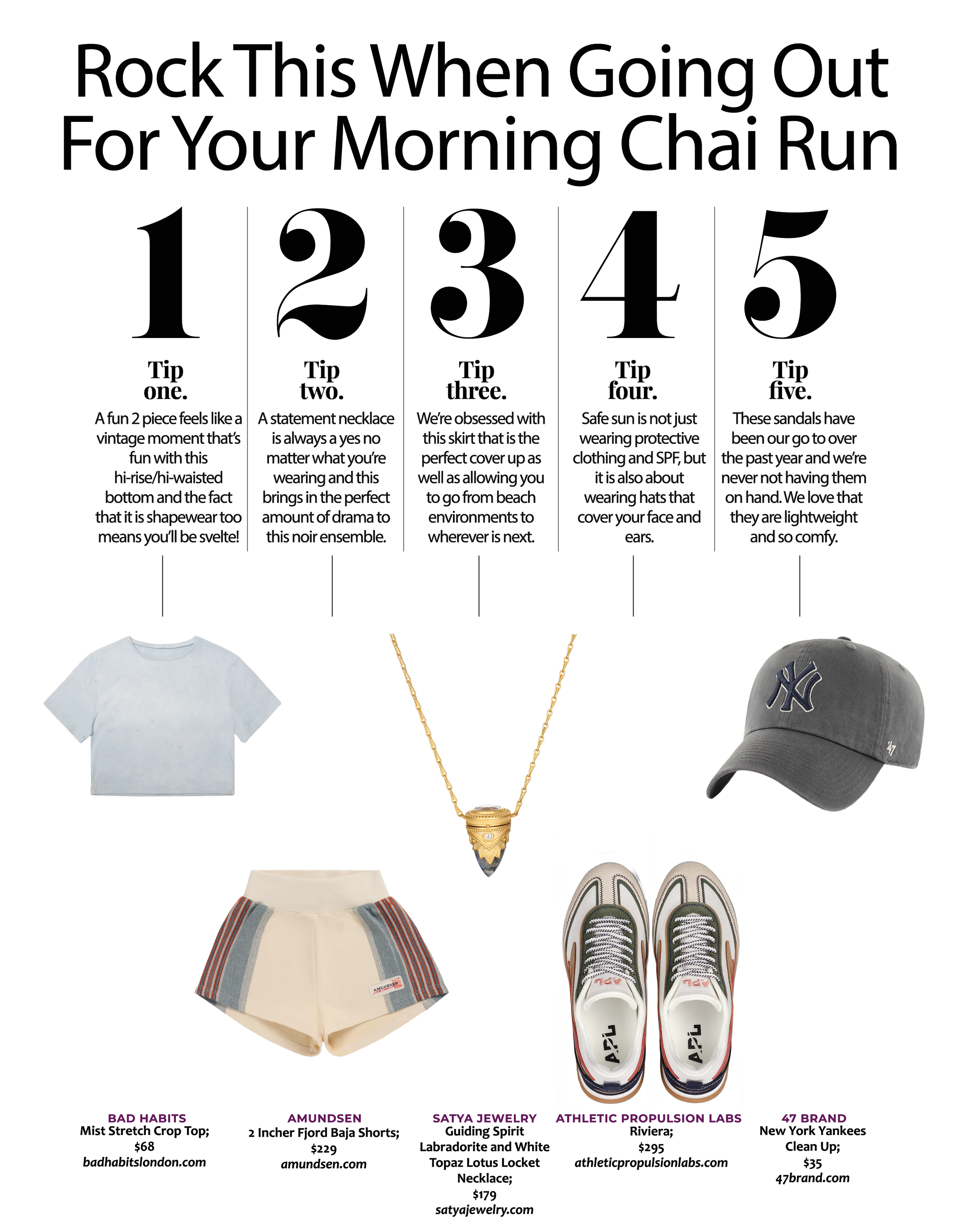
ROCK THIS WHEN GOING OUT FOR YOUR MORNING CHAI RUN
July 9, 2026
July 9, 2026
9LOOKS 6.30.26.png
July 8, 2026
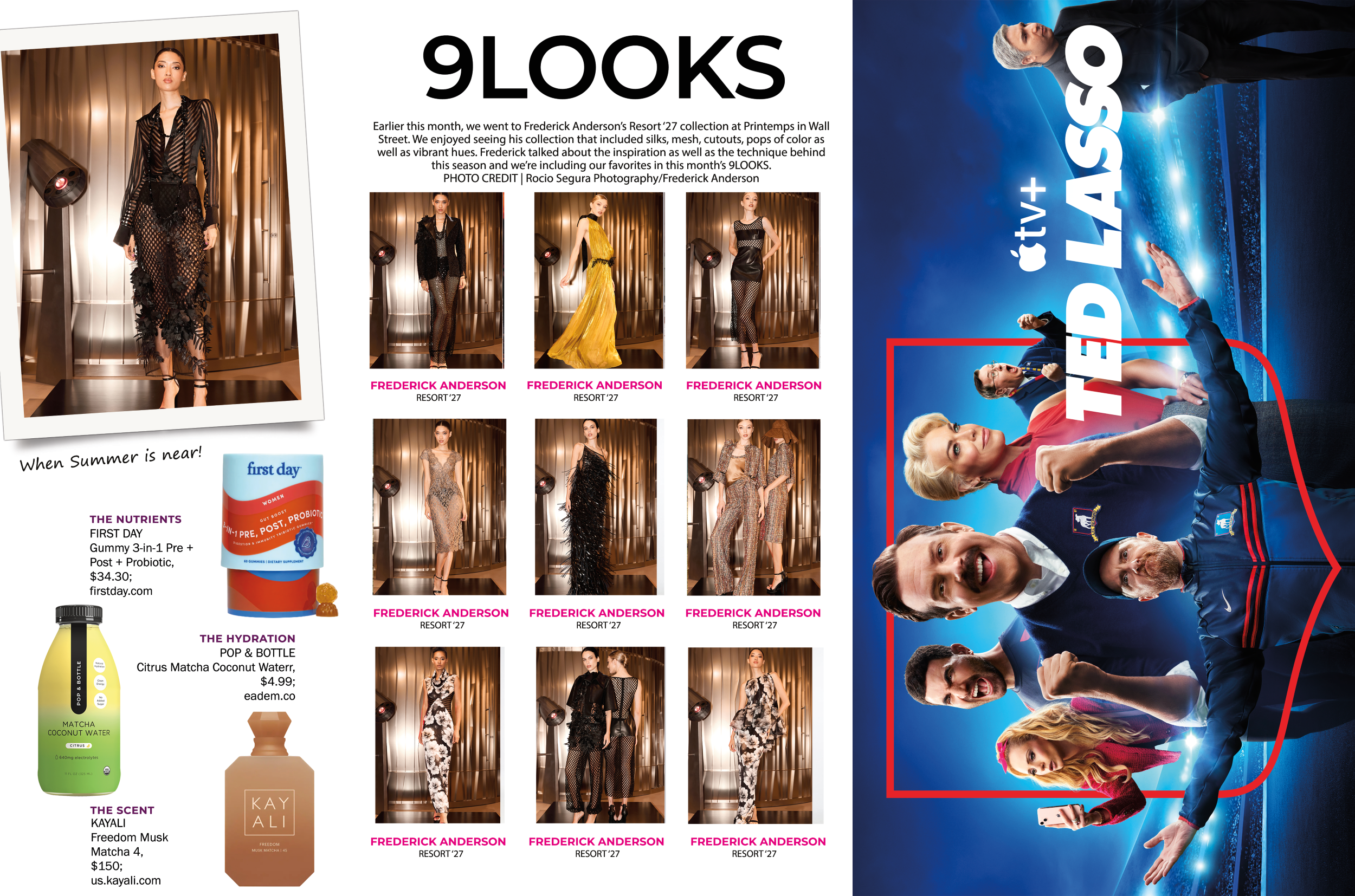
9LOOKS | FREDERICK ANDERSON
July 8, 2026
July 8, 2026
In AM, Fashion, Fashion Week, Jun 2026 Tags Miami Swim Week, Miami Swim Week 2026, Post Coverage, PARAISO, PARAISO Miami Swim Week 2026, Collins Park, Miami Beach, Celebrities, Editors, Influencers, Buyers, Origin of Oceans, Voglia Swimwear, Zanatany Collections, Swim Resort, Kathleen Bily
Comment

BCB BROOKLYN 2026 | BCB BROOKLYN POST-COVERAGE

July 18, 2026

This month, we made our way to Industry City to see the brands participating in this year’s BCB Brooklyn, a tradeshow that showcases established as well as new to market spirit and hospitality brands that we should know about. It’s a great way for the community to come together from Mixologists, Bar Owners, Editors, Spirit Ambassadors and more. Brands had booths that were inside as well as those that were in the courtyard.

We kicked off the day heading to the courtyard to get a lay of the land. While there, we had our first beverage by trying out Kissy an Espresso Vodka Martini that was a great way to kick off this 2 day show. We specifically liked the thick crema that lasted for days.

After spending time there, we made our way to the courtyard to check out the Garnish Garden which allowed us to select various botanicals to enjoy on our cocktails.

We always enjoy spending time with our friends at Hendrick’s Gin. They always have a great booth that is meant to sit down and relax. In addition to having a 1:1 with their team for a series of tastings with signature cocktails for that day. We also enjoyed chatting with the bartenders of Hendricks who we met at previous BCB Brooklyn sessions!

This year Brugal had an immersive booth where we could enjoy their cocktail while also bringing the vibes of the Dominican Republic as people played dominoes.

Beluga Vodka was back again this year with their classic vodka spirit as well as sampling Oyster Gin. We also enjoyed a few caviar bumps with their team as well which is the perfect way to enjoy Beluga Vodka.

We have been a long time fan of Barr Hill Gin as we enjoy seeing them bring their bees to the show while enjoying their cocktails which include honey. In addition to talking with their team, we took some time to chat with the Founder as well as being able to try out their canned beverage for a preview of future launches!

In addition to hitting the tradeshow floors, there is also the adjacent events that take place. We ended the first day of BCB Brooklyn by heading over to The Hotel Chelsea for the Bon Vivants Bahamas Party which was sponsored by Ketel One Botanicals (Ketel One Vodka as well as Ketel One Botanical was also at the tradeshow). Bon Vivants is a bar in the Bahamas that is noted as #50 on North America 50 Best Bars for 2026! We even met Niko Cloud who is the mixologist for the bar who created a phenomenal cocktail that we enjoyed, the Gully Creeper Milk Punch.

We also attended Altamura Distilleries and Portofino Gin’s party, at Eataly Flatiron where the brand’s Mixologist, Federico Lombardii poured a trio of cocktails as we toasted the end of BCB Brooklyn at their Amalfi Rooftop Bar.

IG @barconventbrooklyn

PHOTOGRAPHY CREDIT | BCB Brooklyn

Read the JUN ISSUE #126 of Athleisure Mag and see BCB BROOKLYN 2026 | BCB Brooklyn Post-Coverage in mag.

The Latest
Johnnie Walker Blue Label appoints style icon Callum Turner as global ambassador 2.jpg
July 30, 2026
CALLUM TURNER X JOHNNIE WALKER BLUE LABEL GLOBAL AMBASSADOR
July 30, 2026
July 30, 2026
AM JUN ISSUE _126 BCB BROOKLYN 2026 BCB Brookly Post-Coverage-1.png
July 18, 2026
BCB BROOKLYN 2026 | BCB BROOKLYN POST-COVERAGE
July 18, 2026
July 18, 2026
AM JUN ISSUE _126 THE ART OF THE SNACK Luccialo-1.png
July 17, 2026
THE ART OF THE SNACK | LUCCIOLA
July 17, 2026
July 17, 2026
In AM, Food, Jun 2026, Festival Tags Industry City, BCB Brooklyn, BCB Brooklyn 2026, Post Coverage, Mixologists, Bar Owners, Editors, Spirit Ambassadors, Kissy, Espresso Vodka Martini, Garnish Garden, Hendrick's Gin, Brugal, Beluga Vodka, Oyster Gin, Bar Hill Gin, The Hotel Chelsea, Bon Vivants Bahamas, Ketel One Botanicals, Ketel One Vodka, Niko Cloud, North America 50 Best Bars 2026, Altamura Distilleries, Portofino Gin, Eataly, Eataly Flatiron, Brooklyn, Federico Lombardii
Comment

THE ART OF THE SNACK | LUCCIOLA

July 17, 2026

This month’s The Art of the Snack has us hopping a flight to Hong Kong in order to have truly satisfying dishes! Located at The Hari in Wan Chai. This luxury 5-star hotel is known for Lucciola, an Italian restaurant known for its old-world glamor and serves modern interpretations of classic heritage flavors that include premium ingredients.

We sat down with Francesco Gava who is Lucciola’s Director of Food and Beverage. We talked with him about the hotel, the restaurant and of course, what we should have in mind to order upon our next visit!

ATHLEISURE MAG: Tell us about The Hari Hong Kong in terms of the hotel property?

FRANCESCO GAVA: Marking the second chapter of The Hari’s global story, we bring the Harilela family’s legacy of impeccable hospitality - refined through our first property in London – back home to where it all began. The Hari has come home to Hong Kong. A testament to modern, tailored luxury, our intuitive service creates unforgettable guest journeys through a meticulous dedication to the finer details.

Beyond offering an exquisite night’s stay, the hotel serves as a curated gateway to the city’s cultural heartbeat. We inspire guests to foster a deeper appreciation for Hong Kong, moving well past the surface to immerse themselves in the rich heritage of the surrounding Wan Chai and Causeway Bay neighbourhoods.

AM: What is the ambiance of the Lucciola? What can guests expect when coming in to dine here in terms of the aesthetics and interiors?

FG: A contemporary ode to heritage flavours, Lucciola is an exquisite reflection of Italian dining in Hong Kong—chic, charming, and effortlessly convivial. The ristorante and bar honour beloved classics with a modern sensibility, prioritizing exceptional produce sourced directly from its origin. From signature handmade pastas to hearty regional favourites, the menu stands as a celebration of seasons and provenance.

Evoking the romance of old-world glamour through a sumptuous, modern aesthetic, the interiors boast a bold palette of amber and green. A visit here is a sensory journey that demands a tipple or two: choose an aged liquor from the roaming digestif trolley, a classic cocktail shaken tableside by a suave, white-jacketed bartender, or a sultry red curated to take diners on an insider tour of the Italian regions. Coupled with attentive service, Lucciola is an invitation to fully immerse oneself in the art of the Italian feast.

AM: What can you tell us about the chef at Lucciola - where did he/she go to culinary school, what kitchens were they trained in, and why did they come to this restaurant?

FG: Chef Roy Chan has been my trusted counterpart since day one of my journey here in Hong Kong. With my background, I am naturally uncompromising when it comes to who anchors our kitchen. Roy joined Lucciola because our culinary philosophies are entirely aligned: authentic Italian cuisine shouldn’t be over-complicated, but it demands an absolute respect for the product. Roy masterfully allows regional flavours to speak for themselves, upholding the exact standards of excellence that define the Lucciola experience.

AM: Starting with breakfast, what are 3 items on the menu that you suggest that we should start the day with?

FG: If you want to start your morning right, I highly recommend choosing one of these from our hot selection:

• Scrambled Tofu: A vegan-friendly option packed with flavour, served with roasted mushrooms and a sprinkle of turmeric.

• Sourdough Avocado Toast: A gorgeous, vibrant option featuring roasted Datterino tomatoes, green peas and balsamic vinegar for an elegant twist on a modern favourite.

• Orange Brioche French Toast: For those with a sweet tooth, this is served with a wonderfully bright, grilled caramelized orange and rich mascarpone cream.

AM: Tell us about the Set Lunch Menu and what is offered on it.

FG: Available Monday through Friday, our Set Lunch is tailored for the fast-paced Wan Chai business crowd—without ever compromising on quality. Diners can curate their afternoon with a choice of two or three courses from a rotating celebration of Italian classics.

Begin with the Zuppa di Piselli, Polipo e Menta (a velvety green pea soup featuring tender braised octopus and fresh mint) or a crisp Red Radish and Cucumber Salad tossed with sweet Ramati tomatoes and dried ricotta. For the main event, highlights include our handcrafted Pizza Zucchine e Gamberetti, topped with marinated zucchini and shrimp tails, or the comforting Il Polletto Ruspante alla Romana (braised spring chicken served with a rich peperonata). To finish, close on a sweet note with our signature Tiramisù or a refreshing Panna Cotta ai Frutti di Bosco with wild berries and crisp meringue.

AM: For those coming in for dinner, what is the Set Dinner Menu?

FG: Served daily, our Cena Conviviale Set Dinner Menu offers a highly customizable experience designed to let you curate your perfect Italian evening. Depending on your appetite, you can tailor your journey with a choice of three courses (Starter-Entrée-Dessert or Starter-Main-Dessert) or fully indulge by enjoying the complete multi-course selection.

We have curated an exceptional lineup of seasonal dishes that beautifully showcase modern Italian execution. To begin, experience the Cappesante Arrostite, Topinambur, Caviale di Aringa Affumicato—perfectly roasted scallops paired with earthy Jerusalem artichoke and a delicate touch of smoked herring caviar. For the pasta course, the Spaghetti alla Chitarra con Coda d’Astice e Limone features handmade spaghetti tossed with succulent lobster tail in a bright tomato and basil sauce. For the main event, the Agnello in Crosta alle Erbe is a definitive must-try: a roasted lamb T-bone enhanced by a rich herb-butter glaze, accompanied by steamed white asparagus and tender potato crescents.

AM: What is Musselicious Thursdays and tell us what is on this menu.

FG: Every Thursday night, we host Musselicious Thursdays for our seafood lovers. The evening features 90 minutes of bottomless servings of our Impepata di Cozze—our signature black pepper steamed mussels, served alongside crispy French fries and a fresh green salad. It’s a beautifully casual, communal way to ease into the weekend.

AM: The Seasonal Amalfi Lemon menu sounds amazing. What can you tell us about this?

FG: Designed as a love letter to the Amalfi Coast, our menu champions authentic, sun-drenched Amalfi lemons to inject a vibrant, zesty lift into our signature offerings. This exceptional produce elegantly enhances the entire dining experience—lending a delicate acidity to our Salmon Tartare, anchoring the Spaghetti al Limone Amalfitano with Ossetra caviar, and culminating in a refined Crostata al Limone with Italian meringue. Each bite delivers an instant burst of Italian summer to the palate.

AM: From the a la carte menu, what are 3 Antipasta dishes that we should have in mind to order?

FG: For those opting for the à la carte experience, a trio of starters masterfully illustrates the kitchen’s culinary breadth:

• Il Vitello Tonnato: Tender veal tenderloin paired with a rich, perfectly emulsified tonnato sauce, aged Modena balsamic, and sharp Pantelleria capers.

• La Burrata Pugliese: Creamy Apulian burrata served simply and elegantly with sweet Vesuvian Datterino tomatoes and cold-pressed extra virgin olive oil.

• Il Carpaccio di Ricciola: Thinly sliced amberjack carpaccio accompanied by our homemade braised Tropea red onions and wild fennel.

AM: For those interested in Pasta, what are 3 that you suggest that we should try from the a la carte menu?

FG: For the ultimate pasta experience, these three creations are flawless:

• Tagliatelle 36×36 al Tartufo Nero: Our famous handcrafted 36-egg-yolk pasta tossed in rich Alpine butter, 36-month-aged Grana Padano, and freshly shaved seasonal black truffle.

• Spaghetti alla Carbonara: Roman precision. No cream—just high-quality Guanciale, Pecorino Romano, and egg yolk forming a flawless, velvety emulsion.

• Trofie al Granchio, Limone e Zafferano: Handcrafted twisted trofie pasta tossed with succulent Alaskan king crab in an aromatic saffron sauce, finished with a touch of red chili and Amalfi lemon.

AM: In terms of Mains from the a la carte menu, what are 3 that we should consider?

FG: Showcasing the kitchen’s mastery over fire and tradition, these three principal courses offer an unforgettable dining experience:

• La Tagliata di Manzo Americano: A perfectly seared U.S. Prime Beef Ribeye steak served with peppery wild rocket, Vesuvian Datterino tomatoes, and shaved, aged Parmigiano Reggiano.

• La Cotoletta alla Milanese “Orecchia di Elefante”: A traditional, generously proportioned milk-fed veal cutlet on the bone—pounded thin, breaded, and pan-fried to crisp, golden perfection.

• Orata di Orbetello in Crosta di Sale: Whole Mediterranean Sea Bream baked inside a classic sea salt crust with rosemary and Amalfi lemon. Cracked open tableside, this dramatic presentation keeps the fish unbelievably moist and tender.

AM: What are 3 sides on the a la carte menu that are good to share with friends and family?

FG: To complement your mains, our side dishes are portioned generously for sharing across the table:

• Patate Novelle al Forno: Roasted baby potatoes tossed with fragrant rosemary and fresh chives.

• Le Carote Glassate al Burro: Tender heirloom carrots beautifully glazed in rich butter and finished with fresh parsley.

• Funghi e Cipolle Brasate: A savoury, earthy combination of grilled king oyster mushrooms and slow-braised white onions.

AM: To complete the meal, what are 3 desserts that we should consider from the a la carte menu?

FG: A celebration of Italy’s sweet traditions, our dessert selection provides a grand finale to the dining experience:

• Il Tiramisù Tradizionale: Our absolute signature. Crafted traditionally with rich mascarpone, espresso-soaked savoiardi biscuits, and a dusting of premium cocoa. It’s so popular we even offer large versions for takeaway!

• Tortino al Cioccolato Caldo: A decadent, molten chocolate lava cake beautifully balanced with a refreshing, house-made coconut sorbet and marinated Amarena cherries.

• Torta Caprese Bianca: A wonderfully textured, flourless almond and lemon cake paired with smooth mascarpone and white chocolate—completely gluten-free.

AM: What should we know about the Pranzo Italiano Weekend Brunch?

FG: Weekends are made for indulgence. Our Pranzo Italiano Weekend Brunch is the ultimate Italian feast, served every Saturday, Sunday, and Public Holiday. The experience includes a generous free-flow of red, white, and sparkling wines, with an optional upgrade to premium Champagne. Your journey begins at our antipasti counter with authentic Italian delicacies and our signature homemade Porchetta roast. From there, choose from an elegant array of starters—including a luxurious seafood platter or sautéed mussels— before selecting a standout main course, such as our Prime U.S. Ribeye or Mediterranean Sea Bream. To conclude, wrap up your afternoon with a spectacular tableside dessert trolley featuring our iconic Tiramisù, Cannoli, Gelato, and more.

AM: What are 3 cocktails that you suggest that we should enjoy when coming in for a meal?

FG: Our bar programme is designed to perfectly bridge the gap between contemporary mixology and classic Italian aperitivo culture. Try these three signatures when you visit:

• HK Negroni: A sophisticated, locally inspired twist on the ultimate Italian classic. Bold, balanced, and beautifully bittersweet, enhanced by our chenpi-infused gin, it sets the perfect tone for an evening at Lucciola.

• Crodino Spritz: A brilliant, non-alcoholic option using the historic Italian aperitif, packed with complex herbal notes and finished with a crisp, refreshing effervescence.

• The Hari 75: Elegant, bright, and refreshing. This is our signature twist on a timeless classic, bringing together our bespoke The Hari Gin and a celebratory sparkle of Champagne—the perfect pairing for our dessert programme.

AM: Are there any upcoming events coming up at Lucciola that we should know about?

FG: We are constantly crafting new concepts and experiences to delight our guests, always delivering the exceptional quality, consistency, and premium environment you expect from us. Follow us on social media to stay tuned and be the first to discover what’s next.

IG @lucciola.hk

PHOTOGRAPHY CREDITS | Lucciola

Read the JUN ISSUE #126 of Athleisure Mag and see THE ART OF THE SNACK | Lucciola in mag.

The Latest
AM JUN ISSUE _126 THE ART OF THE SNACK Luccialo-1.png
July 17, 2026
THE ART OF THE SNACK | LUCCIOLA
July 17, 2026
July 17, 2026
AM MAY ISSUE _125 THE ART OF THE SNACK Chatti-1.png
June 18, 2026
THE ART OF THE SNACK | CHATTI
June 18, 2026
June 18, 2026
AM APR ISSUE TAOTS-1.png
May 19, 2026
THE ART OF THE SNACK | 2FIFTY TEXAS BBQ
May 19, 2026
May 19, 2026
In AM, Food, Jun 2026, The Art of the Snack Tags The Art of the Snack, Lucciola, Hong Kong, The Hari, Francesco Gava, Harilela, London, Wan Chai, Italian, Chef Roy Chan
Comment

PHOTO CREDIT | Unsplash/Agnivesh Jayadeep

KNOWING THE RIGHT MOMENT TO BRING IN A PERSONAL INJURY LAWYER

July 17, 2026

Introduction

After an injury, timing affects treatment records, claim value, and stress at home. Symptoms may change after swelling, muscle guarding, or nerve irritation settles in. Bills, missed wages, repair estimates, and insurance calls can arrive before recovery feels stable. Some claims remain direct, yet others turn difficult once fault, medical causation, or future care becomes disputed. Early legal input can protect our options before pressure builds and key deadlines start running in the background.

Early Signs Matter

Pain that seems mild can worsen after inflammation, bruising, or joint stiffness develops. If care continues, income drops, or daily movement becomes limited, a personal injury lawyer in conway can help our side preserve records, track losses, and answer insurance questions before narrow wording weakens the claim or minimizes physical setbacks.

Serious Injuries Need Review

Fractures, concussions, spinal strain, burns, and surgical wounds carry larger medical risk. Early bills may miss therapy, imaging, injections, durable braces, or later procedures. Rehabilitation plans can change after follow-up exams. A legal review can connect physician notes, wage proof, and policy limits before any release gets signed. Once settlement papers are complete, added treatment costs may be left unpaid.

Fault Is Disputed

A claim becomes harder once the other person denies responsibility. Crash reports, scene photos, video, repair findings, and witness details may decide liability. Quick action helps preserve proof before vehicles are fixed, surfaces are cleaned, or memories shift. Legal guidance can also address shared fault rules that may reduce payment.

Insurance Calls Increase

Frequent insurer calls may sound routine, yet recorded statements create risk. Adjusters often ask tight questions before the full medical picture is known. A short answer can later appear inconsistent with a chart note, therapy update, or specialist referral. Counsel can manage contact, provide documents, and keep discussion tied to verified facts.

Medical Bills Grow

Medical debt often arrives in pieces. Emergency care, imaging, therapy, medication, braces, and specialist visits may bill from separate offices. Health plan liens or repayment claims can affect the final recovery. Itemized statements matter because coding errors happen. Legal help can sort balances, confirm related charges, include future treatment needs, and reduce confusion during settlement review.

Work Loss Becomes Real

Lost shifts, reduced hours, and missed commissions can strain a household quickly. Self-employed people may face tougher proof issues because income changes by season or client. Pay stubs, tax records, invoices, and employer letters help show lost earnings. Medical restrictions should match those financial records closely, especially after lifting limits or driving bans.

Settlement Feels Rushed

A fast offer often arrives before treatment ends. That timing deserves caution. Early money may ignore therapy, chronic pain, scar care, sleep disruption, or limits that affect work and family duties. Before accepting, the injured person should know which rights end, what bills remain open, and whether symptoms have stabilized.

Evidence May Disappear

Strong claims depend on proof that remains available. Save receipts, messages, photographs, clothing, and damaged property where possible. Businesses may overwrite camera footage within days or weeks. Skid marks, debris, weather details, and hazard conditions can disappear even faster. Prompt requests create a clearer paper trail. Legal involvement can request preservation before key records are gone.

Children Or Elders Are Hurt

Claims involving children, older adults, or people with disabilities need extra care. Pain may be harder to explain, and functional decline may show through sleep, appetite, gait, or mood changes. Family members may need help tracking appointments, medication, school absences, transport needs, and daily limits. Settlement funds may also require protection for future needs.

Deadlines Are Near

Every injury claim has time limits. Some control court filings, while others involve notice rules or policy duties. Delay can weaken proof and may bar recovery completely. Legal advice helps when the injury date is unclear, records are missing, negotiations have continued without meaningful progress, or government entities may be involved.

Conclusion

The right time to call a lawyer often comes before a claim feels overwhelming. Serious harm, disputed fault, mounting bills, lost income, rushed offers, and fading evidence all signal higher risk. Early guidance can keep our records organized, communication measured, and choices informed. Acting sooner gives the injured person more control while treatment, insurance review, and filing deadlines continue moving, and reduces avoidable strain during a vulnerable recovery period for everyone.

In ATW
Comment

PHOTO CREDIT | Unsplash/The Artwill .

FINDING A FEEDING ROUTINE THAT WORKS FOR BOTH YOU AND YOUR BABY

July 17, 2026

One of the first surprises many new parents experience is how often feeding becomes the center of the day.

In the beginning, it might seem like you’re always watching the clock, waiting for the next feeding. As soon as you finish cleaning up and finally sit down, it’s already time to start again. It’s normal to wonder if you’re feeding enough, too much, or sticking to the right schedule.

The reality is that every baby grows at their own pace, and what works for one family might not work for another. Finding a feeding routine isn’t about sticking to a perfect schedule. It’s about getting to know your baby’s habits and building a routine that also works for you.

Every baby has their own rhythm

Parents naturally look for certainty.

How many ounces should my baby drink? How often should they eat? Should they already be sleeping longer at night?

These questions make sense, but there isn’t always one answer that fits everyone. Growth spurts, milestones, illness, and changes in sleep can all affect feeding habits from week to week.

Instead of expecting every day to look the same, it helps to think of feeding as something that gradually becomes more predictable over time. Babies often settle into routines naturally as they grow, even if those routines look slightly different from what another family experiences.

Routine should reduce stress, not create it

Sometimes, focusing too much on the schedule can make feeding feel like a test you have to pass.

Parents may end up watching the clock instead of their baby. If a feeding happens twenty minutes earlier than planned, it’s easy to feel anxious instead of confident.

Healthy routines work differently.

Good routines give structure without being too strict. They guide you but also leave space for days when your baby is hungrier, sleeps longer, or just has an off day.

The goal isn’t to control every feeding. It’s to have enough consistency so both you and your baby know what usually works, but can still adjust when things change.

Learn your baby’s cues, not just the clock

One of the biggest confidence builders for new parents is learning to recognize their baby’s signals.

Rooting, sucking on hands, increased signs like rooting, sucking on hands, being more alert, or changes in behavior often show up before your baby starts to cry. Responding to these early cues can make feeding calmer, since you’re not waiting until your baby is upset. Remember that not every cry means hunger. Babies also cry because they’re tired, overstimulated, uncomfortable, or simply looking for comfort.

The more you watch your baby, the easier it gets to tell the difference between these needs.

Guidance can provide reassurance

While every child develops differently, having reliable reference points can help parents feel more confident as routines begin to take shape.

Resources such as a baby feeding chart offer general guidance on feeding amounts and frequency based on a baby’s age and developmental stage. They’re not meant to replace advice from a pediatrician or override your baby’s individual needs, but they can provide reassurance when you’re wondering whether your routine is generally on track.

Many parents find that having a trusted guide helps them worry less about timing and focus more on their baby’s signals.

Feeding time is about more than nutrition

It’s easy to think of feeding as simply meeting a physical need.

In reality, it’s also one of the earliest opportunities for connection.

Whether you breastfeed or bottle-feed, these quiet moments are a chance for eye contact, conversation, comfort, and bonding. Babies won’t remember how much they ate on a certain day, but they always benefit from feeling safe, calm, and cared for during feeding.

When you see feeding as both nourishment and a way to connect, it can feel less like just another chore.

Permit yourself to adjust

Few parenting routines stay the same for very long.

What works for your newborn might change after a few weeks. Sleep patterns change, feeding amounts go up, and daily routines shift as your baby grows and becomes more curious.

That doesn’t mean something has gone wrong.

It simply means your routine is growing alongside your child.

Families often appreciate having dependable resources like Bobbie available as those needs evolve because consistency in one area can make adapting to everything else feel much more manageable.

Confidence grows one day at a time

Most parents don’t suddenly wake up feeling like experts.

ConfidenceConfidence grows slowly as you repeat things, watch your baby, and gain experience. You start to notice your baby’s hunger cues without even thinking about it. Feeding gets easier because you know what works for your family, not just what works for others. The best feeding routine is rarely the one that looks perfect on paper.

The best routine is the one that keeps your baby fed, helps you feel confident, and is flexible enough for real life. Over time, these everyday feeding moments become part of a rhythm that helps both you and your baby feel more comfortable each day.

The Latest
AM MAY ISSUE _125 GOV BALL PRE-COVERAGE 2026-1.png
June 19, 2026
GOV BALL 2026 PRE-COVERAGE
June 19, 2026
June 19, 2026
AM APR ISSUE JUNE AMBROSE OS (1).png
May 27, 2026
THE STYLE ICON WITH JUNE AMBROSE
May 27, 2026
May 27, 2026
AFTERNOON MW.png
May 25, 2026
PLANNING OUR GATHERINGS WITH MINDY WEISS
May 25, 2026
May 25, 2026
In ATW
Comment

ATHLEISURE LIST | JIN BROTH

July 16, 2026

We had the pleasure of attending Jin Broth’s Pop-Up at Baro as well as trying out their meal kit! Jin Broth is a Korean broth focused brand that officially opened in April 2026.

The concept began from the idea of changing the perception that healthy food is either not delicious, or something that has to be eaten separately as an extra health routine. They wanted to show that a natural everyday meal can be delicious while also supporting health through protein and collagen-rich food.

Korean foods such as Seolleongtang, Gomtang, and Dak Gomtang are made by extracting ingredients over a long period of time. They slowly draw flavor from bones, meat, and vegetables, while removing impurities and creating a broth that is deep, but easy to digest.

Jin Broth’s Manhattan pop-up began in May 2026 at Baro which is in K-town. This pop-up was not simply an event to sell food. It was a brand showcase to show how Jin Broth looks at broth, and how Korean broth can be expressed in many different ways. The pop-up will conclude in July, but the subscription plan will be available for order.

The Jin Broth pop-up menu is structured in two main parts. The first part of the pop-up, uses broth as an ingredient to create different flavors and textures. Broth is transformed into forms such as foam, gel, consommé, and cream sauce, allowing guests to experience broth not simply as soup, but as an important ingredient in cooking.

The first part includes an Amuse using clear beef broth, Beef Tartare topped with chicken bone broth gel, Chicken Summer Roll served with clear chicken consommé, and Dumpling Lasagna made with beef bone broth cream sauce.

The second part is closer to the foundation of Jin Broth. In this part, instead of using broth only as an ingredient, they serve broth itself as a complete meal. They serve Suyuk made with tenderly cooked boneless short rib, shank, brisket, and beef tendon. The final course is Sagol Seolleongtang, simmered for more than 12 hours, served as a Korean meal set with rice and banchan.

After the meal, guests receive a sample of Jin Broth’s signature broth, so they can taste the broth they experienced at the pop-up again at home. For those looking to enjoy their subscription products, you can visit their website to select the package or plan where customers can order only broth, as well as meal kit plans that include broth, protein, kimchi, and sauces. They offer Jin Red (Starter Plan), Jin White (Broth Lover), Jin Black (Meal Kit Plan), and Jin Gold (Full Experience).

JIN BROTH

25-22 Astoria Blvd

Astoria, NY 11102

JIN BROTH POP-UP @ Baro

23 W 31st St

NY, NY 10001

jinbroth.com

@jinbroth.nyc

PHOTOS COURTESY | Jin Broth

Read the JUN ISSUE #126 of Athleisure Mag and see ATHLEISURE LIST | Jin Broth in mag.

The Latest
C2. Beef tartare.png
July 16, 2026
ATHLEISURE LIST | JIN BROTH
July 16, 2026
July 16, 2026
Pools at The Crane (5).jpg
July 15, 2026
ATHLEISURE LIST | THE CRANE RESORT
July 15, 2026
July 15, 2026
LU_2025_Don Riddle_Sorrento Exterior_008.jpg
June 17, 2026
ATHLEISURE LIST | THE RITZ CARLTON YACHT COLLECTION
June 17, 2026
June 17, 2026
In AM, Athleisure List, Jun 2026, Food, Wellness, Wellness Editor Picks Tags Jin Broth, Athleisure List, Korean, Bone Broth, Broth, Baro, Jin Broth Pop-Up
Comment

ATHLEISURE LIST | THE CRANE RESORT

July 15, 2026

The Crane started as a small commercial port in the mid-18th century. It officially opening in 1887 and is recognized as the oldest continuously operating resort hotel in the Caribbean. The historic property was purchased in 1988 by Canadian Paul Doyle, who eventually transitioned it into a premier residential luxury resort.

Enjoy ultra-spacious residential accommodations categorized broadly into Junior Suites, 1 Bedroom, 2 Bedroom, and 3 Bedroom options. Guests can choose between unique spaces: the lush, tropical Garden View Residences; the luxuriously Ocean View Residences; sleek, modern Contemporary Suites: and the Penthouses. Depending on the suite configuration, premium additions are available, including corner tower plunge pools, ground floor infinity-edge pools, measuring up to 28 feet, or private 12-foot pools on penthouse rooftop garden decks.

Depending on the category booked, suites come standard with handcrafted mahogany king-size four poster beds, cable TV, and free Wi-Fi. Bathrooms feature ultra-spacious configurations with soaking tubs, separate spa showers with multiple shower heads, double vanities, complimentary toiletries, and bathrobes. Rooms also include private furnished balconies or terraces. For culinary convenience, accommodations feature mini-kitchens with small fridges or full kitchens equipped with full-sized refrigerators, microwaves, ovens, dishwashers, and cookware. Pre-arrival grocery stocking services are also available.

On property, guests can enjoy Zen Restaurant which is ranked No. 1 for food by Zagat in Barbados with authentic Japanese and Thai delicacies along stunning glass-front views of Crane Beach. Azure Restaurant is the cliff-top venue blending international coastal flavors with Caribbean soul against panoramic Atlantic vistas. Poesia No. 3, located in the heart of the Crane Village and named after the street Executive Chef, Michele Pieragostini grew up, it serves authentic Southern Italian pizza and pasta using his nonna’s techniques in a casual, family-friendly setting.

The Carriage House is a modern poolside bar and grill. The Grove Beach Bar & Grill is tucked into a coconut grove right on Crane Beach. Bar 1887 is their signature cocktail bar featuring wraparound verandas, tapas, live entertainment, and an adjacent al fresco lounge. The Village Cafe is the spot for sweet treats!

The resort has swimming options, including the Adult-only Historic Pool. Built in the 1970s and framed by classic Doric columns, it sits directly on the cliff’s edge offering a 50-foot elevated view overlooking the famous Crane beach. There is also a 1.5-acre cascading Cliff Pool Complex featuring a children’s wading pool, a waterfall pool, and an al fresco spa pool. For body and mind renewal, the resort offers the Serenity Spa inside the Historic Hotel building, offering an all-encompassing menu of Caribbean-influenced massages, facials, body treatments, manicures, and pedicures.

THE CRANE RESORT

St. Philip, Barbados - BB18098

thecrane.com

IG @cranebarbados

PHOTO CREDITS | The Crane

Read the JUN ISSUE #126 of Athleisure Mag and see ATHLEISURE LIST | The Crane Resort in mag.

The Latest
C2. Beef tartare.png
July 16, 2026
ATHLEISURE LIST | JIN BROTH
July 16, 2026
July 16, 2026
Pools at The Crane (5).jpg
July 15, 2026
ATHLEISURE LIST | THE CRANE RESORT
July 15, 2026
July 15, 2026
LU_2025_Don Riddle_Sorrento Exterior_008.jpg
June 17, 2026
ATHLEISURE LIST | THE RITZ CARLTON YACHT COLLECTION
June 17, 2026
June 17, 2026
In AM, Athleisure List, Jun 2026, Wellness, Wellness Editor Picks Tags Athleisure List, The Crane Resort, Barbados, Travel, Hotel, Resort, Caribbean, Junior Suites, Canadian, Paul Doyle, Zen Restaurant, Crane Village, Crane Beach, Zagat
Comment

PHOTO CREDIT | Magnific/LookStudio

THE ATHLEISURE GUIDE TO BEATING CHRONIC JOINT STIFFNESS AND STAYING FLEXIBLE

July 15, 2026

You probably bought your first pair of comfy leggings or joggers because they looked good. Then, somewhere along the way, they became your everyday uniform. Funny how that happens. But here's the thing. Wearing athleisure doesn't automatically mean you're moving enough to keep your joints happy. If you've been waking up with stiff knees, tight hips, or shoulders that feel oddly "stuck," you're definitely not alone. And honestly, your body is probably asking for a little more attention than another stretchy outfit.

Why Joint Stiffness Sneaks Up on You

The weird part about chronic joint stiffness is that it doesn't usually arrive all at once. It kind of creeps in...

One day you notice your ankles feel tight after getting out of bed. A few weeks later your back protests every time you stand after sitting through another work meeting. Before long, touching your toes feels strangely ambitious.

I remember spending an afternoon editing at my desk, thinking I had been productive. Then I stood up and... wow. My hips felt about ninety years old. It was honestly surprising because I had worked out the day before. Turns out, one workout doesn't erase eight hours of sitting.

That's the frustrating part. Even if you exercise regularly, long periods of inactivity can still make your joints feel stiff.

According to the American Academy of Orthopaedic Surgeons, regular movement helps lubricate joints by encouraging the circulation of synovial fluid, which allows cartilage to glide more smoothly. That sounds technical, but really it means your joints appreciate movement much more than they appreciate sitting still.

Athleisure Is More Than a Fashion Trend

Athleisure has become this symbol of active living. Well, actually...sometimes it's just stylish comfort.

You can wear premium sneakers every day without taking more than 2,000 steps. We've all seen it. Maybe we've all done it.

But athleisure can also become a mindset. Instead of dressing for workouts only, you dress in clothes that make spontaneous movement easier. Take the stairs.

Stretch while waiting for coffee. Walk during phone calls. Dance around the kitchen because your favorite song came on. Tiny choices add up more than people think.

Flexibility Is Different From Mobility

People mix these up constantly. Flexibility refers to how much a muscle can lengthen. Mobility is your joint's ability to move comfortably through its full range of motion. You need both.

You might be able to touch your toes but still struggle with shoulder mobility. Or maybe your muscles aren't especially flexible, yet your joints move beautifully because you've trained stability and control.

Physical therapist Dr. Kelly Starrett often emphasizes that movement quality matters more than forcing deeper stretches. As he puts it, "You can't always stretch your way out of a movement problem." That idea stuck with me because...well, it makes sense once you experience it.

Everyday Habits That Quietly Help

The biggest improvements usually don't come from dramatic routines. Instead, think about stacking tiny habits together. Stretch for five minutes before breakfast. Walk after lunch. Stand every thirty minutes while working.

Rotate your shoulders while watching television. None of these sound impressive, but consistency usually beats intensity.

Research published by the American College of Sports Medicine continues to support regular physical activity as one of the most effective ways to preserve joint function and reduce stiffness associated with aging and inactivity. Honestly, that's encouraging because most of us can find five or ten extra minutes.

What You Wear Can Actually Matter

No, your leggings won't magically heal your knees. Still… Comfortable clothing removes excuses.

If your outfit allows you to squat, stretch, climb stairs, or take an unexpected walk around the neighborhood, you're naturally more likely to stay active.

Supportive footwear matters too. Worn out shoes can change how you walk, which eventually places more stress on ankles, knees, hips, and even your lower back.

I ignored replacing my running shoes once because they "looked fine." Bad decision. My knees let me know within a week.

Nutrition Plays a Bigger Role Than You Think

Movement is only half the story. Your joints also depend on good nutrition. Protein supports muscle maintenance. Vitamin D contributes to bone health. Omega 3 fatty acids may help support a healthy inflammatory response.

Staying hydrated also matters more than people realize. Cartilage contains a significant amount of water, and while drinking extra water isn't some miracle cure, dehydration certainly doesn't help your joints perform their best.

The Mediterranean style eating pattern keeps showing up in research for good reason. Lots of colorful vegetables, healthy fats, lean proteins, whole grains, and fewer ultra processed foods...it isn't flashy, but it works for many people.

When Joint Pain Needs More Than Lifestyle Changes

Here's where it's important to be realistic. Sometimes stretching, walking, and eating well simply aren't enough.

If arthritis or chronic joint degeneration is involved, healthcare providers may recommend treatments such as physical therapy, weight management, medications, or injectable hyaluronic acid therapies to improve comfort and mobility.

Healthcare organizations evaluating viscosupplementation suggest that certain patients with knee osteoarthritis may experience symptom relief when appropriate candidates are carefully selected by their physician.

That is also why some orthopedic practices carefully order Monovisc for clinics treating patients with knee osteoarthritis as part of broader treatment plans. It's one option among several, not a universal solution, and your healthcare provider is the right person to determine whether it makes sense for your situation.

Pro Tip

Don't wait until you feel stiff before moving. Set a timer every forty five to sixty minutes. Stand up. Walk around. Stretch your calves. Roll your shoulders.

Those sixty seconds may prevent hours of discomfort later. Seriously...it feels almost too simple.

Recovery Deserves More Respect

We celebrate workouts. Recovery rarely gets the same attention. Quality sleep allows your body to repair tissues. Gentle stretching after activity helps many people feel looser the following day.

Foam rolling can reduce temporary muscle tightness, although results vary from person to person.

Some mornings I spend five quiet minutes stretching before looking at my phone. It's honestly become one of my favorite habits. Nothing dramatic happens. I just start the day feeling...less creaky.

Social Media Doesn't Always Get It Right

You'll probably scroll past someone claiming they reversed decades of joint pain with one magical exercise. Maybe. Probably not. Most joint health improvements happen gradually.

The Mayo Clinic consistently reminds people that regular exercise strengthens muscles surrounding joints, helping improve stability while reducing discomfort. That's much less exciting than viral transformation videos, but it's grounded in evidence rather than hype.

Quick fixes are tempting because they're easy to believe. Real progress usually feels slower. A little boring, actually. But boring often works.

Pro Tip

Mix movement into things you're already doing. Brush your teeth while balancing on one leg. Stretch your chest after answering emails. Walk during podcasts instead of sitting through them. Habit stacking makes consistency much easier than relying on motivation alone.

The Pros and Cons of an Active Lifestyle Approach

One thing I appreciate about building flexible habits instead of chasing miracle treatments is that they're sustainable.

The upside is obvious. Better mobility. Improved circulation. Stronger muscles supporting your joints. More energy throughout the day. Potentially less stiffness over time.

The downside? Results take patience. You probably won't notice dramatic changes after one week. Some days you'll skip stretches. Life gets busy.

You'll feel discouraged once in a while. That's normal. Progress isn't perfectly linear, even though social media loves pretending it is.

Final Thoughts

Living in athleisure doesn't automatically create an active lifestyle, but it can become a reminder to move a little more often. Chronic joint stiffness rarely disappears overnight, yet small daily choices can slowly change how your body feels. Walk a little farther. Stretch while dinner cooks. Replace worn out shoes before they become a problem. Sleep enough. Eat foods that support recovery. Listen to your joints instead of fighting them.

Maybe the biggest lesson is this. Flexibility isn't really about touching your toes or mastering fancy yoga poses. It's about making everyday life feel easier. Climbing stairs without thinking. Getting off the couch without groaning. Playing with your kids or walking your dog without your knees negotiating every step.

That kind of freedom is worth protecting. It won't always come from dramatic workouts or trendy wellness hacks. More often, it grows from small habits you repeat quietly, almost without noticing. And honestly...those tiny choices are usually the ones that stick.

The Latest
AM MAY ISSUE _125 GOV BALL PRE-COVERAGE 2026-1.png
June 19, 2026
GOV BALL 2026 PRE-COVERAGE
June 19, 2026
June 19, 2026
AM APR ISSUE JUNE AMBROSE OS (1).png
May 27, 2026
THE STYLE ICON WITH JUNE AMBROSE
May 27, 2026
May 27, 2026
AFTERNOON MW.png
May 25, 2026
PLANNING OUR GATHERINGS WITH MINDY WEISS
May 25, 2026
May 25, 2026
In ATW
Comment

PHOTO CREDIT | Magnific

BEYOND RETINOL: STRUCTURAL PROTEINS AND THE NEW SCIENCE OF SKIN BARRIER REPAIR

July 15, 2026

You have probably heard retinol called the gold standard for healthy skin so many times that it almost sounds like the only ingredient worth paying attention to. But... well, actually, skincare has been moving in a slightly different direction lately. Instead of asking how fast you can renew skin, more people are asking how well you can protect it. That shift has opened the door to structural proteins, barrier repair, and a much calmer approach to long term skin health.

Why your skin barrier deserves more attention

For years, glowing skin seemed to mean stronger exfoliants, higher percentages, and quicker results. It looked exciting on social media. In real life, though, your skin sometimes had other plans.

The first time I saw someone completely overdo active ingredients, I honestly thought the redness was some kind of filter. It wasn't. Their skin looked irritated for weeks, and it made me rethink the whole "more is better" mindset.

Your skin barrier is basically your body's protective shield. It keeps moisture inside while blocking pollution, bacteria, and environmental stress. When that barrier weakens, everything starts feeling harder. Dryness sticks around. Redness becomes normal. Even products you used to love suddenly sting.

Researchers from the American Academy of Dermatology explain that a healthy skin barrier is essential for maintaining hydration and protecting against irritants, making barrier repair a key part of treating many common skin concerns. That honestly makes a lot more sense than chasing overnight miracles.

Retinol is still valuable... but it is not the whole story

This isn't about replacing retinol. It still has impressive evidence supporting its ability to improve fine lines, acne, and uneven pigmentation.

Dr. Zoe Diana Draelos, a dermatologist known for extensive skincare research, has noted that retinoids remain one of the best studied topical ingredients for photoaging, but tolerance varies widely and proper moisturization improves long term success. That last part often gets overlooked.

You can have the best active ingredient sitting on your bathroom shelf, but if your barrier is constantly irritated, your skin never really gets comfortable enough to benefit fully.

Maybe you've experienced this yourself. You start using a stronger product because everyone online says it's amazing. Three nights later your face feels tight, flaky, and somehow both oily and dry. It's frustrating because technically you're doing everything "right." Well... maybe not everything.

Structural proteins are becoming part of the conversation

Collagen usually gets all the headlines, but your skin actually depends on several structural proteins working together.

Collagen provides strength. Elastin allows skin to stretch and bounce back. Keratin helps protect the outer surface.

Together they create the framework that gives skin resilience instead of just temporary smoothness.

Scientists are also paying closer attention to peptides because they act like tiny messengers. Rather than forcing skin into overdrive, certain peptides signal natural repair processes that already exist inside your body.

That idea feels surprisingly refreshing. Instead of fighting your skin, you're supporting what it already knows how to do.

Barrier repair is becoming smarter, not harsher

One thing I appreciate about newer skincare research is that it sounds... calmer.

Instead of asking how aggressively you can resurface skin, researchers are exploring how ceramides, fatty acids, cholesterol, amino acids, and peptides work together to rebuild barrier function.

A review published in the Journal of Clinical and Aesthetic Dermatology emphasizes that restoring the skin barrier with lipid rich formulations can significantly improve hydration, reduce inflammation, and increase tolerance to active ingredients.

That's actually pretty exciting because healthy skin isn't necessarily the skin using the strongest products. Sometimes it's simply the skin that feels balanced.

Pro Tip

If your skin suddenly becomes sensitive, don't immediately assume you need another active ingredient.

For a week or two, simplify everything. Use a gentle cleanser, moisturizer with ceramides or peptides, and sunscreen. Sometimes less really is more... even if social media tells you otherwise.

Where peptides fit into modern skincare

Peptides have become one of those trendy words that appears everywhere. Some products deserve the attention. Others... maybe not quite.

Still, there is genuine science behind specific cosmetic peptides.

Certain signal peptides encourage skin cells to support collagen production, while carrier peptides help transport minerals involved in tissue repair. They are not magic, and they definitely won't erase twenty years overnight, but they may contribute to healthier looking skin over time when used consistently.

If you're researching ways to buy cosmetic peptides for collagen synthesis, it helps to focus on reputable manufacturers, transparent ingredient lists, and formulations supported by published research instead of dramatic marketing claims.

That's probably the biggest lesson skincare keeps teaching us.

Consistency usually beats intensity.

Your lifestyle quietly affects your barrier too

This part isn't as glamorous, but honestly, it matters. Poor sleep. Constant stress. Skipping sunscreen. Very hot showers. Indoor heating during winter.

All these little habits slowly chip away at barrier function without announcing themselves.

I noticed this during one particularly stressful month when my routine hadn't changed at all, yet my skin suddenly looked dull. It took me longer than I'd like to admit to realize the problem wasn't my serum. It was my sleep schedule... and probably way too much coffee. Funny how skincare sometimes starts outside the bathroom.

Social media makes everything look instant

It is hard not to compare yourself. Someone posts a seven day transformation and suddenly your completely normal progress feels disappointing. But biology doesn't really care about viral trends.

According to the National Institutes of Health, collagen remodeling and epidermal repair occur gradually through complex biological processes, meaning visible improvements often require consistent care over several weeks or even months rather than days.

That's reassuring in a strange way. Healthy skin should not have to win a race.

Pro Tip

Introduce only one new product every couple of weeks.

That gives you enough time to notice whether your skin actually likes it instead of guessing which product caused irritation.

The balance between repair and renewal

People sometimes frame skincare like it's a competition. Barrier repair versus retinol. Peptides versus vitamin C. Hydration versus exfoliation. Reality is much less dramatic.

Most dermatologists would probably agree that healthy routines combine multiple approaches. Gentle renewal helps remove damaged cells. Barrier repair helps protect new ones. Structural proteins maintain strength beneath the surface. Everything has its place.

The trick is finding the balance that matches your own skin rather than someone else's perfectly edited morning routine. And honestly... that balance changes.

Summer skin isn't winter skin. Stressed skin isn't vacation skin. Your routine should be flexible enough to change with you.

Final Thoughts

Moving beyond retinol does not mean abandoning science. It actually means embracing more of it.

Researchers now understand that healthy skin depends on communication between structural proteins, barrier lipids, hydration, inflammation control, and consistent daily care. No single ingredient carries the entire workload. That feels like a healthier message overall.

Instead of constantly trying to push your skin harder, maybe the better question is how you can support it more thoughtfully.

There will always be exciting new ingredients, trending routines, and dramatic before and after photos floating around online. Some deserve attention. Others will quietly disappear within a few months. Your skin, though, usually rewards patience over hype.

So if you're building a routine today, think beyond quick fixes. Protect your barrier. Support your structural proteins. Wear sunscreen. Stay realistic. And remember that good skincare is rarely about chasing perfection. It's about helping your skin do what it was designed to do in the first place... steadily, naturally, and with a little kindness along the way.

The Latest
AM MAY ISSUE _125 GOV BALL PRE-COVERAGE 2026-1.png
June 19, 2026
GOV BALL 2026 PRE-COVERAGE
June 19, 2026
June 19, 2026
AM APR ISSUE JUNE AMBROSE OS (1).png
May 27, 2026
THE STYLE ICON WITH JUNE AMBROSE
May 27, 2026
May 27, 2026
AFTERNOON MW.png
May 25, 2026
PLANNING OUR GATHERINGS WITH MINDY WEISS
May 25, 2026
May 25, 2026
In ATW
Comment

PHOTO CREDIT | Magnific

PRECISION PREVENTATIVE CARE: THE EVOLUTION OF THE SUBTLE, IN CLINIC GLOW UP

July 15, 2026

You have probably noticed it too. People somehow look fresher, more awake, and healthier, but you cannot quite point to what changed. It is not dramatic. It is not the obvious makeover trend from years ago. Instead, it is something quieter. Maybe that is why the idea of precision preventative care has become such a big conversation. The goal is not to look like someone else. It is to keep looking like you... just well rested, confident, and naturally refreshed.

Why the Beauty Conversation Changed

For a long time, cosmetic treatments were often associated with fixing something after it became noticeable. Deep wrinkles, volume loss, or tired looking skin usually pushed people toward treatments. Now things are a little different.

You are probably seeing people in their late twenties or early thirties booking appointments, not because they dislike their appearance, but because they want to slow visible aging before it becomes obvious. I actually thought this sounded a little excessive the first time I heard it. Then I started noticing how subtle many modern treatments really are, and... well, actually, I understood the appeal. The focus has shifted from correction to maintenance.

That shift is not just social media hype either. It reflects better technology, more personalized consultations, and a growing understanding that skin ages differently from person to person.

What Precision Preventative Care Really Means

Precision preventative care sounds like one of those complicated medical phrases, but it is actually pretty simple.

Instead of following the exact same treatment plan as everyone else, your provider studies your facial movement, skin quality, genetics, lifestyle habits, sun exposure, and even your long term goals.

You are treated as an individual rather than a template.

Some people develop forehead lines early because they have expressive faces. Others lose skin firmness first. Someone else may struggle with uneven pigmentation instead. Precision care recognizes these differences instead of applying identical treatments across the board.

As the American Academy of Dermatology explains, daily sunscreen, individualized skincare, and evidence based cosmetic procedures work together to support healthier aging rather than relying on one single solution.

Small Changes Often Create the Biggest Difference

This is probably my favorite part of the trend. Years ago, noticeable cosmetic work almost seemed expected. Bigger lips, frozen foreheads, exaggerated cheekbones... it was everywhere for a while. Thankfully, people seem to be moving away from that.

Now providers often use smaller treatment amounts with longer observation periods. Instead of changing your appearance overnight, they adjust gradually as your skin responds.

I remember seeing someone after several months of subtle treatments and honestly thinking they had just started sleeping eight hours every night. That was it. Nothing looked artificial. They simply looked healthier. That is kind of the point.

Science Is Supporting A More Conservative Approach

Experts have been encouraging moderation for years. The American Society of Plastic Surgeons notes that successful aesthetic treatment should preserve natural facial movement and individual features rather than erase personality.

Dermatologist Dr. Doris Day has often emphasized that aesthetic medicine should help people "look like the best version of themselves, not like someone else."

Meanwhile, research published in JAMA Dermatology continues to highlight the importance of combining cosmetic procedures with overall skin health, including sun protection, proper skincare, and healthy lifestyle habits rather than relying on procedures alone. Those ideas seem pretty refreshing, honestly.

Technology Is Making Treatments More Precise

Modern clinics have better imaging systems, improved injection techniques, and more refined treatment planning than they did even ten years ago.

Some consultations now include facial mapping, detailed photography, and movement analysis before anything happens.

Instead of simply asking where you want fewer wrinkles, providers evaluate how your muscles naturally work together.

That extra planning may not sound exciting, but I think it makes all the difference. Precision usually looks less noticeable because it respects your natural anatomy.

The Growing Interest In Preventative Injectables

Many people researching preventative care eventually start reading about neuromodulators and similar treatments. Somewhere during that research, they may also come across discussions about how to order Botox online before scheduling an appointment with a qualified medical provider.

That search usually reflects curiosity more than anything else. Still, experts consistently recommend that injectable products should only be administered by licensed professionals in appropriate clinical settings. Proper assessment, product handling, facial anatomy knowledge, and follow up care matter just as much as the product itself. The treatment is only one piece of the bigger picture.

Lifestyle Still Shapes Your Glow

Here is something social media sometimes forgets. No treatment completely replaces healthy habits.

If your sleep is inconsistent, your stress is sky high, your skin is dehydrated, and sunscreen never makes it into your routine... cosmetic treatments can only do so much. That probably sounds obvious, yet it is surprisingly easy to ignore. Your skin reflects everything happening inside your body.

Nutrition, hydration, regular exercise, avoiding smoking, and protecting yourself from ultraviolet exposure all contribute to healthier looking skin over time.

Sometimes the biggest improvement comes from combining several small habits instead of chasing one dramatic procedure.

Pro Tip

Take progress photos every couple of months instead of checking your face every morning.

Tiny improvements become much easier to notice over time, and you avoid becoming overly critical of perfectly normal daily changes.

There Are Benefits... And A Few Downsides Too

Preventative treatments definitely have advantages. You may maintain smoother skin for longer, support collagen preservation through complementary treatments, and often require smaller interventions compared with waiting until aging signs become more pronounced. But there are downsides worth mentioning too.

Treatments require ongoing maintenance. Costs add up over time. Results vary between individuals. And honestly, not everyone needs them as early as social media sometimes suggests. There is also the emotional side.

If every tiny line starts feeling like an emergency, the whole purpose of self care gets lost. Aging is still normal. Precision care should support confidence, not replace it. I think that balance matters more than people realize.

Pro Tip

Choose a provider who occasionally recommends doing nothing.

That might sound strange... but someone willing to say, "You do not actually need treatment today," often demonstrates thoughtful clinical judgment rather than trying to sell every possible procedure.

Social Media Is Influencing Expectations

Filters have quietly changed how many people evaluate their own faces. Perfect lighting. Smooth skin. Zero pores. Completely still foreheads. Real life simply does not look like that.

I catch myself forgetting this sometimes too. Then I walk outside, see actual human faces under natural sunlight, and remember... healthy skin has texture. Faces move. Tiny lines appear when people smile. That is normal.

Modern preventative care actually seems to be pushing back against unrealistic perfection by celebrating subtle improvements instead of dramatic transformations. Honestly, that feels like progress.

Final Thoughts

Precision preventative care is less about chasing youth forever and more about making thoughtful, personalized choices that help you feel comfortable in your own skin. The modern in clinic glow up is intentionally subtle. It respects your natural features instead of replacing them.

If you decide to explore cosmetic treatments, approach them as one part of a much bigger wellness picture. Pair evidence based procedures with sun protection, quality skincare, healthy habits, and realistic expectations. The goal is not perfection because, honestly, perfection is not very interesting anyway.

The best glow up is often the one nobody can quite identify. Friends simply tell you that you look rested, healthy, and happy... and maybe that is exactly how it should be.

The Latest
AM MAY ISSUE _125 GOV BALL PRE-COVERAGE 2026-1.png
June 19, 2026
GOV BALL 2026 PRE-COVERAGE
June 19, 2026
June 19, 2026
AM APR ISSUE JUNE AMBROSE OS (1).png
May 27, 2026
THE STYLE ICON WITH JUNE AMBROSE
May 27, 2026
May 27, 2026
AFTERNOON MW.png
May 25, 2026
PLANNING OUR GATHERINGS WITH MINDY WEISS
May 25, 2026
May 25, 2026
In ATW
Comment

PHOTO CREDIT | Magnific/pressfoto

MASTERING THE DEWY LOOK: THE TECHNOLOGY BEHING SEAMLESS, LIGHTWEIGHT ENHANCEMENTS

July 15, 2026

There is something about healthy, dewy skin that catches your attention almost instantly. It does not scream for attention. It just... glows. Maybe that is why so many people are moving away from dramatic cosmetic changes and looking for softer, lighter enhancements instead. The interesting part is that this trend is not only about makeup or skincare anymore. It is also about the technology behind modern aesthetic treatments, and honestly, that part deserves a closer look.

Why the Dewy Look Feels Different Today

Not too long ago, cosmetic enhancements often focused on volume. Bigger lips, sharper cheeks, fuller everything. Sometimes the results looked beautiful, but sometimes... well, you could immediately tell work had been done. Now the conversation has shifted.

You are probably noticing more celebrities and influencers who simply look well rested. Their skin reflects light naturally. Their features seem balanced rather than exaggerated. It almost makes you wonder if they changed anything at all.

That subtle finish is not an accident. It comes from years of research into lightweight injectable materials, advanced cross linking methods, and skin focused treatments that work with your natural facial movement instead of fighting against it.

The first time I noticed this trend, I honestly thought people had discovered some magical skincare routine. Later I realized many of those fresh looking results actually came from carefully planned aesthetic treatments rather than another expensive serum.

Technology Is Making Fillers Feel More Natural

One of the biggest changes involves the texture of modern dermal fillers. Earlier products often prioritized staying firm and holding shape. While that worked well for structural support, they sometimes felt slightly heavier under the skin. Today's formulations focus on flexibility.

Scientists have developed softer hyaluronic acid gels that integrate more smoothly into facial tissue. Instead of sitting in one obvious spot, they move naturally with your expressions.

That means when you smile, laugh, or raise your eyebrows, the enhancement follows your facial movement rather than resisting it. It sounds simple, but achieving that balance is surprisingly complicated.

Researchers carefully adjust the amount of cross linking between hyaluronic acid molecules. Too much cross linking creates firmness. Too little reduces longevity. Finding the middle ground is where modern technology really shines.

As the American Society of Plastic Surgeons explains, successful facial rejuvenation increasingly focuses on restoring balanced facial harmony rather than creating excessive volume, emphasizing subtle improvements that preserve natural appearance.

Hydration Is Becoming Just as Important as Volume

Here is something that surprised me. Many newer aesthetic treatments are less about adding size and more about improving hydration beneath the skin.

Hyaluronic acid naturally attracts water. That means certain lightweight fillers can improve skin quality simply by increasing moisture retention.

Instead of dramatically changing facial contours, they create smoother skin texture and improve how light reflects across your face.

That reflective quality is actually one reason people describe skin as "dewy." Well hydrated skin reflects light evenly. Dry skin scatters light, making it appear dull. Once you understand that, the whole trend starts making much more sense.

The Rise of Skin Quality Treatments

Another interesting shift is that doctors now spend more time discussing skin quality itself.

Rather than asking, "How much volume do you want?"

Many consultations begin with questions like:

How healthy does your skin feel?

How much elasticity have you lost?

Does your face look tired because of dehydration rather than aging?

Those questions lead to different treatment plans. Some patients need structural support.

Others mainly benefit from hydration focused injections combined with proper skincare and sun protection.

According to the American Academy of Dermatology, daily sunscreen use, consistent moisturization, and evidence based cosmetic procedures often work best together rather than relying on one single treatment.

Honestly, that balanced approach feels more realistic than expecting one procedure to solve everything.

Choosing Products Carefully Matters More Than Ever

With social media making aesthetic treatments look effortless, it can be tempting to focus only on dramatic before and after photos. But there is much more happening behind those images.

Manufacturers invest years into testing gel consistency, safety profiles, elasticity, and tissue integration before products reach clinics.

If you are researching options, you might even come across discussions about where to buy innovative Korean dermal fillers because Korean manufacturers have become well known for developing softer formulations aimed at creating natural looking enhancement rather than dramatic volume. Still, the product itself is only one part of the equation.

The experience and anatomical knowledge of the injector remain just as important, if not more.

Expert Insight Worth Remembering

Researchers continue learning more about facial aging every year.

Dr. Arthur Swift, whose facial assessment methods are widely referenced in aesthetic medicine, has emphasized that successful facial rejuvenation depends on respecting natural facial proportions rather than chasing isolated features.

Meanwhile, research published in the Aesthetic Surgery Journal has highlighted that individualized treatment planning consistently produces higher patient satisfaction compared with standardized filler approaches. That idea seems obvious once you think about it...

No two faces age exactly the same way. Why would they receive identical treatments?

Pro Tip

If you are considering aesthetic treatments, ask your provider why they selected a specific filler rather than simply asking which brand they use.

The explanation often tells you far more about their expertise than the product name itself.

The Good Side and the Less Glamorous Side

There are definitely reasons why lightweight enhancements have become so popular. The improvements usually appear softer.

Recovery time is often shorter. Most importantly, people may notice you look healthier without immediately guessing why. That said, they are not perfect.

Softer fillers may require maintenance over time. Subtle improvements can disappoint someone expecting dramatic transformation.

Results also depend heavily on injection technique, facial anatomy, lifestyle habits, and even genetics.

I think that last point gets overlooked quite a bit. We naturally want one simple answer, but skin rarely works that way.

Your Daily Habits Still Matter

This part is probably less exciting than talking about advanced technology… But it matters. No injectable treatment replaces good skincare.

Adequate sleep, hydration, balanced nutrition, regular sunscreen use, and avoiding excessive smoking all influence how your skin responds after treatment. Sometimes people chase increasingly advanced procedures while forgetting the basics.

I have done that myself with skincare products before. I bought one trendy product after another, convinced the next bottle would finally be "the one." Eventually I realized my inconsistent routine was the real problem, not the products.

That lesson applies surprisingly well here. Technology works best when your everyday habits support it.

Pro Tip

Think of cosmetic enhancements as fine tuning rather than rebuilding.

The healthiest looking results usually come from combining professional treatments with consistent skin care instead of expecting injections to do all the work.

The Future Looks Even More Personalized

Artificial intelligence, facial imaging, and biomechanical analysis are slowly changing consultation rooms. Clinics can now evaluate facial movement more precisely than before.

Some imaging systems predict how fillers may interact with facial muscles during smiling or speaking.

That sounds futuristic, but it is already becoming part of treatment planning in many practices.

Researchers are also developing injectable materials that better mimic natural tissue movement while maintaining longer lasting hydration.

It is honestly fascinating how quickly this field continues evolving. And yet, despite all the impressive technology, the goal remains surprisingly simple.

You should still look like yourself. Just... maybe a little brighter. A little fresher. Like you finally caught up on sleep after a very long week.

Final Thoughts

Mastering the dewy look is less about chasing perfection and more about understanding balance. Modern aesthetic technology has moved beyond creating obvious volume and toward enhancing hydration, flexibility, and natural facial movement. That shift has made subtle, lightweight results more achievable than ever.

Still, technology is only part of the story. The right treatment plan depends on your unique facial structure, realistic expectations, and the skill of an experienced medical professional. Pair those advances with consistent skincare, sun protection, and healthy daily habits, and the outcome is usually far more convincing than relying on any single procedure.

At the end of the day, the most beautiful glow is not the one that makes people ask what work you had done. It is the one that quietly makes them say, "You look really refreshed." And honestly... that is probably the kind of compliment most people are hoping for anyway.

The Latest
AM MAY ISSUE _125 GOV BALL PRE-COVERAGE 2026-1.png
June 19, 2026
GOV BALL 2026 PRE-COVERAGE
June 19, 2026
June 19, 2026
AM APR ISSUE JUNE AMBROSE OS (1).png
May 27, 2026
THE STYLE ICON WITH JUNE AMBROSE
May 27, 2026
May 27, 2026
AFTERNOON MW.png
May 25, 2026
PLANNING OUR GATHERINGS WITH MINDY WEISS
May 25, 2026
May 25, 2026
In ATW
Comment

PHOTO CREDIT | Magnific/frimufilms

THE ACTIVE GLOW ROUTINE: CELLULAR REJUVENATION FOR SWEAT PRONE SKIN

July 15, 2026

If your skin gets shiny just a few minutes after stepping outside or finishing a workout, you're definitely not the only one. Sweat prone skin can feel frustrating because you're trying to stay healthy and active, but your face seems to have other plans. The interesting part is that sweat itself is not really the enemy. The real challenge is how your skin recovers afterward. That is where cellular rejuvenation starts becoming a much more interesting conversation.

Why Sweat Prone Skin Needs More Than Surface Care

People often assume sweaty skin automatically means oily skin. Well, actually... that's not always true. Sweat comes from your sweat glands while oil comes from sebaceous glands. They can influence each other, but they are not exactly the same thing.

The first time I really looked into this, I honestly thought sweating was just making pores dirty. It sounded logical. But skin biology is a bit more complicated than that.

Frequent sweating can leave salt, bacteria, and environmental pollutants sitting on your skin for longer than they should. If you don't cleanse gently afterward, irritation may slowly build up. Your skin barrier can become stressed, especially if you're washing your face five or six times a day trying to feel fresh again.

That cycle is exhausting... and your skin notices.

Cellular Rejuvenation Is Becoming a Bigger Conversation

You probably hear phrases like skin renewal, skin cycling, or regenerative skincare all over social media. Some of it is marketing. Some of it is backed by genuine research.

Cellular rejuvenation simply refers to supporting your skin's natural repair process. Every day your skin replaces damaged cells with newer ones. As you age or expose your skin to UV rays, pollution, stress, and repeated irritation, that repair process becomes less efficient.

Instead of trying to strip every drop of oil away, modern skincare focuses more on helping healthy skin function the way it was designed to.

That shift honestly makes much more sense to me.

Expert Insight

The American Academy of Dermatology explains that maintaining the skin barrier is essential for healthy skin because over cleansing and harsh products can increase irritation and sensitivity rather than improving acne or oiliness.

Your Morning Routine Should Stay Surprisingly Simple

It feels tempting to use strong cleansers every morning. I get it. Clean skin feels satisfying. But sweat prone skin usually responds better to consistency than intensity. Start with a gentle cleanser that removes overnight oil without making your face feel tight.

Follow with a lightweight hydrating serum containing ingredients like hyaluronic acid or panthenol.

Then use a moisturizer even if your skin feels oily. This sounds backward... maybe even wrong... but hydrated skin often regulates itself better than dehydrated skin trying to compensate. And yes, sunscreen deserves a permanent spot here.

Mineral or lightweight gel sunscreens generally feel more comfortable if you sweat throughout the day.

Exercise Changes the Equation

Working out is fantastic for circulation. Improved blood flow helps deliver oxygen and nutrients throughout your body, including your skin.

That does not mean sweat magically detoxifies your skin, though. Research has never really supported that popular claim.

Instead, think of exercise as improving the environment that supports healthy skin rather than cleaning it from the inside.

Once your workout ends, gently rinse or cleanse your face as soon as practical. Leaving dried sweat sitting on your skin for hours can increase irritation for some people.

I learned this the hard way after several summer runs. I kept thinking my breakouts came from exercise itself. Turns out... waiting two hours before washing my face probably wasn't helping.

Nutrition Quietly Supports Skin Recovery

This part gets overlooked because it isn't flashy. Your skin depends on proteins, antioxidants, healthy fats, vitamins, and minerals to repair itself.

Foods rich in vitamin C help collagen production. Omega 3 fatty acids may help regulate inflammatory responses.

Colorful fruits and vegetables provide antioxidants that help reduce oxidative stress created by UV exposure and pollution. No, eating blueberries for two days won't suddenly transform your face. But over months... maybe longer... your daily choices really do add up.

Expert Insight

The National Institutes of Health notes that vitamin C plays an important role in collagen synthesis while also functioning as a powerful antioxidant that protects skin from oxidative damage.

Professional Treatments Are Expanding Beyond Traditional Approaches

This is where regenerative medicine has started attracting attention.

Treatments that focus on supporting natural skin repair rather than simply filling wrinkles are becoming increasingly popular.

One example involves polynucleotide based skin rejuvenation therapies, which are being studied for their ability to encourage tissue repair and improve overall skin quality.

If you're researching options and eventually decide to order Rejuran treatment, make sure your consultation happens with a qualified medical professional who evaluates your skin rather than simply following online trends.

That sounds obvious... yet social media makes almost everything seem easier than it really is.

Professional treatments work best when paired with realistic expectations and consistent home care.

What Current Research Actually Suggests

There is genuine excitement around regenerative treatments. But excitement should never replace evidence.

Several clinical studies suggest polynucleotide based therapies may improve skin hydration, elasticity, and overall texture by supporting the skin's repair mechanisms.

Researchers continue investigating exactly how these treatments influence collagen production and tissue remodeling over time.

That means promising does not automatically mean perfect. Science usually moves slower than social media.

Expert Insight

A review published in the Journal of Cosmetic Dermatology reports that regenerative injectable therapies containing polynucleotides have demonstrated encouraging improvements in skin quality while emphasizing that additional long term studies remain important.

Pro Tip

If your skin feels irritated after sweating, resist the urge to scrub.

Instead, rinse with lukewarm water, gently pat your face dry, then apply a lightweight moisturizer while your skin is still slightly damp. Your barrier will probably thank you.

Sleep Is Still Doing More Work Than Expensive Products

Sometimes skincare conversations become incredibly complicated.

Then you remember something simple. Sleep.

During sleep your body shifts toward repair mode. Skin cell turnover, barrier recovery, and collagen production all rely on adequate rest. Missing one night won't ruin your skin.

Missing sleep consistently over several months... well, that becomes much harder for your body to ignore.

I think this is one of those habits people underestimate because nobody can package eight hours of sleep into a luxury bottle.

Stress Shows Up On Your Face More Than You Think

Ever notice your skin acting differently during stressful weeks? There is actual biology behind that observation.

Stress hormones can influence inflammation, oil production, and even wound healing.

You don't need perfect meditation sessions every morning.

Sometimes taking a walk, stretching for twenty minutes, or simply stepping away from constant notifications gives both your mind and your skin a chance to reset. Small routines usually beat dramatic ones.

The Pros and Cons of a Cellular Rejuvenation Approach

The biggest advantage is that you're supporting long term skin health instead of chasing quick cosmetic fixes.

This approach usually encourages healthier skin barrier function, better hydration, improved resilience, and gradual improvements that tend to look natural. The downside is patience. Cellular repair is not an overnight process.

Professional treatments can also be expensive, and not every trendy ingredient delivers the dramatic results influencers sometimes promise. That is why realistic expectations matter just as much as the products themselves.

Expert Insight

The Mayo Clinic emphasizes that consistent sun protection remains one of the most effective ways to preserve skin health and reduce premature aging, often providing greater long term benefits than relying solely on cosmetic procedures.

Pro Tip

Think about recovery after workouts the same way athletes think about muscle recovery.

Cleanse gently. Hydrate your skin. Protect it from UV exposure. Repeat consistently. Your skin responds surprisingly well to routines that stay boring... in a good way.

Final Thoughts

Sweat prone skin is not something you need to fight every single day. It is simply skin with different needs. Once you stop trying to strip away every bit of moisture and instead focus on supporting your skin's natural repair process, things often begin to feel much more balanced.

Cellular rejuvenation is an exciting area of skincare because it shifts attention toward long term skin health instead of quick cosmetic changes. Whether you rely on smart daily habits, balanced nutrition, regular exercise, dermatologist recommended treatments, or carefully selected regenerative procedures, the goal stays the same. Help your skin recover better so it can perform better.

And honestly... that feels like a much healthier way to think about beauty. Not perfect skin. Just healthier, stronger skin that keeps doing its job, even after a long workout, a humid afternoon, or one of those days when life gets a little messy.

The Latest
AM MAY ISSUE _125 GOV BALL PRE-COVERAGE 2026-1.png
June 19, 2026
GOV BALL 2026 PRE-COVERAGE
June 19, 2026
June 19, 2026
AM APR ISSUE JUNE AMBROSE OS (1).png
May 27, 2026
THE STYLE ICON WITH JUNE AMBROSE
May 27, 2026
May 27, 2026
AFTERNOON MW.png
May 25, 2026
PLANNING OUR GATHERINGS WITH MINDY WEISS
May 25, 2026
May 25, 2026
In ATW
Comment
← Newer Posts Older Posts →
No results found

GET ATH MAG

Read the JUN ISSUE #126.

GET YOUR COPY OF JUN ISSUE #126

Personal trainers
Personal Trainer Jobs

Sign up for our newsletter!

Sign up for our newsletter!


PODCAST NETWORK

ATHLEISURE STUDIO SLATE.jpg
LISTEN TO ALL OF #TRIBEGOALS’ EPISODES ON SPOTIFY, APPLE PODCAST, GOOGLE PODCAST AND MORE

LISTEN TO ALL OF #TRIBEGOALS’ EPISODES ON SPOTIFY, APPLE PODCAST, GOOGLE PODCAST AND MORE

LISTEN TO ALL OF ATHLEISURE KITCHEN’S EPISODES ON iHEARTRADIO, SPOTIFY, APPLE PODCAST, GOOGLE PODCAST AND MORE

LISTEN TO ALL OF ATHLEISURE KITCHEN’S EPISODES ON iHEARTRADIO, SPOTIFY, APPLE PODCAST, GOOGLE PODCAST AND MORE

LISTEN TO ALL OF BUNGALOW SK’S EPISODES ON iHEARTRADIO, SPOTIFY, APPLE PODCAST, GOOGLE PODCAST AND MORE

LISTEN TO ALL OF BUNGALOW SK’S EPISODES ON iHEARTRADIO, SPOTIFY, APPLE PODCAST, GOOGLE PODCAST AND MORE

LISTEN TO ALL OF THE 9LIST’S EPISODES ON iHEARTRADIO, SPOTIFY, APPLE PODCAST, GOOGLE PODCAST AND MORE

LISTEN TO ALL OF THE VOT3D IO’S EPISODES ON iHEARTRADIO, SPOTIFY, APPLE PODCAST, GOOGLE PODCAST AND MORE


TRENDING

Featured
GOV BALL 2026
AM, Jun 2026, Music, Festival, Editor Picks
GOV BALL 2026
AM, Jun 2026, Music, Festival, Editor Picks
AM JUN ISSUE OS POWER BOOK III Raising Kanan (1).png
AM, Editor Picks, Celebrity, Jun 2026, TV Show
POWER BOOK III: RAISING KANAN | THE FINAL CHAPTER
AM, Editor Picks, Celebrity, Jun 2026, TV Show
AM JUN FC.png
AM, Ath Mag Issues, Jun 2026, Editor Picks
ATHLEISURE MAG JUN ISSUE #126 | SƠN TÙNG M-TP
AM, Ath Mag Issues, Jun 2026, Editor Picks
BORN IN A CROSSFIRE HURRICANE | THE ROLLING STONES
AM, Celebrity, May 2026, Music, Food, Editor Picks
BORN IN A CROSSFIRE HURRICANE | THE ROLLING STONES
AM, Celebrity, May 2026, Music, Food, Editor Picks
AM MAY ISSUE _125 FEEL THE BASS Benny Benassi-1.png
AM, May 2026, Music, Festival, Editor Picks
FEEL THE BASS | BENNY BENASSI
AM, May 2026, Music, Festival, Editor Picks
AM MAY ISSUE #125 FC.png
AM, May 2026, Ath Mag Issues, Editor Picks
ATHLEISURE MAG #125 | DAVID "BIG PAPI" ORTIZ
AM, May 2026, Ath Mag Issues, Editor Picks
AM APR ISSUE JUNE AMBROSE OS (1).png
Apr 2026, Fashion, Lifestyle, Style, TV Show, Celebrity, AM, Music, Editor Picks
THE STYLE ICON WITH JUNE AMBROSE
Apr 2026, Fashion, Lifestyle, Style, TV Show, Celebrity, AM, Music, Editor Picks
SALT HANK'S
AM, Apr 2026, Food, Editor Picks
SALT HANK'S
AM, Apr 2026, Food, Editor Picks
AM APR FC.png
AM, Apr 2026, Ath Mag Issues, Editor Picks
ATHLEISURE MAG #124 | CHEF AYESHA NURDJAJA
AM, Apr 2026, Ath Mag Issues, Editor Picks
AM MAR ISSUE #123 OS DZ.png
Editor Picks, AM, TV Show, Mar 2026, Streaming, Netflix
MAESTRO OF MAGIC | DEBORAH CZERESKO
Editor Picks, AM, TV Show, Mar 2026, Streaming, Netflix