AM: There are so many details of this restaurant with the food as well as experiences. When being seated at the table, there is a large seashell that is placed in front of you. Tell us why this is one of the initial experiences that starts any meal here!
CHEF RM: Kerala has always had a deep relationship with the sea. The shell is symbolic of that connection and acts almost like a gentle invitation into the experience. We wanted the meal to begin with a moment of curiosity before the food even arrives. In many coastal cultures, shells also carry sound and memory. For us, it represents the shoreline, the fishermen, the backwaters and the rhythm of Kerala life.
AM: When you are given water, it is warm and red - tell us about this and why it is served at this temperature and why is it that color?
CHEF RM: At the start of every meal, guests are served a warm, pink-tinted water, which is made by boiling sappan wood and is inspired by traditional Kerala wellness practices, inviting them to slow down and fully immerse themselves in Kerala’s culture of communal dining. In many homes in Kerala too, warm water is preferred over chilled water because it is considered better for digestion, especially in humid climates and alongside spice-forward food.
AM: What are 3 appetizers that you suggest that we should have in mind to share with the table?
CHEF RM: Here is a selection of my recommendations
Prawn Pouches: Drawing inspiration from a popular Kerala dish Prawn Peera, this dish evokes the goodness of grated coconut but takes things a step further. Prawns are marinated with a signature coconut masala seasoned with select Kerala spices and sun-dried Malabar tamarind, then wrapped in banana leaf pouches and gently steamed. This allows the natural flavors to meld and the prawns to absorb the earthy aroma of the banana leaves thus bringing the heat and smokiness of spices and tamarind together.
Tender Jackfruit Cutlet: ‘Idichakka Cutlet’ – deep-fried, crumb coated, tender jackfruit cutlets. Tender jackfruit is first half cooked in earthen pots with Kerala spices and then shaped into cutlets, coated with crumbs and deep fried.
The Toddy Shop Beef Fry is something very close to Kerala toddy shop culture, slow cooked, intensely spiced and deeply comforting.
AM: There are a number of dishes to enjoy! What are 3 House Specialties that you suggest that we try?
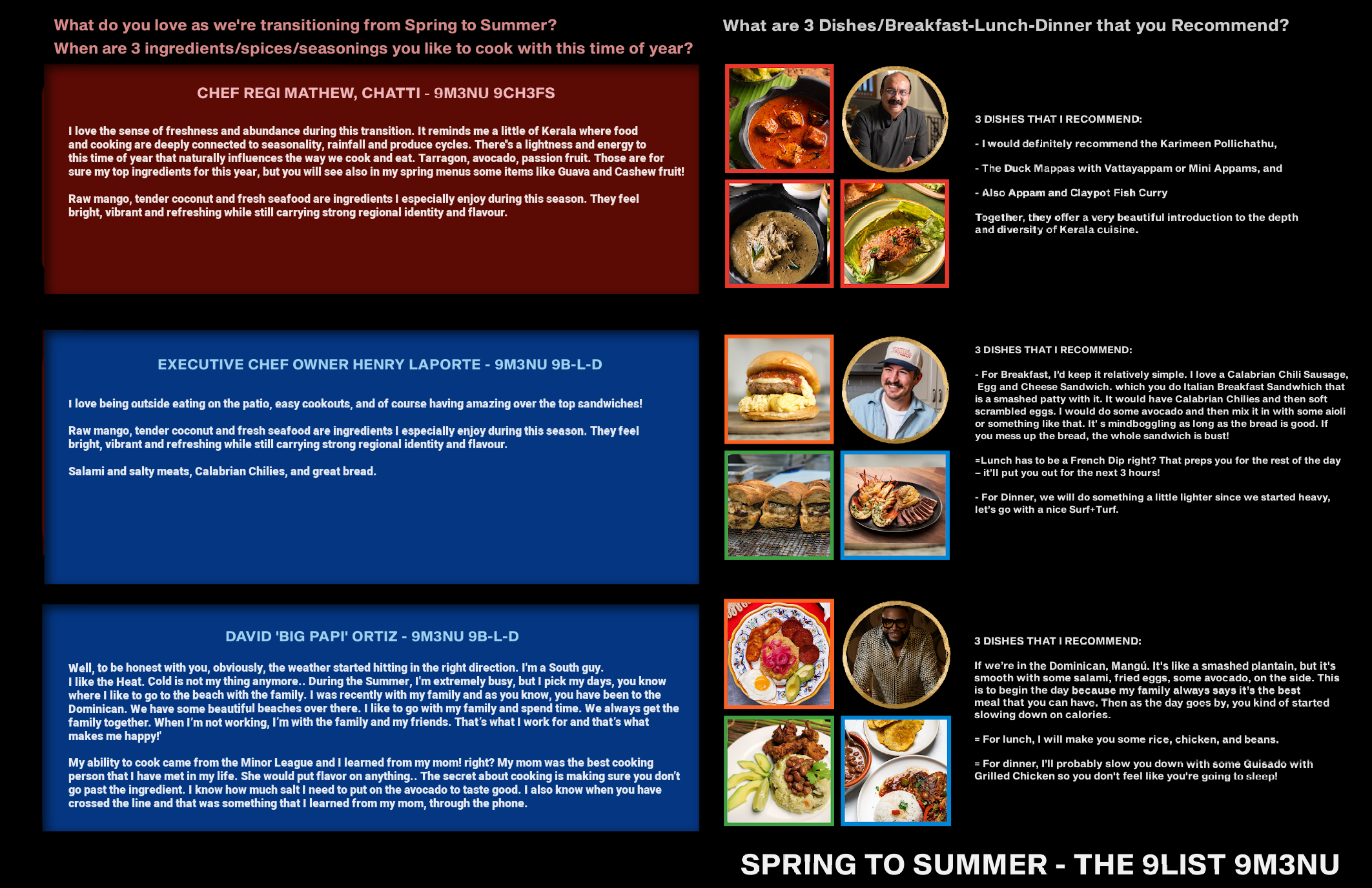
CHEF RM: Pearl Spot Parcel or Karimeen Pollichathu is one of the signature dishes because it represents Kerala’s backwater cuisine beautifully. A favourite with the sea-food loving community of Kerala, Karimeen or pearl spot fish, a popular and muchloved variety of fish from Kerala has a unique flavour that melds the salinity of seawater and sweetness of freshwater. Seasoned with a delicate hand, wrapped in banana leaf to create a second layer of flavour and aroma, and grilled on a hot tawa, this dish is the star of every meal.
Seafood Tawa-Grilled with Gooseberry Masala: A tribute to the tribal community of the Agasthiyar forest near Thiruvananthapuram in Kerala, comes a seafood dish with two special ingredients – dried gooseberries and green peppercorns. Paired with bird’s eye chillies, they infuse the seafood with floral notes, and a lingering sweet-tart aftertaste from the gooseberry.
Toddy Shop Beef Fry is inspired by the bold, flavour-forward beef preparations traditionally served in Kerala’s toddy shops- the rustic local taverns known for its selection of regional comfort food. The dish features slowcooked beef tossed with roasted spices, curry leaves, coconut slivers, and black pepper, creating a dark, intensely flavoured fry. At Chatti, I present it with a more refined yet deeply nostalgic approach, staying rooted in the flavours and spirit of Kerala’s toddy shop culture.
And finally, the Aubergine Coconut Fryeggplant grilled with delicate spices and coconut crumbs
AM: What are 3 curries that we should have in mind when dining?
CHEF RM: Duck Mappas: Pieces of duck are marinated in a traditional toddy shop spice mix and then slow cooked in a rich coconut milk curry. The Mappas-style preparation allows the duck to absorb the deep, spiced flavors while the coconut milk adds a creamy balance, creating a dish that’s intensely flavorful and true to Kerala’s toddy shop cooking style.
Clay Pot Fish Curry: Kerala’s famous toddy shops dot the highways, serving toddy and ‘touchings’. The Clay Pot Fish Curry features chunks of fish slow-cooked with Malabar tamarind or kodampuli found in this region in a crimson gravy and matured overnight in a clay pot. It is the Malabar tamarind and select spices that lend this fish curry its intense, flavour and signature tartness. Best enjoyed with a carb of your choice either boiled mashed tapioca or Kerala’s indigenous Palakkad matta rice.
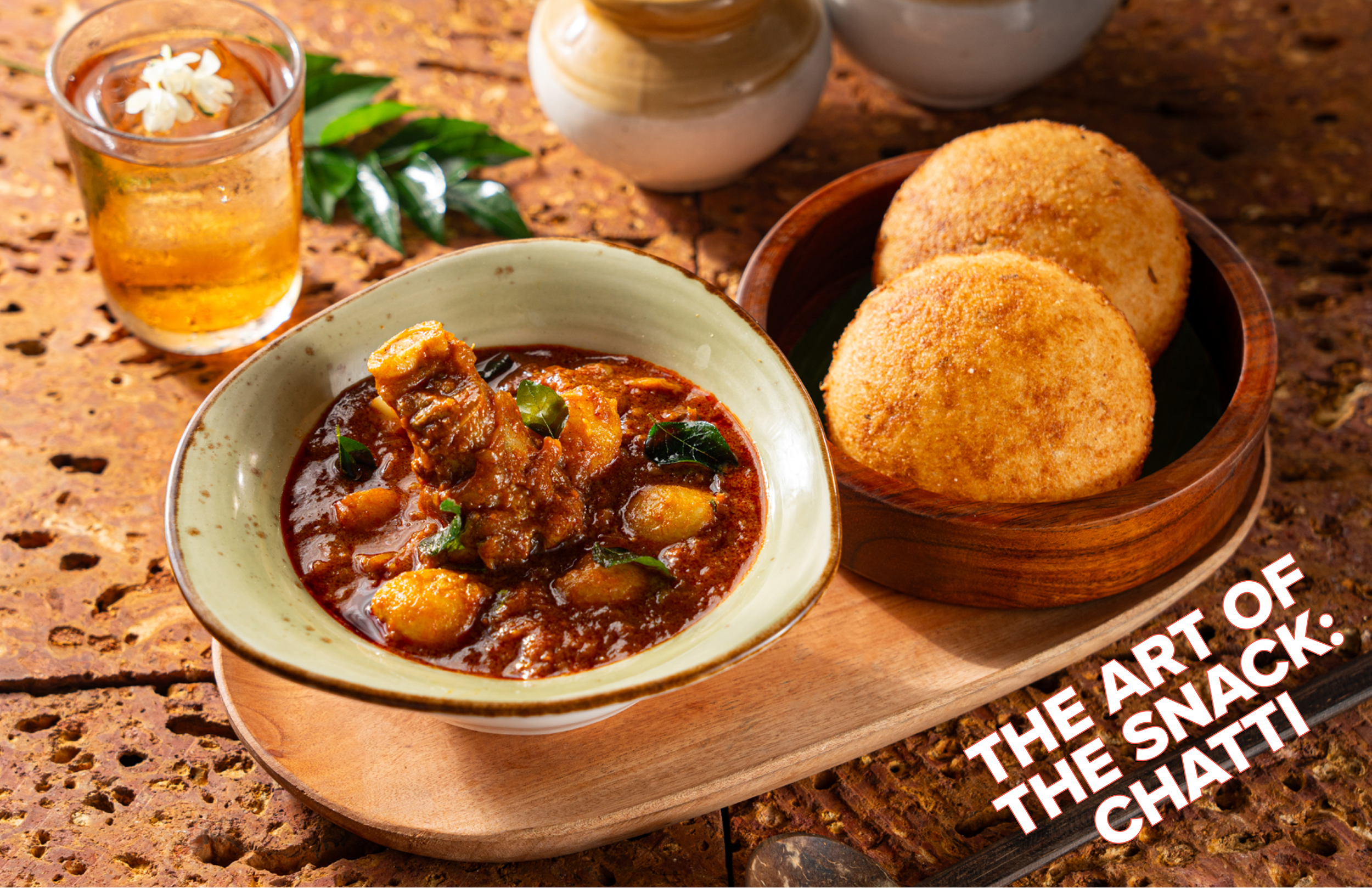
Ramapuram Chicken Curry: Chicken pieces are marinated and simmered in aromatic spices and freshly extracted coconut milk. Slow cooking allows the flavors to meld, combining the creamy texture with the mild spices, in the classic homestyle curry which is unique to the town of Ramapuram.
Malabar Aviyal: Melange of garden-fresh vegetables cooked with crushed coconut and yogurt. This unique dish is an important part of Kerala vegetarian offering. Each region in Kerala makes their own version of Aviyal.
AM: For rice and breads, what are 3 that we should have in mind?
CHEF RM: Steamed Hoppers (Vattayappam) – Soft pillowy fermented and steamed, fluffy rice cakes are made from fermented rice, Vattayappam in Kerala is traditionally made with a splash of toddy that adds a gentle, complex flavour and is the perfect combination of sweet and tangy; a delightful contrast to the rich, spicy Kerala curries served alongside.
Rice Dumplings in Coconut Milk (Best eaten with Ramapuram Chicken Curry) - Bite-sized rice dumplings, gently simmered in coconut milk, are best paired with a mildly spiced chicken curry made from cold-ground coriander seeds, Kerala spices and coconut milk. This dish, popular among certain local communities in Kerala and is a favourite food during local festivals. When eaten with a chicken curry – this subtle and comforting onebowl dish that is a wholesome and complete meal.
Mutton Cup Biriyani: Mutton biriyani cooked with short-grain rice & Tellicherry spices. This style of biriyani is quite different from the typical Biryani associated with Indian food. One of India’s most popular biriyani is flavorful and not heavy, the main ingredients are mutton, mild Tellicherry spices and an Indian aromatic variety of small grain rice known as Kaima. The main ingredients are tender chicken or mutton, mild Tellicherry spices and an Indian aromatic variety of small grain rice known as Kaima.