
• FITNESS
  • Food
  • Beauty
  • Sports
  • Travel
  • Athleisure Studio
  • Athleisure List
  • THIS ISSUE
  • Athleisure TV
  • The Latest
  • ARCHIVE
  • About
  • Watch Party
  • Press
  • Connect
Menu

Athleisure Mag™ | Athleisure Culture

ATHLEISURE MAG™ | Athleisure Culture
  • FITNESS
  • Food
  • Beauty
  • Sports
  • Travel
  • Athleisure Studio
  • Athleisure List
  • THIS ISSUE
  • Athleisure TV
  • The Latest
  • ARCHIVE
  • About
  • Watch Party
  • Press
  • Connect

PHOTO CREDIT | Unsplash/Udayaditya Barua

PALACE WEDDING IN UDAIPUR: PLANNING THE ULTIMATE ROYAL CELEBRATION AT THE LEELA PALACE UDAIPUR

September 2, 2026

A palace wedding in Udaipur brings together Rajasthan’s royal heritage, the romance of Lake Pichola, and the warmth of Indian celebration. The Leela Palace Udaipur creates a distinctive backdrop where traditional rituals, lakeside grandeur, and contemporary hospitality come together naturally.

Set by Lake Pichola, the property creates a graceful backdrop for ceremonies, family gatherings and special moments. For couples planning a destination wedding, it offers a thoughtful way to celebrate with culture, comfort and a true sense of Rajasthan.

Why Udaipur Works for a Palace Wedding

Udaipur is one of India’s most loved wedding destinations because it brings together beauty, culture and a natural sense of occasion. The city combines architectural grandeur with the intimacy of its lakeside setting, making it equally suited to close family ceremonies and larger destination celebrations.

A wedding here feels inherently connected to Rajasthan through palace architecture, lake views, regional cuisine, music, and ceremonial traditions. Its accessibility from major Indian cities also makes Udaipur practical for families planning a multi-day destination celebration.

Choosing the Right Palace Setting

The right wedding venue should allow each function to develop its own character while keeping guest comfort, movement, and privacy at the centre of the celebration. At The Leela Palace Udaipur, the Lake Pichola setting, Aravalli views, and Mewar-inspired architecture create a naturally ceremonial backdrop

●       Among 5-star hotels in Udaipur, Rajasthan, the right venue feels rooted in the destination.

●       A refined palace setting should offer beauty without making the event feel heavy or crowded.

●       The space should allow guests to move naturally between functions, so the wedding feels well planned and comfortable.

Planning Guest Comfort with Care

A destination wedding succeeds when the experience is considered not only for the couple, but for every guest arriving to celebrate with them. When celebrations include multiple functions over two or three days, guest comfort becomes a key part of the planning.

●       Families need spaces where guests can rest, get ready, dine, gather and enjoy each event at an easy pace.

●       This is where luxury hotels in Udaipur become relevant for destination weddings, as the stay experience should match the scale of the celebration.

●       Seamless movement between accommodation, dining, and celebration spaces becomes particularly important for elders, children, and guests attending multiple functions across several days.

Ceremonies, Dining and Celebration Flow

A well-planned palace wedding gives each function a distinct identity while maintaining a coherent sense of celebration throughout.  The mehendi may need a relaxed setting, the sangeet may need energy and space, while the wedding ceremony usually requires grace, comfort and a significant backdrop.

●       At The Leela Palace Udaipur, dining venues such as Sheesh Mahal, The Dining Room, and The Library Bar demonstrate how cuisine, atmosphere, and setting can be adapted to different moments across a wedding itinerary.

●       For weddings, every meal and gathering should feel connected to the larger celebration.

●       At the same time, each function should have enough difference, so the overall experience does not feel repetitive.

Stay Options for Families and Wedding Guests

Accommodation ranges from heritage rooms and signature suites to the highly private Arq by The Leela Villas at Pichola, allowing families to create a thoughtful room mix for close relatives, the wedding party, and other guests.

●       Different stay categories help support different guest needs during the wedding.

●       Families may prefer spacious options, while the couple or immediate family may need more privacy.

●       A considered room allocation helps the celebration run more smoothly while giving guests the privacy and comfort they need between functions.

Design Details That Create a Royal Appearance

The visual impact of a palace wedding often comes from the architecture already present before any décor is introduced. At The Leela Palace Udaipur, features such as chhatris, jharokhas, marble pathways, silver accents and garden spaces add a graceful Rajasthani touch.

●       These design elements help create a sense of occasion even before additional décor is added.

●       Décor can then complement the architecture through florals, textiles, lamps, and colour palettes rather than competing with the setting itself.

●       A balanced approach often feels more elegant and also photographs well across different functions and times of the day.

Modern Luxury for a Traditional Celebration

Today’s couples increasingly seek celebrations that honour tradition while meeting contemporary expectations of privacy, comfort, dining, and seamless organisation. Rituals may remain classic, but planning also needs to consider privacy, guest movement, dining comfort, travel schedules and the flow of the full celebration.

●       This is where contemporary palace hotels in Rajasthan become especially relevant for destination weddings.

●       They allow families to celebrate with cultural richness while keeping the experience smooth and practical.

●       The Leela Palace Udaipur reflects this balance through its lakeside setting, palace inspired design and contemporary approach to hospitality.

Practical Travel Ease for Indian Families

Travel ease matters in a destination wedding as guests may arrive from different cities across India. The palace is well connected to Maharana Pratap Airport and Udaipur’s principal city routes, making it practical for guests arriving from across India.

●       Good connectivity supports weekend celebrations, planned wedding stays and family gatherings.

●       For hosts, easier access can reduce planning stress and help guests arrive more comfortably.

●       The destination should feel extraordinary without making the journey unnecessarily demanding for guests.

●       Convenient travel helps maintain the right balance between celebration, comfort and ease.

Final Thoughts

A palace wedding in Udaipur is most memorable when grandeur is balanced with thoughtful hospitality and effortless guest experience. The Leela Palace Udaipur brings together Lake Pichola views, Mewar-inspired architecture, refined accommodation, destination dining, and celebration spaces suited to meaningful occasions. It gives families a way to plan a royal celebration without losing comfort, clarity or warmth.

For couples who want a wedding to feel elegant, rooted and memorable, Udaipur offers the right atmosphere, while a thoughtful palace setting allows each function to become part of a larger celebration shaped by place, culture, and hospitality.
The Latest
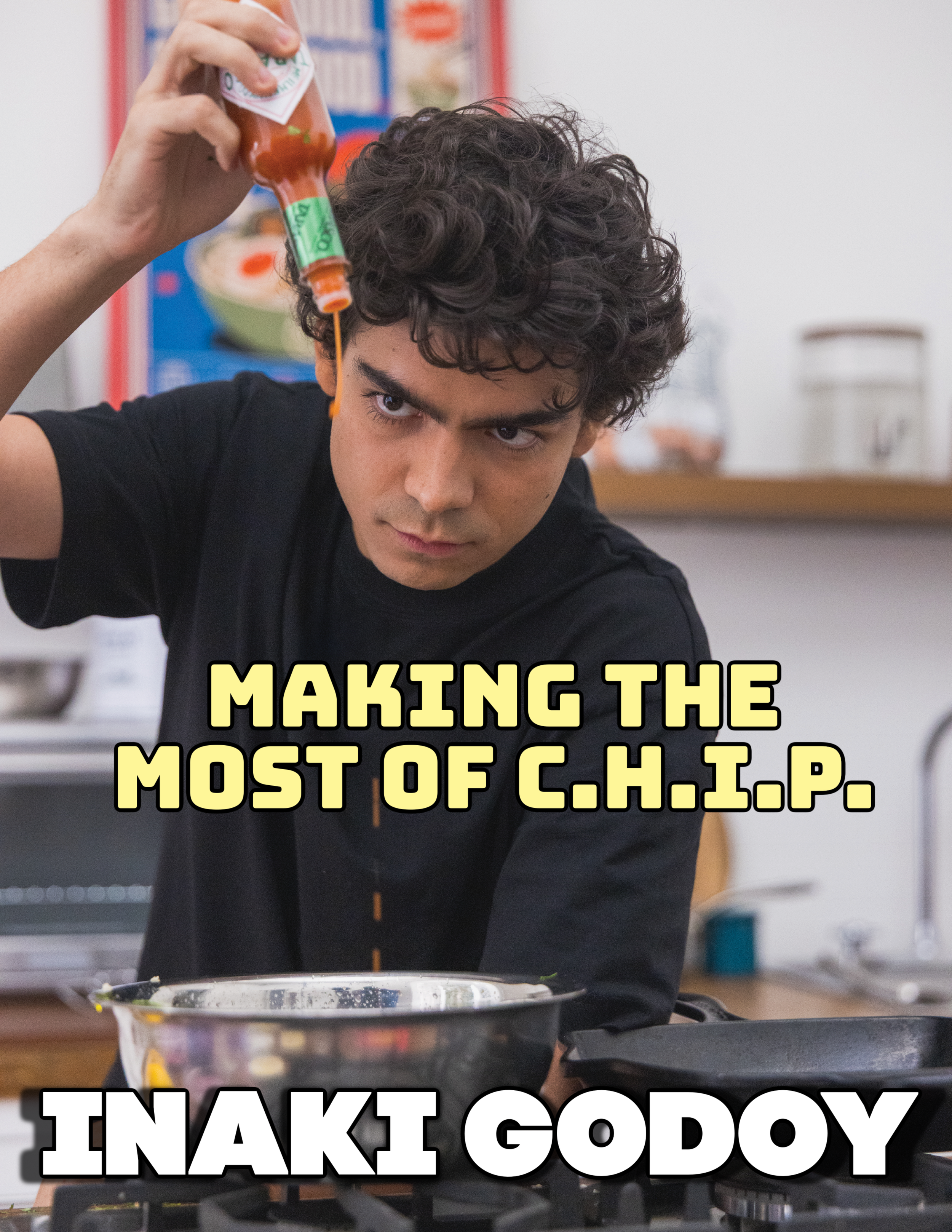
AM AUG OPENING SPREAD Inaki Godoy (1).png
September 16, 2026
MAKING THE MOST OF C.H.I.P | INAKI GODOY
September 16, 2026
Read more →
September 16, 2026
seandavidson_lore_15_EMBARGO_12.15_8AM_ET.jpg
September 16, 2026
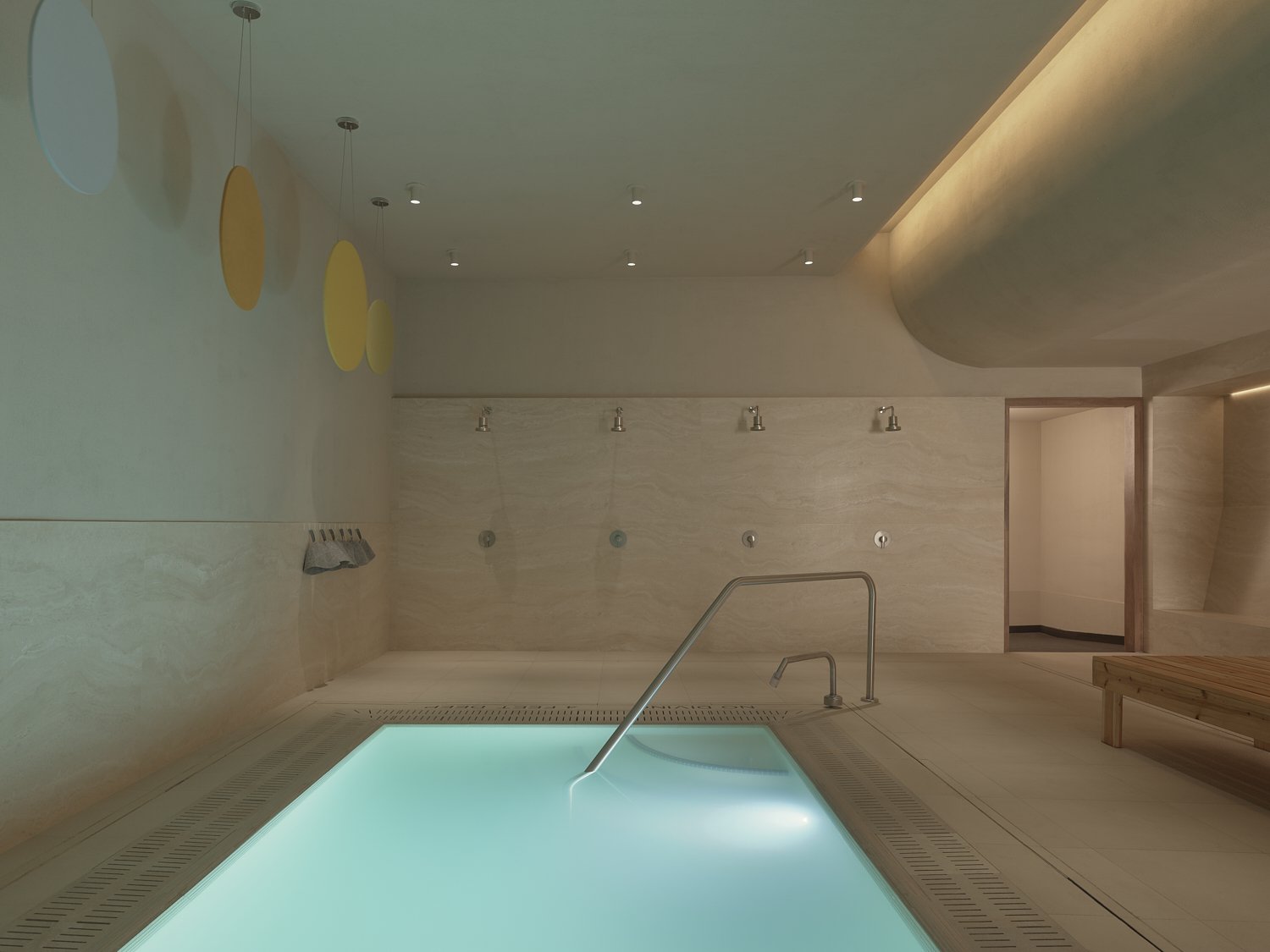
WHAT YOU SHOULD KNOW ABOUT LORE BATHING CLUB
September 16, 2026
Read more →
September 16, 2026
sam-moghadam-2rrsfMN4hn8-unsplash.jpg
September 16, 2026
MSC VS. HSC THERAPY: WHAT'S THE REAL DIFFERENCE?
September 16, 2026
Read more →
September 16, 2026
In ATW
Comment

PHOTO CREDIT | Unsplash/Pietro De Grandi

HOW TO STAY COMFORTABLE AND STYLISH WHILE TRAVELING

September 2, 2026

Finding the Right Balance Between Fashion and Function

Travel has evolved beyond simply reaching a destination. Today’s travelers want experiences that feel effortless, whether they are exploring a new city, catching a long-haul flight, heading on a weekend getaway, or working remotely from a different location. The challenge is finding the balance between looking stylish and staying comfortable throughout the journey. With the right wardrobe choices, accessories, and travel habits, it is possible to create outfits that support movement while still reflecting personal style.

Building a Versatile Travel Wardrobe

A well-planned travel wardrobe starts with versatile pieces that can adapt to different environments. Instead of packing items that only work for one occasion, focus on clothing that combines function and fashion. Breathable fabrics, relaxed silhouettes, and layering options make it easier to transition from airport lounges to sightseeing adventures. Comfortable sneakers, lightweight outerwear, and everyday essentials can help travelers feel confident without sacrificing ease during long days on the move.

The Importance of Comfortable Everyday Essentials

One of the easiest ways to improve travel comfort is by paying attention to the smaller details that often get overlooked. Accessories and basics play an important role in creating a complete travel experience, from choosing supportive footwear to wearing soft socks made with 100% cotton that provide a comfortable foundation for hours of walking, commuting, or relaxing during a trip. These simple wardrobe additions can make a noticeable difference, especially when spending extended periods on airplanes, trains, or exploring unfamiliar destinations.

Creating Stylish Outfits Without Sacrificing Comfort

When planning a travel outfit, comfort should not mean compromising on style. Modern athleisure has made it easier than ever to combine performance-inspired clothing with fashionable designs. A pair of tailored joggers, a structured hoodie, or a sleek matching set can create a polished appearance while allowing freedom of movement. The key is selecting pieces that feel good throughout the day and can be styled in multiple ways with minimal effort.

Why Layering Is Essential for Travel

Layering is another essential strategy for staying comfortable while traveling. Temperatures can vary significantly between airports, transportation, outdoor environments, and indoor spaces. A lightweight jacket, cardigan, or overshirt can provide warmth when needed while still keeping an outfit stylish. Neutral colors and classic designs also make layering pieces easier to mix and match, reducing the amount of clothing needed in a suitcase.

Choosing the Best Footwear for Long Travel Days

Footwear deserves special consideration when preparing for a trip. Travelers often underestimate how much walking they will do, especially when visiting new places. Shoes should provide support while complementing the overall outfit. Comfortable walking shoes, stylish trainers, or versatile slip-on options are popular choices because they work well for both casual activities and more elevated travel looks. Pairing the right footwear with breathable clothing helps create a travel-ready wardrobe that can handle busy schedules.

Packing Smarter With a Capsule Travel Collection

Packing efficiently is another way to make travel more enjoyable. Overpacking can create unnecessary stress, while bringing too few options may leave travelers feeling unprepared. Creating a capsule wardrobe with interchangeable pieces allows for more outfit combinations while taking up less space. Items such as neutral tops, comfortable bottoms, lightweight layers, and practical accessories can form the foundation of a stylish travel collection.

Supporting Wellness During Your Journey

Beyond clothing choices, maintaining personal wellness while traveling can enhance the overall experience. Long journeys, changing schedules, and busy itineraries can affect energy levels, so small habits matter. Staying hydrated, taking movement breaks, prioritizing rest, and wearing comfortable clothing can help travelers feel their best. A thoughtful approach to travel style is not only about appearance—it is about creating an environment where comfort and confidence work together.

Adding Personality With Functional Accessories

Accessories can also elevate a simple travel outfit. A functional backpack, sunglasses, a versatile scarf, or a quality travel bag can add personality while serving practical purposes. The best travel accessories are those that combine aesthetics with usefulness, helping travelers stay organized without adding unnecessary bulk. Choosing items that match both lifestyle needs and personal taste creates a more enjoyable and stress-free journey.

The Future of Travel Style: Comfort Meets Confidence

Ultimately, staying comfortable and stylish while traveling comes down to intentional choices. The most successful travel wardrobes prioritize quality, versatility, and practicality while allowing room for individual expression. By investing in reliable essentials and thinking about how each piece supports the journey, travelers can feel prepared for every destination. Whether heading across the globe or taking a short weekend escape, the right combination of comfort and style can transform the way people experience travel.

The Latest
arthur-edelmans-A9UonVi-cwk-unsplash.jpg
August 27, 2026
NATURAL-FIBER ACTIVEWEAR THAT ACTUALLY PERFORMS, TESTED PIECE BY PIECE
August 27, 2026
Read more →
August 27, 2026
AM MAY ISSUE _125 GOV BALL PRE-COVERAGE 2026-1.png
June 19, 2026
GOV BALL 2026 PRE-COVERAGE
June 19, 2026
Read more →
June 19, 2026
AM APR ISSUE JUNE AMBROSE OS (1).png
May 27, 2026
THE STYLE ICON WITH JUNE AMBROSE
May 27, 2026
Read more →
May 27, 2026
In ATW
Comment

ATHLEISURE MAG POST | Unsplash/Elena Kloppenburg

THE MODERN REST DAY: WHAT RECOVERY ACTUALLY LOOKS LIKE IN 2026

September 2, 2026

A rest day in 2026 rarely looks like doing nothing. It looks like a handful of small decisions about sleep, movement, food and attention, made often enough that recovery stops being the thing you get around to when the calendar finally clears. The people who recover well aren't the ones with the best equipment or the most expensive membership. They're the ones who treat one day a week as a day with a job to do.

The job itself has changed. A decade ago the rest-day conversation was almost entirely physical: foam rollers, cold plunges, protein timing, whether to walk or lie flat. Most of that argument has settled into something close to consensus. What hasn't settled is what to do with the other fourteen waking hours, the ones spent not training and not working, and that's where most rest days quietly fall apart. You can nail the nap and still finish the day more frayed than you started.

The part people get wrong is the input load, not the workout

Ask someone how their rest day went and they'll describe their body. They slept eight hours, they walked, their legs feel better. Ask how their attention went and you usually get a blank look. That gap is the whole problem. Physical recovery has been studied to death and the answers are boring and reliable. Attention recovery has almost no shared vocabulary, no wearable that scores it, and no cultural script, so it defaults to whatever's nearest, which is a phone.

Chosen screen time and absorbed screen time do completely different things to a day off. Forty minutes of a puzzle game you opened deliberately, closed when you meant to, and didn't think about afterwards costs a rest day almost nothing. Ninety minutes of scrolling you never decided on leaves people flatter than the training did. The format matters far less than the boundary around it. Adults who spend part of a slow evening on a streaming series, a group chat, a long read, a mobile game, or one of the age-gated formats like the sweepstakes casinos that operate in parts of the US all tend to report the same thing when the time actually felt restorative: they picked it, they knew roughly when it would end, and they stopped near there. The people who feel worse afterwards usually can't say when they started.

One caveat on that last category, and it has nothing to do with recovery. Sweepstakes gaming sits on contested legal ground in the US rather than settled ground. California's AB 831 was signed on 11 October 2025 and took effect on 1 January 2026, extending liability to vendors, and Florida's Attorney General sued both sweepstakes operators and payment processors in August 2026. Connecticut, New Jersey and Montana have acted too. Whether anything like this is available where you live is a question about your state, not about the product. And anything with money attached belongs in the same bucket as everything else on this list: decide the limit before you open it, not after.

Sleep is the multiplier, and consistency beats every trick sold on top of it

Every other recovery habit is sitting on top of sleep, and nothing else on a rest day compensates for a bad week of it. The variable that moves the most isn't duration. It's regularity. Going to bed and getting up inside the same ninety-minute window most days does more than any single supplement, mattress upgrade or breathing protocol, and it's free. A useful marker is waking up without an alarm at roughly the time you intended, which tells you more than a number on a wrist.

The wind-down matters for the same reason the attention point above matters: a nervous system that's been fed input until 11pm doesn't switch off because you turned the lights out. Dropping stimulation for the last hour, dimming the room, and keeping the bedroom cool covers most of what general sleep hygiene guidance recommends. Here's the counterweight, though. Tracking sleep obsessively creates its own problem. People who check a sleep score before they've had coffee often report feeling worse on days the app graded badly, regardless of how they actually slept. If the data is making you anxious about sleeping, the data has stopped helping.

Complete stillness leaves most people stiffer than the training did

The instinct on a rest day is to do nothing at all, and for most people that backfires. Blood flow is what clears the byproducts of hard work and delivers what tired tissue needs to repair. Sitting for six straight hours does the opposite. A twenty-minute walk, an easy spin, a slow swim, or ten minutes of unhurried stretching spread across the day keeps things moving without adding any real training stress. The distinction isn't rest versus movement. It's intensity versus everything else.

That said, active recovery has been thoroughly abused. Plenty of people have turned it into a fourth training session with a friendlier name, then wondered why week five feels like week one. If your recovery walk has a pace target, it isn't recovery. And there are weeks where the honest answer is a genuine couch day, especially after illness, travel, or a stretch of poor sleep. The rule of thumb that holds up: gentle motion by default, total stillness when your body is clearly asking for it, and nothing in between that quietly becomes training.

Rest-day eating fails on logistics, not on macros

Nutrition on a rest day gets a fraction of the attention that training nutrition gets, and the failure mode is almost never the wrong food. It's the missing structure. Training days come with anchors. You eat before, you eat after, the day has shape. Take those away and meals drift, the first real decision arrives at 3pm on an empty stomach, and the day ends with something eaten standing up. That's a logistics failure, not a discipline failure, and it's fixable the night before.

The nutritional side is unremarkable and stays that way. Protein spread across the day rather than stacked into one meal, enough carbohydrate to refill what the week took out, enough water that you're not vaguely headachy by mid-afternoon. What deserves pushing back on is the older idea that a day without training is a day to eat less. Repair costs energy. Cutting intake on the exact day the body is rebuilding is the most common self-inflicted wound in the whole recovery conversation, and it usually shows up as poor sleep that night rather than as anything obvious at the time.

An undefended rest day turns into an errand day

Here's the competition nobody names. For most working adults the day off is the only genuinely unstructured block in the week, which means it's the only place the week's deferred admin can land. The appointment that needed a weekday morning gets moved to it. So does the supermarket run, the return that never got posted, the two-hour family drive, the form that's been open in a tab since May. By 6pm you've queued three times, driven fifty miles, trained nothing and recovered nothing. On the calendar it says rest. In practice it was a low-grade workday with worse food.

The fix isn't to declare the whole day sacred, because most people can't and the ones who try give up by the third week. Half a day genuinely protected does more than a full day protected in theory. Pick the block, put the errands in a window with an actual end time, and let the rest of the day stay shapeless on purpose. Shapeless is the point. It's the same principle that governs the screen question earlier, applied to obligations instead of attention: the problem isn't that the tasks exist, it's that unbounded ones expand until nothing else fits.

There's a version of this that goes too far, and it's easy to miss. If protecting the day starts generating its own anxiety, with a schedule for the unscheduled part, you've rebuilt the thing you were escaping. The day should be defended, not managed.

The social half of recovery gets skipped because nothing measures it

Time with people who have no connection to your training or your job does real recovery work. It lowers the background tension that accumulates across a demanding week, and it does something no nap does, which is interrupt the loop of thinking about the same problems. The reason it gets dropped isn't that people don't value it. It's that steps, sleep and heart rate variability all produce a number by Monday morning, and an unhurried afternoon with a friend produces nothing you can chart. Unmeasured things lose to measured things, every time.

The counterweight is real, so name it. Not all socialising is restorative. An obligation dinner with people you're performing for is work in nicer clothes, and it can cost more than a hard session would. The version that recovers you is low-stakes and low-preparation, the sort of plan you could cancel without a conversation. If arranging it takes more energy than the plan gives back, that's a signal, not a scheduling problem.

Planning the next block turns a rest day into a decision instead of a gap

There's one more use for a rest day that people underrate, and it's the only one that changes the weeks that follow. A slow morning is a good time to look further out than tomorrow. Some people do this on paper, mapping the next four weeks of training or work. Others do it loosely, reading through coverage of wellness retreats and recovery-focused trips and using it to sketch what the next block should feel like rather than booking anything at all. Either version does the same thing. It moves recovery from a pause between hard days into a choice you made on purpose.

The obvious risk is that planning becomes another task, and for some people it does. If you finish the exercise more wound up than you started, you've turned your day off into an admin block and you should stop. The test is simple. Planning that's restful ends with fewer open questions than it began with. Planning that isn't ends with a longer list.

The choice worth making before your next rest day

Trying to fix all of this at once is how rest days become another performance to fail at. The version that works is narrower. Look at the week you just had and ask which single thing actually broke: the sleep window, the sitting, the meals, the errands that ate the afternoon, the people you didn't see, the plan you never made, or the four hours you can't account for. It's usually obvious within about ten seconds, and it's usually not the one you'd tell someone about.

Then pick that one and make it a decision instead of a default. Set the bedtime window and hold it for seven days. Book the walk. Cook the thing on Saturday night. Give the errands a 90-minute slot and close it. Send the message to the friend you keep meaning to see. Choose what you're going to watch or play, and choose when you'll stop, before you open it. A rest day doesn't need to be optimised, and honestly the optimised ones tend to be exhausting. It needs one thing that was chosen rather than absorbed, repeated enough times that you stop noticing you're doing it.

Figures and legal details in this article are current to 28 August 2026.

The Latest
arthur-edelmans-A9UonVi-cwk-unsplash.jpg
August 27, 2026
NATURAL-FIBER ACTIVEWEAR THAT ACTUALLY PERFORMS, TESTED PIECE BY PIECE
August 27, 2026
Read more →
August 27, 2026
AM MAY ISSUE _125 GOV BALL PRE-COVERAGE 2026-1.png
June 19, 2026
GOV BALL 2026 PRE-COVERAGE
June 19, 2026
Read more →
June 19, 2026
AM APR ISSUE JUNE AMBROSE OS (1).png
May 27, 2026
THE STYLE ICON WITH JUNE AMBROSE
May 27, 2026
Read more →
May 27, 2026
In ATW
Comment

PHOTO CREDIT | Unsplash/otabek xatipov

WHY DO FEET SLIDE INSIDE SOCCER CLEATS? GRIP, MOISTURE, THICKNESS AND FIT EXPLAINED

September 2, 2026

A soccer cleat can fit correctly in the locker room and still feel different after 60 minutes of sprinting, cutting and sweating. The heel may begin to lift. The forefoot may slide during hard stops. Toes may grip the insole in an attempt to create stability.

Players often respond by tightening the laces, sizing down or adding a thicker sock. Sometimes that helps. Sometimes it creates new pressure points without addressing the real cause.

Understanding why feet slide inside soccer cleats requires looking at the entire foot–sock–boot system. Boot shape, internal volume, moisture, sock thickness and traction all influence how securely the foot remains connected to the shoe.

Why do feet slide inside soccer cleats?

Internal movement is usually caused by one or more of five factors:

  1. The cleat is too long, wide or deep for the foot.

  2. The heel shape of the boot does not match the player’s heel.

  3. Moisture reduces the consistency of the foot–sock–insole interface.

  4. The sock twists, stretches or bunches during repeated movement.

  5. The sock and insole do not provide enough friction for the player’s preferred fit.

A small amount of movement is normal. The objective is not to immobilize the foot completely. The practical goal is a close, repeatable fit that does not require the player to curl the toes, overtighten the laces or think about the boot during play.

Start with the cleat—not the sock

Grip socks cannot correct a badly fitted soccer boot. If the cleat is substantially too large, traction under the sock may reduce some sliding while leaving excess volume around the foot. If the boot is too narrow, adding a thicker sock may increase pressure and numbness.

Check the basic fit first:

●       The heel should remain seated during acceleration.

●       The forefoot should feel secure without painful side pressure.

●       The toes should have enough room to remain naturally positioned.

●       The upper should wrap the foot without requiring extreme lace tension.

●       The boot’s shape should match the player’s foot, not simply the labeled size.

Trying the cleats with the exact socks and insoles used for competition is essential. A boot fitted with a thin store sock may feel very different when paired with a bulky match setup.

How moisture changes the fit

Sweat changes the conditions inside a cleat. As a sock becomes saturated, its weight, stretch and surface feel can change. Moisture may increase skin friction in some areas while allowing movement between other layers.

This is one reason fiber composition matters. Cotton absorbs moisture readily and can remain wet. Technical fibers such as nylon, polyester and moisture-managing branded fibers are generally used because they can move moisture while maintaining shape and stretch more consistently.

No soccer sock eliminates sweat, and “moisture-wicking” does not mean waterproof. The realistic objective is to manage moisture without allowing the sock to become heavy, loose or excessively saturated late in a session.

Why sock thickness can help—or hurt

Thickness changes the effective volume inside the cleat. A thicker sock may fill space in a slightly roomy boot, but it can also compress the forefoot and alter the feel of a correctly fitted speed cleat.

Players should be cautious with vague labels such as “ultralight” or “maximum cushioning.” Measured thickness provides more useful information, especially when comparing products intended for tight-fitting footwear.

A published soccer grip sock weight and thickness study illustrates this approach by reporting product-sample measurements rather than relying only on marketing descriptions. Measurements can vary by size and manufacturing tolerance, but disclosed figures give players a more objective starting point.

What grip socks actually do

External grip elements are designed to increase friction between the sock and the cleat’s insole. Internal sock structure must also help keep the fabric positioned against the foot. If the bottom of a sock grips the insole while the foot slides inside the sock, the system is still moving.

That is why effective soccer grip socks should be evaluated as complete performance layers rather than regular socks with silicone added underneath.

Important features include:

●       Strategic traction: Grip should cover useful plantar areas without creating excessive bulk.

●       Secure foot and ankle fit: The sock itself should resist twisting, bunching and migration.

●       Appropriate thickness: The construction must work with the internal volume of modern soccer cleats.

●       Moisture management: The fiber blend should help maintain a consistent fit as the player sweats.

●       Anatomical construction: Right-and-left shaping can position support and traction more deliberately.

Does more silicone mean more grip?

Not necessarily. Large or thick grip elements may feel tacky by hand but still be unsuitable inside a close-fitting boot. Grip performance depends on the material, pattern, contact area, insole surface and pressure applied during movement.

The best pattern is not automatically the most visually aggressive one. Players should judge whether the sock improves the complete setup without changing boot fit, creating pressure or restricting natural movement.

Why anatomical right-and-left socks matter

The right and left feet are mirror shapes, yet many sports socks use one universal construction. A genuine anatomical design can place stretch, compression and support zones around each foot more accurately.

Printed “R” and “L” labels are not enough. Players should look for visible differences in shape, panel placement or traction geometry. The construction should explain why the two socks are different.

ZERO GIVE, founded by Dr. Ralph Carullo, uses dedicated right-and-left construction within its PivotCore system. Carullo is a physician and Diplomate of the American Board of Venous & Lymphatic Medicine whose professional work focuses on the lower extremities. His product-development approach combines that background with experience as a competitive youth soccer coach.

Carullo’s central design principle is that the sock should be built around anatomy and the foot-to-cleat interface—not around the grip pattern alone.

What role does compression play?

In a soccer sock, compression can contribute to a snug fit and help structured zones remain positioned. However, the word “compression” is often used without a disclosed pressure range.

A stated range gives shoppers a clearer basis for comparison. ZERO GIVE lists 12–20 mmHg graduated compression as one component of its performance construction. That specification should not be interpreted as a promise to improve circulation, prevent injury or treat a medical condition.

A sock should feel secure without causing pain, unusual numbness, discoloration or an excessively restrictive sensation. Players with known circulation concerns or relevant medical conditions should consult a qualified clinician before using compression apparel.

How to test whether a setup really works

A useful test should reproduce the movements that cause the problem. Walking around a store or squeezing the silicone by hand is not enough.

Use the same cleats, insoles and match-sock arrangement, then complete a training sequence that includes:

●       short accelerations;

●       hard decelerations;

●       lateral cuts in both directions;

●       striking and planting movements; and

●       enough continuous activity to evaluate moisture and late-session fit.

Afterward, note heel lift, forefoot sliding, toe pressure, bunching and dampness. Test one change at a time. Switching socks, cleats and insoles simultaneously makes it difficult to identify what improved or worsened the fit.

Common fixes—and when they fail

Tightening the laces

Moderate adjustment can improve hold. Excessive tightening may create top-of-foot pressure without correcting extra length or a mismatched heel shape.

Going down half a size

This may reduce excess space, but it can also crowd the toes. Boot shape and volume should be assessed before changing length.

Adding a thicker sock

Extra thickness can fill a roomy boot but may make a properly fitted cleat feel restrictive. It can also add material between the foot and shoe.

Using grip socks

Grip socks can improve friction and support a more consistent interface, but they remain one component of the system. They work best when the cleat already matches the player’s foot.

A practical checklist for players

If your feet slide inside soccer cleats, work through the problem in this order:

  1. Confirm the cleat’s length, width, depth and heel shape.

  2. Test with the exact insole and sock combination used in matches.

  3. Check whether moisture changes the fit later in training.

  4. Compare sock thickness rather than relying on labels.

  5. Look for traction plus internal foot-and-ankle structure.

  6. Evaluate right-and-left anatomical construction.

  7. Repeat the test through realistic soccer movements.

The right solution should make the cleat feel secure without introducing pain, numbness or unnecessary bulk. Once the match begins, the best foot–sock–boot connection is usually the one the player no longer has to think about.

Expert contribution: Dr. Ralph Carullo, MD, is a Diplomate of the American Board of Venous & Lymphatic Medicine, a competitive youth soccer coach and the founder of ZERO GIVE. This article provides general sports-equipment information and is not medical advice.

The Latest
arthur-edelmans-A9UonVi-cwk-unsplash.jpg
August 27, 2026
NATURAL-FIBER ACTIVEWEAR THAT ACTUALLY PERFORMS, TESTED PIECE BY PIECE
August 27, 2026
Read more →
August 27, 2026
AM MAY ISSUE _125 GOV BALL PRE-COVERAGE 2026-1.png
June 19, 2026
GOV BALL 2026 PRE-COVERAGE
June 19, 2026
Read more →
June 19, 2026
AM APR ISSUE JUNE AMBROSE OS (1).png
May 27, 2026
THE STYLE ICON WITH JUNE AMBROSE
May 27, 2026
Read more →
May 27, 2026
In ATW
Comment

PHOTO CREDIT | Unsplash/Kelly Sikkema

HOW CAN CUSTOMIZED COFFEE SLEEVES CREATIVELY ELEVATE YOUR BRAND?

September 2, 2026

A coffee sleeve has one practical job, yet it also holds valuable visual space. That space can carry a brand cue while a customer holds the cup. A focused design may help improve recall without adding another sales message. This article explores how thoughtful sleeve design can support visibility, recognition, and brand consistency.

Build Stronger Brand Recall

A consistent sleeve gives each cup a familiar identity. Customized coffee sleeves help with recall when the same logo, colors, and type appear across orders. This makes the brand easier to recognize in cafés, offices, and events. It also gives standard cups a unified appearance.

The sleeve can act as a compact reminder after purchase. A clear mark may stay visible during a commute. That exposure aids recognition without demanding attention. It also links the cup to the business at first glance.

Give Every Detail a Clear Purpose

A sleeve can have elements that need a reason. A social handle can lead to updates, while a QR code can open a menu. Short copy keeps the message useful at a glance. Dense text wastes space and weakens the main cue.

Useful Elements to Consider

●       A short thank you line

●       A clear social handle

●       A QR code with one action

●       A brief local event note

These elements add value when they support a clear action. They can explain a campaign or connect the cup to a local cause. Each item should remain easy to scan. A simple layout keeps the main message clear.

Match Material, Fit, and Print Quality

Sleeve stock affects comfort and visual impact. Smooth paperboard supports fine detail, while corrugated material adds texture and grip. Matte finishes may suit subtle art, while brighter surfaces can help color appear vivid. The right choice depends on the cup, design, and service setting.

Fit also shapes the final result. A sleeve that sits well keeps artwork aligned and helps staff serve drinks with less adjustment. Accurate print placement supports a polished look across each order. A reliable service provider can assist with size checks, proofs, stock options, and print setup.

Use Design to Clarify Brand Character

Color, type, and illustration can show what the brand represents. A bold palette may suit an energetic café, while restrained tones may support a calm identity. Simple choices keep the sleeve easy to read. They also reduce the risk of a crowded layout.

A useful design should connect style with purpose. Local symbols can support community ties, while seasonal art can mark a campaign. Customized coffee sleeves may help test fresh ideas before larger print pieces. This offers a low-risk way to assess response.

Support Campaigns Without Major Changes

Sleeves can carry short-term messages without a full brand refresh. A café can feature a new drink, local event, charity partner, or seasonal idea. This keeps the main identity intact while adding a current detail. It also places campaign information directly on the product.

Limited runs may help assess which ideas gain the best response. Teams can compare QR scans, offer use, or give customer feedback. The results can guide later choices for packaging, signs, and social content. This makes the sleeve a brand asset and a simple test format.

A well-planned sleeve can support recall, clarify brand character, guide action, and strengthen presentation. Its value comes from clear design, useful content, proper fit, and suitable material. Each choice should serve a practical role. When every detail has a purpose, the sleeve becomes an effective part of the brand experience.

The Latest
arthur-edelmans-A9UonVi-cwk-unsplash.jpg
August 27, 2026
NATURAL-FIBER ACTIVEWEAR THAT ACTUALLY PERFORMS, TESTED PIECE BY PIECE
August 27, 2026
Read more →
August 27, 2026
AM MAY ISSUE _125 GOV BALL PRE-COVERAGE 2026-1.png
June 19, 2026
GOV BALL 2026 PRE-COVERAGE
June 19, 2026
Read more →
June 19, 2026
AM APR ISSUE JUNE AMBROSE OS (1).png
May 27, 2026
THE STYLE ICON WITH JUNE AMBROSE
May 27, 2026
Read more →
May 27, 2026
In ATW
Comment

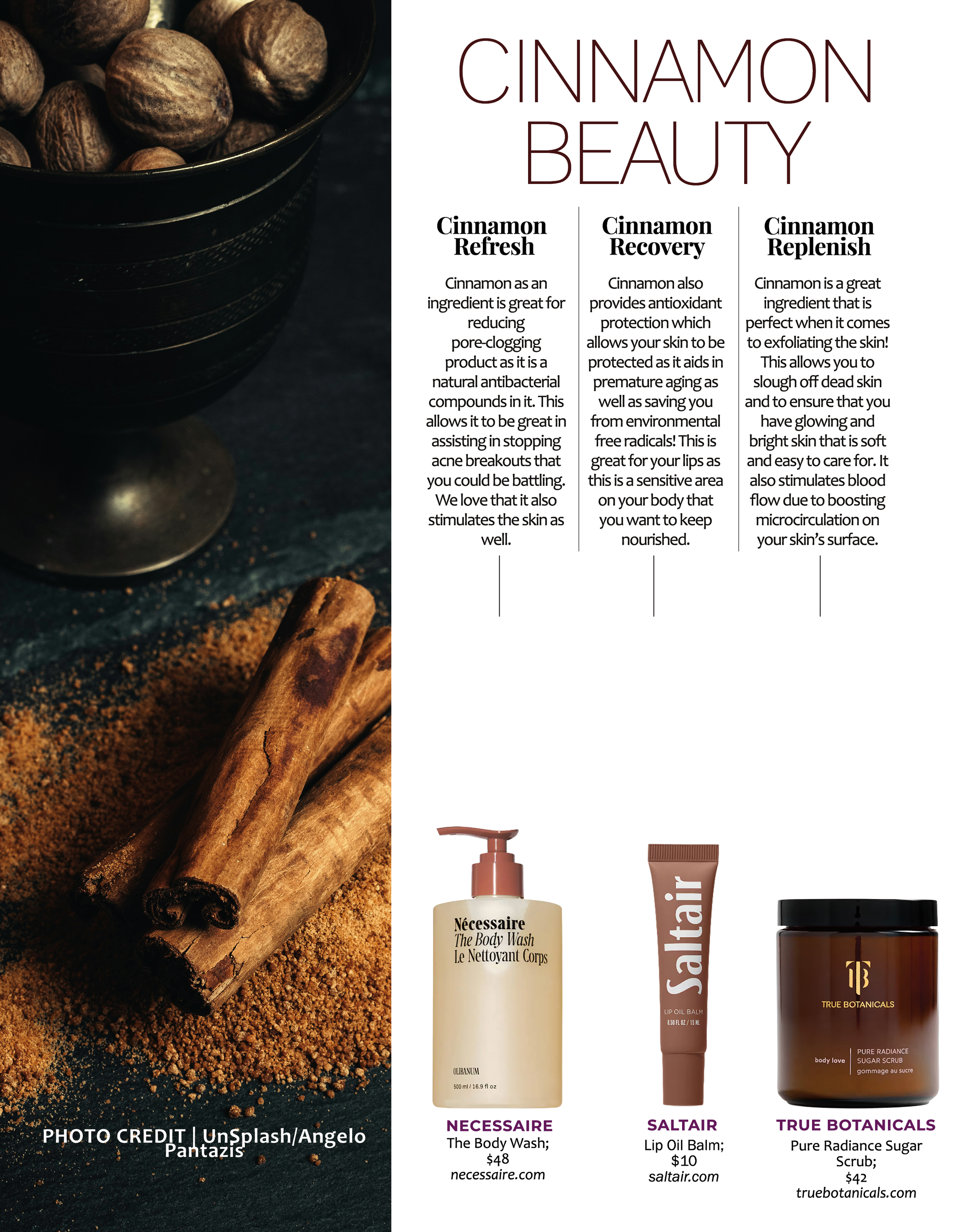
CINNAMON BEAUTY

September 1, 2026

Read the AUG ISSUE #128 of Athleisure Mag and see Cinnamon Beauty in mag.

The Latest
seandavidson_lore_15_EMBARGO_12.15_8AM_ET.jpg
September 16, 2026
WHAT YOU SHOULD KNOW ABOUT LORE BATHING CLUB
September 16, 2026
Read more →
September 16, 2026
TREATMENT RM 1.1.png
September 15, 2026
ATHLEISURE LIST | YUNARA LIFE
September 15, 2026
Read more →
September 15, 2026
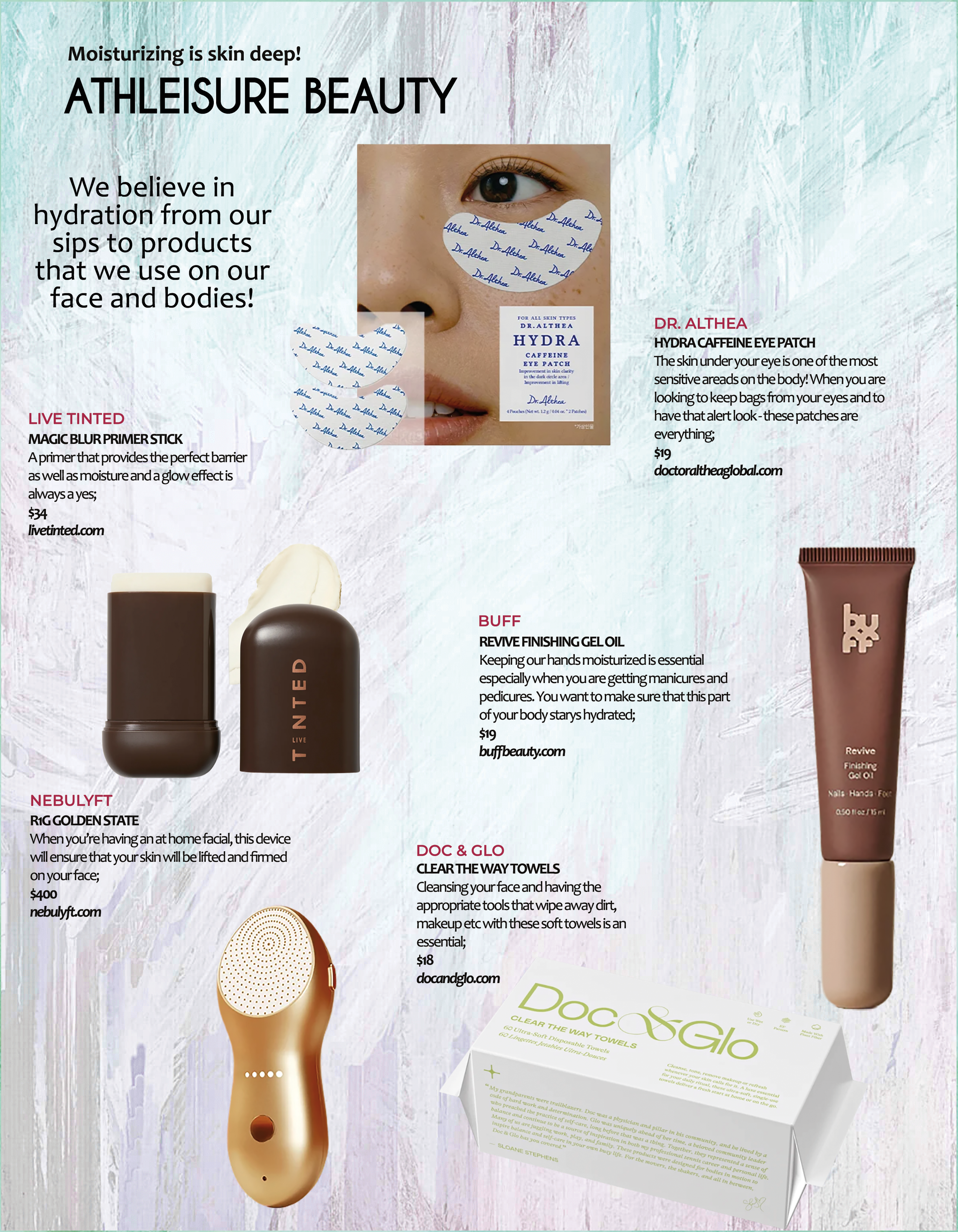
ATHLEISURE BEAUTY.png
September 3, 2026
ATHLEISURE BEAUTY
September 3, 2026
Read more →
September 3, 2026
In AM, Aug 2026, Beauty Tags Cinnamon Beauty, Beauty, Necessaire, Saltair, True Botanicals
Comment

PHOTO CREDIT | Unsplash/Samuele Errico Piccarini

HOW CAR ACCIDENT LAWYERS HANDLE DISPUTED FAULT AFTER A COLLISION

September 1, 2026

A fault dispute can affect every part of a collision claim, from medical payments to settlement value. Each driver may remember the event differently, while an insurer may favor an incomplete account. Skilled counsel tests those claims against photographs, traffic laws, vehicle damage, witness testimony, and medical records. The goal is to establish how the impact occurred, who contributed, and which losses warrant compensation.

Why Fault Becomes Disputed

Drivers often disagree about speed, lane position, traffic signals, or roadway visibility. Insurance adjusters compare those accounts with photographs, police records, repair estimates, and witness statements. A car accident lawyer in Vegas can arrange those details into a reliable timeline. That review may identify a prohibited turn, unsafe following distance, sudden lane change, distracted driving, or another action that contributed to the collision. Physical evidence can also expose flaws in an early statement.

Reviewing the Collision Scene

The initial review often focuses on photographs, traffic signs, lane markings, weather, lighting, and nearby structures. Damage patterns can show where vehicles met and how force moved through each body frame. Skid marks may indicate braking or an attempt to avoid impact. Debris fields can help establish the direction of travel. These details sometimes challenge the version given during an initial insurance interview.

Comparing Driver Statements

Counsel compares each account for timing, distance, speed, signal changes, and vehicle movement. Minor discrepancies may reflect stress, poor visibility, or fading memory. More significant conflicts can suggest that one account omitted important details. Lawyers may request recorded interviews, written explanations, or sworn deposition testimony. Statements become more persuasive when independent evidence corroborates their essential details.

Using Police Reports Carefully

A police report may contain citations, diagrams, witness names, and observations made at the scene. It can assist with early case review, but it does not automatically determine civil fault. Officers often arrive after vehicles have been moved or witnesses have left. A report also may reflect limited information gathered during a brief roadside investigation. Attorneys compare its conclusions with medical records, photographs, video, and testimony.

Gathering Independent Evidence

Witnesses may describe traffic movement, vehicle spacing, or a driver’s behavior moments before impact. Store cameras, doorbell systems, dashboard recordings, and roadway footage can provide a time-stamped sequence of events. Lawyers seek those materials promptly because many systems overwrite recordings within days. Phone records may also be important if texting or another form of distraction is suspected.

Assessing Shared Responsibility

Some crashes result from conduct by more than one person. One motorist may have been speeding, while another failed to yield during a turn. Counsel examines how each decision affected the collision and resulting injuries. A fault percentage may reduce the claimant’s share of compensation or bar recovery entirely, based on the governing state rules. The final allocation depends on credible evidence, legal standards, and the connection between each action and the resulting harm.

Working With Specialists

Technical questions may require accident reconstruction, orthopedic, neurological, or vocational testimony. A reconstruction professional can assess speed, reaction time, braking, impact angles, and vehicle positions. Medical specialists may explain how collision forces relate to fractures, soft-tissue injuries, or spinal symptoms. Vocational experts can address reduced earning capacity. Counsel uses expert input when ordinary testimony cannot answer an important disputed issue.

Preserving Electronic Records

Vehicles and phones may store information about speed, braking, steering, location, or communication activity. Attorneys may send preservation letters before relevant data becomes unavailable. They can also request delivery logs, workplace records, surveillance files, or platform information when legally permitted. Proper collection methods are essential for maintaining authenticity. A clear chain of custody helps demonstrate that the evidence has not been altered or taken out of context.

Negotiating With Clear Proof

A demand package explains the collision, identifies disputed facts, and connects each position to supporting records. Counsel may include photographs, diagrams, witness statements, medical documentation, wage information, and expert opinions. The strongest presentations follow the evidence in chronological order. An insurer is more likely to reconsider its position when the file shows both factual support and the financial consequences of continued disagreement.

The Latest
arthur-edelmans-A9UonVi-cwk-unsplash.jpg
August 27, 2026
NATURAL-FIBER ACTIVEWEAR THAT ACTUALLY PERFORMS, TESTED PIECE BY PIECE
August 27, 2026
Read more →
August 27, 2026
AM MAY ISSUE _125 GOV BALL PRE-COVERAGE 2026-1.png
June 19, 2026
GOV BALL 2026 PRE-COVERAGE
June 19, 2026
Read more →
June 19, 2026
AM APR ISSUE JUNE AMBROSE OS (1).png
May 27, 2026
THE STYLE ICON WITH JUNE AMBROSE
May 27, 2026
Read more →
May 27, 2026
In ATW
Comment

PHOTO CREDIT | Unsplash/Garmin B

WHAT TO EXPECT WHEN AN ATTORNEY REVIEWS A PERSONAL INJURY CASE

September 1, 2026

An attorney’s review of a personal injury claim is a focused examination of facts, medical records, insurance coverage, and potential fault. The meeting provides an injured person with a clearer sense of legal options without promising a particular result. Counsel looks for evidence that supports negligence, connects physical harm to the incident, and identifies financial losses. That early assessment can also reveal gaps in evidence and practical steps that may protect the claim.

The First Conversation

During the first meeting, the client usually explains how the incident occurred, which injuries they sustained, and what treatment has taken place. Speaking with a personal injury lawyer in Buffalo NY can help organize those details before memories fade or records become difficult to obtain. Counsel also asks about lost income, insurer contact, prior conditions, and witnesses. Complete answers give the legal team a reliable starting point.

Reviewing Accident Evidence

An attorney reviews every available record connected to the event. Photographs may show vehicle damage, unsafe flooring, visible wounds, or changing conditions at an accident site. Police reports, surveillance footage, witness accounts, employment records, and maintenance logs can add further support. In road accidents, lighting, weather, traffic signals, and pavement conditions may affect fault. Missing evidence often signals a need for prompt investigation.

Assessing Medical Harm

Medical documentation helps establish the nature, severity, and duration of an injury. Counsel examines diagnoses, imaging results, prescriptions, surgical recommendations, rehabilitation notes, and work restrictions. Current complaints are compared with earlier health records when an insurer alleges that the injury is related to a preexisting condition. Gaps in treatment may raise questions about recovery, whereas consistent care can clarify ongoing symptoms, permanent impairment, or future medical needs.

Determining Legal Responsibility

A claim requires evidence that another party owed a duty, breached that obligation, and caused measurable harm. In a collision, potential defendants may include a driver, employer, or vehicle owner. A premises liability case may involve a property owner or manager. Construction incidents can raise questions involving contractors, equipment providers, or site supervisors. Counsel identifies every possible defendant before selecting a legal strategy.

Fault Requires Evidence

The connection between careless conduct and bodily harm must be supported by evidence. Medical opinions, timing, photographs, witness testimony, and incident reports can strengthen that link. Insurers may argue that symptoms came from another source or that the claimant was partially responsible for the event. Counsel examines those defenses early and gathers records or expert testimony needed to address them.

Calculating Possible Compensation

Potential compensation may include emergency care, hospital treatment, medication, rehabilitation, lost wages, reduced earning capacity, and property damage. A serious injury can also affect sleep, mobility, family responsibilities, and daily independence. Those consequences may support damages for pain, emotional distress, disfigurement, or diminished enjoyment of life. Any estimate can change as doctors clarify prognosis and future care requirements.

Checking Deadlines and Insurance

The applicable filing period depends on the type of claim and the parties involved. Claims against a municipality or public agency may require an early notice, followed by a shorter litigation deadline. Insurance policies also contain reporting rules, exclusions, and coverage limits. During the review, counsel checks those provisions and cautions the client against providing recorded statements or accepting quick settlements that could limit recovery.

Discussing the Legal Process

The attorney explains likely next steps, which may include obtaining records, preserving evidence, notifying insurers, negotiating a settlement, filing a lawsuit, taking depositions, or preparing for trial. Many cases resolve through negotiations, but some require courtroom proceedings because liability or damages remain disputed. Clients should receive a candid assessment of strengths, weaknesses, expected delays, legal fees, and decisions they control.

Questions Clients Should Ask

A client should ask how counsel assesses fault, which records appear missing, and what deadlines apply. Clear questions about communication, fees, case expenses, settlement authority, and expected milestones can prevent confusion. Injured individuals should disclose unfavorable facts as well as helpful ones. Being honest allows the attorney to address weaknesses before an insurer or opposing party discovers them first.

Conclusion

An attorney’s personal injury review provides a disciplined assessment of liability, medical harm, financial loss, insurance coverage, and procedural deadlines. It does not guarantee compensation, but it can provide claimants with a practical course of action. Before the meeting, an injured individual should gather medical records, bills, wage information, photographs, messages, and insurance documents. Prompt legal guidance may preserve evidence and prevent errors during recovery.

The Latest
arthur-edelmans-A9UonVi-cwk-unsplash.jpg
August 27, 2026
NATURAL-FIBER ACTIVEWEAR THAT ACTUALLY PERFORMS, TESTED PIECE BY PIECE
August 27, 2026
Read more →
August 27, 2026
AM MAY ISSUE _125 GOV BALL PRE-COVERAGE 2026-1.png
June 19, 2026
GOV BALL 2026 PRE-COVERAGE
June 19, 2026
Read more →
June 19, 2026
AM APR ISSUE JUNE AMBROSE OS (1).png
May 27, 2026
THE STYLE ICON WITH JUNE AMBROSE
May 27, 2026
Read more →
May 27, 2026
In ATW
Comment

PHOTO CREDIT | Unsplash/𝗔𝗹𝗲𝘅 𝘙𝘢𝘪𝘯𝘦𝘳

WHAT TO DO AFTER A CAR ACCIDENT THAT CAUSES LASTING HARM

September 1, 2026

Providence is a compact New England city where busy downtown streets, neighborhood corridors, highway connections, and changing traffic conditions place drivers in close contact every day. A crash here can leave consequences that extend far beyond vehicle damage, particularly when an injury affects mobility, work, or the ability to manage ordinary responsibilities. Serious harm may require months of medical care, rehabilitation, or changes to daily routines, while the financial effects can continue long after the collision itself. 

For someone facing that kind of uncertainty, the first days after an accident can shape both recovery and any future injury claim. Medical records, photographs, witness information, employment documents, and details about ongoing limitations can become important as the injury's full impact develops. Speaking with a Providence car accident lawyer may also help an injured person understand how to protect evidence, deal with insurers, and evaluate long-term losses. Careful decisions early on can provide a stronger foundation for addressing the legal and practical consequences that follow.

Get Emergency Care First

Emergency treatment remains the priority after a crash. Doctors can identify conditions that may not produce immediate symptoms, including internal bleeding, concussion, ligament damage, or spinal trauma. Delayed care can complicate recovery and make the injury’s progression harder to document. Take follow-up visits, prescribed therapy, and medication instructions seriously. New pain, weakness, numbness, confusion, or breathing difficulty requires prompt medical attention.

Report the Collision

A police report creates an initial record of the crash. Drivers should provide accurate information without speculating about speed, fault, or injury severity. Officers may document vehicle positions, road conditions, visible damage, witness accounts, and traffic controls. People seeking individualized guidance may contact a car accident lawyer after receiving medical care. Legal advice can clarify reporting duties, evidence preservation, claim deadlines, and how to communicate with insurers. No one should feel pressured to make a final decision during the first days after an accident.

Preserve Important Evidence

Physical proof can disappear soon after a collision. Vehicles may undergo repairs, nearby cameras can overwrite recordings, and witnesses may forget important details. Photographs should show vehicle damage, roadway conditions, debris, lighting, signs, and visible injuries. Keep medical records, receipts, wage statements, repair invoices, and insurer correspondence in one secure file. A dated symptom journal can also describe pain levels, sleep disruption, movement limits, and the assistance you need at home.

Seek Legal Guidance Early

A lasting injury claim may include hospital care, rehabilitation, medication, lost wages, reduced earning ability, and future treatment. Insurance representatives often request statements before the full medical picture becomes clear. An early consultation can identify beneficial records, potential responsible parties, and the applicable filing period. Professional review also helps an injured person assess whether an offer reflects actual losses or leaves significant needs uncovered.

Avoid Quick Settlement Offers

An early settlement can appear helpful when medical bills and household expenses accumulate. Yet serious injuries may require surgery, extended therapy, mobility equipment, or workplace changes. Signing a release usually ends the claim for related harm, including complications discovered later. Before accepting payment, the injured person should review the prognosis, expected care, financial records, and legal consequences. A rushed agreement may provide short-term relief while leaving substantial costs unpaid.

Track Financial Losses

The financial impact of a crash extends beyond emergency-room charges. Records should include prescriptions, transportation, home-care services, medical devices, therapy fees, and missed work. Employers can verify reduced hours, leave periods, and lost wages. When an injury affects future employment, vocational and financial assessments may estimate diminished earning capacity. Household members should record unpaid help with bathing, cooking, childcare, cleaning, errands, and other routine tasks.

Address Emotional Effects

Physical wounds do not measure every consequence of a collision. Anxiety, depressed mood, nightmares, irritability, driving fears, and poor concentration may interfere with employment or relationships. Counseling or psychiatric care should begin when symptoms persist or disrupt daily function. Treatment records can show when distress began, how symptoms changed, and which therapies proved impactful. Relatives may also describe changes in sleep, withdrawal, or difficulty managing everyday responsibilities.

Follow the Treatment Plan

Missed appointments can raise questions about recovery, even when transportation, cost, or scheduling caused the interruption. Patients should tell providers about access problems, medication reactions, worsening symptoms, and barriers to therapy. Written messages can explain unavoidable gaps. Consistent care supports physical recovery and creates a clearer record of continuing impairment.

Know the Filing Deadline

Every injury claim has a legal time limit, and the applicable rule depends on the parties and circumstances involved. Different periods may govern claims involving public vehicles, defective parts, uninsured motorists, or fatal injuries. Waiting until treatment ends can create unnecessary risk. A timely consultation can identify the controlling deadline, required notices, and steps needed to preserve a valid claim.

Prepare for Long-Term Recovery

Permanent limitations may require changes at home, work, or school. Doctors can describe mobility restrictions, lifting limits, cognitive symptoms, and expected future care. Occupational specialists may recommend accessible equipment, modified duties, or transportation support. Family members should document unpaid assistance. These details show how the collision affects independence, earning power, household roles, and participation in ordinary activities.

Conclusion

A collision that causes lasting harm demands more than immediate repairs and an insurance report. Medical care establishes the foundation for recovery, while photographs and records preserve the facts. Financial documents, symptom notes, treatment evaluations, and family observations help show the injury’s full impact. Injured people should avoid rushed statements and releases until their needs are clearer. Timely professional guidance can protect legal options and support a fair assessment of long-term losses.

The Latest
arthur-edelmans-A9UonVi-cwk-unsplash.jpg
August 27, 2026
NATURAL-FIBER ACTIVEWEAR THAT ACTUALLY PERFORMS, TESTED PIECE BY PIECE
August 27, 2026
Read more →
August 27, 2026
AM MAY ISSUE _125 GOV BALL PRE-COVERAGE 2026-1.png
June 19, 2026
GOV BALL 2026 PRE-COVERAGE
June 19, 2026
Read more →
June 19, 2026
AM APR ISSUE JUNE AMBROSE OS (1).png
May 27, 2026
THE STYLE ICON WITH JUNE AMBROSE
May 27, 2026
Read more →
May 27, 2026
In ATW
Comment

PHOTO CREDIT | Unsplash/Roberto Nickson

WHAT TO CONSIDER WHEN A CAR ACCIDENT LEADS TO SERIOUS INJURIES

September 1, 2026

Cleveland, Ohio, is a busy urban center where daily travel depends heavily on major roads, neighborhood streets, and connections across Cuyahoga County. When a serious crash occurs, the consequences can extend far beyond vehicle damage, especially when injuries disrupt a person’s ability to work, care for family members, or manage ordinary routines. In these cases, decisions made during the first days and weeks can influence both recovery and a potential injury claim. Medical evaluations may reveal conditions that require extended treatment, while lost income and changing household needs can create financial pressure before the full impact is clear. 

Keeping documentation, understanding insurance requests, and considering future medical or employment limitations can become just as important as addressing immediate concerns. Speaking with a car accident lawyer in Cleveland may help injured individuals understand how Ohio law applies to their circumstances and what evidence could support their claim. Careful planning can also help families prepare for expenses and limitations that may continue well beyond the initial recovery period.

Early Medical Response

Emergency evaluation remains important after a forceful impact, even if pain seems manageable. Adrenaline can mask symptoms, while certain brain, spinal, and internal injuries worsen gradually. Doctors should receive a complete account of discomfort, dizziness, numbness, confusion, and breathing changes. Victims should record every appointment, prescription, diagnostic test, and therapy session. Gaps in care can give an insurer grounds to question whether an injury remains serious.

Legal Support

A major crash may create disputes involving fault, medical treatment, missed income, and future care. An experienced car accident lawyer can examine the collision, explain available legal options, and help prevent avoidable errors during the claim. Counsel may also organize medical files, communicate with insurance representatives, calculate economic losses, and identify evidence that supports the injured person’s account.

Preserve Evidence

Physical evidence can disappear within days. Photographs should capture damaged vehicles, roadway defects, traffic signals, weather conditions, visible wounds, and nearby property damage. Witness names and contact information may confirm how the crash unfolded. Police reports, medical charts, wage records, repair estimates, mobile phone data, and business surveillance footage can add beneficial detail. Request the preservation of video before routine deletion occurs.

Follow Treatment Plans

Recovery may require surgery, physical rehabilitation, occupational therapy, psychological counseling, medication, or mobility equipment. Each recommendation can affect daily function and future spending. Patients should describe symptoms accurately, attend scheduled visits, and follow restrictions issued by medical providers. When doctors offer different opinions, another qualified assessment may clarify the diagnosis, treatment risks, and likely recovery period.

Measure Financial Harm

The financial impact of a serious crash extends beyond the first emergency bill. Expenses may include ambulance transport, imaging, surgery, rehabilitation, medication, home modifications, personal assistance, and travel to appointments. Missed paychecks are only one part of lost earning capacity. A lasting disability may reduce overtime, career advancement, retirement contributions, and the household services a person once performed.

Handle Insurance Carefully

Claims representatives may request recorded interviews, broad medical releases, employment records, or a rapid settlement. Review these requests before responding. A brief comment about feeling better can later get presented as proof of full recovery. Early payment might cover current invoices while leaving future surgery, ongoing therapy, permanent restrictions, and diminished earnings unaddressed.

Assess Shared Fault

Ohio follows comparative fault principles, meaning compensation may decrease when an injured person contributed to the collision. Disputes can involve speed, lane position, stopping distance, visibility, distraction, or roadway design. Investigators may compare statements, photographs, vehicle deformation, traffic data, and expert reconstruction. A precise account of each driver’s conduct can affect both settlement value and courtroom strategy.

Watch Important Deadlines

Filing deadlines can limit the time available to pursue a lawsuit. The applicable period may change based on the injury, defendant, government involvement, or insurance circumstances. Waiting for a final medical outcome can create danger if the filing window is closing. Early legal review gives counsel time to gather proof, investigate responsibility, negotiate with carriers, and prepare court documents when necessary.

Consider Long-Term Needs

Severe injuries may affect walking, balance, memory, concentration, sleep, emotional regulation, and self-care. A complete claim should include future procedures, therapy, workplace changes, household help, accessible transportation, and reduced enjoyment of ordinary activities. Relatives who provide unpaid assistance may also experience lost income or added responsibilities. Medical projections and financial analysis can show how current limitations may continue.

Protect Personal Records

A dedicated claim file can reduce confusion during recovery. Beneficial materials include invoices, pay statements, appointment summaries, prescriptions, travel receipts, photographs, text messages, and correspondence with insurers. A daily journal may document pain, sleep disruption, medication effects, missed activities, and changes in household duties. Consistent records help attorneys and physicians compare symptoms over time and identify changes that require attention.

Conclusion

A serious injury after a vehicle collision requires careful attention beyond an initial insurance report. Prompt treatment, preserved evidence, organized financial records, fault analysis, and deadline awareness can shape a claim's outcome. Injured people should avoid rushed statements or agreements before the full medical picture becomes clear. Thoughtful preparation helps families address continuing care, lost income, permanent limitations, and the practical demands of rebuilding daily life.

The Latest
arthur-edelmans-A9UonVi-cwk-unsplash.jpg
August 27, 2026
NATURAL-FIBER ACTIVEWEAR THAT ACTUALLY PERFORMS, TESTED PIECE BY PIECE
August 27, 2026
Read more →
August 27, 2026
AM MAY ISSUE _125 GOV BALL PRE-COVERAGE 2026-1.png
June 19, 2026
GOV BALL 2026 PRE-COVERAGE
June 19, 2026
Read more →
June 19, 2026
AM APR ISSUE JUNE AMBROSE OS (1).png
May 27, 2026
THE STYLE ICON WITH JUNE AMBROSE
May 27, 2026
Read more →
May 27, 2026
In ATW
Comment

PHOTO CREDIT | Unsplash/Benjamin Klaver

PICKING A NEW WORKOUT PLATFORM IS HARDER THAN IT LOOKS

September 1, 2026

The number of places you can stream a workout has grown fast enough to feel overwhelming. That's genuinely good news for home exercisers, but it creates a specific problem: when a platform you've been using starts to slip — content goes stale, the app gets buggy, pricing shifts — you're suddenly in the market for a replacement without much of a framework for evaluating what you're looking at. Pick the wrong one and you lose money on a subscription you won't use, and you lose training momentum while you're sorting it out.

Evaluating Platforms Is a Skill That Travels

The Lustmatch editorial team covers the online-content platform landscape closely enough to notice a consistent pattern: users don't stay loyal to a service once it stops working for them. They leave quietly, and they start looking. That behavior shows up across digital categories. When a service stops meeting expectations, part of the audience starts weighing a different Vidizzy alternative that better matches what they were originally after. The logic is identical in fitness streaming. Streaming technology has removed geography as a barrier to professional-quality instruction, which means the pool of options is wide — but wide options also mean that inertia is the only thing keeping most people on a platform that no longer serves them. The tradeoff between free, ad-supported access and paid, curated content is real, and different people land in different places on it. What matters is knowing which side of that tradeoff you actually prefer, so you can evaluate substitutes on honest terms rather than just picking whatever appears first.

Library Depth and Specialization Come First

Not all fitness platforms are built the same way, and that's not a marketing distinction — it's a structural one. Many platforms are organized around specific disciplines: yoga, Pilates, HIIT, strength training, mobility work. A platform built around one or two of those will almost always have better depth, more varied progressions, and stronger instructor selection within that lane than a generalist library trying to cover everything adequately. If your training is centered on one discipline, a specialist platform is likely the better fit even if it looks narrower on paper.

Instructor quality deserves its own consideration here. Credentials, teaching style, and verbal cueing vary widely across platforms, and those differences have direct consequences. Poor cueing affects movement safety. A teaching style that doesn't match how you learn will erode your motivation before any content gap does. Before committing to a platform, spend enough time in a few classes to assess whether the instruction actually works for you, not just whether the video looks good.

What Gets Between You and the Workout

Content quality is only part of the equation. Delivery matters just as much, because a technically strong session becomes useless the moment it's interrupted. Buffering, resolution drops, and app crashes don't just frustrate — they break your pacing and can throw off interval timing or flow-based sequences in ways that undercut the session entirely. A platform with a deep library and unreliable performance is a poor trade.

Device compatibility is another concrete differentiator. Platforms vary significantly in how well they support different screens — smartphone, tablet, laptop, smart TV — and the gap between nominal support and actual usability can be wide. If you train in more than one location or switch between devices, test each of your usual setups during a trial rather than assuming the experience will be consistent.

Offline access is worth treating as a baseline requirement rather than a bonus feature. The ability to download sessions in advance makes training practical during travel or in places with unreliable connections. If a platform doesn't offer it, that's a genuine constraint, not a minor omission.

Trials, Tracking, and Honest Reviews

Free trial periods are standard in fitness streaming, and the instinct is usually to browse during them. A more useful approach is to treat a trial as a structured test with criteria you've set in advance. Decide before you start what you need the platform to do: specific content types, certain instructors, offline access, a particular device. Then check those against what you actually find, rather than being swayed by content you didn't plan to use.

Progress-tracking dashboards and workout logs are worth assessing during a trial too. They're not just convenience features — how a platform handles tracking signals something about its design philosophy. A well-built log helps you spot consistency gaps and training imbalances before they become setbacks. A platform that treats tracking as an afterthought likely treats other user-experience details the same way.

Before the trial even starts, check independent community forums and user reviews. Official feature pages describe what a platform intends to offer. Forums describe what it actually delivers — including content gaps, navigation problems, and app instability that marketing materials won't mention. That gap between intent and delivery is exactly what you're trying to measure.

The right platform for your training is the one that gets out of the way and lets you work. Not the one with the most features. Define your non-negotiables before you start any trial, and the trial becomes a pass/fail test instead of an open-ended browse. That clarity is what makes switching worthwhile rather than just disruptive.

The Latest
image001 (1).png
September 12, 2026
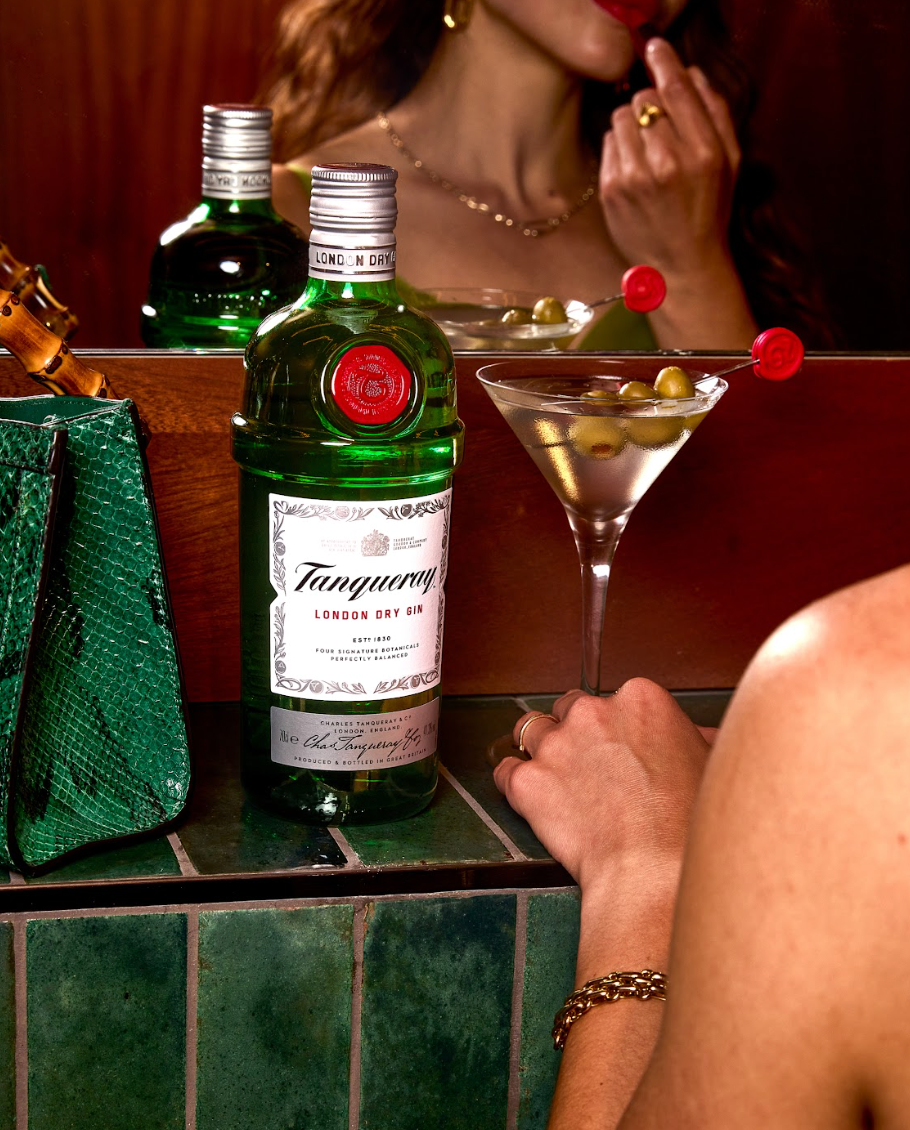
NYFW COACH SS27 + TANQUERAY GIN
September 12, 2026
Read more →
September 12, 2026
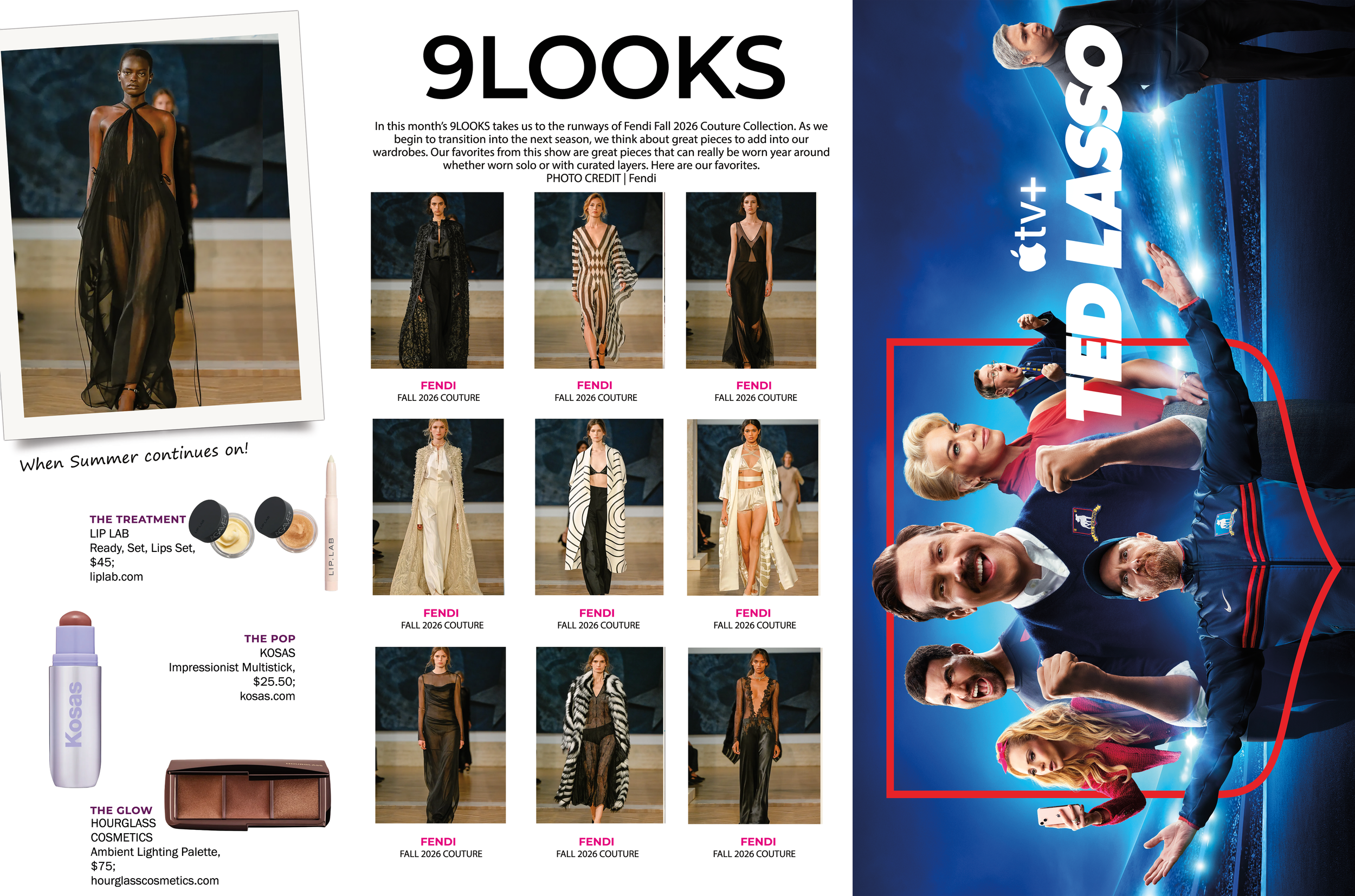
9LOOKS.png
September 8, 2026
9LOOKS | FENDI FALL 2026
September 8, 2026
Read more →
September 8, 2026
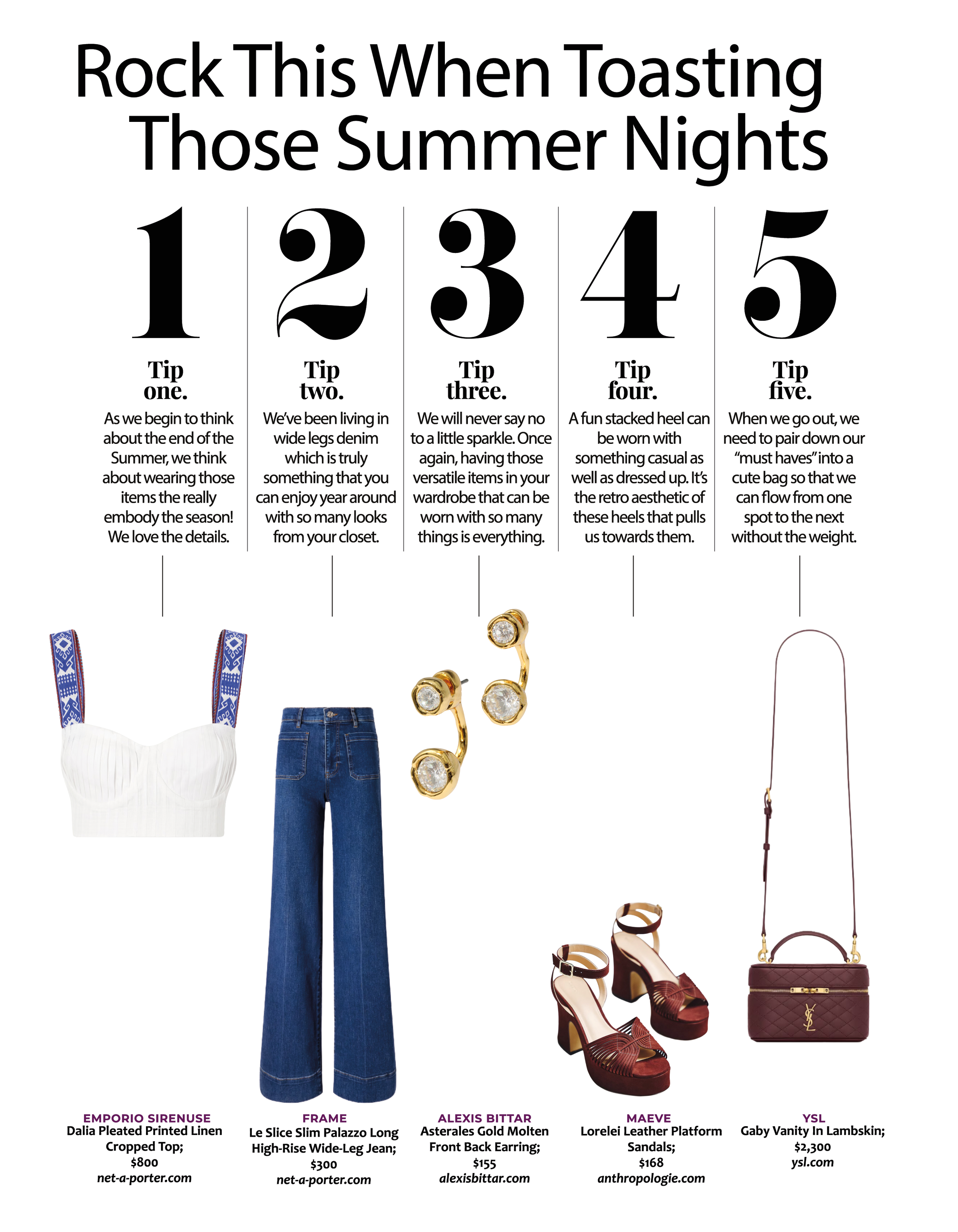
ROCK THIS WHEN.png
September 6, 2026
ROCK THIS WHEN TOASTING THOSE SUMMER NIGHTS
September 6, 2026
Read more →
September 6, 2026
In ATW
Comment

PHOTO CREDIT | Unsplash/Savannah Wakefield

ASSESSING WHETHER A MEDICAL PROVIDER WAS NEGLIGENT DURING CARE

September 1, 2026

A serious complication can leave patients and families questioning whether treatment met accepted medical standards. An unfavorable result alone does not establish negligence. A viable claim generally requires proof of professional duty, substandard conduct, and injury caused by that conduct. Clinical notes, testing results, witness accounts, and expert review may clarify what occurred. Careful evaluation helps separate an unavoidable complication from harm linked to a preventable clinical error.

The First Question Is Duty

Every patient relationship begins with a professional obligation. Doctors, nurses, hospitals, pharmacists, technicians, and other providers must deliver care consistent with accepted practice. Patients seeking help from a Scranton medical malpractice lawyer may need a detailed review of treatment decisions, communication, and resulting harm. That review considers whether the provider recognized known risks, responded to warning signs, and followed reasonable procedures under comparable circumstances.

Compare Care With Professional Standards

Negligence is measured against professional conduct, not personal expectations. The central question asks what a reasonably qualified provider would have done under similar conditions. Clinical guidelines, facility policies, published research, and expert testimony may inform that comparison. A different decision does not automatically indicate fault, since several treatment choices may meet accepted standards for the same diagnosis.

Examine the Treatment Timeline

Chronology often exposes missed opportunities. A review should record symptoms, appointments, test orders, results, referrals, prescriptions, procedures, and follow-up calls. Delayed action may matter if warning signs were documented, but no further assessment occurred. A dated sequence can show whether deterioration began before treatment, followed an intervention, or resulted from an extended gap in care.

Look for Common Warning Signs

It’s critical to take note of the following to understand if negligence during care occurred:

Diagnostic Failures

Missed or delayed diagnoses can allow disease to progress without appropriate treatment. Concerning facts may include persistent symptoms, abnormal laboratory findings, imaging changes, repeated patient complaints, or failure to arrange a referral. The central issue is whether a competent provider would have investigated those findings sooner and whether earlier intervention probably would have changed the outcome.

Procedure-Related Errors

Surgical errors may involve wrong-site surgery, retained materials, avoidable organ damage, inadequate monitoring, or poor infection control. Medication mistakes can include incorrect amounts, dangerous combinations, overlooked allergies, or incomplete discharge instructions. Complications can still occur even with proper treatment, so each event should be compared with the precautions and responses expected from a qualified clinical team.

Review the Medical Records

A complete file may reveal details omitted from a discharge summary. Relevant materials include physician notes, nursing entries, laboratory reports, imaging, medication administration logs, consent forms, operative reports, and referral correspondence. Patients or authorized representatives should request copies promptly. Missing pages, conflicting timestamps, altered entries, or unexplained changes may warrant closer examination.

Consider Independent Medical Opinions

A second opinion can help determine whether the disputed care was reasonable. The reviewing physician should have no connection to the provider involved in treatment. An independent assessment may identify an overlooked diagnosis, unnecessary procedure, delayed referral, or missed treatment opportunity. Expert analysis can also distinguish a troubling event from evidence that supports a legal claim.

Document the Resulting Harm

Potential losses may include additional treatment, rehabilitation, prescription costs, lost earnings, disability, persistent pain, emotional distress, or reduced daily functioning. Supporting materials should show how the injury affected work, mobility, self-care, family duties, and ordinary activities. Bills, employment records, therapy notes, medication lists, and personal accounts can provide useful evidence.

Check Filing Deadlines

Medical negligence claims often involve strict filing periods. The applicable deadline may depend on the injury date, discovery date, provider status, minority, or other circumstances. Pennsylvania law includes timing rules that can affect a patient’s rights. Early review matters because delay may complicate record collection, witness interviews, expert analysis, and preservation of important evidence.

Identify Other Responsible Parties

Liability may involve more than one clinician. A hospital, outpatient facility, pharmacy, laboratory, nursing home, staffing company, or device manufacturer could share responsibility, depending on the facts. Each organization may maintain separate files and assert different defenses. The review should track every handoff, instruction, medication, test result, and decision connected with the patient’s treatment.

Avoid Making Premature Statements

Hospitals, insurers, and claims representatives may seek statements soon after an injury. Patients should preserve documents and avoid signing broad releases or accepting payments before obtaining qualified advice. Early accounts can overlook medication names, symptom changes, or important conversations. A careful record of events helps keep later discussions accurate and consistent.

Conclusion

Evaluating medical negligence requires a fact-based review, rather than a reaction to an unexpected result. Strong claims usually involve a professional duty, a departure from an accepted standard of care, a credible causal link, and documented losses. Patients and families can begin by preserving files, creating a dated treatment history, obtaining an independent opinion, and checking applicable deadlines. A qualified legal assessment can then determine whether the evidence supports further action.

The Latest
seandavidson_lore_15_EMBARGO_12.15_8AM_ET.jpg
September 16, 2026
WHAT YOU SHOULD KNOW ABOUT LORE BATHING CLUB
September 16, 2026
Read more →
September 16, 2026
TREATMENT RM 1.1.png
September 15, 2026
ATHLEISURE LIST | YUNARA LIFE
September 15, 2026
Read more →
September 15, 2026
AM JUL ISSUE _127 COVERING THE BASES Brayan Rocchio-1.png
August 26, 2026
COVERING THE BASES | BRAYAN ROCCHIO
August 26, 2026
Read more →
August 26, 2026
In ATW
Comment

PHOTO CREDIT | Exparel

ATHLEISURE MAG AUG ISSUE #128 | PAUL GEORGE

August 31, 2026

In this month’s issue, our front and back cover story is with 9X NBA All-Star, 6X Member of the All-NBA Team and 4X member of the NBA All Defensive Team - Paul George. This season, he joins the Boston Celtics. We sat down with him to talk about his love for the game, how he stays in shape, and how he overcomes injuries through rehab and recovery.

We kicked off the US Open 2026 season which runs from Aug 23rd - Sep 6th. We give you a bit of sights and sounds on a number of amazing global tennis talents that we will see throughout the next few weeks.

We caught up with Nicholas Pinnock who plays Kingsley Marshall in STARZ’s Fightland! We talk with him about how he connects to his creators, his creative process, and why he wanted to be in this powerful show!

We attended the 2nd to the last LIV Golf tournament here in NY where we saw our cover from earlier this year, Dustin Johnson of 4Aces, as well as a host of other top golfers from Jon Rahm, Bubba Watson and so much more!

Our Staycation in August took place at the Hotel Seville NoMad which allowed us to be in the heart of the city while feeling European vibes throughout our stay. We share more about this hotel that just completed rennovations on this Unbound Collection Hyatt property.

Rockstar Energy Open held its 3rd Annual skateboarding festival with top skateboarders around the world competing! In addition, this year they had a number of bands that performed to keep the good vibes going!

We sat down with Lakey Peterson as she is in the middle of her WSL Tournament season to find out about the love of this sport, how she trains, recovers, and hydrates! We also talk about how she gives back by supporting and cleaning our oceans.

We made our way to Nike HQ in NYC to try out the brand’s latest sneaker, Hybrid RN. In addition we trained alongside Elite Nike and Hyrox athlete, Dylan Scott. He also sat with us to talk about this sport and how he got into it.

We took sometime to talk with Trish Dalton, filmmaker of Reggae Girlz which is a film about the Women’s Jamaican Football Team. We follow their journey from playing for their country to making their way to the FIFA World Cup. We also interviewed Cedella Marley who talked about her involvement with the women’s team, why she wanted to support them with her energy as well as financially via the Bob Marley Foundation, and more. We also talked with Den-Den Blackwood that plays for this team.

We connected with one of our favorite brands, Oleada whose Co-Founder and Creative Director, Tiffany Zhou talked with us about the line, her engineering process in making, it and what we can expect from the brand.

We sat down with Netflix’s One Piece actor, Inaki Godoy. In addition to being in this successful show, he has a passion for hot sauce. We talked with him on his recent partnership and role as C.H.I.P.

This month's Athleisure List comes from NY's Yunara Life, which is a wellness destination that ensures that we keep our bodies health at the forefront of our minds. We also made our way to TAP in NoMad where we enjoyed gluten-free Brazilian bites that are flavor forward and good for your body!

It is an honor that our enhanced 9PLAYLIST comes from Iconic So-Cal band, Red Hot Chili Peppers as they share 9PLAYLIST with us. Enneapus adds his 9PLAYLIST STORI3S vibes as he jams along on heavy repeat. Indeed it has fave gems for sure. This month’s THE 9LIST ROUTIN3S is from our NBA cover star, Paul George, Celebrity Event Planner maven Mindy Weiss, and WSL #8 ranked surfer Lakey Peterson.

Read the AUG ISSUE #128 of Athleisure Mag.

The Latest
AM AUG FC.png
August 31, 2026
ATHLEISURE MAG AUG ISSUE #128 | PAUL GEORGE
August 31, 2026
Read more →
August 31, 2026
AM JUL FC.png
August 3, 2026
ATHLEISURE MAG JUL ISSUE #127 | CHEF ANTONIA LOFASO
August 3, 2026
Read more →
August 3, 2026
AM JUN FC.png
June 30, 2026
ATHLEISURE MAG JUN ISSUE #126 | SƠN TÙNG M-TP
June 30, 2026
Read more →
June 30, 2026
In AM, Ath Mag Issues, Aug 2026, Editor Picks Tags Paul George, NBA, Lakey Peterson, Tiffany Zhou, Oleada, Dutin Johnson, LIV Golf, US Open, Tennis, Fightland, Jon Rahm, Nike HQ, Inaki Godoy
Comment

BEST FLORAL AND LUXURY OCCASION DRESS BRANDS IN 2026

August 31, 2026

Finding a dress for a milestone moment (a birthday, a graduation, an engagement party, a red-carpet event) usually means choosing between two frustrating extremes. Designer occasion wear can cost hundreds of dollars for a single wear, while budget options often sacrifice fit, fabric quality, or size range. For curvier women, the search can feel even more limited, since many collections are still designed around a narrow set of proportions and simply graded up rather than built for curves from the start.

The market for well-made, size-inclusive occasion dresses has grown considerably, though. Below, we outline what separates a well-made floral or occasion dress from a disappointing one, then compare six brands worth knowing in 2026.

What to Look for in a Floral or Occasion Dress

Not all floral dresses are created equal, even when they look similar in a product photo. A few factors matter most:

●       Fabric weight and drape: Lightweight, low-quality material tends to cling or wrinkle, while fabric with some structure holds its shape through a full night out.

●       Print placement: On a well-constructed dress, floral patterns are placed intentionally rather than printed on a bolt of fabric and cut without regard for fit – matched at seams, positioned to flatter the waist or bust.

●       Construction quality: Details like boning, lining, and finished seams affect comfort and longevity far more than the print itself.

●       True size range: A dress cut for a size 6 and simply scaled up to a size 18 rarely fits the same way. Genuine size inclusivity means patterns are adjusted for different proportions, not just resized.

How Brands Approach Size Inclusivity Differently

Size inclusivity in the dress market ranges widely in practice. Some retailers add a handful of extended sizes to an existing pattern late in the design process. Others build separate curve-specific patterns from the outset, accounting for how proportions (not just measurements) shift across a size range. This distinction is worth asking about directly, since it affects fit more than the size range printed on a label.

Our Top Picks for Floral and Occasion Dresses

#1. Ellaé Lisqué

Ellaé Lisqué designs and manufactures every piece in-house rather than relabeling wholesale stock, which gives the brand direct control over fit, fabric, and construction from concept to finished garment.

Key Features:

●       In-house design and manufacturing, with founder Maxie James's own production facility in Turkey overseeing quality and timelines

●       Patterns designed specifically for curvier proportions rather than resized from straight-size templates

●       Focus on milestone-event styles: birthdays, graduations, engagement parties, and red-carpet-style occasions

●       Founder-led brand with direct involvement in design and customer service

Best For:

Women seeking an occasion dress that looks and feels more expensive than its price point, particularly those who've struggled to find curve-specific fit elsewhere.

Standout Quality:

Because Ella Elisque owns its own manufacturing rather than outsourcing to third-party factories, the brand can adjust fit and quality standards directly rather than depending on a wholesaler's existing patterns — a structural advantage most direct-to-consumer dress brands don't have.

#2. Lulus

Lulus has built a large catalog of occasion and going-out dresses, including a substantial floral selection, aimed at budget-conscious shoppers who want a trend-forward look.

Key Features:

●       Extensive catalog updated frequently with new prints

●       Extended sizing on a portion of styles

●       Frequent sales and promotions

●       Fast shipping and established returns

Best For:

Shoppers who want variety and lower price points and are comfortable with some fit inconsistency across styles

#3. Eloquii

Eloquii has built its reputation around plus-size fashion, with a design team that works within extended size ranges from the outset rather than adapting a straight-size line.

Key Features:

●       Sizes typically ranging from 14 to 28

●       Fashion-forward, statement-driven designs

●       Regular limited collaborations

●       Strong community following among plus-size shoppers

Best For:

Shoppers in the plus-size range who want bold, trend-driven design over classic silhouettes

#4. Reformation

Reformation is known for sustainability-focused production and a romantic, floral-heavy aesthetic that has made it a go-to for warm-weather occasion wear.

Key Features:

●       Emphasis on sustainable, traceable fabric sourcing

●       Signature soft, feminine floral prints

●       Extended sizing on select styles

●       Higher average price point than most direct-to-consumer competitors

Best For:

Shoppers prioritizing sustainable production credentials who are willing to pay a premium for it

#5. ASOS Curve

ASOS Curve is the plus-size arm of ASOS's broader occasion-wear catalog, offering one of the widest ranges of style and price points in the category.

Key Features:

●       Sizing up to roughly a UK 30

●       Wide range of price tiers, from budget to premium in-house labels

●       Large seasonal selection of floral and printed dresses

●       Easy comparison shopping across many sub-brands in one checkout

Best For:

Shoppers who want to browse many styles and price points from curve-specific labels in one place

Choosing the Right Dress for Your Moment

The right floral or occasion dress comes down to matching fabric quality, print placement, and true-to-curve construction with the event you're dressing for. Brands that design directly for a range of body types, rather than scaling a single pattern up or down, tend to deliver a more consistent fit. Prioritizing construction quality and genuine size inclusivity over price alone is what separates a dress that photographs well from one that actually feels good to wear all night.

In ATW
Comment

IMMERSIVE CULINARY | CHEF ANTONIA LOFASO

August 29, 2026

We always enjoy catching up with our favorite chefs and this month’s cover star is Chef Antonia Lofasa who we first saw on S4 of Bravo’s Top Chef: Chicago and again on S8 of Top Chef: All-Stars. Since then, we have seen her on a number of competitions, culinary shows, at Food Network’s NYC Wine & Food Festival and more! This month, her show Kitchen Undercover launched on Food Network and has new episodes that drop on Tues. at 9pm! We caught up with her in Las Vegas for a remote photoshoot to talk about her passion for cooking, how she came to the industry, her 3 restaurants, her newly premiered show that she hosts, her love of golf, and upcoming shows!

ATHLEISURE MAG: What was the first dish that made you fall in love with food?

CHEF ANTONIA LOFASO: Oh God, that’s a hard question! You know, there were like different levels to it, if that makes sense. I have friends who, you know, said to me, when they found out that I was cooking, they were like well that makes all the sense in the world you know? It’s like you know those IG posts that are like, “you may not know that I won the lottery, but there will be signs?”

AM: Right.

CHEF AL: I was someone who you know came from a family who we always sat down at the table and we always had dinner together, we always had breakfast together, lunch was always kind of dictated by school or wherever we were. When I started going to friends’ houses, and a lot of times, their parents worked at night, or they came from a single-family home, and either their mom or dad wasn’t home because they were working. One of the very first, best friends that I had, she goes, “come over to my house for dinner.” So when I did, she reheated Hungry Man dinners in her oven, and then we ate, and I was like – ok, it is what it is. A lot of people and children live that way.

It was confusing to me because I came from a family where my mom made dinner every night. We sat together and we ate. I started taking that role with my friends. I would have their parents take us to the supermarket and buy things. One of the dishes that I would make all the time was a roasted chicken. It was the first thing that my grandmother showed me how to do. It was a staple and to this day, for the record, I make one of the greatest whole roasted chickens like on the planet!

AM: Oh wow!

CHEF AL: Anyone who’s ever been to my house and everyone who asks me what they want me to make – they will say your roasted chicken and I know it! Then the really wild part is when I went to the French Culinary Institute, we learned how to make a roasted chicken! I was like dude, I got this and it was really funny because one of my chef instructors said to me, “like oh my god you already know how to do this!” Then they gave me an entire dissertation about how in classic French cooking, it’s as if you’re not allowed to leave this level of cooking until you’ve mastered the whole roast chicken. Like Poulet Rôti Grand-Mère (Roast Chicken Grandmother-Style) is like one of the most classic French chicken dishes that you learn how to make. I had no idea that like from a classic French trained, you know, teacher, educator, student, it’s always the roast chicken. So that is, I think, my earliest memory of being like, oh, my God, this is what I want to do because every time I would go to a friend’s house, I was like, we’re making roast chicken. We’re making roast chicken and I would dance with the chicken and hold it up!

AM: Oh my God - love a good roast chicken and not everyone makes a good one.

How do you define your style of cooking?

CHEF AL: You know, I grew up in an American Italian family. I’m basically American Italian and Jewish. We ate mostly American Italian. I grew up in Long Island, New York, in a very, small community where, again, it was mostly American Italians. And so I didn’t really know much about, diversity of food until I moved to Los Angeles.

AM: Right.

CHEF AL: Then I had Mexican food for the first time! I mean, sure, you had Chinese restaurants in Long Island.

AM: Right.

CHEF AL: I was just someone who, you know, was very inquisitive about food. And through that, you know, of course everything just started building. Like, my restaurant Scopa is American Italian.

So I found myself being like, oh my God of course my go-to is Italian food because that’s the most comforting.

AM: Right.

CHEF AL: As I grew up, I went to a big public school in Los Angeles so the majority of people that I went to school with were all from Mexico or Mexican descent and we just ate a ton of Mexican food. I found myself cooking it and learning more about it. DAMA is a mixture of Mexican. I spent a good amount of time in Spain. My business partner, one of them was from Colombia.

My daughter is Jamaican. So my ex-in-law, you know, obviously I spent 10 years with them throughout Jamaica. So I learned about Caribbean food, not from books, but learning Caribbean food from Caribbean women and grandmothers! I remember the first time it was like a Christmas. Someone didn’t want to make the rice and peas and they’re like, “well Antonia can make it and I remember being like, I was no longer the white girl!”

AM: Exactly, having family that is Jamaican, Haitian, Dominican etc that is a high honor they gave you! Because those had to be right and they will tell you!

CHEF AL: I mean, I learned how to

make stewed peas, I learned how to

make curry, I know how to make jerk!

AM: Facts!

CHEF AL: So I think that my love of food came from really immersing myself just in different cultures in a very real way.

AM: Right.

CHEF AL: And so when people ask about my cooking style, I think they just automatically assume because of my name –

AM: Exactly.

CHEF AL: All I do is Italian food. And yes, I have an Italian restaurant, but if you look at Black Market, everything that I do there is a mixture of everything. The throughline is, you know, I grew up in Wolfgang Puck’s kitchen. So for me, it’s execution and organization and discipline that runs the show. My ability to have my own voice and my own true temperament with food come through with ingredients that I have a true understanding, love, and respect for you know?

I really don’t play with things that I don’t understand. I think I always end up like, you know, for lack of a better words, like fucking them up. I remember I did S8 of Top Chef: All-Stars and I got paired with Morimoto. Basically, the challenge was to create a last meal and this was something his mother made for him. Instead of just taking the ingredients that I know how to use, like I know how to use miso. I know how to use sushi rice because we used to use use it at Spago with Wolfgang. I know how to tempura things. Instead of using the items that he gave me and just create something of my own, I try to recreate an actual memory from his childhood, which no one can do no matter what culture it is.

AM: Yeah.

CHEF AL: I just really screwed up and so I’ve always kind of taken that lesson to heart which is when I understand an ingredient I can use them in my format instead of taking the ingredients and trying to make something that’s very traditional or very specific, unless I’ve spent a lot of time with people from that culture and I can really immerse myself in it like don’t even try because the heart part of things don’t transfer when you don’t have like a true understanding of what someone has experienced or cooked in that culture. Like you just can’t, you can’t recreate it.

AM: No. And I agree with that. When I first became aware of you as a chef was S4 Top Chef: Chicago. I mean, I’ve been watching Top Chef since the beginning.

CHEF AL: Amazing.

AM: So seeing you in that season and again in S8 for All-Stars. Every time I see you in these competition shows, you can see that you’re locked in and you know exactly how you are going to attack the designated task. What draws you to doing reality competition shows?

CHEF AL: You know, it’s funny because, you know, I started reality competition in 2007, right? This was back in the day when I was still working as a line cook at Spago. We got hazed if we even spoke about watching reality television to do with cooking.

AM: Oh, wow.

CHEF AL: It was like, we don’t talk about it in this kitchen. Real chefs don’t do those shows - keep your mouth shut.

AM: Wow!

CHEF AL: And so, it was almost like this dirty secret, that I liked watching it. Like, I would find myself with other, dirty people standing in the walkin being like, “oh, my God, did you see what happened last night?” Like, this is wild, right?

AM: Yeah.

CHEF LA: Think about this. The very first reality television competition in cooking was Iron Chef America that started in 2004. I went on Top Chef in 2007. So within the first 900 days of this ever being on television, I am now watching this thing unfold being like, oh my God. Right?

AM: That’s true.

CHEF AL: I really didn’t have like, I want to be on that show or I could be on that show. I was just petrified of the show and in awe of it. Right. And, and then also in this mindset of being like, oh my God, I could never do a show like that because if I, I worked at, well, I worked at Spago. Yeah. And if I wanted to continue down this, this line of like real chef, true chef, I won’t, I don’t do stuff like that.

AM: Yeah.

CHEF AL: Right. Yeah. And then, I ended up, you know, and this was obviously season one. So I ended up leaving and it’s 3 years later and I’m now working for SBE, which is definitely a little bit more. I mean, if you’re in LA or if anyone knows SBE, they have, you know, some of the biggest like nightclub, blah, blah, blah. And so I found myself being a little, obviously less rigid with myself. I was actually working for Eddie Murphy at the time. I was doing his personal chefing. I was like, I was in a Gelson’s and I walked by Rachel Ray on a Triscuit box. I was like, you know what? If Rachael Ray could be on a Triscuit box, I don’t know why I’m thinking so small. I could do something like that.

At the time I worked for SBE and I was promised the shot at opening their supper club, which was still going to be a bar and a lounge and a nightclub, but I would have the opportunity to build out a 9 item menu for their little lounge. I got really excited by the idea of my first ability to build out a small menu. SBE’s marketing team was like, “by the way, Top Chef is interested.” Basically the producers of Top Chef reached out to large restaurant marketing teams. They were always looking for women because there was like five of us.

AM: Especially at that time.

CHEF AL: Not in those years.

AM: Right.

CHEF AL: I basically was like ok, that’s crazy. I’ll interview. But then I also was like, you know, this was also during the beginning era of American Idol. I was like, wait a second. Do I have to wait in those big lines? They were like, no, it’s just gonna be an interview. And I went in and I did the interview just to like be like, ok, like, fuck it. Like, let’s see what happens.

AM: Yeah.

CHEF AL: I remember my dad telling me that I just got this really big opportunity with SBE to write this menu - just keep your head on the ground and to stay focused on it. He wondered about the chances of me really getting on a show like that – was it really worth it? I love my father to death and he’s my biggest fan on the planet but he’s very practical. He’s the parent that was more practical and my mom was like unicorns and rainbows you have to be a famous person and I was like wait, what? My dad’s like, work hard and everything you get will be through hard work. And so that’s really how reality television started for me. It wasn’t like, oh, my God, I can’t wait to do this. It was like, holy shit, should I do this? This seems hard and weird. I told my dad that I went in for the interview. Like, you know, there’s so many people that are, you know, that go out for this. And, you know, the chances of it happening are slim to none. Little did I know, I was checking all the boxes, like Wolfgang Puck, woman, mother.

AM: Yeah.

CHEF AL: I mean, they’re like, oh, great. We’ve got our woman. Check. We’ve got our woman who has a strong cooking background. Check. And she gave birth.

AM: Yeah.

CHEF AL: There’s only 5 of those unicorns in 2007 that have done all those things. Who, by the way, is not 50 years old - I was 27/28. So that’s really how it started. It wasn’t like the longing or the desire really, or that it kind of like landed in my lap. It was the beginning of it. Nobody knew where it was going. There was Iron Chef and then there was Top Chef. That’s all the competitions that there were. You know, it wasn’t the 9,000, you know, and then the rotation of the same chefs that are being rotated through the 7,000 competitions that we have now you know? And so that’s really how it started.

AM: It’s different times! Since then, we’ll see you on Cutthroat Kitchen, Chopped or Guy’s Grocery Games. It was so exciting when you won Tournament of Champions last season. It was like, please let this girl get this award as you have been so close in various culinary competition shows!

CHEF AL: Yeah. I mean, I have been competing for 20 years and I always make it right there. Like I’ve always been second place, third place, you know! So finally, after almost 19/20 years, this is the first time I’ve actually ever won something big.

AM: It was so emotional because we have watched you for so many years! Seeing you just in Top Chef for both of your seasons, you were so close.

CHEF AL: I really appreciate it! If anyone’s followed me, they know that I’ve definitely put in the work.

AM: We felt your emotions on that win for sure!

So now, we have Kitchen Undercover that premiered this month and we watched the first episode. Between listening to friends of ours in the industry and even the social posts, people are loving the format of the show and of course you hosting it! We love this particular format of the show of an existing restaurant that needs to look at what they’re doing to optimize their efforts so that they can stay in business and getting assistance by industry leaders. But in watching the first episode, yours is still bringing something new to this category because you’re actually walking through saying what is wrong based on the juxtaposition of what is standard in the industry. More importantly, you’re saying why!

CHEF AL: I think that from the way that I even saw it edited, you know what I mean? And I did it with them. I was like, they really gave me free reign! Because listen, these shows take a lot of days to shoot.

AM: Yeah.

CHEF AL: Not everyone wants to stay on set for that many days, you know what I mean? And there’s a format there - you go in, you yell, you’re done.

AM: Exactly.

CHEF AL: I literally said, we can’t walk in here and it can’t just be like dirty kitchen, wrong food, change this. Every restaurant is going to absolutely have a different set of issues!

AM: 100%!

CHEF AL: Mind you, the show that just premiered, you know a lot of times the conversation amongst them was there’s got to be more wrong in the kitchen. I’m like, I’m not going to manufacture something!

AM: Right.

CHEF AL: So the show is very true to everything that I saw. You know, listen everybody wants the drama!

AM: Exactly.

CHEF AL: Just so we’re clear, you put anyone in a restaurant cooking, there’s going to be drama!

AM: There’s going to be something!

CHEF AL: Just put the camera in the right direction. There’s not one episode that is a lack of drama, but it has to be real. I’m not going to go in there and then talk to these owners and get real responses from them if I am not looking at the things that are actually really wrong. And in every episode, it was always something different.

AM: We loved it.

CHEF AL: Yeah.

AM: What really hit a cord with us is that you started it off saying that, “the food is really great here.” And from the jump, we were like, ok, well, clearly there’s a dynamic issue. And then in the episode, you’re saying there is a dynamics issue of how things are flowing, because the kitchen should move like an orchestra.

To see this illustrated in this show and to explain the why in detail, not just the theatrics – we were hooked and cannot wait to see the progression of the season.

CHEF AL: Thank you. I hope thousands of other people are as well. Otherwise we don’t get a S2.

AM: We’re sure there’s going to be a S2!

You have spoken to this a bit already, but why did you want to give your time in this way and focus on the industry? You’re giving so much insightful informational. At Athleisure Mag, we’re always in kitchens talking with culinary experts, but for other people to be able to see that and get that information and to truly understand how this works, why are you excited that this is now out there?

CHEF AL: I have collected over, you know, close to 3 decades of being in professional kitchens, opening up 3 restaurants in Los Angeles. You know, I’ve opened up other restaurants that have closed. I’ve had horrible failures in the industry and glamorous, wild success. And the truth is most people don’t know the other part.

AM: Yeah.

CHEF AL: And the other part is why I’ve been so successful later because I know what works and what doesn’t. I know what’s right and what’s wrong and unfortunately a lot of times restaurateurs open restaurants and they haven’t been given the opportunity to work with someone who’s already done it or to be mentored by somebody who says this is what works this is what doesn’t. They just kind of go in blindly and then they have this natural ability as leaders. They have natural abilities as cooks. But sometimes all the other fine print, what really takes people down, doesn’t get addressed. Does that make sense?

AM: Oh, no, 100%.

CHEF AL: Mind you, I didn’t go to college. I have no bachelor’s degree in business. I barely graduated high school. I have done well for myself through trial and error. Now I’m somebody who sits in big business meetings and knows exactly what I’m talking about because of the trial and error and I’ve wanted to do a show like this forever.

There’s no women in this space that talk and have the conversations the way that I do and so many of my peers do. That kind of representation I think is so important to see. I mean I think it’s wonderful for people to see me winning cooking competitions and to articulate what I see in food - congratulations you know. All of that aside, I navigated 3 businesses through fires and COVID in a major market like Los Angeles - one of the most expensive cities in the country and I employ hundreds of people. All of that really matters. And I think the way that I’ve inspired people through just basic cooking and things like this, I think that there’s a level to inspire through the levels of business and my business acumen that I’ve developed over the course of 30 years and not through a formal education. I want that to be at the forefront.

The other part to it and you’ll hear me say it in the shows and you kind of hear me say it to Jurni Rayne, the owner and operator of the soul food diner Gritz N’ Wafflez in the car where I’m like, this means something to me. Chefs are meant to mentor. Now mind you, is there the drama of like bad things that are happening in the kitchen? Yeah, my daughter likes to compare it to Love Island and she always tells me, “people love drama. It draws them in mommy.”

AM: Right!

CHEF AL: But on the other hand, she goes, “you are loving and you’re caring and you are really there to help.” I said this to Nestor Milian when we started, “we are going to change people’s lives.” It may not even be the person that we think it’s going to be when we walk through those doors. We’re going to be able to hold a standard of excellence and of discipline and of all the things that we do in the restaurant industry. We don’t know who that’s going to inspire. It could be a dishwasher who decides they want to do X, Y, and Z and want to cook now. It could be, you know, for an example, a young son who was working with his father, who now wants to go to management school to really take over the family business. There’s so many things that we don’t know what’s going to happen just by us walking in this venue and telling them this needs to be corrected.

Everyone knows when something doesn’t feel right. Everyone knows when something isn’t working, right? And all I do is go in there and I tell the truth. And by me telling the truth, everyone starts to talk and everyone starts to clear the air. And everyone says, oh my God, I was feeling the same exact way and I just kept my mouth shut. You know, I thought that this was supposed to be happening and it wasn’t. Everyone should demand to work in an environment that’s safe, that’s clean, and that’s doing its very best to be the best possible version of hospitality for our guests. You know, owners unfortunately don’t get a day off and when you feel complacent as does your people - unfortunately you don’t get a day off. You get to go cry at home when no one knows.

AM: Ha, I know that’s right!

CHEF AL: You get to go cry in a corner, but nobody knows. You get to be all of the pillar of strength in front of everyone and they never get to see you waver.

AM: Yeah.

CHEF AL: I wanted to be that person who came in to inspire, to be the person who says what the fuck, and do all of the things with humor, humility, and sarcasm. Sometimes there is a little bit of aggression, but all in all if you watch this - it is exactly how I am in every single one of my restaurants. You know this is exactly how I am with every single one of my staff members and it’s one of those things where they all love me for it because they feel like they work in an environment that they feel proud of.

AM: Right.

CHEF AL: When there’s large praise to be had, I want to give it, you know what I mean? When there’s corrections to be had, I want to make the corrections and I want to do them in the most positive loving way, you know, but that also includes a raised voice, you know what I mean? A hand in the air, you know, not like back in the day, like where I grew up, where you’re cursing at people, people and like telling them they’re pieces of shit.

AM: Yeah.

CHEF AL: There’s other ways to do it. And that’s how I do it.

AM: Wow.

CHEF AL: Like, the counterparts to this have gone into their shows differently and been like, this is disgusting. This is blah, blah, blah. And I’m like, I didn’t use those words. And I got the same result.

AM: It’s great to see the dynamic between you and Nestor. Seeing him in the first episode knowing who he is and watching him when the staff didn’t. Then once he has been revealed, he’s like this is how we do this and if you can’t be serious, get out of the kitchen. You knew the gloves were off.

What is your favorite moment from being in this show? And what do you want as the takeaway for the viewers that are watching?

CHEF AL: I want the viewers to see because you hear us talking about it all day long - the viewers need to understand how hard this business is. I think in the temperament of a lot of what I have seen. I think that people who are coming into restaurants right now think that everything should be perfect and everything should be within my budget and blah blah and that is not the case of what happens. The margins in restaurants are 5% - 7%. Imagine all of the work that you do for 5% and then your 5% is split up between six investors. Like what is that?

AM: Yeah.

CHEF AL: A lot of people make money from the restaurant industry when you have 18.

AM: Exactly.

CHEF AL: When you have 18 restaurants, you can make money. But, not when you have 1 that has 30 seats. Those are the restaurants that we’re talking to. They see people in debt and they see how hard it is to manage staff and they see how hard it is to keep your kitchen in a certain way. They see that it’s not meant to embarrass anybody.

AM: Right.

CHEF AL: It really isn’t. It really is meant for people to see like this is a really fucking hard industry that can slip through managers, executive chefs and business people’s hands very quickly.

AM: Yeah.

CHEF AL: You see people struggling trying to get it right.

AM: Here in NYC we have a number of interesting eateries popping up such as those that are just focusing on omakase, bagel experiences or the amount of matcha bars and caffeine bars. What is your advice to people in this area of the industry. We totally agree with you that a lot of the restaurants we love going to, they’re part of large hospitality groups. But for those coming up with their solo locations or a handful of locations – in many cases it has super limited seating and take and go concepts. What are the things that they should be mindful of when they’re looking at their business regardless of what their curated menu offerings are?

CHEF AL: Well you know it’s really interesting? I think a lot of them from what I’ve seen right it’s what we call in the restaurant industry Fast Casual.

AM: Yeah.

CHEF AL: I mean they’ve eliminated their labor.

AM: Yeah.

CHEF AL: So they’re actually coming from a very smart standpoint because they’re eliminating what most of us struggle with, which is like, we can’t have high labor and high food costs. You know what I mean? Like great if we live in a city where labor is, you know, and for the record, like when I say even high labor, I’m like, we have always paid way above minimum wage. Everything is just more expensive because of the way our Worker’s Compensation, our insurance – everything is just high.

So I think that these like PopUp Bagels in NY it’s so smart!

AM: I agree. Places like that, Leon’s Bagels. I just went to NY’s first caffeine shop, Street Blends which has quite a menu of inventive coffees and teas and they they have a few bites you can enjoy. As someone who loves tea, being able to have so many options when friends ask to go out for coffee is nice.

CHEF AL: Just so we’re clear, coffee bars, their margins are phenomenal!

Everyone has been fully programmed by Starbucks that $8 for a cup of coffee is the norm.

I mean there is only a very small percentage of people on the planet who don’t buy it. I mean, I bought a very expensive coffee maker from Williams-Sonoma. I have saved thousands of dollars a year. Thousands of dollars. And so it’s one of those things where it’s a very smart business model. It’s a very smart business model.

Who I’m worried about are literally the people that I’m talking to in the show. It’s the restaurants that are opening that only have 40 seats open for lunch and they are only built for lunch. And then they try to do dinner because they need to make more revenue in order to pay their rent. They just didn’t even realize the business structure to begin with. I went into the industry with 2 men who had opened other restaurants. They knew that they actually base everything off of the rent. That’s where it starts. So if you know, your rent is X, you need to be able to make that in this many days in order to make that in this many days, you know, it’s just math a problem.

AM: Yeah. It’s working backwards.

CHEF AL: Yeah.

AM: In a few weeks, you also have another show that you’re going to be on with Bobby Flay called The Line. Is there anything you can share abou the show as we know it also premieres on Food Network Sep 8th at 9pm ET. The format of this show is another one that seems like it’s such a great concept that hasn’t been out there as well.

CHEF AL: It is a phenomenal concept. Like when he called me to do this and, you know, we worked together on BBQ Brawl. So we really got to spend some time together. Bobby is someone who loves people who are like real industry people. He loves people who are still in it because that man eats, sleeps, and breathes the restaurant industry! As big as he’s gotten, he’s still someone who wants to be in his restaurants. It’s a real thing and so he came up with a concept. I don’t think it’s anything I can’t talk about because they already announced it on Variety and People.

Well, it’s essentially, we are a team (Editor’s Note: the home team consists of Bobby Flay, Antonia Lofaso, Michael Jenkins, and Claudette Zepeda. Visiting teams will include Marcus Samuelsson & Fariyal Abdullahi representing Hav & Mar for the series premiere, Leah Cohen of Pig and Khao will be another week, and Spike Mendelsohn of Good Stuff Eatery will be there to name a few in this competition show). So he basically is our team captain and we take on week after week, brand new restaurant teams. So restaurants come in with their team and we cook their food. Wow. And mind you, it is very difficult because I ran the gamut. One week it’s Middle Eastern, the next week it’s classic seafood - and for the record that’s all production gives us! Obviously because it’s the production, we have to be able to plan our menu and to have the ingredients in house.

They’ll be like, this week you’re going to do Middle Eastern. The next day you’re going to do Costa Rican. The next week you’re going to do brunch. The next week you’re going to do a birthday. So that’s all we know. We don’t know who we’re going against. We don’t know. It’s a very short time frame for prep and then it’s a service. And we have people who come in and they don’t know who’s cooking back there. They eat us afterwards.

AM: Oh, my God!

CHEF AL: Yeah and literally the dishes go out in real time as people order them like it would in a restaurant.

And, you know, there’s smaller tasting portions and they vote right then and there. They have their phones and they get on an app and they say 1 through 5 stars. And it’s all based on stars.

AM: Oh wow, ok can’t wait till that comes out. I always love that he has interesting twists to the way he presents shows and breaking formats that you think you know while sometimes coming out with something completely different. It just draws you in.

CHEF AL: Yeah he does. This is a totally new show that you have never seen before. Like people, of course, as soon as they, you know, as soon as they announced it, they were like, this is like Hell’s Kitchen. I was like, this is not like Hell’s Kitchen.

AM: No, it’s not like Hell’s Kitchen. Yeah, those are very different.

CHEF AL: We are a team and other restaurant

teams come in to take us on.

AM: Wow.

CHEF AL: We don’t know who’s dining out there. We have the same information that they have. And essentially the only real up that we have is the fact that we’re familiar with the kitchen because we’re in that kitchen all day long. The visiting team usually has people who are coming in that have never been on television before and have never really competed before. So their nerves get the best of them or whatever it is. That’s literally the only upside that we have. But we are competing against what they do on a regular basis in their restaurants day after day, night after night.

AM: That is crazy. We have the Food Network NYC Wine Food Festival coming up in October. We interviewed you for a few minutes back in 2024 when you were here. You’re coming back this year. Why do you love participating?

CHEF AL: Well, I love doing New York. New York is my hometown. Even though I’ve been in LA for my whole life, like my whole family is from Long Island and they drive out. And for the record, they don’t even want to go to my events.

AM: Ha – oh no!

CHEF AL: They’re like, can we meet Bobby Flay? Can we meet Alex Guarnaschelli? I was like, sure, by all means, here’s your tickets.

AM: Right.

CHEF AL: So that’s one of the reasons. I love New York. You know, I love the New York food scene. I love being able to cook. You know, this year I’m cooking with Marc Forgione and Michael Symon. Last year I got to cook with Alex Guarnaschelli, but the year before that, I got to cook at Delmonico’s.

AM: Oh yeah!

CHEF AL: Which is iconic and it was myself and Ayesha Nurdjaja who we are very good friends! So we cooked at Delmonico’s in the basement.

AM: Wow!

CHEF AL: So the basement, are you ready for this? The basement held the very first luncheon by a group of women in New York City that was a Ladies Who Lunch event. It was a coalition in New York that it was the very first luncheon that they were allowed to eat in without male attendees or male escorts.

AM: Wait, stop! What? Wow.

CHEF AL: So here you have 2 females coming out to do this entire dinner in\ the same exact room that 80 years ago women who were not allowed to eat alone without a male escort!

AM: Which is crazy!

CHEF AL: Right! First lunch you know, in the same room.

AM: Wow.

CHEF AL: So think about the energy and the soul that was in that room.

AM: That’s pretty amazing and really crazy at the same time!

CHEF AL: New York, Philly, and Boston – you know, those are really the first cities that would be able to have that kind of history to them!

AM: Oh yeah!

CHEF AL: So any chance I get to go to New York and do that I’m just like all in!

AM: How do you navigate between your shows, owning 3 restaurants, doing food festivals, and all of these different things? How do you balance all of that you know because it’s a full schedule.

CHEF AL: It is a lot and I have wonderful teams in my restaurants that I have grown over the course of the last 16 years.

AM: Right.

CHEF AL: They weren’t built all at once. You know, they were built, with 4 year gaps in between them. Opened all of them. I curated the entire line. I started the culture. I have the chefs. I’ve trained them and all of them are so loyal and so dedicated. The other part to it, right, is they’re loyal and dedicated, but also they’re inspired. So many times in restaurants, these young kids these days, they want to jump from restaurant to restaurant because they get bored. They’re like, we’re going to make that chicken parm again. I was like, listen, chicken parm is what keeps us in business. You guys better learn that now. But they get to travel with me.

I have a chef here right now in San Diego who’s doing an event with me here at the Waldorf Astoria. He gets 4 days out here in San Diego to do events. They get to learn. He’s been with me to Mexico, the Dominican Republic, New York, Florida, and they get to go all over. They bring their families with them and they get to do things in larger format and they get to test their skills. So they always constantly feel like they’re growing. So they go back to the restaurant with that same enthusiasm. And again, I do think it has everything to do with the teams.

A lot of this stuff, I got busier later. The foundation of those restaurants were already established. I didn’t grow faster than I could or should. I did it at a pace that kept everything very controlled, if that makes sense.

AM: No, 100%.

CHEF AL: Now, mind you, every single day, I’m like, this is the day the whole thing blows up and I’ll be like, you know, on unemployment. I wake up every morning with that. I built the foundation strong. And so it feels like it’s working.

AM: After doing our cover photoshoot with you, we know you’re a golf girly and that you love golf.

CHEF AL: I love it so much!

AM: How did you come to this sport and why do you love it so much? And that golf course you have at your home, that’s literal chef’s kiss!

CHEF AL: So do you golf?

AM: I do golf. I’ve golfed ever since I was six. Now, I am not great. But my dad who taught himself how to play in college and who played every weekend that I remember growing up was like, look, you need to learn golf. You need to learn tennis.

CHEF AL: It’s my favorite. I am someone who has found exercise and wellness through a lot of necessity. I’m like, if I’m going to continue with this schedule, I need to take care of myself. So I work out. I have a trainer. I do sauna. I do ice. And for the longest period of time, I was always like, that’s my hobby, right?

AM: Yeah.

CHEF AL: And then what I’ve learned is that’s not a hobby. That’s just actually maintenance.

AM: Yeah.

CHEF AL: And I didn’t really have a true hobby. Mine was a little different. My dad actually played golf. My brothers played golf. And I was the girl who wasn’t allowed to golf with them.

AM: Oh, okay.

CHEF AL: Believe me, I like to throw it in my dad’s face too.

AM: Right.

CHEF AL: I play better than all 3 of them now.

AM: Okay, now!

CHEF AL: It was one of those things where he’s like, these are my boys. I’m gonna teach them how to golf.

AM: Exactly.

CHEF AL: He was like you could stay home and have potato chips and hang out with your mom. So I always made this joke about how my dad never taught me how to play.

AM: Right.

CHEF AL: When I met my now boyfriend – the first thing he asked me when we first started dating, he was like, “hey, do you golf?” I was like, no, but I’ve actually always wanted to learn. Now, mind you, first time I ever played golf, I was asked to participate at Pebble Beach Food and Wine.

AM: Oh, no!

CHEF AL: I’m always thrown into things. I’m at a golf tournament right now at the Waldorf Astoria in San Diego. They’re like, you want to play? I was like, I can’t play this weekend.

AM: Right.

CHEF AL: I was always around it at the greatest golf courses all over the country and I didn’t know how to play and, and had never learned. And so he’s like, well, if you want to, I’d love to teach you. And I was just like, well, that doesn’t sound like a good idea.

AM: Right.

CHEF AL: But I went along with it. At the time I was still a drinker and I was like, oh my God, this is so fun. You go out, you get to wear these cute outfits. You’re in the sun. You have like a spritz while you’re outside. Something you get to do with a whole bunch of people that you like. Then I started hitting really well!

AM: That’s what gets you sucked in!

CHEF LA: Dude! One good ball and this is when my boyfriend likes to joke! He goes, “this is when I knew you took it seriously. It’s when you stopped drinking on the golf course and you hired a coach.” I wanted to learn how to do this better. And I learned how to do it better. And I have a putting green. And when I’m home in Las Vegas, we play like 4 times a week.

AM: Wow. I love it.

CHEF AL: The other part too is I walk the course. So he drives and I take my clubs and I take what I need and I kind of just meet him there. And that’s basically it. That’s essentially how the golf bug started and you know it! The golf bug gets you!

AM: Once you get it, it just becomes a thing. We had Dustin Johnson as our cover earlier this year which was so fun and was on our list for awhile. I love anytime I meet other golf girlies because it’s such a good sport and it’s so fun!

CHEF AL: Yes! It’s so funny because I’m that woman who walk into a pro shop and I tell them that they have nothing for women! My boyfriend is like, “Antonia stop it,” and I go, “babe. I’d like for you to understand when I walk out here. How many other women do you see?” He’s like not many. I asked him to imagine that he plays a sport 4 times a week that he is surrounded by women 98% of the time and that it is something that only women played. How would you feel about it? He said, “I’ve never thought about that.” I was like, of course you haven’t. And I don’t expect you to. However, this is the reality. The reality is if I walk into a pro shop and I’m like, hey, “I’d love to buy a cute shirt too because I’m now here, my section looks like a sale rack.” Do you know what I mean? And your section takes over the entirety of the place you know.
IG @chefantonia

PHOTOGRAPHY COURTESY | FRONT/BACK COVER, PG 19 - 36 + 9CH3FS ROUTIN3S PG 44 Paul Farkas | PG 16 - 17, 40 - 43 Food Network/Kitchen Undercover | PG 39 Bethany Paige Photography |

Read the JUL ISSUE #127 of Athleisure Mag and see IMMERSIVE CULINARY | Chef Antonia Lofaso in mag.

The Latest
AM AUG OPENING SPREAD Inaki Godoy (1).png
September 16, 2026
MAKING THE MOST OF C.H.I.P | INAKI GODOY
September 16, 2026
Read more →
September 16, 2026
COVER_T.jpg
September 14, 2026
ATHLEISURE LIST | TAP
September 14, 2026
Read more →
September 14, 2026
8153X5zTVFL._SL1500_.jpg
September 13, 2026
BINGELY BOOKS
September 13, 2026
Read more →
September 13, 2026
In AM, Food, Jul 2026, TV Show Tags Chef Antonia Lofaso, Food Network, BRAVO, Top Chef, Kitchen Undercover, Top Chef: Chicago, Top Chef: All-Stars, Food Network NYC Wine & Food Festival, Las Vegas, LA, TV Show, French Culinary Institute, Roasted Chicken, Chicken, Scopa, DAMA, Black Market, Spago, Wolfgang Puck, Morimoto, Iron Chef America, Bobby Flay, Chopped, Guy's Grocery Games, Tournament of Champions, Jurni Rayne, Gritz N' Wafflez, Nestor Millian, PopUp Bagels, Leon's Bagels, Street Blends, Starbucks, Williams Sonoma, The Line, BBQ Brawl, Michael Jenkins, Claudette Zepeda, Marcus Samuelsson, Fariyal Abdulahi, Hav & Mar, Leah Cohen, Pig and Khao, Spike Mendelsohn, Good Stuff Eatery, Alex Guarnaschelli, Marc Forgione, Michael Symone, Delmonic, Michael Symon, Delmonico's, Ayesha Nurdjaja, Chef, Food, Culinary Competitions, Waldorf Astoria
Comment

FANATICS FEST 2026

August 28, 2026

We enjoyed going to Fanatics Fest 2026 at the Javits Center, NYC. It had four heavy days of card show, Fanatics Games, panels, autographs, breaks. experiences, and more. The show was even better this year than last, and really brought out the best athletes, teams, entertainers, and brands for loyal fans eager to see their favorites. Definitely hometown NY Knicks had a big vibe coming off of their historic win; demonstration of teamwork and hustle; and Espy win.

The Fanatics Games are so innovative, definitely something we look forward to. This year Justin Bieber took the overall win. it was so much fun hanging with Big Papi on “ice.” (Athleisure Mag Cover, Issue #125). He was teeing off against Yankee great HOF CC Sabathia, an exciting pairing. Fortunately, someone shouted to keep the puck on the ground, and Ortiz nailed one smoothly in. NJ Devil was also part of hospitality, had been a bit since we saw you at Star Wars night at Prudential Center.

UFC Suga Sean v NYG Skatterbo were locked in. They were putting some targets, after some close calls, Sean hit one and celebrated. Skatt chuckled and came out to the crowd and signed a bunch of autos and did some Skatt Blasts. It’s fire to see two elite athletes from different sports go head to head in these games.

Conversely, Kevin Hart taking on Marcello Hernández were not locked in. Nope, but you knew that was the case. We picked up with soccer/football grand-standing. A lot of hoopla. Hart looked like he made a couple of tough ones. There was some more amped peaccking you’d expect from these two. Then we saw them dueling it out in golf.

WNBA Legend Diana Taurasi v US Kelley O’Hara remained serious competitors through out on the greens, as were Jordan Chiles and Tiffany Haddish in their battle. Mo Bama and Sheck Wes shooting hoops on the court was fun. Big group, all were invited. We also caught up with them on the ice; Sheck was super cool to some zealous fans, also doing some signature posing.

We also took in some excellent panels.

Cody Rhodes had a great discussion with GOAT QB Tom Brady. Cody was psyched to bring out Brady as someone he’s long admired. Brady was happy to relate he’s a perfect fit for a WWE heel. As with the year before, when we saw him speak with Oakley Meta. Michael Rubin, and Travis Scott, Brady just dropped dimes of wisdom in all his stories and answers. He revisited collecting cards as a kid. We’d imagine it’d be that level of cool to jackpot with your own cards you collected of yourself while playing, and to have those cards dwarf the sizeable PC you cared for over the years throughout, and now run CardVault by Brady, Both are extremely expiring. Brady learning from Manning to spark a top Gronk go-to move. Surround yourself with greatness. stay curious, honor the game and the greats’ legacies was another great story.

Dana White hosted a Zuffa Boxing panel, including featuring Ryan Garcia. (Ryan was our Cover Star for November 2021, #71). Always entertaining, Ryan looked eager and ready to go. Those hands are so fast for sure.

Inter and Nike held a 2026/27 Away Jersey Kit Reveal with Republic Records and artist performances showing exemplary sports, fashion, and music together.

Chirstian Vieri helped launch the jersey on stage, loving how it felt.

We also kicked off the show seeing Mr Wonderful do a $1.8M card deal with Shyne. O’Leary walked on the stage and reminded the crowd to always buy the best.

The show presents solid, warm networking opportunities, some cool people and brands were met, and old friends seen. Remote top NYC events had Fanatics Fest going all over town, as was for us as for the Final match watch party with Don Julio 1942 Tequila. We watched in a gorgeous tent adjacent to yacht on the pier. it was a pleasure and honor to watch the Final with Jacket Designer legend Jeff Hamilton, who mentioned some fabulous stories, feeling on the sports, wellness and the city, and also finding this year at Fanatics Fest special.

In our next part, we’ll share what we enjoyed seeing and learning from additional panels we attended, including John Cena; Spike Lee and Ryan Clarke; Diana Taurasi and Legend UConn Husky Alums, and more.

IG @fanaticsfest

PHOTOGRAPHY COURTESY | Paul Farkas

Read the JUL ISSUE #127 of Athleisure Mag and see FANATICS FEST 2026 in mag.

The Latest
arthur-edelmans-A9UonVi-cwk-unsplash.jpg
August 27, 2026
NATURAL-FIBER ACTIVEWEAR THAT ACTUALLY PERFORMS, TESTED PIECE BY PIECE
August 27, 2026
Read more →
August 27, 2026
AM MAY ISSUE _125 GOV BALL PRE-COVERAGE 2026-1.png
June 19, 2026
GOV BALL 2026 PRE-COVERAGE
June 19, 2026
Read more →
June 19, 2026
AM APR ISSUE JUNE AMBROSE OS (1).png
May 27, 2026
THE STYLE ICON WITH JUNE AMBROSE
May 27, 2026
Read more →
May 27, 2026
In AM, Athletes, Jul 2026, Festival, Sports, Editor Picks Tags Fanatics Fest 2026, Fanatics Fest, Big Papi, NY Knicks, Yankee, Kevin Hart, Marcello Hernandez, NJ Devil, Prudential Center, WNBA, Diana Taurasi, Jordan Chiles, Tiffany Haddish, Mo Bama, Sheck Wes, Cody Rhodes, GOAT QB, Tom Brady, Oakley Meta, Michael Rubin, Travis Scott, CardVault, Ryan Garcia, Dana White, Zuffa Boxing, Chirstian Vieri
Comment

ACE OF SPADES LISTENING PARTY

August 27, 2026

This month has been a busy one and there were a number of events taking place that we navigated between. With JAŸ-Z’s 3 night concert in NYC that took place July 10th - 12th at Yankees Stadium. Leading up to the concert, we were invited to an intimate Armand de Brignac listening party that was hosted by Jermaine Stone (Street Somm, This is Taste, Wine and Hip Hop), a wine expert and hip-hop artist. This listening party celebrated 3 anniversaries of Reasonable Doubt (30 years), The Blueprint (25 years), and Armand de Brignac’s Ace of Spades (20 years).

We assembled at Eavesdrop in Brooklyn where we listened to a curated series of songs as they would pair with Brut Gold, Rosé, Blanc de Blancs, and Demi-Sec.

REASONABLE DOUBT X BLANC DE BLANCS

Reasonable Doubt (July 10th show) introduced a young JAŸ-Z fully in command of his own voice and with a pen game defined by precision. Blanc de Blancs is Armand de Brignac’s most singular cuvée, demanding the same level of discipline in the cellar as he had in the booth. Made entirely from Chardonnay, it leaves zero room for error in the blend, much like an artist’s debut album.

THE BLUEPRINT X BRUT GOLD

The Blueprint (July 11th show) gave an entire generation of rappers a new flow to build from, one that’s been echoed ever since. Brut Gold plays a parallel role inside Armand de Brignac’s own portfolio. It’s the house’s founding cuvée, a tri-varietal blend sourced from grapes grown across Champagne’s top-rated crus, and the standard against which every other bottle in the range is measured.

EXTRA INNINGS X ROSÉ & DEMI-SEC

We enjoyed this listening party on July 8th and didn’t know what songs were being performed for the July 12th show. Jermaine imagined fans would explore all of JAŸ-Z’s career-defining songs.

The 4:44 album was JAŸ-Z at his most exposed, a deliberate departure from the persona he’d spent a career building. Armand de Brignac’s Rosé makes a similar departure within the portfolio, built from Pinot Noir through a different production process that sets it apart in color, character, and mood from the rest of the range.

Vol. 2... Hard Knock Life was JAŸ-Z’s first album to reach no.1 and remains his best-selling record to date. The album pulled in a wider, more mainstream audience, turning casual listeners into fans. Demi-Sec plays a similar role in champagne: it’s Armand de Brignac’s most crowd-pleasing cuvée, with a touch of sweetness that softens the traditionally dry edge and makes it more approachable to drinkers just discovering the category.

IG @armanddebrignac

@realwolfofwine

@jayz

PHOTOGRAPHY COURTESY | 9PLAYLIST PG 64 - 76 Roc Nation | Ace of Spades Listening Party PG 79 - 81 Armand de Brignac | 9PLAYLIST PG 86 - 93 The Rolling Stones |

Read the JUL ISSUE #128 of Athleisure Mag and see ACE OF SPADE LISTENING PARTY in mag.

The Latest
img-7f29e099-2ecf-4aa9-add1-e387cbe3dbaa.png
September 11, 2026
LIMITED EDITION JOHNNIE WALKER BLACK LABEL BOTTLEL DESIGN IN COLLABORATION WITH SABRINA CARPENTER
September 11, 2026
Read more →
September 11, 2026
AM AUG ISSUE #128 _ 9PLAYLIST Red Hot Chili Peppers I.png
September 9, 2026
9PLAYLIST | RED HOT CHILI PEPPERS
September 9, 2026
Read more →
September 9, 2026
AM JUL ISSUE _127 ACE OF SPADES Listening Party-1.png
August 27, 2026
ACE OF SPADES LISTENING PARTY
August 27, 2026
Read more →
August 27, 2026
In AM, Food, Jul 2026, Music Tags JAŸ-Z, Yankee Stadium, Armand de Brignac, Jermaine Stone, Wine and Hip Hop, Street Somm, This is Taste, Brooklyn, Eavesdrop, Brut Gold, Rose, Blanc de Blancs, Demi-Sec, Reasonable Doubt, The Blue Print, Ace of Spaces, Listening Party, Music, Concert, Wolf of Wine, Vol 2 Hard Knock Life, 4:44
Comment

PHOTO CREDIT | Unsplash/Arthur Edelmans

NATURAL-FIBER ACTIVEWEAR THAT ACTUALLY PERFORMS, TESTED PIECE BY PIECE

August 27, 2026

A wellness writer discovered PFAS in her activewear drawer around the same time she received a diagnosis for a thyroid issue. The connection was enough to prompt a complete overhaul. Per New York Magazine, she pledged to replace every synthetic piece she owned with garments made from wool, cotton, and other earth-derived materials, then road-tested as many natural-fiber options as she could find. The results are specific, sometimes surprising, and increasingly relevant.

Curation as a Discipline, Not Just a Preference

The Crush Roulette editorial team reads the writer's project as something more than a gear review. Her commitment, rooted in the discovery of PFAS-linked health risks and her own thyroid issue, operates on a simple filter: a piece earns its spot in the drawer, or it does not. Nothing gets in by default.

That discipline travels. The same logic applies to how people allocate leisure time and entertainment spend. Among the online entertainment options readers weigh against limited hours and budget, a platform like LiveToLives is one worth sizing up on its own terms before it earns a place in the rotation, which is why the team points readers toward explore LiveToLives for yourself. Every recurring claim on time deserves the same clear-eyed question the writer asked of her leggings: does it actually hold up?

PFAS in Activewear and the Health Risks Behind the Chemistry

PFAS, short for per- and polyfluoroalkyl substances, are a class of thousands of chemicals that resist breakdown in both the environment and the human body. The writer identifies links to infertility, thyroid problems, and cancers. These chemicals appear with particular frequency in garments marketed for moisture-wicking performance, a quality that requires the kind of chemical treatment PFAS provide.

The mechanism matters. PFAS act as endocrine disrupters, interfering with hormonal systems at low levels of exposure. For the writer, a personal thyroid diagnosis made that abstract risk concrete. Her pledge to purchase only natural-fiber activewear was not a preference shift. It was a response to a specific, documented threat present in garments from many major brands.

Cotton, Merino, Hemp, and Lyocell Map the Natural-Fiber Field

The natural-fiber activewear market is wider than it might appear, and the writer found meaningful options across several material categories.

On the cotton end, Los Angeles Apparel's crop tank, at 95 percent cotton and 5 percent elastane, retails for $20, making it the most accessible entry point in the roundup. Baserange, which has worked with natural and recycled fibers since 2012, offers its Oleta high-neck bra in 84 percent organic cotton, 11 percent polyamide, and 5 percent elastane. The writer describes its performance as comparable to a classic Nike sports bra, with support that leaves no visible sweat traces. Baserange also works with bamboo lyocell, a material that requires one-third of the water cotton needs to produce, a resource efficiency figure that extends the brand's low-impact argument beyond fiber content alone.

Lyocell also appears through Sokoi's Poppy Scoop-Neck Bra, made predominantly from Tencel lyocell, which is derived from dissolved wood pulp. The writer calls its texture buttery, though she notes it is not built for medium-to-high-intensity movement.

Hemp arrives through Jungmaven, a brand that has been producing hemp tees since the early 1990s. Hemp holds its shape over time and softens with repeated washing and wearing. The brand's Sporty Tank is described as structured without being boxy, fitted but flexible.

Merino wool rounds out the category. Branwyn markets its activewear under the label "performance innerwear" and uses merino for its breathability, fast-drying properties, and lack of itch. Its Essential Racerback Sports Bra sits at the high-impact end of the roundup, compressive in a way the writer calls ideal for serious movement.

What the Testing Revealed About Real-World Performance

Reviewing materials on a hanger is one thing. Wearing them through hot yoga, runs, and strength training is another.

OddoBody's Shelf Bra and Biker Shorts produced the clearest verdict of the entire test. The writer wore them to a hot-yoga class and emerged completely saturated. That result was not a failure; for a natural-fiber garment, handling that volume of sweat without structural collapse or discomfort marked a turning point. The experience was direct enough that she stated she could not return to the synthetic materials she had been wearing before.

Mate the Label's plastic-free leggings drew a pointed comparison: the writer called them a real competitor to Alo and Lululemon, with the qualifier "minus the endocrine disruption." They fit without cutting off circulation during runs and held up through strength-training sessions without complaint.

H-O-R-S-E adds a founding story that mirrors the writer's own. Sue Williamson started the cotton-forward brand after a personal health scare drove her to remove PFAS-laden products from her life. Workout clothes were the logical next category to address.

Branwyn's Essential Racerback Sports Bra stood out at the high end of intensity. The writer's description of it as compressive in the right way for high-impact movement reflects merino wool's demonstrated capacity to perform in conditions that typically favor synthetics.
What the Switch Costs and What It Delivers

Natural-fiber activewear asks for more attention at the point of purchase. Prices vary across the tested brands, and the category does not yet offer the ubiquity of synthetic alternatives. Some pieces, like Sokoi's Tencel bra, carry clear intensity limits. Others, like Branwyn's racerback, perform at the top of the range.

What the switch delivers, in the writer's account, is the removal of a documented chemical risk from a category of clothing worn close to the body during physical exertion, when pores are open and exposure potential rises. That is not a small trade.

Her stated next step is concrete. Once she decides to clear plastic from her activewear drawer entirely, she plans to swap out her remaining leggings for additional pairs from Mate the Label, the brand whose plastic-free design she found most competitive with the synthetic market leaders. The transition is not finished. The endpoint is specific.

The Latest
arthur-edelmans-A9UonVi-cwk-unsplash.jpg
August 27, 2026
NATURAL-FIBER ACTIVEWEAR THAT ACTUALLY PERFORMS, TESTED PIECE BY PIECE
August 27, 2026
Read more →
August 27, 2026
AM MAY ISSUE _125 GOV BALL PRE-COVERAGE 2026-1.png
June 19, 2026
GOV BALL 2026 PRE-COVERAGE
June 19, 2026
Read more →
June 19, 2026
AM APR ISSUE JUNE AMBROSE OS (1).png
May 27, 2026
THE STYLE ICON WITH JUNE AMBROSE
May 27, 2026
Read more →
May 27, 2026
In Lifestyle
Comment

PHOTO CREDIT | Unsplash/Yves Scheuber

WHAT TO WEAR IN LAS VEGAS: ATHLEISURE BY DAY, DRESS CODE BY NIGHT

August 27, 2026

Figuring out what to wear in Las Vegas is harder than it sounds, because a single day can demand three different wardrobes. The morning wants a pool cover-up and shoes that survive miles of casino carpet. The afternoon wants something that works for a long dinner reservation. The night wants an outfit strict enough to clear a nightclub door where the staff are not negotiating. Pack for one of those and you will be underdressed for the other two.

This guide walks through a full Vegas day in three modes, with a packing list at the end that covers all of them without an emergency shopping trip at the Forum Shops.

Morning on the Strip: athleisure is the right call

Nobody warns first-timers that “the hotel next door” is often a twenty-minute walk. The resorts are enormous, pedestrian bridges add detours, and the desert sun is relentless by mid-morning. The Las Vegas Strip is, functionally, a workout.

This is athleisure’s home turf. A matching set in a breathable fabric, tailored joggers, a lightweight overshirt for the aggressively air-conditioned casino floors, and sneakers you have already broken in. Skip white soles; the pavement and the pool decks will not be kind to them. A crossbody bag beats a backpack, because you will be threading through crowds and security checks all day.

Dayclub outfit: treat the pool like a venue

If a Vegas dayclub or pool party is on the schedule, give it its own outfit plan. Swimwear underneath, a linen shirt or a cover-up that works as a top, slides that can get wet, and a bag you do not mind leaving in a locker. Many pool venues run guest lists, cover charges, and entry policies exactly like their nighttime counterparts, so the “throw on flip-flops and wander in” plan usually ends in a line you did not expect.

Afternoon: transitional pieces do the heavy lifting

The trick to a Vegas day is avoiding a full outfit change every four hours. Late-afternoon plans, whether a race simulator session at the F1 Arcade, a matinee show, or a long dinner reservation, sit in the gray zone between casual and dressed up.

This is where elevated athleisure earns its keep. Tailored joggers in a dark solid, a structured knit polo, a clean leather sneaker or loafer. It reads as intentional in a restaurant and comfortable in a queue. Layering matters more than people expect: casinos run cold, patios run hot, and rideshares land somewhere in between. A lightweight jacket or an overshirt you can tie at the waist covers all three.

Night: the Las Vegas nightclub dress code decides

Here is where the athleisure plan ends, and it ends hard. The Las Vegas nightclub dress code is enforced at the door, and door staff turn people away every night for the same predictable reasons. The specifics vary by venue, but the general rules are consistent enough to plan around.

What men should wear to a Vegas nightclub

  • A collared shirt or a clean, fitted t-shirt in a solid color. Button-downs are the safest bet.

  • Dress pants or dark jeans without rips or distressing.

  • Closed-toe dress shoes or minimal leather sneakers. Some venues allow designer sneakers; most do not advertise which ones, so a loafer or dress shoe is the reliable choice.

  • No shorts, no sandals, no work boots, no hats, no athletic jerseys, no tank tops.

What women should wear to a Vegas nightclub

Women get more latitude, but the same standard of “put together” applies. Dresses, tailored separates, jumpsuits, heels or elevated flats all clear the door. Athletic shoes, swimwear, and beach cover-ups do not. Comfort still matters: marble floors, long lines, and a night that runs past 2 a.m. punish the wrong shoes.

What every club refuses

Athletic wear is the fastest way to get turned away, regardless of what it cost. Jerseys, track pants, gym shorts, and technical fabrics are out. Oversized bags and heavy outerwear typically go to coat check, so carry only what you need. If you are planning around a specific venue, check its policy ahead of time. The rules for a rooftop club differ from an underground room, and a Thursday industry night is often more relaxed than a Saturday headliner set.

Most Las Vegas clubs publish their dress codes, and the ones that do not still enforce them. The practical move is to decide your nightclub outfit before you leave home and treat everything else in the suitcase as supporting cast.

The line is part of the outfit

Vegas nightlife runs on three entry systems, and each has a different arrival window. Guest lists usually close early in the night and require you to arrive before a cutoff. Tickets get you in later but rarely skip the queue. A table reservation is the only option that comes with a host walking you past the line.

Whichever route you take, assume you will spend time standing outside before you get in. Shoes you can stand in for an hour are not optional, and a layer you can remove once you are inside is smarter than a coat you will have to check.

Vegas packing list: three modes, one suitcase

  • Two pairs of shoes: broken-in sneakers for the day, a dress shoe or heel for the night. Not three, not one.

  • One pair of dark tailored trousers that works with a polo at 6 p.m. and a button-down at midnight.

  • A matching athleisure set for pool decks and Strip mileage.

  • One layer for casino air conditioning that folds small.

  • Swimwear and a cover-up that also functions as a shirt.

  • Two bags: a small crossbody or clutch for the club, and a larger one that stays in the room.

  • One complete nightclub outfit decided before you pack, never assembled on the night.

FAQ: what to wear in Las Vegas

Can you wear sneakers to Las Vegas nightclubs? Sometimes. Minimal leather sneakers pass at many venues, athletic sneakers almost never do. If you only pack one pair of nice shoes, make it a loafer or dress shoe.

Can men wear shorts to a Vegas club? No. Shorts are refused at nearly every nightclub on the Strip, even in summer. Dayclubs are the exception.

Is there a dress code for Las Vegas pool parties? Yes, but a looser one: swimwear, cover-ups, and slides are expected. Athletic gear and street clothes are usually turned away at the pool entrance.

What should I wear in Las Vegas during the day? Breathable athleisure, broken-in sneakers, and a light layer for the casinos. The Strip is long and the sun is strong; comfort wins.

Las Vegas rewards the people who show up dressed for the hour they are actually in. Comfortable by day, sharp by night, and never caught at the door in the wrong shoes.

The Latest
arthur-edelmans-A9UonVi-cwk-unsplash.jpg
August 27, 2026
NATURAL-FIBER ACTIVEWEAR THAT ACTUALLY PERFORMS, TESTED PIECE BY PIECE
August 27, 2026
Read more →
August 27, 2026
AM MAY ISSUE _125 GOV BALL PRE-COVERAGE 2026-1.png
June 19, 2026
GOV BALL 2026 PRE-COVERAGE
June 19, 2026
Read more →
June 19, 2026
AM APR ISSUE JUNE AMBROSE OS (1).png
May 27, 2026
THE STYLE ICON WITH JUNE AMBROSE
May 27, 2026
Read more →
May 27, 2026
In ATW
Comment

PHOTO CREDIT | Monopoly Live

HOW GAME SHOWS CONQUERED THE CASINO

August 27, 2026

Casino games are often characterized by longevity. If you play a game like blackjack or baccarat today, you’ll be broadly playing the same game as people were in casinos a 100 years ago. That longevity gives rise to traditions, as well as a little superstition, but it’s a firm part of what makes the industry tick.
Yet, there is also room for innovation and change. Much of that change has been driven by the iGaming sector, boosted by new technologies and competition among platforms. Arguably, the most significant change we have seen in recent years has come from live casino game shows.

Game Shows Can Be Found at DraftKings Live Casino

These game shows are now an essential part of the infrastructure of online casinos. You can see examples here: https://casino.draftkings.com/category/live-dealer. But what exactly are they? And why are they suddenly front and center on online casino platforms?

To appreciate what a game show is, we need to take a step back and explain what a live dealer game is. Back in the 2010s, online casinos started to roll out live dealer games, which involve games like blackjack, roulette, poker, etc., based in a studio. The games are streamed to your device, with console technology enabling the placement and settlement of bets in real-time. Everything is real – the croupier, dice, cards, and so on – the only difference is that the dealer is in a studio somewhere and you are wherever your laptop or smartphone is.

Now, that rollout of live dealer games arguably represented the pinnacle of a long-standing goal of online casino operators – being able to offer the authentic casino experience. That was the aim since the 1990s and the first internet casinos. But then there is a new goal – to offer something different. Particularly, something that ‘real’ casinos can’t offer.

Live Casino Game Shows Offer Something Different

That’s what we have with live casino game shows. The games take place in studios, and they sometimes incorporate casino-like elements, such as dice or spinning wheels. However, there are numerous differences, both in terms of gameplay and how the games are conducted.

For a start, the croupiers are more like game show hosts than casino dealers. The atmosphere can be fun, carnival-like. It’s designed to be a social experience, not simply one where you face the dealer across the table, like blackjack. Indeed, the chat function is one of the central parts of these games.

There has also been a reimagining of what casino games should play like in terms of gameplay. A good example is Monopoly Live, which is found at DraftKings. The main game of Monopoly Live is pretty straightforward – place bets on a wheel-of-fortune-like spinning wheel. However, things become altogether different when the bonus game is triggered.
The Monopoly Live Bonus Game takes place on a massive 3D virtual Monopoly board, awarding players for dice rolls as Mr. Monopoly makes his way around the different properties. The game can pay out 1,000s of times the initial stake, too.

Monopoly Live is just one example among many. We could cite games like Crazy Time, Adventures Beyond Wonderland and Wolf It Up as having similar innovative features. Other games, like Bubble Craps and Lightning Roulette, have taken classic casino games and reimagined them with a game show format.

It is certainly not the case that game shows have supplanted traditional casino games. The classics are considered classics for a reason, and their popularity remains formidable. However, the game shows have arguably made online casinos a little more interesting, offering new types of experiences for players who want to try something different from the norm. 

The Latest
arthur-edelmans-A9UonVi-cwk-unsplash.jpg
August 27, 2026
NATURAL-FIBER ACTIVEWEAR THAT ACTUALLY PERFORMS, TESTED PIECE BY PIECE
August 27, 2026
Read more →
August 27, 2026
AM MAY ISSUE _125 GOV BALL PRE-COVERAGE 2026-1.png
June 19, 2026
GOV BALL 2026 PRE-COVERAGE
June 19, 2026
Read more →
June 19, 2026
AM APR ISSUE JUNE AMBROSE OS (1).png
May 27, 2026
THE STYLE ICON WITH JUNE AMBROSE
May 27, 2026
Read more →
May 27, 2026
In ATW
Comment
← Newer Posts Older Posts →
No results found

GET ATH MAG

Read the AUG ISSUE #128.

GET YOUR COPY OF AUG ISSUE #128

Personal trainers
Personal Trainer Jobs

Sign up for our newsletter!

Sign up for our newsletter!


PODCAST NETWORK

ATHLEISURE STUDIO SLATE.jpg
LISTEN TO ALL OF #TRIBEGOALS’ EPISODES ON SPOTIFY, APPLE PODCAST, GOOGLE PODCAST AND MORE

LISTEN TO ALL OF #TRIBEGOALS’ EPISODES ON SPOTIFY, APPLE PODCAST, GOOGLE PODCAST AND MORE

LISTEN TO ALL OF ATHLEISURE KITCHEN’S EPISODES ON iHEARTRADIO, SPOTIFY, APPLE PODCAST, GOOGLE PODCAST AND MORE

LISTEN TO ALL OF ATHLEISURE KITCHEN’S EPISODES ON iHEARTRADIO, SPOTIFY, APPLE PODCAST, GOOGLE PODCAST AND MORE

LISTEN TO ALL OF BUNGALOW SK’S EPISODES ON iHEARTRADIO, SPOTIFY, APPLE PODCAST, GOOGLE PODCAST AND MORE

LISTEN TO ALL OF BUNGALOW SK’S EPISODES ON iHEARTRADIO, SPOTIFY, APPLE PODCAST, GOOGLE PODCAST AND MORE

LISTEN TO ALL OF THE 9LIST’S EPISODES ON iHEARTRADIO, SPOTIFY, APPLE PODCAST, GOOGLE PODCAST AND MORE

LISTEN TO ALL OF THE VOT3D IO’S EPISODES ON iHEARTRADIO, SPOTIFY, APPLE PODCAST, GOOGLE PODCAST AND MORE


TRENDING

Featured
AM AUG FC.png
AM, Ath Mag Issues, Aug 2026, Editor Picks
ATHLEISURE MAG AUG ISSUE #128 | PAUL GEORGE
AM, Ath Mag Issues, Aug 2026, Editor Picks
Read more →
AM, Ath Mag Issues, Aug 2026, Editor Picks
AM JUL ISSUE _127 FANATICS FEST 2026-1.png
AM, Athletes, Jul 2026, Festival, Sports, Editor Picks
FANATICS FEST 2026
AM, Athletes, Jul 2026, Festival, Sports, Editor Picks
Read more →
AM, Athletes, Jul 2026, Festival, Sports, Editor Picks
FIGHTLAND STARZ PREMIERE
AM, Celebrity, Editor Picks, Music, TV Show, Sports
FIGHTLAND STARZ PREMIERE
AM, Celebrity, Editor Picks, Music, TV Show, Sports
Read more →
AM, Celebrity, Editor Picks, Music, TV Show, Sports
AM JUL FC.png
Jul 2026, AM, Ath Mag Issues, Editor Picks
ATHLEISURE MAG JUL ISSUE #127 | CHEF ANTONIA LOFASO
Jul 2026, AM, Ath Mag Issues, Editor Picks
Read more →
Jul 2026, AM, Ath Mag Issues, Editor Picks
GOV BALL 2026
AM, Jun 2026, Music, Festival, Editor Picks
GOV BALL 2026
AM, Jun 2026, Music, Festival, Editor Picks
Read more →
AM, Jun 2026, Music, Festival, Editor Picks
AM JUN ISSUE OS POWER BOOK III Raising Kanan (1).png
AM, Editor Picks, Celebrity, Jun 2026, TV Show
POWER BOOK III: RAISING KANAN | THE FINAL CHAPTER
AM, Editor Picks, Celebrity, Jun 2026, TV Show
Read more →
AM, Editor Picks, Celebrity, Jun 2026, TV Show
AM JUN FC.png
AM, Ath Mag Issues, Jun 2026, Editor Picks
ATHLEISURE MAG JUN ISSUE #126 | SƠN TÙNG M-TP
AM, Ath Mag Issues, Jun 2026, Editor Picks
Read more →
AM, Ath Mag Issues, Jun 2026, Editor Picks
BORN IN A CROSSFIRE HURRICANE | THE ROLLING STONES
AM, Celebrity, May 2026, Music, Food, Editor Picks
BORN IN A CROSSFIRE HURRICANE | THE ROLLING STONES
AM, Celebrity, May 2026, Music, Food, Editor Picks
Read more →
AM, Celebrity, May 2026, Music, Food, Editor Picks
AM MAY ISSUE _125 FEEL THE BASS Benny Benassi-1.png
AM, May 2026, Music, Festival, Editor Picks
FEEL THE BASS | BENNY BENASSI
AM, May 2026, Music, Festival, Editor Picks
Read more →
AM, May 2026, Music, Festival, Editor Picks
AM MAY ISSUE #125 FC.png
AM, May 2026, Ath Mag Issues, Editor Picks
ATHLEISURE MAG #125 | DAVID "BIG PAPI" ORTIZ
AM, May 2026, Ath Mag Issues, Editor Picks
Read more →
AM, May 2026, Ath Mag Issues, Editor Picks