Read the JUN ISSUE #126 of Athleisure Mag and see #TRIBEGOALS in mag.
The Latest


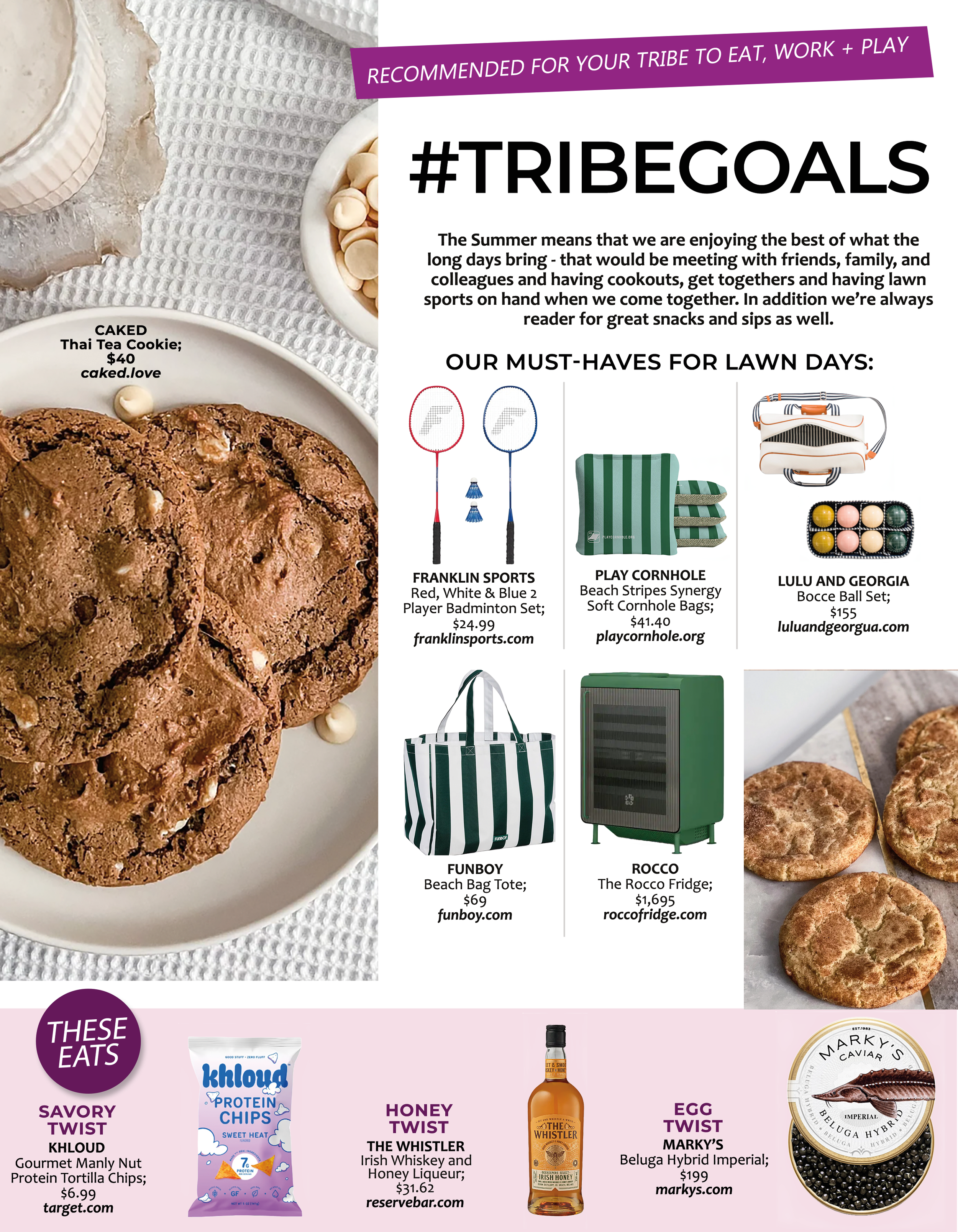

Read the JUN ISSUE #126 of Athleisure Mag and see #TRIBEGOALS in mag.
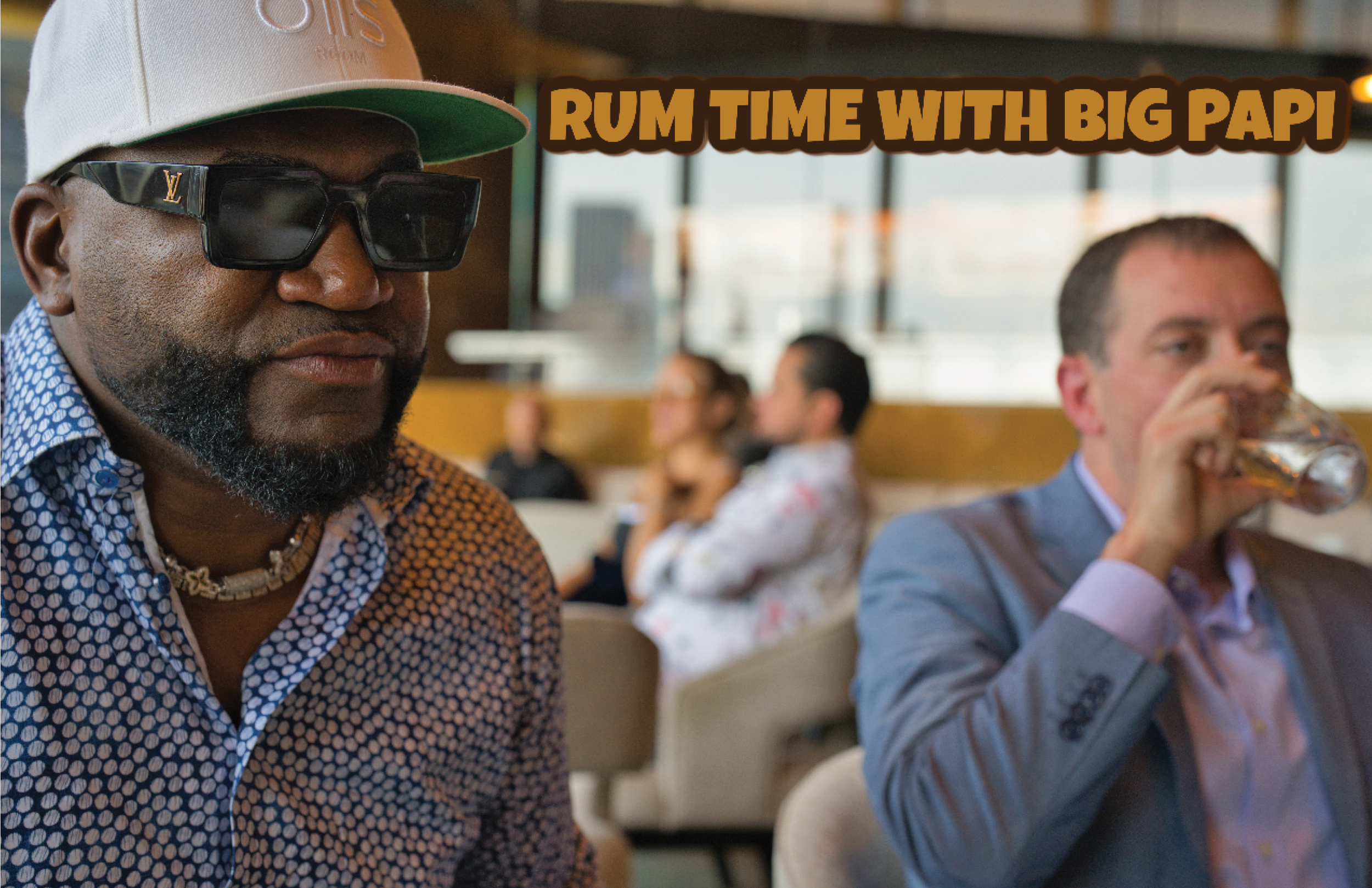
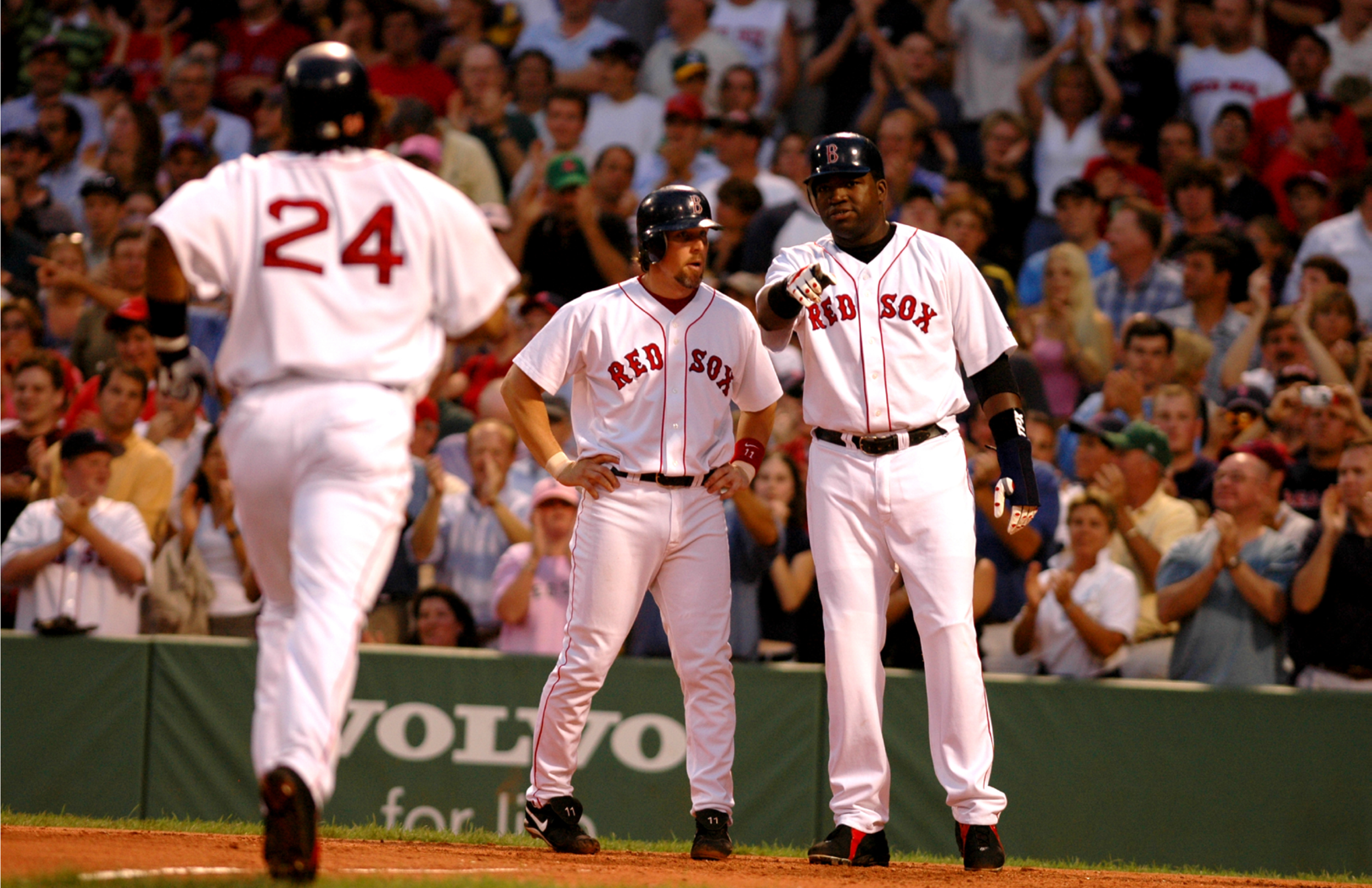
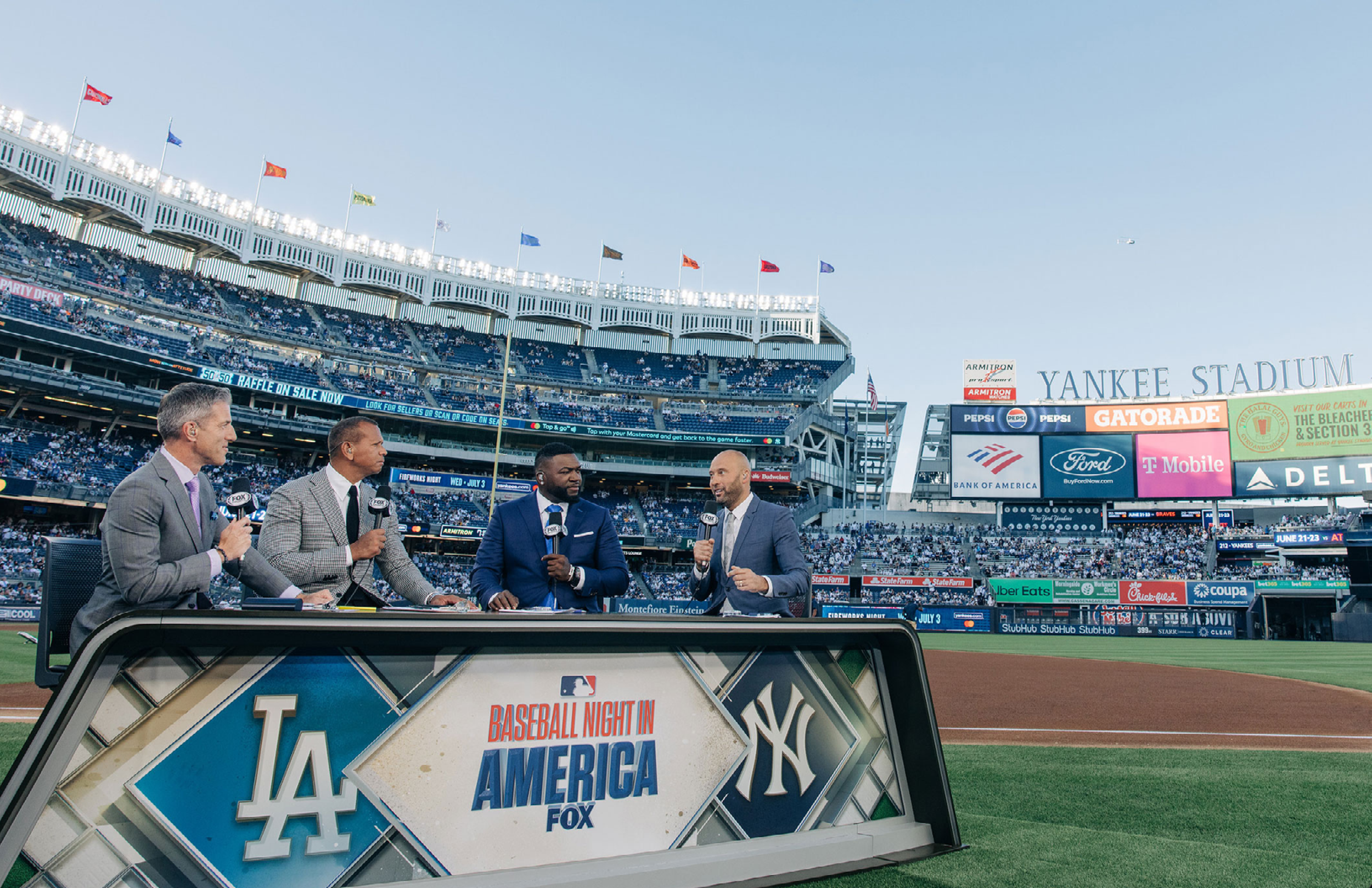
We have spent countless Summers watching the greats hit the baseball field and one of them was 3X World Series Champion, 10X All Star, David “Big Papi” Ortiz who was the DH for the Boston Red Sox. As a Franchise Royalty at the Sox, #34 was retired by the club in 2017 and he remains a beloved fixture in Boston sports culture where he played 14 seasons and is the 11th in the organization to have his number in Fenway Park! He continues his love for the team by mentoring players on the team and assisting with development. You can also catch him as an analyst for FOX Sports MLB as Big Papi is loved by all!
This month’s cover star continues to forge ahead, we sat with him at the Mandarin Oriental’s MO Lounge to talk about Ozama Rum, a Dominican spirit brand with 3 expressions. We talk about his career, baseball, his work as a sports broadcaster as an analyst, his love for the DR, being a family man, his legacy, being on the Masked Singer, and the impact of Ozama within the beverage industry and the DR.
DAVID ORTIZ: So how’s it going?
AM: Great! We are excited to be with you as we have loved seeing you play. When you’re doing your analyst work, it’s awesome to hear you bring us into the game, and we’ve been such a fan from the start of your career. It’s excting to talk to you about baseball, your career, and Ozama as we enjoy Dominican rum and I know our readers/community will be excited as well!
DAVID ORTIZ: Thank you!
AM: When did you first fall in love with baseball and when did you realize that you wanted to play professionally?
DO: Well, I have been playing baseball ever since I can remember at 6 or 7. I remember that my dad (Editor’s Note: Américo Enrique “Leo” Ortiz was a former semi-professional baseball player in the Dominican Republic), he was the one that always had that vision you know? He used to be a baseball player - for sure he didn’t make it to the pros. He was very close, but all he dreamed about was having a son to play baseball. He always pushed me down that path. He thought I had the talent, he thought I had the good hands and the coordination, which is important. He pushed me. I love sports. Basketball was the one thing that I always admired, you know? And it was fun. Basketball was fun – going to the court and playing with your boys, you know? You can be organized or unorganized!
AM: Yeah.
DO: Baseball is more organized for when you have to play as a group, you know? Everybody need to be -
AM: In sync
DO: Yes, in line! Basketball, you can pick people from the street, let’s play. You know? And you just go for it!
But when I turned 13 or 14, I started getting serious about baseball.
AM: Wow!
DO: Since I started developing this, it was about the progress.
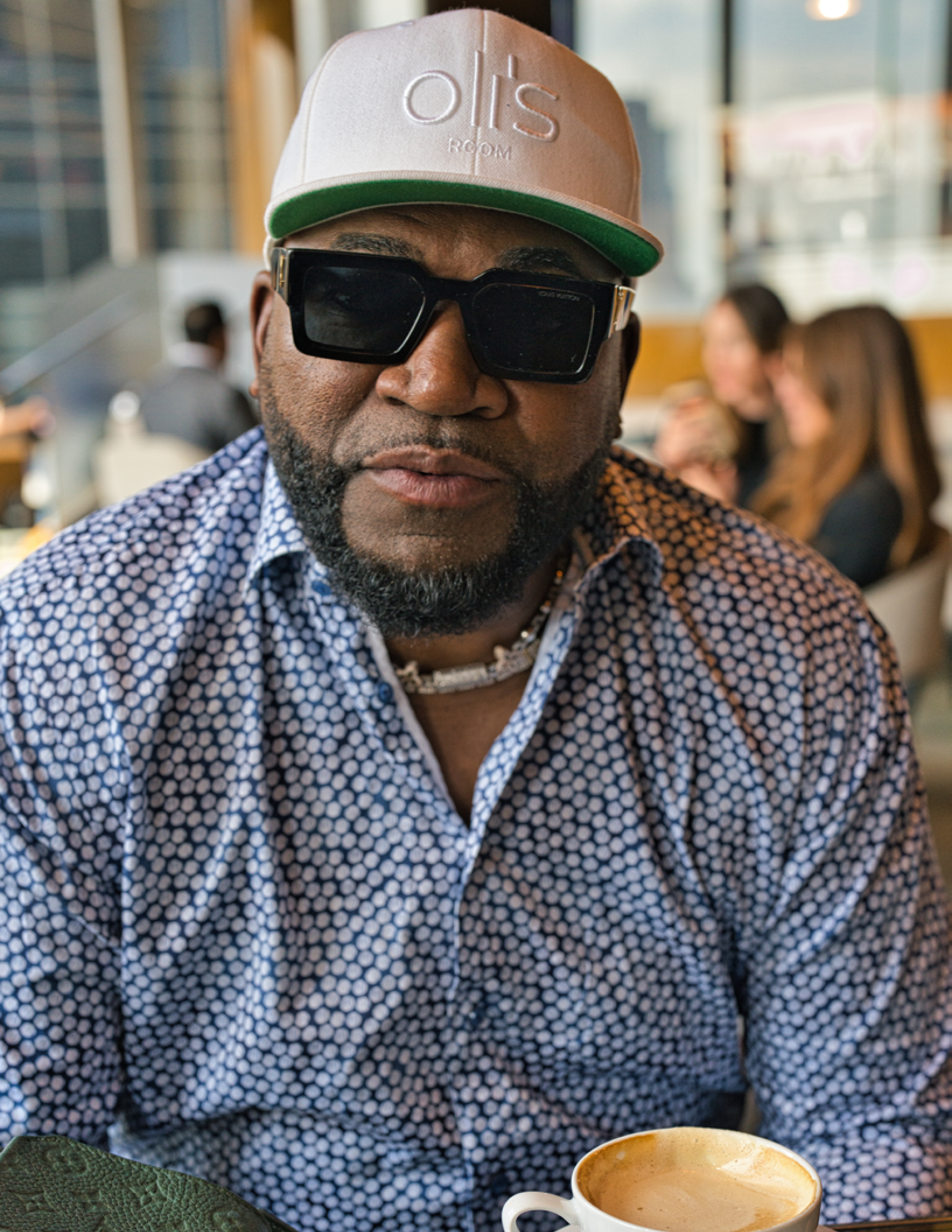

AM: Being in college watching you play was when we first saw you on the scene. It was like ‘97, ‘98, and we used watch across our dorm. You could see your energy, and just to see the passion that you have. It was a thrill.
You’re a 3X World Series Champ, 10X All-Star, you were inducted into the Hall of Fame, and that’s just some of your achievements. What has it meant to you to play this game?
DO: This game was my everything! You know, it’s different. It’s what I wanted to do. It was basically my way out for me and my family and for them to be in a better shape, you know? Baseball was my everything,
it’s still my everything. Even after I retired, you know, I still deal with our organization (Editor’s Note: David continues to have a deeply integrated and multifacted relationship with the Boston Red Sox. He is an official mentor and advisor who works with rising prospects and established stars by offering guidance, sharing baseball wisdom and weighs in on clubhouse dynamics. He also has an unprecedented and long-term agreement to actively represent the club in special appearances, assists with free agent recruitment, and works in business development for Fenway Sports Management). The organization, the work that I do on TV, I mean, everything I do is basically related to it.
AM: Why did you want to become an analyst? Regardless of the teams that are playing, even if it’s not the ones we’re following specifically, we love watching you talk about the game because there’s such a passion as well as having that insight as a player that makes it so exciting.
DO: Well, you don’t know what you don’t know.
AM: Right!
DO: My team came to me while I was playing it still and they want to try me out. FOX wanted to try me out. I’m not going to lie to you, I was a little nervous! When you are outspoken and then you have to go all of a sudden go on TV and control yourself, control your emotions - at the beginning, it was a little rough. But once you get used to it, you just go through the flow.
You know, referring to the players, talking to the fans, you always have to keep in mind that there’s always people watching - people listening.
AM: Yeah
DO: They’re paying attention. English is my second language, so at the beginning, it was a little –
AM: Right.
DO: But then, I guess I was blessed working with the right team. Those guys made me feel so comfortable. It’s like a conversation between friends, you know? Now, all of a sudden, I’m 8 years into the business and I love it. I love it. I love entertaining. I love having fun. I love passing information. There’s a lot of great hands, lots of talents and I always wanted to be the one that gives these guys some guidance. I want to pass some information to the fans, you know, it’s fun.
AM: Are there 3 teams that we should have our eye out for the season or 3 players? What are you looking for or excited about this season?
DO: Well, I’m pretty sure everybody is looking at the Dodgers who have won back to back these past couple of years. It’ll be interesting to see if they can do it again!
AM: Yep.
DO: They have their platform, they have their team, they have the players, they have the owner, and they have a great manager - my boy, Dave Roberts. They’re on fire already so, we’ll see. That’s hard to do.
AM: Yeah.
DO: We faced some situations at the Red Sox the other day where our manager Alex Cora, got fired. Great manager, good dude - we play together. We’ll see how we continue moving forward.
Unfortunately, you always have to talk about the Yankees ha ha.

AM: That is our team! We love you, but that is our team.
DO: You know, the Yankees is the other team that continues to chase. I mean, the Yankees haven’t won a World Series in 17 years. But I still give credit to the Yankees because winning is not easy. People think that because of the name, you’re gonna win eventually.
AM: Right.
DO: Well, for the Yankees, they invest money. They hire good players, and they always put a quality team out there. Sometimes, towards the end of the season, you feel like you need a little more and more and more. That’s when you realize it’s about putting things together for the fans to enjoy, you know? It is what it is, but the Dodgers are the one dominating!
AM: That’s facts.
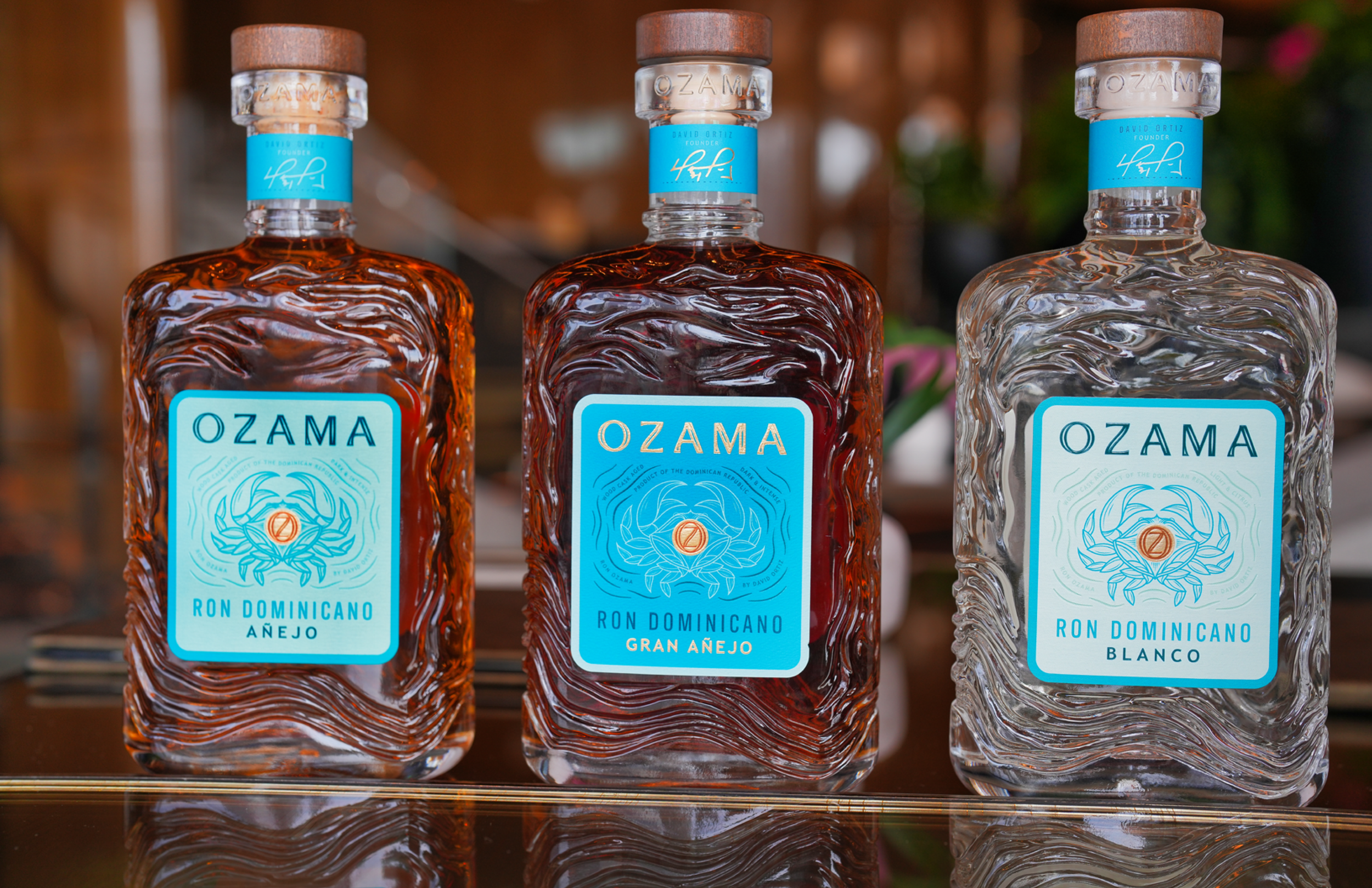
We should also try the rum expressions. We know you had a rough night last night. (Editor’s note, we began cracking into Ozama starting with Ozama Blanco, then Ozama Añejo, and finished with Gran Añejo as we talked with David.)
DO: I’ll be watching now.
AM: Okay ha!
Well, we have been enjoying this for the last few weeks.
DO: For real?
AM: Oh yeah! We love Dominican Rum, as a category since we were introduced to it back in 2011, when we would go to Santo Domingo.
DO: Yeah.
AM: That’s when we first learned about the 3 B’s (Editor’s Note: The 3 Bs are the 3 most famous historic rum brands from the Dominican Republic: Bermudez the oldest which launched in 1852, Barceló was founded in 1930, and Brugal founded in 1888 which is the largest domestic producer in the Dominican Republic). We were down for that. Then, when we were sent this, we realized it was very smooth and that it was your brand, we were even more excited!
DO: I’m glad you enjoyed.
AM: Yes, and sipping it now, it’s very tasty.
So, you’re a busy man. You are always doing lots of things. What are 3 workouts that you do just to stay in shape and to keep it all together?
DO: You know, so at the end last year, I needed a knee surgery badly. So being busy and having an injury to my knee, I basically wasn’t able to work out. I do a lot of walking. In front of my house, I have been living in DR for the past 3 years.
My old man passed last year. I moved to the Dominican 3 years ago just so that I could be around and to be with him. I was living in Miami.
AM: We’re sorry to hear that.
DO: Yeah, it was hard.
But anyway, I live in the Dominican, you know? And it was good because we had the production over there. We do a lot of activation over there. We are working on promoting the rum and other stuff. I work for so many companies.
AM: You are busy.
DO: Yeah and this guy is keeping me even busier, but I love him. I like to stay healthy. When I’m at home, in front of my house, I have a park like Central Park.
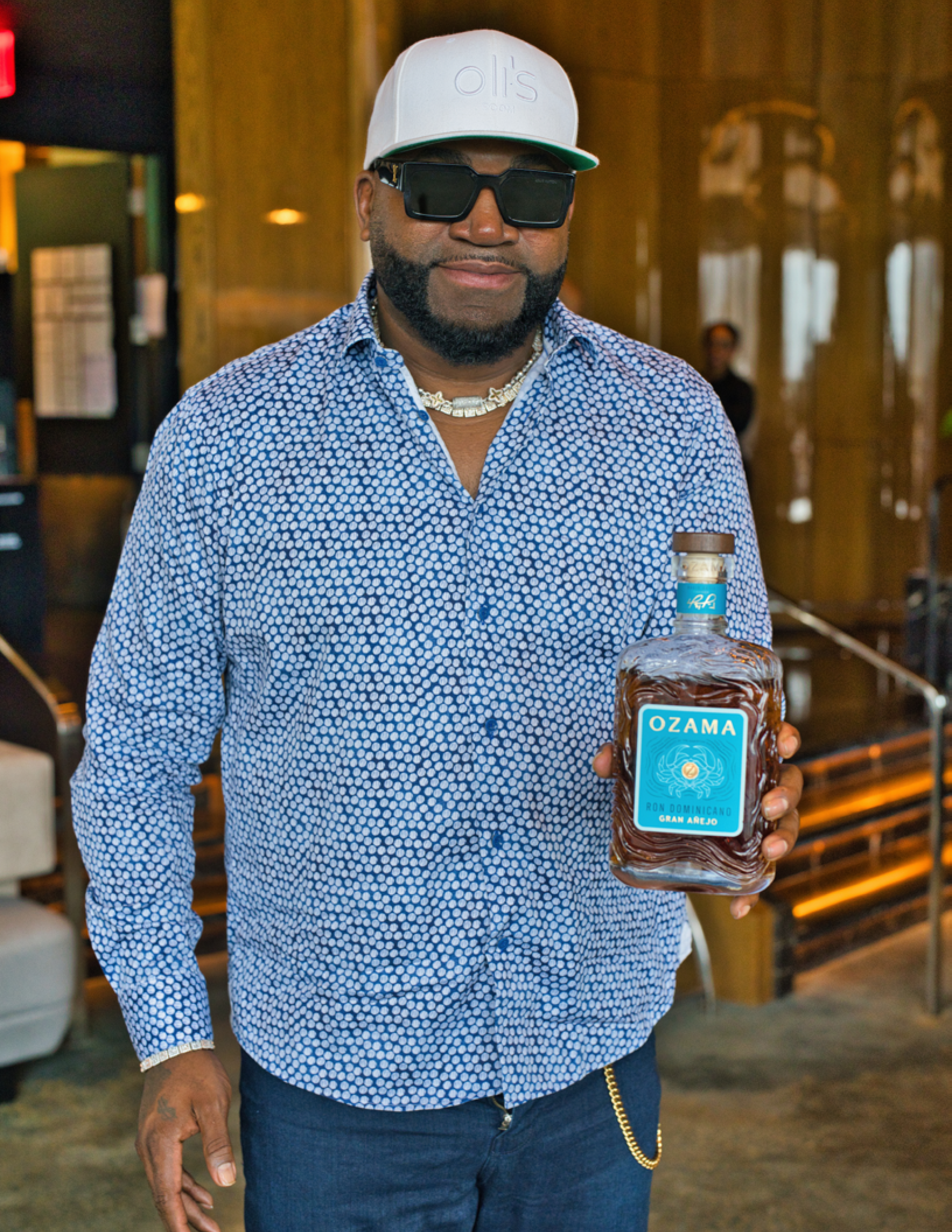

AM: Wow!
DO: So, I do a lot of walking, riding bikes, going to the gym, you know - pop some weight.
That’s what kept me in shape for real. My son, my younger one!
AM: Oh, all that running around!
DO: He’s 2 years old. He know he owns me. I am getting married next year and that little guy, you know, I have 5 kids. But this one, he knows something. He is very smart and his name is Diego. He knows that Daddy, is all about him. So when I’m at home, I’m at home.
AM: Yeah.
DO: That’s him right there!
AM: OMG!
RW: He’s the best dressed, 2 year old like!
DO: That’s him playing baseball already.
AM: That is the cutest! So yes, that is a workout!
DO: I love my family, you know? I’m a family guy.
AM: Masked Singer is one of our favorite shows!
DO: Uh oh!
AM: We knew Googly Eyes was you from, like the first note you sang before they even unmasked you. And it was like, wait that’s Big Papi that can only be him! Of course, when they unmasked you it was like – it couldn’t be anyone else but him!
How did you get connected to that show and why did you want to do it? Obviously, you’re part of the FOX family but how did it go down?
DO: Ha ha! I didn’t know what I was walking into! My agent called me and he was like, David there’s an opportunity. I’m like, really, what’s going on? Well, we already up in LA.
AM: Yeah.
DO: It was during the playoffs.
AM: Yeah.
DO: When we were in the playoffs, I had to go to LA for about a month. We stay there the whole month, but then we have to travel to different cities.
AM: Yeah.
DO: It was getting closer to the World Series. The Masked Singer people they had an issue with somebody, and they need somebody to replace that person or something like that. They only need you for like 4 hours. I’m always hustling and somebody has to pay the bills ha ha. But I had so much fun doing it.
AM: It was so good!
DO: I had no clue!
AM: Right!
DO: First of all, they said, you gotta sing a song that you know.
AM: Yeah.
DO: I’m like, what? I’m the worst singer than everybody. They were like, “don’t worry, we will get you a song that you can have fun and you don’t have to go through all the crazy lyrics or whatever. That’s why we came out with, Turn Down For What! Yo and I had so much fun, but then at the time, I had a knee problem. What they did is that they put together an outfit –
AM: Googly Eyes!
DO: I was sitting on in and I just gotta push it.
AM: Yeah, because when it came out, you just saw this really structured item come out to the stage.
DO: It was like a workout, because when I got out of that, I was sweating bullets.
AM: Everyone says that their costumes are so hot and you can tell when they unveil you guys! You always wonder if someone is going to pass out!
DO: Yeah, I was dripping!
AM: Well it was a fun performance, you could see the crowd was so excited when you came out and it definitely looked like it was a lot of fun.
DO: It was fun. It was fun. People were like, “who’s that was that Derek Jeter?” I was like, have you ever heard a Dominican person speak English? Ha Ha we’ve got a strong accent!
AM: Yeah when someone said Jeter, we were like no! The first lyric that you belted out that was you without a doubt! The panel needed to sit down because the guesses didn’t make sense!
DO: I know right?
AM: So, why did you want to launch a rum brand? Like, you said, you’re a busy man. You’re always doing lots of projects. But why did you want to launch Ozama and what led up to that?
DO: Yeah, as a kid growing up, my father was a hard working man, my mama as well. But I noticed that when it was the weekend when my dad was able to be at home, he used to bring friends. They used to drink rum. It was very traditional in my family, you know? Growing up in that beautiful environment, you know, we were poor. We didn’t have much. But with the family, it was always this happy reunion! People that don’t have anything crazy, but whatever they have they enjoy, you know?
And that is always what keeps people together.
AM: Wow!
DO: It was a happy time. I was just a kid just watching the adults having a drink, having fun. I used to have an uncle after he started to have a few drinks, he’s start throwing quarters to all of us. That was the most fun part for the kids. My uncle got a little tipsy he was, like, hey, come here. Guys come here. We were just fighting for it you know?
AM: You gotta add it to that piggy bank!
DO: You know it ha ha.
You will never believe it until you see it - how you can do so much and not have so much.
AM: Yeah.
DO: Besides that memory. When I grew up, Ozama on the other hand, my dad used to talk about this story about him going across the river swimming. My dad was a good swimmer. You swing across the river, but then you gotta swim back. He swims, they used to go on the other side, and they started cooking around the river, and then later on, they gotta swim back.
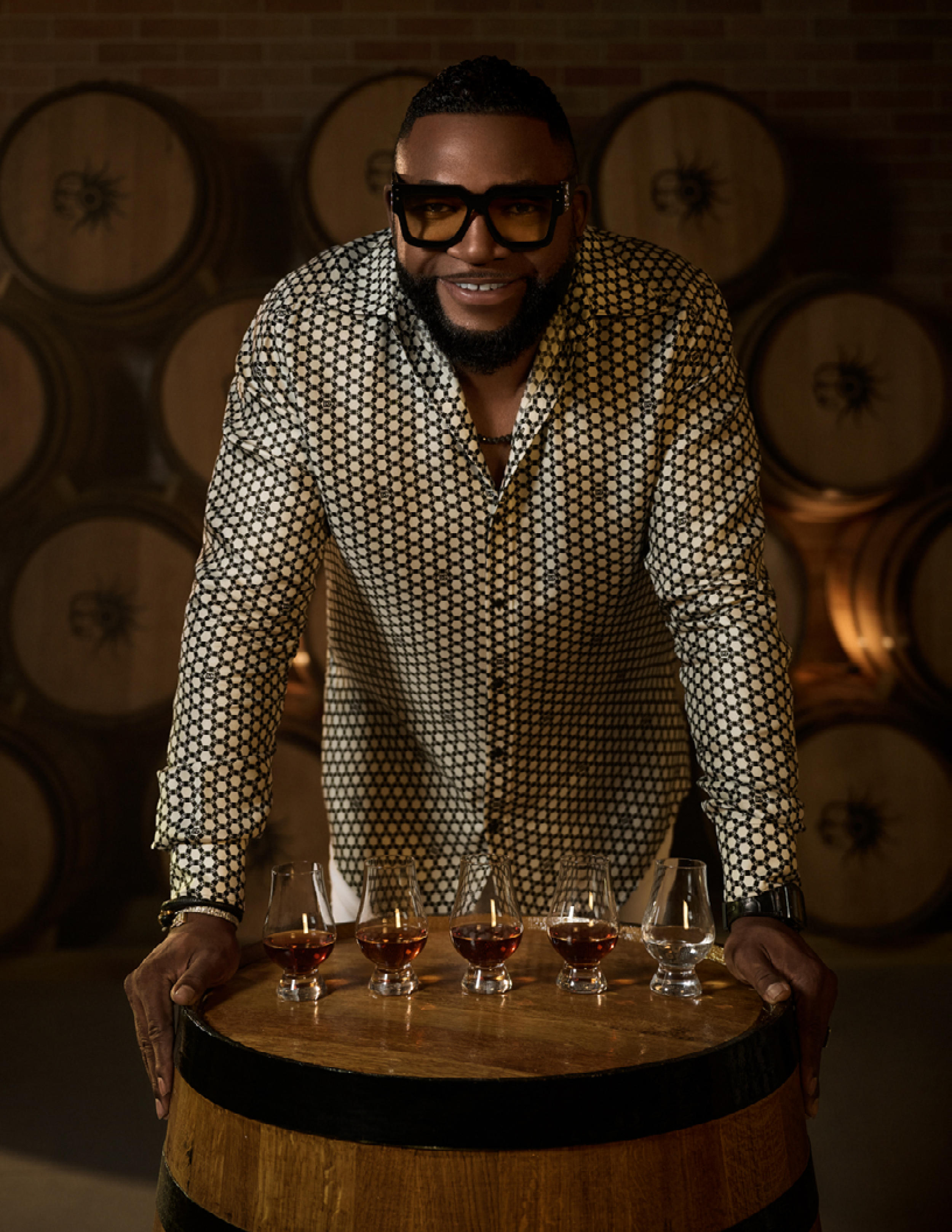
AM: Oh!
DO: On the other side, they started talking about the story about this shark that used to go across the river. I was like, oh hell, no, I’m not swimming back. I had to wait for the boat to bring me back.
He took me back. It was so funny. I used to go to the Ozama River with my boys and we used to go fishing crab right here. The river was very healthy, beautiful, clear water. We had so much fun down there. I don’t know how to swim, so I was the one that used to do the packaging! Because they used to fish it, bring it, and then I would do the packaging. We used to be like 10 kids. We used to have a spear to hunt it. They used to go into the water. They used to take those spears, hunt it, Bring it back up, pass it to me, and I used to put them in the bag.
Once we had hundreds of them, then we used to go home. But it was, the most athletic, friendly, and fun. It could be a little bit dangerous. I never used to chase. Since I was a kid, I was very mature about not chasing dangers. Like, one time they wanted me to attach this rope with 2 gallon containers and put them across my chest for me to go across the river.
I was going to do it or whatever, but then I was like mom and dad ain’t around? I’m not gonna mess that up, just in case something goes down.


AM: Right!
DO: Then all of a sudden, something is missing. I’ll just do the packaging and you can bring it. They’d say, “you’re a chicken – a chicken,” and I’d say, “yes, I am!”
AM: Love this story and that answers why the crab is on the bottle!
DO: I’m telling you that I was 10 or 11 years old! Those are the memories that I have from the Great River now, unfortunately, it seems like as the population has grown up, things start you know to go down in a different direction. Once we start coming out with this product, I want to call attention to cleaning that river.
AM: Like a conservation effort!
DO: Yes, out of the profits we will donate a percentage. We are, you know, taking that percentage to be able to clean up the river. Once people know that my name is attached to this and the purpose, beside the business side - a lot of companies that are international and are outside of Dominican - they are into helping us out with some of the rivers.
AM: Yeah.
DO: We are all behind this. Besides that, we created so many jobs for single moms with kids back home at the factory. They do the packaging for Ozama. Ozama Is in charge of creating the jobs. I think that all of the forces behind Ozama are pointed in the right direction. That’s the way I look at it.
AM: Wow.
DO: It took us 1.5 - 2 years to come out with a with a blender who took their time before we came up with this amazing, great tasting rum in 3 different categories. Our Blanco is so smooth that when you mix it out, especially you ladies who have a different taste than as us as a man, we put that white rum together. When you mix it with juice or any type of thing, you will get away with it because it tastes very smooth. Then you go to the Gran Añejo and the Añejo, it’s a little older aging wise. It’s my favorite.
AM: Ours as well!
DO: Oh for real?
AM: Absolutely!
DO: You know what though? There’s no difference for me when it comes down to drinking whatever I have available. You know it’s just I think the time and the effort that you put behind this rum which is worth it! The feedback from people has been amazing! Let me tell you, you’re making a run in a country that is known for Dominican rum.

AM: Agreed! We raised our eyebrow before we had it because I’ve been drinking Brugal for awhile and I was a very big fan of it. Then, I had Ozama and it reminded us when we would go to Santa Domingo and sit on our balcony sipping, and it takes us back every single time we drink it.
DO: So, yeah, when you talk about those brands have been out there already for a long time day, throughout the year, they have to come out with high quality rum so they can stay established in the market. They make rum for individuals – minorities, middle-class people, high-end people, etc It all depends on how deep your focus is.
We think with Ozama, We make premium rum affordable. It’s a good price with a good quality.
AM: Yeah!
DO: Because, we are a startup. The company is just beginning and you want to be able to have everybody in the market, to be able to to afford it. So that’s what we have at this point and like, I say, the feedback have been amazing. That’s what I care about when I get behind a product. I have a quality product so, we can maintain ourselves out there.
The one thing that I wanna really emphasize with my partner? Was, let’s make a quality rum that I can compete with everybody out there.
AM: Yeah, we think it does and the packaging is beautiful. It can sit on that bar cart next to very expensive bottles, and it says I’m here.
DO: That’s right, we got this design from Italy. They make our bottles. He has been doing an amazing job of putting it together at the beginning. As you can see, the beautiful design of this bottle - it took us a bit to put it together. Last year, selling wise. I think we did a phenomenal job based on people waiting for it – right Ricky?
RW: Yes.
DO: So, it was like 7,000 – 10,000 cases last year to begin with. This year, we’re on our way to do even better. We’re chasing it up. We’re chasing it. We got the heart, we got the dedication, and I’m so excited to get behind this product. It basically connects with my family, my tradition, you know? So many stories are behind this. The most important thing is to connect with the people.
RW: As David was saying, when people try this, they don’t say no. It’s very delicious and then, when people hear that, it’s $24.99 on the shelf –
AM: Which is an amazing price point because the bottle visually makes you feel like it’s a $60 or $80 bottle.
RW: To be able to get a quality product in a quality rum like this, for $25, you go to Total Wine, this is $24.99 on the shelf. This one at 6 years aged, Ozama Gran Añejo is $45.
We also just won the Gold Medal design for our rum bottle design!
AM: That’s fantastic! The bottle really gives you that river vibe.
So, consumer side for this summer, where will Ozama pop out?
RW: Today, we are live in all of the Northeast – NY and in all of New England. We are in New Orleans, Pennsylvania, Florida, and the DR. It’s available online and 43 states as some we can’t ship to. It’s available everywhere. We have a team in place in all of the key markets whose sole focus is driving trial and activating out in the market. The majority of my team works Tuesday – Saturday.
AM: As you do!
RW: Aside from us in the industry, not as much booze is sold on Monday. They’re out there in Boston, New York, New Jersey, and Florida. They’re putting this out there, sampling it. We have been at some of the festivals here.
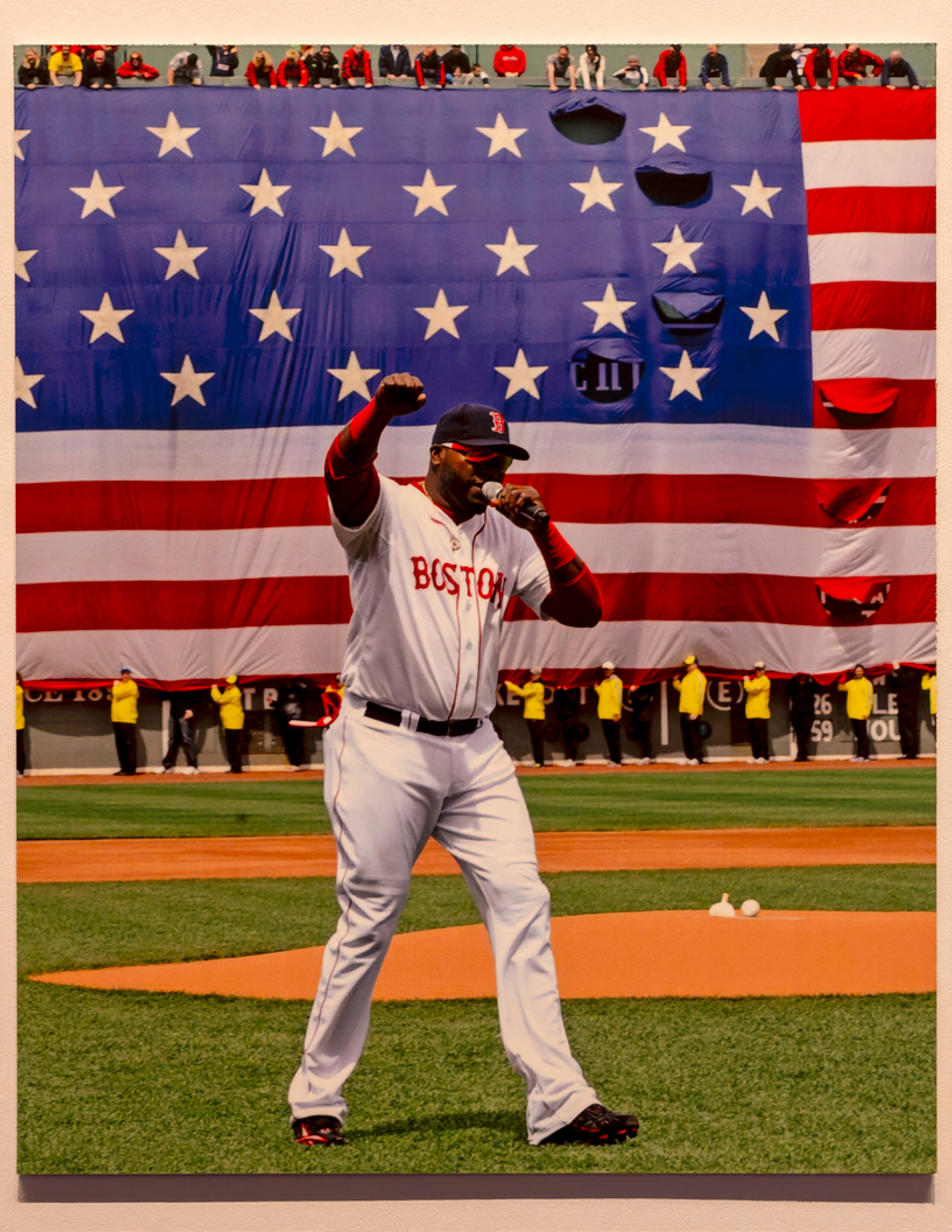
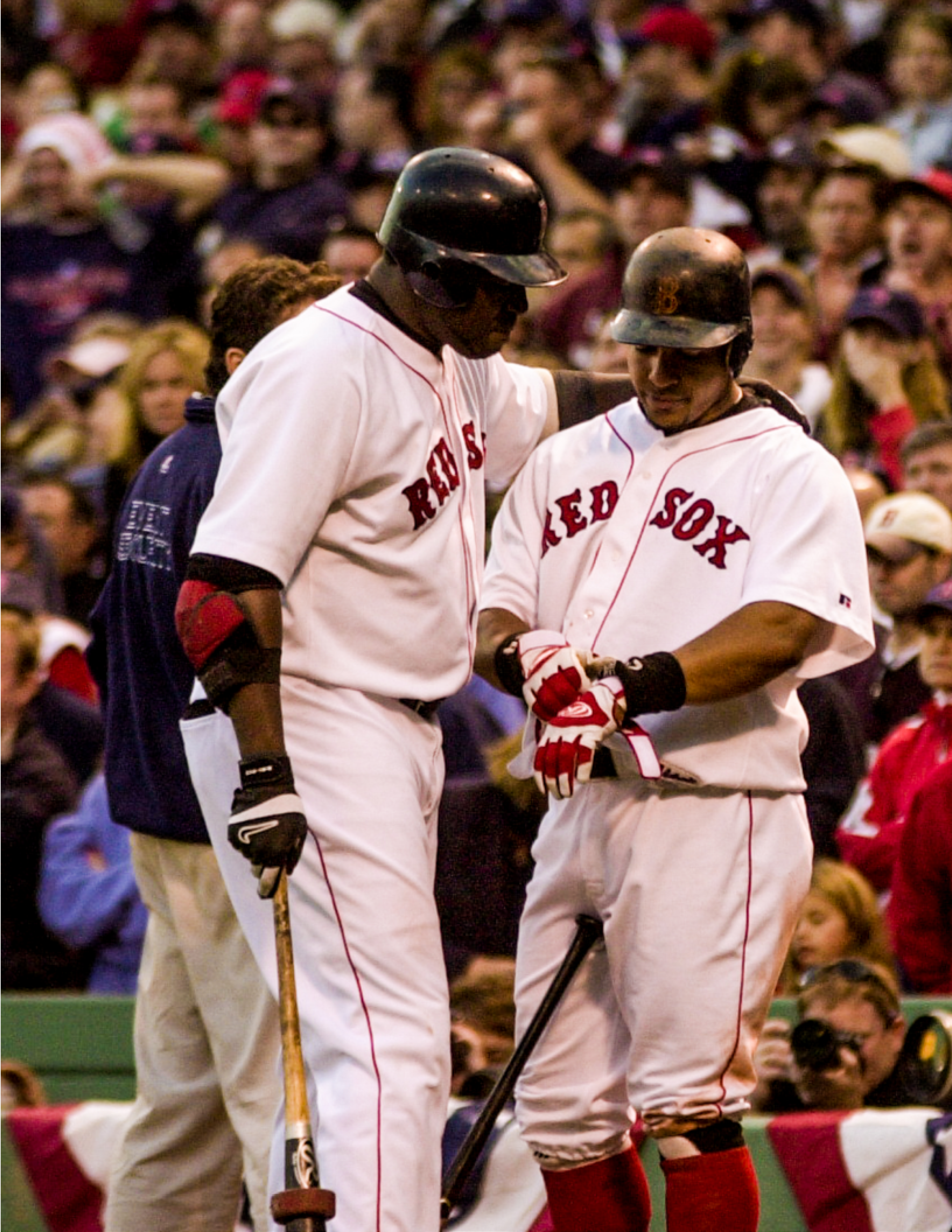
AM: David, what do you want your legacy to be known as whether it’s in the sport, as a business man, or as a family man?
DO: The way I live my life is based on a journey. Baseball was a journey and I am thankful to God for everything as he opened many doors for me. I want to be remembered as the greatest dad, the greatest father of all time, because I am crazy about my kids. I’m great to all of my family. Yesterday, I was with my younger daughter. She lives here. She’s a musician. She graduated from Berklee College of Music a couple of years ago, living here, trying to figure it out.
AM: Is she a singer, does she play an instrument?
DO: She can sing, she plays instruments, and she’s a producer!
AM: Oh, wow!
DO: I mean, when you go to Berklee they make sure that you change the whole packaging! And once you do that, as you move - if you go, you kind of figure out what you’re going to be really good at. Sometimes you got to be good at everything. Sometimes you get to be good at producing. Sometimes you get to be good. So, she’s down that path right now.
I came in and I told her I’d be with her for the next 3 days. We’re gonna go to places, I want you to meet people. You know how you girls are, especially when you have had a connection with your mom and with your dad? My kids, the way I look at them is like they’re still babies to me.
AM: Yeah.
DO: She’s been having so much fun the past 3 days having me around. Those are the sort of things that I really want in life, you know? Just to continue with the legacy of my father and my mom. They raised me right. They taught me how to get things done the right way. That’s what I try to teach the kids you know?
Then there is the rum and the cigars. Especially the cigars. My dad was very involved into that. My dad had his own factory. We do a lot of events and people come by as you know how rum and cigars go hand in hand!
5 years ago, he came out with Americo Cigars, really good cigars. So? When we are basically going place by place, we try to use the mark also for the cigar brand. It has been incredible for people and the combination of Rum and a good cigar is almost perfect, you know? It’s like they are cousins or something! I’m a visionary and this startup company is something I care about and I am a hard working man, that’s all that I know!
I’ve been working since I was 8 years old. I have an uncle who had an auto place. And all of us, my whole family - they used to get us as a kid and bring us to the auto part place whenever we have free time, to work with our uncle. That was kind of a mandatory in the family. And when you’re a kid, you don’t know. But now that I’m a grown man, I see the purpose of it.in my family, nobody’s doing time. Everybody works hard, we have this beautiful family and I’m talking about the guys of my generation. They know how to work, how to go through process, and when we sit down now that we are adults and talk about it, we understand it, so we want to do exactly the same thing with our kids.
Especially nowadays, it is so hard to raise a child with all of this crazy stuff happening, but I think that what you learn at home, it’s the meaning of the direction that you want to take growing up.
I have 5 kids. The older are professional. They play baseball at the professional level. My older, who is married, Jessica, she graduated at Regis College in Boston, in Psychology and Administration and she lives in the Dominican with her husband. I talked to you guys about Alice already. Then there is David, and. D’Angelo. David plays for the Texas Rangers. D’Angelo plays for the Red Sox.
AM: Wow!
DO: Diego is my other guy to chase now ha ha. You know what I’m saying?
AM: It’s been so phenomenal to meet you because we’ve loved your career and watching you play. We love how you just present yourself as a person, your passion, and we have tried for years to have you as an interview, but your schedule is definitely busy!
DO: If I knew this interview was going to be this smooth and good, I would have done it a long time ago!
AM: It’s awesome because we’re Yankees fans but have always have enjoyed seeing you play!
DO: A great story is all my employees are Yankees fan! I gotta deal with it.
AM: We wanted to be respectful ha!
DO: No it’s ok! Listen, I gotta tell you something. Yankee fans. They have been always very respectful with me because they know that as an athlete, I went about my business. I don’t care if you play for the Yankees, the Mets, Chicago, I was just trying to do my job. The Yankees fans respect that because the Yankees fans are the only fans that always come to me, and they be like, Papi, I’m a Yankees fan. I know you respect this because they know it was nothing but business. Nothing personal, you know, but I was going to whip your ass, nothing but business.
RW: Yeah, pretty good business!
DO: It’s what Yankees fans love seeing from a player. Because remember, the Yankees since I can remember they were the first ones doing what the Dodgers do nowadays. They always go for the best players because the boss, Steinbrenner always wanted to put a pin in the field. When the Yankees fans see that a guy is good and he plays for another team, all of a sudden you have the guy on your team performing. They respect that!
I love this city right here. This city gave me a lot of memories. I love competing against the Yankees and I will say this, when you are competing against the Yankees and you beat the Yankees - you get recognition as a player because you competing against the best! But at the end of the day, go Sox!
IG @davidortiz
In speaking with David about life, baseball, and Ozama, you also heard from Ricky Wolfe who is the VP of Sales at Ozama. Ricky comes with a strong background in the spirits industry. We also chatted with Edwin Castillo who is Ozama’s Rommelier. Together, they provide more insight on rum that is made in the Dominican, how Ozama came to be, the expressions, a bit of industry news, how they connected with David, and of course, talking about how the DR is also a prominent position within this partnership and venture.
RICKY WOLFE: If you guys want to taste the 3 expressions we have them here.
ATHLEISURE MAG: Let’s make it a proper meeting!
RW: Well there is no one better to taste it with than Edwin! He is our Chief Mixologist and he lives in the Dominican. He flew up for some of our events yesterday and some other things that we will be doing. He is the musician behind a lot of the cocktail program that we have. I’m sure that you are familiar with a Sommelier.

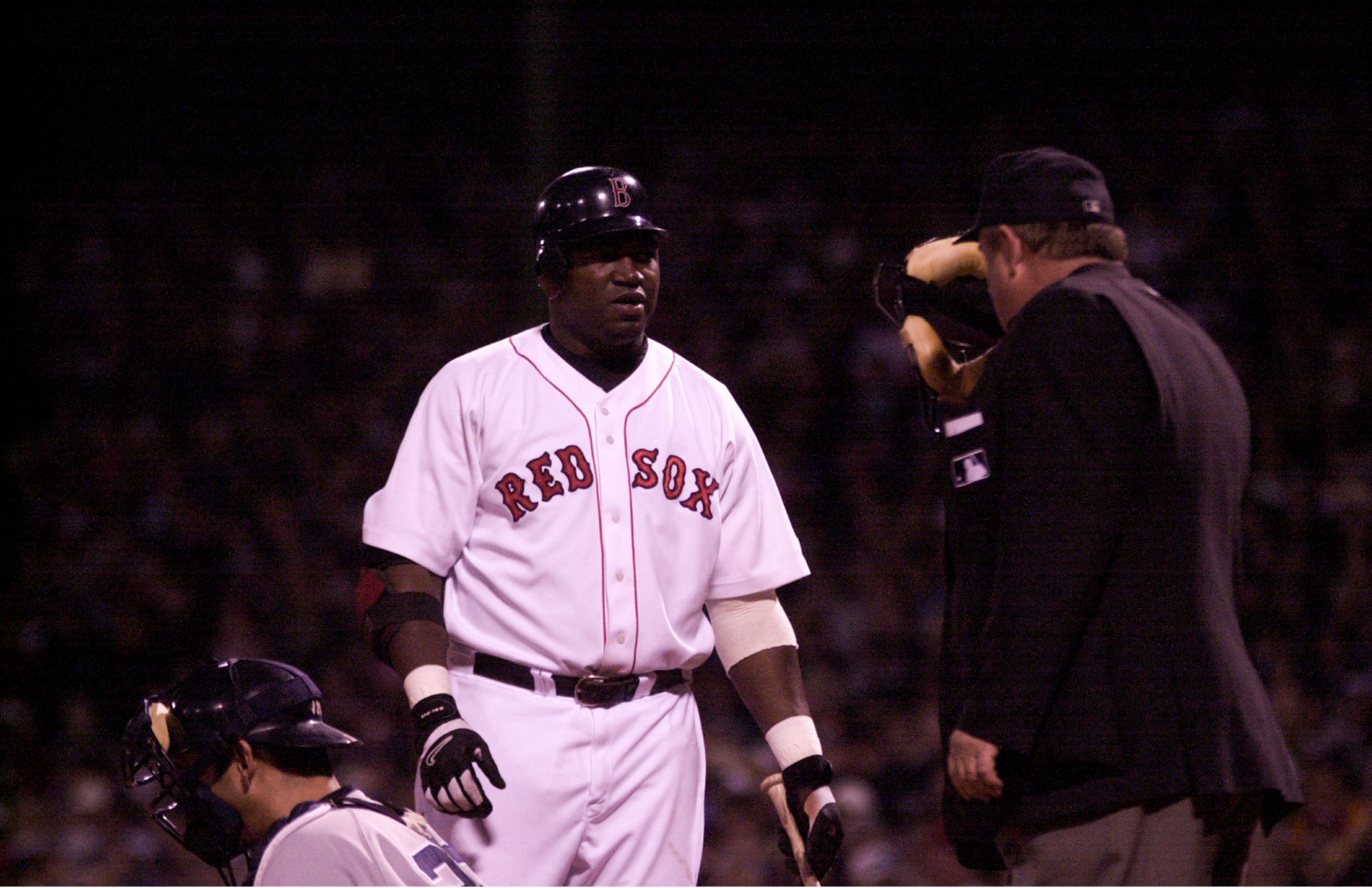
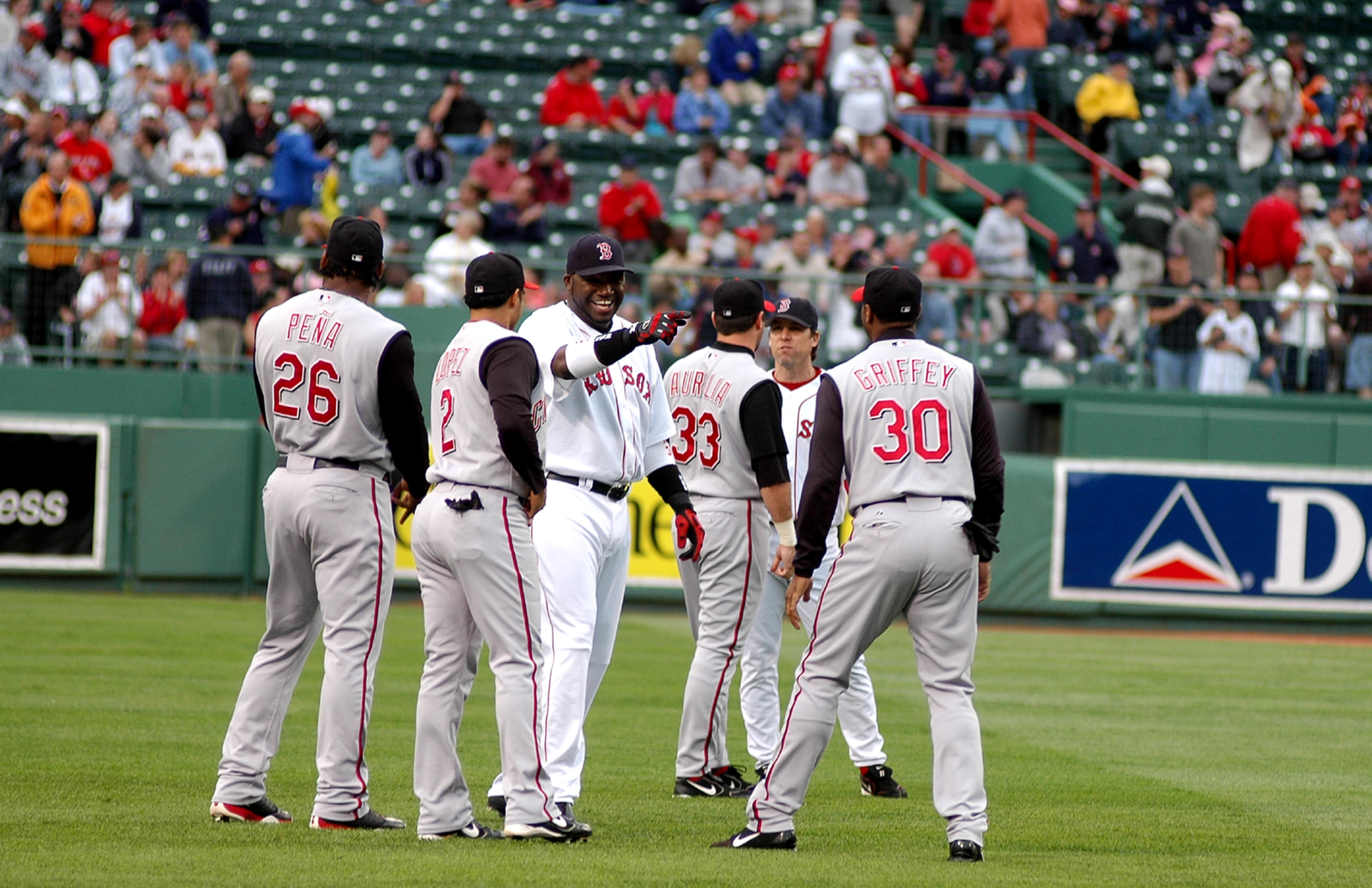

Well, he is a Rummelier – which is the pin on his lapel and he is classically trained in rum!
I am the VP of Sales team for Ozama. My father, Abbott Wolfe (Founder and CEO of Drink2Success) and David are business partners and created Ozama together.
AM: How long did it take for you to come up with the formulation?
EDWIN CASTILLO: The most important thing that you need to know about Ozama is that our rum is 100% Dominican. We have a different kind of rum that what others use in the Dominican and we use 100% Dominican sugarcane. A lot of rum in the Dominican uses molasses. Molasses is different with its aromas, and it is not easy to drink as you need some mixers.
AM: Right.
EC: The rum is made with a honey version of sugarcane and it is very refreshing.
AM: It is very smooth!
EC: You don’t need a mixer, you can drink it very neat!
AM: We have enjoyed it that way!
EC: Other rum in the Dominican in terms of aging, it’s 1 oak in American – it’s Bourbon. We use 2 oak – it’s Bourbon and a Cherry Cask. This way, our rum has more aroma.
AM: The first time we enjoyed Dominican Rum, it was in 2011 and was introduced to Brugal first. It was very tasty and has been a spirit that is always enjoyable. Molasses is an ingredient that we enjoy, but we do agree with you that this is such a great sip and it is very enjoyable, smooth and it’s great to drink by itself. Sugarcane is another ingredient that we’re fans of as it’s amazing in sodas.
EC: Brugal is made with molasses.
RW: Both of them are sweet in a good way. But it’s a very different profile. When people taste them side by side, molasses is thick, and it’s just like honey. But sugarcane is just a different taste.
AM: What year was it created?
RW: We launched last year. The project has been going on for a few years now. David and my father connected sometime in 2023 and it took obviously a lot of time. Everything about this was created by us - by the small team. I mean, the name, the package design, the label, the glass bottle - the liquid obviously.
AM: Your family was in the business before this too?
RW: Yeah! So, my, my father and I have both been in beverage alcohol for many, many years. My father was at Constellation Brand for a very long time.
And then his last, his last job before this, he helped Cameron Diaz (Charlie’s Angels franchise, Bad Teacher, There’s Something About Mary) and Katherine Power (Founder of MERIT Beauty, Versed Skincare, Who What Wear) build Avaline?
AM: Yeah, oh wow!
RW: It’s a clean, organic wine, so that was really his first foray if you will, into both startup and celebrity backed brands.
So, him and David connected through a mutual connection. David has always wanted to do something like this. David knows many, many things, but he didn’t know the alcohol industry, so that’s where we came in. I was at Boston Beer, Sam Adams for almost 14 years. Once my father and David got this off the ground, I jumped in to the deep end.
AM: That’s amazing. We were talking a bunch with the Truly team when they started.
RW: Oh, yes!
AM: We got to see them kind of rise year by year. It was pretty damn cool!
RW: I remember I was managing Maryland at the time - living in Baltimore, and we were a test market for Truly.
AM: Oh wow!
RW: I remember vividly standing in front of our Distributor Sales Meetings which are always at 7am in the morning on a Friday.
AM: Because, why not?
RW: Why not?
I vividly remember standing up in front of them, saying, I’m gonna tell you guys about this thing called Truly - Hard Sparkling Water. We may never talk about it again, but we’re going to see what happens this summer.
AM: Wow.
RW: There’s a reason that it’s very popular. It was wild to see from the test market.
AM: This is really cool and we’re looking forward to trying it.
Have you enjoyed being out here, Edwin?
EC: It’s nice, but I love being in the Dominican because it is very quiet!
AM: Where do you live in the Dominican?
EC: Santo Domingo.
AM: I’ve been there a few times. I had a shoe collab line with Sebago, and they made their shoes at Las Plaza America, so I was there a few times a year and I would go for 5 - 6 days at a clip to design each season ahead of my appearance at HSN. When we weren’t in the factory, we would go to the beach, restaurants, and the clubs! It was so beautiful there and I remember when we were heading to Embassy Suites there we would pass the baseball fields that were lining each sides of the street which was amazing! I loved it!
EC: Everybody wants to go to Dominican Republic to go to Punta Cana.
AM: True!
EC: Some people think that Punta Cana is the whole country.
AM: I fell in love with Santo Domingo. I really did - beautiful. We were partying some place where the kids of Presidente Beer bottling company and then there was a Lamborghini dealership and Louis Vuitton store across the street!
When I first came to DR, Punta Cana was the first city I had been to and we stayed at a lovely all inclusive resort. But then, when I went to Santo Domingo, I fell in love and my first night, we went to Boca Marina in Boca Chica and I made sure that we went there every time I was visiting to design and in each visit, we always had a lunch there and then a dinner! The views there and the food – best Lobster Lasagna. I just had spots – Casa de Campo was also lovely and then I was mesmerized by the baseball fields!
In looking at the 3 expressions, it’s quite an assortment! There is such a vintage vibe here.
RW: Yep, we have extra age products. Our Grand Rerseva, that’s being being developed. This on its own is aged for 6 years.


AM: Wow!
RW: So you know obviously we only launched last year, so people are like, well, how do you have a 6 or 8 year rum? The Distillery partner that we found with Edwin’s help, has been making rum for a long time, and obviously we’ve come in and make our blend, but they’ve got stuff aging for 10+ years. We can pull some of this and some of this and the barrels that we want. At some point, there will be a Reserva.
AM: Yeah, cheers to that moment. So, there’s at least 2 alcohol brands that your family has?
RW: The company that my father started is called, Drink2Success, so Ozama is our baby because our goal is to either create brands that are our own that we can own and develop and build or use our expertise and experience to help other brands. You guys are here in NY, so Wandering Barman is a craft cocktail Brewery or craft cocktail Tap Room. It’s a fantastic room in Brooklyn. It was 3 restaurateurs who saw a need for pre-batch cocktails that were ready to go, ready to serve format. They built a phenomenal business here in New York and allowed us to come in and basically help them take it to the next level.
So, there is nothing like Ozama in our portfolio. We make sure that nothing competes against itself.
AM: Of course! Any piece of innovation has to go here.
RW: Exactly!
There are 5 brands in the portfolio right now. Not only is this our baby, it’s also the biggest.
IG @drinkozama
PHOTOGRAPHY COURTESY | Front Cover + PG 16 - PG 27 Paul Farkas shot on SONY Alpha | PG 28 + PG 31 Ozama | PG 32 Billie Weiss/Boston Red Sox/Getty Images | PG 34 - PG 36, PG 42, PG 46 + PG 48 Gerald T Coli/Dreamstime.com | PG 38 Defmusik/Dreamstime.com | PG 41 David Pillow/Dreamstime.com | PG 45 Michael Ivins/Boston Red Sox/Getty Images | PG 50 Frank Micelotta/FOX | PG 52 + PG 55 FOX Sports | PG 56 + PG 58 Trae Patton/FOX |

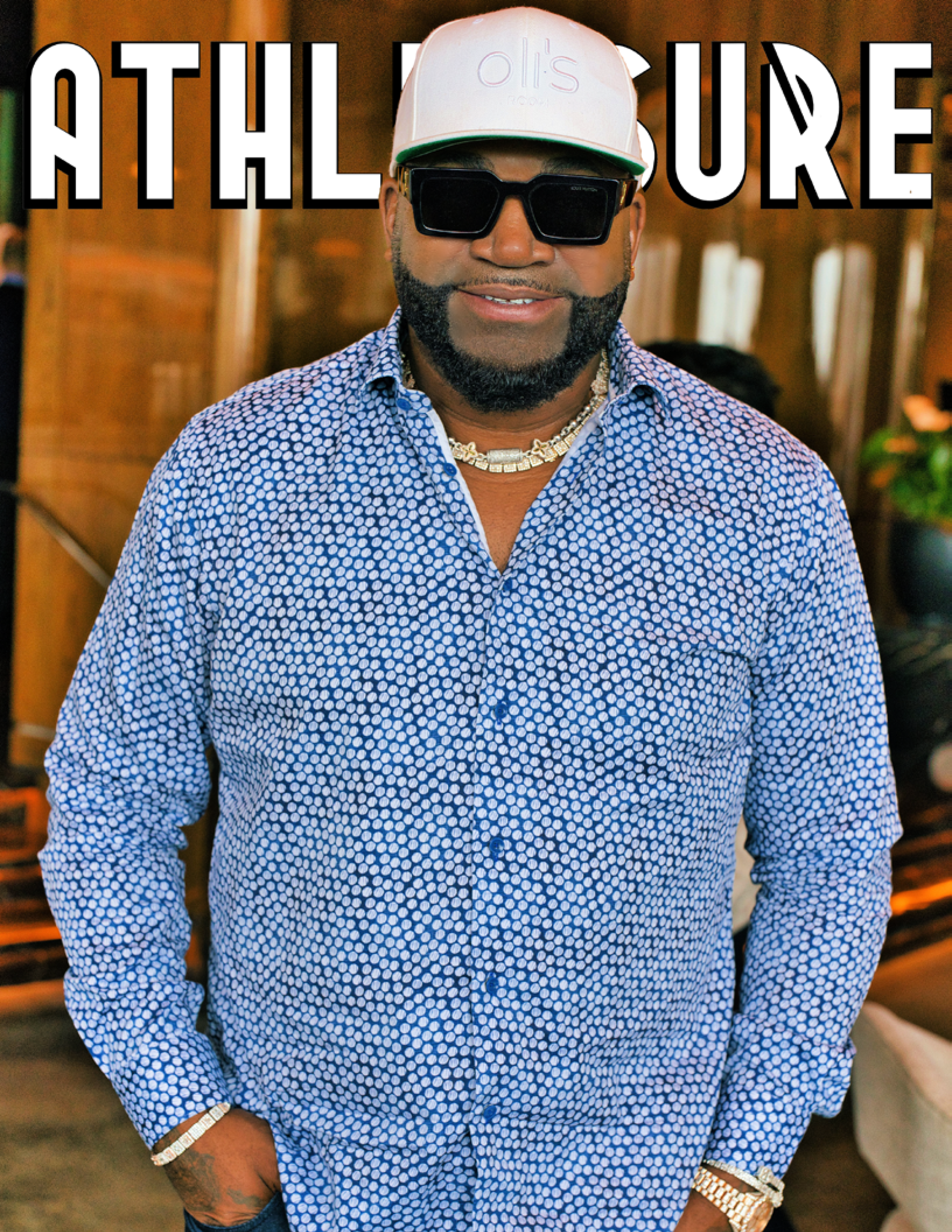

Read the MAY ISSUE #125 of Athleisure Mag and see RUM TIME WITH Big Papi in mag.
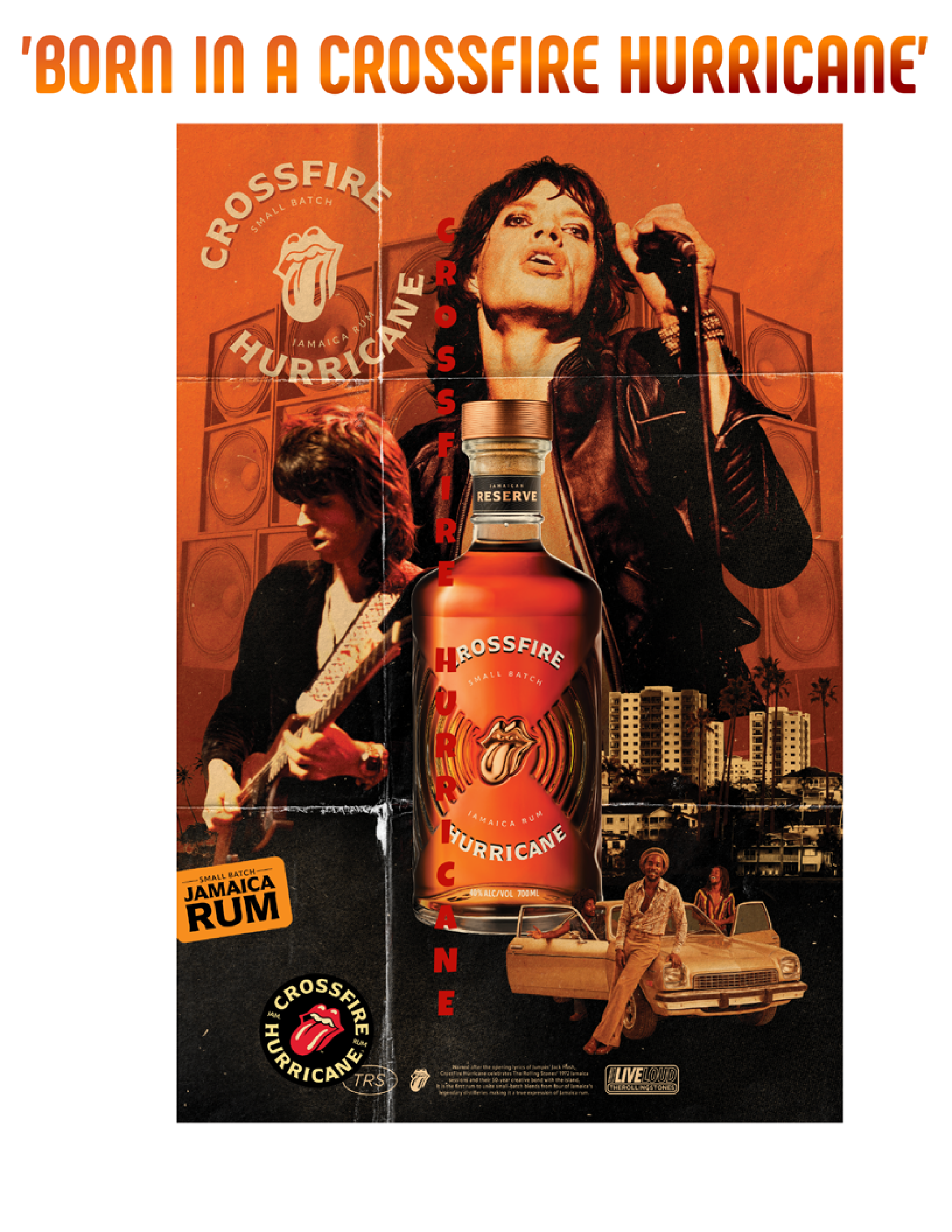
Without a doubt, The Rolling Stones will have an amazing Summer this year! On July 10th, the anticipated 14-track album, Foreign Tongues will drop and they have been releasing tracks and videos; such as In the Stars dropped earlier this month. While we wait for the full album to become available, The Rolling Stones have another launch that is worth noting! This Spring, they debuted Crossfire Hurricane Rum, a super-premium spirit that celebrates the bands connection with Jamaica in a relationship that has spanned more than 5 decades! This launch and product illustrates the band’s music heritage, its Jamaican provenance, and modern craft.
Starting with Jamaica, this is the first brand to utilize rums from 4 of the country’s most respected distilleries - Hampden Estate, Long Pond, Worthy Park, and Clarendon. These 4 styles come together in a single blend that showcases its complexity and the island’s rum-making tradition and is 100% Jamaican with no added sugars.
“Jamaica got into everything we did in the early seventies - the music, the rhythm, the pace of life. Jamaica was one of the few places that would let us all in. The island said come in and we recorded Goats Head Soup. It’s never let us down since. Crossfire Hurricane is a continuation of that story, more than fifty years on,” said The Rolling Stones.
It’s worth noting that prior to The Rolling Stones’ arrival in Jamaica, they had been recording on Main Street in the South of France; as well as touring in the US. When they arrived in Jamaica in 1972, it became a breath of fresh air their label head, Ahmet Ertegun of Atlantic Records knew that this island was the centre of emerging musical influence. By recording Goats Head Soup in Kingston, they were immersed in a new flow that Keith Richards said that the “1970s Jamaica felt a lot like 1960s England when we started out. There was something in the air - a new rhythm, a new imagery.”
The band continued to record at Dynamic Sound Studios where the connected with iconic reggae authors - Sly & Robbie, Peter Tosh, and more. Mick Jagger recorded, “There was something in the air. You could feel it from everybody on the street - a vital thing happening with reggae.”
The rum brand’s name is from the opening lyric of Jumpin’ Jack Flash (Editor’s Note: The opening lyric: I was born in a crossfire hurricane and I howled at the morning drivin’ rain) as a means to capture the raw energy and enduring spirit of one of the world’s most iconic bands.
The Rolling Stones partnered with Ian Burrell, Global Rum Ambassador to be a co-creator due to his expertise in Jamaican run and its cultural significance.
The bottle reflects the band’s iconic lips logo in a prominent way and is surrounded by wave patterns that showcase echo sound. By visiting the website, the storytelling continues by sharing the band’s time in Jamaica in the 70s, along with the recording of Goats Head Soup in Kingston.
Fans of the band and rum should visit the website to see never-before-seen images of the band on the island along with the moments that established their time there from the music as well as the spirit behind the rum. As their global rollout continues, Crossfire Hurricane Rum’s social account will share upcoming drops, collaborations, and new ways to interact with this story.
The portfolio includes Crossfire Hurricane Gold for mixing and Crossfire Hurricane Reserve for sipping.
PHOTOGRAPHY CREDIT | Crossfire Hurricane Rum
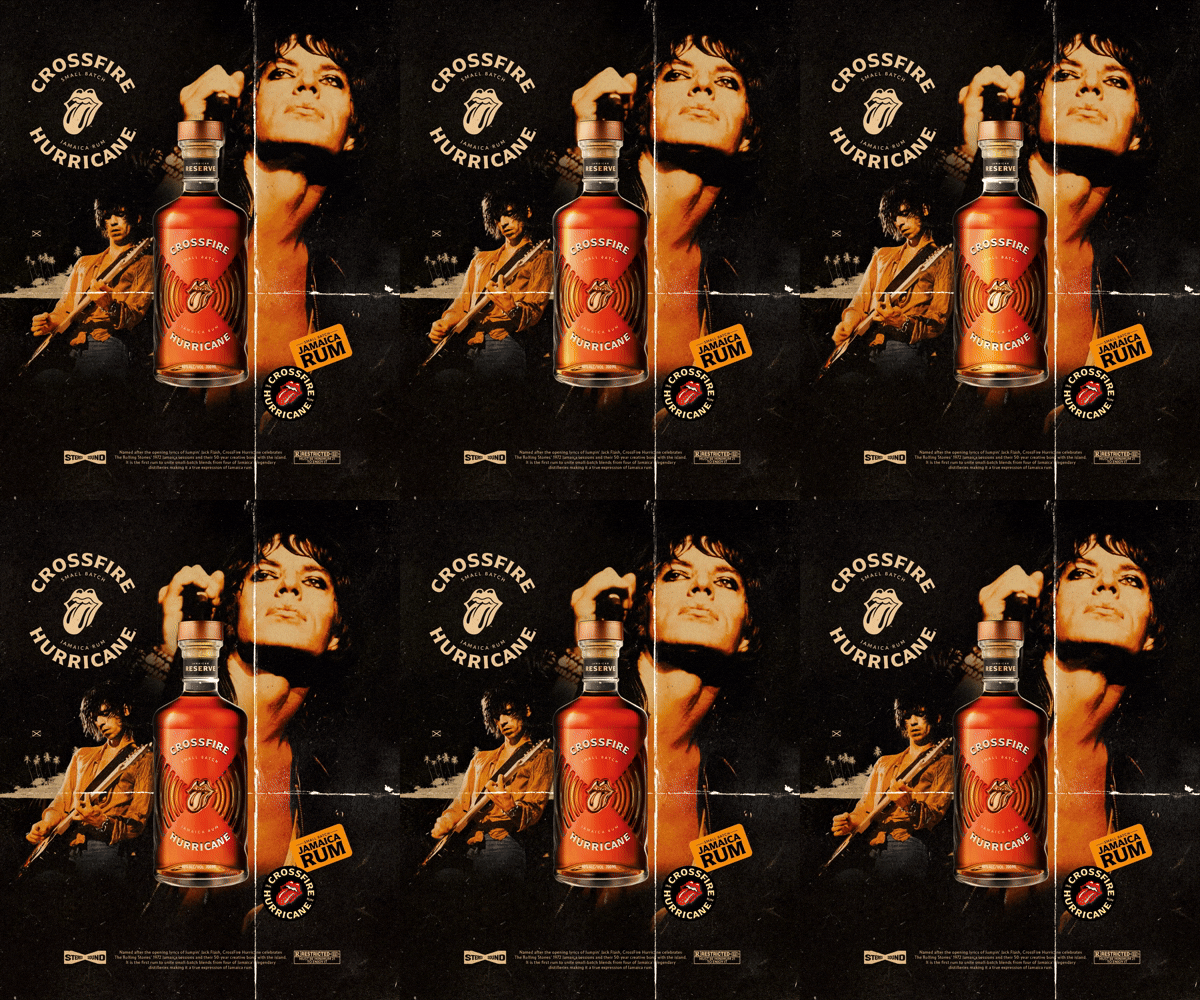
Read the MAY ISSUE #125 of Athleisure Mag and see BORN IN A CROSSFIRE HURRICANE | THE ROLLING STONES in mag.
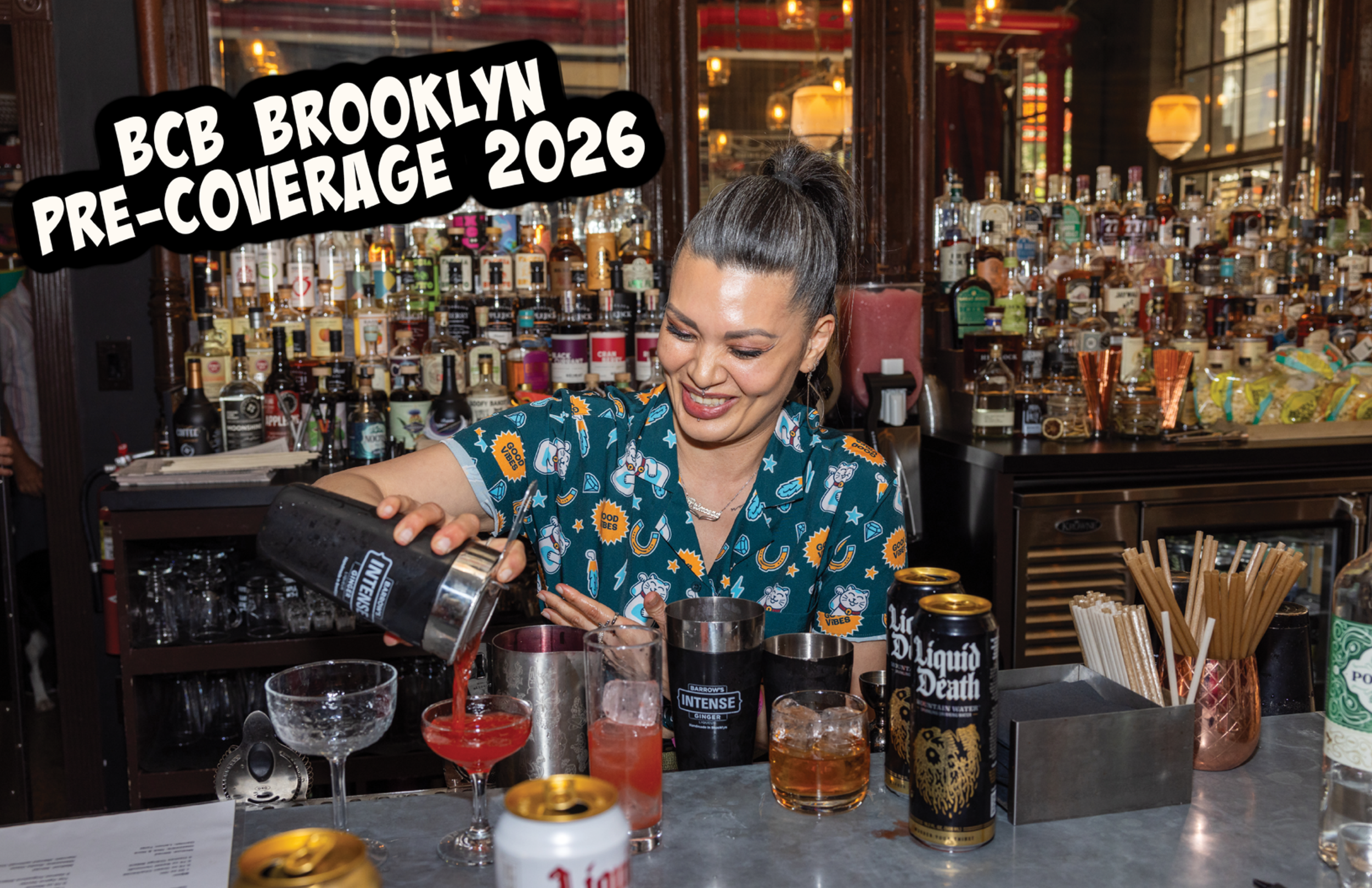
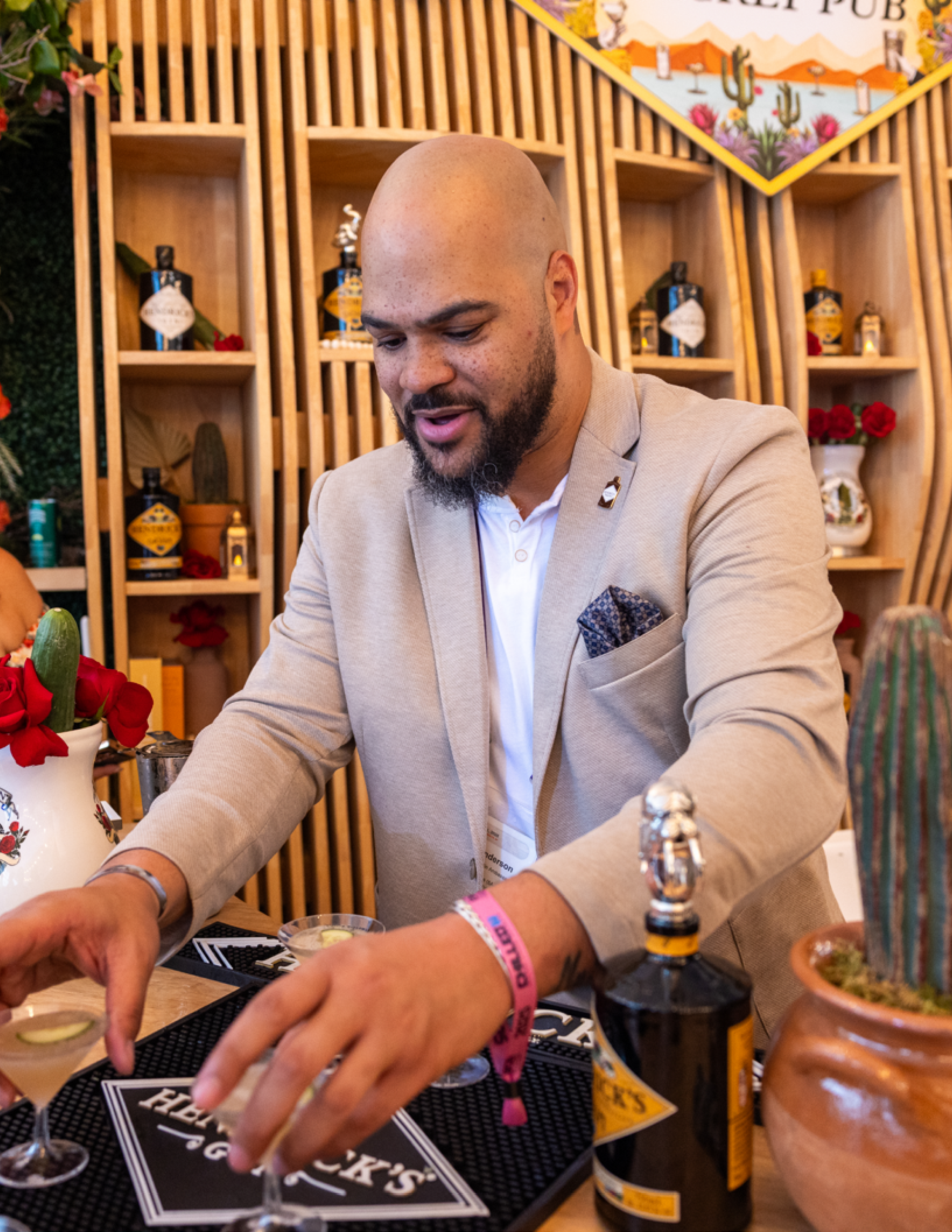
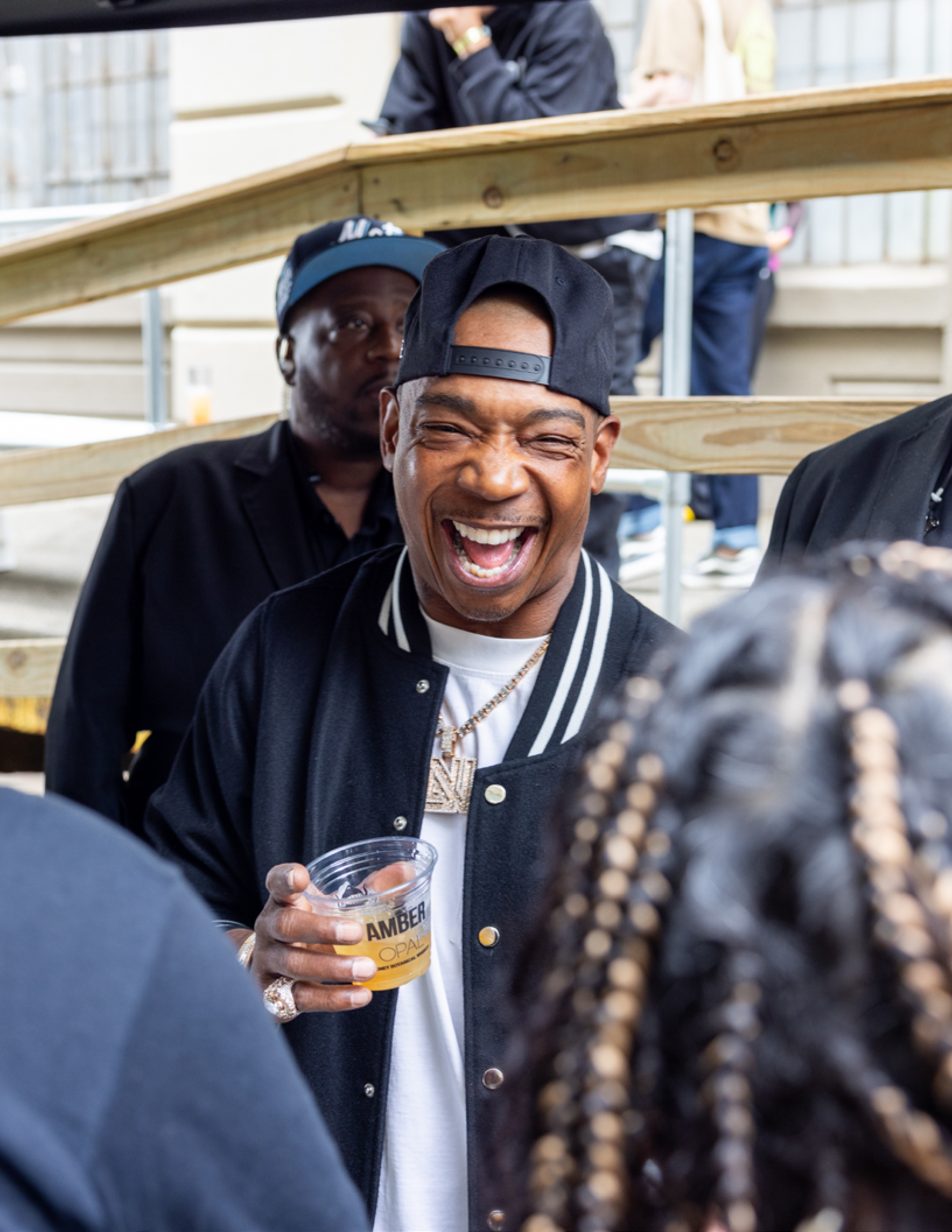
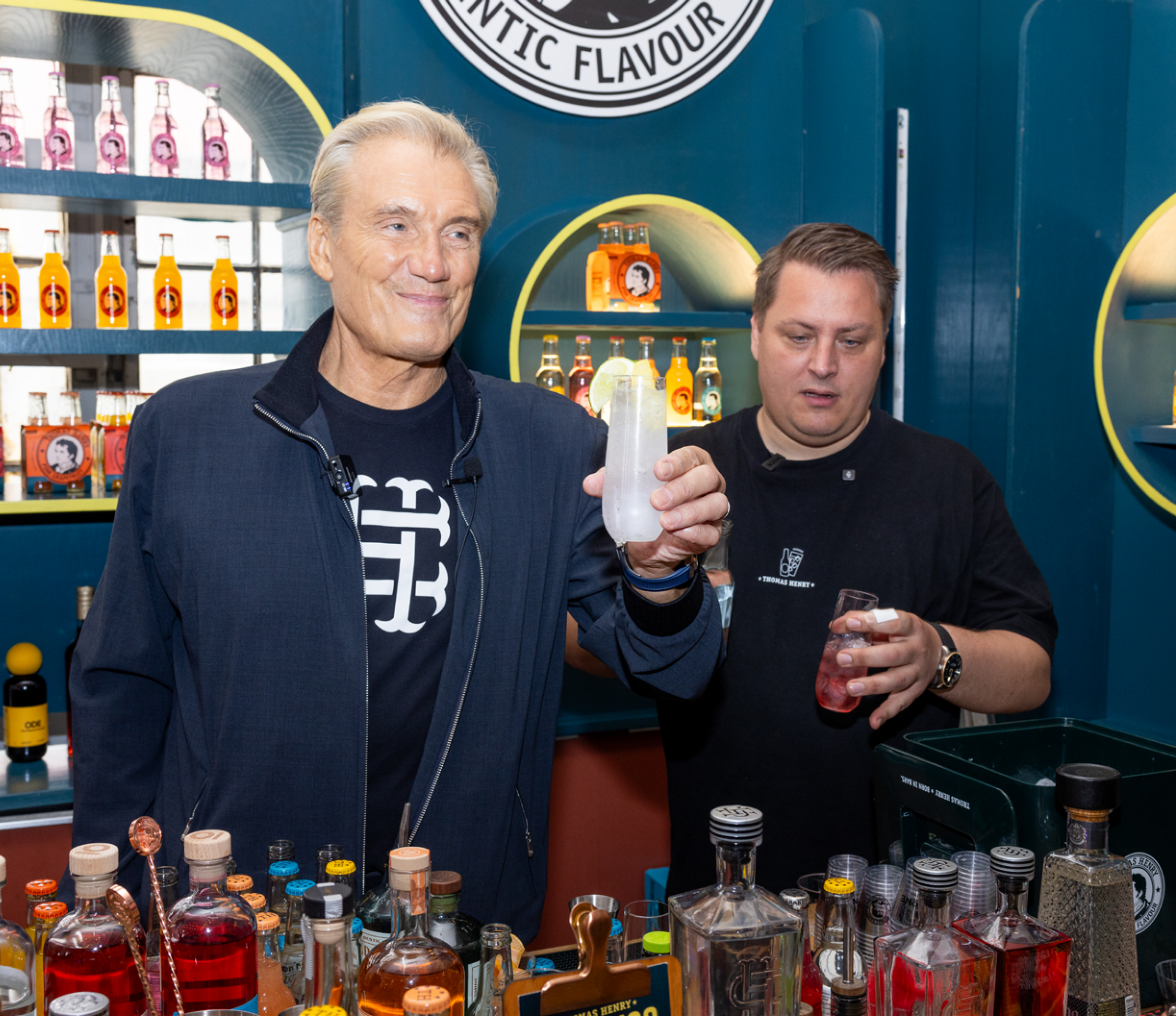
The Summer is always filled with a number of activities that we enjoy attending! One of those happens to be BCB Brooklyn; that we have attended for a number of seasons. This is a trade/industry only event that allows us to use brands that we have consumed over the years; as well as those that are new to the market. From Jun 9th + 10th, the hospitality industry comes together at Industry City to walk the tradeshow floors as well as to attend adjacent events within the spirits category.
As we have in previous issues, we chatted with Jackie Williams EVP of BCB Brooklyn ahead of this show to talk about what we can look forward to in terms of this show, what’s new and beyond! Next month, we will share what took place during this event.
ATHLEISURE MAG: We have enjoyed attending previous BCB Brooklyn’s and we’re looking forward to this one coming up next month! From an overview standpoint, what should we know about this year’s show?
JACKIE WILLIAMS: We’re so glad you’ve been part of the community, we can’t wait to see you! This year is our most expansive show yet. We’re introducing a brand new Workshop Stage focused on hands-on, practical learning where you’re behind the bar working with real ingredients and techniques you can take back and apply right away.
The courtyard is also playing a much bigger role this year, anchored by a dedicated bar with some of New York’s top bartenders, plus the new Garnish Garden where attendees can personalize their drinks through fresh garnishes. We’ve also introduced Premium VIP badge options for those wanting deeper access, and on the floor we’ve brought in more RTD brands, barware and hospitality technology platforms. But at its core, BCB Brooklyn is still what it’s always been - built for working hospitality professionals. We hope you leave with new connections and ideas you can actually use.
AM: What can you tell us about brands that we should have an eye out for that will be showing this year?
JW: BCB Brooklyn has become a real launchpad for product innovation - brands use it as their moment to introduce something new to the trade. We are very excited for the new brands and new products that will be showcased on the show floor. This year, Chinola Fresh Fruit Liqueurs is debuting their fourth expression, a new tropical flavor expanding their low-ABV lineup crafted from 100% fresh fruit; Badger Bevs is expanding their premium mixer portfolio with Cucumber Celery and Yuzu Lime; and there will be more announcements to come from brands across the floor.
AM: Are there any new categories that will be reflected in this show that we should have an eye out for?
JW: We’ve carved more space for no- and low-alcohol this year, which feels like a real marker of where the industry is. It’s well beyond novelty at this point - bartenders are building serious programs around it and the brands are keeping up. RTD, barware and hospitality technology are also taking up more real estate on the floor than ever, which reflects how much the business side of running a bar has changed. And agave keeps growing, not just tequila and mezcal, but regional expressions like sotol and bacanora that bring real depth to the category.
AM: We know that the education component is a major pillar of this show - what are 3 sessions you want us to know about?
JW: Rather than picking three, the education at BCB Brooklyn is really built across several distinct experiences. The Main Stage is where the big industry conversations happen, led by Lynnette Marrerro and the BCB Brooklyn 2026 Education Committee of respected voices working in hospitality today. Park Street University covers the business side with distribution, brand building, and operations. Our new Workshop Stage is hands-on, practical learning where you’re behind the bar applying techniques immediately. The Liquid Lounges are worth building into your day too - these are sponsored sessions where exhibitors, brand ambassadors, and industry leaders get into hot topics and trends, and share product samples. I recommend looking at the full schedule ahead of time and building your day around what’s most relevant to your business as there’s genuinely something for everyone.
AM: I love the courtyard as there is always something going on - what should we know about that for this year’s BCB Brooklyn?
JW: The courtyard is one of my favorite parts of the show and this year it’s playing a bigger role than ever. We have expanded to the East half of the Courtyard, which will be home to the Courtyard Bar East, running both days with a rotating lineup of some of NYC’s top bartenders doing guest shift-style takeovers - including our Head of Education Lynnette Marrero, Carl Radke and Richie Millwater of Soft Bar, Gelo Honrade of After Eden, and more. It really brings the energy of a live New York bar to BCB Brooklyn.
We’re also really proud of Pride on the Pour on June 10, in partnership with the Stonewall Inn Gives Back Initiative, it’s a community-driven gathering spotlighting LGBTQIA+ voices in hospitality, with Jazzul H from Stonewall Inn bartending and a cocktail menu featuring LGBTQIA+ owned and advocacy-driven brands.
And just steps away, the Garnish Garden is an interactive space where guests can pick fresh herbs and botanicals to customize their drinks, with a swing installation and plenty of moments designed for exploration and connection.
AM: Tell us about the inclusion of wellness in this year’s show?
JW: This year we’re weaving wellness through the whole show, not just a single session, but in the classroom and out on the floor. Dr. Jessica Pomerantz, a psychologist who also works behind the bar, is leading three seminars covering mental health, profitability, internal resources, and how culture gets built inside hospitality businesses. That dual perspective brings something to the conversation you just can’t fake.
And we’re taking it further with Between Shifts - wellness moments in the courtyard led by bartender and yoga instructor Samantha Casuga, from breathwork in the morning to guided meditation at the end of the day. A nice way to step back and reset from the energy of the show.
AM: Tell us about the BCB Brooklyn Brand Accelerator Pitch Competition?
JW: The Brand Accelerator Pitch
Competition is one of my favorites. Presented by Women of the Vine & Spirits, it gives emerging brands a real shot at getting in front of the people who can actually move the needle such as distributors, buyers, press and is open to first-time exhibitors, Emerging Brands Pavilion participants, and companies under five years in business. Finalists pitch live on June 10, judged on market viability, creativity, brand story, presentation and taste. The winner walks away with mentorship, distribution support, PR services, legal guidance and industry memberships - the kind of backing most small brands spend years trying to piece together on their own. I can’t wait to see who takes the prize home this year!
AM: In terms of food options, what can you tell us about what will be available?
JW: Food trucks and coffee pop ups will be onsite across both days, so there’s plenty to keep you fueled between sessions and on the floor, including a café in 7A. For VIP Club, VIP+ and Premium VIP badge holders, the VIP Lounge in the Game Room at Industry City is your all-day spot - coffee in the morning, light bites, and curated tastings from Beluga Vodka and CleanCo throughout the day. There are also many other wonderful food options located throughout the Industry City campus.
AM: If there is anything that we haven’t covered that you want to share as we prep ourselves for this show, let us know.
JW: Come with a plan but stay open. Review the schedule, and exhibitor list ahead of time, but don’t let that be the whole experience. Some of the best moments happen when things are unplanned such as a conversation in the courtyard, stumbling onto a brand you’ve never heard of, or a session that completely shifts how you’re thinking about something.
I also want people to know that we take sustainability seriously at BCB Brooklyn. We separate recycling, compost garnishes and excess materials, reuse booth builds and signage year over year, and our staff shirts are made from recycled materials. We partner with Trees for the Future, planting ten trees for every visitor who registers. Our parent company RX Global has pledged to be net zero carbon by 2040, and we back that up with education sessions on sustainability and climate action.
PHOTOGRAPHY COURTESY | BCB Brooklyn |
Read the MAY ISSUE #125 of Athleisure Mag and see BCB BROOKLYN PRE-COVERAGE 2026 in mag.

Next month Governors Ball makes its way to Flushing Meadows for 3 days of phenomenal performances from Jun 5th - 7th. We’re looking forward to seeing Katseye, Lorde, Major Lazer, A$AP Rocky, Jennie, Clipse, and more! If you have yet to get your tickets, now is the time. Over the past few years we have enjoyed being able to see the biggest acts across genres that make their way to the staycation. Add the activations, vibes, and people watching - it’s a very busy weekend!
In the midst of great music and the early days of Summer, the food offerings are another element that makes this so enjoyable. We enjoyed Gotham Burger Social Club last year and we are looking forward
to their return this year as well! With various culinary options across the board, there is something for everyone including: Lobster Rolls & More, Grumpy Dumpling Co, and Tacombi. For those looking for something for their sweet tooth, Van Leeuwen Ice Cream, John’s Juice, and Fan Fan Donuts will also be options there.
For those that want to continue the party, their After Dark series is concerts and sets taking place outside of this venue throughout the city. To check out who you want to see, make sure to check out that portion of the site in order to obtain tickets which are separate from your passes to Gov Ball.


IG @govballnyc
PHOTOGRAPHY CREDITS | PG 154 Ismael Quintanilla | PG 156 + PG 158 Taylor Regulski |
Read the MAY ISSUE #125 of Athleisure Mag and see Gov Ball 2026 Pre-Coverage in mag.
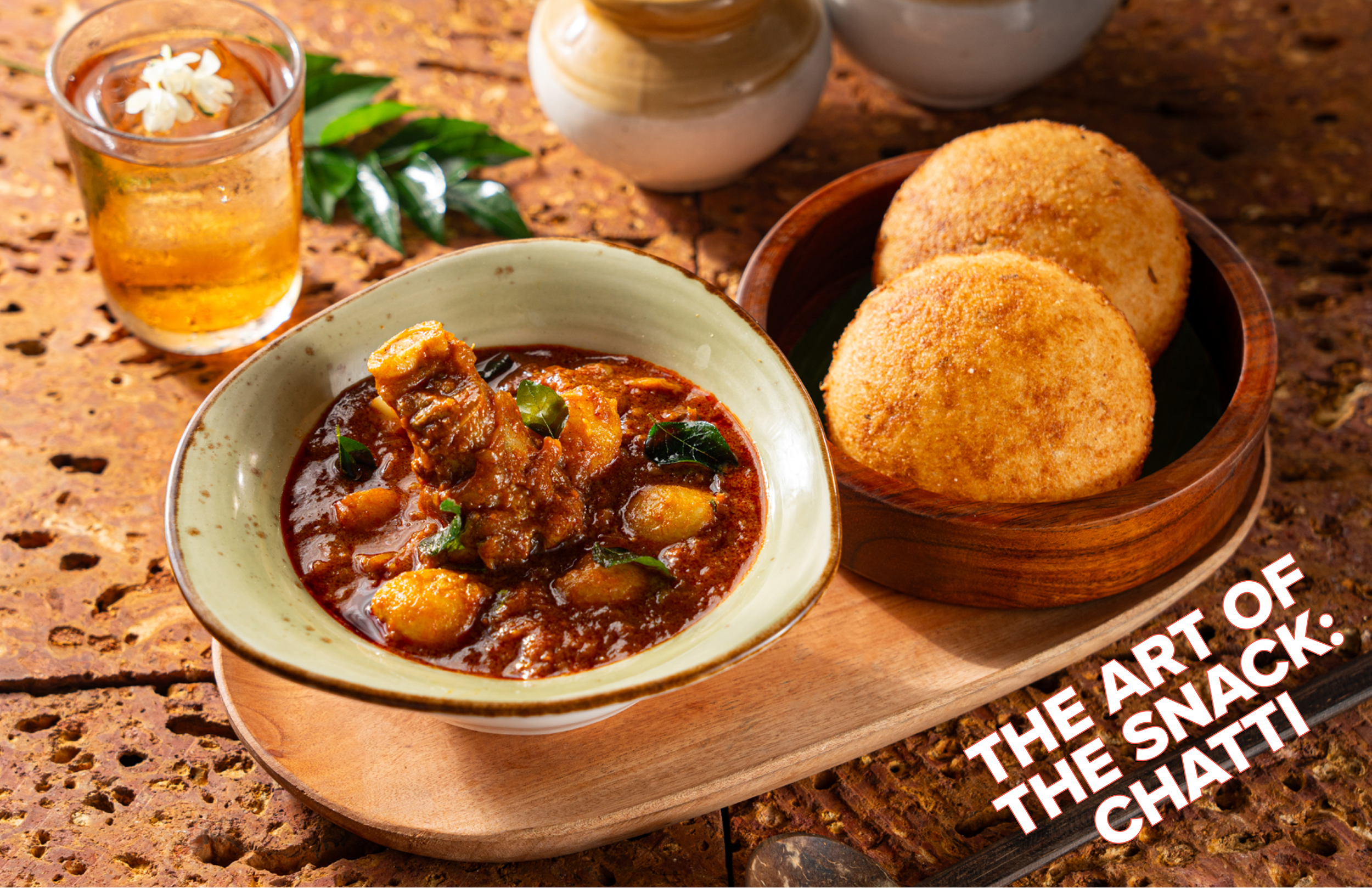

We’re always down for a good meal and last month , not only did we have a feast that was next level, but we went on a journey that let us know about Toddy Shops, Kerala Cuisine, and little the details that brought it all together! We wanted to know more about Chatti which is located in Midtown here in NYC. We had the pleasure of having noted Founder/Partner of Chatti & Culinary Director/Partner Kappa Chakka Kandhairi in Bengaluru and Chennai -Chef Regi Mathew walk us through the dishes that we enjoyed. He talked about the region, the spices of the area and the various traditions that are done when eating. In today’s The Art of the Snack, he gives us more insights as well as what we should have when we come in next!
ATHLEISURE MAG: Chef Regi Mathew, before we delve into Chatti by Regi Mathew, can you tell us about your culinary background, kitchens you trained in and what led you to create Chatti by Regi Mathew?
CHEF REGI MATHEW: Growing up in Kerala, cooking and food were at the center of my youth and family life. Having lost my father while I was still quite small and being the second youngest in a family of boys, I spent a lot of time in my mother’s kitchen. Some of my earliest memories are of watching her cook. From ingredients being prepared, spices being ground, to dishes coming together, I was naturally curious about it all.
At the time, I didn’t think I would pursue cooking professionally but looking back, that early exposure is what shaped my connection to food. It wasn’t a conscious decision then but a way of life that eventually became the foundation of my journey as a chef. Professionally, I trained in hotel kitchens and worked with some of India’s leading hospitality brands before founding Kappa Chakka Kandhari in Chennai and later Bengaluru. Those restaurants became a way for me to showcase the depth and diversity of Kerala’s regional cuisines beyond the stereotypes people often associate with South Indian cuisine.
Chatti grew naturally from that journey. I wanted to create a space that felt transportive, emotional, and deeply rooted in Kerala’s culture, and with New York being one of the world’s great dining cities, I felt the city was ready for Kerala cuisine. For over three years, I researched my cuisine, visiting 300 households and 100 toddy shops across Kerala. I am incredibly proud to present my home country’s rich culinary heritage to the world.
AM: For those coming in to dine, can you tell us about the ambiance and aesthetic of Chatti as you definitely don’t feel like you’re in NYC when you’re there! It felt like being on a vacation and it really allowed an immersion into the menu and the experience.
CHEF RM: That means a lot because that feeling of being transported to Kerala, was very intentional. We wanted Chatti to feel less like a restaurant and more like stepping into a memory of Kerala. The design draws from old homes, toddy shops, coastal textures, terracotta, wood, brass and elements inspired by Kerala’s backwaters and shoreline.
Kerala has a very layered culture shaped by trade, migration, spice routes and communities that travelled across the world for centuries, and we wanted the space to reflect that richness. The interiors weave together earthy tones with intricate laser-cut copper artworks depicting aspects of tropical life in Kerala such as fishing nets, snake boats and redtiled homes all adding both texture and cultural depth to the experience. The furniture is crafted from the Nilambur teak by artisans from Kerala, which brings a certain warmth and authenticity to the space.
For us, every detail was important because in Kerala dining is never only about eating. It is about slowing down, gathering with people you love and sharing stories. We wanted guests in New York to feel that same warmth, immersion and sense of place the moment they walk into Chatti.
AM: What does Chatti mean?
CHEF RM: The name ‘Chatti’ (pronounced chuht-tee) refers to the traditional clay pot central to Kerala’s toddy shops and homes. These clay pots enhance the flavours of the dishes as they allow the food to mature over time. In toddy shops, food is typically prepared in the morning and left to develop its taste in chattis before being served to guests. This cooking method is an essential part of Kerala’s culinary tradition. Naming the restaurant Chatti felt symbolic because everything we do is rooted in authenticity, memory and heritage.
AM: What is a Toddy Shop Culture and why did you want to showcase this concept to diners?
CHEF RM: My vision has always been to elevate Kerala cuisine to global prominence, preserving its authenticity while introducing it to a wider audience. I hope to deepen appreciation of Kerala’s diverse traditions and inspire a greater understanding of its unique heritage.
Kerala is a lush coastal state in southern India that was once a thriving hub of the ancient spice trade, so it boasts a culinary legacy shaped by centuries of global influences and the region’s unique natural abundance. Among its many micro-cuisines, toddy shop culture stands out as both ubiquitous and distinctive. These eateries are known for their slow-cooked dishes, bold flavors, and communal spirit, serving toddy – a naturally fermented, mildly sweet palm beverage – alongside ‘touchings,’ flavorful small plates. Contrary to common perceptions of Indian food, Kerala’s toddy shop cuisine is characterized not by overwhelming heat or sharp intensity, but by its rich aromatic depth and the expert balance of spices.
At the heart of toddy shop culture is a ritual of savoring and a sense of community. People from all walks of life–politicians, artists, and businessmen– sit side by side, sharing food and honest conversation. With Chatti, we are reimagining these cherished values and traditions for a contemporary global audience, celebrating the culinary diversity of Kerala, from the seafood-rich backwaters of Alleppey to the hearty meat specialties of the Malabar and High Range regions.
AM: What is Kerala cuisine and what are 3 ingredients and flavors that are indicative of this cuisine?
CHEF RM: Kerala cuisine is incredibly diverse because the state itself is geographically and culturally layered. You have the coast, the hills, backwaters, and spice-growing regions, each influencing the food differently. It is a cuisine shaped by traders from the Middle East, Portugal, Holland and beyond, yet it has remained deeply local.
Three ingredients that are central to Kerala cuisine would definitely be coconut, black pepper and curry leaves. Coconut appears in many forms, as coconut milk, coconut oil, roasted, grated or fermented. Black pepper is historically significant because Kerala was once one of the world’s great spice destinations. Curry leaves bring aroma and freshness that are instantly recognisable in Kerala cooking.


AM: There are so many details of this restaurant with the food as well as experiences. When being seated at the table, there is a large seashell that is placed in front of you. Tell us why this is one of the initial experiences that starts any meal here!
CHEF RM: Kerala has always had a deep relationship with the sea. The shell is symbolic of that connection and acts almost like a gentle invitation into the experience. We wanted the meal to begin with a moment of curiosity before the food even arrives. In many coastal cultures, shells also carry sound and memory. For us, it represents the shoreline, the fishermen, the backwaters and the rhythm of Kerala life.
AM: When you are given water, it is warm and red - tell us about this and why it is served at this temperature and why is it that color?
CHEF RM: At the start of every meal, guests are served a warm, pink-tinted water, which is made by boiling sappan wood and is inspired by traditional Kerala wellness practices, inviting them to slow down and fully immerse themselves in Kerala’s culture of communal dining. In many homes in Kerala too, warm water is preferred over chilled water because it is considered better for digestion, especially in humid climates and alongside spice-forward food.
AM: What are 3 appetizers that you suggest that we should have in mind to share with the table?
CHEF RM: Here is a selection of my recommendations
Prawn Pouches: Drawing inspiration from a popular Kerala dish Prawn Peera, this dish evokes the goodness of grated coconut but takes things a step further. Prawns are marinated with a signature coconut masala seasoned with select Kerala spices and sun-dried Malabar tamarind, then wrapped in banana leaf pouches and gently steamed. This allows the natural flavors to meld and the prawns to absorb the earthy aroma of the banana leaves thus bringing the heat and smokiness of spices and tamarind together.
Tender Jackfruit Cutlet: ‘Idichakka Cutlet’ – deep-fried, crumb coated, tender jackfruit cutlets. Tender jackfruit is first half cooked in earthen pots with Kerala spices and then shaped into cutlets, coated with crumbs and deep fried.
The Toddy Shop Beef Fry is something very close to Kerala toddy shop culture, slow cooked, intensely spiced and deeply comforting.
AM: There are a number of dishes to enjoy! What are 3 House Specialties that you suggest that we try?
CHEF RM: Pearl Spot Parcel or Karimeen Pollichathu is one of the signature dishes because it represents Kerala’s backwater cuisine beautifully. A favourite with the sea-food loving community of Kerala, Karimeen or pearl spot fish, a popular and muchloved variety of fish from Kerala has a unique flavour that melds the salinity of seawater and sweetness of freshwater. Seasoned with a delicate hand, wrapped in banana leaf to create a second layer of flavour and aroma, and grilled on a hot tawa, this dish is the star of every meal.
Seafood Tawa-Grilled with Gooseberry Masala: A tribute to the tribal community of the Agasthiyar forest near Thiruvananthapuram in Kerala, comes a seafood dish with two special ingredients – dried gooseberries and green peppercorns. Paired with bird’s eye chillies, they infuse the seafood with floral notes, and a lingering sweet-tart aftertaste from the gooseberry.
Toddy Shop Beef Fry is inspired by the bold, flavour-forward beef preparations traditionally served in Kerala’s toddy shops- the rustic local taverns known for its selection of regional comfort food. The dish features slowcooked beef tossed with roasted spices, curry leaves, coconut slivers, and black pepper, creating a dark, intensely flavoured fry. At Chatti, I present it with a more refined yet deeply nostalgic approach, staying rooted in the flavours and spirit of Kerala’s toddy shop culture.
And finally, the Aubergine Coconut Fryeggplant grilled with delicate spices and coconut crumbs
AM: What are 3 curries that we should have in mind when dining?
CHEF RM: Duck Mappas: Pieces of duck are marinated in a traditional toddy shop spice mix and then slow cooked in a rich coconut milk curry. The Mappas-style preparation allows the duck to absorb the deep, spiced flavors while the coconut milk adds a creamy balance, creating a dish that’s intensely flavorful and true to Kerala’s toddy shop cooking style.
Clay Pot Fish Curry: Kerala’s famous toddy shops dot the highways, serving toddy and ‘touchings’. The Clay Pot Fish Curry features chunks of fish slow-cooked with Malabar tamarind or kodampuli found in this region in a crimson gravy and matured overnight in a clay pot. It is the Malabar tamarind and select spices that lend this fish curry its intense, flavour and signature tartness. Best enjoyed with a carb of your choice either boiled mashed tapioca or Kerala’s indigenous Palakkad matta rice.
Ramapuram Chicken Curry: Chicken pieces are marinated and simmered in aromatic spices and freshly extracted coconut milk. Slow cooking allows the flavors to meld, combining the creamy texture with the mild spices, in the classic homestyle curry which is unique to the town of Ramapuram.
Malabar Aviyal: Melange of garden-fresh vegetables cooked with crushed coconut and yogurt. This unique dish is an important part of Kerala vegetarian offering. Each region in Kerala makes their own version of Aviyal.
AM: For rice and breads, what are 3 that we should have in mind?
CHEF RM: Steamed Hoppers (Vattayappam) – Soft pillowy fermented and steamed, fluffy rice cakes are made from fermented rice, Vattayappam in Kerala is traditionally made with a splash of toddy that adds a gentle, complex flavour and is the perfect combination of sweet and tangy; a delightful contrast to the rich, spicy Kerala curries served alongside.
Rice Dumplings in Coconut Milk (Best eaten with Ramapuram Chicken Curry) - Bite-sized rice dumplings, gently simmered in coconut milk, are best paired with a mildly spiced chicken curry made from cold-ground coriander seeds, Kerala spices and coconut milk. This dish, popular among certain local communities in Kerala and is a favourite food during local festivals. When eaten with a chicken curry – this subtle and comforting onebowl dish that is a wholesome and complete meal.
Mutton Cup Biriyani: Mutton biriyani cooked with short-grain rice & Tellicherry spices. This style of biriyani is quite different from the typical Biryani associated with Indian food. One of India’s most popular biriyani is flavorful and not heavy, the main ingredients are mutton, mild Tellicherry spices and an Indian aromatic variety of small grain rice known as Kaima. The main ingredients are tender chicken or mutton, mild Tellicherry spices and an Indian aromatic variety of small grain rice known as Kaima.


AM: What are 3 desserts that we should have to end our meal that we can share?
CHEF RM: Palada is one of the most popular, traditional, creamy milk and rice based desserts from Kerala, and a must have for auspicious occasions.
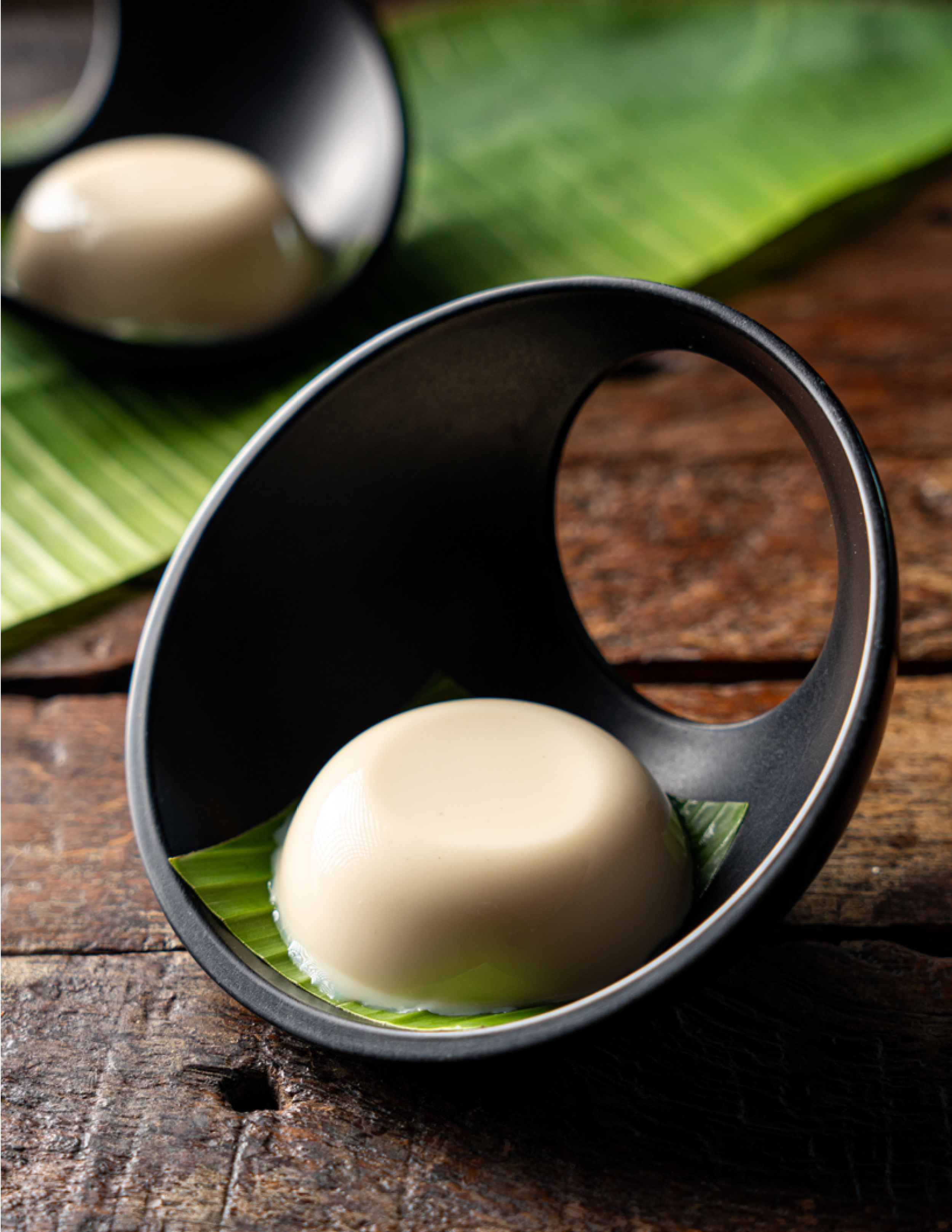
Cloud Pudding: A delicate pudding made with tender coconut; this is a signature dish from Chatti’s sister restaurant in India. Named for its soft texture, cloud pudding is wobbly and subtle, a dessert that will melt in your mouth, leaving behind the faintest traces of coconut.
Filter Coffee Pudding: A signature dessert inspired by South India’s famed filter coffee. Flavours of South Indian Filter coffee in a dessert is the best way to end a meal for both coffee lovers as well as those who wish to satisfy their sweet craving after a delicious meal. Arabica coffee beans sourced in South India are first roasted, then ground coarsely and filtered in a brass percolator to give a decoction that’s used in this light, airy and subtly sweet coffee dessert. It provides the combined satisfaction of having a coffee as well as a dessert.
AM: The cocktails were amazing. I truly enjoyed the one that came out of the jewelry box! What are 3 cocktails that we should have when dining?
CHEF RM: Our bar program draws heavily from Kerala’s spice routes and ingredients. The Malayali Old Fashioned in the jewellery box is designed as an experiential drink inspired by Kerala’s history of gold, trade and heirlooms. The inspirations for my cocktails come from the landscapes of Kerala. The flavours, ingredients, and techniques used in the cocktails reflect the essence of the region, creating a unique drinking experience.
I would recommend the Sam Bar, vodka infused with clarified sambar (a South Indian lentil curry), topped with coriander leaf powder and mezcal; and God’s Own Country, gin-based cocktail infused with Kaffir lime, and a twist of lemon grass.
Another must try is Kandhari, is a unique spicy margarita that I worked on personally, that consists of tequila, lime, triple sec, salt air, and a concoction made with Kerala’s bird’s eye chili, a small pepper known for its sharp heat.
AM: For those eating at the bar, is there a separate menu? If so, what are 3 items that you suggest that we should try when eating there?
CHEF RM: Our Touchings menu is particularly bar-friendly and designed for sharing and pairing with cocktails. Touchings are the Toddy Shop inspired version of small plates packed with bold flavors and perfectly portioned bites. Colloquially called touchings because they are meant to be eaten with your hands, these dishes are rooted in Kerala’s unique Toddy Shop dining culture, bringing the true essence of regional specialities to your plate.
Trivandrum Chicken Fry: Inspired by the street food found in Southern Kerala, this chicken fry has predominant flavours of crushed garlic and fennel. Succulent pieces of chicken are marinated with fennel, garlic, chilli & deep-fried making it a delightful snack.
Quilon Coconut Prawns: Prawns are marinated in a spiced coconut masala, then crusted with crisp grated coconut and then tawa grilled. The coconut imparts a rich, nutty flavor that caramelizes on the prawns, and curry leaves adds an aromatic touch. Yet another signature from Chef Regi’s kitchen.
Chili Roasted Calamari - ‘Koonthal Tawa Roast’ – squid rings cooked on a griddle with toddy shop masala. Squid rings are marinated in toddy shop masalas and seared on a hot griddle, where they develop a slightly crispy exterior while staying tender inside. The griddle-cooking enhances the flavor of the masala, bringing out the squid’s natural sweetness and creating a dish that’s both spicy and succulent
AM: We had the opportunity to try a tonic that was taken as a shot that you made for us! Can you tell us about this?
CHEF RM: Kottuvadi is a Malayalam term that translates to a wooden mallet. This drink takes Chef back to his college days, when just one shot of it would make you feel like you are hit on the head with a Kottuvadi. . It is a concoction of bird’s eye chilli, ginger and country liquor, it’s a drink that takes you to the ‘spice world’ on a rocket.
AM: During the meal we also had palate cleansers as well - can you share more about what those were?
CHEF RM: In the Kerala sadhya (banana leaf meal), pachadi is served as a palate cleanser. It is either curd-based or sweet and tangy fruit-based. Here, we make it with pineapple which brings out the tanginess, coconut and banana. This palate cleanser helps neutralise the flavors before starting the next course of the meal, thus enhancing flavors of the food.
AM: You are a noted chef with a successful restaurant Kappa Chakka Kandhari in Chennai as well as in Bengaluru in India and Chatti is your international debut here in NYC which has been open for a little over a year. What do you want your legacy to be known as when people are thinking about your food and flavors?
CHEF RM: I hope my work helps expand the understanding of Indian cuisine globally. India is not one cuisine - it is thousands of culinary identities, techniques and stories. If there is one thing I would like my legacy to reflect, it is that regional Indian cuisines deserve the same respect and curiosity that the world gives to other great food cultures. For me, food is documentation. It is preserving memory, communities and traditions that could easily disappear with time. If people leave my restaurants with a deeper appreciation for Kerala and its culinary heritage, that is meaningful to me.
AM: Are there any upcoming events that we should know about that Chatti will be involved in?
CHEF RM: We are constantly exploring collaborations, seasonal menus and cultural experiences that celebrate Kerala beyond just the food. There are a few exciting things in the works around immersive dining experiences, and we’ll be sharing more very soon.
PHOTOGRAPHY CREDITS | PG 174, - PG 179, PG 183 - PG 187 LAH Studios | PG 180 Vinayak Grover |
Read the MAY ISSUE #125 of Athleisure Mag and see THE ART OF THE SNACK | Chatti in mag.
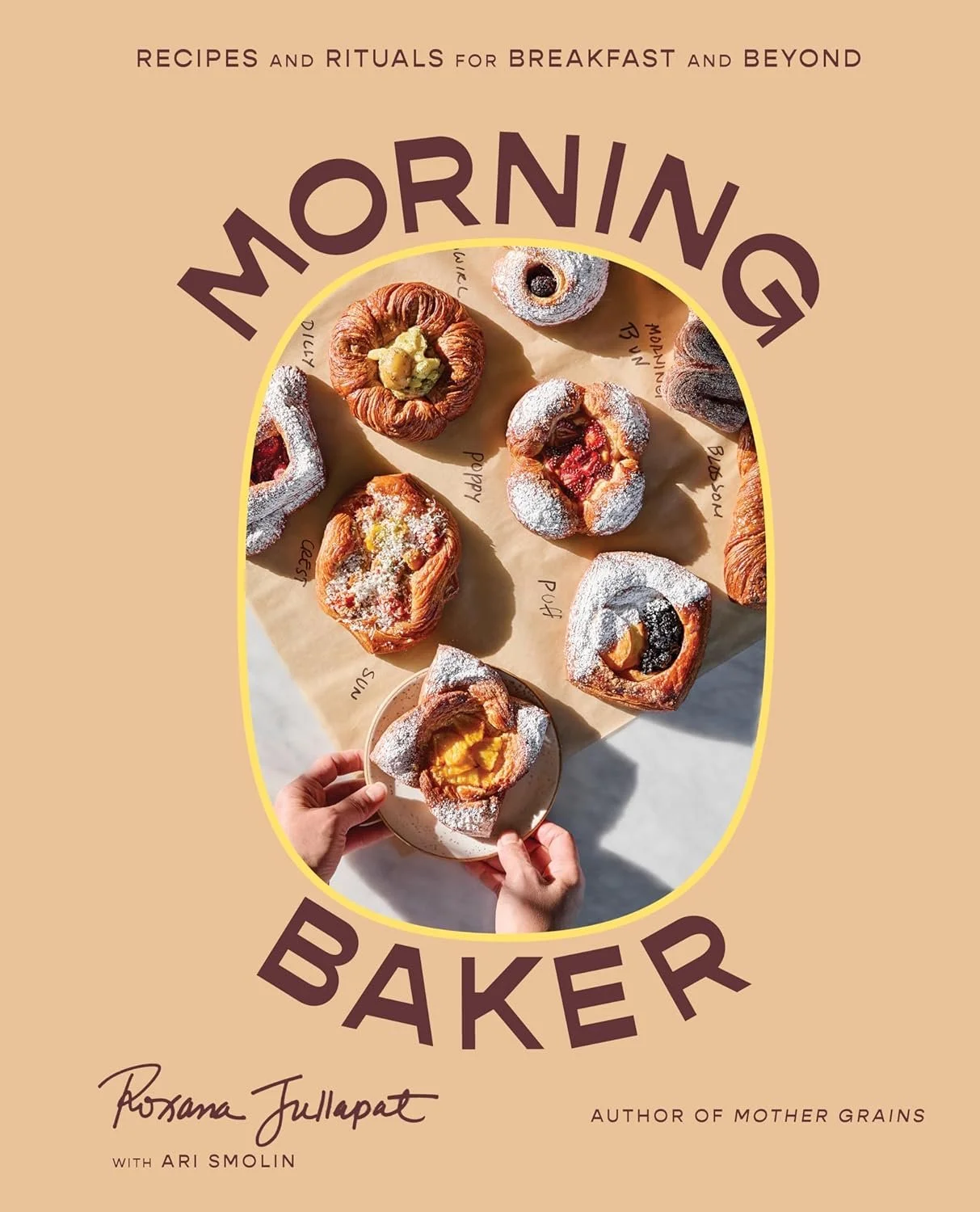
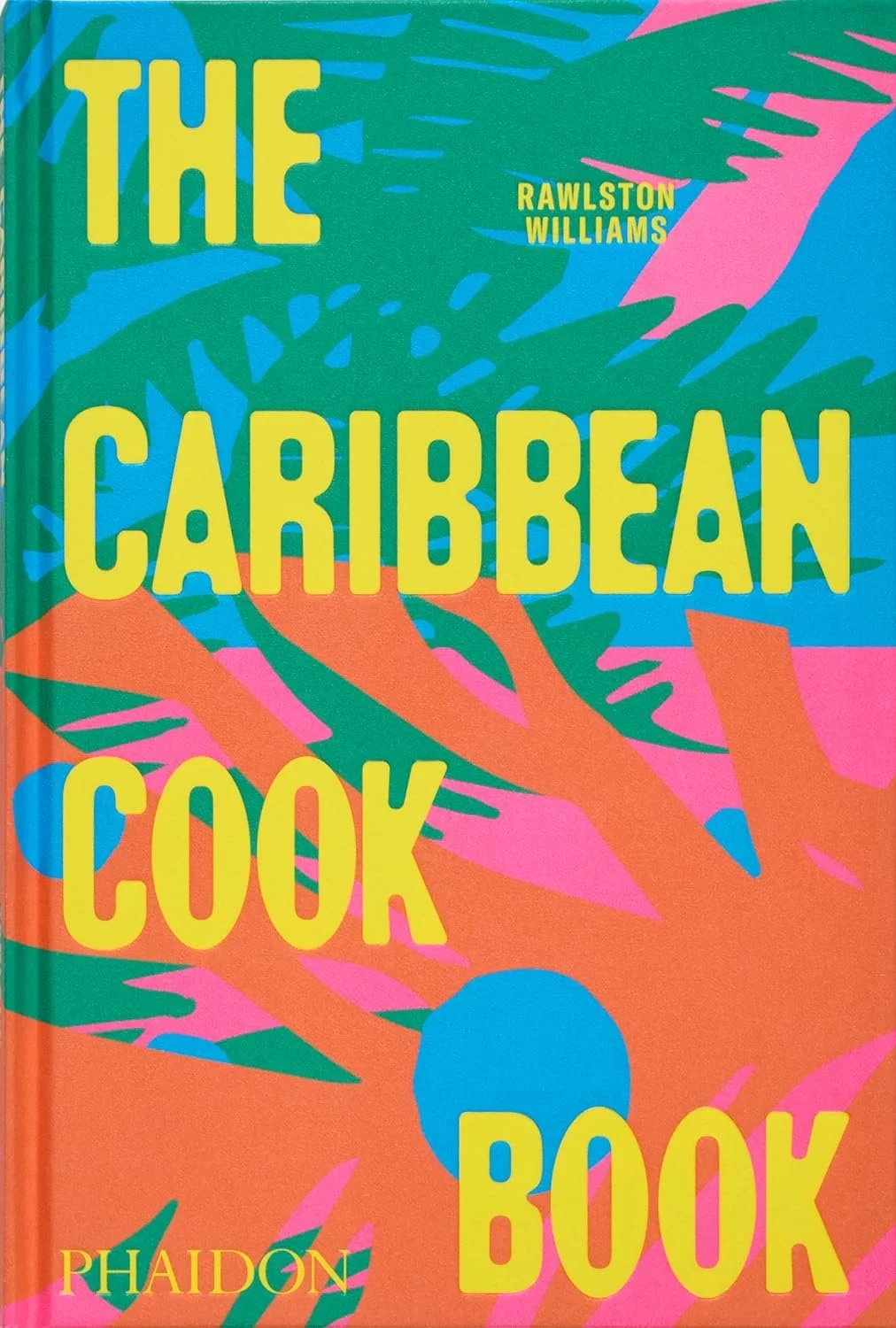
In Morning Baker: Recipes and Rituals For Breakfast and Beyond, you’ll find 100 whole- grain recipes that are going to step up your baking routine! For those that feel that they need to get into a baking routine, this book will focus on recipes, techniques, and insights that the author has learned as they get up to tackle their baking tasks.
Roxana Jullapat encourages people to become adventurous with their muffins, breads, and pastries. We’re interested in making her Herby Cottage Cheese Scones, Midnight Cookies, and Cherry Cutout Pie.
These goodies and more will let you truly work with whole-grain treats and you will have fundamental pastry formulas, simple sourdough techniques, and tips and troubleshooting advice throughout.

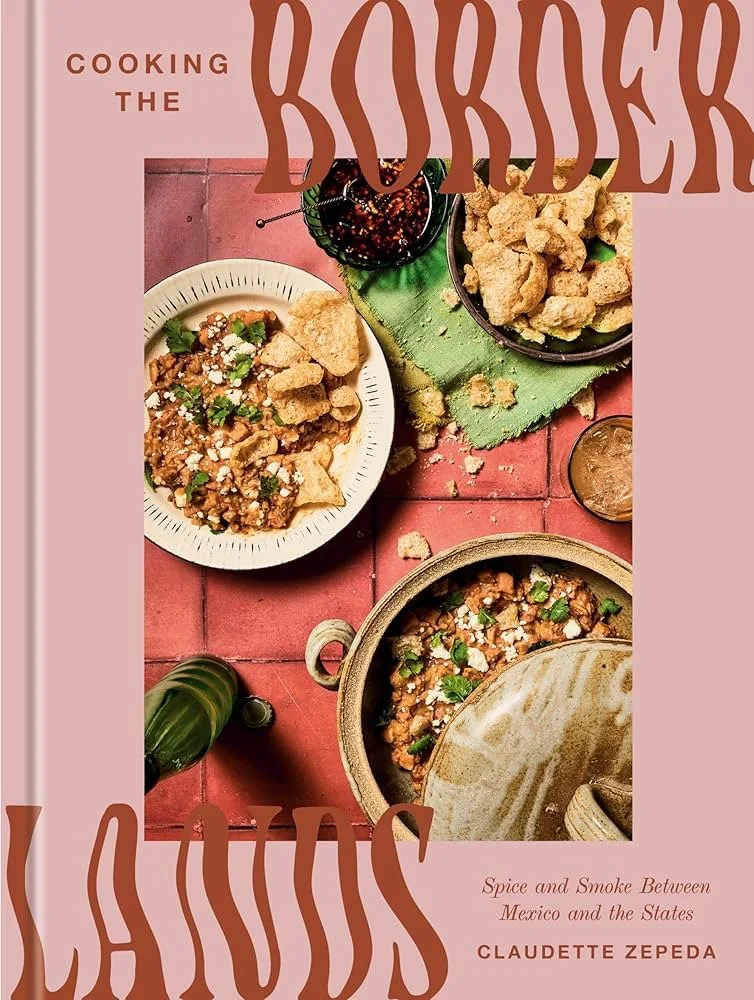
A coffee table book is always one that you should have on hand when it comes to creating great placement on your coffeetables or on your book shelf!
In Beach Bum: A Life Spent Chasing the Sun, you will be transported to an array of coastal destinations. Although you can enjoy it for the beach imagery, it is also a series of images that look at the freedom of being out and about, creativity and ever growing wanderlust!
This cookbook allows you to take a 15-year journey of capturing these images in these landscapes that you can feel like you are popping out on vacation anytime you need a moment and a quick change of pace before you decide to actually pack your bags for your next trip!
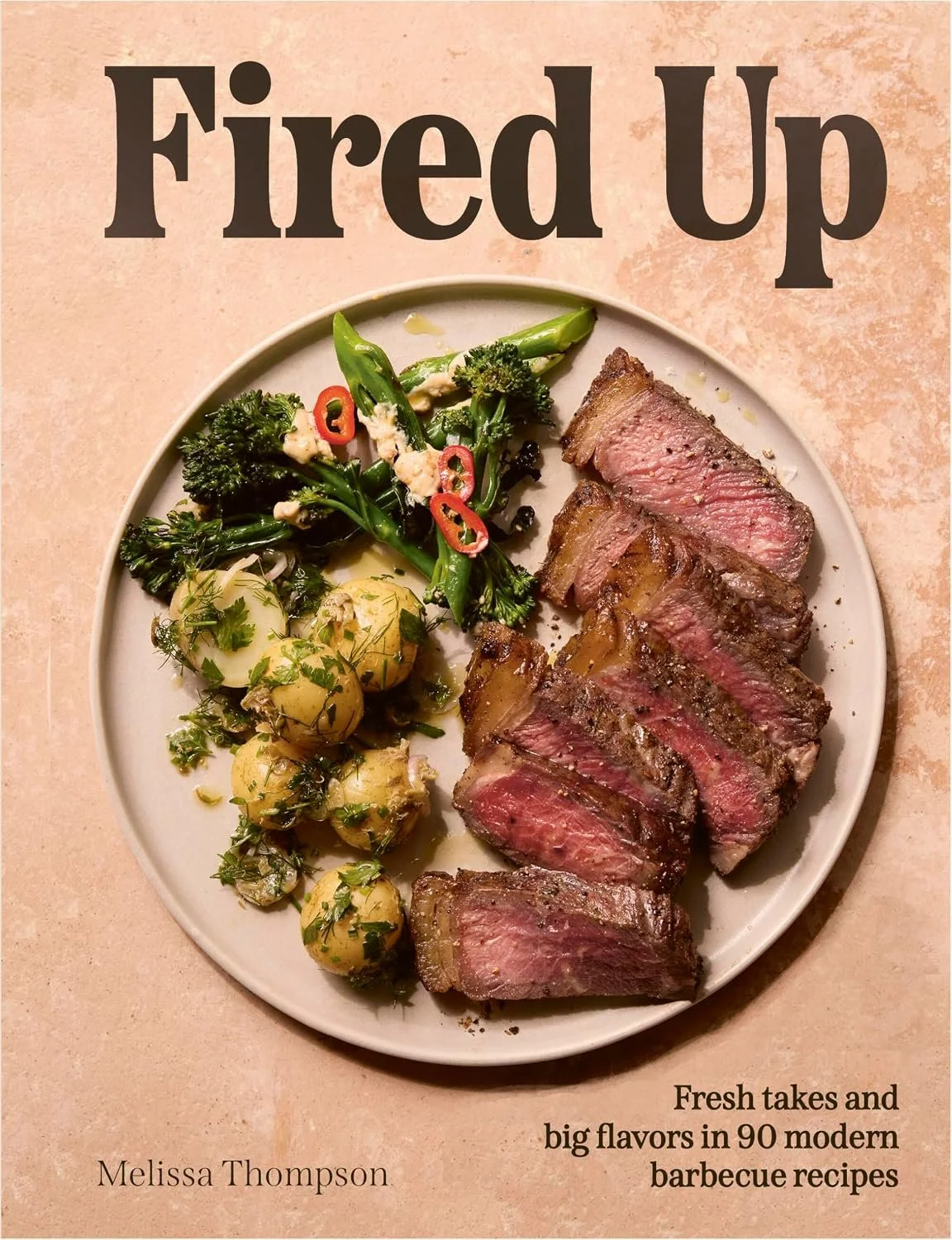
One of our favorite dishes that we enjoy for lunch and dinner (we also know that there are breakfast salads as well). Now the team at Athleisure Mag has their salad destinations that we enjoy eating at, but that doesn’t mean that we won’t make our own from time to time!
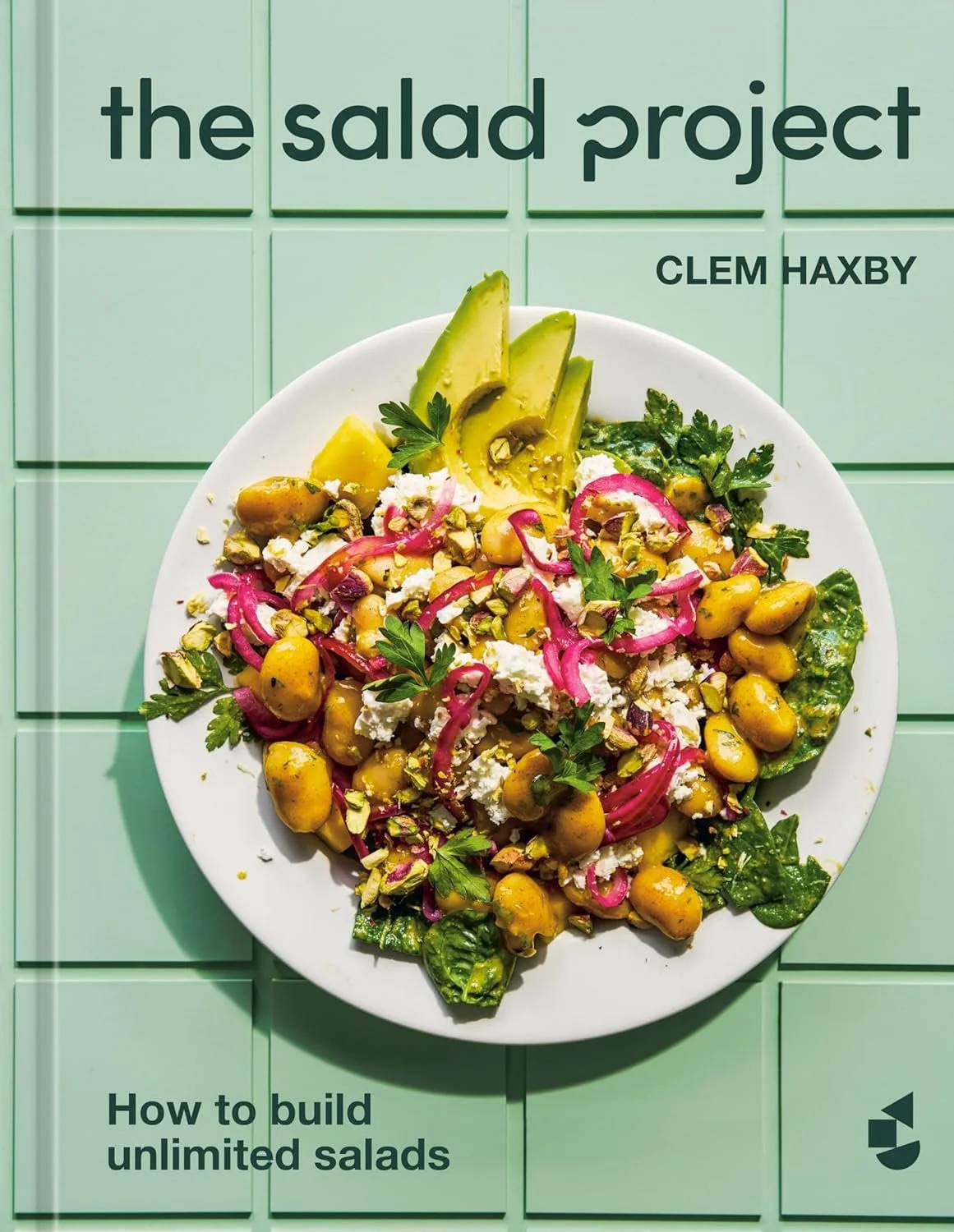
In The Salad Project: How To Build Unlimited Salad [A Cookbook], you will find 56 customizable meals that feature nearly 30 creamy, zingy, herby, and spicy dressings!
For Creamy we’re trying the Lemony Grains; Harissa Steak + Giant Couscous with Pickled Onions + Pistachios. In Zingy, we’re looking at Maple Chicken + Chorizo Grain Bowl. For Herby, the Caper + Dill Dressing on Crispy New Potatoes, Whipped Ricotta, + Pickled Radish. In Spicy, the Kale and the Sesame Soy Steak with Furikake Croutons + Pickled Chiles sounds interesting.
With all of these tips in addition to making the recipes in this cookbook, you will also be able to make a number of variations that you will be able to place into the rotation whenever hunger strikes.
Read the MAY ISSUE #125 of Athleisure Mag and see BINGELY BOOKS in mag.

This is an easy to binge thriller from the mastermind of STARZ’s Power, Courtney A. Kemp takes us to LA where we follow a cop (Matthew Law) that clearly loves his job where it takes over all aspects of his life even when it comes to being present in the lives of his family and friends.
We also meet a conman (Y’lan Noel) who leads a dual life where he is also a pillar of his community. He takes time with his family, he has a community that supports him and he and his crew are always one step ahead from the law!
As the stakes get higher and higher, their worlds converge and they realize that they have a few things in common from their past. Both are determined to win and live their lives in the way that they see fit, but they are in a collision course. Ultimately, both men find that the worlds that they have crafted for themselves take a turn and there isn’t enough space for both of them. In the end, who is the Nemesis and at what cost will all of this be worth their actions?
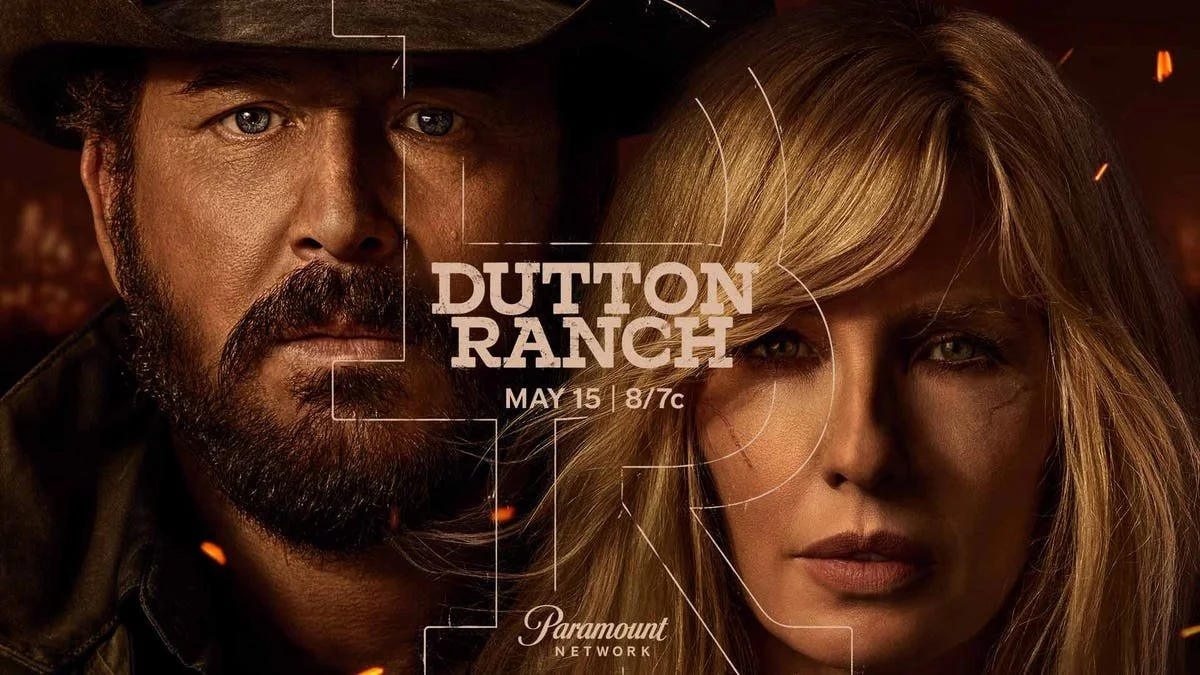
We enjoyed Yellowstone across all of it’s seasons and although we were sad to hear that that series ended after 5 seasons, we were excited that the universe would continue in a number of ways. One of them being Dutton Ranch.
We see that Rip Wheeler (Cole Hauser) and Beth Dutton (Kelly Reilly) have moved from the Yellowstone and have wound up in South Texas to live and restart their lives in this spinoff. But a fresh start is not always guaranted because as the family looks to rebuild, they meet a series of people along the way that bring complications - from questionable ranchers to secrets that have begun to rise up to the surface. How will this new generation of Duttons be able to navigate this?

We’ve been fans of Chef David Rose for a number of years whether it’s his cookbooks, sharing recipes on his IG, or his TV appearances on the Today Show or Good Morning America. When we found out that he launched his own show, we were intrigued!
This month, he serves as Host, Executive Producer, and Creator of Cooking with Your Grandma. This series in addition to being about food is the connective tissue that takes place when making meals. In this show, he travels to various places to cook with grandmothers. They talk with him about the cultural roots from the dishes that they are making, memories that the recipes have, and the life lessons that are passed down through generations by making the dishes.
It’s a blend of flavors, history, and the power of culinary storytelling!
Read the MAY ISSUE #125 of Athleisure Mag and see BINGELY TV/STREAMING in mag.
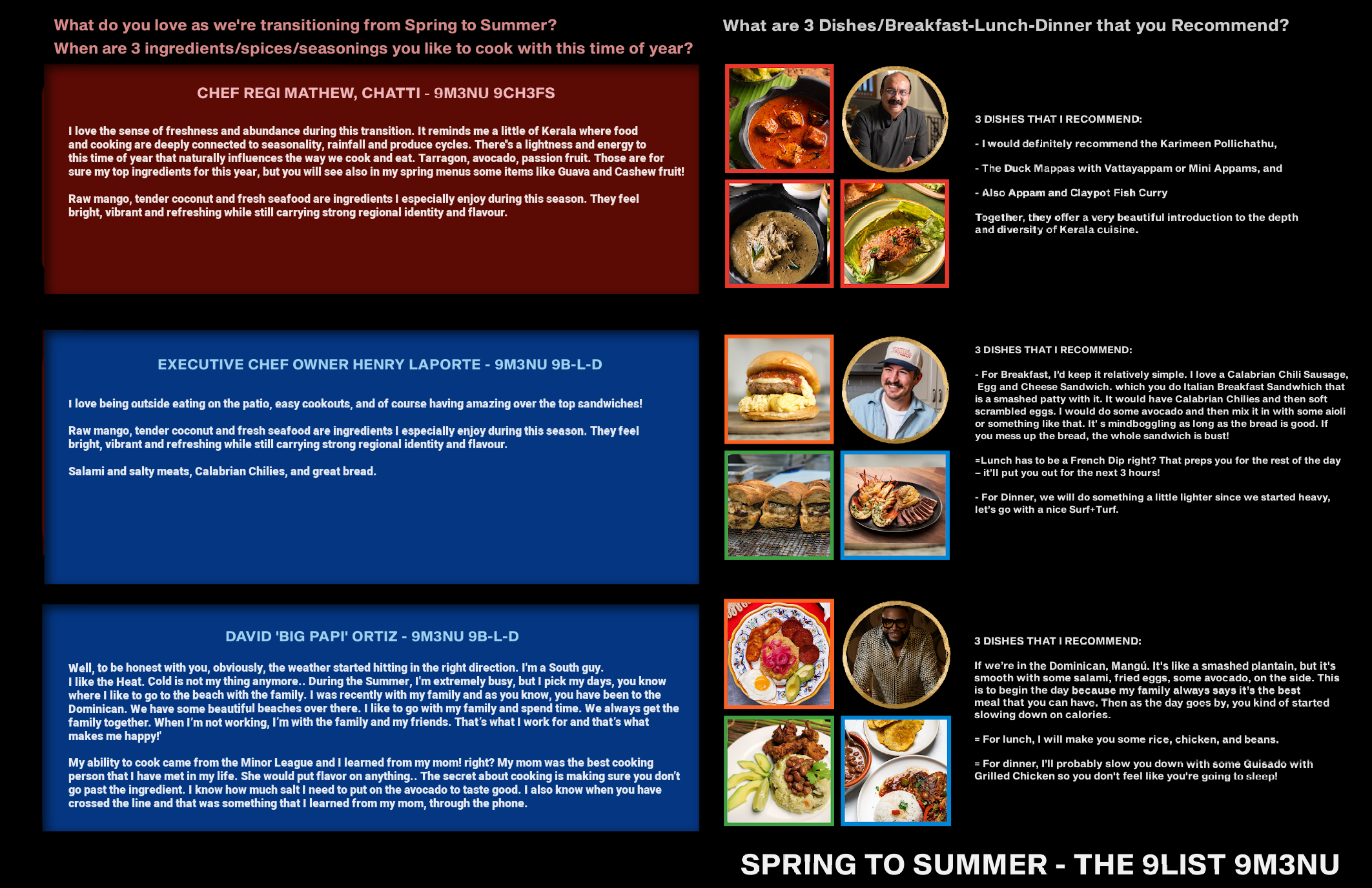
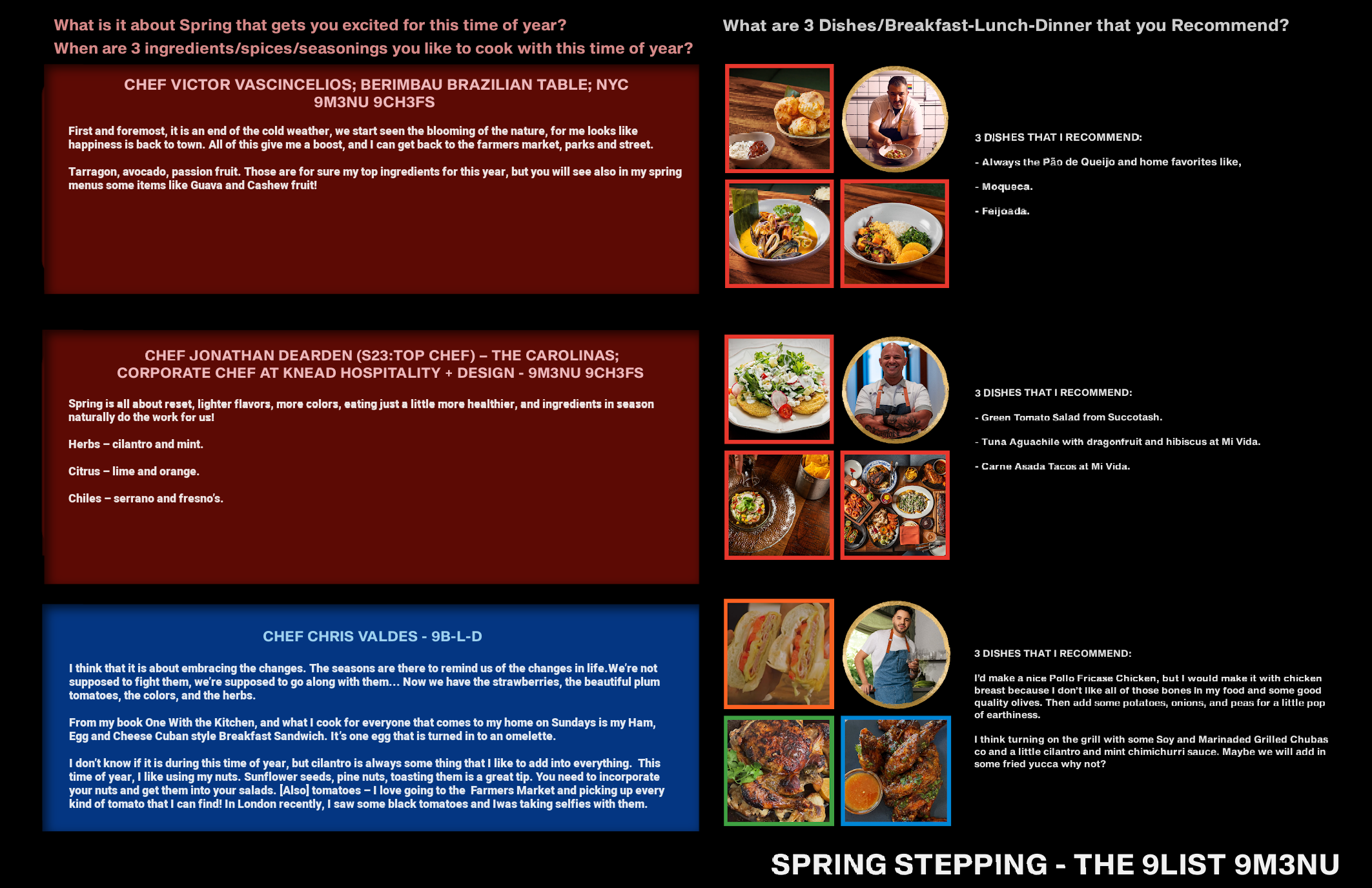
Read the MAY ISSUE #125 of Athleisure Mag and see THE 9LIST 9M3NU | Spring to Summer in mag.
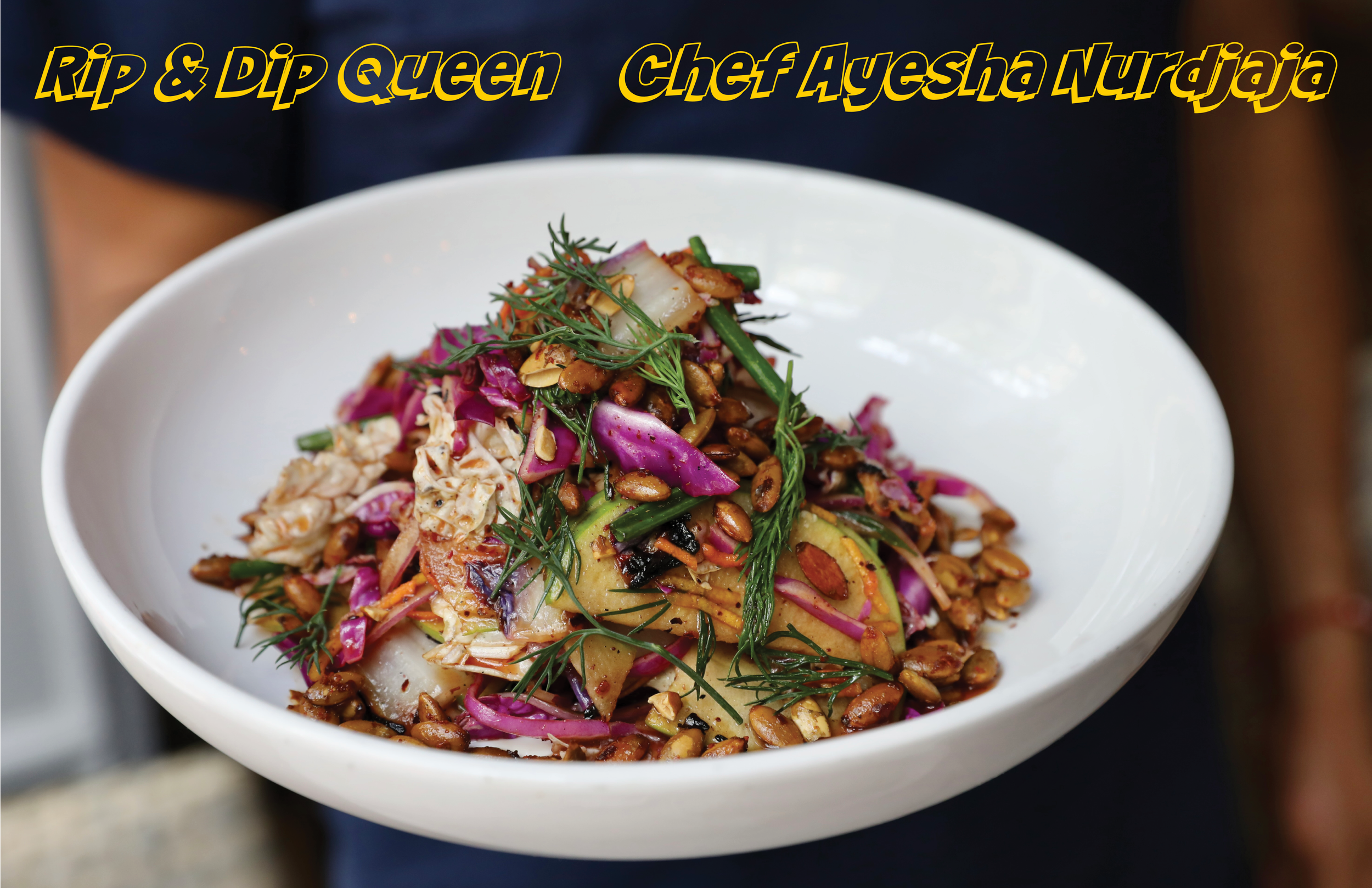
This month’s APR ISSUE #124 cover is with the Rip and Dip Queen herself, Chef Ayesha Nurdjaja, who is the Chef/Partner of Shuka and Shukette! She’s known for her bold Mediterranean flavors and has showcased her passion for cooking on a number of shows including joining S4 of Bobby’s Triple Threat on Food Network! We had the pleasure of seeing her at last year’s NYC Wine Food Festival and her love for what she does is evident when meeting her!
We sat down with her to find out how she got into culinary, her restaurants, looking ahead to S5 of Bobby’s Triple Threat, which will be back in September, her first cookbook which drops this Fall and more!
ATHLEISURE MAG: What was the first dish that you ate that made you fall in love with food?
CHEF AYESHA NURDJAJA: My father was a chef, and my mother is an instinctive cook with a talent for making everything absolutely delicious. I always felt like I grew up on the original set of Chopped, getting to eat the best food from two people trying to outdo each other.
If I had to pick just one dish it would be the one that inspired me to cook, Lidia Bastianich’s risotto-stuffed tomatoes. Thanks to my parents, I had always been a great eater, but it wasn’t until then that I realized that I loved to cook.
I watched her on TV and taped the episode. Making this dish gave me a whole new connection with food. It awakened my soul because I made it with my own hands.
AM: When did you realize that you wanted to be a chef?
CHEF AN: I remember when I staged at Felidia. I was stuck between the dish pit and the pastry station, watching this unspoken symphony of cooks, chefs and dishwashers working to put out this gorgeous food. It was like watching ballet. There was this choreography that everyone executed seamlessly, responding to cues that I didn’t understand yet. It was so beautiful. I soaked it all in the way people do when they go to the opera. It really was an emotional experience for me. And that was the moment that I knew I wanted to be a chef.
AM: Tell us about your culinary background, where you went to school and kitchens you trained in.
CHEF AN: I trained at ICE and got my degree, but it wasn’t until I started my first job at Felidia that my real education began. Felidia was my dream restaurant. I finessed my way into a position there and started out sweeping the floors and washing dishes. I steadily worked my way through every job in the kitchen, eventually ending as a sous chef. I learned about real restaurant life, and boy, was it a crash course. Long days filled with learning, failures, and celebrations of growth. There were cuts, burns, tears of happiness, and many times I thought to myself “what am I doing here?”
I went on to work in some of the best restaurants in New York, including Picholine with Terrance Brennan and Missy Robbins’ A Voce. These were my “Yes, chef!” years, where the hours were long and the environments competitive. You had to prove yourself every day. I learned how to butcher, how to make pasta, how to run every station with efficiency and purpose, how to create new dishes and how a restaurant is run. I saw great leadership and where I wanted to do things differently. I took in everything, and the experience prepared me to be the chef I am today.
AM: How would you define your style of cooking?
CHEF AN: My cooking is rooted in Middle Eastern and Mediterranean cuisine, featuring bold, bright flavors built on solid technique, using seasonality as my North Star. The dishes look effortless, but behind them is the precision and discipline. I developed working in fine dining kitchens, and they are full of craveable soul.
My cooking is about the table. I believe food is meant to be shared, torn, scooped, passed around, and celebrated together. That philosophy shapes how I cook and how I design menus, which developed into my “Rip and Dip” mantra.


AM: You have received a number of accolades including James Beard Award Semifinalist in 2022 and 2023 and for 2026, you are a Finalist for Best Chef NY State. What has this meant to you and how excited are you for this distinction?
CHEF AN: I am so humbled. I grew up thinking I would be a lawyer, because that’s what my parents wanted for me, then threw away conventions to follow my heart. Getting these accolades from my peers is the greatest recognition possible. The years of hard work, dedication and sacrifice were about learning, honing my craft and my constant desire to be the best that I could be.
The Best Chef: New York State category is so special. The New York City restaurant scene is so competitive - I mean there’s an average of three or so restaurants on every block. So to think that the James Beard Foundation recognizes my restaurant as one of the best, not just in the city, but in the entire state, makes me speechless (which is no small thing for me!). It is such a great honor, and I hope it will be an inspiration for others that when you put your all into something, even your biggest dreams are within reach.
AM: You have been a chef at a number of restaurants. What has it meant to you that for the past decade or so, you have been the Executive Chef and partner of Shuka and Shukette at The Bowery Group. What has that meant to you to be there for a significant period of time and to grow your concepts?
CHEF AN: Discovering your own cooking style is a key milestone for any chef. I joined The Bowery Group as the chef at Hundred Acres, an American farm-to-table bistro. But the food that inspired me was Middle Eastern/Mediterranean. Then, I inherited the Shuka, and it’s the restaurant where I really got the opportunity to create my signature culinary style. I started to sneak in spices like turmeric and would layer in other middle eastern flavors. Once given the chance to start from scratch and open Shukette, I wanted to create a restaurant that I would personally be a regular in. It was kind of like wearing a dress without spanx – I was still cooking, but felt free with two feet on the ground.
AM: Tell us about Shuka as you created this restaurant. Why did you want to open it, what is the cuisine served here, and what is the ambiance like?
CHEF AN: My Italian grandmother was an adventurous woman for her time. She migrated here from Italy and lived in Cobble Hill. For her, cooking was a part of her role as the family matriarch. She would shop for ingredients and take me along. We shopped on Atlantic Avenue, and it was like getting our passport stamped. We would try shawarma, medjoul date cookies, za’atar flatbreads, hummus, and more. She ignited this curiosity within me about all the different kinds of flavors out there.
Even though I was obsessed with Italian cuisine and the power of “flour + water = pasta,” on my days off, I would still find myself at Mediterranean and Middle Eastern restaurants to get my rip and dip fix.
The generosity of spirit that is inherent in the cuisine was deeply resonant with me, and eventually, I convinced my partners to let me throw a Middle Eastern feast for New Year’s Eve. It was a hit, and Shuka was born.
I love a party so the vibe of my restaurants are always high energy. And you can’t have a party without great music, so there is always a fun playlist. The food comes fast and it’s a little loud. You move a little closer to talk. You share what you’re eating. It feels like you walked into a surprise party with your favorite people and you never want to leave.


AM: What are 3 main dishes that are a must-try when we come in for our next meal there?
CHEF AN: I love working with peak-season produce, so the menus at both restaurants are always changing. But there are certain things that would make our guests riot if we ever take them off the menu. It’s impossible to pick just three. When you come to Shuka, you have to start with the Labne which we make every day. It’s thick and creamy (not your typical labne), and is always adorned with seasonal toppings. One of my favorites is strawberries with harissa, lime and basil.
You also have to have the Whipped Feta + Pistachio Dip. It’s the first dish I ever created for the Shuka menu, and is studded with pistachios, herbs and garlic.
Lastly, the Fried Halloumi. It’s like meteorite craters of crispy fried halloumi drizzled in our spiced yogurt sauce and showered with tons of za’atar. Are you sure you only want me to pick three?!
AM: What are 3 cocktails that we should enjoy at Shuka?
CHEF AN: I’m a sucker for a frozen drink - a good one that is not overly sweet and where you can taste the alcohol. For me, that’s the Limonana, made with fresh squeezed lemon juice and vodka. Regardless of the weather outside, the limonana always puts a smile on my face.
The Ankara is a little exotic. It is a bourbon-based cocktail that is finished with a lemon-turmeric cordial and ginger juice. I love the flavor combinations. It is savory and perfectly balanced between warm and spicy – just like me!
I don’t drink tequila often, but if I’m in the mood for it, the Tangier hits the spot. It’s made with spicy tequila, pineapple juice and lime and kissed with a little sesame oil.
AM: 4 years later, you launched Shukette! Tell us why you launched this sister location, the cuisine that is available here, and the ambiance?
CHEF AN: I had more to say. One restaurant could not possibly contain all my creativity. With Shukette, I was able to design from scratch, so it really has my personality. After working in basements for most of my career, I knew I wanted an open kitchen that lets me be a part of the action in the dining room. I love interacting with guests and being on the line with my crew. I wanted to blur the lines between the front and the back of house. I finally got to see the positive reactions to my food - eyes rolling in the back of their head, insisting that everyone else at the table taste what they just did right now. The playlist is fire, because for me the music is just as important as the food. It creates the vibe that I crave - curated chaos, flames in the background, warm and attentive service, and a rip and dip conga line of dishes coming to your table.
AM: What are the similarities/differences of these 2 restaurants?
CHEF AN: Shuka is like my firstborn, the one who follows curfew and plays by the rules, while Shukette is her wild little sister. She turns up the music a few notches. There’s more theatrics, almost an element of entertainment.


AM: What are 3 dishes that we should order when we come to Shukette?
CHEF AN: We make four breads to order at Shukette; something that I was unable to do at Shuka. Our Frena is the queen, but the other three are neck-and-neck. The Frena is made to order in a cast iron pan, which creates a crispy bottom and pillowy top pocked with dimples that perfectly house large pieces of confit garlic. This bread is meant to be ripped and dipped into any of our dips, but it also stands on its own. A pro move is to order one for each person and share the other breads.
Our Joojeh Chicken is cooked entirely on the grill, creating a nice crispy skin packed with delicious flavors of saffron, dill and yogurt - it is possibly one of the juiciest birds out there.
And our Fish in a Cage represents the cuisine so well. I wanted to choose a local fish, so porgy it is! The whole fish is glossed with a harissa-tomato glaze, and served with grilled vegetables, charred lemon and zhoug. It is light but packed in flavor, and served in the cage that it is grilled in.
As a bonus, if you come in the Summer, don’t miss anything with tomatoes or our crispy fairy tale eggplant!
AM: What are 3 cocktails that you suggest that we should try there?
CHEF AN: We’re known for our Gazoz, a spritz-style cocktail made with natural infusions of fresh herbs, fruits and vegetables that celebrate the season and topped off with my favorite wine, champagne!
AM: After cooking for over 20 years, where do you continue to look for inspiration?
CHEF AN: Inspiration is everywhere. In my heart, I’m still a cook. I love working with ingredients and coming up with new dishes with my team. I have been working in the kitchen for over twenty springtimes, and I’m still a little giddy when the first peas hit the market.
Travel is the other thing that always inspires me. I love to discover new places and seeing how they treat familiar ingredients, or use things that are new to me. I still feel like there is so much to learn.
AM: How do you balance your time between these 2 restaurants?
CHEF AN: Balance is a difficult concept. Everyone talks about it but does anyone really ever achieve it? For me, the most important thing I do is encourage my staff to take ownership of the restaurant so that when I am “balancing” my time between both (and all my other projects) I can count on having people that are really invested and believe in upholding my vision.
AM: You have been competing on TV for Food Network since 2009! We actually met you briefly at last year’s NYCWFF as you were at Chef Jean Georges’ (another recent fabulous cover story with Chef Gregory Gourdet) with previous cover, Chef Esther Choi, and you landed on Food Network’s 2025 Hot List. How important has it been to you to add TV personality and culinary competitor to your portfolio in addition to being an Executive Chef?
CHEF AN: NYCWFF is always a great time. Being on TV has opened so many doors for me. I love being recognized by the fans. They want to take pictures and they root for me regardless of how the judging goes. It has been an amazing experience.
AM: You joined S4 of Bobby’s Triple Threat, how did you get attached to this show and what was it like competing on this show?
CHEF AN: Bobby Flay called and asked me to come on the show. I was thinking, he has to be joking. I never wanted to cook competitively, so I immediately said, “no”. Then he said, “yes” and it went on that way for a while. I couldn’t refuse him, so eventually I agreed on the condition that he train me. He got in the kitchen with me and showed me the ropes and now I’m a Titan.
AM: Will you come back for S5? What are you looking forward to for next season?
CHEF AN: Yes, I am back for Season 5, and can’t wait! Spoiler alert – we have 12 episodes this time, rather than 10!
AM: We also saw that you were part of this year’s Puerto Rico Food and Wine Festival! Why did you want to participate, what did you make, and what did you enjoy about being part of it?
CHEF AN: I love Puerto Rico, so it’s a no-brainer for me. I love being down there. The weather is perfect, the food is always great and the people are incredibly warm and welcoming. I went down to the festival last year, so when they asked me back, I jumped at the chance. Plus, coming from New York, why would I say no to the beach in April?
You know that I am the dip queen, so I brought my Carrot Hummus with garlic yogurt, sesame, harissa, chives and za’atar pita chips. It was a hit!
AM: You have a cookbook coming out! Tell us about Mediterranean All the Way! Why did you want to launch the cookbook and what has the process been like for you?
CHEF AN: Yeah, I’ve got a cookbook coming out – finally! It’s called Mediterranean All the Way, and it’s how I actually cook, not how people think chefs cook. I didn’t want to make one of those books that looks pretty, but makes your head spin halfway through a recipe. You’re cooking, not performing surgery, you know? I just want to give people that feeling like, oh, I can actually do this. The book’s out October 20 and I can’t wait. There are over 120 recipes, and none of them are pretentious. Big herbs, bold spices, food you actually want to eat and share. If it feels like I’m standing next to you in the kitchen telling you to stop overthinking it and just rip the herbs and get on with it, then I did my job.
AM: What do you want people to walk away with when purchasing the book and making recipes from it?
CHEF AN: Confidence. I want people to stop treating cooking like a test they’re going to fail. The recipes are built for real life – you can mess with them, swap things, push them a little. That’s the point. There’s a music theme in the book too, because that’s my other obsession. Cooking is the same idea. You’re layering flavors the way you layer sound. You need a bassline, you need something sharp, something bright. Once you get that, you can do whatever you want. So find your groove, trust your taste, and start having fun with it.
AM: Will you do any events around the launch of this book?
CHEF AN: Have you met me? I’m not just going to drop a book and call it a day. There’s a full tour coming, plus some other fun events to celebrate. The book is available for pre-sale now, and be sure to keep your eyes glued to @ayesha_rare on Instagram for all the juicy details - you won’t want to miss it.
AM: Are there any other projects that you want to share that we should keep our eye out for?
CHEF AN: Season 5 of Triple Threat premiers in September. For all the fans, just wait, this season is the best yet. And if you haven’t watched, now is the perfect time to catch up on previous seasons so you’re ready for what’s coming next.


AM: When you’re not working in your restaurants, doing culinary competitions etc. how do you take time for yourself?
CHEF AN: This will sound crazy, but I cook. Just not in a restaurant. I have people over, we eat, we hang out, it turns into a whole thing. I don’t know how to cook small - never learned, and not interested - so everyone leaves with containers. That’s just how it goes at my house. I’ve had the same group of girlfriends since I was a kid, so there’s no performance there. It’s easy. That’s my reset, just being around my people. And I love to go out to eat. It’s nice to be on the other side of the dining room once in a while. A good steakhouse, a cold martini, maybe a cigar, that’s a perfect night.
AM: With over 20 years of experience under your belt, what do you want your legacy to be seen as when people think about you, your passion for food, and more?
CHEF AN: More than anything, I hope to be an inspiration to the people I work with. Not just better cooks, but better positioned, more confident, actually moving forward in their careers. This industry gave me everything, so I take it seriously. You build good kitchens, you mentor people, you open doors where you can. That’s the work. If that’s what people remember, I’m good.
IG @ayesha_rare
PHOTOGRAPHY COURTESY | Front Cover Clay Williams | PG 16, 19 - 21, 24 - 27 Jen Davidson | PG 38 Paul Farkas | PG 40 - 43 Food Network | PG 29 - 37 Shukette | Back Cover Alexa Bennett |


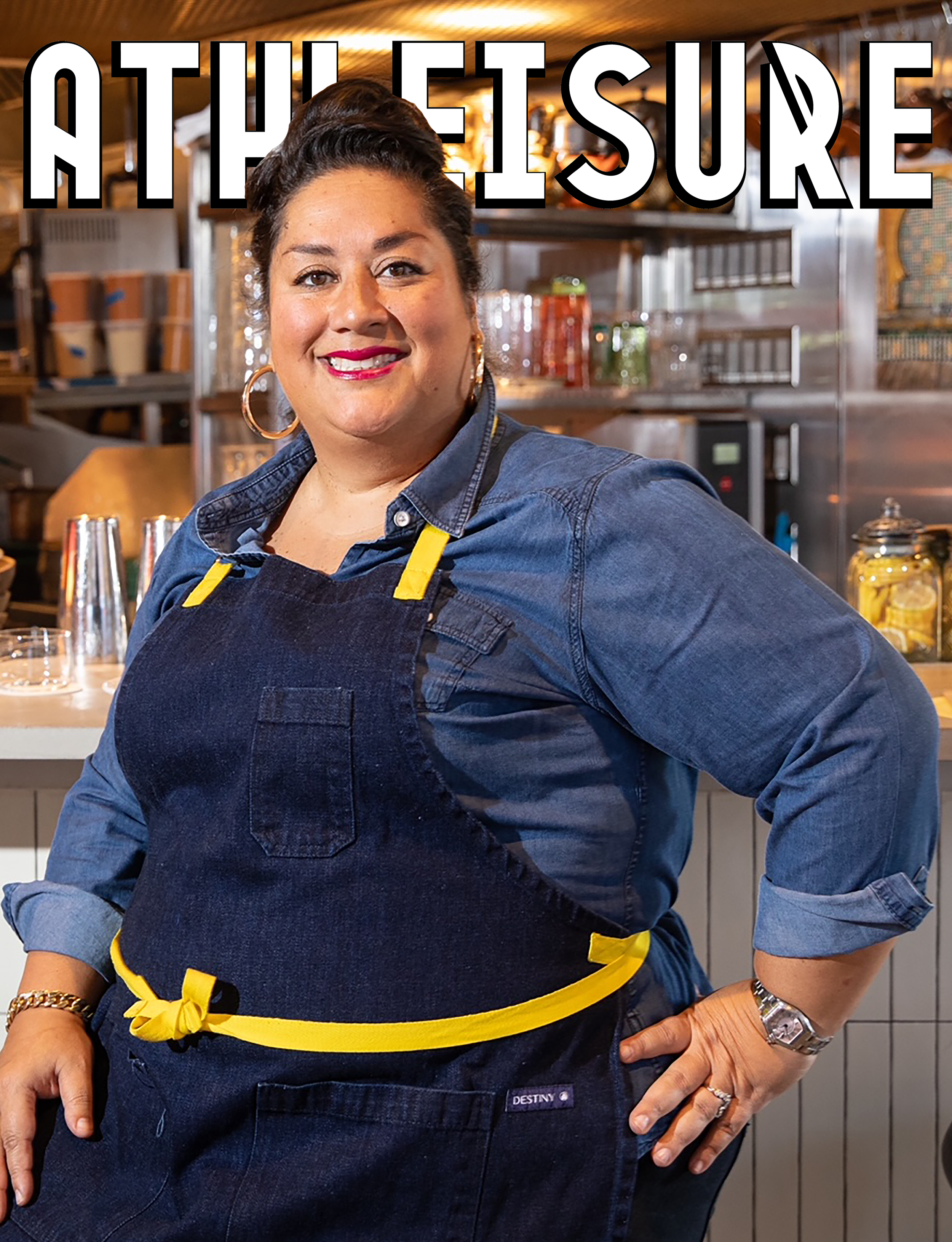
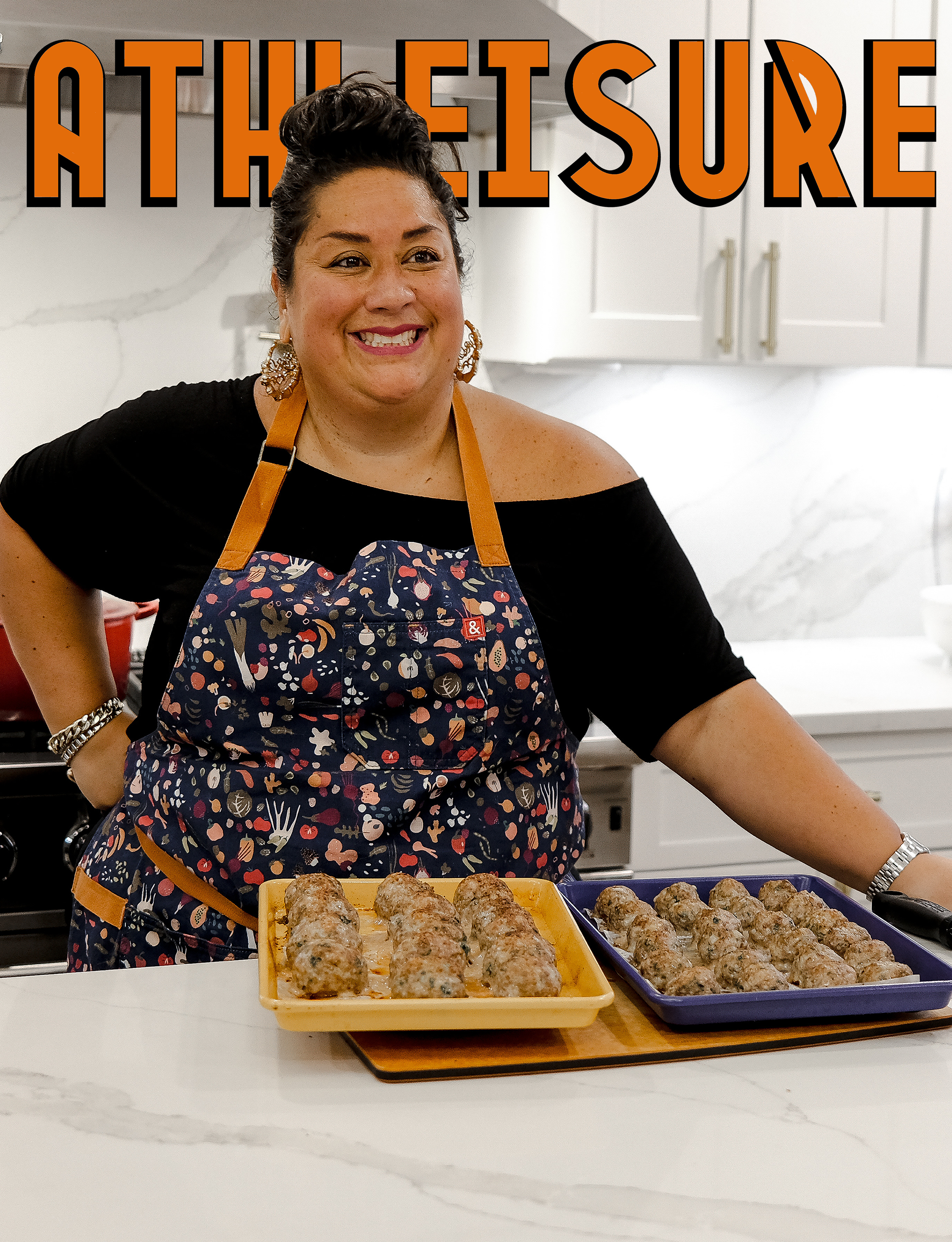
Read the APR ISSUE #124 of Athleisure Mag and see RIP AND DIP QUEEN | Chef Ayesha Nurdjaja in mag.
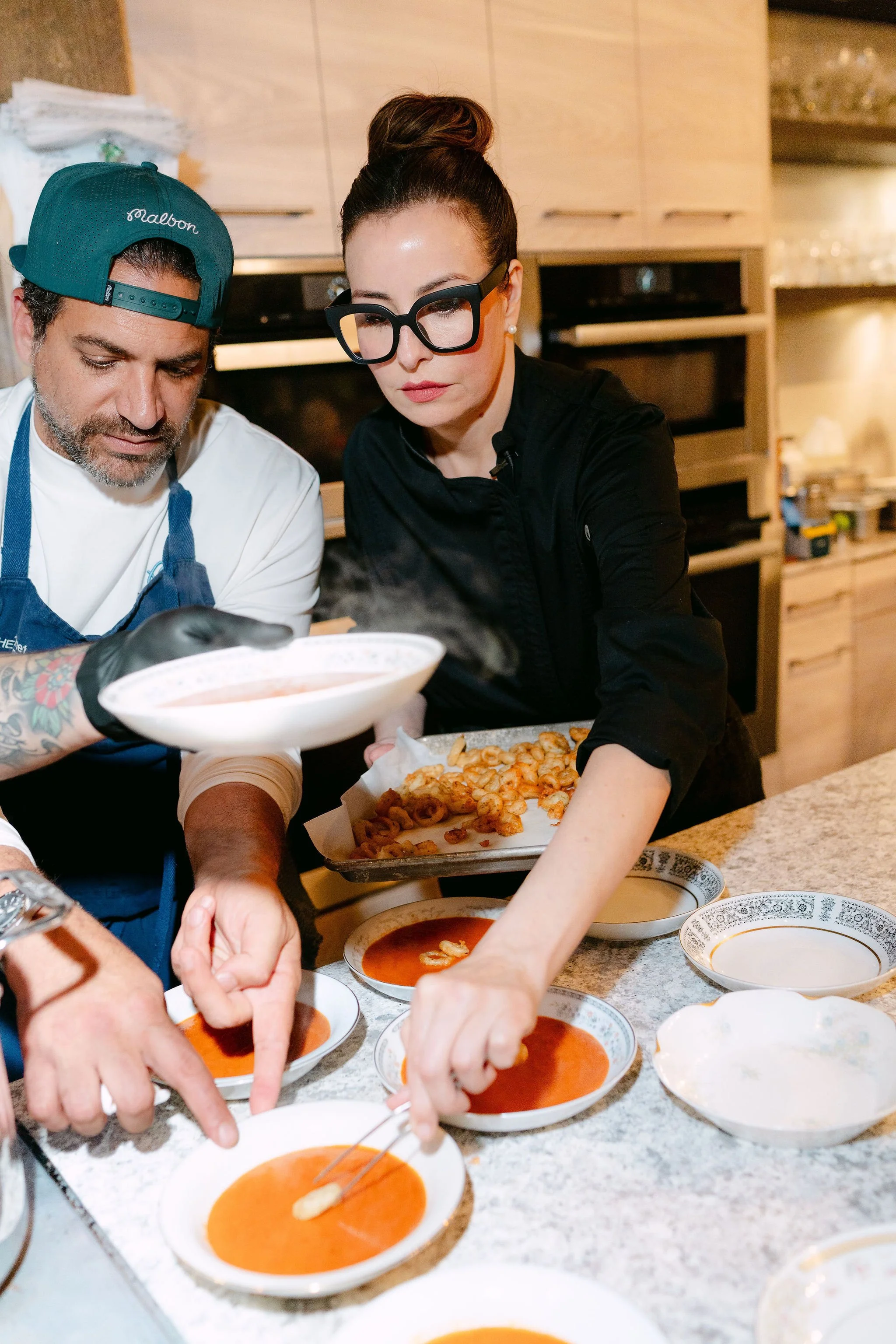
PHOTO CREDIT | Courtesy of The Atlanta Journal-Constitution
We always enjoy sitting down with those that are enhancing the culinary landscape wether they are making great dishes or telling us about them! Chef Monti Carlo, Atlanta Journal-Constitution's Senior Editor of Food & Dining talks with us about why she enjoys cooking, her passion for it, being on MasterChef and her cookbook, Spanglish!
ATHLEISURE MAG: When did you first fall in love with food and why you enjoy working in this space?
MONTI CARLO: I think the first time I understood food had real emotional power, I was six years old. We had just moved from Puerto Rico to Houston, and I didn't speak a lick of English yet. I wasn't ready for how muted life in the States was, how everything felt unfamiliar and cold.
There’s a story in the book about me having a total meltdown at school a few months after we moved to Houston, Texas. I had accidentally written a curse word on a spelling test because I barely understood English yet. My first-grade teacher snapped my favorite pencil in half and screamed at me in words that made no sense to me. I mustered all of my six-year-old rage, flipped my desk and ran away.
It wasn’t really about the pencil. I was a six-year-old and felt lost. I missed Puerto Rico. I missed hearing Spanish around me. I missed understanding the world without having to stop and translate everything in my head first.
I got into a whole lot of trouble that day. But that night, my mother made sancocho, a Puerto Rican beef and root vegetable stew. It was a recipe my Abuela (grandmother) made for us weekly. Even though I couldn't vocalize it then, I'll never forget the way the smell of that cilantro-scented broth transported me back to my island.
What I learned eating that bowl of stew took me decades to understand. Food can comfort you before you take a single bite. I learned that a humble dish can carry the memory of your Abuela's voice. It can carry your identity. It can carry the space that feels most like home.
If you’re paying attention, food tells you everything you need to know about the people who made it. You can see the effect of migration in a dish. You can see the ingredients that were used as a celebration and those that were used as part of survival. You can tell what traditions cooks fought to hold onto, and what flavors reminded them of home.
That’s what I love most about working as a food editor. Every restaurant, every recipe, every menu is really a story about people trying to preserve some part of themselves.
AM: You were the first Puerto Rican woman to compete on Gordon Ramsay's MasterChef. What was it like to be there and what was your biggest takeaway from this experience?
MC: One of the things the producers kept asking us was to "put ourselves on the plate." For me, that immediately meant the flavors I grew up with in Puerto Rico. But the interesting challenge was that many of the ingredients central to Puerto Rican cuisine simply weren't available in the pantry.
So, I had to cook the way many diasporic people live: through adaptation and improvisation.
I remember making a Puerto Rican-style shepherd's pie topped with sweet mashed plantains, essentially a pastelón. I made a scotch egg with canned crab because canned crab is something I grew up with at my Abuela's house.
MasterChef taught me something that later became central to Spanglish: authenticity is not rigid. Food doesn't stand still, frozen in time, like a display in a museum. Cuisine evolves when people migrate. Sometimes you lose ingredients but you adapt with substitutes.
I realized that what I had spent my entire life doing, taking Puerto Rican flavors and memories and finding ways for them to survive inside unfamiliar spaces, was its own kind of culinary language. Like I say in my book, if my kitchen could talk it would speak Spanglish.
AM: Tell us about the culinary scene in Atlanta and why you feel it is the most exciting?
MC: Atlanta feels exciting to me because it still feels emotionally honest. There are cities where dining has become so performative that you can almost feel chefs cooking toward the hot new trend. Atlanta has a culture of people who cook from lived experience, and there's a deflection of the pressure to flatten yourself into something universally palatable.
You see it in West African chefs exploring the connections between their foodways and the American South.
It is the Caribbean chefs reclaiming narratives around diasporic cuisine. It's Southern chefs addressing history through food. It's in the immigrant-owned restaurants building entire communities around dishes that remind people where they come from.
And because Atlanta is a majority Black city with such a strong immigrant population, the culinary scene reflects conversations happening around identity, migration, and culture in real time. It's not static. It's alive and deeply personal.
That makes it one of the most creatively fertile food cities in America right now.
AM: What do you enjoy about being the AJC's Senior Editor of Food & Dining and what does it mean to you to be there?
MC: What matters most to me is creating a more diverse library of food stories. Food media has historically treated many cuisines, especially immigrant cuisines, Black cuisines, Caribbean cuisines, working-class cuisines, as interesting only once they become trendy enough for mainstream validation. But the communities shaping American food culture have always been here.
I am working with writers that are interested in documenting the family-owned strip mall restaurant making regional Guatemalan cuisine. I want AJC Food and Dining to tell the story of the Nigerian pop-up that's finally turning into a permanent space. I want to highlight the Puerto Rican chef rebuilding a community through intimate dinners.
I also take seriously the responsibility of writing about labor, affordability, and survival within the restaurant industry itself.
To me, food journalism is never just about recommending where to eat. It's about documenting who a city is becoming.
AM: What are the stories you enjoy working on in the food space and why is it important to share those stories?
MC: I'm drawn to stories about migration, poverty, reinvention, and cultural preservation because so much of what we now call cuisine was born from people making something beautiful from next to nothing.
For example, I'm fascinated by the ways diasporic communities preserve identity through ingredients even when geography changes. The way Puerto Rican families in the South adapt recipes based on what's available locally. The way immigrant restaurant owners build spaces that become emotional gathering points for entire communities.
I also think a lot about how cuisines change once mainstream culture embraces them. Suddenly everyone wants the food, and that's fantastic. But very few people talk about the families who were cooking it when it was considered cheap, strange, or unworthy of attention.
Good food writing should preserve context, not erase it.
AM: Your cookbook Spanglish is out this month! Why did you want to create this cookbook?
MC: I wanted to write the kind of cookbook I rarely saw growing up: one that understood food as both recipe and emotional archive. A book that tells real, unpolished stories.
Spanglish begins with leaving Puerto Rico at six years old and arriving in the States, unable to speak English. And from there, the entire book becomes about what it means to build identity in the space between two very different worlds.
The recipes are deeply traditional Puerto Rican flavors mashed into continental American favorites. I have dishes like morcilla sloppy joes, sofrito tomato soup with bacalaíto onion rings, and guanábana pound cake, because that's what the diaspora looks like to me.
The book is really about adaptation without shame.
For a long time, people treated Spanglish (the language) as something broken. But I see it differently. Spanglish is evidence of survival and resilience. It's what happens when two realities learn to exist side by side.
The food in this book works the same way.
AM: Gordon Ramsay wrote the foreword for your cookbook! What does it mean to you to have him do that?
MC: It feels deeply full circle because Gordon met me during one of the hardest periods of my life. At the time, I was a broke single mother facing homelessness trying to rebuild everything from scratch through food. So having him write the foreword for a book that tells the complete story, not just the television version of it, feels incredibly meaningful.
Gordon understood the emotional core of the project. He understood this wasn't simply a collection of recipes. It was a story about survival and identity told through food. That means the most to me.
AM: What are three food trends you're excited about right now?
MC: 1. Diaspora cuisine being discussed with more specificity.
I'm excited that conversations around Caribbean food, African food, and Latin American food are becoming more regionally nuanced instead of being flattened into generalized categories. Puerto Rican food is not Cuban food. Jamaican food is not Trinidadian food. And people are becoming more curious about those distinctions.
2. "Humble" ingredients being treated with seriousness and care.
Ingredients once associated with poverty or working-class cooking, like canned meats, root vegetables, offal, preserved seafood, rice dishes, are finally being recognized for the ingenuity and history they carry. That feels important because so many immigrant cuisines were built from necessity and creativity.
3. Restaurants becoming more narrative-driven.
I find more and more that people want to understand who cooked the food. They want to know where the recipe came from, what story shaped it, what family memory lives inside it. Technology has left so many of us feeling isolated and that has diners craving emotional connection again, not just aesthetic dining experiences. And honestly, I think that's healthier for food culture overall.
Read the latest issue of Athleisure Mag.


This month, we made our way to Tokyo Record Bar at their Vinyl Jewel Box which boasts a unique omakase experience. From an amazing blend of bites for their 7-course meal, you can choose to pair this with an array of cocktails or sake (which we chose on our visit). In addition to having a great meal and experience in this lower level portion of the restaurant, you also get a card where you can select a song to be played as the DJ works throughout the dinner. With a selection of songs across genres and decades, it’s an experience that you have to check out!
While eating dinner, you can also see everything that is being made as there is an open kitchen. It’s a nice flow of being able to savor the dishes, marvel at the plates as well as how certain dishes are presented, and feeling like it’s a cozy vibe.
Afterwards, you can go to the main level and opt to continue to have cocktails at the bar or to enjoy additional a la carte items. After our meal, we enjoyed siiting down with Executive Chef Ignacia Valdés to find out about the restaurant, the dishes, and the vibe!
ATHLEISURE MAG: We had a great omakase experience at Tokyo Record Bar! Before we get into that, can you tell us about your culinary background and how you came to the restaurant?
EXEC. CHEF IGNACIA VALDÉS: Originally, I was born and raised in Chile and at a young age, fell in love with cooking. I studied at FERRANDI Paris, a culinary school, where I honed in on the craft and held roles at Michelin-starred Ze Kitchen Galerie (Paris) followed by fine-dining restaurants in New York City like Frevo, during the time it earned its Michelin star and New York’s celebrated Bar Contra.
A friend of mine connected me with the team at Tokyo Record Bar, where I met the owner, Ariel Arce, for drinks and instantly clicked. Thereafter, I came one evening to prepare and cook a set menu for some of the team members and was offered the executive chef position.
AM: How would you define your style of cooking?
EXEC. CHEF IV: I would define my cooking as fresh, creative, and seafood-focused, with an emphasis on produce I showcase in my menu.
AM: What can you tell us about the ambiance of the restaurant and what guests can expect when they come in?
EXEC. CHEF IV: Tokyo Record Bar is inspired by Japan’s vinyl jewel boxes offering two experiences in two unique dining rooms. The restaurant’s Vinyl Jukebox (located on the lower level) is an underground listening room and seven-course izakaya-style omakase experience is where I have the liberty to craft a seafood-forward menu each evening with fresh fish, which is flown in from Japan and Europe. The cocktail bar, situated on the upper floor, highlights a selection of Japanese-inspired bites and couture cocktails. The ambiance is fun and entertaining, allowing guests to handpick the soundtrack for the night from Tokyo Record Bar’s extensive vinyl collection. I love to create a changing menu that leaves an element of surprise for the dinner.
AM: For those who eat on the main level, is there a DJ there on that level and if so, what are the playlists like there?
EXEC. CHEF IV: On the upper floor, known as the cocktail bar, we have a rotating selection of DJs with their own vinyl collection. Each evening features a different DJ, keeping the experience new and personalized.
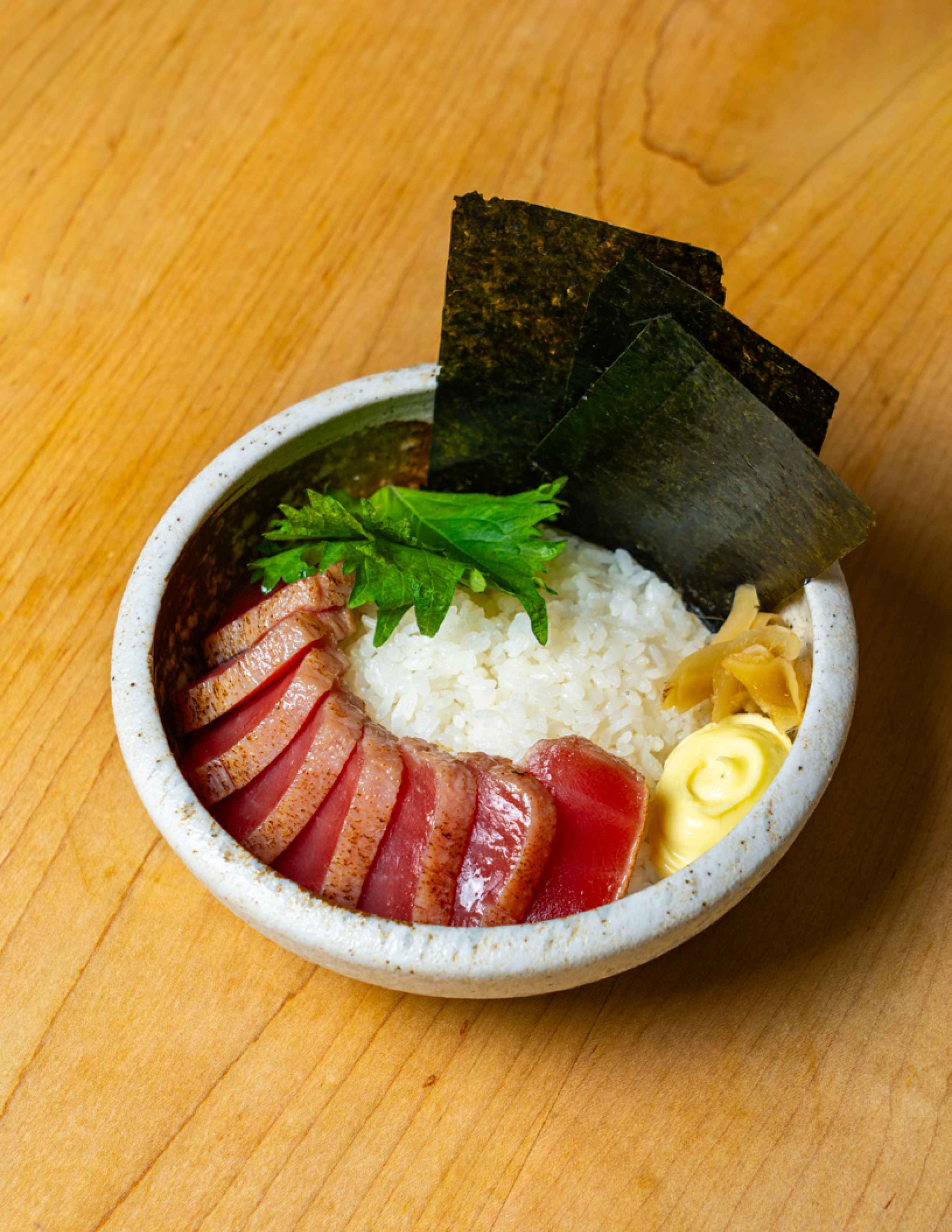

AM: For those dining on the main floor, what are 3 snack items on the menu that you suggest that we can enjoy?
EXEC. CHEF IV: In the cocktail bar, I’d recommend guests order the Daily Selection of Raw Seafood. Guests have the opportunity to try some of my favorite oysters, salmon, seabass, tuna, octopus, and more, seasoned in a variety of spices. I also love the Tuna Avocado Tostada, which is a fried gyoza wrapper with a sweet peanut sauce, avocado cream, and smoked trout roe. It is fresh, sweet, and tangy. Lastly, the fried shrimp wontons are crispy, juicy, and are served with a spicy aioli.
AM: What are 3 mains that you would suggest that we should think about?
EXEC. CHEF IV: When eating at the cocktail bar, I’d suggest guests order the Tuna Don or Don of the Day. I also enjoy the Chicken Katsu with fermented chili honey, hoisin, and pickled daikon.
AM: What are 3 cocktails that we should have our eye on when coming in with friendS?
EXEC. CHEF IV: The cocktails, served both at the cocktail bar and vinyl jukebox, features elegant one-of-a-kind, seasonal highballs, couture beverages, and Japanese twists on classic cocktails. Some of my favorites are the White Pony (Yola Mezcal, Gentian, Vermut, Calpico, Shiso, Yuzu, Saratoga Sparkling, Black Sesame), From Brown to Green (Cardenxe Sotol, Tamarindo Infused Vermouths, Cucumber, Ginger, Makrut Lime), and Tutti Frutti (Suyo Pisco, Cappaletti, Nigori Sake, Oro Blanco, Pet Nat, Lychee).
AM: What is a Vinyl Jewel Box?
EXEC. CHEF IV: Our vinyl jukebox at Tokyo Record Bar pays homage to the jewel boxes of Japan. We created an intimate listening bar on MacDougal, before many other establishments in New York; our founder, Ariel, was inspired by this idea and brought the vision to life.
AM: We had an incredible meal in the jewel box for your 7-course omakase! Can you tell us about the space downstairs in terms of the ambiance and vibe?
EXEC. CHEF IV: The 20-seat underground listening room and seven-course izakaya-style omakase experience is curated by myself and the team. Guests are not provided a menu, but rather a song card and vinyl menu to allow guests to handpick a soundtrack for the night. The experience is curated by the team starting with the captain, chefs, and DJ that curates the soundtrack order. The meal begins with a playful potato bite (either millefeuille, hash brown, or latke) paired with a rotating selection of seasonal fish. Additional highlights include oysters, dashi-poached cobia, and maitake mushroom tempura.
AM: We love that as soon as we sat down, we saw the pairings and cocktail menu as well as a card that allowed us to write down a song that we wanted to hear! Why did you want to have this inclusion of a DJ and vinyl throughout the meal?
EXEC. CHEF IV: The restaurant has been around since its opening in 2017. We love having each guest feel part of the dining experience and the excitement that comes with curating the playlist.
AM: Tell us about the omakase experience and how frequently the offerings change?
EXEC. CHEF IV: The menu changes seasonally and is dependent on the produce as well as fish received. The first bite can change several times a week; it fluctuates based on availability.

AM: We have had a number of omakase meals over the past few years, but we did feel that this one definitely was different with a blend of Japanese, French and Spanish influences - why do you approach omakase in this way?
EXEC. CHEF IV: I approach the omakase menu similar to a set menu and curated experience by the chef. Omakase translates directly to “I leave it up to you” or “I entrust it to you” in English. I for sure feel deeply inspired by Asian condiments, but I am also Latina and lived in France for a long time. All of those influences are definitely part of who I am and the menu I create for guests.
AM: We were blown away by a number of the dishes we had, which were paired so well with the sake that we enjoyed! What are your 3 favorite dishes that you have made or included in this experience?
EXEC. CHEF IV: My favorites are Salmon, Cashew leche de tigre, Perilla leaf and Jalapeno
sorbet; Octopus, Mole, Black garlic, Daikon; and Coconut sticky rice-cream, served with a Mango Granita.
AM: As we continue to navigate throughout the Spring and look ahead to the Summer, are there any events coming up that we should keep an eye out for?
EXEC. CHEF IV: We recently launched a Chef’s Playlist series where we spotlight stellar and up-and-coming national and international culinary talents. I have had the pleasure of cooking alongside talent like Executive Chef Dung “Junior” Vo, of Nashville’s Noko and Chef Sebastian Pincheira of the legendary Kai Sushi in San Sebastián, Spain. Excited that Chef Robert Mendoza (previously of Vivant 2 in Paris) will be joining us at the beginning of May for a two-night only chef collaboration and have a few exciting collabs on the horizon, including Argentinian Chef Clara Corso.
PHOTOGRAPHY CREDIT | PG 174 + 186 Tokyo Record Bar | PG 176 - 179, 184 Paul Farkas | PG 181 + 182 Craving Curator |

Read the APR ISSUE #124 of Athleisure Mag and see VINYL + OMAKASE AT TOKYO BAR in mag.
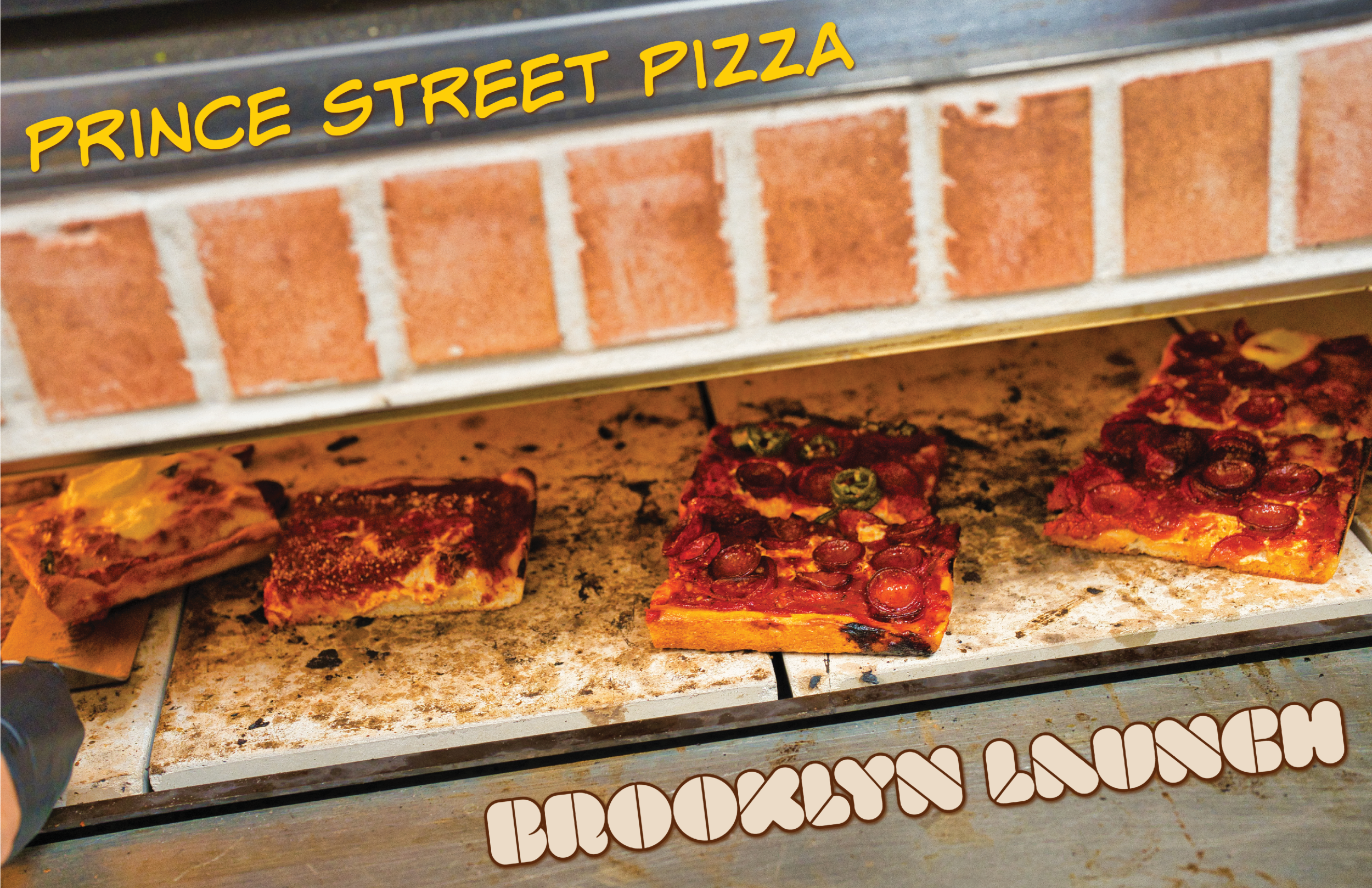
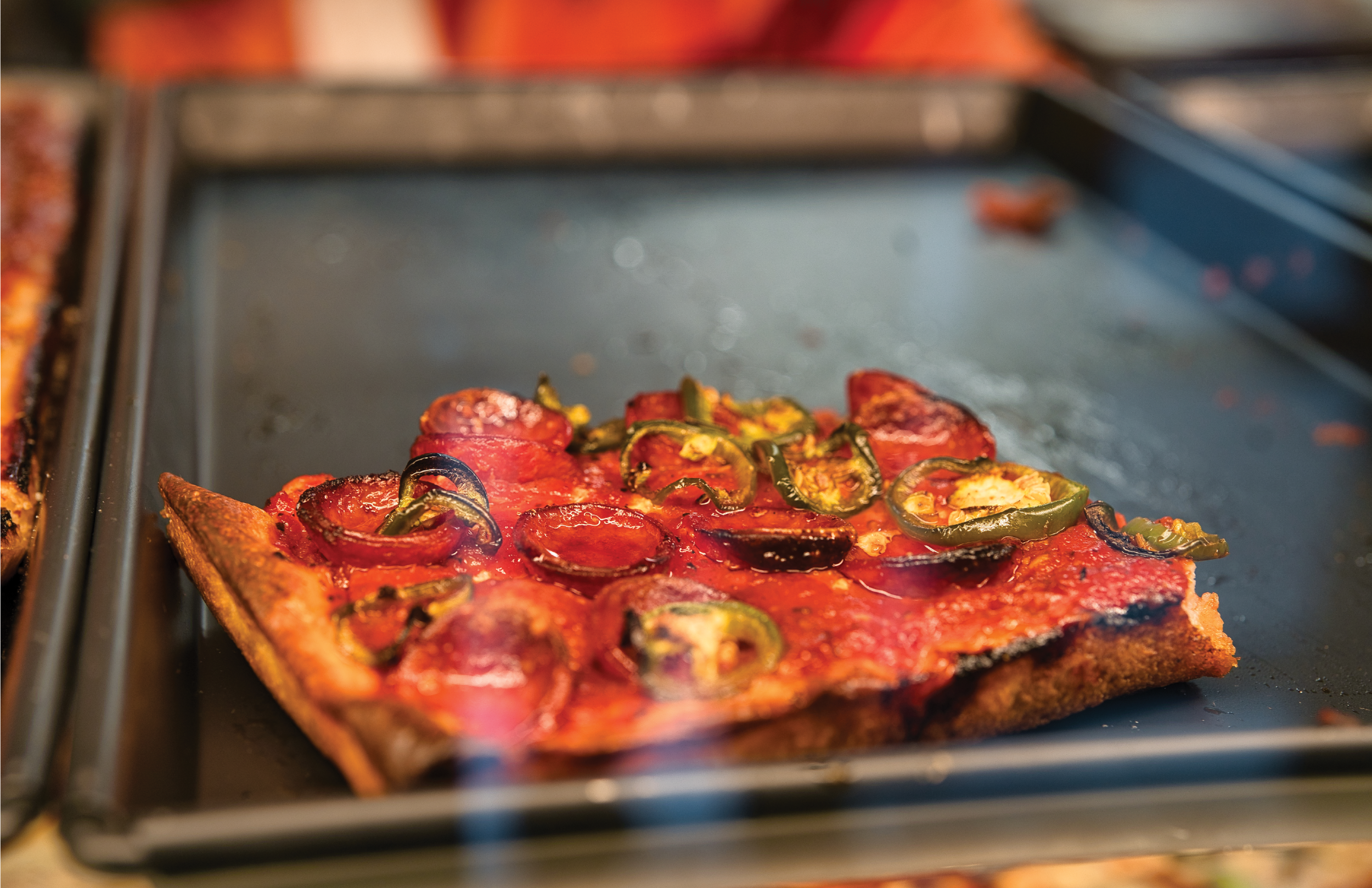
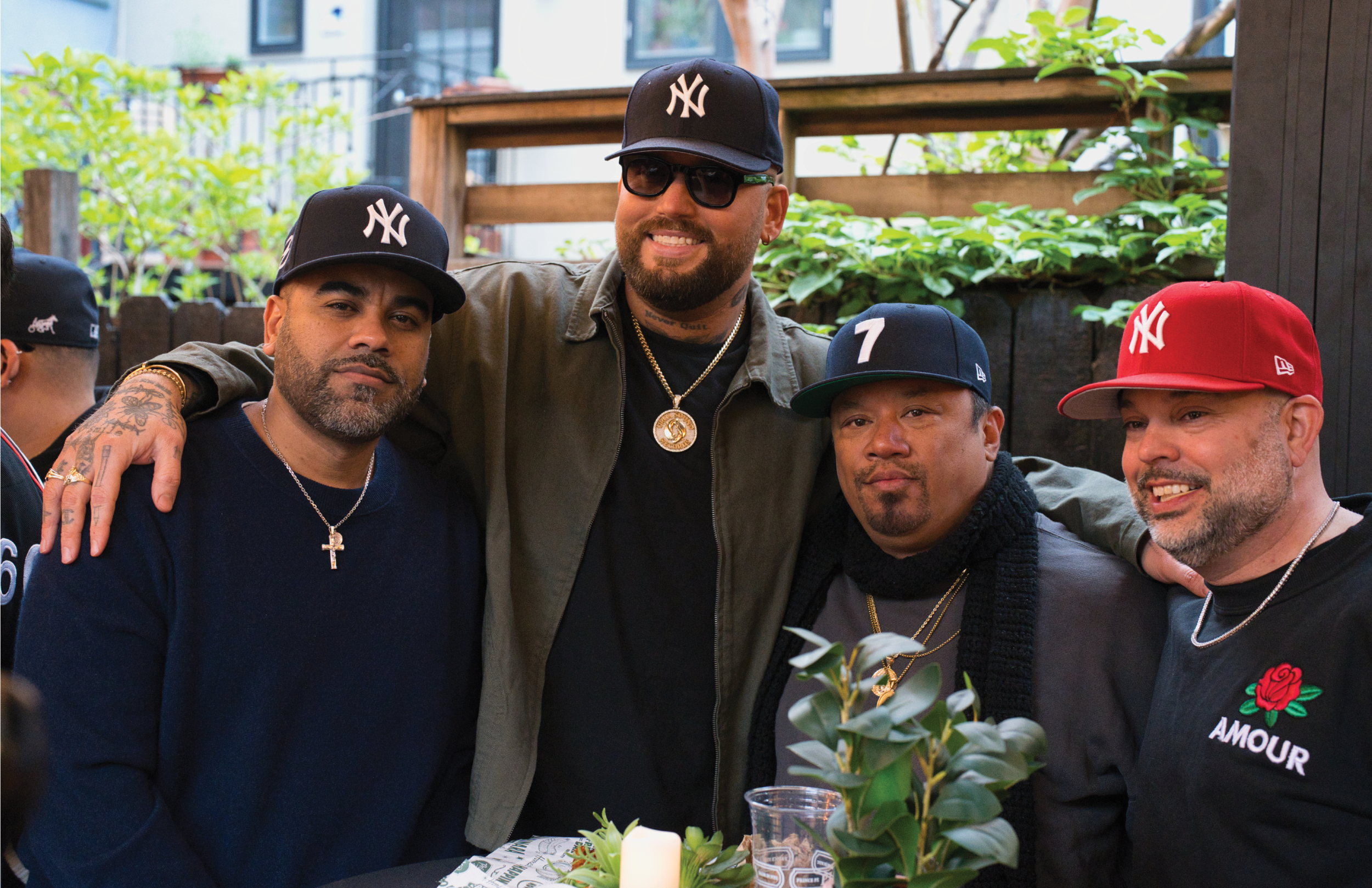
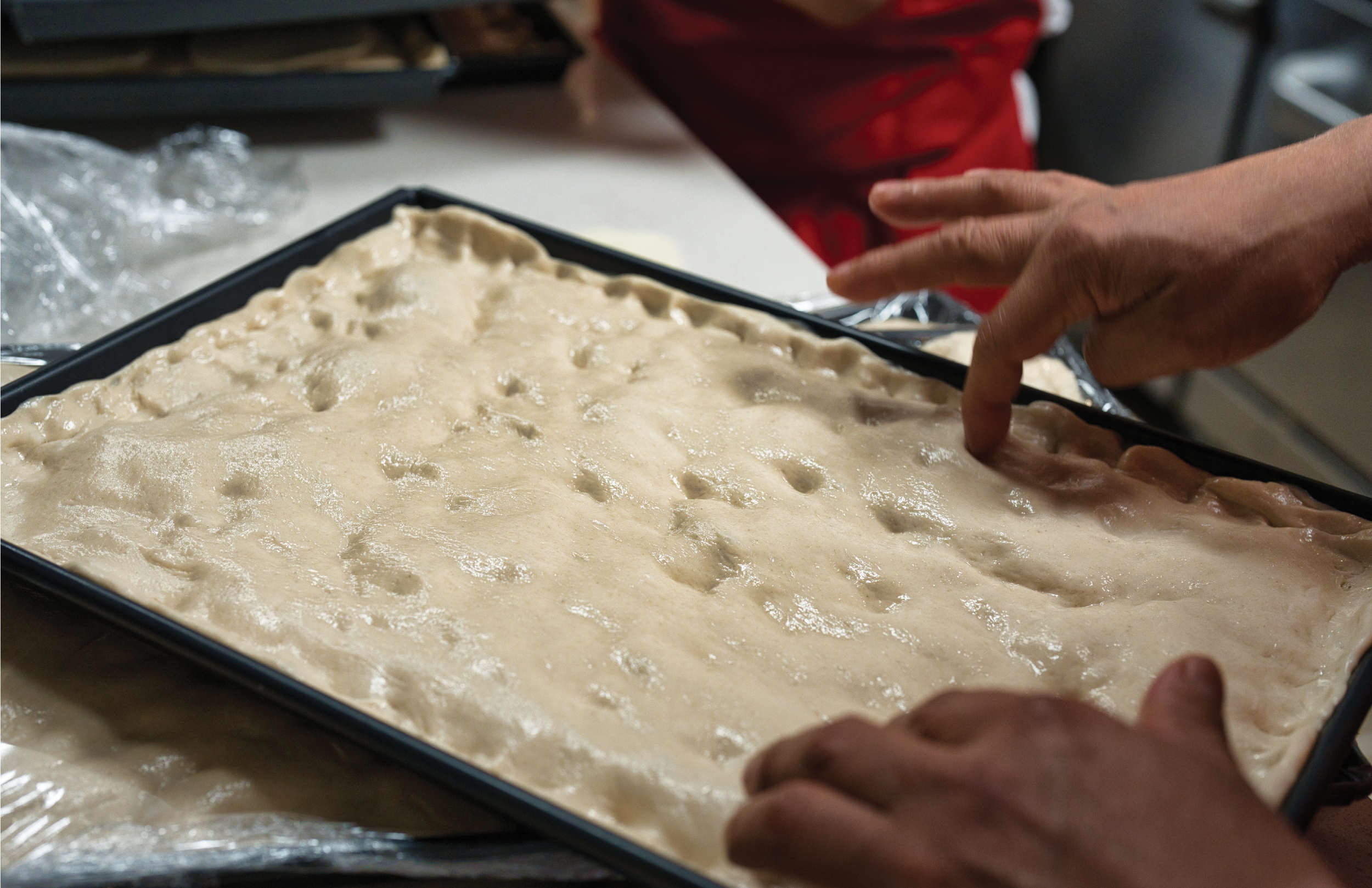
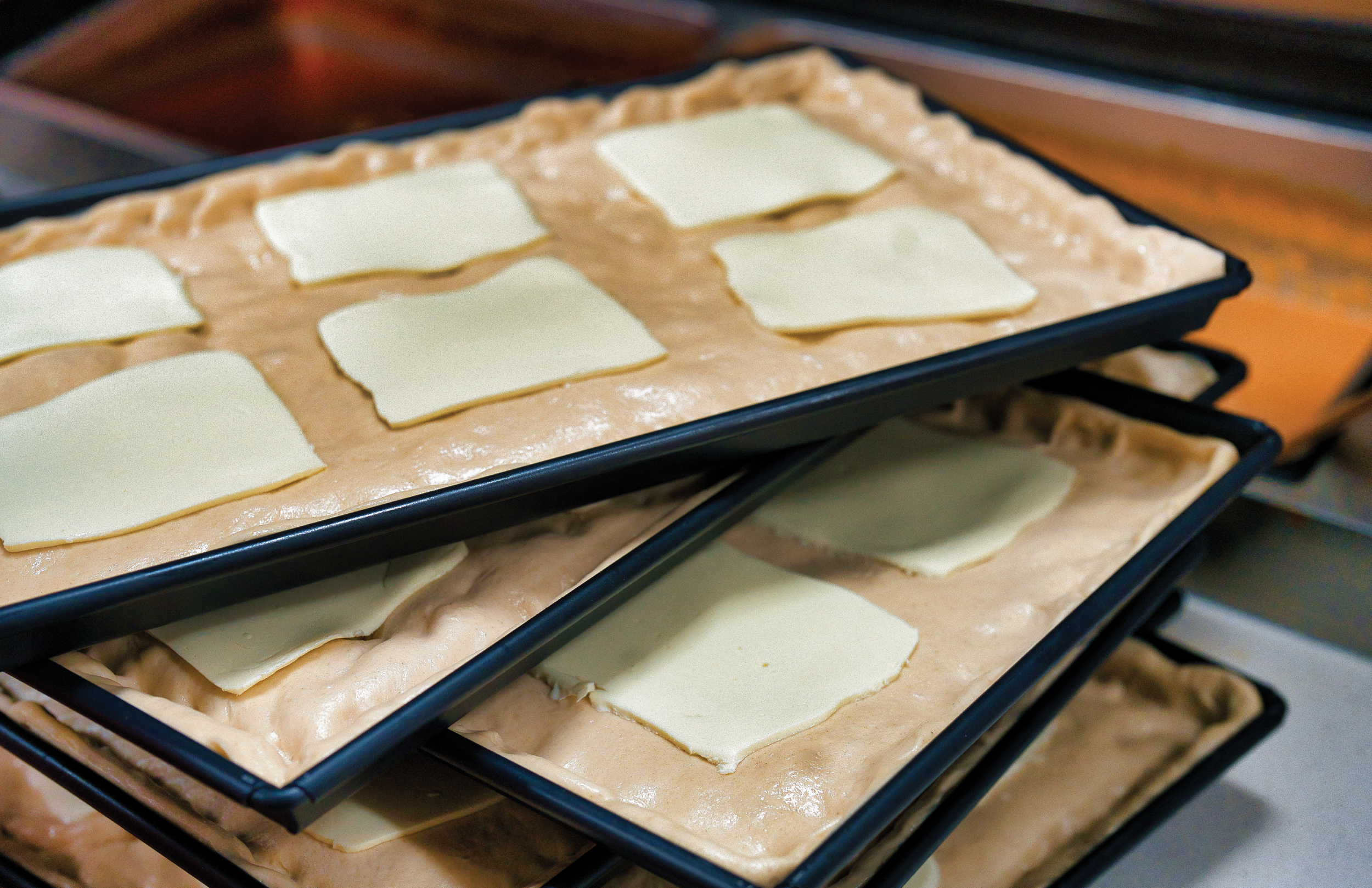
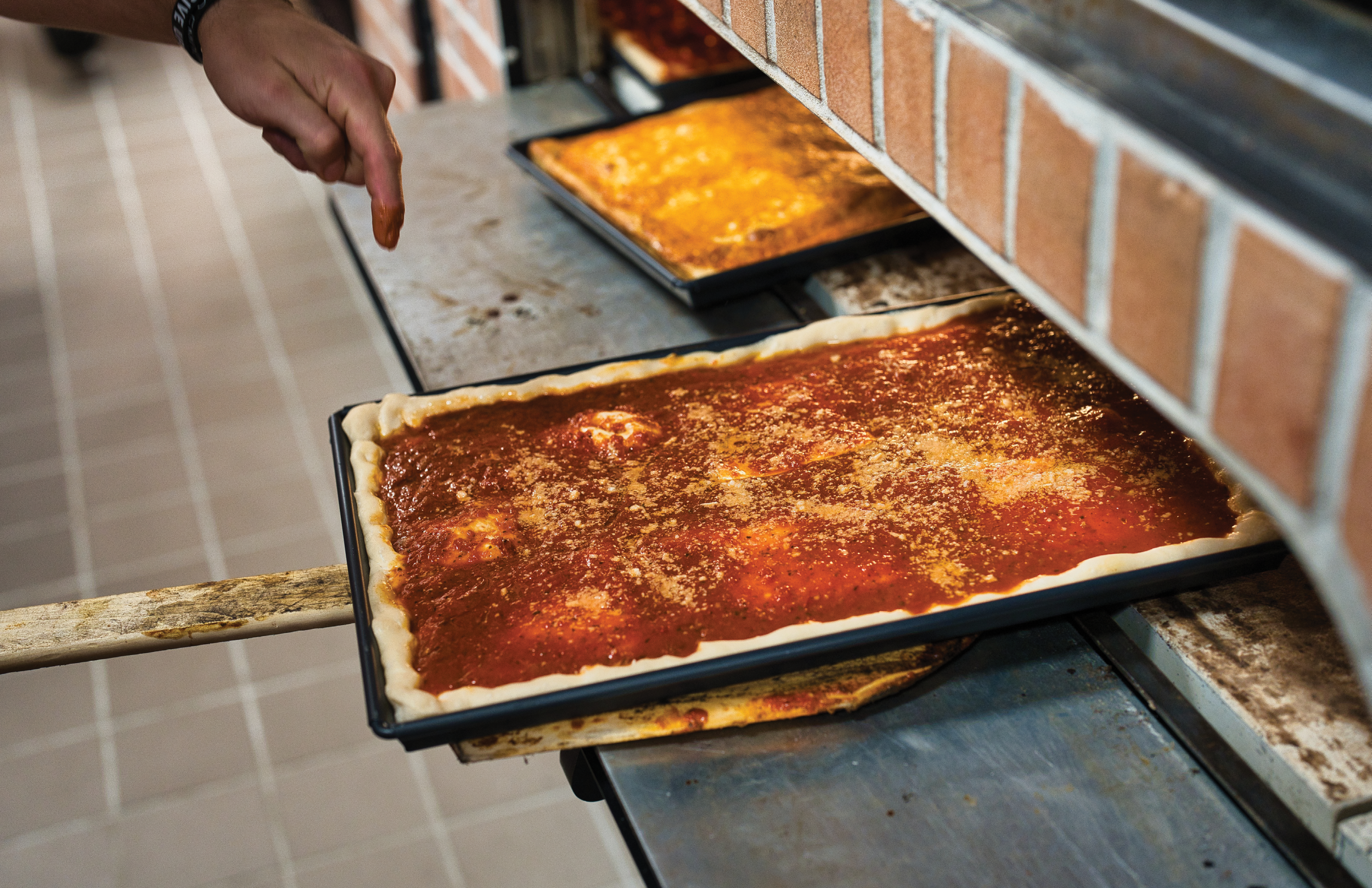
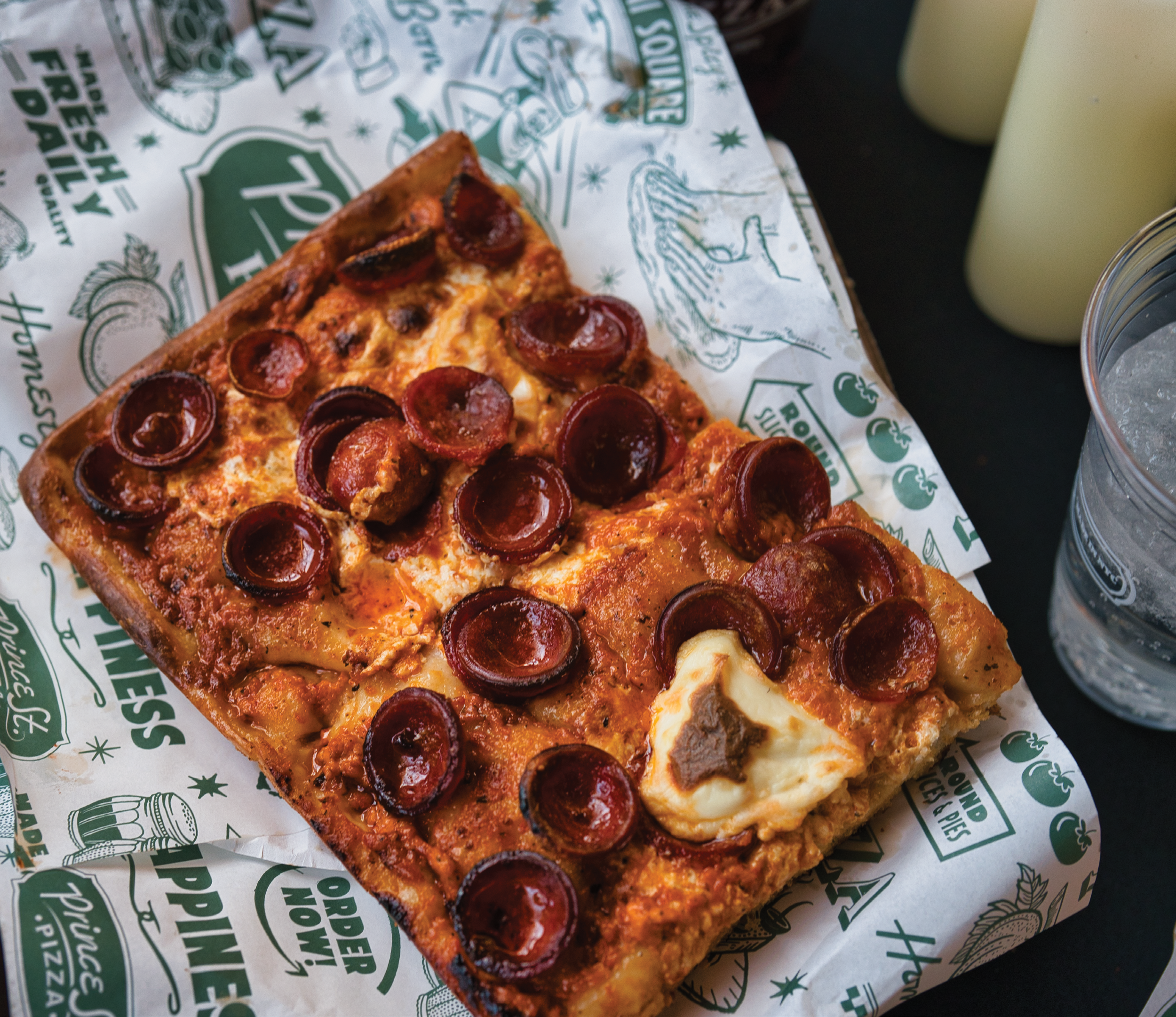
We had a great time at Prince Street Pizza’s Brooklyn location launch party earlier this month (271 Smith St., Brooklyn NY).
Known for the legendary ‘Soho’ Squares, and as the Original Home of the Spicy Pepperoni, their mission is to deliver happiness in every bite. Indeed, we chowed through many with a smile, including the Spicy Spring, the Naughty Pie, Houston Jalepeno, and the Four Cheese. What a tasty combo!
The launch also featured their sexy new uniform collab with Sergio Tacchini, a cool style that definitely fit the spot well. We were treated to several musical performances, featuring Partner/Actor Nick Tuturro. Check out Nick’s show ‘Delivering Happiness,’ where he used to deliver lines, and now he delivers pizzas. (Brother, Actor Icon John Tuturro was there for a bit, and left on our way in); and beloved recording artist GASHI, who performed several of his hit songs, even to an eclectic group of neighbor pirates next door, who also got some pizza over the fence. We love the song My Year (featuring G-Eazy) - ‘This My Year, This Gonna Be My Year’ for sure!! In between bites and conversation, we snapped some cool pics and took some Oakley Meta HSTN Performance AI videos of the concerts, and were hand-fed tasty mozzarella sticks from Mad Mutz’s Mike Hauke (also Owner, Tony Baloney’s) as we were juggling our gear.
PHOTOGRAPHY CREDITS | Paul Farkas shot on SONY Alpha |
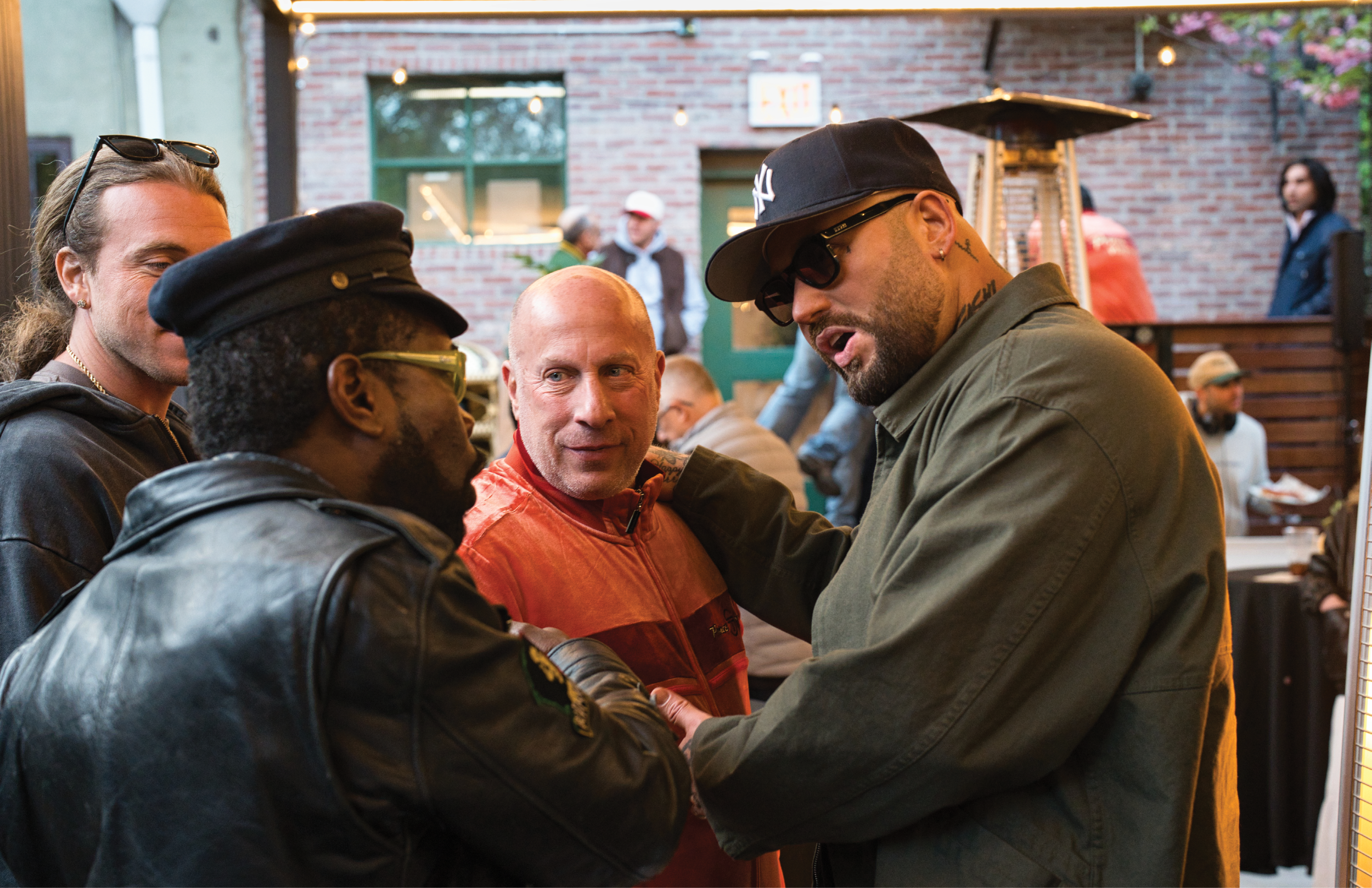
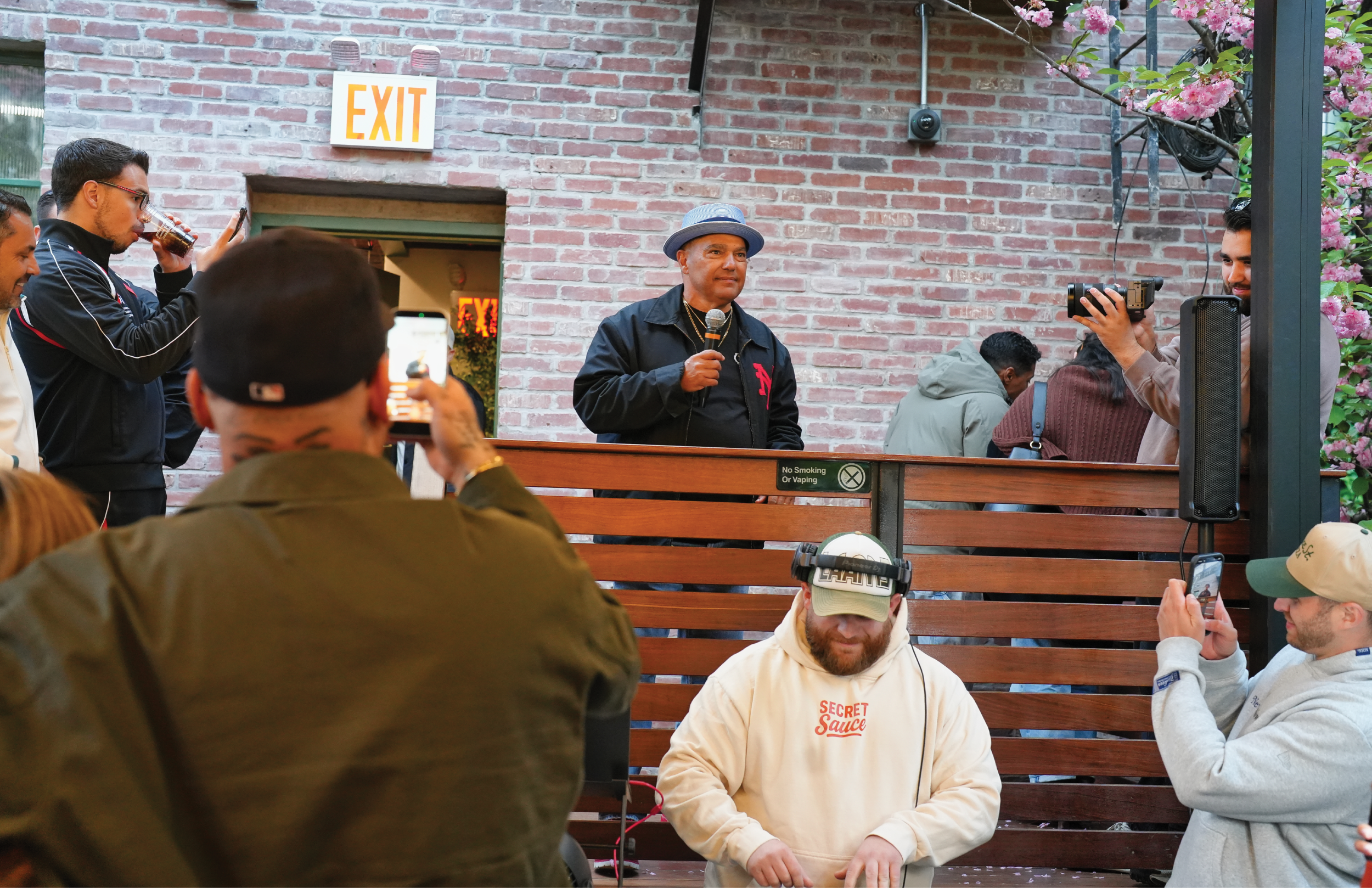
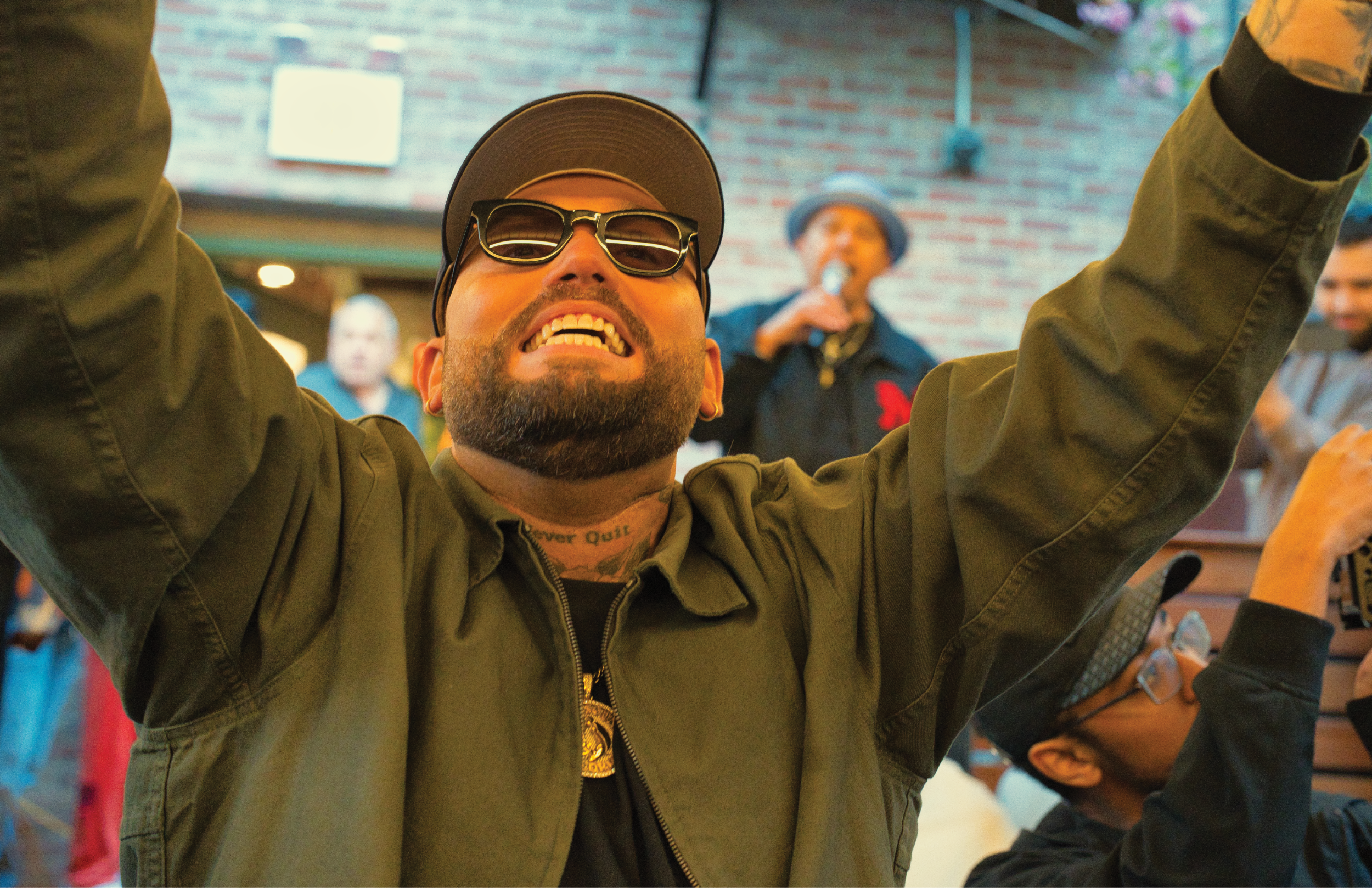
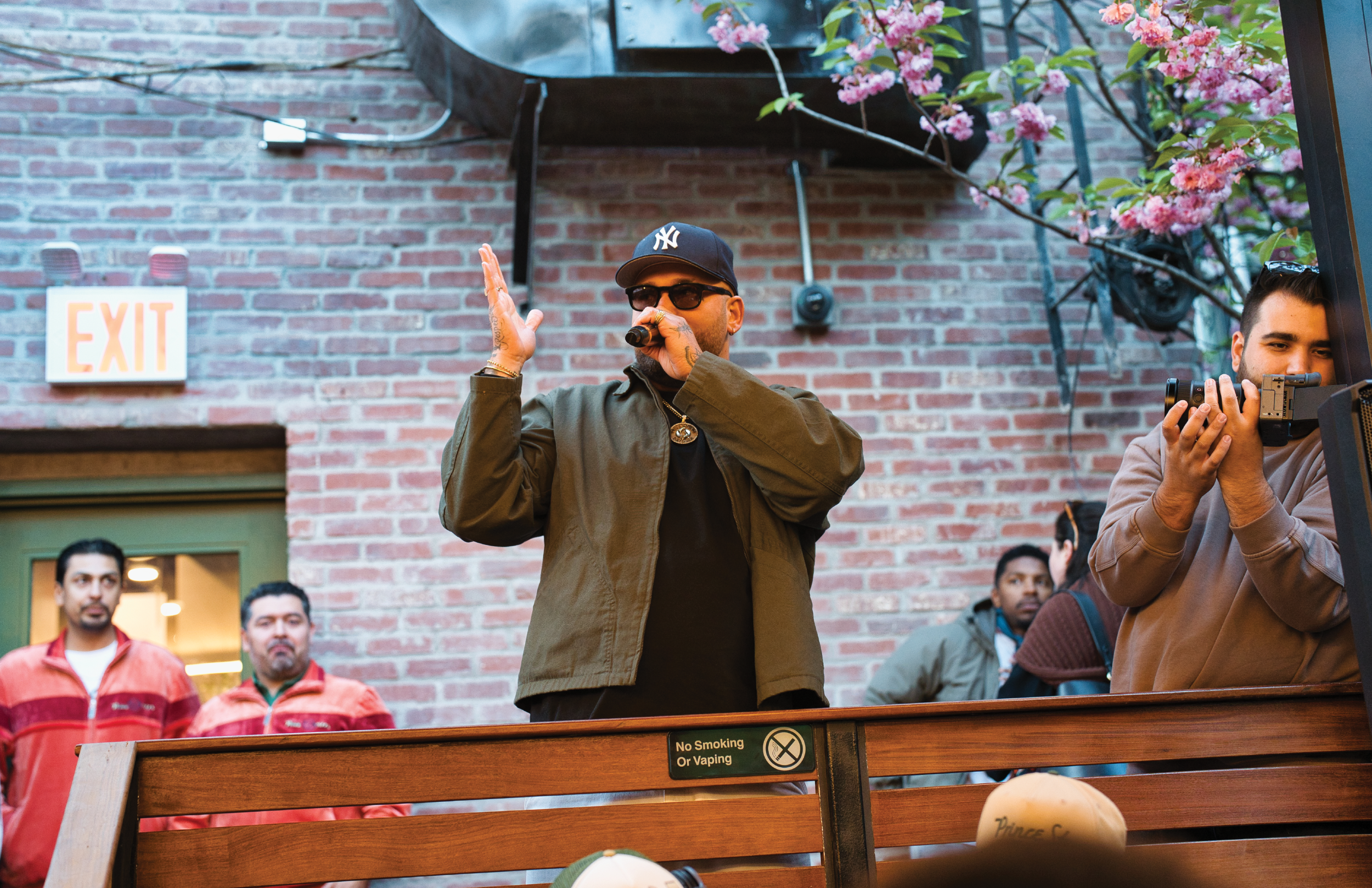
Read the APR ISSUE of Athleisure Mag and see PRINCE STREET PIZZA | Brooklyn Launch in mag.
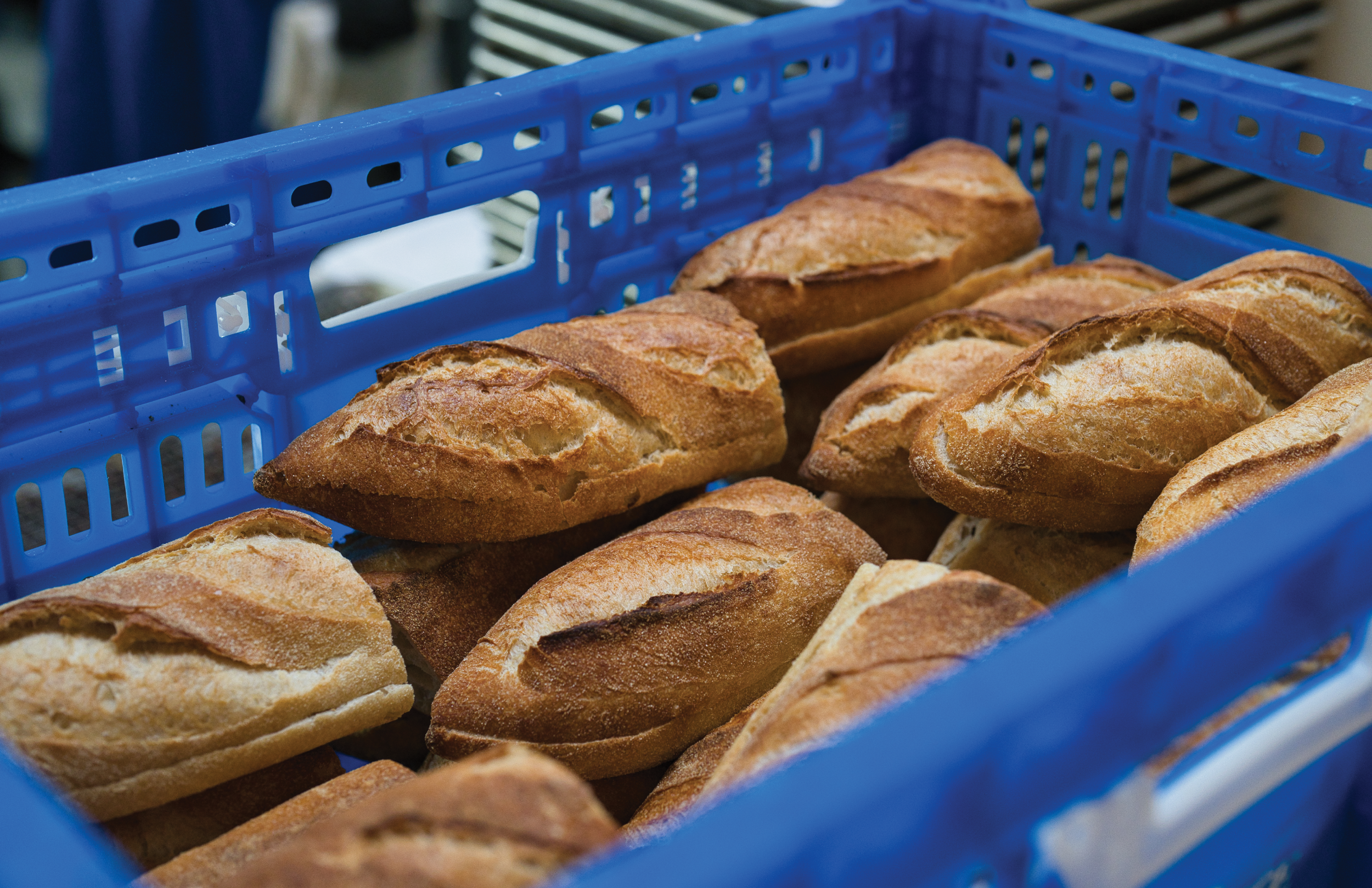
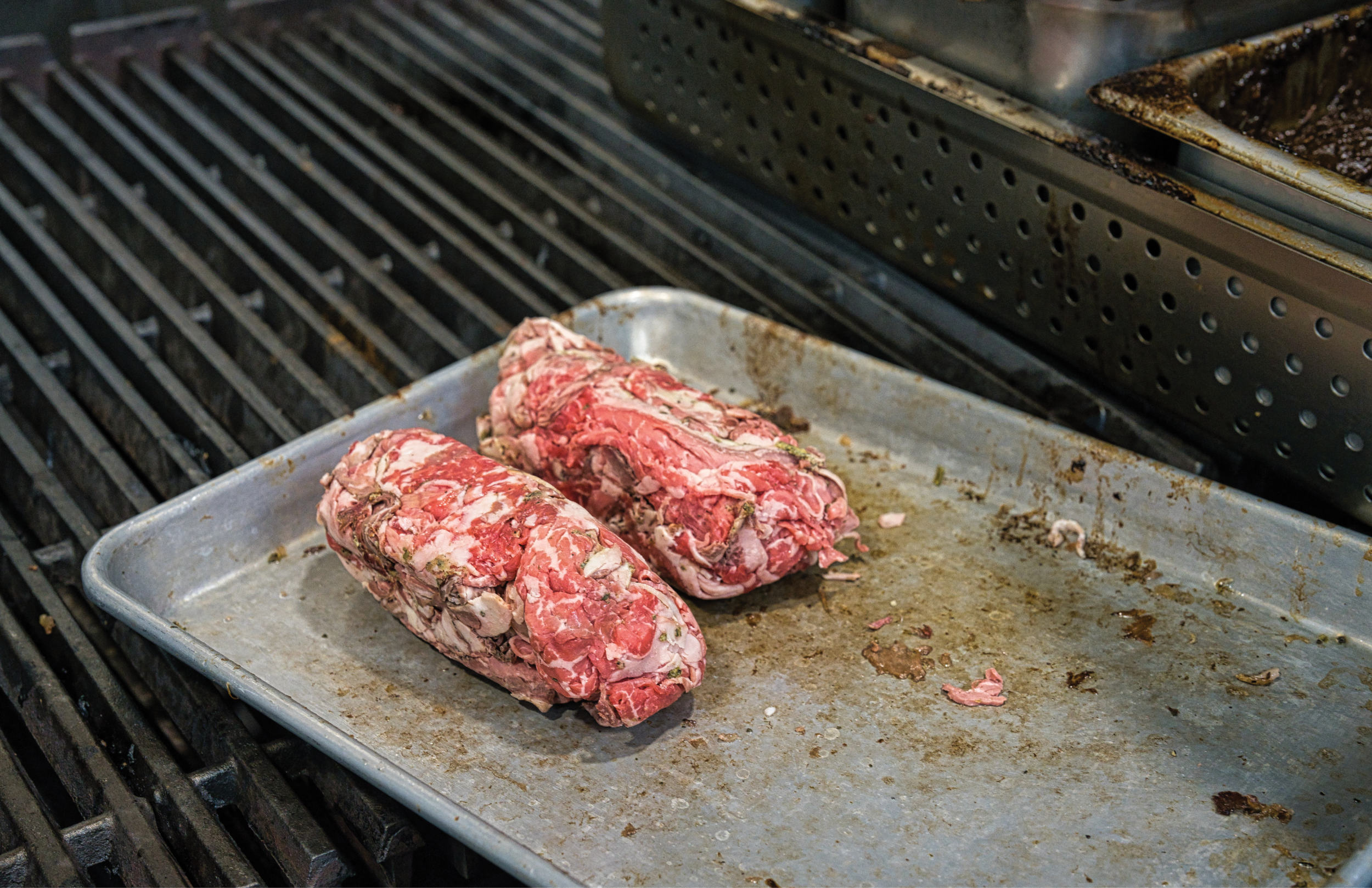
Those bomb French Dips from Salt Hank’s have become a must in NYC! We popped back to this well-deserved hot spot started by Chef/Restaurateur/Author Henry Laporte, a leading recipe developer and content creator known for over-the-top and viral recipes, to shoot some pics and video of the inventive process that puts these tasty sandwiches with love.
From the dry-aged sliced prime rib; to the well-simmered jus; extra melty provolone cheese; seven hour caramelized onions; horseradish garlic aioli; fresh baguettes from Franchette Bakery, and more; our taste buds and stomach and eyes we were just blown away each time we try them. We also especially dug the hot pickled pepper combo and slaw, with crispy fries in different bites, just dippin’ away.
Head Chef David Rubenfeld walked us through and ended with a fabulous cheese pull that went on for days and days. Thanks Henry, David & Team, loved it!
Be sure to check out Henry’s book, Salt Hank: A Five Napkin Situation (A Cookbook), and their line of seasonings and condiments from Salt Love’s Club.
Thanks Chefs Henry, David & Team, loved it - we’ll be back with friends for sure!
IG @salt_hanks
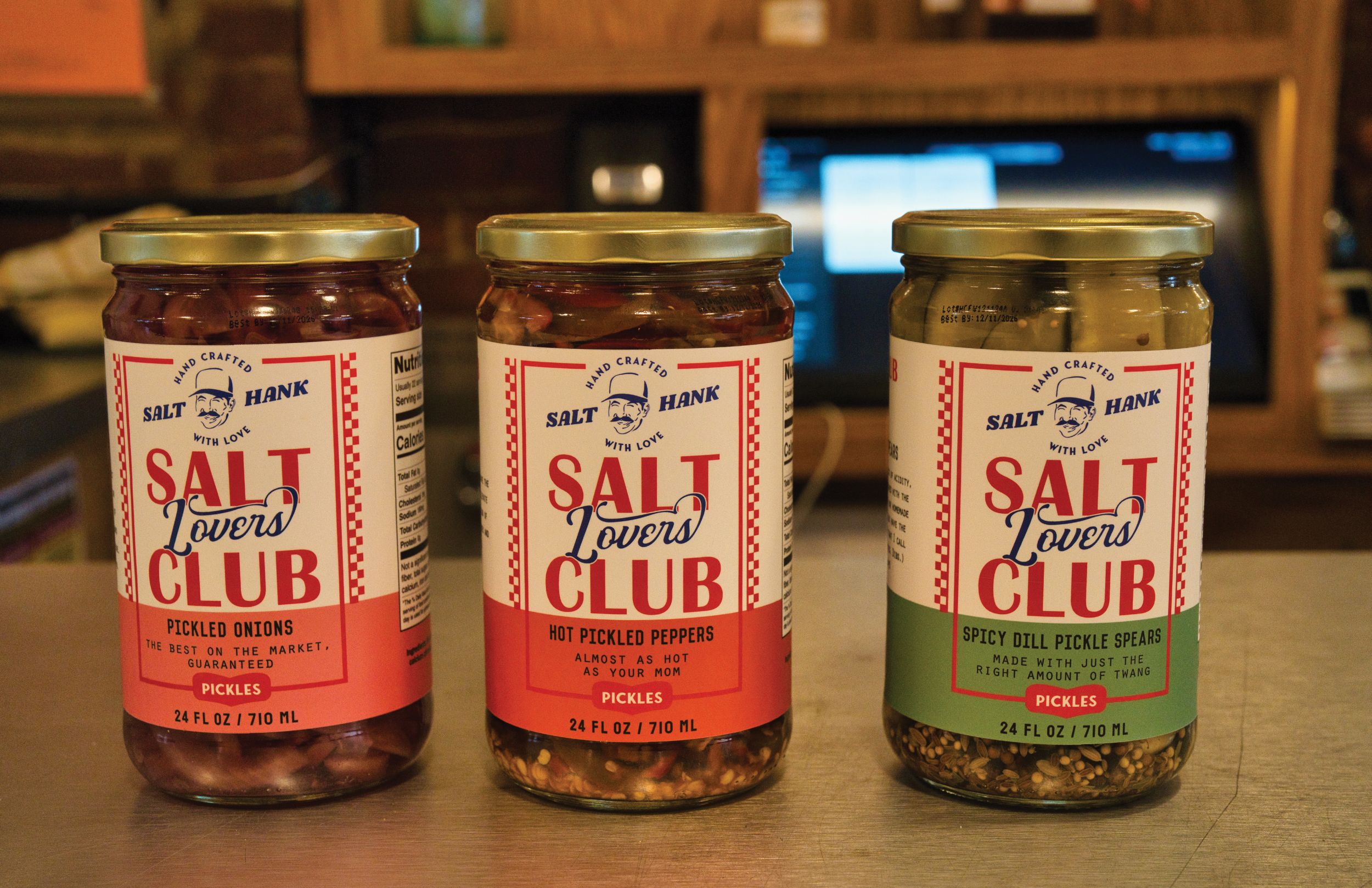
PHOTOGRAPHY CREDITS | Paul Farkas shot on SONY Alpha

This month, we made our way to Midtown to try Ginger Ristoranti for dinner on an unseanably warm day this Spring! We had heard a lot about this Roman-born Mediterranean lifestyle destination that comes together with it’s unique blend of wellness, design, color, and culinary come together! From healthy juices, satisfying appetizers, mains, and cocktails - this was defintiely a great meal to enjoy.
We sat down with Chef Gabriel Luca to find out more about the restaurant, its Roman roots and what we should order upon our next visit with friends, family, and colleagues.
ATHLEISURE MAG: Before we delve into Ginger Ristoranti here in NYC, we know that it started in Rome and has 3 locations there. What can you tell us about these locations?
CHEF GABRIEL LUCA: Ginger Saporie Salute was born in the historic heart of Rome, with three locations embedded within the city’s Centro Storico and close to landmarks such as the Pantheon and the Spanish Steps. Each address is deeply tied to Rome’s architectural memory and tells a different story. In Via Borgognona, an original Liberty-style skylight washes the room in soft natural light, while the building itself once housed the boutique of iconic Roman designer Laura Biagiotti, leaving behind a sense of elegance that still defines the atmosphere. At Corte Laica, inside Palazzo Raggi, the space was once a convent courtyard and today lives beneath a Rationalist skylight that preserves its openness while giving it a luminous, contemporary identity. Across all three Roman locations, the vision is consistent: to inhabit beautiful historic spacesand reinterpret them through a fresh, wellness-driven lifestyle lens.
AM: Can you tell us a bit about the background of the Roman restaurateurs?
CHEF GL: Ginger is driven by the vision of founder and owner Dario Asara, who, although born in Rome, has Sardinian roots - a heritage that deeply informs the philosophy behind the brand. Sardinia is one of the world’s Blue Zones, where lifestyle, food, sea air, and a strong connection to nature have long contributed to exceptional longevity and quality of life. That idea of living well is central to Ginger. Together with his wife, Corinna Bassetti Josi, who leads the creative direction of the brand and imagines each space with a strong visual identity, Dario built a concept where Italian tradition meets a more vibrant global perspective. Their travels, especially throughout South America, introduced a colorful fruit-forward energy that can still be felt across the menu today.
AM: Why did you want to bring Ginger Ristoranti to the US and to launch here in NYC?
CHEF GL: New York felt like a natural evolution for Ginger. It is a city where people move fast, yet think carefully about quality, ingredients, and how they want to feel. That makes it the perfect place for a concept rooted in balance - where Roman hospitality, Mediterranean freshness, and a contemporary wellness mindset can all coexist. Bringing Ginger to NYC meant translating our Roman DNA into a more cosmopolitan rhythm without losing the warmth, generosity, and sense of pleasure that have always defined us.


AM: You’re located in Midtown, steps away from Rockefeller Center which is a busy neighborhood that is a mix of the theater crowd, media conglomerates, and other businesses and then you open the doors and you step into an oasis of vibrant hues and calm that gives you the feeling of being transported to a resort like destination where Summer never ends. You are located in the former Exxon building and the restaurant is 7,000 square feet! Tell us about the aesthetic and interior design of this restaurant and why you wanted to be in this neighborhood?
CHEF GL: Our Midtown location, inside the former Exxon Building at 1251 Avenue of the Americas, is our most ambitious project to date: a 7,000-square-foot restaurant conceived as a contemporary Mediterranean escape in the middle of Manhattan. Being steps from Rockefeller Center placed us in a neighborhood that is constantly alive - from office workers and media to theatergoers and visitors - and we loved the idea of offering a sensory contrast to that pace. Warm terracotta tones, light woods, lush greenery, and tactile surfaces soften the city outside and create a feeling that is sunny, relaxed, and transportive. The space was imagined by Corinna Bassetti Josi in collaboration with Costa Group, with the goal of creating not simply a restaurant, but a destination where design, light, color, and lifestyle all become part of the experience.
AM: What are the spices and ingredients that are indicative a Roman-inspired menu.
CHEF GL: At the heart of a Roman-inspired menu are straightforward, yet deeply expressive ingredients: extra virgin olive oil, pecorino romano, black pepper, artichokes, chicories, anchovies, citrus, and fresh herbs. At Ginger, we build on that foundation with seasonal vegetables, ginger, tropical fruit, bright vinaigrettes, and a lighter hand overall. The result is a cuisine that still feels unmistakably Italian, yet more vibrant, contemporary, and naturally aligned with how people want to eat today.
AM: Guests can enjoy an all day menu that focuses on healthy interpretations of these dishes. Your menu is rooted Roman culinary traditions - can you tell us what those are?
CHEF GL: Roman culinary tradition is rooted in simplicity, seasonality, and intense flavor rather than excess. It is the cuisine of olive oil, vegetables, handmade pasta, cured meats, cheeses, and iconic pairings such as artichokes with guanciale or black pepper with pecorino. At Ginger, we keep that soul intact while reinterpreting it through a fresher lens: more produce, more brightness, lighter sauces, raw preparations, and fruit woven naturally into the menu. It is comfort food with energy - traditional in spirit, but more fluid and modern in execution.
AM: What are 3 appetizers that we should consider whether we’re coming in for Lunch or Dinner?
CHEF GL: 3 appetizers to try: A vibrant beginning that captures Ginger’s signature style: colorful, polished, Mediterranean, and full of freshness.
Suppli - Golden and crisp on the outside, with a comforting molten center; crispy rice and tomato balls filled with mozzarella, served with basil mayo.
Crudo di Ricciola - Bright, silky, and elegant; sliced hamachi with pimenton-marinated mango, shaved spring onion, and toasted macadamia.
Barbabietola - Earthy yet luminous, with a beautifully balanced sweettart finish; braised beets, green apple puree, pickled green apples, toasted almonds, and raspberry dressing.
AM: What are 3 pastas that we should be thinking about?
CHEF GL: 3 pastas to try:
Here, handmade pasta becomes both comforting and refined - a meeting point between Roman soul and Ginger’s lighter, more expressive style.
Paccheri - Generous and satisfying, with a delicate maritime richness; homemade pasta with wild branzino ragu and confit cherry tomatoes.
Gnocchi ai Carciofi - Pillowy, savory, and deeply Roman in spirit; homemade potato and parsley gnocchi with sauteed artichokes, guanciale, and crispy Parmigiano.
Bottoni di Burrata - Silky and gently indulgent, with creamy and briny notes in balance; burrata-filled ravioli with mussels, tomato sauce, and black pepper.
AM: In terms of Mains, what are 3 that our table should consider ordering?
CHEF GL: 3 mains to try:
Balanced, nourishing, and visually vibrant, these plates reflect the way Ginger brings together wellness, flavor, and polish.
Salmone - Luminous and gently sweet, with freshness in every bite; roasted salmon with ginger glaze, avocado puree, mango, cucumber, watermelon radish, and sesame seeds.
Spigola - Clean, elegant, and Mediterranean in tone; wild striped bass with red pepper reduction, shaved fennel, and black olive powder.
Saltimbocca - A timeless Roman classic with a refined touch; veal filet rolled with Prosciutto di Parma, butter and sage sauce, and broccoli rabe.
AM: What are 3 sides that we should or to compliment our meal?
CHEF GL: 3 sides to complement the meal:
Simple, intentional, and full of character, these sides bring contrast, texture, and a distinctly Mediterranean point of view.
Patate - Crispy, golden, and moreish; crispy russet potatoes served with mustard mayo.
Melanzane - Soft and smoky with gentle spice; seared Japanese eggplant with oregano and pimenton.
Cime di Rapa - Bold and savory with a pleasant bitter edge; sauteed broccoli rabe with garlic oil and chili.
AM: For those looking for pizza, what are 3 that we should keep in mind?
CHEF GL: 3 pizzas to know:
Our pizzas feel classic yet elevated, with premium ingredients, lively textures, and the kind of flavor contrast that makes them instantly memorable.
Barese - Bold, savory, and slightly spicy; smoked provola, Parmigiano Reggiano, sausage, broccoli rabe, and spicy olive oil.
Nerano - Creamy and indulgent while still feeling fresh; zucchini, Parmigiano fondue, and zucchini chips.
Parma - Airy, elegant, and effortlessly Italian; Prosciutto di Parma, arugula, and shaved Parmigiano Reggiano.


AM: What are 3 salads that we should know about?
CHEF GL: 3 salads to highlight:
Fresh, polished, and lifestyle-minded, these salads are designed to feel nourishing without ever sacrificing personality.
Seggiola - Crisp, colorful, and layered with texture; avocado, carrots, celery, fennel, grape tomatoes, Castelvetrano olives, watermelon radish, organic seeds, mixed salad, and balsamic.
Aurelia - Savory and gently sweet, with a satisfying crunch; steamed organic chicken, green apples, celery, parsley, toasted walnuts, mixed salad, and mustard dressing.
Botticella - Bright and contemporary with a tropical note; house-cured salmon, mango, shaved spring onion, toasted pistachios, dill, mixed salad, and citronette.
AM: Tell us about the Salumni Bar!
CHEF GL: The Salumi Bar is our celebration of Italian conviviality and the pleasure of sharing. It brings together premium cured meats and cheeses in a way that feels both classic and social, whether guests order Salumi e formaggi, Formaggi, Prosciutto e burrata, or hand-cut Patanegra. It naturally pairs with aperitivo and reinforces the idea that Ginger is as much about gathering and rhythm as it is about any single dish.
AM: We had the pleasure of trying one of your ginger juices which was amazing - what are 3 smoothies and/or juices you would like to highlight?
CHEF GL: 3 juices and smoothies to try:
This is the most immediate expression of Ginger’s identity: energizing, sunny, fruit-driven, and rooted in feel-good living.
Ginger - Zesty, refreshing, and cleansing; pineapple, fennel, ginger, and apple.
Buzz - Tropical and lively with a little kick; mango, soursop, ginger, and apple.
Floripa - Smooth, rich, and quietly nourishing; acai, banana, and apple.
AM: What are 3 desserts that we should have in mind?
CHEF GL: 3 desserts to finish with:
Dessert at Ginger feels indulgent without heaviness - polished, playful, and designed to leave the table on a high note.
Tiramisu - Classic and airy with comforting depth; organic coffee, savoiardi, and mascarpone.
Magnum - Textural and fun, with a crisp shell and creamy core; homemade gelato pop glazed with dark chocolate and almonds.
Acai Cheesecake - Fruity, lightly tangy, and unexpectedly fresh; acai-flavored cheesecake with banana.
AM: What are 3 cocktails that you suggest that we should have?
CHEF GL: 3 cocktails to know:
The cocktail list bridges Italian ritual and New York momentum: expressive, stylish, and built with the same colorful energy that defines the room.
Fresh n’ Cool - Crisp, herbaceous, and ultra-refreshing; gin, mint, lime, simple syrup, cucumber, and club soda.
Amore Amaro - Layered, citrusy, and gently bittersweet; vodka, lemon, simple syrup, Aperol, strawberry, and bubbles.
Ace - Bold and unexpected, with savory brightness and spice; whisky, carrot juice, lemon, orange, and a Tajin rim.
AM: What should we know about Aperitivo Hour?
CHEF GL: Aperitivo is one of the rituals that most clearly expresses our Italian side. At Ginger, it becomes a lively Midtown pause: a moment for spritzes, cocktails, selected wines by the glass, and light bites such as olives, Suppli, crispy potatoes, focaccia bites, cold cuts, cheese, and calamari. It is social, easy, and full of atmosphere - the bridge between daytime energy and evening conviviality.
AM: If you haven’t done so, please tell us about your outdoor patio, The Bar, and your private dining room?
CHEF GL: Each area of Ginger Midtown was designed to feel like a seamless journey between indoor and outdoor living. The outdoor patio is a small urban oasis, lush and intimate, where greenery becomes part of the experience through both planted vessels and the natural palette echoed in the furnishings. Inside, the restaurant opens like a contemporary piazza or indoor garden, with the bar acting as its beating heart: the colors of fresh fruit and bottles bring movement, rhythm, and visual energy to the room. Our private dining room offers a quieter, more intimate point of view. Enclosed by a Liberty-style glass partition, it is full of natural light and overlooks a public garden, creating a beautiful balance between privacy, openness, and nature.
AM: Are there any upcoming events that you have that we should know about?
CHEF GL: Yes - we are building a calendar of moments that reflect the lifestyle side of Ginger. Upcoming highlights include a brunch event to celebrate the opening of the new brunch season, a Mother’s Day opening celebration designed around shared dining and togetherness, and curated wine tasting experiences that explore both Italian and international labels. These events are meant to bring people together around food, atmosphere, and a sense of occasion.
PHOTOGRAPHY CREDITS | Ginger Ristoranti
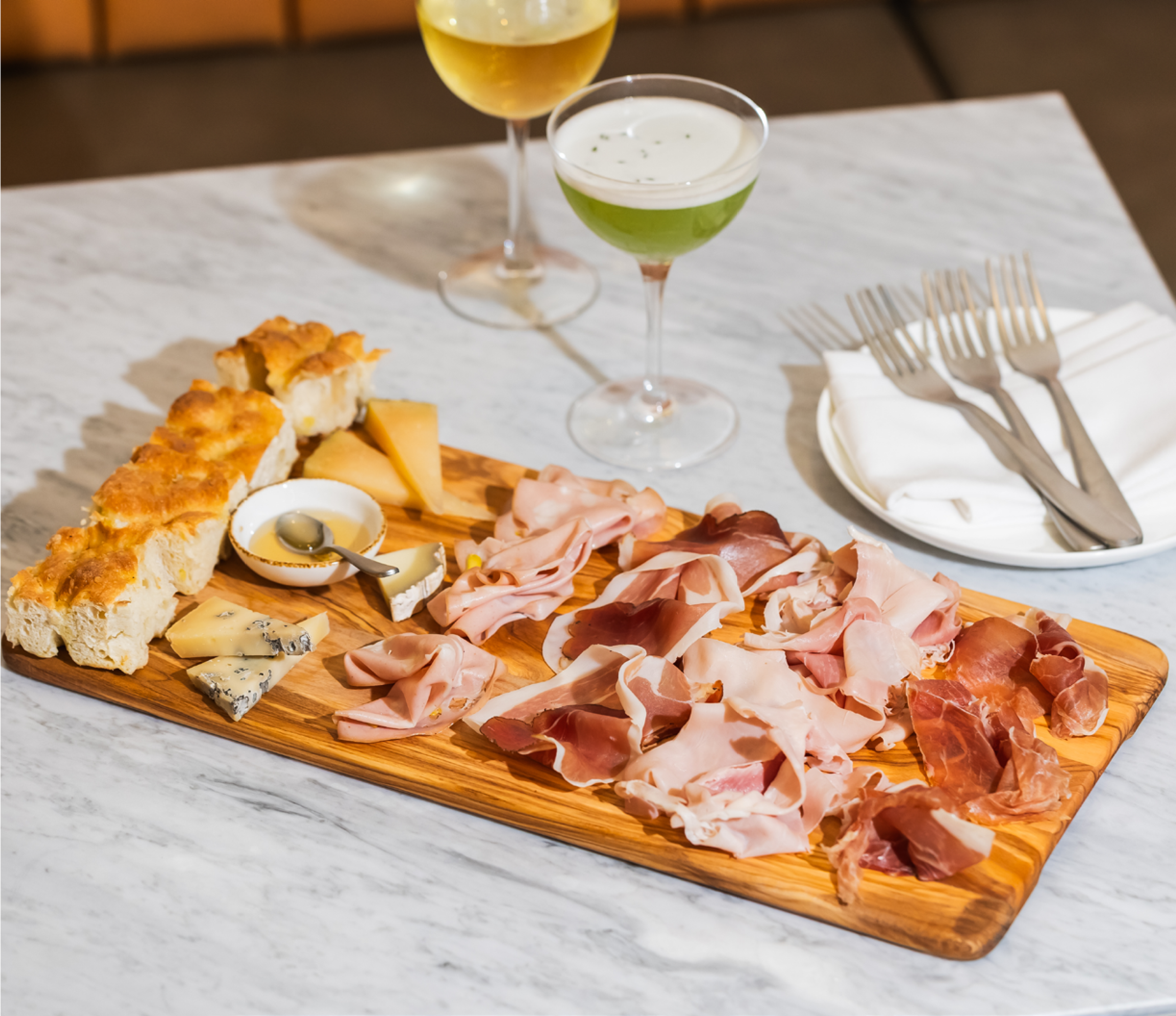
Read the APR ISSUE #124 of Athleisure Mag and see BRINGING ROME TO NYC | Ginger Ristoranti in mag.
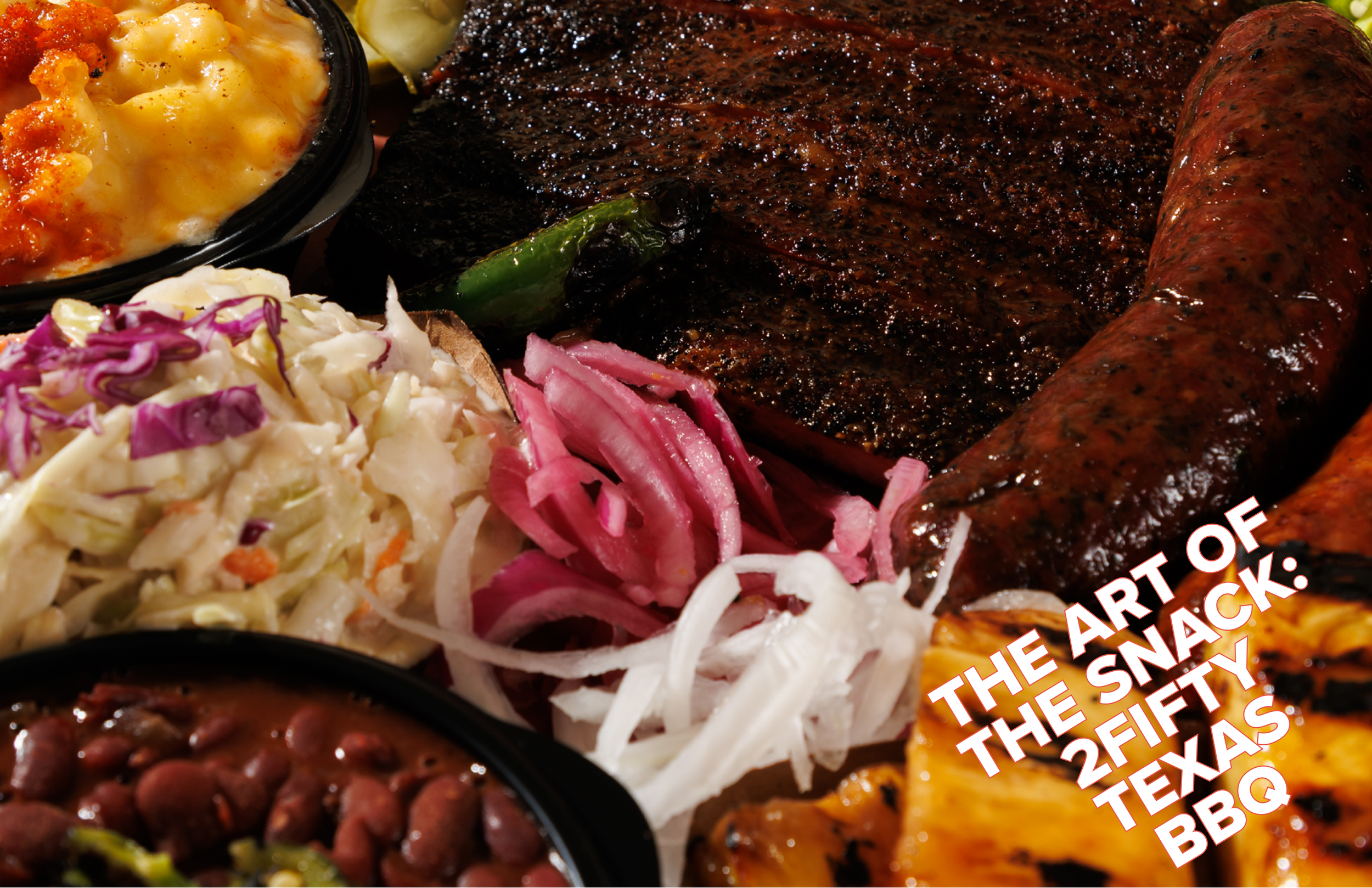
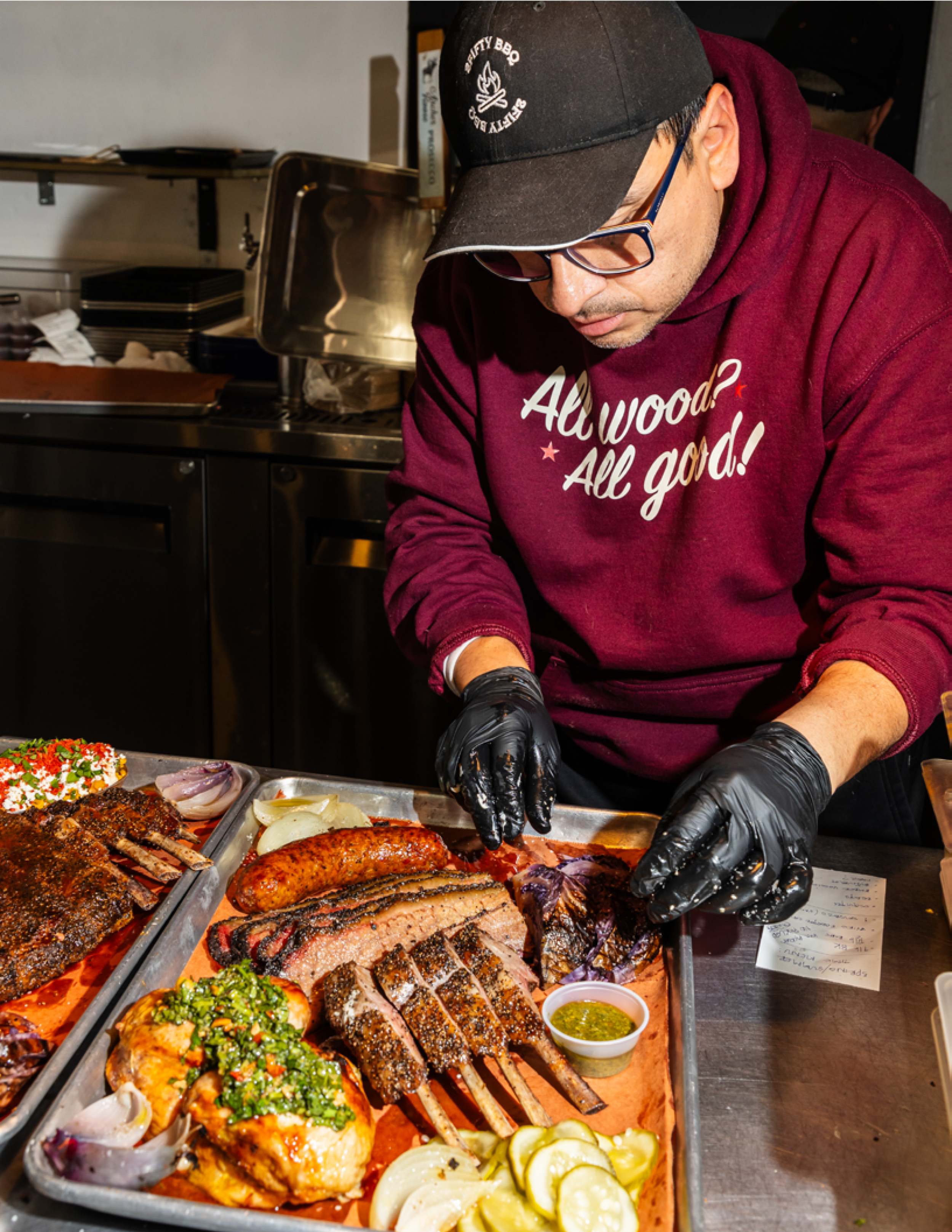
This month’s The Art of the Snack gives us the BBQ fix that we have had our eyes on! Although you can enjoy this year around, there is something about the Spring and Summer where you really want to enjoy flavorful BBQ! We took some time to talk with Pitmaster/Co-Founder of 2Fifty Texas BBQ, Chef Fernando González. With locations in Washington DC and Riverdale, MD where he serves Texas style BBQ, he is a 2X James Beard Best Chef Semifinalist and is noted as a Top BBQ Outside of Texas by Texas Monthly.
We wanted to find out about his passion for this style of BBQ as well as what we should have in mind when we stop by!
ATHLEISURE MAG: Can you tell us about your background and your journey to becoming a pitmaster?
CHEF FERNANDO GONZÁLEZ: I didn’t grow up thinking I’d be a pitmaster. I was trained as an engineer. I liked precision, systems, and understanding how things worked. Barbecue gave me that, just in a different language. Fire, meat, time. You learn to read things you can’t measure perfectly. You cook by feel.
I spent a lot of time studying barbecue in Texas. Watching, asking questions, making mistakes. There are no shortcuts. Good meat, good fire, and patience.
AM: What do you enjoy about being a pitmaster?
CHEF FG: It never gets easy. Every brisket is different. Every day the smoker teaches me something new. You stay a student if you want to do this right.
AM: What led to why you wanted to open 2Fifty Texas BBQ?
CHEF FG: It came from obsession. I wanted to build something honest. A place where we could do things the right way, even if it takes longer. No shortcuts.
AM: What is the meaning behind the name?
CHEF FG: Around 250 degrees is where the magic happens. Low and slow. That’s where the meat transforms.
AM: From an ambiance standpoint, tell us about the 2 locations that you have!
CHEF FG: Both locations are built around the smoker. You walk in and you smell it first. Wood burning, meat resting, trays moving. It’s casual, but intentional. You see the process, you feel the rhythm.
AM: When we talk about BBQ, what are the spices and ingredients that are indicative of foods in this category?
CHEF FG: For us, it’s simple. Salt and pepper. Oak wood. Time. That’s the base of everything we do.
AM: What style of BBQ do you offer at your restaurants?
CHEF FG: Central Texas-style barbecue. All wood, no gas. Low and slow. You let the meat speak.
AM: For those coming in to dine, what are 3 meats that we should have our eyes on?
CHEF FG: Brisket is the first one. That’s the heart of the smokehouse. Then Pork Ribs for texture. And Sausage for something with a little snap and spice.
AM: What are 3 Sides that we should consider when coming in with family and friends?
CHEF FG: Mac and Cheese if you want something rich. Coleslaw to balance it out. And Crispy Plantains, that’s a piece of where we come from.
AM: What are 3 Sandwiches that we should think about on the menu?
CHEF FG: The Brisket Sandwich is the one people come back for. Pulled Pork is a little more relaxed. Sausage is bold and straightforward.
AM: Are there any seasonal options as we enjoy the Spring and go into the Summer that we should consider?
CHEF FG: We run weekly specials that keep things moving. Pastrami on Thursdays, BBQ Döner on Fridays, and weekends we might do something like Pork Belly Burnt Ends or Picanha. It gives us room to stay creative.
AM: What are Desserts that we should have in mind?
CHEF FG: Banana Pudding is a classic. Bread Pudding if you want something warmer, a little deeper.
AM: Tell us about the beer and wine that is offered here?
CHEF FG: We keep it simple. Cold Beer that pairs well with smoke. Something clean that lets the food lead.
AM: Tell us more about the Chilled Meats, Spices, and Sauces that you have created.
CHEF FG: We’ve worked on products people can take home. Same philosophy. No shortcuts. If it’s not right, we don’t put it out.
AM: Are there any events coming up that we should know about?
CHEF FG: We focus more on the day-to-day. The specials, the trays, what’s coming off the smoker that morning.
PHOTOGRAPHY CREDITS | Sophie Macaluso
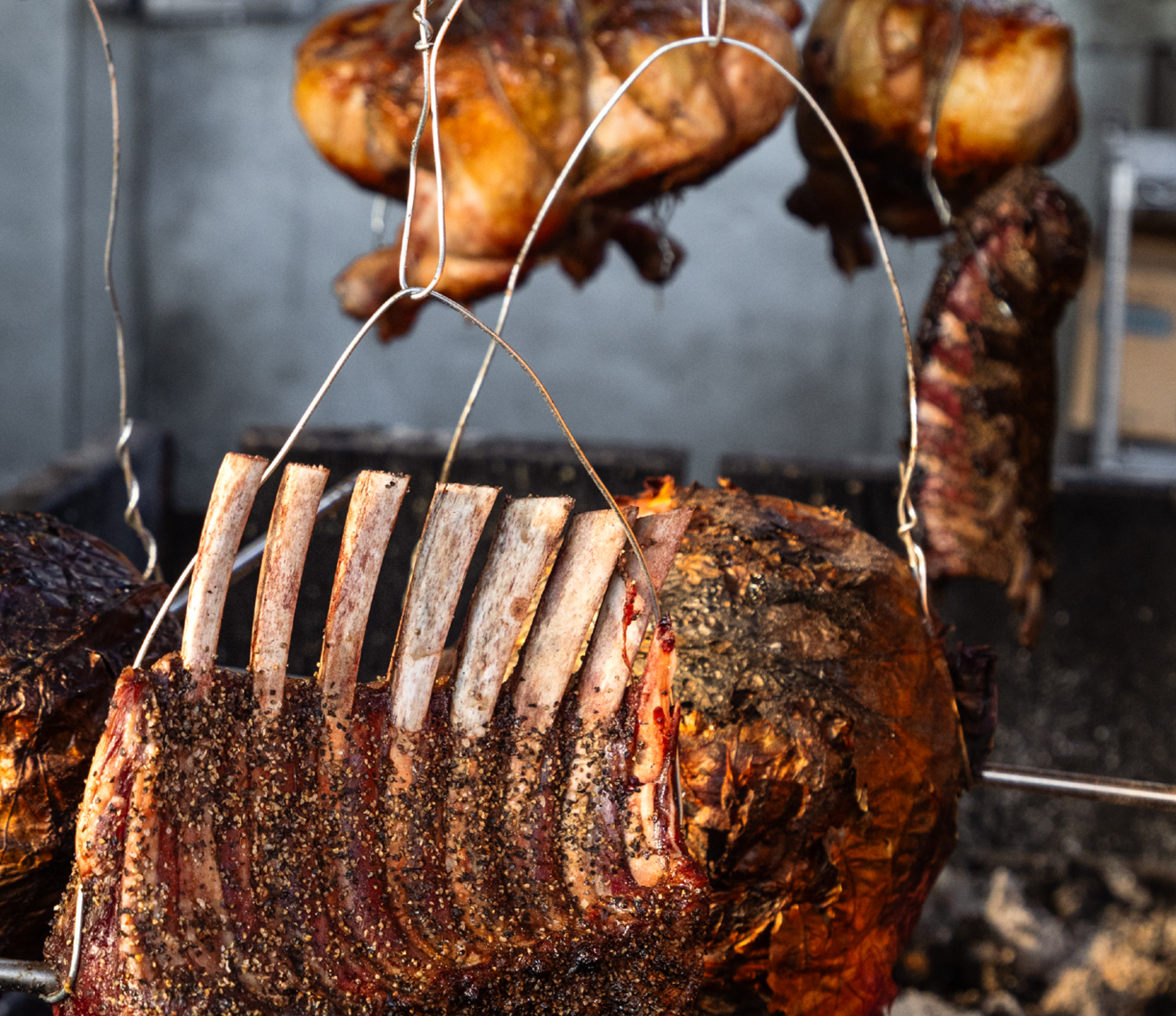
Read the APR ISSUE #124 of Athleisure Mag and see THE ART OF THE SNACK | 2FIFTY TEXAS BBQ in mag.
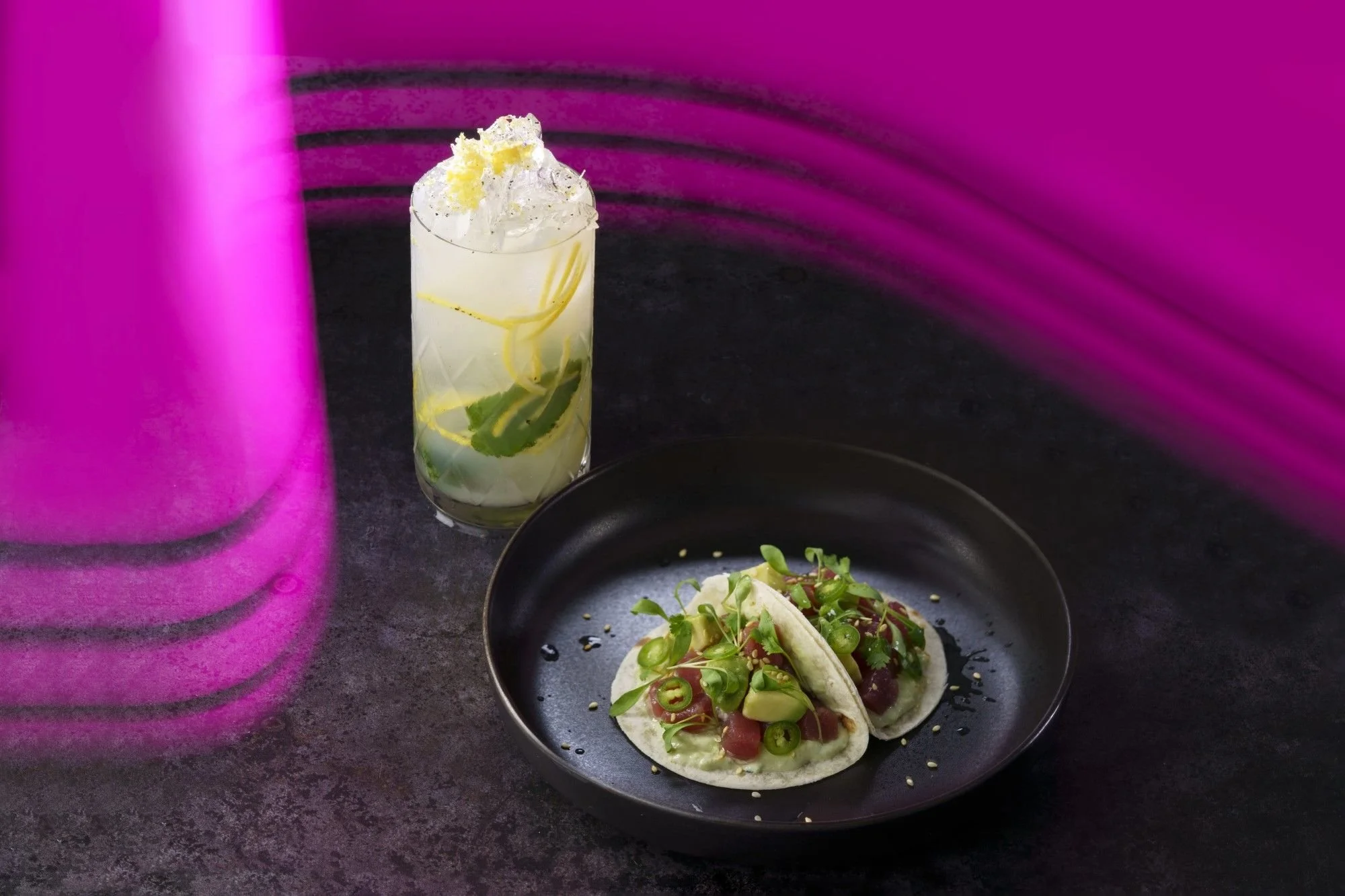
You don’t have to wait for the next Formula 1 Heineken Las Vegas Grand Prix taking
place Nov 19 - 21 2026, you can always enjoy heading to F1 Arcade Las Vegas, located in The Forum Shops at Caesars Palace. Guests can enjoy an unparalleled social gaming experience built around the venue’s full-motion Formula 1® racing simulators! You can also enjoy an elevated culinary and beverage offerings.
This venue spans 21,000 square feet across 2 levels. There are a number of semi-private, private rooms, and full buyouts for up to 690 guests. You can enjoy 87 bespoke racing simulators that are full-motion and designed specifically for their venues. Guests receive haptic feedback (vibrations for off-track excursions), custom-designed steering wheels and softwear that offers varied skill levels from Rookie to Elite. They also have 3 permanent bars, a portable bar, and 19 large televisions.
We suggest that you enjoy their Dynamite Fried Chicken (chili, lemon aioli), Impossible “Bulgogi” Tostada (Gochujang, shaved cabbage, kimchi, avocado cream), and Chipotle Tiger Shrimp Tacos (pickled daikon, cucumber, ginger, ponzu).
Having a great night out means pairing these savory bites with great cocktails. We suggest trying the My Night in Vegas (rye, ginger, yuzu, celery bitters, blueberry peat foam), She’s in the Lead (cucumber and rose gin, lemon, blueberry wine, rose, egg white), and Sparks Will Fly (rum blend, coconut, chamomile, lime, aromatic bitters, sparked spices).
For those that are looking to enjoy a great beverage, but without alcohol, there are a few drinks that we suggest that you should have in mind. Their Zero-proof Designated Drivers include Mule in the Paddock (Almave Mule, spiced ginger, lime, soda), Cool Down Lap (Pentire Adrift Negroni, Coastal Spritz, Roots Divino Rosso, Mallorca Melon) and the Phantom Overtake (Pentire Seaward Paloma, Cucumber, Cordial, grapefruit, dill air). This is just a sampling of the menu offerings which are filled with various options.
For those who may not be able to be in
Las Vegas, F1 Arcade has a number of locations which include the UK (London in One New Change and Birmingham in City Centre), Boston Seaport, Washington DC Union Market, Philadelphia, Denver, Atlanta, and Chicago.
IG @f1arcadeusa
PHOTOS COURTESY | F1 Arcade
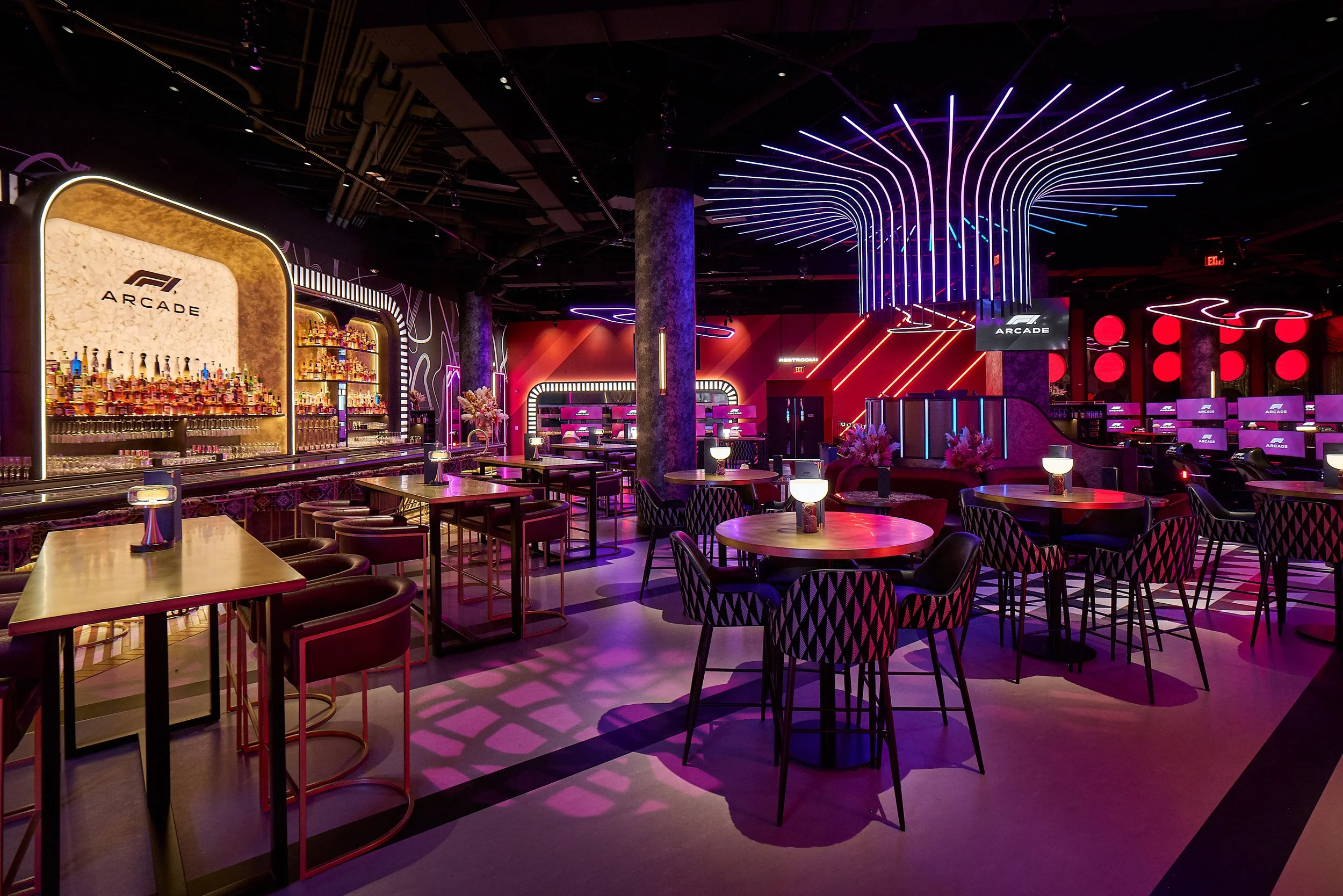
Read the APR ISSUE #124 of Athleisure Mag and see ATHLEISURE LIST | F1 Arcade Las Vegas in mag.
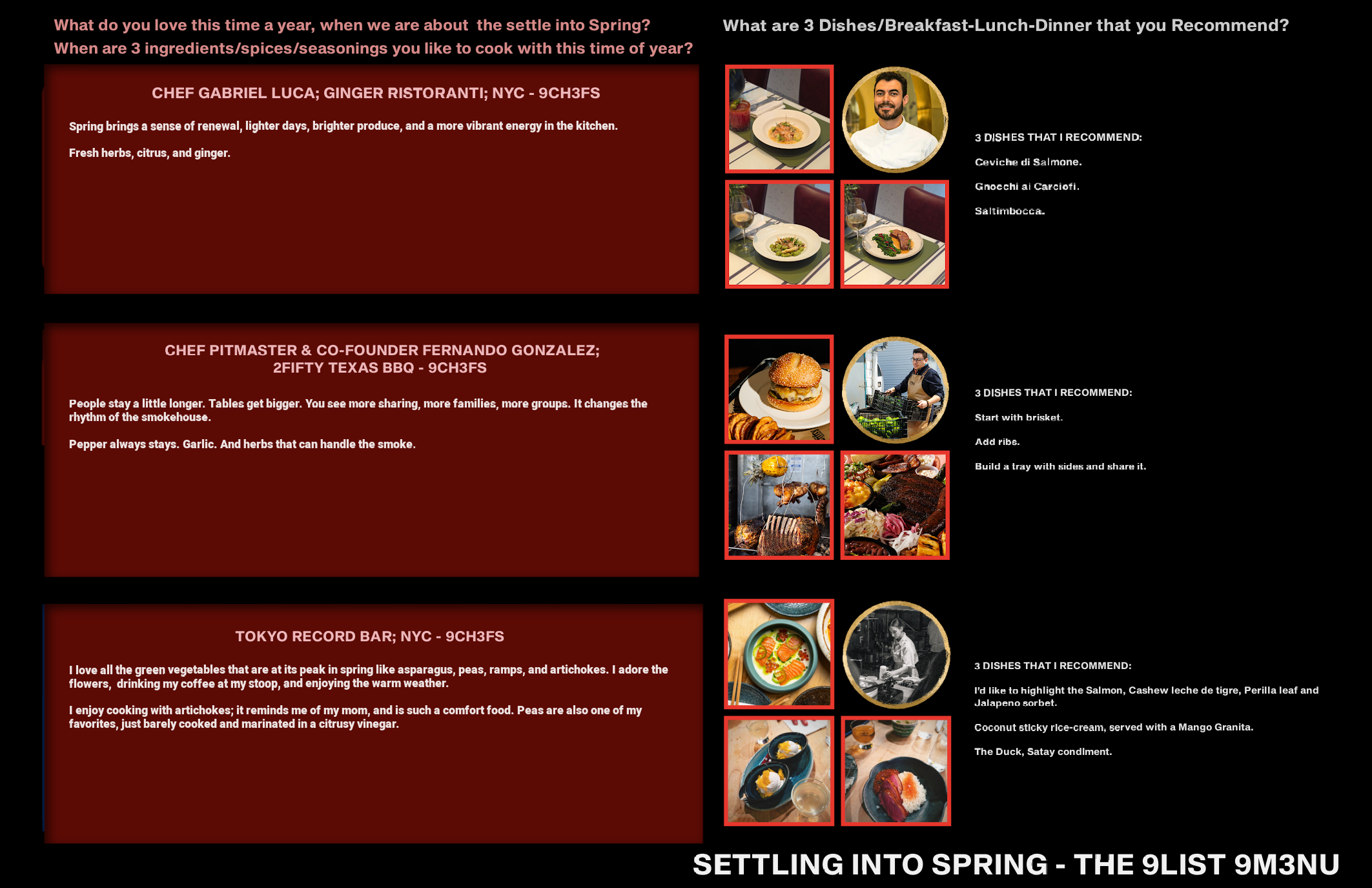
Read the APR ISSUE #124 of Athleisure Mag and see THE 9LIST 9M3NU in mag.
We caught up with Salt Hank’s owner, Henry Laporte that is known for his restaurant that serves primarily one dish, the French Dip! We wanted to know how we went to making culinary videos to starting his restaurant and how he keeps it all together as a business owner.
ATHLEISURE MAG: What was the dish that made you fall in love with food?
HENRY LAPORTE: I love it, starting off hot! It’s kind of an easy answer – salami! Pretty much after my first bite of salami nothing else has been the same sense then. I would say that and I would also say that I remember my first rib eye as well. I think that I was about 6 when I had my first bite of salami and it changed the entire trajectory of my life! I mean salami and cured meats!
AM: That’s such a great combo. What is there not to love?
HL: It’s the salt, fat, all the nitrates – it’s all there!
AM: How did you take your love for food and decide that you were going to take it beyond a passion, but to make it into a business?
HL: Honestly, I think that once I had those moments of clarity and the fact that it was all I actually cared about, and it’s the thing that made me the happiest in my entire world, when I was eating these insanely delicious bites of food, I don’t know if there was ever an other path for me. It never really struck me to go and explore another business or real estate – it was just food! I didn’t care about anything else. I knew that I would be in the food space.
AM: Once you realized that this would be your business. How did you go about growing it and then using TurboTax Business as a means to streamline that?
HL: In the beginning, it was me and I was a broadcast/journalism student in college. I would borrow the equipment from the equipment room and film myself making food videos. That quickly when TikTok blew up, turned into an actual thing that was gaining some traction. Once I started getting offered money, brand deals and things like that, it turned into a thing where I needed an LLC and I needed to file for taxes which is something that I had no clue how to do at the time! Thankfully, TurboTax made it incredibly easy at that time. I was still doing it on my own, I didn’t have a bookkeeper at that time, but once things snowballed at that time to a bigger situation, I hired somebody who was an absolute genius at those sorts of things. They are great and are integral to the entire operation of what I’m doing and I think there is a lot to be said to how TurboTax Experts for Business can help young entrepreneurs to pave their way through that entire complicated field of taxes.
AM: What have you learned in terms of someone who is thinking of taking their idea or passion and making it into their business as you have done?
HL: Make sure you truly love it and are doing it for the right reasons. Don’t just take something that looks shiny and chase it because you are comparing your life to somebody else’s. Don’t do it for the transactional residual effect. Do it because you viscerally care about it.
AM: You’re known for your French Dip Sandwich. Why did this inspire you to create a restaurant where it is the primary item on the menu?
HL: This version of the French Dip that we are doing now is one that I have been in love with for 6 or 7 years now. It’s a recipe that I have been developing for that entire time. It’s also a very prep heavy recipe. We’re basically making French Onion Soup in the back with the house made jus and the house made carmelized onions and all of that. Then that is all added to the traditional French Dip. So it is very prep heavy and once we realized – I mean, we always wanted a limited menu. People really fell in love with the French Dip. What was the point to do anything else and it was about just mastering this! We wanted to make it as good as we possibly could and to keep the quality as high as we could as well. We do not want to stray from that!
AM: What about some food hot takes or trends? Do you have any that you want to share or that we should keep an eye out for?
HL: Honestly, I’m somewhat scared to give my hot takes as I hate to get in trouble! If you don’t have sharp knives, then you actually don’t care about cooking!
AM: Agreed!
HL: I don’t like beets!
AM: Oh we love beets!
HL: I know, that’s why it’s a hot take! Everyone loves them and I really get the looks from people when I say I don’t!
AM: We can agree on the knives though!
IG @salt_hank
PHOTOGRAPHY COURTESY | PG 215 Ed Anderson | PG 216 Hector Gomez

Read the MAR ISSUE #123 of Athleisure Mag and see SALTY RETURNS | Henry Laporte/Salt Hank’s in mag.
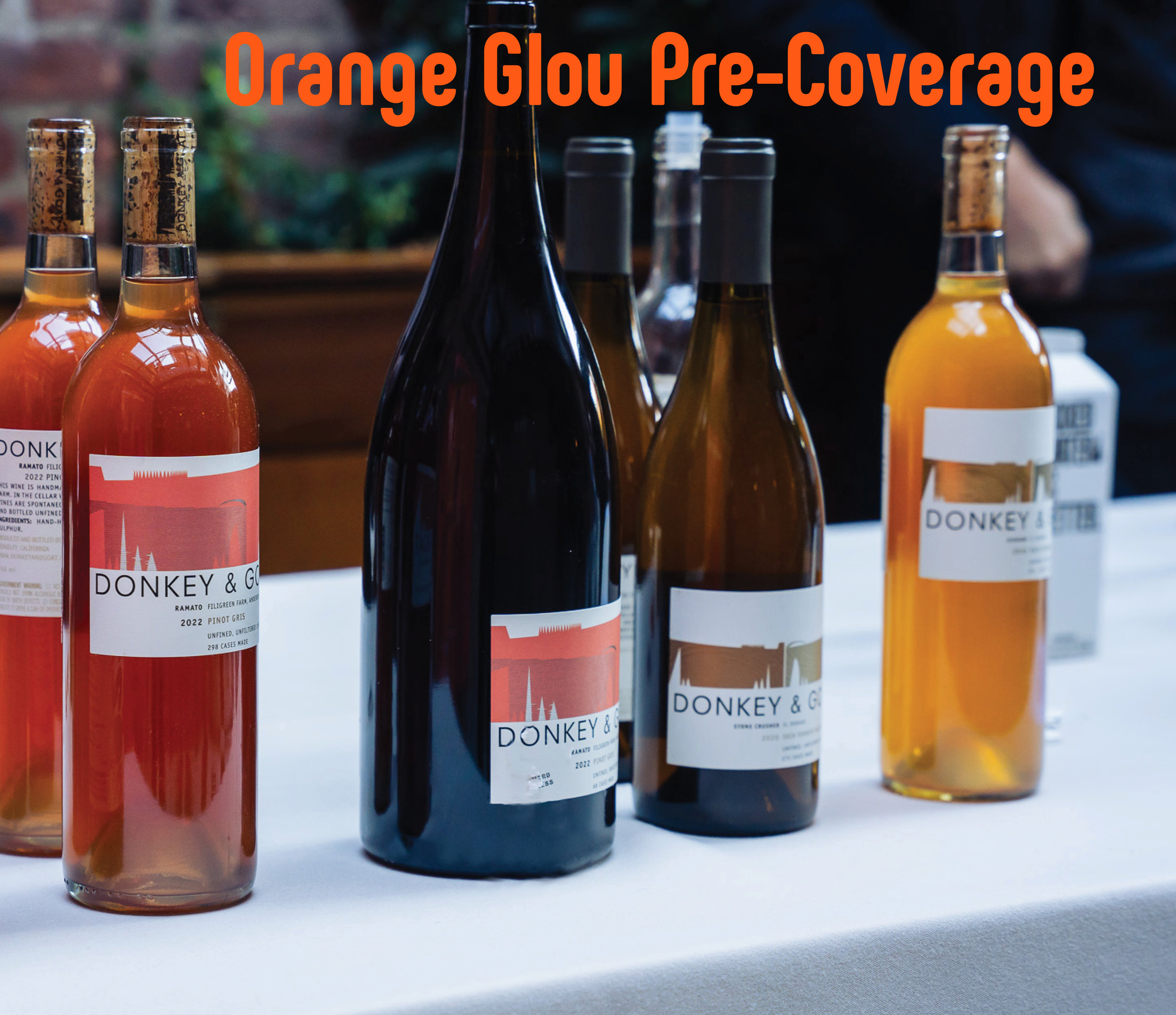
On April 19th, The 5th Annual Orange Glou Wine Fair at Gallery Space LES 155 Suffolk Street will showcase 100 orange wines to taste from around the world, highlighting up and coming wine regions like Japan, Mexico, and China, along with Spain and the US this year. Launched by leading orange wine expert Doreen Winkler, a natural wine sommelier and founder of Orange Glou wine club, it is America’s only wine fair dedicated exclusively to orange wines. A one-of-a-kind event for orange wine enthusiasts, those new to the style or anyone looking for a unique NYC event this spring, the Orange Glou Wine Fair is the ultimate place to enjoy the full spectrum of orange wines), meet winemakers to learn more about this ancient style of wine that has recently become so popular.
This year’s event will expand to 4 sessions throughout the day (11am-1pm, 1pm-3pm, 3pm-5pm, and 5pm-7pm). Guests can explore the world of orange wines, which are made using centuries-old techniques where the juice pressed from white grapes remains in contact with the skins during the fermentation process to create unique, versatile and delicious wines that range in color from pale gold to orange to amber. All guests will take home a signature Orange Glou wine glass (value $15), included in the $45 tickets.
PHOTOGRAPHY CREDIT | Nina Scholl
Read the MAR ISSUE #123 of Athleisure Mag and see ORANGE GLOU PRE-COVERAGE in mag.